
Rail Wheels: The Core Support For High-Speed Operation
Against the backdrop of rapid development of modern urban rail transit, fast rail vehicles have become an important component of urban public transportation due to their high efficiency and punctuality. As a key component of RRVs that directly contacts the track, Rail Wheels are like the "feet" of the vehicle, carrying the weight and operational mission of the entire train. Their performance directly affects the safety, comfort, and operational efficiency of the train.
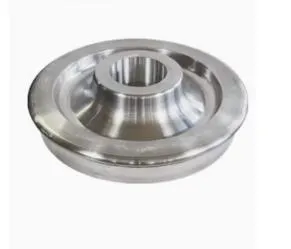
Carrying and transmitting weight is the most fundamental and core function of Rail Wheels
A fast rail vehicle carries hundreds of passengers and the weight of the carriage itself, all of which need to be transmitted to the track through v groove wheels and rails. Rail Wheels are forged from high-strength alloy steel and can withstand enormous static and dynamic loads. For example, an 8-car subway train can weigh hundreds of tons. With its sturdy structure and high-quality materials, Rail Wheels evenly distribute the weight of the train, ensuring stability during operation and avoiding serious accidents such as track deformation or vehicle derailment caused by insufficient load-bearing capacity.
Precise guidance is an important role of Rail Wheels in ensuring the safe operation of trains
V rails and wheels guide trains along predetermined tracks through the coordination of wheel rims and tracks. When the train turns, the wheel flange is in close contact with the side of the track, providing necessary guiding force to ensure that the train can smoothly turn according to the designed route, preventing the train from deviating or derailing. The special design and precise dimensions of the wheel flange enable the train to maintain a good running trajectory even at high speeds, providing passengers with safe and reliable travel guarantees.
The shock absorption and noise reduction function greatly improves the ride comfort of RRVs
During the operation of the train, vibration and noise are inevitably generated between the steel rail wheels and the track, which not only affects the passenger experience but may also cause damage to the vehicle components. Modern Rail Wheels adopt various shock absorption and noise reduction technologies, such as installing elastic elements between the wheels and axles, or using special wheel structure designs to effectively absorb and buffer vibrations generated during operation, reducing noise levels. The application of these technologies allows passengers to feel a smoother and quieter environment during the ride.
Excellent wear resistance ensures the service life and operational reliability of Rail Wheels
Flanged wheels rail is prone to wear and tear due to long-term contact and friction with the track. In order to improve wear resistance, the surface of the wheel is usually subjected to special treatments such as heat treatment, surface hardening, etc., to enhance the hardness and wear resistance of the wheel surface. At the same time, reasonable wheel profile design and material selection can effectively reduce wear, extend the service life of wheels, reduce maintenance costs and inspection frequency of vehicles, and ensure the normal operation order of trains.
In summary, although Rail Wheels are only a part of the many components of a train, they play an irreplaceable and important role in train operation. From load-bearing capacity and precise guidance to shock absorption, noise reduction, wear resistance, and durability, each function is closely related to ensure the safe and efficient operation of the train. With the continuous advancement of technology, Rail Wheels will develop towards a more lightweight, intelligent, and high-performance direction in the future, further improving the overall performance of fast rail vehicles and injecting new impetus into the development of urban rail transit.
Rail Wheels FAQs
Why do Rail Wheels use a "tapered tread" instead of a cylindrical one?
Self guiding effect: The conical design (usually with a slope of 1:20~1:40) causes the wheels to automatically shift towards the center of the track during bends, reducing wheel flange contact and wear.
Stability: When running in a straight line, the taper produces a slight lateral sway, suppressing snake motion (preventing high-speed oscillation).
International standards such as UIC 5102 and EN 13262 both specify conical profiles.
What are the special designs of high-speed Rail Wheels?
Material upgrade: using ER8/ER9 special steel (European standard) or CL60 (American), with a 30% increase in fatigue strength;
Noise reduction structure: damping rings are added to the spokes (such as the "silencing wheel" of ICE in Germany);
Lightweight: Hollow axle+thin spoke design (reduces weight by 15% but requires dynamic balance verification).
How to detect the "flat scar" defect in Rail Wheels? What is the repair limit?
Detection method:
Vehicle mounted vibration sensor (real-time alarm);
Acoustic monitoring along steel rails (such as Japan's "Trackside Acoustic Detection System").
Repair standard:
Flat scar length ≤ 60mm (UIC standard);
Depth greater than 1mm requires lathe repair (cutting to restore contour).
Why are Rail Wheels more prone to "polygonal wear"? How to suppress?
Cause:
Frequent start stop causes hardening of the material in the brake heat affected zone;
The resonance effect of fixed wheelbase bogies (common wavelength of 200~400mm).
Solution:
Optimize braking curve (reduce brake shoe friction);
During the repair process, "contour machining" is used to correct harmonic wear.
What are the technological breakthrough directions for future Rail Wheels?
Intelligent wheels: embedded with fiber optic sensors to monitor stress/temperature (such as Alstom's "Smart Wheelset" project);
Composite material: carbon fiber reinforced aluminum based wheel core (experimental stage, reduced weight by 40%);
Hydrogen energy adaptation: Low temperature resistant wheels (50 ℃) are used for high-altitude hydrogen powered trains.
-
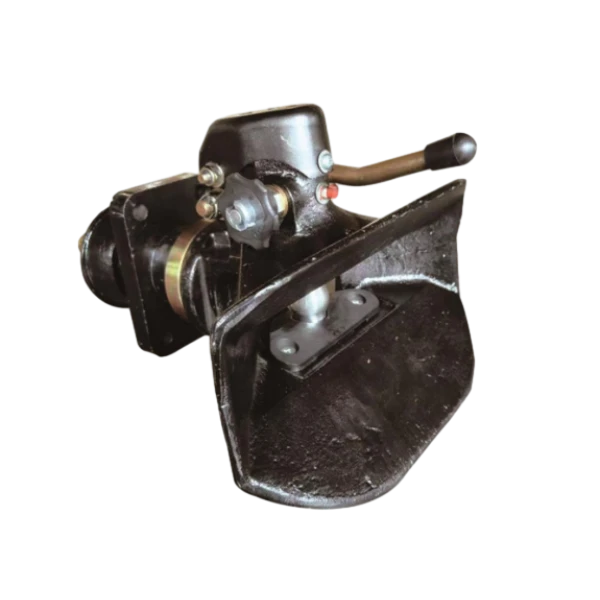 Trailer Coupling
The trailer coupling is a critical component in vehicle towing systems, designed to ensure a secure and efficient connection between a towing vehicle and a trailer. These couplings are manufactured using high-strength carbon steel, alloy steel, or stainless steel, ensuring durability and resistance to heavy loads and harsh environments.
-
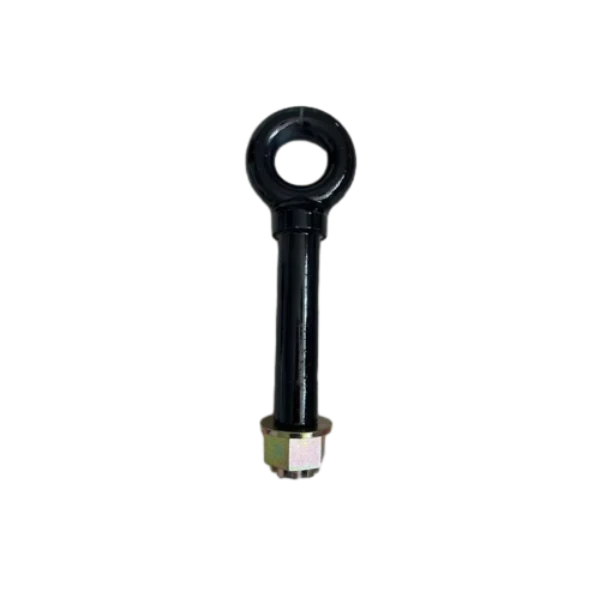
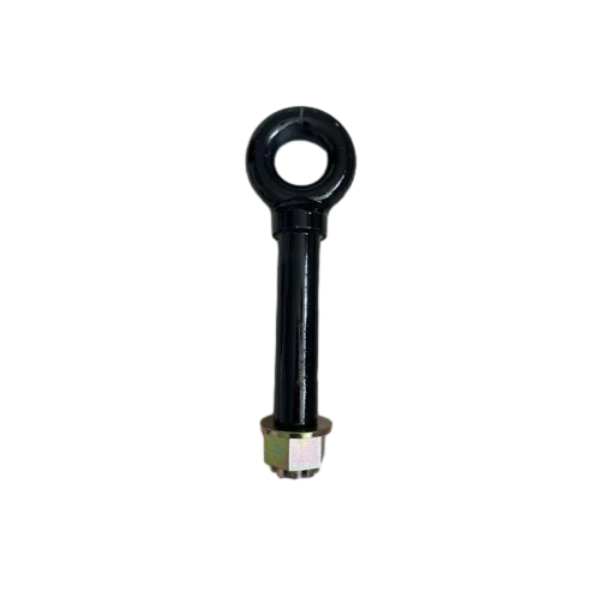 Drawbar Eyes
Drawbar eyes are essential components in towing and hauling applications, providing a strong and secure attachment point between the trailer and the towing vehicle. They are designed to endure extreme pulling forces, making them suitable for heavy-duty applications.
-
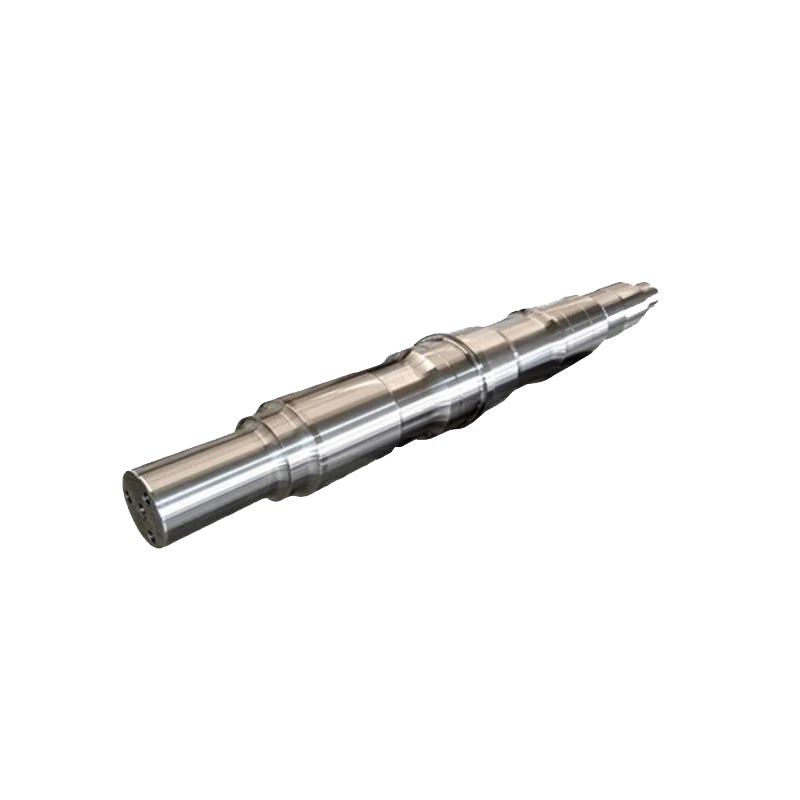
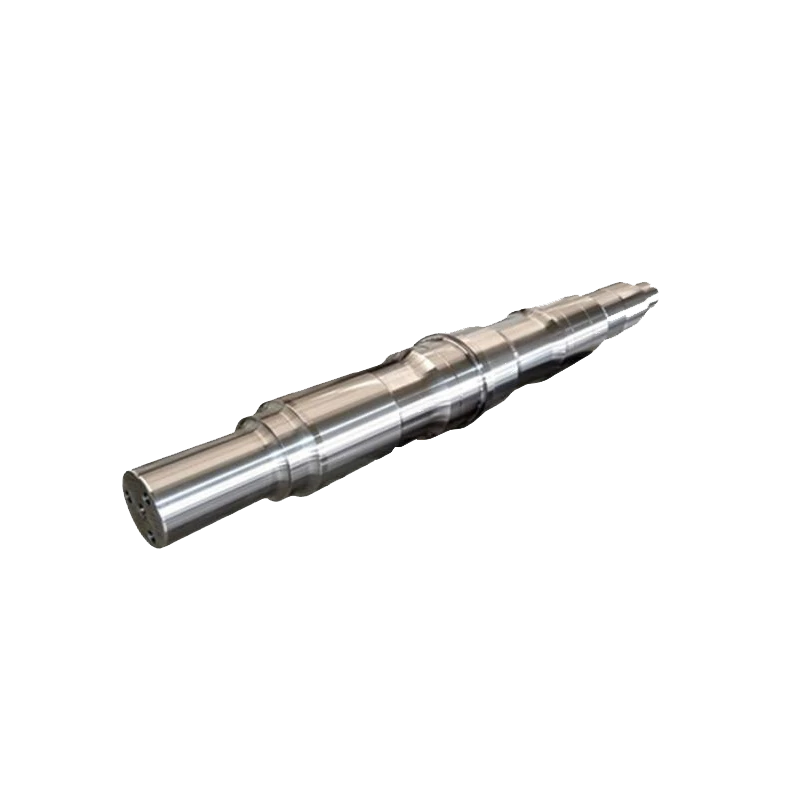 Axles
AxlesAxles are essential for vehicle load-bearing and power transmission, ensuring smooth movement and weight distribution. They must withstand high stress, torque, and impact, making material selection and precise manufacturing crucial.
-
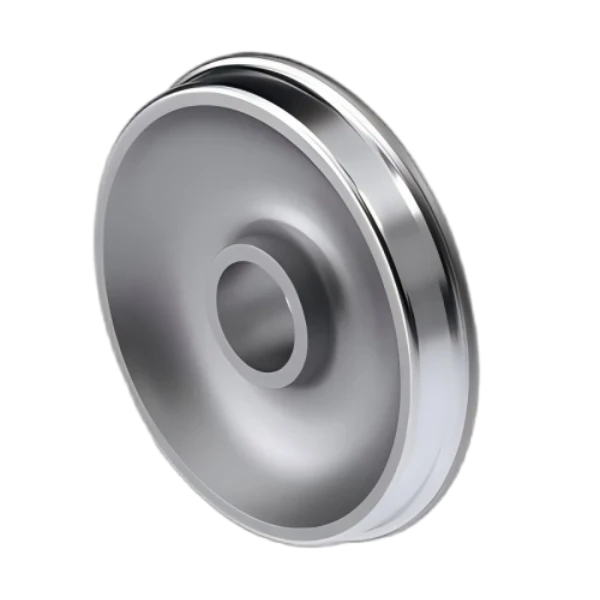
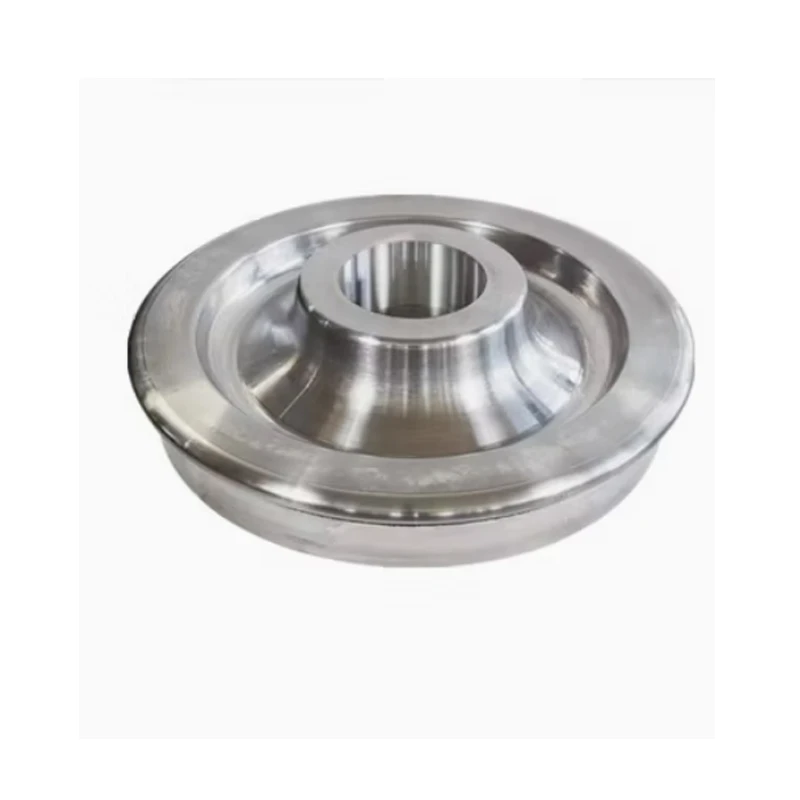 Profile S1002 Series Rail Wheels
The S1002 series rail wheels are designed for Rail-Road Vehicles (RRVs) that require seamless operation on both roads and railway tracks. Engineered with high precision and durability, these wheels conform to S1002 tread profiles, ensuring compatibility with standard railway systems.
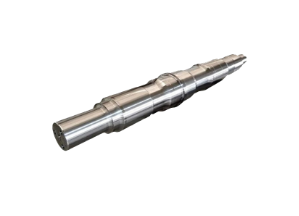
A Comprehensive Guide to Axles Types for Industry Decision Makers | Manufacturing Base
Axles Types is a key solution in the industry, specifically within heavy machinery and transportation sectors. This article explores how https://www.manufacturing-base.com supports professionals with durable, high-performance products
>
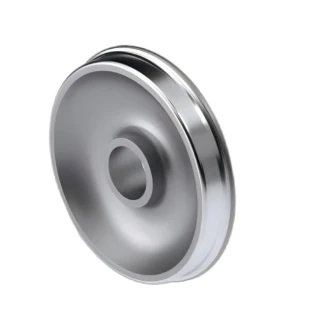
Reliable Rail Wheels: Optimize Your Rail Transport Solutions
For industries that rely on rail-based vehicles, choosing the right rail wheels is essential for smooth operations and safety.
>
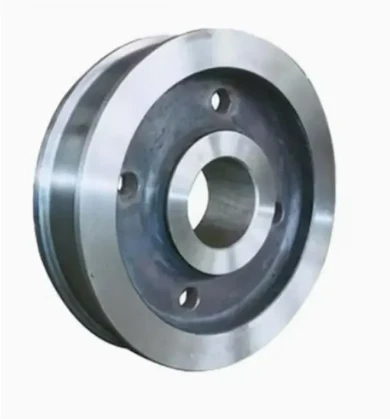
Premium Overhead Crane Wheels For Sale: Enhance Industrial Lifting Efficiency
In modern industrial operations, high-quality overhead crane wheels for sale are essential for safe, reliable, and efficient lifting.
>
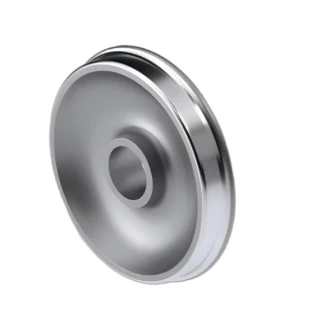
Premium Hi Rail Wheels For Sale: Boost Rail Vehicle Performance
In the modern industrial and railway sectors, having reliable hi rail wheels for sale is essential for operational efficiency and safety.
>
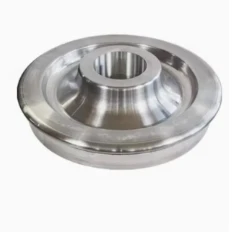
High-Quality Hi Rail Wheels For Sale: Enhance Your Rail Equipment Efficiency
When it comes to reliable rail maintenance and industrial operations, investing in hi rail wheels for sale is crucial.
>
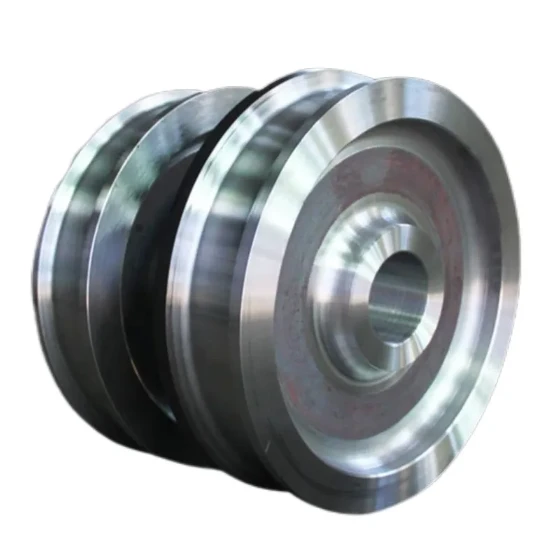
High-Quality Crane Wheels For Sale: Enhance Your Crane Operations
For industries relying on heavy lifting and material handling, investing in high-quality crane wheels for sale is crucial.
>
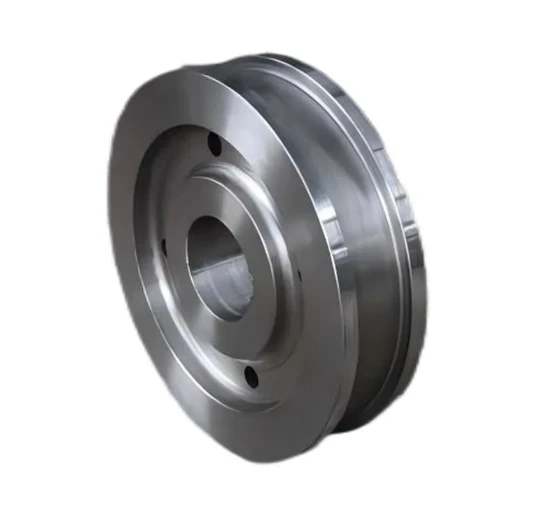
Durable Gantry Crane Wheels For Sale: Maximize Lifting Efficiency
For industries relying on heavy-duty lifting and material handling, selecting the right gantry crane wheels for sale is vital.
>
Reliable Tandem Drive Axles for Heavy-Duty Industrial Vehicles
Tandem Drive Axles: What I’ve Learned After Years in the Industrial Equipment Sector Ha
>
Reliable Semi Trailer Axles for Heavy-Duty Trailers | Expert Insight
Understanding semi trailer axles: The Backbone of Heavy Hauling Having spent more than a deca
>
RC Portal Axles: Industrial Strength and Custom Performance
RC Portal Axles: A Veteran’s Take on Industrial-Grade Performance Having spent over a d
>
Engineered for Excellence
Our forged solutions deliver reliability and performance, powering demanding industries to keep operations running smoothly.

Sign up
for Newsletter
Subscribe to the weekly newsletter for all the latest updates