- Tel: +86 311 82620404
- Cell: 86 -13739710551
- Email: sales@potentia.cn

The Indispensable Crane Wheels: The 'steel Footwear' For Industrial Handling
In modern industrial production and large-scale engineering construction, cranes are the core equipment for material handling, and Crane Wheels are the key components for achieving flexible operations. These seemingly ordinary wheels actually carry the heavy responsibility of lifting heavy objects and precise movement, and are the foundation for ensuring the efficient and safe operation of cranes. Their role permeates every heavy handling link in industrial production.
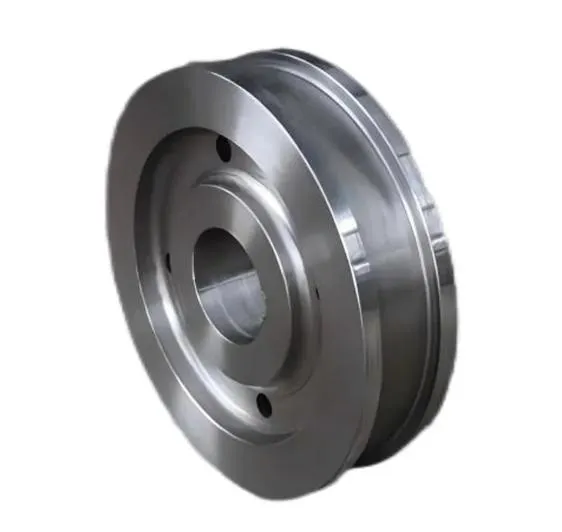
Bearing support is the most fundamental and critical function of Crane Wheels
Whether it is lifting containers at ports or lifting heavy building materials at construction sites, cranes need to bear huge vertical loads during operation, and these weights are ultimately transmitted to the wheels through the frame. Gantry crane wheels are usually made of high-strength cast steel or forged steel, which has extremely high compressive strength and toughness, and can stably support heavy objects of several tons or even hundreds of tons. For example, the wheels of a large gantry crane alone need to withstand tens of tons of pressure. Its sturdy structure ensures that the heavy object remains stable during lifting, avoiding safety accidents caused by insufficient load-bearing capacity.
Crane Wheels' mobile positioning function endows cranes with the ability to operate flexibly
Cranes need to complete lifting tasks in different work areas, and the wheels achieve horizontal movement of the equipment through contact with the track or ground. In the factory workshop, the overhead crane slides smoothly along a fixed track with the help of overhead crane wheels, accurately transporting materials to designated workstations; At the port, the wheels of the tire crane can flexibly turn on the ground and quickly reach the container loading and unloading position. The combination of wheels and driving devices can achieve precise speed control and positioning, ensuring that heavy objects are accurately placed at the target location and improving work efficiency.
Crane Wheels' guiding and stabilizing effect ensures the safety of the crane during operation
During operation, especially when turning or driving on uneven roads, crane rail wheels ensure that the equipment moves along the predetermined path through the cooperation between the wheel rim and the track, or special steering structures, to prevent dangerous situations such as deviation and derailment. For example, the design of dual wheel rims can provide limits on both sides of the track, allowing the crane to maintain stable operation even under complex working conditions; Some high-end cranes are equipped with automatic guidance systems that work in conjunction with sensors and wheels to adjust the direction of operation in real time, greatly improving the reliability of equipment operation.
Buffer and shock absorption are important but often overlooked functions of Crane Wheels
During the lifting and lowering of heavy objects, as well as the starting and braking processes of cranes, significant impact forces and vibrations are generated. Gantry wheels are usually equipped with elastic elements or designed with special materials that can effectively absorb and buffer this energy. For example, installing rubber shock absorbers between the wheels and axles, or using special steel with certain elasticity to manufacture the wheels, can reduce the damage of vibration to the structure and components of the crane, extend the service life of the equipment, reduce operational noise, and improve the working environment.
In summary, although Crane Wheels are only a small part of the massive mechanical structure of cranes, they undertake important functions such as load-bearing support, mobile positioning, guiding stability, and buffering and shock absorption. From basic load-bearing to precise job control, from ensuring operational safety to extending equipment lifespan, every function is indispensable. With the continuous development of industrial technology, the performance requirements for Crane Wheels are also increasing. In the future, more intelligent, durable, and efficient Crane Wheels will continue to play an irreplaceable role in the field of industrial handling.
Crane Wheels FAQs
What materials are commonly used for Crane Wheels? Why?
Crane Wheels are often made of high-strength alloy steel (such as 42CrMo) or forged steel to ensure high load capacity and wear resistance. Some light cranes may use ductile iron, while corrosion-resistant environments (such as ports) may use stainless steel or coating treatment.
Why do Crane Wheels need heat treatment?
By quenching and tempering heat treatment, the surface hardness (HRC 5060) and core toughness of the wheel can be significantly improved, thereby extending its service life and preventing fracture or deformation caused by heavy load or impact.
-
Double wheel rim vs. single wheel rim: How to choose Crane Wheels?
Double wheel rim: used for high-precision tracks (such as bridge cranes) to prevent derailment.
Single wheel flange: suitable for wide rail scenarios such as gantry cranes, with the other side positioned by a track baffle to reduce friction.
Wheel rimless: It needs to be used with horizontal guide wheels and is commonly found in heavy-duty metallurgical cranes.
How to determine if Crane Wheels need to be replaced?
Excessive wear: The thickness of the wheel rim has decreased by more than 15% compared to the original size, or there are deep grooves on the tread surface.
Cracks or peeling: Visible surface cracks or metal fatigue marks.
Abnormal operation: The crane shakes, makes abnormal noises, or has uneven track indentation while traveling.
What are the technological innovations of modern Crane Wheels?
Polyurethane coated wheels: reduce noise, protect tracks, suitable for indoor cranes.
Self lubricating bearing integration: reduces maintenance frequency and is suitable for high dust environments.
Intelligent monitoring system: Real time warning of wear and tear faults through vibration sensors and temperature monitoring.
-
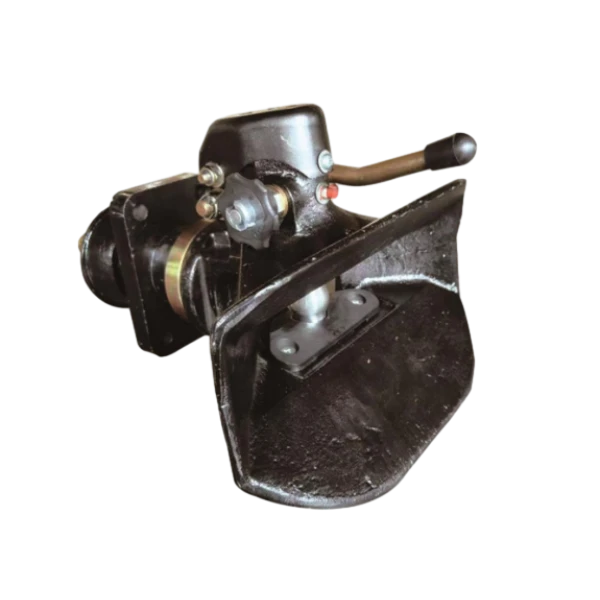 Trailer Coupling
The trailer coupling is a critical component in vehicle towing systems, designed to ensure a secure and efficient connection between a towing vehicle and a trailer. These couplings are manufactured using high-strength carbon steel, alloy steel, or stainless steel, ensuring durability and resistance to heavy loads and harsh environments.
-
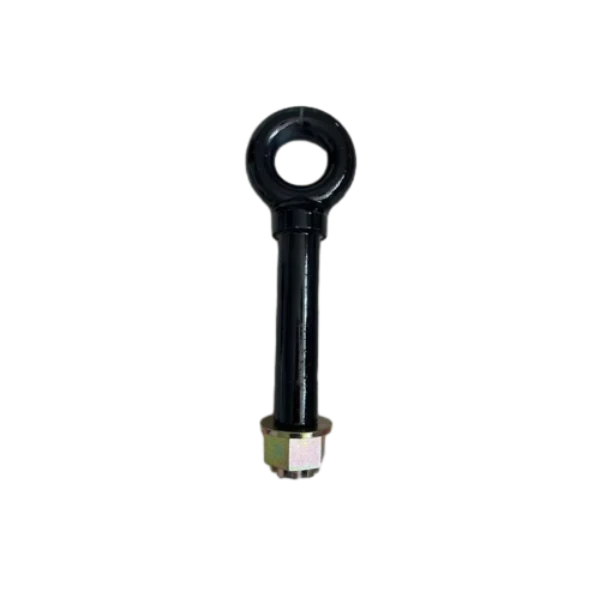
 Drawbar Eyes
Drawbar eyes are essential components in towing and hauling applications, providing a strong and secure attachment point between the trailer and the towing vehicle. They are designed to endure extreme pulling forces, making them suitable for heavy-duty applications.
-
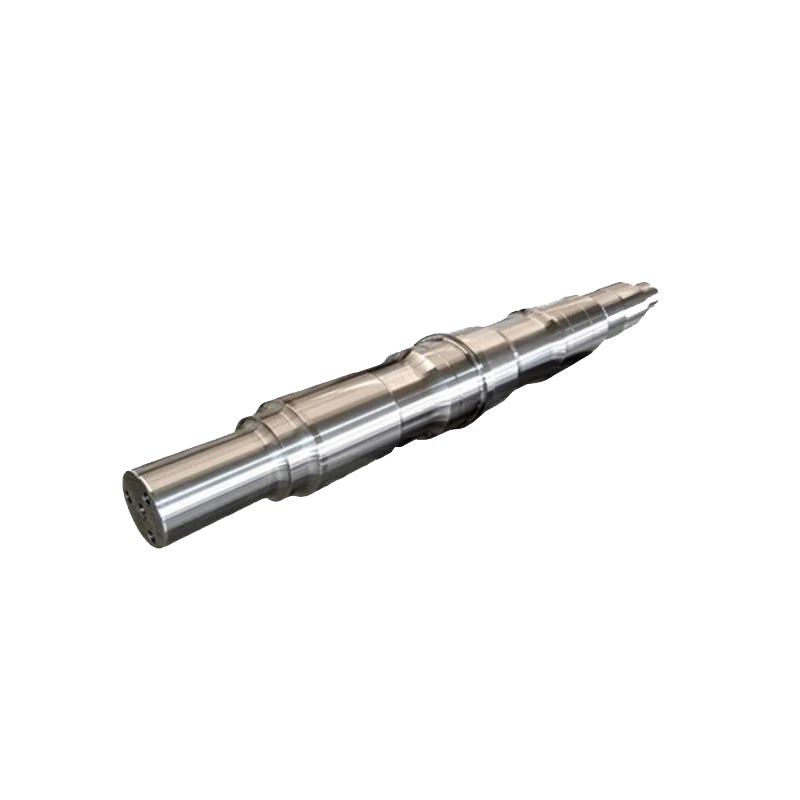
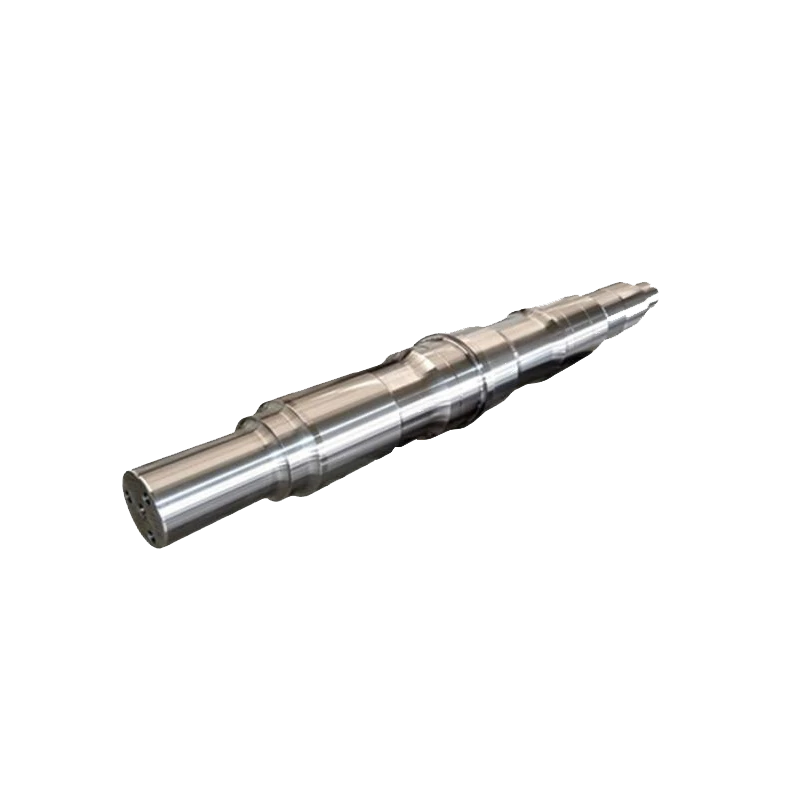 Axles
AxlesAxles are essential for vehicle load-bearing and power transmission, ensuring smooth movement and weight distribution. They must withstand high stress, torque, and impact, making material selection and precise manufacturing crucial.
-
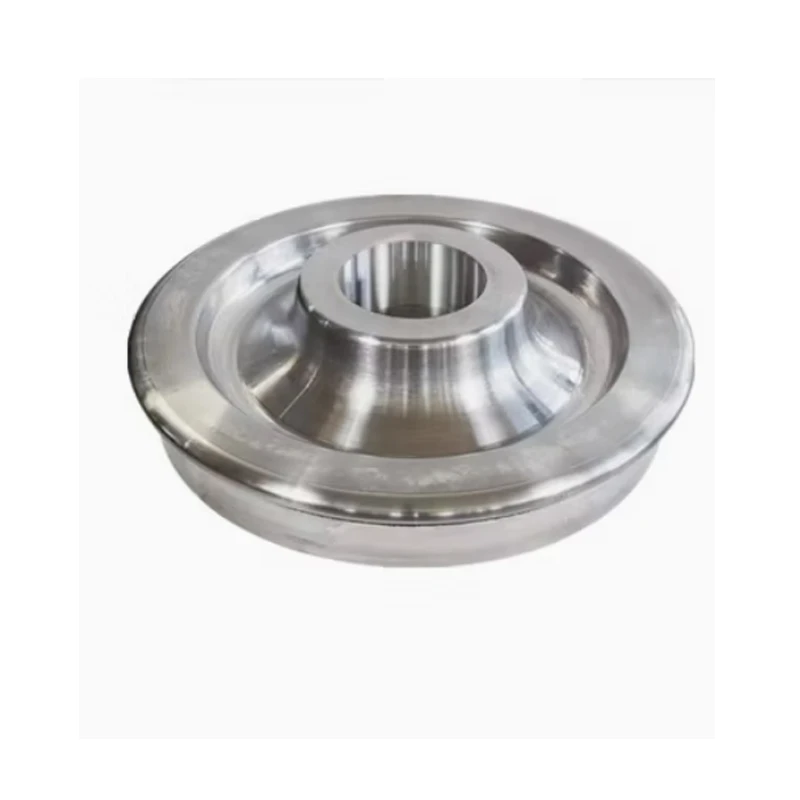 Profile S1002 Series Rail Wheels
The S1002 series rail wheels are designed for Rail-Road Vehicles (RRVs) that require seamless operation on both roads and railway tracks. Engineered with high precision and durability, these wheels conform to S1002 tread profiles, ensuring compatibility with standard railway systems.
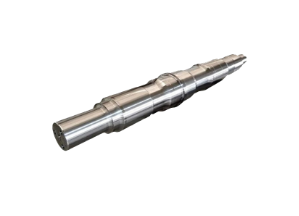
A Comprehensive Guide to Axles Types for Industry Decision Makers | Manufacturing Base
Axles Types is a key solution in the industry, specifically within heavy machinery and transportation sectors. This article explores how https://www.manufacturing-base.com supports professionals with durable, high-performance products
>
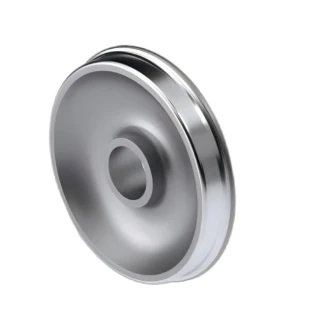
Reliable Rail Wheels: Optimize Your Rail Transport Solutions
For industries that rely on rail-based vehicles, choosing the right rail wheels is essential for smooth operations and safety.
>
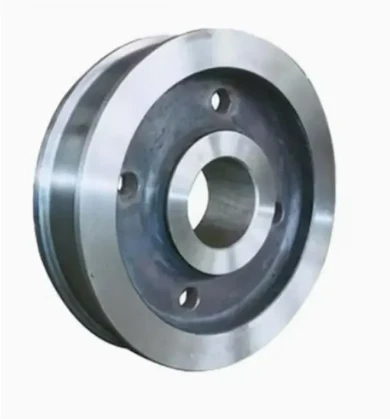
Premium Overhead Crane Wheels For Sale: Enhance Industrial Lifting Efficiency
In modern industrial operations, high-quality overhead crane wheels for sale are essential for safe, reliable, and efficient lifting.
>
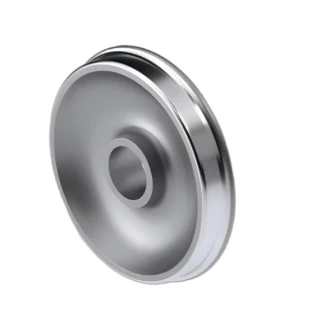
Premium Hi Rail Wheels For Sale: Boost Rail Vehicle Performance
In the modern industrial and railway sectors, having reliable hi rail wheels for sale is essential for operational efficiency and safety.
>
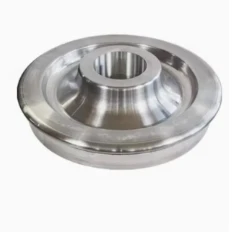
High-Quality Hi Rail Wheels For Sale: Enhance Your Rail Equipment Efficiency
When it comes to reliable rail maintenance and industrial operations, investing in hi rail wheels for sale is crucial.
>
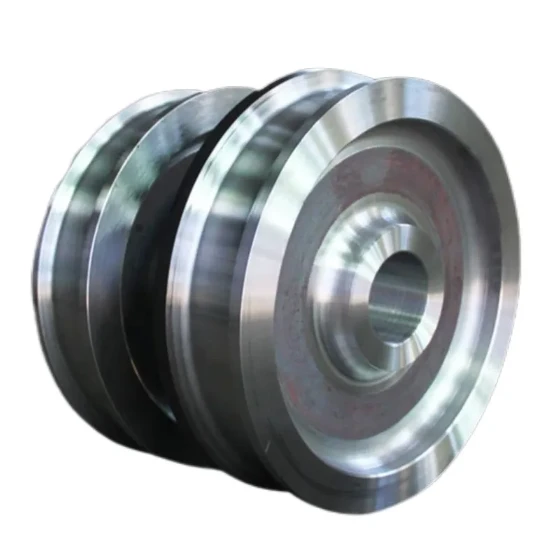
High-Quality Crane Wheels For Sale: Enhance Your Crane Operations
For industries relying on heavy lifting and material handling, investing in high-quality crane wheels for sale is crucial.
>
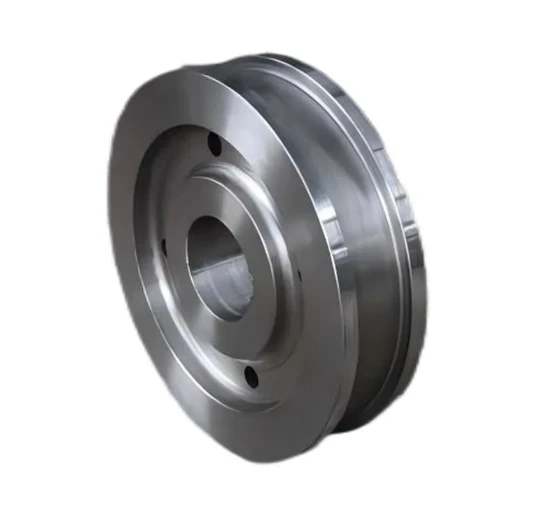
Durable Gantry Crane Wheels For Sale: Maximize Lifting Efficiency
For industries relying on heavy-duty lifting and material handling, selecting the right gantry crane wheels for sale is vital.
>
Reliable Tandem Drive Axles for Heavy-Duty Industrial Vehicles
Tandem Drive Axles: What I’ve Learned After Years in the Industrial Equipment Sector Ha
>
Reliable Semi Trailer Axles for Heavy-Duty Trailers | Expert Insight
Understanding semi trailer axles: The Backbone of Heavy Hauling Having spent more than a deca
>
RC Portal Axles: Industrial Strength and Custom Performance
RC Portal Axles: A Veteran’s Take on Industrial-Grade Performance Having spent over a d
>
Engineered for Excellence
Our forged solutions deliver reliability and performance, powering demanding industries to keep operations running smoothly.

Sign up
for Newsletter
Subscribe to the weekly newsletter for all the latest updates