
Rail Wheels For RRVs
Our railway and road dual-use vehicle track wheels are engineered for adaptability, enabling seamless switching between rail and road terrains. Perfect for modified excavators, trucks, and construction machinery, they offer unparalleled flexibility and efficiency. Constructed from robust materials, these wheels guarantee durability and reliability across varied environments, making them essential for railway maintenance, logistics, and construction tasks.
-
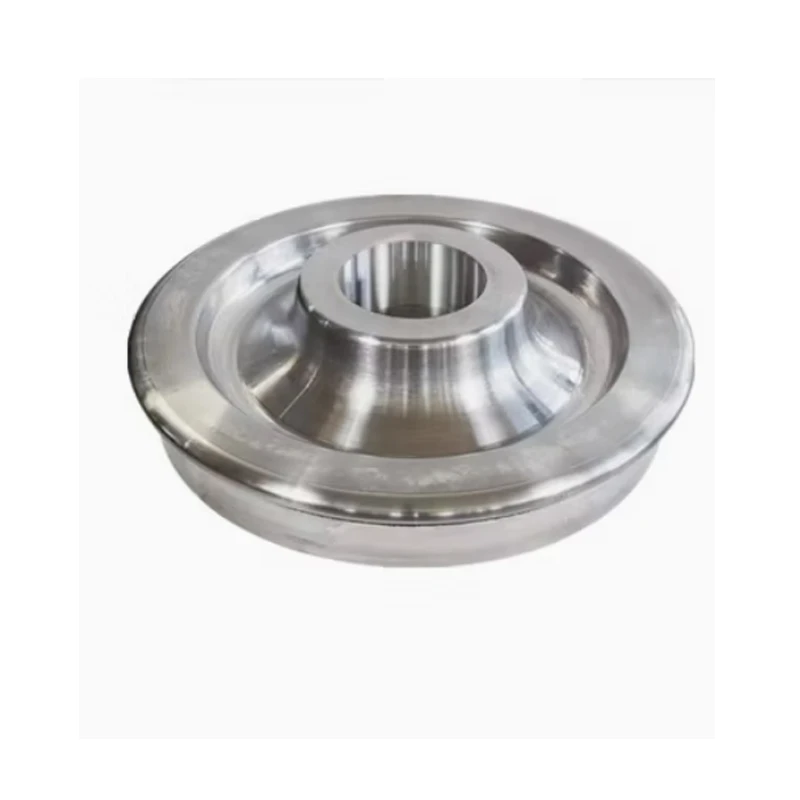 Profile S1002 Series Rail Wheels
The S1002 series rail wheels are designed for Rail-Road Vehicles (RRVs) that require seamless operation on both roads and railway tracks. Engineered with high precision and durability, these wheels conform to S1002 tread profiles, ensuring compatibility with standard railway systems.
-
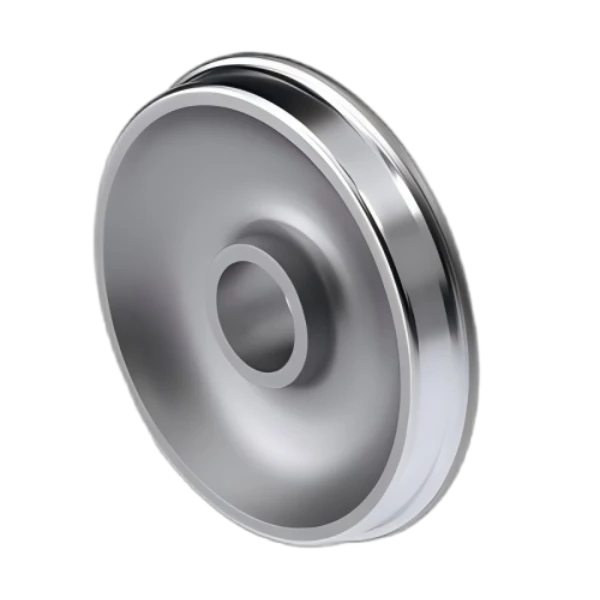 Profile P1 Series Rail Wheels
The P1 series rail wheels are specifically engineered for Rail-Road Vehicles (RRVs) requiring efficient operation on both railway tracks and roads. Designed to conform to the P1 tread profile, these wheels provide optimal track interaction, stability, and load-bearing performance.
How Do Rail Wheels Work?
The way rail car wheels work is both elegantly simple and highly engineered. At first glance, they may look like solid round pieces of steel, but every curve, taper, and flange serves a critical purpose. Unlike car tires that rely on rubber friction, rail wheels operate on a rolling contact with steel rails. Their shape is slightly conical rather than perfectly round, which helps keep the train centered on the tracks. This subtle cone profile automatically adjusts the wheel’s position if it drifts sideways, guiding it back into place. The inner flange – that raised edge on the inside of the wheel – acts as a safeguard, preventing the wheel from slipping off the track during turns or at switches. This dual system of cone and flange ensures both smooth travel and safety, even at high speeds or under heavy freight loads.
From a mechanical perspective, rail wheels for sale are more than just rolling components; they’re part of a complete system that includes axles, bearings, and the track itself. As a train moves, the load from each car is distributed through the wheels directly into the rails. The wheels are forged from durable steel grades like 65Mn, CL60, or 42CrMo, chosen for their ability to resist wear, thermal expansion, and repeated stress cycles. When procurement managers search for rail wheels manufacturers, they often focus on these material properties, because the strength of the steel determines how long the wheels can perform without replacement. In industrial applications, such as rail-road vehicles (RRVs) that must transition between highways and tracks, the wheels must be even more specialized, balancing traction on both surfaces. That’s why suppliers like Potentia Manufacturing Ltd. offer customized diameters (Φ300mm–1000mm) and adaptable gauge compatibility to meet unique operational demands.
Interestingly, the principles of rail wheels extend beyond trains. In automation and material handling industries, linear guide wheels apply similar rolling mechanics on tracks within factories, warehouses, and mines. These wheels provide precise, low-friction movement for heavy equipment or robotic systems, allowing for efficiency in production lines and logistics. Much like their railway counterparts, they rely on a forged steel design for accuracy and longevity. Buyers looking at rail wheels for sale often discover that the same engineering principles that keep a train safely on track also ensure reliable operation in industrial applications. Whether it’s transporting hundreds of passengers or moving tons of cargo within a facility, the engineering behind rail wheels ensures consistent, controlled motion.
In short, rail car wheels work through a combination of shape, material strength, and system integration. Their slightly conical design keeps trains centered, their flanges add a safety buffer, and their forged steel construction gives them the durability to endure decades of service under punishing conditions. For businesses, this makes choosing the right rail wheels manufacturers essential — because the quality of the wheel directly impacts safety, efficiency, and cost savings over time. Companies like Potentia Manufacturing Ltd. have spent decades refining these wheels, ensuring buyers can depend on them for both railway and industrial applications. Understanding how rail wheels work helps buyers make informed purchasing decisions, recognizing that these components are not just wheels, but the backbone of modern rail and guided systems.
How Do Rail Car Wheels Impact Energy Efficiency in Railway Systems?
Energy efficiency is a critical factor for modern railways, especially as operators strive to cut costs and reduce environmental impact. Surprisingly, one of the most significant contributors to efficiency lies in the design and quality of rail car wheels. Properly engineered rail wheels for sale are designed to minimize rolling resistance, allowing locomotives to pull heavier loads with less fuel or electricity. This might seem like a small adjustment, but across thousands of journeys, the savings become enormous—both in financial and environmental terms.
High-quality rail wheels manufacturers use advanced forging and machining techniques to ensure smooth surfaces and precise geometries. These details may seem technical, but in practice, they reduce friction between wheel and rail, directly lowering the energy needed for movement. In high-speed passenger trains, this translates into smoother acceleration and deceleration, while in freight transport, it means hauling capacity increases without demanding additional fuel. Even industrial systems using linear guide wheels benefit from the same principle, as efficiency gains reduce operational wear and energy waste.
Moreover, durable rail car wheels also reduce unnecessary energy loss due to uneven wear. When wheels degrade quickly, operators must replace them frequently, and in the meantime, trains run less efficiently because of irregular rolling contact. Choosing reliable rail wheels for sale from trusted manufacturers ensures longer life cycles, better balance, and improved fuel economy. For global buyers, this is a significant advantage since reduced fuel costs directly enhance competitiveness in freight operations.
Suppliers like Potentia Manufacturing Ltd. understand these real-world needs. With decades of expertise, they provide wheels that not only meet safety standards but also help operators achieve their energy-saving goals. For companies looking to improve efficiency without major infrastructure changes, upgrading to premium rail car wheels is one of the most effective steps available. Energy efficiency starts at the wheel, making the choice of supplier and product a decisive factor in long-term sustainability.
What Materials Are Used in High-Quality Rail Car Wheels and Why Do They Matter?
The material composition of rail car wheels plays a decisive role in their performance, durability, and safety. While early wheels were made from cast iron, modern wheels are forged from carefully selected steels such as C55, C60, 65Mn, ER6, ER7, CL60, 4140, 4330, 4340, and 42CrMo. Each of these alloys is chosen for specific properties like toughness, wear resistance, and the ability to withstand extreme stress cycles. For example, carbon steels like C60 provide excellent hardness, while alloy steels like 42CrMo deliver superior fatigue resistance. When buyers look for rail wheels for sale, they are not just buying metal discs; they are purchasing years of operational reliability embedded in the chemistry of the steel. The wrong choice of material could lead to premature wear, costly downtime, or even dangerous accidents, which is why industrial buyers carefully evaluate steel grades before placing large orders.
In addition to resisting everyday wear, materials must also perform under demanding thermal conditions. Every time a train brakes, enormous heat builds up in the wheel surface due to friction. Forged alloy steels, especially grades like 4140 or 4340, have excellent thermal stability, allowing them to maintain structural integrity even under repeated cycles of heating and cooling. This is critical for freight railways, metro systems, and high-speed trains, where braking happens constantly. Without the right material, wheels could crack or deform, putting the entire rail system at risk. This is why professional procurement managers prioritize sourcing from experienced rail wheels manufacturers who understand global standards and metallurgical requirements.
Beyond railway use, material choice is also essential in linear guide wheels, which support precision motion in factories, mines, and automated logistics systems. These applications require smooth rolling action, low friction, and long service life, all of which depend on the material properties of the wheel. Forged steels not only extend service intervals but also guarantee accurate operation in guided systems, which cannot afford sudden breakdowns. Buyers evaluating rail wheels for sale often discover that the same robust steels that serve heavy railroads also benefit industrial rail-guided machinery, making the material selection even more valuable.
Companies like Potentia Manufacturing Ltd., a trusted supplier since 1986, offer wheels forged from a wide variety of steel grades to match different operational needs. Their S1002 series provides both strength and adaptability, designed for standard 1435mm gauges and customizable diameters from Φ300mm to 1000mm. By offering multiple steel options, they ensure buyers can select the most appropriate wheels for freight, passenger, or industrial projects. In the global marketplace, choosing the right steel composition is not just a technical decision — it’s an investment in safety, cost efficiency, and long-term operational excellence.
What Makes Rail Car Wheels Essential for Modern Transportation Efficiency?
Rail car wheels are at the heart of safe, reliable, and efficient railway systems. Unlike ordinary wheels, rail car wheels must balance strength, load-bearing capacity, and precision to ensure smooth operation over long distances. These wheels are forged from high-quality steel grades such as C55, 65Mn, and 42CrMo, giving them superior resistance to wear, cracks, and deformation. For railway operators and contractors, the choice of durable wheels directly affects fuel efficiency, noise reduction, and long-term cost savings. When buyers search for rail wheels for sale, they are looking for wheels that not only meet safety regulations but also reduce the need for frequent replacements. This makes rail car wheels one of the most crucial components in transport infrastructure.
Another critical advantage is the precision engineering behind every wheel. Rail wheels manufacturers design their products to maintain consistent rolling contact with the rail tracks, minimizing vibration and track wear. This precision improves ride comfort for passengers and reduces maintenance downtime for freight services. For businesses that operate both on-road and railway tracks, wheels designed for rail-road vehicles (RRVs) are even more vital, as they allow seamless transitions without compromising safety or performance. In this regard, having customizable options in wheel diameter and gauge compatibility ensures that buyers can select the right wheels for their fleet.
In global markets, the demand for linear guide wheels is also rising as industries integrate them into automated rail-guided systems. These wheels bring rail technology beyond trains, supporting logistics hubs, factories, and mining operations. For a wholesaler or industrial buyer, investing in high-quality rail car wheels ensures not only performance but also adaptability across multiple applications. Choosing from rail wheels for sale is not just about availability — it’s about finding wheels engineered to endure years of heavy-duty use in demanding environments.
For buyers seeking a trusted supplier, companies like Potentia Manufacturing Ltd., established in 1986, are reliable sources. Their S1002 series rail wheels are built for rail-road vehicles, with custom diameters ranging from Φ300mm to 1000mm and compatibility with 1435mm standard gauge tracks. This level of engineering ensures businesses can count on a consistent and durable product. In a market where downtime is costly, sourcing from experienced rail wheels manufacturers is an investment in both safety and efficiency.
Why Is Wheel Diameter Important When Choosing Rail Wheels for Sale?
Wheel diameter is often an overlooked factor in railway procurement, yet it has a direct influence on performance, efficiency, and compatibility. Standard diameters for rail car wheels range from Φ300mm to 1000mm, but different rail systems and rail-road vehicles (RRVs) may require specific sizes. A larger diameter offers smoother rolling motion, lower rolling resistance, and improved ride comfort, which is vital for passenger trains. On the other hand, smaller wheels can be more practical for compact machinery, light rail systems, or vehicles that need greater maneuverability. Buyers searching for rail wheels for sale must consider not only the gauge compatibility of the track but also how wheel size will impact the overall efficiency of their fleet.
In freight applications, the choice of wheel diameter is critical for load-bearing capacity. Larger wheels distribute the load over a greater rolling surface, reducing stress concentrations and extending wheel life. For heavy freight trains carrying bulk commodities or containers, this advantage is invaluable. Smaller wheels, however, are sometimes better suited for linear guide wheels used in industrial environments where space is limited and precision is more important than speed. Whether in metro transit or automated warehouses, the wheel diameter directly influences performance. Procurement teams working with global rail wheels manufacturers must carefully match wheel dimensions to their specific use cases to avoid costly mismatches.
Maintenance is another area where wheel diameter plays a major role. Over time, rail car wheels wear down due to friction with the rail, and when the diameter decreases below a critical threshold, they must be replaced. Choosing the correct starting diameter helps extend the service life of wheels before they reach this limit. Larger wheels naturally have more usable material, which means longer intervals between replacements. Buyers looking for rail wheels for sale should therefore view diameter not just as a compatibility specification but also as a cost-saving factor over the wheel’s lifetime.
Suppliers such as Potentia Manufacturing Ltd. understand the importance of customizable wheel diameters for different applications. Their production capability allows for a wide diameter range, ensuring compatibility with diverse fleets and systems. By offering flexibility in wheel size, they provide solutions that meet the needs of both railway transport and industrial guided systems. In the global market of rail wheels manufacturers, this adaptability makes a supplier stand out, because it allows buyers to get wheels tailored to their specific requirements instead of compromising with standardized options. Ultimately, the right diameter means smoother operations, lower maintenance costs, and a longer service life, all of which add value to procurement decisions.
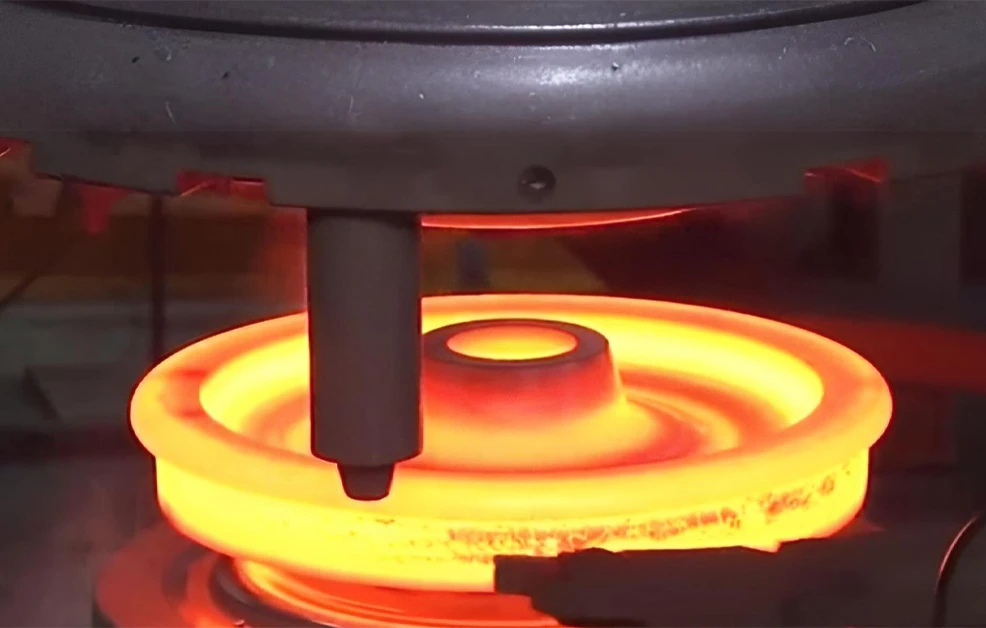
We Provide Reliable Rail Wheels for Road-Rail Vehicles
Professionally enhance and fully optimize mobility across both traditional and modern infrastructure systems through the use of precision-engineered wheel solutions. Our advanced mobility components are designed to deliver seamless performance, durability, and adaptability in complex dual-network environments—ensuring smooth operations across highways, industrial zones, and intermodal systems.
Global Reach, Local Impact
With quality and innovation, our forged wheels drive efficient movement in cranes, railways, and machinery worldwide.

Sign up
for Newsletter
Subscribe to the weekly newsletter for all the latest updates