Peter Thompson
Industrial Fleet Manager, UK

Key Features:
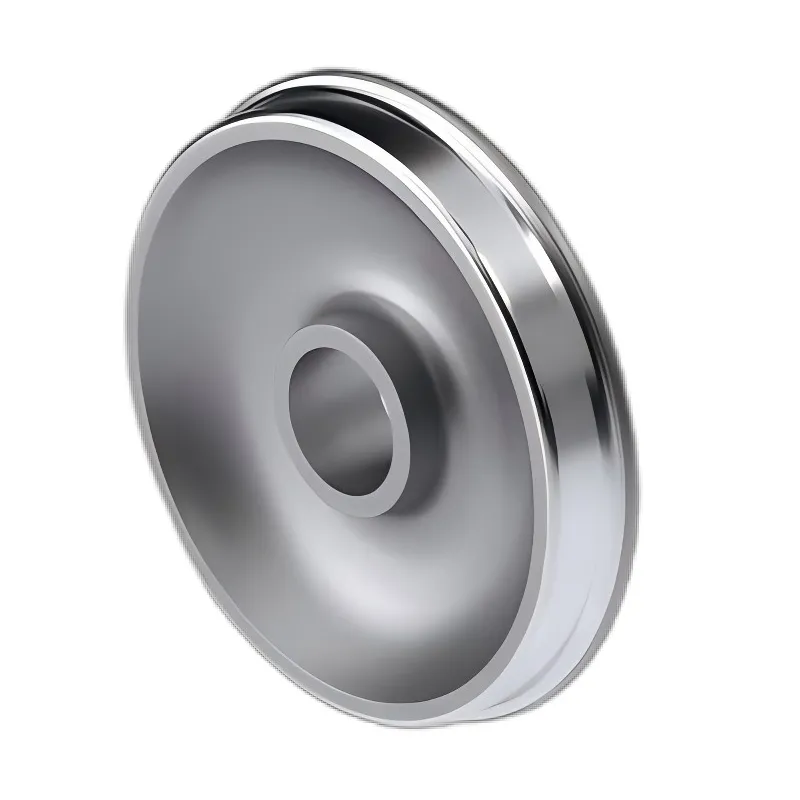
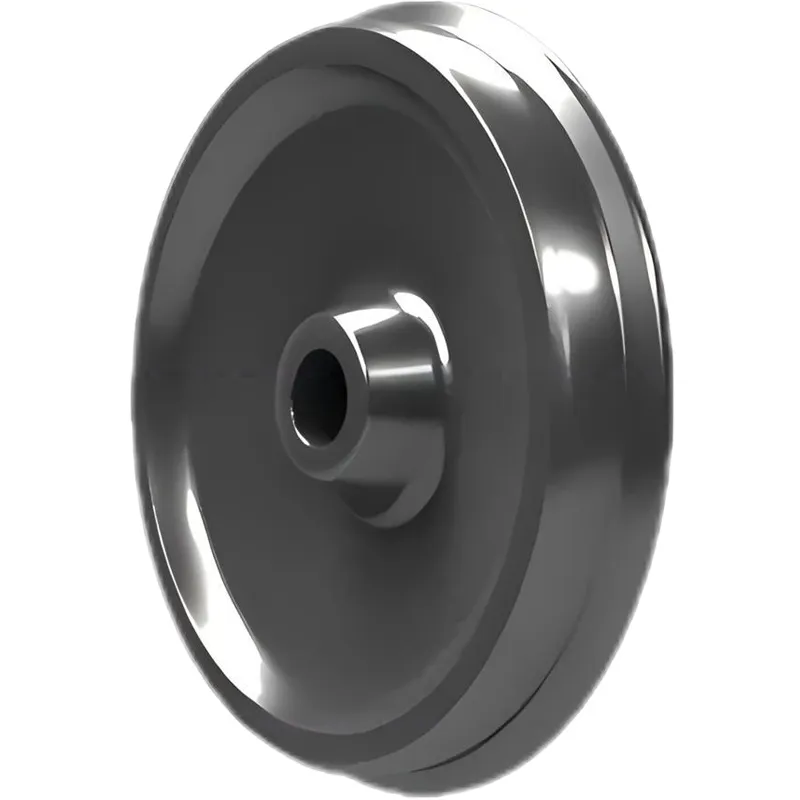
1.Tread Profile: The P1 profile is designed for excellent rail adhesion, reducing slippage and enhancing traction, making it ideal for mixed operational environments.
2.Material Composition: Constructed from premium-grade carbon and alloy steels, including C55, C60, 65Mn, ER6, ER7, CL60, 4140, 4330, 4340, and 42CrMo, ensuring high durability and resistance to wear.
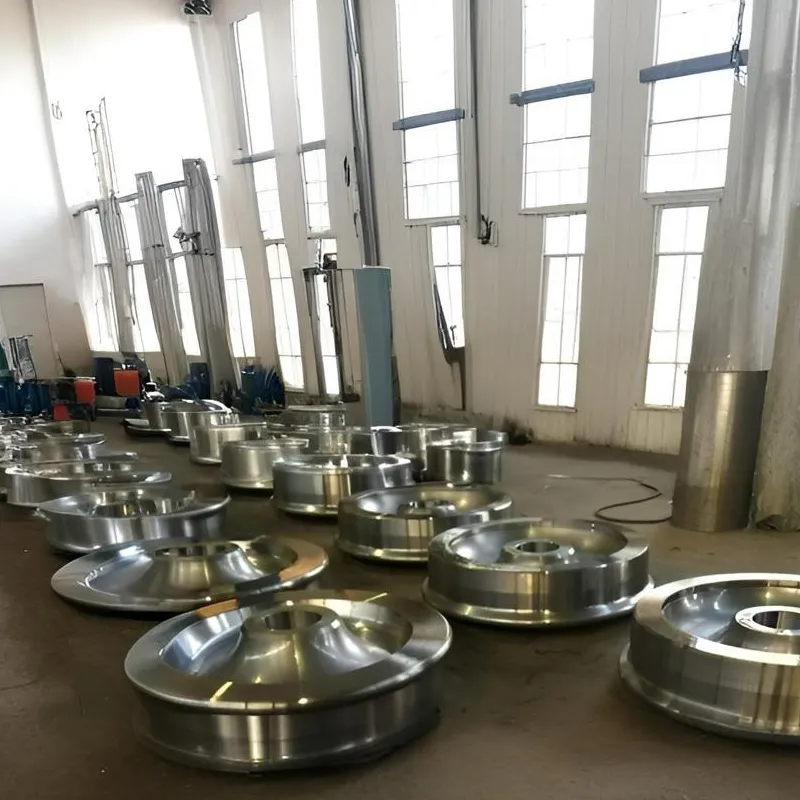
3.Size Flexibility: Available in diameters from Φ300mm to 1000mm, with custom sizing options to meet specific application needs.
4.Gauge Compatibility: Designed for standard 1435mm gaugeand customizable for non-standard track widths.
5.Flange Design: Features a single flangeto ensure proper rail alignment and smooth operation.
6.Load Capacity: Supports a broad range of vehicle sizes, with unit weights ranging from 1 kg to 16,000 kg.
7.Industry Compliance: Adheres to railway safety and performance standards, including AAR M-208 and UIC 812-3, ensuring reliability in various rail applications.
The P1 series rail wheels offer exceptional performance for hybrid rail-road vehicles, combining strength, safety, and efficiency to support demanding operational requirements.
Yes. P1 series rail wheels are specifically designed to enhance safety for hybrid Rail-Road Vehicles, significantly reducing derailment risks. Their P1 tread profile offers optimized rail contact, lateral stability, and load distribution, all of which are essential for vehicles transitioning between road and rail. By maintaining even pressure along the flange and tread, these flanged wheels rail prevent sudden shifts that can lead to derailments, even under heavy load or high-speed conditions. This makes P1 wheels an essential investment for operators seeking rail wheels for sale with built-in safety features.
Daily operational habits complement the inherent safety of P1 series wheels. Eye-checking flange wear, recording load cycles, and greasing the tread profile are simple routines that can reduce derailment risks by up to 40%. These small efforts allow fleet managers to detect early wear, anticipate replacements, and prevent unexpected downtime. For companies sourcing rail car wheels or linear guide wheels, integrating preventive maintenance practices ensures that P1 series wheels perform consistently under demanding conditions.
The engineering excellence of the P1 series also contributes to safety. Manufactured from high-quality steel, these wheels resist deformation, maintain structural integrity under stress, and provide a stable ride for hybrid RRVs. When paired with precision track alignment, operators experience smoother transitions and fewer instances of wheel slippage. For B2B buyers, choosing steel rail wheels from reputable rail wheels manufacturers like Potentia Manufacturing Ltd. ensures that their fleet operates safely and efficiently, with minimal intervention required.
In practical terms, P1 series wheels not only reduce derailment risk but also enhance operator confidence. Smooth rail-road transitions, minimal vibration, and consistent performance under heavy loads improve handling and control. Investing in these flanged wheels rail is an investment in long-term operational reliability, making them a clear choice for purchasers seeking durable, safe, and high-performing rail wheels for sale.
Lubrication is critical to maximizing the performance and lifespan of P1 series rail wheels. Properly greasing the P1 tread profile minimizes friction between the wheel and track, reducing heat generation, wear, and the likelihood of flange damage. For hybrid RRVs, which operate on both roads and rail tracks, this lubrication ensures smooth transitions, less vibration, and consistent wheel-to-rail engagement. For companies purchasing rail wheels for sale, understanding the role of lubrication is key to maintaining steel rail wheels in peak condition.
Greasing also protects against corrosion, particularly in industrial or outdoor environments. Moisture, dirt, and debris can accelerate wear if the wheels are left unprotected. By applying the correct lubricant to flanged wheels rail, operators preserve the integrity of rail car wheels and prevent premature failures. Additionally, lubricated wheels interact more efficiently with linear guide wheels, enhancing directional control and reducing energy consumption during operations.
Routine lubrication complements other maintenance habits, such as eye-checking flange wear and logging load cycles. These combined practices reduce derailment risks and extend the service life of each wheel. Operators report that well-lubricated P1 series wheels require fewer unscheduled replacements and maintain smooth operational efficiency, making them a preferred choice for B2B buyers seeking durable, reliable rail wheels manufacturers solutions.
Industrial operations demand steel rail wheels capable of handling substantial loads while maintaining stability and precision. The P1 series rail wheels meet these requirements through their robust construction and optimized tread profile. Forged from high-strength steel, each wheel is engineered to endure the repeated stresses of heavy cargo, whether on mining tracks, warehouses, or hybrid RRVs. The P1 profile ensures even distribution of weight across the contact patch, reducing the risk of localized stress that can damage flanged wheels rail or underlying tracks.
Beyond structural strength, P1 series rail car wheels provide excellent traction and lateral stability under load. Vehicles carrying heavy goods often experience dynamic shifts, which can lead to wheel slippage or misalignment. The carefully engineered tread profile minimizes this risk, ensuring consistent rail engagement and smooth motion. For companies sourcing rail wheels for sale, these features translate into fewer unscheduled maintenance interventions, lower repair costs, and safer operations for personnel handling heavy loads.
Integration with existing linear systems is another advantage. The P1 series’ compatibility with linear guide wheels ensures that hybrid vehicles maintain precise directional control even in complex track layouts. This adaptability is particularly useful in industrial settings where tracks may include curves, switches, or shared paths with other rail-based equipment. Investing in these steel rail wheels enables operators to achieve both safety and efficiency without compromising load-handling capabilities.
Finally, the long-term economic benefits are significant. While initial procurement of high-quality P1 series wheels may represent a modest investment, their extended service life, reduced derailment risk, and lower maintenance requirements deliver tangible savings. For industrial companies looking to optimize operations, these rail wheels manufacturers provide a product that balances load capacity, reliability, and cost-efficiency. Choosing P1 series rail car wheels ensures a safer, smoother, and more productive workflow for heavy-duty operations.
The 1435 mm gauge, also known as standard gauge, is the most widely used railway track width in the world. For a wheel to fit this gauge perfectly, it must meet exact dimensional tolerances in diameter, flange thickness, tread profile, and back-to-back spacing. The P1 series rail wheels are engineered with precision forging techniques that produce uniform geometry, ensuring that the steel rail wheels align perfectly with the rails without excess lateral play. This precision reduces vibration, uneven wear, and risk of derailment, making them ideal rail car wheels for high-speed or heavy-load hybrid Rail-Road Vehicles (RRVs).
The science behind this fit involves both mechanical geometry and material behavior under load. The P1 tread profile is designed to maintain optimal contact with the railhead while accommodating slight variations in track alignment. The flange acts as a safety boundary, preventing lateral slipping while the conical tread allows for smooth negotiation of curves. When combined, these features ensure that the wheel’s linear guide wheels move along the rails consistently, maintaining proper engagement across the full 1435 mm track width. This interaction is critical in preventing rolling resistance from increasing and in reducing stress on both the flanged wheels rail and track infrastructure.
Additionally, the P1 series uses high-quality forged steel that retains its dimensional stability even under heavy loads. Steel’s predictable elastic and plastic properties allow engineers to calculate exact tolerances so that, once installed, the wheel maintains its rail wheels manufacturer-specified alignment over thousands of operational cycles. This is why P1 series wheels can reliably handle high-load industrial operations while preserving the 1435 mm gauge fit, which is vital for maintaining safety standards and smooth operation on global rail networks.

Peter Thompson
Industrial Fleet Manager, UK

Jakub Novak
Rail Operations Engineer, Poland

John Smith
Operations Manager, USA

Carlos Fernandez
Maintenance Manager, Spain
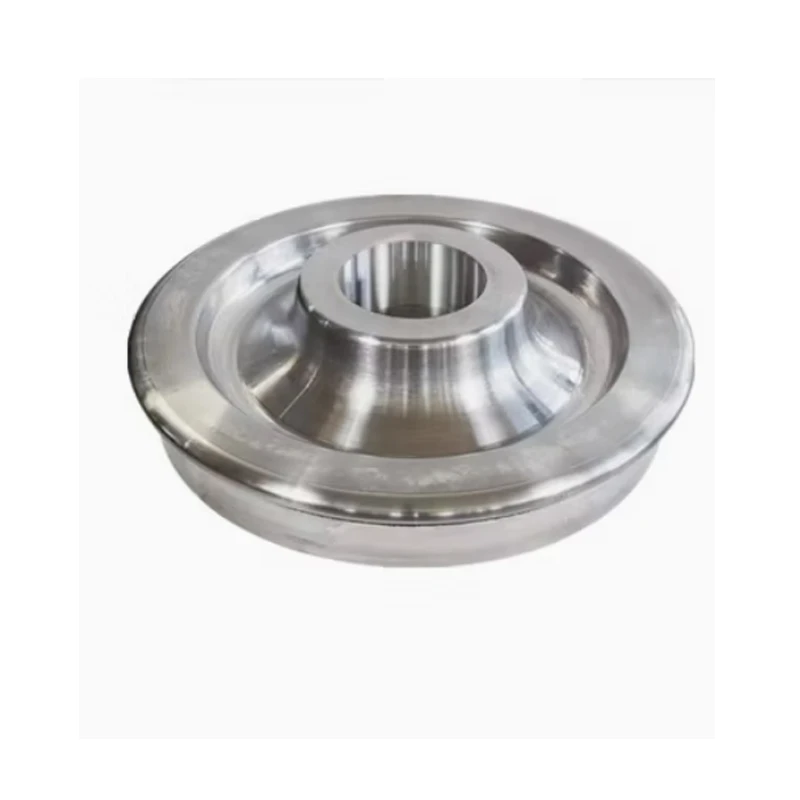
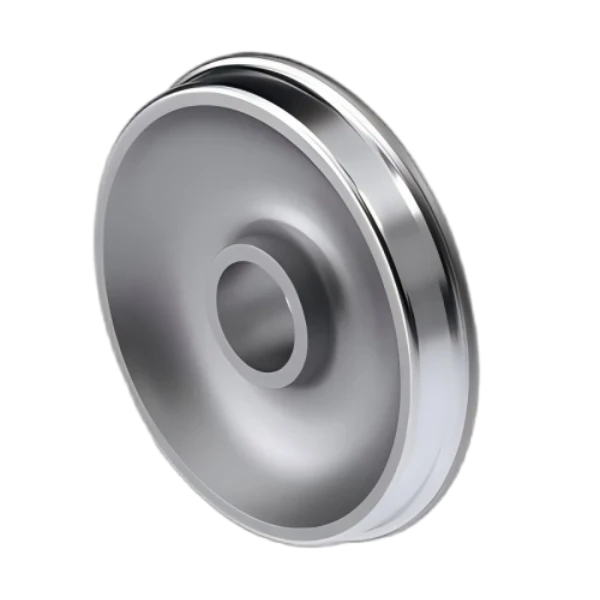
The S1002 series rail wheels are designed for Rail-Road Vehicles (RRVs) that require seamless operation on both roads and railway tracks. Engineered with high precision and durability, these wheels conform to S1002 tread profiles, ensuring compatibility with standard railway systems.
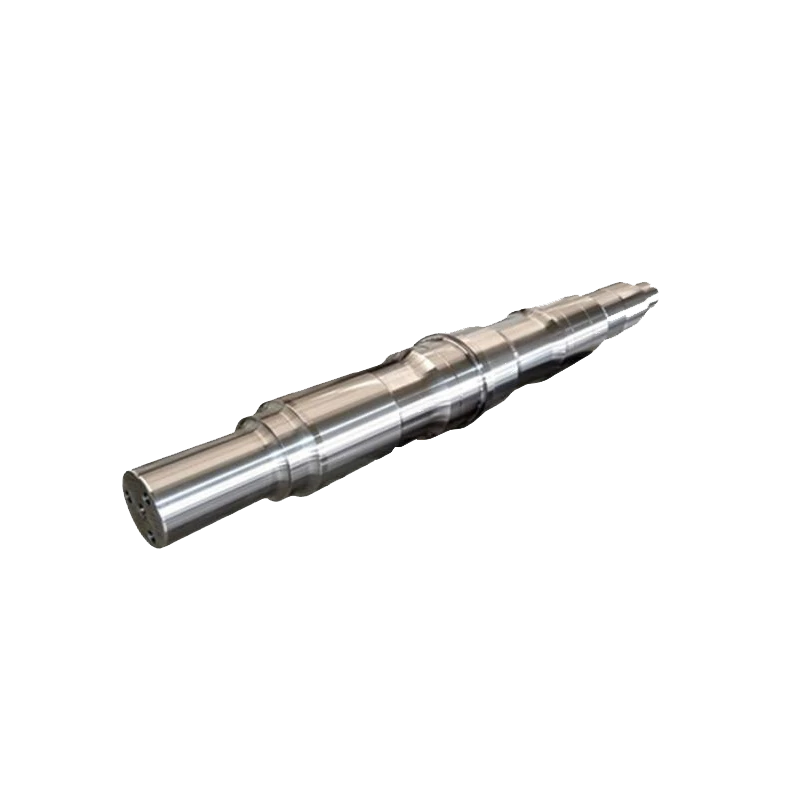
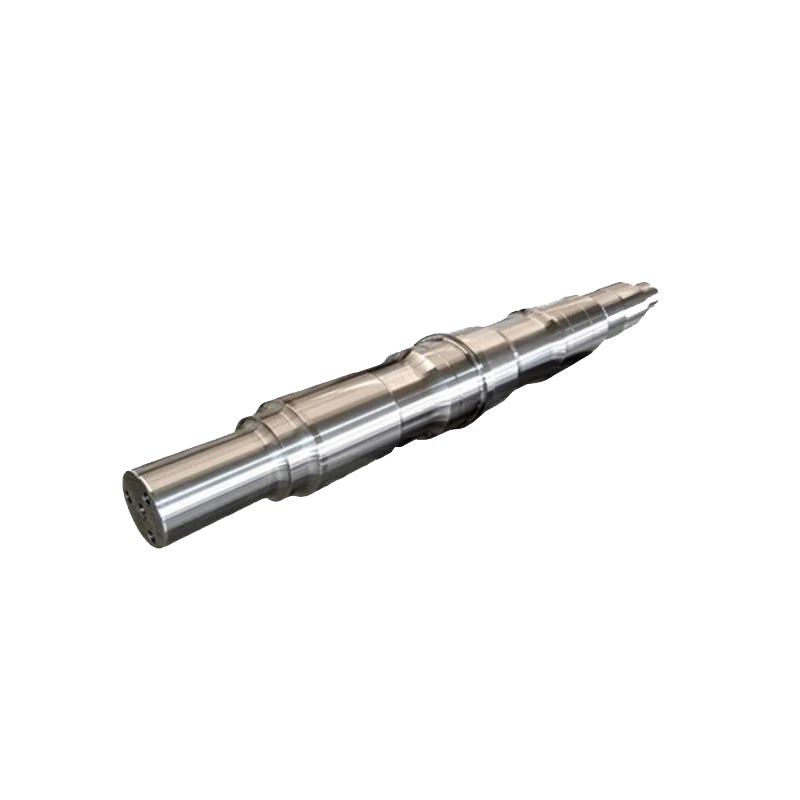
Axles are essential for vehicle load-bearing and power transmission, ensuring smooth movement and weight distribution. They must withstand high stress, torque, and impact, making material selection and precise manufacturing crucial.
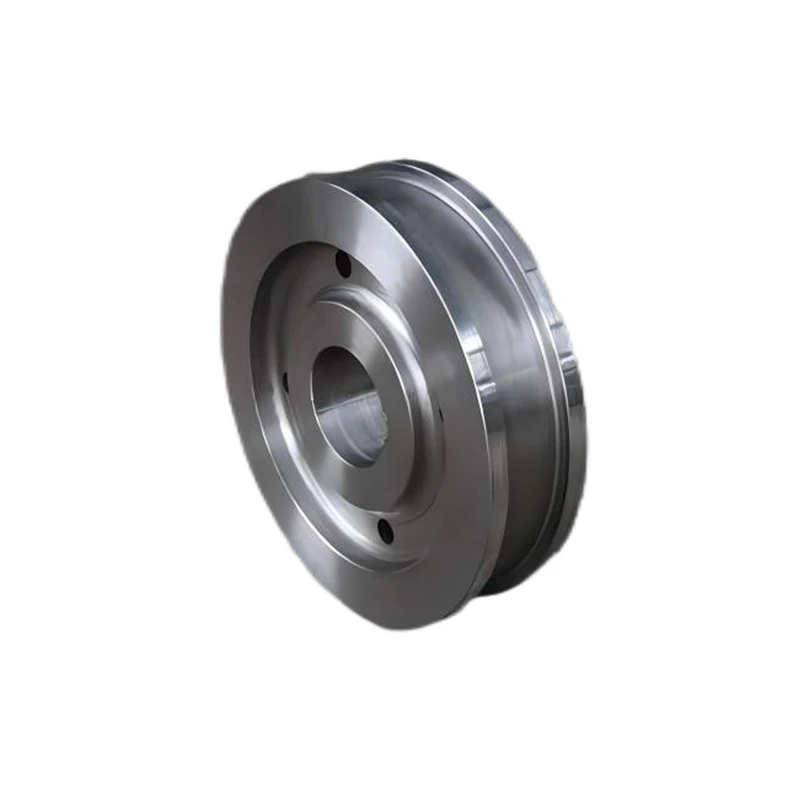
These wheels are designed for cranes, supporting heavy loads and ensuring smooth movement across various industrial crane track systems.
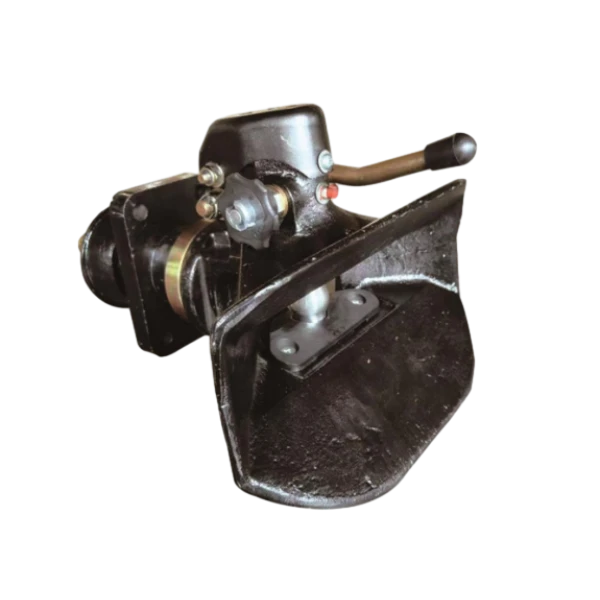
The trailer coupling is a critical component in vehicle towing systems, designed to ensure a secure and efficient connection between a towing vehicle and a trailer. These couplings are manufactured using high-strength carbon steel, alloy steel, or stainless steel, ensuring durability and resistance to heavy loads and harsh environments.
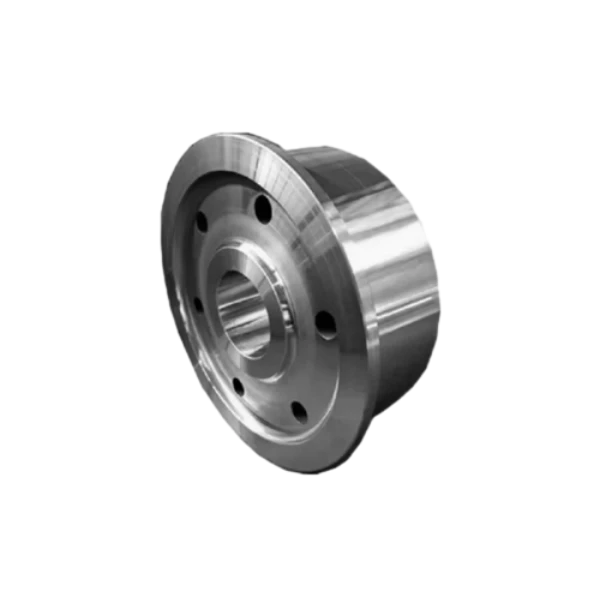
These wheels are built to withstand the harsh conditions of mining environments, delivering reliable performance under abrasive surfaces and heavy loads.
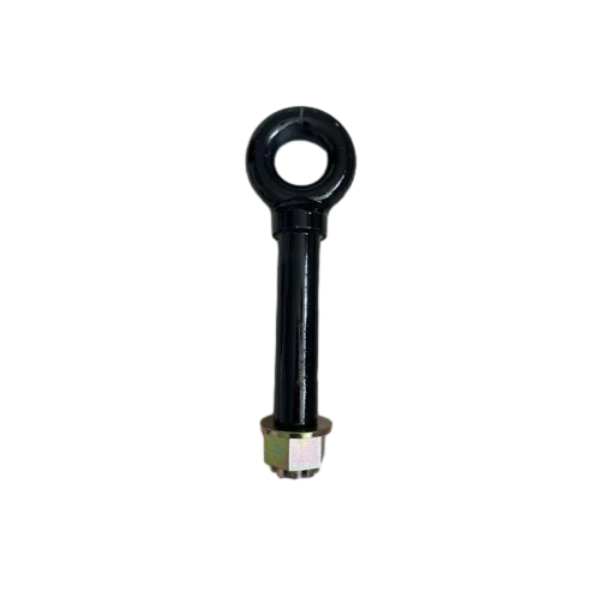
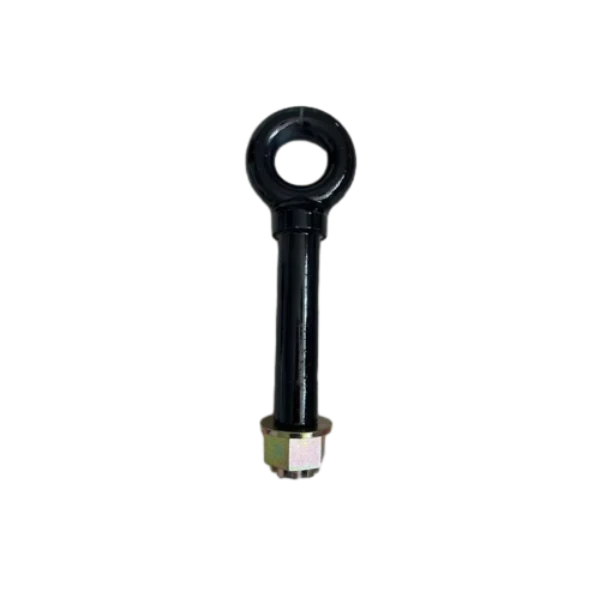
Drawbar eyes are essential components in towing and hauling applications, providing a strong and secure attachment point between the trailer and the towing vehicle. They are designed to endure extreme pulling forces, making them suitable for heavy-duty applications.
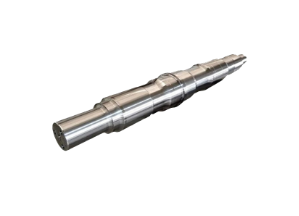
Axles Types is a key solution in the industry, specifically within heavy machinery and transportation sectors. This article explores how https://www.manufacturing-base.com supports professionals with durable, high-performance products
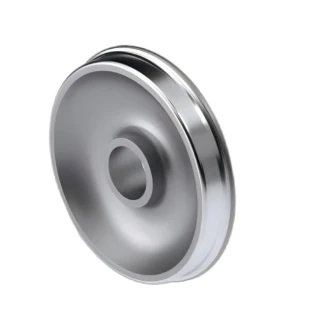
For industries that rely on rail-based vehicles, choosing the right rail wheels is essential for smooth operations and safety.
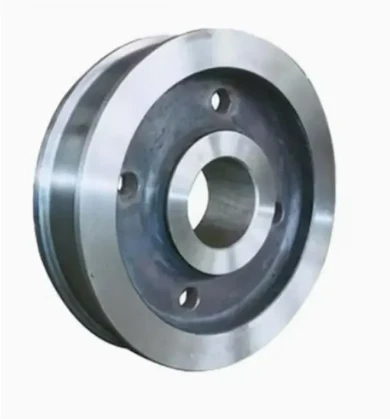
In modern industrial operations, high-quality overhead crane wheels for sale are essential for safe, reliable, and efficient lifting.
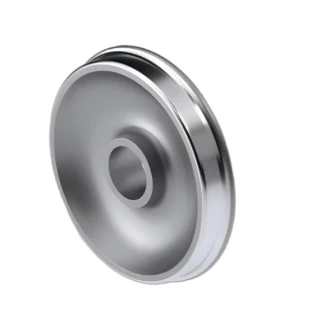
In the modern industrial and railway sectors, having reliable hi rail wheels for sale is essential for operational efficiency and safety.
When it comes to reliable rail maintenance and industrial operations, investing in hi rail wheels for sale is crucial.
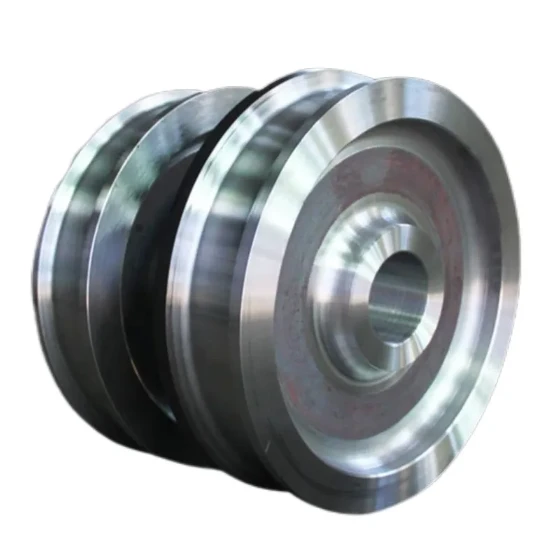
For industries relying on heavy lifting and material handling, investing in high-quality crane wheels for sale is crucial.
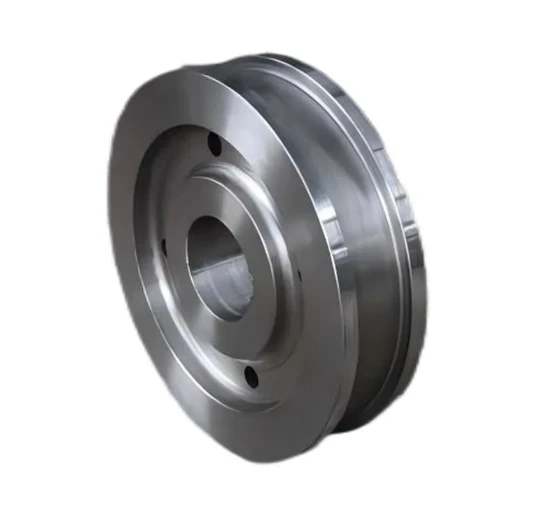
For industries relying on heavy-duty lifting and material handling, selecting the right gantry crane wheels for sale is vital.
Tandem Drive Axles: What I’ve Learned After Years in the Industrial Equipment Sector Ha
Understanding semi trailer axles: The Backbone of Heavy Hauling Having spent more than a deca
RC Portal Axles: A Veteran’s Take on Industrial-Grade Performance Having spent over a d
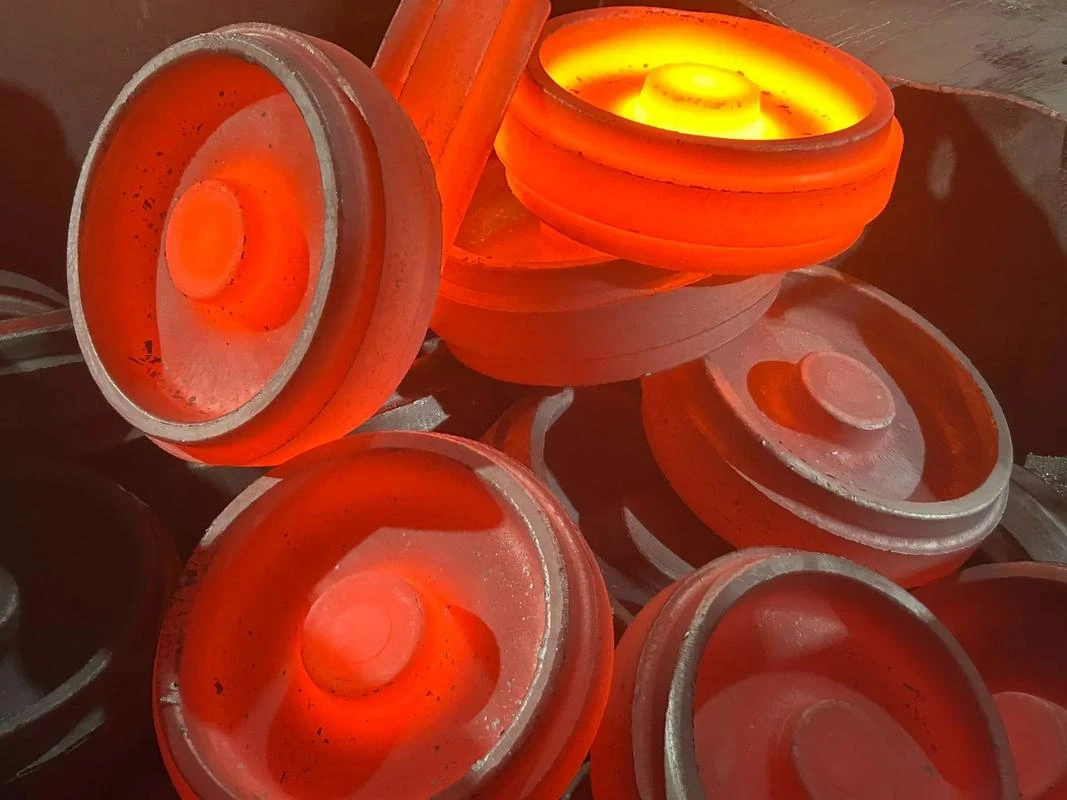
We Supply P1 Series Rail Wheels for Specialized Rail Solutions
Completely support custom rail applications through precision profiles and robust forged steel construction professionally.
Engineered for Excellence

Sign up
for Newsletter
Subscribe to the weekly newsletter for all the latest updates