- Tel: +86 311 82620404
- Cell: 86 -13739710551
- Email: sales@potentia.cn

Reliable Tandem Drive Axles for Heavy-Duty Industrial Vehicles
Tandem Drive Axles: What I’ve Learned After Years in the Industrial Equipment Sector
Having spent well over a decade working hands-on with heavy-duty trucks and industrial machinery, tandem drive axles have become somewhat of a familiar topic to me — and not just as a buzzword to throw around at trade shows. Frankly, they’re critical components that silently take on one of the toughest jobs in vehicle power transmission. If you’ve ever wondered what goes into selecting, maintaining, or customizing tandem drive axles, you’re in the right place.
So, what makes tandem drive axles stand apart? In simple terms, these are pairs of axles connected to distribute the load and torque from the engine to the wheels. It sounds straightforward, but the engineering behind their design and fabrication is pretty fascinating — especially when you get into specifics like differential gearing, load capacity, and durability under punishing conditions.
Many engineers I know value tandem drive axles for their ability to improve traction and vehicle stability, particularly in heavy trucks used on uneven terrain. Oddly enough, it’s not just about raw strength. Materials and manufacturing precision matter a great deal. High-grade forged steel, precise heat-treatment processes, and advanced sealing technology all come together to increase lifespan and reduce downtime. That said, you don’t always get this level of quality, which is why choosing the right supplier can be a game-changer.
Speaking of suppliers, I’ve worked with several manufacturers over the years. Some emphasize cutting-edge technology — like multi-stage gearboxes or modular designs — while others bank on proven traditional builds that simply “work” time after time. It really depends on what your application calls for, whether it’s maximum payload capacity, fuel efficiency, or ease of maintenance.
Here’s a quick rundown of typical tandem drive axle specs that I’ve seen work well in industrial settings — just to give you a feel for what’s out there:
| Specification | Typical Range | Notes |
|---|---|---|
| Load Capacity | 18,000 to 40,000 lbs | Varies by axle rating and design |
| Gear Ratios | 3.36 to 5.38 | Affects torque and efficiency |
| Material | Forged steel alloys | Heat treated for strength |
| Sealing System | Labyrinth + lip seals | Reduces contamination, extends service intervals |
| Lubrication | Synthetic gear oil recommended | Improves heat dissipation and wear resistance |
To put it in perspective, I once worked on a fleet upgrade project where switching to a tandem drive axle model with a close-ratio gearbox improved not just load handling, but noticeable fuel economy. Operators actually reported smoother acceleration under heavy loads, which frankly surprised me at first — but the test data backed it up.
Another thing worth mentioning: customization options are often overlooked. From reinforced housings to integrated ABS sensors, many suppliers offer tailor-made options to fit specific needs. It’s a reminder that in real terms, a “one size fits all” doesn’t exist in industrial equipment.
Comparing Leading Tandem Drive Axle Vendors
| Vendor | Key Features | Price Range | Typical Applications |
|---|---|---|---|
| AxlePro | Modular design, strong sealing tech | $$$ | Heavy trucks, off-road vehicles |
| GearMax | High torque ratios, extended warranty | $$$$ | Long-haul trucking, mining |
| Steadfast Axles | Affordable, proven traditional builds | $ | Local haulers, agriculture |
One last anecdote: I noticed that many users underestimate the importance of axle maintenance intervals. Neglecting lubrication schedules or ignoring early signs of seal wear often leads to costly downtime. It’s a bit like caring for any precision machinery — regular checkups are indispensable.
So, if you’re in the market for reliable tandem drive axles, my advice is to balance specs with real-world service experiences. Quality over just price, with a side of solid vendor support, is usually the winning combo.
Hopefully, this gives you a clearer picture — it really feels like the backbone of many heavy machines. And frankly, appreciating the humble tandem drive axle makes you value the whole drivetrain a bit more.
References:
- Industry norms, Heavy Vehicle Axle Standards (HVAS Manual, 2022)
- Material science in axle forging, MetalTech Journal (2021)
- Case studies: Fuel efficiency via tandem axles, Transport Research Institute (2023)
In the end, a well-chosen tandem axle feels like having a trusted muscle under the chassis — quietly powerful and dependable.
-
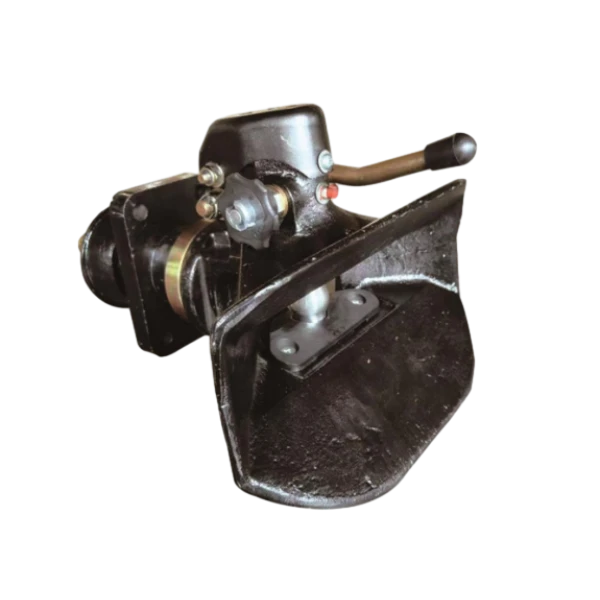 Trailer Coupling
The trailer coupling is a critical component in vehicle towing systems, designed to ensure a secure and efficient connection between a towing vehicle and a trailer. These couplings are manufactured using high-strength carbon steel, alloy steel, or stainless steel, ensuring durability and resistance to heavy loads and harsh environments.
-
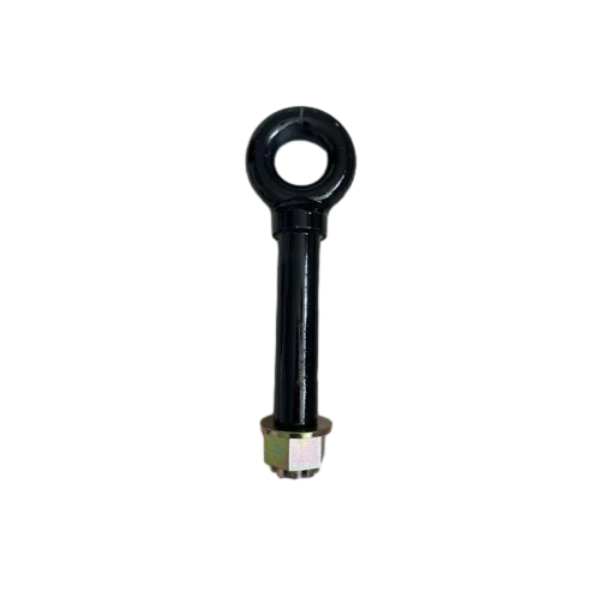 Drawbar Eyes
Drawbar eyes are essential components in towing and hauling applications, providing a strong and secure attachment point between the trailer and the towing vehicle. They are designed to endure extreme pulling forces, making them suitable for heavy-duty applications.
-
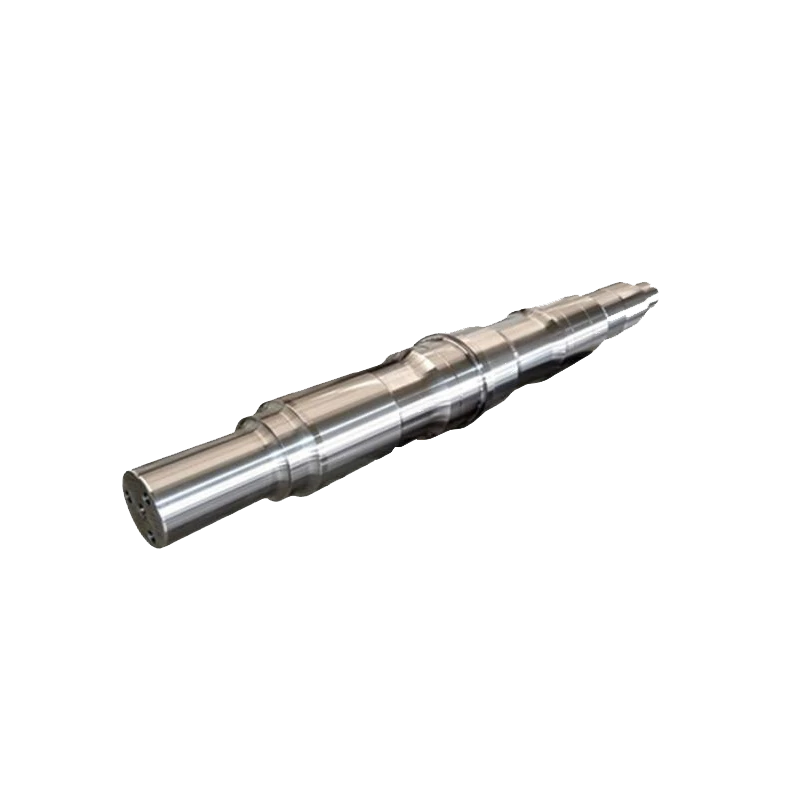 Axles
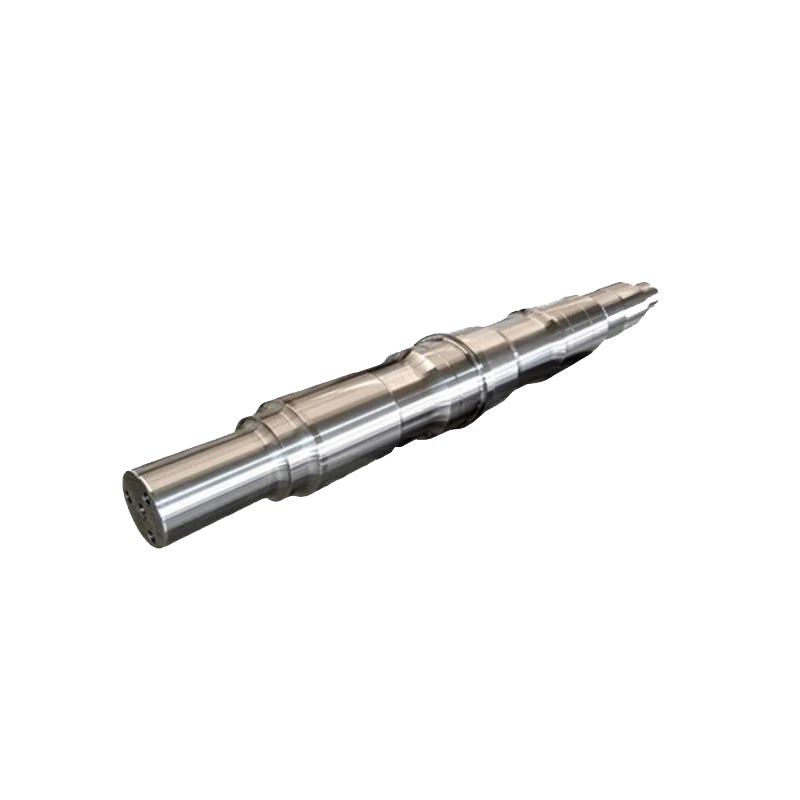
AxlesAxles are essential for vehicle load-bearing and power transmission, ensuring smooth movement and weight distribution. They must withstand high stress, torque, and impact, making material selection and precise manufacturing crucial.
-
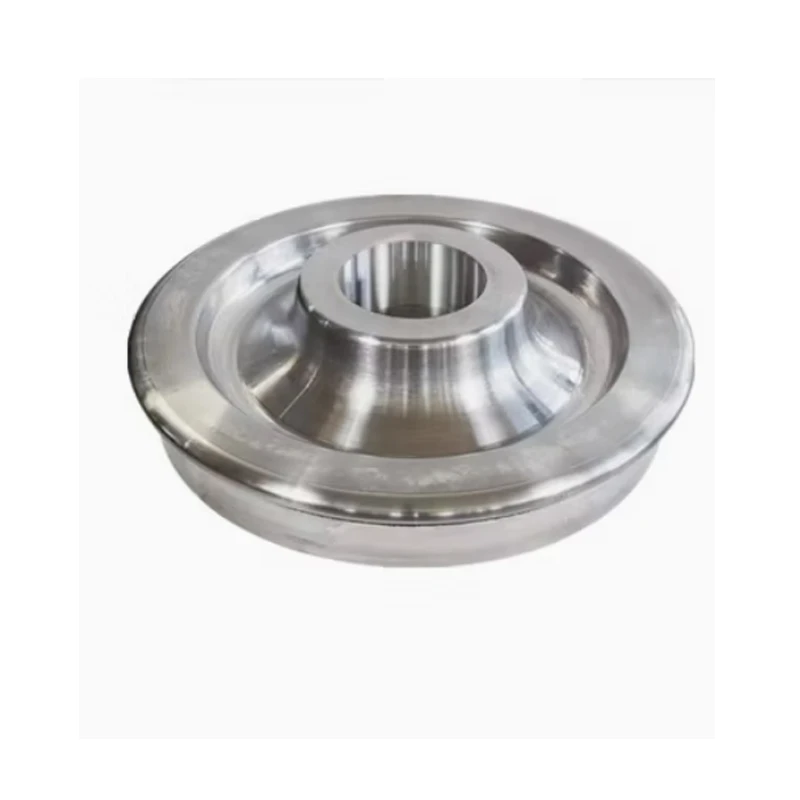 Profile S1002 Series Rail Wheels
The S1002 series rail wheels are designed for Rail-Road Vehicles (RRVs) that require seamless operation on both roads and railway tracks. Engineered with high precision and durability, these wheels conform to S1002 tread profiles, ensuring compatibility with standard railway systems.
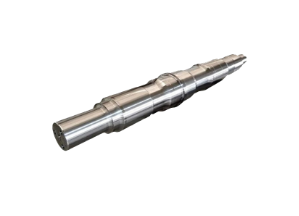
A Comprehensive Guide to Axles Types for Industry Decision Makers | Manufacturing Base
Axles Types is a key solution in the industry, specifically within heavy machinery and transportation sectors. This article explores how https://www.manufacturing-base.com supports professionals with durable, high-performance products
>
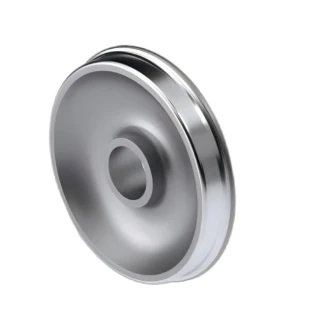
Reliable Rail Wheels: Optimize Your Rail Transport Solutions
For industries that rely on rail-based vehicles, choosing the right rail wheels is essential for smooth operations and safety.
>
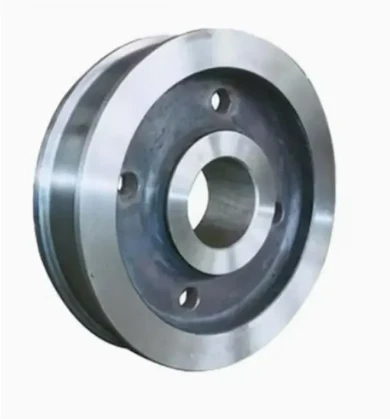
Premium Overhead Crane Wheels For Sale: Enhance Industrial Lifting Efficiency
In modern industrial operations, high-quality overhead crane wheels for sale are essential for safe, reliable, and efficient lifting.
>
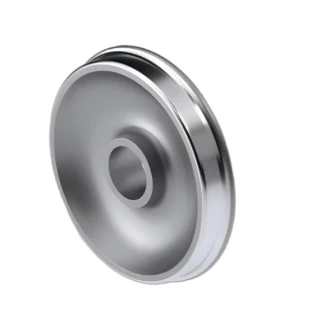
Premium Hi Rail Wheels For Sale: Boost Rail Vehicle Performance
In the modern industrial and railway sectors, having reliable hi rail wheels for sale is essential for operational efficiency and safety.
>
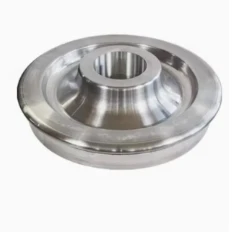
High-Quality Hi Rail Wheels For Sale: Enhance Your Rail Equipment Efficiency
When it comes to reliable rail maintenance and industrial operations, investing in hi rail wheels for sale is crucial.
>
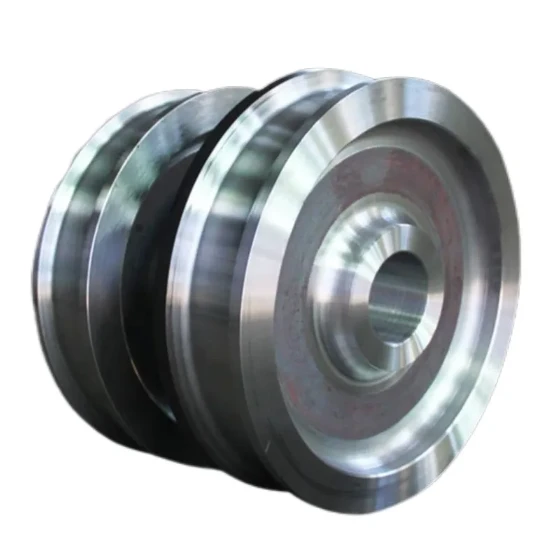
High-Quality Crane Wheels For Sale: Enhance Your Crane Operations
For industries relying on heavy lifting and material handling, investing in high-quality crane wheels for sale is crucial.
>
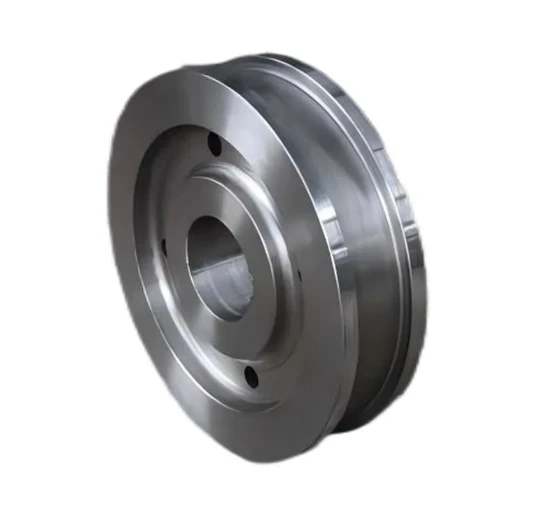
Durable Gantry Crane Wheels For Sale: Maximize Lifting Efficiency
For industries relying on heavy-duty lifting and material handling, selecting the right gantry crane wheels for sale is vital.
>
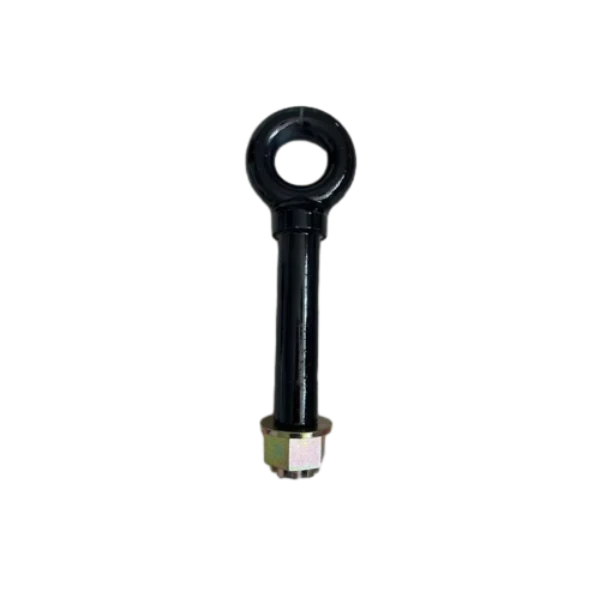
Reliable Semi Trailer Axles for Heavy-Duty Trailers | Expert Insight
Understanding semi trailer axles: The Backbone of Heavy Hauling Having spent more than a deca
>
RC Portal Axles: Industrial Strength and Custom Performance
RC Portal Axles: A Veteran’s Take on Industrial-Grade Performance Having spent over a d
>
Engineered for Excellence
Our forged solutions deliver reliability and performance, powering demanding industries to keep operations running smoothly.

Sign up
for Newsletter
Subscribe to the weekly newsletter for all the latest updates