- Tel: +86 311 82620404
- Cell: 86 -13739710551
- Email: sales@potentia.cn

Trailer Coupling Devices: A Stable Link for Highway Transportation
In the modern highway transportation system, trailers have become the main force in logistics transportation due to their strong cargo carrying capacity. As a key hub between the tractor and trailer, Trailer Coupling Devices serve as a strong bond that tightly connects the two, and their performance directly affects the safety, stability, and efficiency of transportation. The importance of Trailer Coupling Devices is self-evident, from heavy-duty cargo transportation to special equipment towing.
Ensuring reliable connection is the core function of Trailer Coupling Devices
Whether it is a heavy-duty trailer loaded with goods or a special trailer with trailer coupling diagram, a stable connection must be maintained between the tractor and trailer to prevent accidental separation during driving. The common combination of traction pin and traction seat forms a strong mechanical lock through precise size matching and high-strength mechanical structure. The locking mechanism inside the traction seat can quickly lock after the traction pin is inserted, withstand pulling and impact forces from different directions, ensure that the vehicle always maintains stable connection under complex working conditions such as acceleration, braking, and turning, and avoid serious traffic accidents caused by loose connections.
Efficient transmission of force is the key role of Trailer Coupling Devices
During vehicle operation, the driving force, braking force, and road feedback impact force of the tractor need to be transmitted to the trailer through trailer coupling preparation. Taking the ball shaped Trailer Coupling Devices as an example, its unique spherical design can flexibly respond to the up and down bumps and left and right swings during vehicle driving while transmitting longitudinal traction force, and evenly distribute the force to various parts of the trailer. At the same time, the rigid structure of Trailer Coupling Devices ensures the accuracy of force transmission, enabling the trailer to respond promptly to changes in the tractor's power, achieve coordinated motion, and improve transportation efficiency.
Realizing steering coordination is an important aspect of Trailer Coupling Devices in ensuring flexible handling of vehicles
When the tractor turns, agricultural axles and wheels should guide the trailer to follow the steering along a reasonable trajectory to avoid dangerous situations such as folding and skidding. Some advanced Trailer Coupling Devices are equipped with adjustable steering mechanisms that can automatically adjust the trailer's turning radius and angle based on the tractor's turning angle and speed. For example, on narrow roads or sharp turns, Trailer Coupling Devices use precise mechanical transmission to make the trailer closely follow the tractor to complete the steering action, ensuring the flexibility of vehicle handling and reducing the occupation of road space.
Ensuring transportation safety is an essential role of Trailer Coupling Devices that cannot be ignored
Modern agricultural trailer axles are typically equipped with multiple safety protection designs, such as anti slip locking mechanisms, safety chains, etc. In the event of accidental failure of the main locking system, the anti disengagement locking mechanism can immediately activate the backup locking device to prevent the traction pin from disengaging; The safety chain serves as the final safety guarantee, which can still connect the tractor to the trailer in the event of an overall failure of the Trailer Coupling Devices, preventing the trailer from losing control. In addition, the regular inspection and maintenance standards of Trailer Coupling Devices further strengthen the safety guarantee during transportation.
In summary, Trailer Coupling Devices, as an indispensable key component in road transportation, play an important role in ensuring stable connections, transmitting force, achieving steering coordination, and improving transportation safety. From basic mechanical locking to intelligent collaborative control, its functions are constantly iterated and upgraded. With the increasing demand for transportation efficiency and safety in the logistics industry, Trailer Coupling Devices will continue to develop towards smarter, more reliable, and more efficient directions, providing continuous support for modern road transportation.
Trailer Coupling Devices FAQs
What are the common types of Trailer Coupling Devices? What scenarios are applicable to each?
Ball Coupling: A household sedan trailer/small trailer that can carry up to 3.5 tons and is easy to operate.
Lunette Ring&Pintle Hook: A military or engineering trailer that is impact resistant and allows for greater swing angles.
Fifth Wheel: Heavy duty semi-trailer truck, locked by saddle, capable of carrying over 40 tons.
Turntable Coupler: Agricultural machinery or long trailers that achieve flexible steering in multiple directions.
-
How to determine if Trailer Coupling Devices are securely locked?
Visual inspection: Ball coupling requires confirmation that the locking tongue is fully closed (green indicator pops up); In the fifth round, it is necessary to observe whether the locking claw is stuck in the groove of the pin.
Physical test: Pull up the bumper and shake it slightly, the trailer should not detach; The electronic sensor (advanced model) will indicate the connection status through the dashboard.
Cross fixation of safety chain: Even if the main connection fails, the chain can prevent the trailer from completely separating.
Why do some Trailer Coupling Devices require an "anti sway system"?
Trailer Sway may occur when driving at high speeds due to crosswind or center of gravity deviation. Anti sway measures include:
Mechanical damper: Hydraulic device absorbs lateral vibration;
Electronic Stability Program (ESP): Automatically corrects the trajectory by braking the single-sided wheel hub;
Load balancing: Ensure that 60% of the trailer weight is before the front axle.
How to maintain trailer coupling devices that have not been used for a long time?
Anti rust treatment: steel parts shall be coated with lubricating grease or special anti rust spray (such as WD40);
Rubber protection: Apply silicone grease to the ball sleeve or sealing ring to prevent drying and cracking;
Regular functional testing: Manually operate the locking mechanism to avoid jamming.
What intelligent upgrades will Trailer Coupling Devices have in the future?
Automatic docking system: Camera and sensor guide the driver to accurately connect (similar to Tesla Cybertruck demonstration function);
Wireless status monitoring: Real time transmission of connection pressure and wear data to mobile app;
Self lubricating design: Nano coating reduces the need for manual maintenance.
-
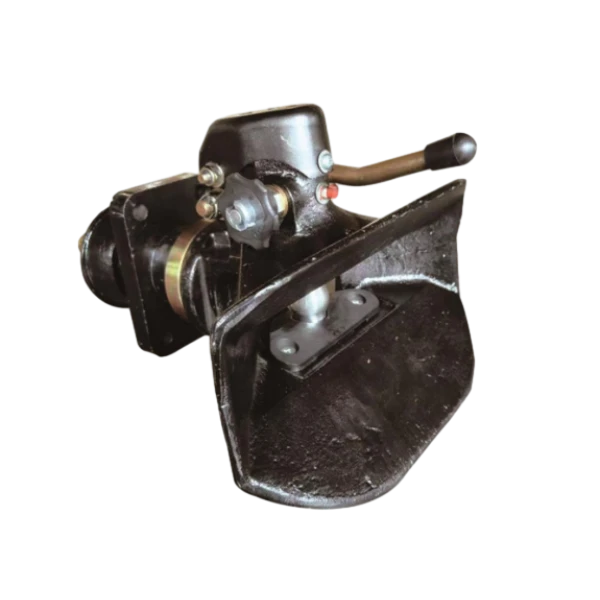 Trailer Coupling
The trailer coupling is a critical component in vehicle towing systems, designed to ensure a secure and efficient connection between a towing vehicle and a trailer. These couplings are manufactured using high-strength carbon steel, alloy steel, or stainless steel, ensuring durability and resistance to heavy loads and harsh environments.
-
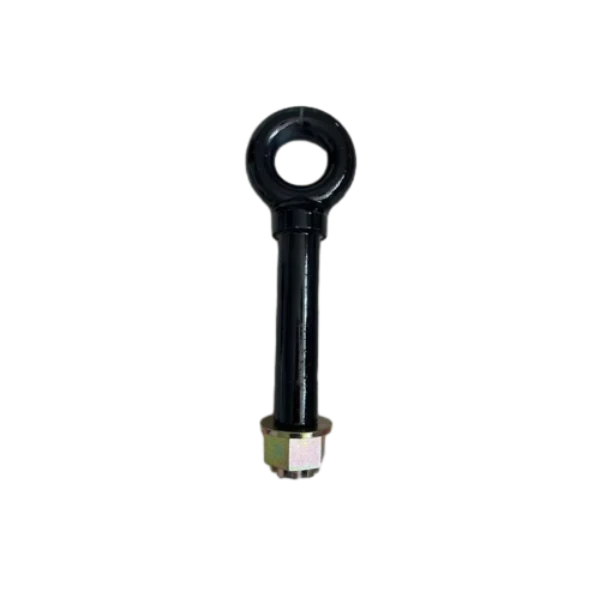
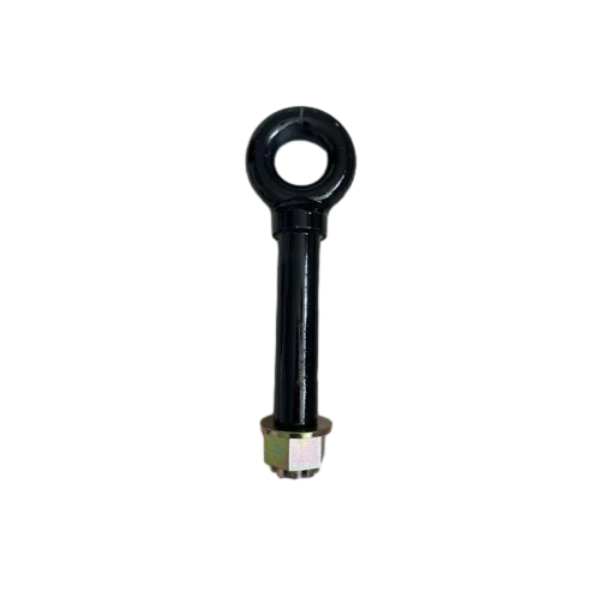 Drawbar Eyes
Drawbar eyes are essential components in towing and hauling applications, providing a strong and secure attachment point between the trailer and the towing vehicle. They are designed to endure extreme pulling forces, making them suitable for heavy-duty applications.
-
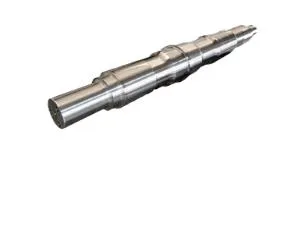
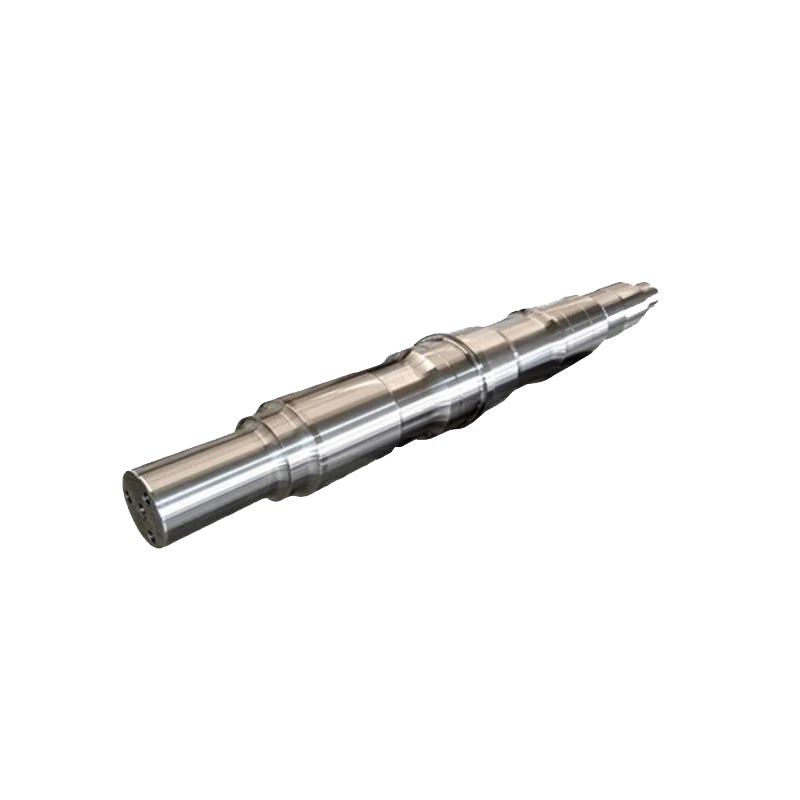
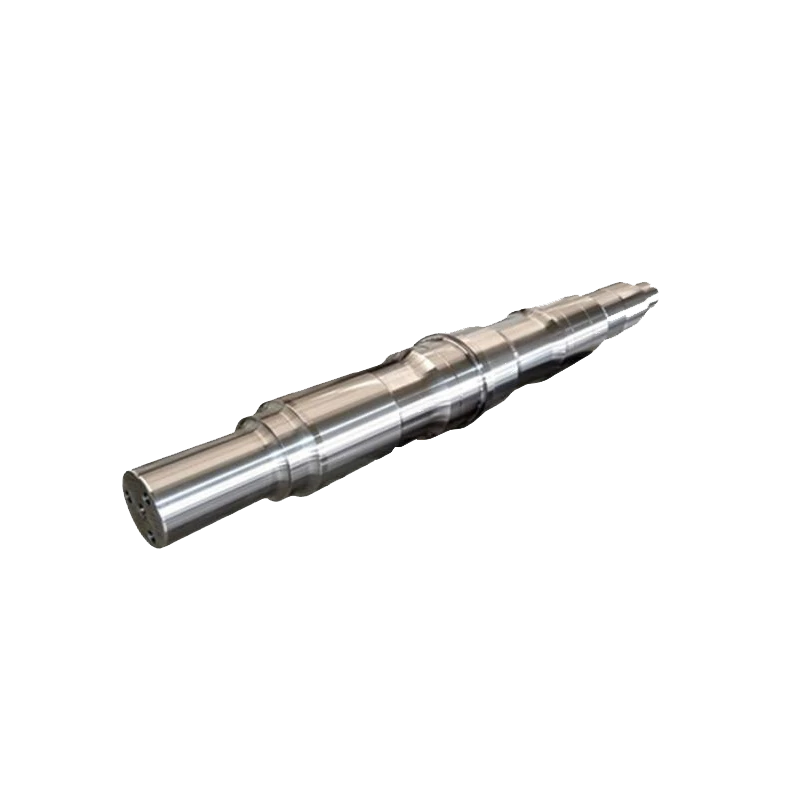 Axles
AxlesAxles are essential for vehicle load-bearing and power transmission, ensuring smooth movement and weight distribution. They must withstand high stress, torque, and impact, making material selection and precise manufacturing crucial.
-
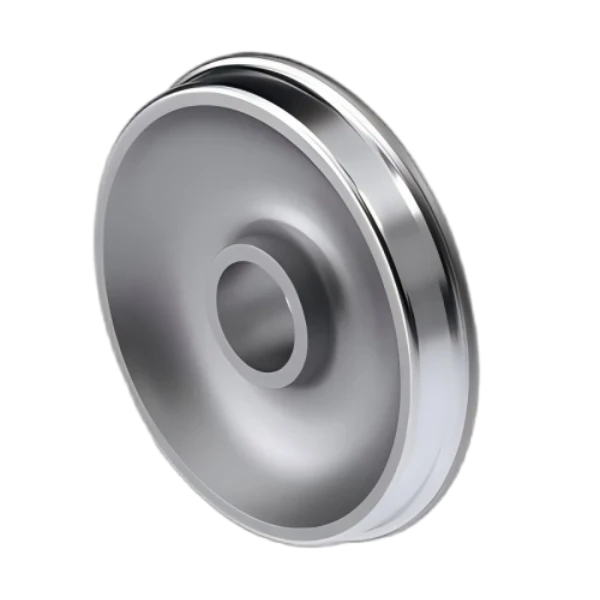
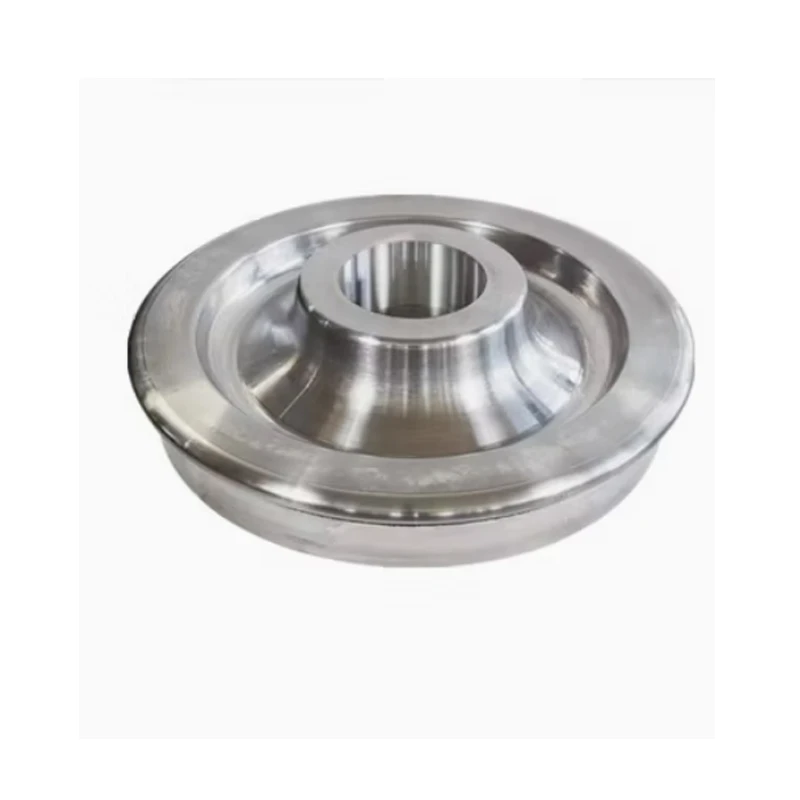 Profile S1002 Series Rail Wheels
The S1002 series rail wheels are designed for Rail-Road Vehicles (RRVs) that require seamless operation on both roads and railway tracks. Engineered with high precision and durability, these wheels conform to S1002 tread profiles, ensuring compatibility with standard railway systems.
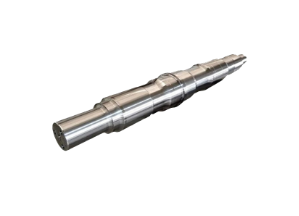
A Comprehensive Guide to Axles Types for Industry Decision Makers | Manufacturing Base
Axles Types is a key solution in the industry, specifically within heavy machinery and transportation sectors. This article explores how https://www.manufacturing-base.com supports professionals with durable, high-performance products
>
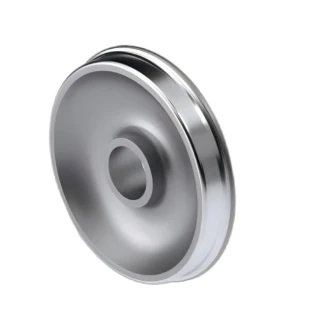
Reliable Rail Wheels: Optimize Your Rail Transport Solutions
For industries that rely on rail-based vehicles, choosing the right rail wheels is essential for smooth operations and safety.
>
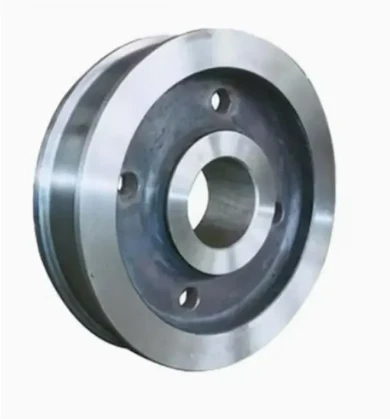
Premium Overhead Crane Wheels For Sale: Enhance Industrial Lifting Efficiency
In modern industrial operations, high-quality overhead crane wheels for sale are essential for safe, reliable, and efficient lifting.
>
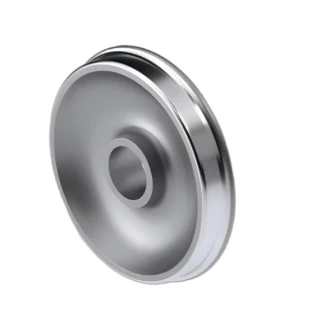
Premium Hi Rail Wheels For Sale: Boost Rail Vehicle Performance
In the modern industrial and railway sectors, having reliable hi rail wheels for sale is essential for operational efficiency and safety.
>
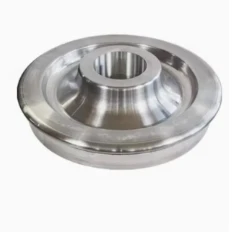
High-Quality Hi Rail Wheels For Sale: Enhance Your Rail Equipment Efficiency
When it comes to reliable rail maintenance and industrial operations, investing in hi rail wheels for sale is crucial.
>
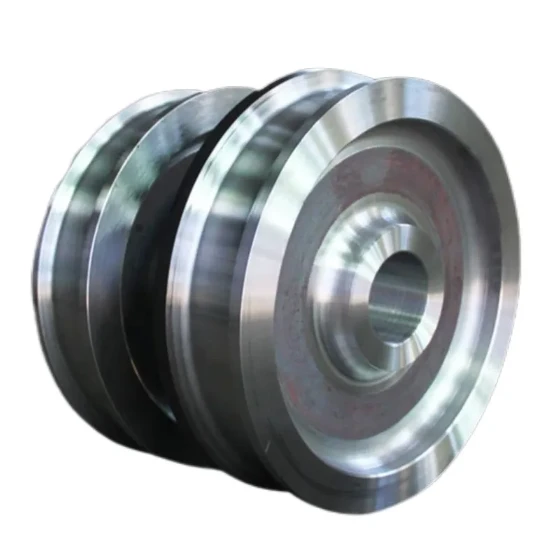
High-Quality Crane Wheels For Sale: Enhance Your Crane Operations
For industries relying on heavy lifting and material handling, investing in high-quality crane wheels for sale is crucial.
>
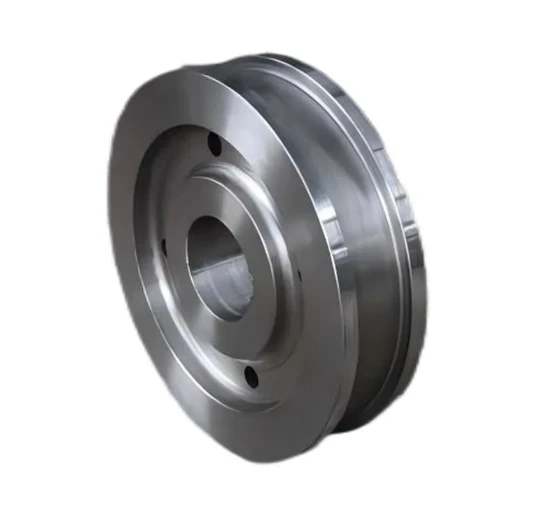
Durable Gantry Crane Wheels For Sale: Maximize Lifting Efficiency
For industries relying on heavy-duty lifting and material handling, selecting the right gantry crane wheels for sale is vital.
>
Reliable Tandem Drive Axles for Heavy-Duty Industrial Vehicles
Tandem Drive Axles: What I’ve Learned After Years in the Industrial Equipment Sector Ha
>
Reliable Semi Trailer Axles for Heavy-Duty Trailers | Expert Insight
Understanding semi trailer axles: The Backbone of Heavy Hauling Having spent more than a deca
>
RC Portal Axles: Industrial Strength and Custom Performance
RC Portal Axles: A Veteran’s Take on Industrial-Grade Performance Having spent over a d
>
Engineered for Excellence
Our forged solutions deliver reliability and performance, powering demanding industries to keep operations running smoothly.

Sign up
for Newsletter
Subscribe to the weekly newsletter for all the latest updates