
Iron Foot: Multidimensional Function Analysis of Crane Wheel
In the modern industrial field, cranes, as indispensable heavy machinery equipment, are widely used in many scenarios such as port loading and unloading, construction, and heavy machinery manufacturing. As the core component of the crane operation system, the Crane Wheel is like its solid "steel foot", carrying the heavy responsibility of lifting and transporting heavy objects, and playing a crucial role in ensuring the efficient and safe operation of the crane.
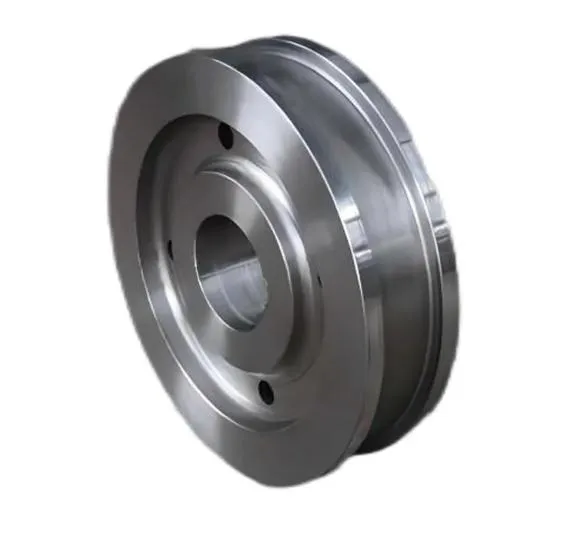
Carrying heavy objects is the most basic and critical function of Crane Wheel
When operating a crane, it is necessary to lift and transport heavy objects ranging from several tons to hundreds of tons. These enormous weights are ultimately concentrated on the craine wheel through the frame and other structures of the crane. Crane wheels are made of high-strength cast steel or alloy steel, with extremely high compressive strength and toughness. For example, in large ports, shore container cranes need to frequently lift containers weighing tens of tons. With their sturdy materials and reasonable structural design, the wheels can stably carry huge loads, ensuring that the crane maintains balance during heavy lifting and handling, and avoiding safety accidents caused by insufficient bearing capacity.
One of the important roles of Crane Wheel is to achieve flexible mobility
Different work scenarios require the crane to be able to move freely within a certain range to accurately reach the designated position and complete the lifting task. The crane pulley wheel works in conjunction with the driving device and transmission mechanism, allowing the crane to smoothly slide on the track or flexibly turn on the ground. At construction sites, the wheels of tower cranes move along pre laid tracks to facilitate their coverage of different construction areas; The wheels of the tire crane endow the equipment with the ability to freely travel on complex construction sites, enhancing the operational maneuverability of the crane.
Crane Wheel precise guidance is the key to ensuring the safe operation of cranes
During operation, especially when turning, changing direction, or passing through complex paths, crane track wheels need to ensure that the equipment moves along the predetermined route to prevent deviation or derailment. Some cranes adopt a double wheel rim wheel design, with the wheel rim tightly fitting to both sides of the track, playing a limiting and guiding role; Other cranes are equipped with advanced automatic guidance systems, which monitor the position of the wheels in real time through sensors and automatically adjust the direction of wheel movement according to preset paths, thereby achieving precise guidance and ensuring safe and stable operation of the crane under complex working conditions.
The Crane Wheel's cushioning and shock absorption function provides strong support for the smooth operation of the crane
During the lifting and lowering of heavy objects, as well as the start-up and braking of cranes, significant impact and vibration forces are generated. If these forces directly act on the structure of the crane, they will accelerate equipment wear and affect its service life. Crane wheel design can effectively absorb and buffer energy by installing elastic components such as rubber shock pads, spring shock absorbers, etc., or by using special materials and structural designs, reducing the damage of vibration to crane components, while reducing operating noise and improving the working environment.
Crane Wheel also needs to have the ability to adapt to special working conditions
When working in harsh environments such as high temperature, low temperature, humidity, and dust, the wheels need to have good corrosion resistance, wear resistance, and weather resistance. For example, in high-temperature environments such as steel smelters, wheels need to be made of high-temperature resistant materials; In places with high dust such as mines, the sealing performance of wheels is particularly important to prevent dust from entering key parts such as bearings and affecting the normal operation of wheels.
In summary, although Crane Wheel may seem ordinary, it is the core guarantee for efficient and safe operation of cranes. From carrying heavy objects to achieving flexible movement, from precise guidance to cushioning and shock absorption, to adapting to special working conditions, every function is indispensable. With the continuous advancement of industrial technology, the performance requirements for Crane Wheels are also increasing. In the future, Crane Wheels with better performance and higher intelligence will continue to play an important role in the modern industrial field, helping to efficiently complete various heavy operations.
Crane Wheel FAQs
What are the main failure modes of Crane Wheel? How to prevent it?
Common failure modes:
Tread wear (friction with track)
Wheel rim cracking (impact load or fatigue)
Bearing jamming (poor lubrication or contamination)
Preventive measures:
Regularly lubricate the wheel axle and bearings;
Check the flatness of the track to avoid rail gnawing;
Adopting hardening heat treatment (such as surface quenching).
How is the diameter of the Crane Wheel determined?
The diameter design needs to consider comprehensively:
Load: Heavy loads require a larger diameter to disperse pressure;
Speed: High speed cranes require a smaller diameter to reduce centrifugal force;
Track matching: Typically, the ratio of diameter to track head width is ≥ 6:1 (such as a track head width of 50mm and a wheel diameter of ≥ 300mm).
Why do metallurgical Crane Wheels require special materials?
Metallurgical environment (high temperature, molten steel sputtering) requirements:
High temperature resistant steel (such as 35CrMoV) to avoid thermal softening;
Thermal fatigue resistance: prevent cracking caused by repeated alternation of hot and cold;
Anti oxidation coating: such as aluminum infiltration treatment.
How to ensure parallelism during the installation of Crane Wheel?
Key steps:
- Use a laser centering device to detect the diagonal deviation of the wheel group (should be ≤ 2mm);
- Adjust the wheel levelness (inclination ≤ 0.1%);
- After dynamic testing, tighten the bolts again to prevent loosening.
-
How to determine Crane Wheel malfunction through sound?
Sharp metallic sound: wheel rim scraping against track (possible track deviation);
Periodic knocking sound: local peeling or flat scars on the wheel tread;
Continuous buzzing sound: Bearing damage or insufficient lubrication.
-
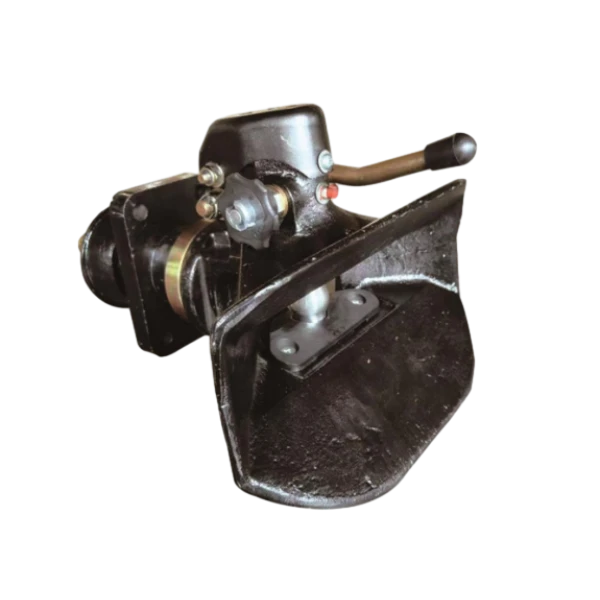 Trailer Coupling
The trailer coupling is a critical component in vehicle towing systems, designed to ensure a secure and efficient connection between a towing vehicle and a trailer. These couplings are manufactured using high-strength carbon steel, alloy steel, or stainless steel, ensuring durability and resistance to heavy loads and harsh environments.
-
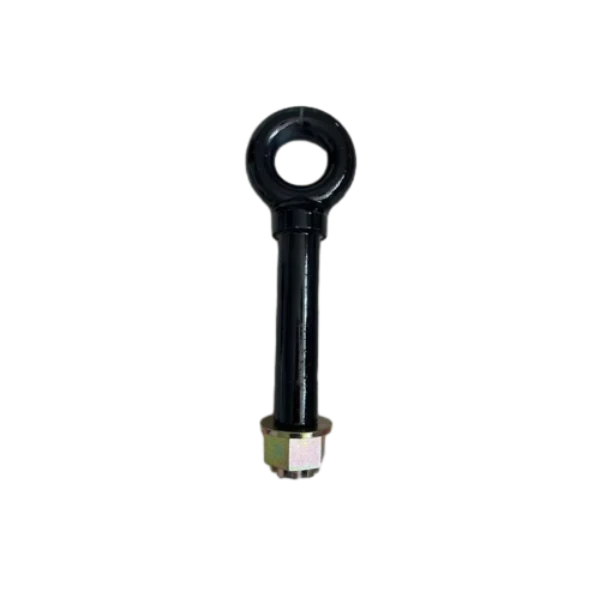
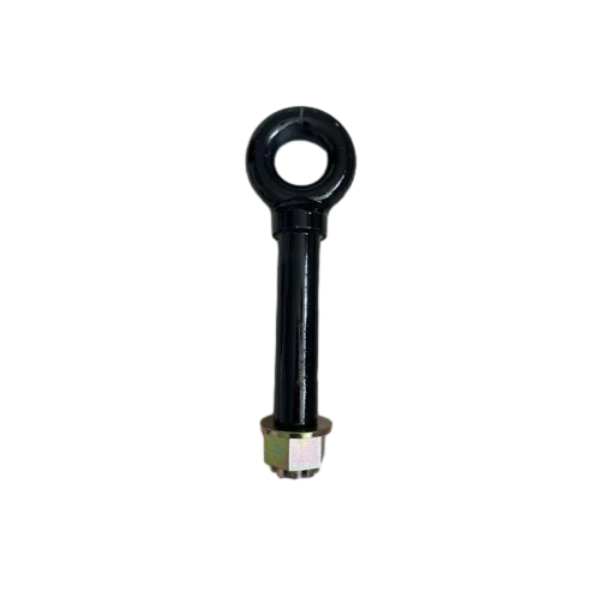 Drawbar Eyes
Drawbar eyes are essential components in towing and hauling applications, providing a strong and secure attachment point between the trailer and the towing vehicle. They are designed to endure extreme pulling forces, making them suitable for heavy-duty applications.
-
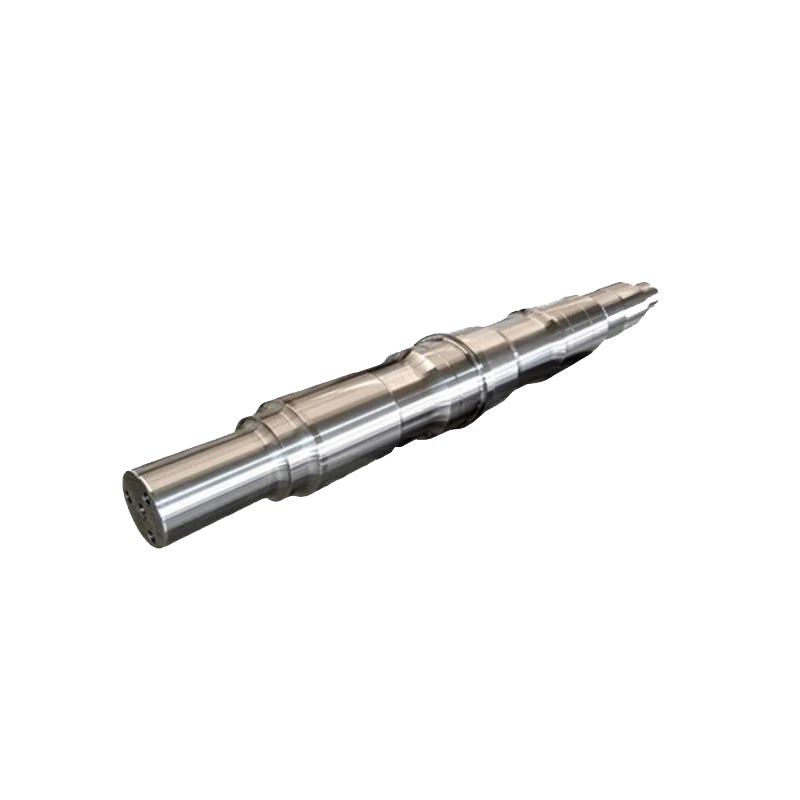
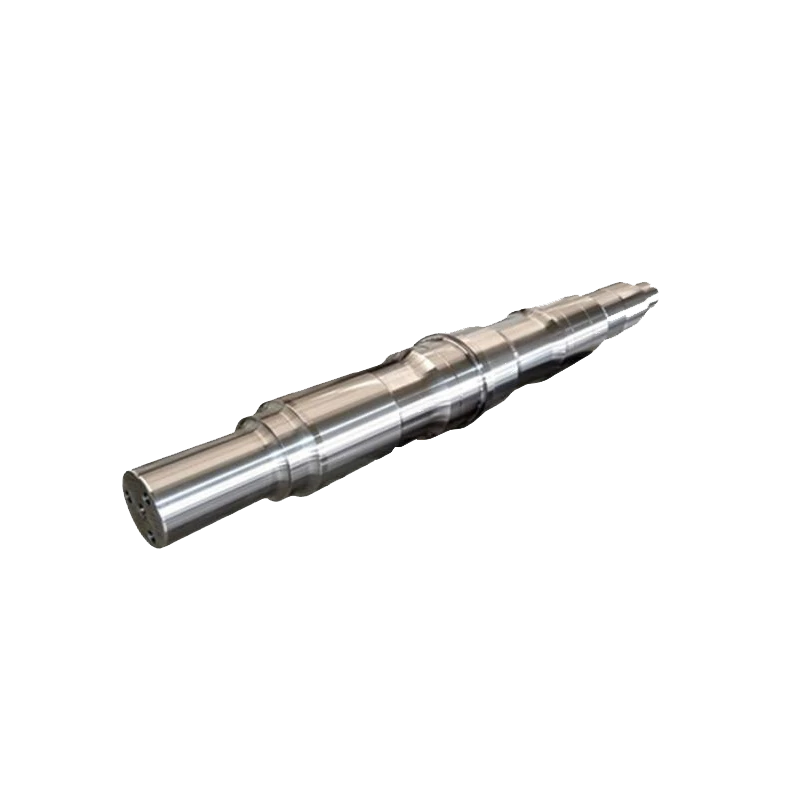 Axles
AxlesAxles are essential for vehicle load-bearing and power transmission, ensuring smooth movement and weight distribution. They must withstand high stress, torque, and impact, making material selection and precise manufacturing crucial.
-
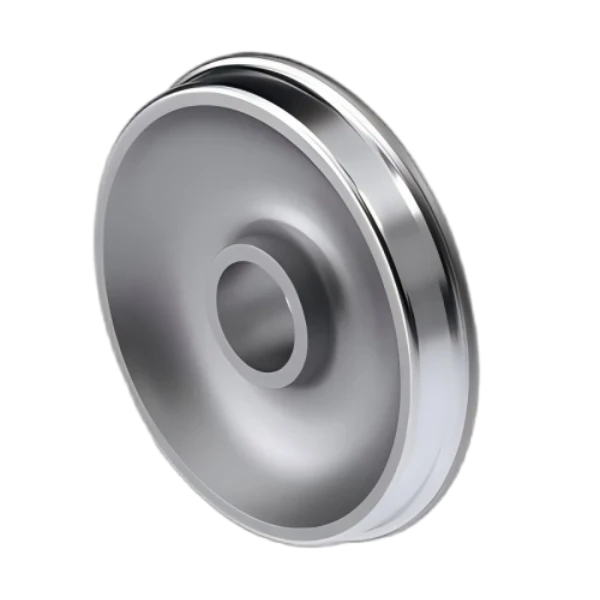
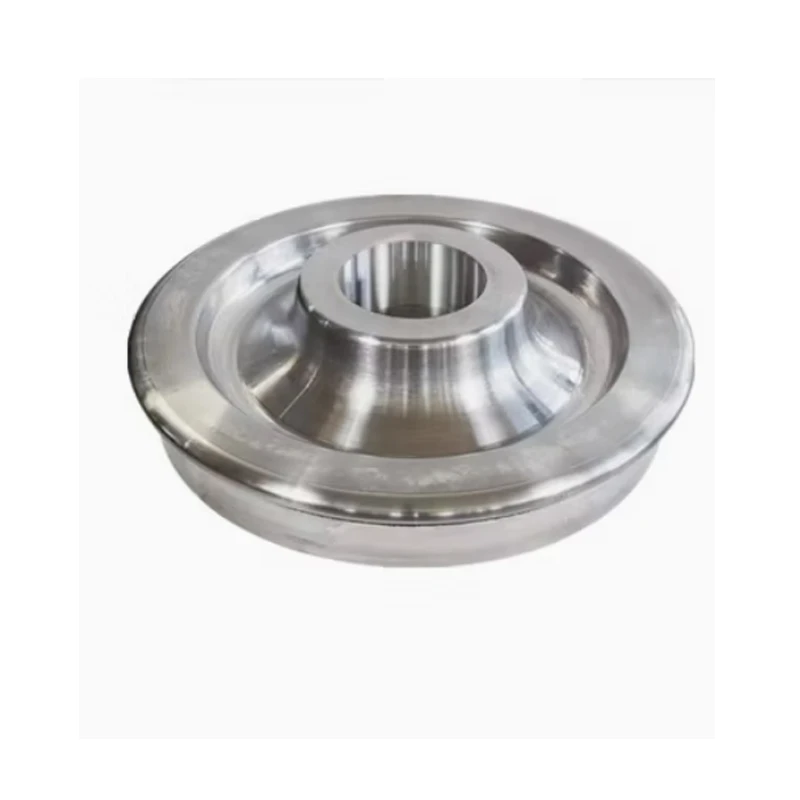 Profile S1002 Series Rail Wheels
The S1002 series rail wheels are designed for Rail-Road Vehicles (RRVs) that require seamless operation on both roads and railway tracks. Engineered with high precision and durability, these wheels conform to S1002 tread profiles, ensuring compatibility with standard railway systems.
A Comprehensive Guide to Axles Types for Industry Decision Makers | Manufacturing Base
Axles Types is a key solution in the industry, specifically within heavy machinery and transportation sectors. This article explores how https://www.manufacturing-base.com supports professionals with durable, high-performance products
>
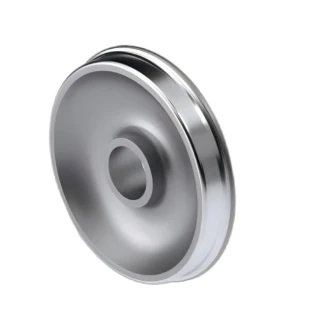
Reliable Rail Wheels: Optimize Your Rail Transport Solutions
For industries that rely on rail-based vehicles, choosing the right rail wheels is essential for smooth operations and safety.
>
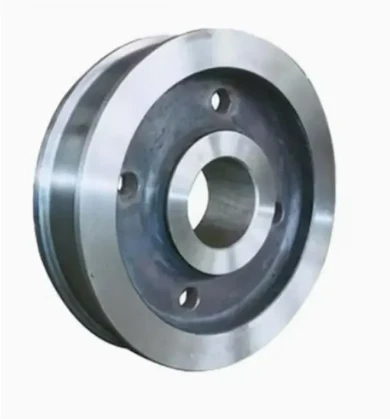
Premium Overhead Crane Wheels For Sale: Enhance Industrial Lifting Efficiency
In modern industrial operations, high-quality overhead crane wheels for sale are essential for safe, reliable, and efficient lifting.
>
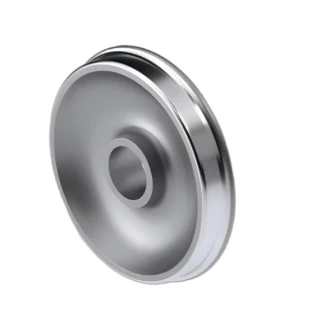
Premium Hi Rail Wheels For Sale: Boost Rail Vehicle Performance
In the modern industrial and railway sectors, having reliable hi rail wheels for sale is essential for operational efficiency and safety.
>
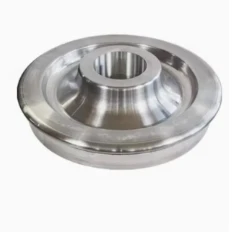
High-Quality Hi Rail Wheels For Sale: Enhance Your Rail Equipment Efficiency
When it comes to reliable rail maintenance and industrial operations, investing in hi rail wheels for sale is crucial.
>
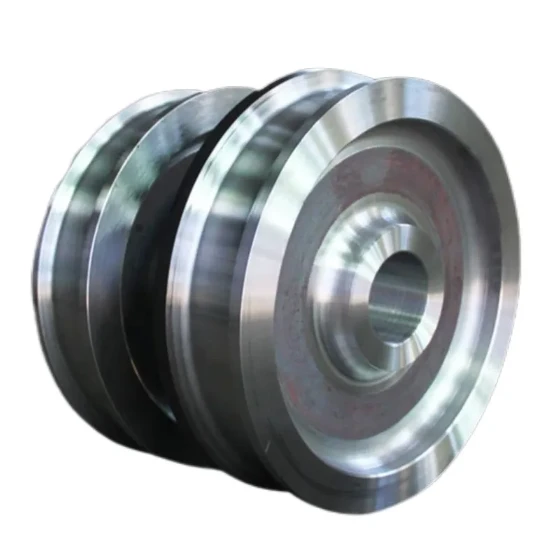
High-Quality Crane Wheels For Sale: Enhance Your Crane Operations
For industries relying on heavy lifting and material handling, investing in high-quality crane wheels for sale is crucial.
>
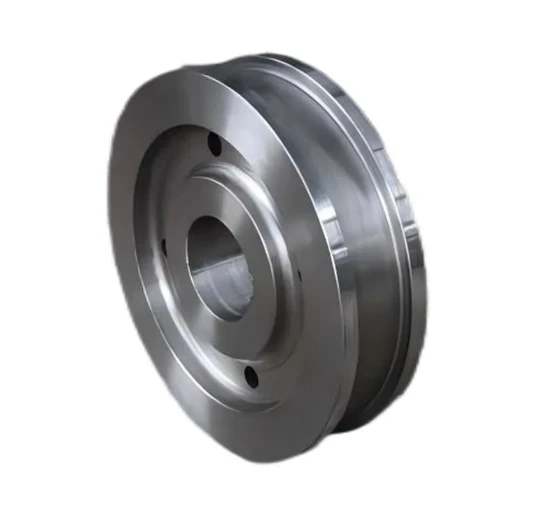
Durable Gantry Crane Wheels For Sale: Maximize Lifting Efficiency
For industries relying on heavy-duty lifting and material handling, selecting the right gantry crane wheels for sale is vital.
>
Reliable Tandem Drive Axles for Heavy-Duty Industrial Vehicles
Tandem Drive Axles: What I’ve Learned After Years in the Industrial Equipment Sector Ha
>
Reliable Semi Trailer Axles for Heavy-Duty Trailers | Expert Insight
Understanding semi trailer axles: The Backbone of Heavy Hauling Having spent more than a deca
>
RC Portal Axles: Industrial Strength and Custom Performance
RC Portal Axles: A Veteran’s Take on Industrial-Grade Performance Having spent over a d
>
Engineered for Excellence
Our forged solutions deliver reliability and performance, powering demanding industries to keep operations running smoothly.

Sign up
for Newsletter
Subscribe to the weekly newsletter for all the latest updates