
Heavy Duty Rail Wheels - The Steel Foundation for Heavy Duty Transportation
In the fields of mining, steel smelting, and large-scale freight railway transportation, Heavy Duty Rail Wheels serve as key components for carrying and driving, like the "steel cornerstone" of heavy-duty transportation, supporting a huge weight far exceeding that of ordinary rail vehicles and ensuring the stable operation of the transportation system. Its performance directly affects transportation efficiency and safety, and occupies an irreplaceable and important position in the industrial production chain.
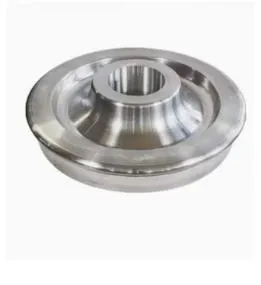
The most notable feature of Heavy Duty Rail Wheels is their exceptional load-bearing capacity
These types of wheels are designed specifically for heavy-duty transportation and need to withstand loads of hundreds or even thousands of tons. Taking the Daqin Railway coal transport special train as an example, the total weight of the train loaded with coal can reach 20000 tons, and each rail with wheels has to withstand dozens of tons of vertical pressure. The wheels are made of high-strength alloy steel casting and undergo special heat treatment processes, resulting in a dense internal structure and significantly improved strength and toughness. The unique wheel rim and hub structure design can evenly distribute huge pressure, prevent local stress concentration from causing wheel deformation or damage, and ensure the safety and reliability of heavy-duty trains during long-distance transportation.
Excellent wear resistance is a necessary condition for Heavy Duty Rail Wheels to adapt to long-term heavy-duty operation
During continuous rolling, the wheels frequently rub against the track, making it difficult for ordinary wheels to withstand such high-intensity wear. Rail on wheels optimizes the design of the wheel tread to reduce contact stress with the track, while also hardening the wheel surface through processes such as carburizing and quenching to improve surface hardness and wear resistance. In addition, the addition of special alloy components endows the wheels with excellent fatigue resistance, allowing them to maintain good geometric shape and performance even after driving millions of kilometers, effectively reducing replacement frequency and maintenance costs.
Special structural design endows Heavy Duty Rail Wheels with superior operational performance
In order to cope with complex stress situations under heavy loads, many light rail wheels adopt a split structure, where the wheel rim and hub can be disassembled and replaced separately, reducing maintenance costs and difficulty. The dual wheel rim design increases the stability of operation, effectively preventing wheel derailment when driving on curves or uneven tracks; Some wheels are also equipped with built-in sensors to monitor real-time parameters such as temperature and stress, providing data support for early warning of potential faults and achieving intelligent operation and maintenance.
The ability to adapt to complex working conditions enables Heavy Duty Rail Wheels to remain reliable in harsh environments
In underground mines, humid and dusty environments can easily lead to rusting and wear of wheels; In high-altitude railways, extreme temperature differences and complex terrain place higher demands on wheel performance. Linear guide wheels use corrosion-resistant materials and reinforced sealing structures to prevent moisture and impurities from entering the bearings and the interior of the wheels; At the same time, the optimized material formula ensures that the vehicle can maintain good mechanical properties even in high and low temperature environments, ensuring safe operation in various complex working conditions.
In summary, Heavy Duty Rail Wheels have become the core support in the field of heavy-duty transportation due to their superior load-bearing capacity, excellent wear resistance, special structural design, and adaptability to complex working conditions. From basic material innovation to intelligent technological upgrading, the continuous development of technological progress is driving the heavy-duty transportation industry towards a new stage of higher efficiency and safety. In the future, with the continuous growth of industrial demand, Heavy Duty Rail Wheels will continue to innovate in new material applications, intelligent monitoring, and other areas, laying a solid "steel foundation" for the global heavy-duty transportation industry.
Heavy Duty Rail Wheels FAQs
What is the difference between Heavy Duty Rail Wheels and regular passenger wheels?
Thicker Material: Made of high-strength alloy steel (such as AAR Class C or UIC R8/R9), capable of withstanding axle loads of over 40 tons (usually ≤ 17 tons for passenger transport).
Wear resistance priority: The tread hardness is higher (HB 300400), but some noise reduction performance is sacrificed (heavy load does not pursue high-speed quietness).
Impact resistant design: thicker wheels to cope with the risk of injury during ore/coal loading and unloading.
Why are Heavy Duty Rail Wheels more prone to "peel off damage"? How to prevent it?
Cause: Metal fatigue caused by extremely high contact stress (>1500MPa), resulting in the formation of microcracks on the surface and the propagation of peeling.
Countermeasure:
Optimize wheel rail lubrication (reduce dry friction);
Using anti fatigue materials such as bainitic steel;
Regularly repair and eliminate early cracks.
Which railways in the world are known for heavy loads? What are the features of Heavy Duty Rail Wheels?
Pilbara iron ore line in Australia: The axle weighs 40 tons and the wheels are equipped with "deep shoulder" to prevent derailment;
BNSF coal special train in the United States: using AARM107 standard wheels, mandatory maintenance every 60000 kilometers;
China Daqin Railway: independently developed 75 ton axle load wheels, chromium molybdenum alloy+special heat treatment process.
How is the lifespan of Heavy Duty Rail Wheels evaluated? When must it be replaced?
Wear index:
Wheel rim thickness<25mm (standard 3235mm);
Tread groove>6mm deep;
Penetrating cracks appear (ultrasonic testing).
Typical lifespan: 801.2 million kilometers (ordinary passenger wheels can reach over 2 million kilometers).
What is the direction of technological breakthroughs for future Heavy Duty Rail Wheels?
Laser strengthening technology: surface laser cladding wear-resistant alloy layer, increasing service life by 50%;
Intelligent monitoring: embedding RFID chips to record stress history and achieve predictive maintenance;
Lightweight composite material: carbon fiber wheel core+steel tread (experimental stage).
-
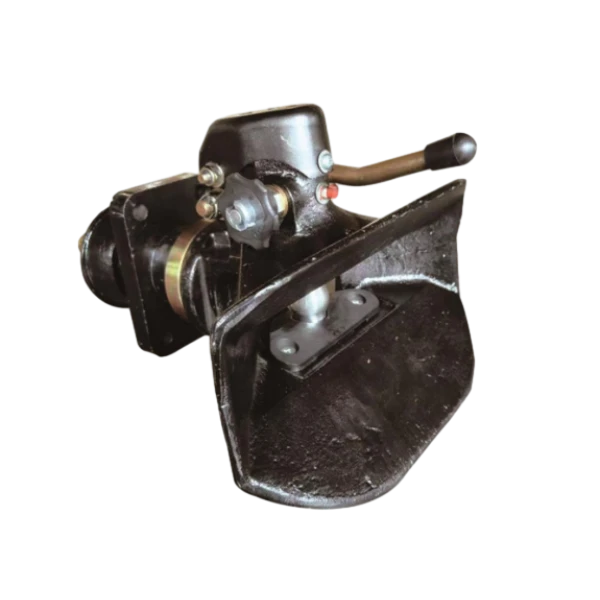 Trailer Coupling
The trailer coupling is a critical component in vehicle towing systems, designed to ensure a secure and efficient connection between a towing vehicle and a trailer. These couplings are manufactured using high-strength carbon steel, alloy steel, or stainless steel, ensuring durability and resistance to heavy loads and harsh environments.
-
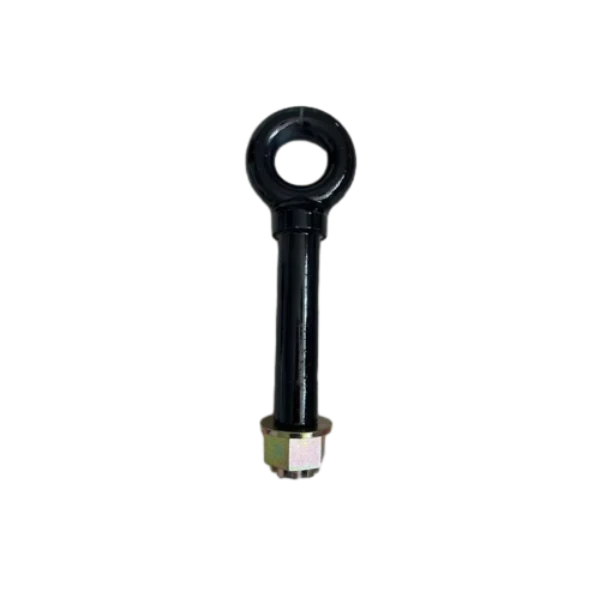
 Drawbar Eyes
Drawbar eyes are essential components in towing and hauling applications, providing a strong and secure attachment point between the trailer and the towing vehicle. They are designed to endure extreme pulling forces, making them suitable for heavy-duty applications.
-
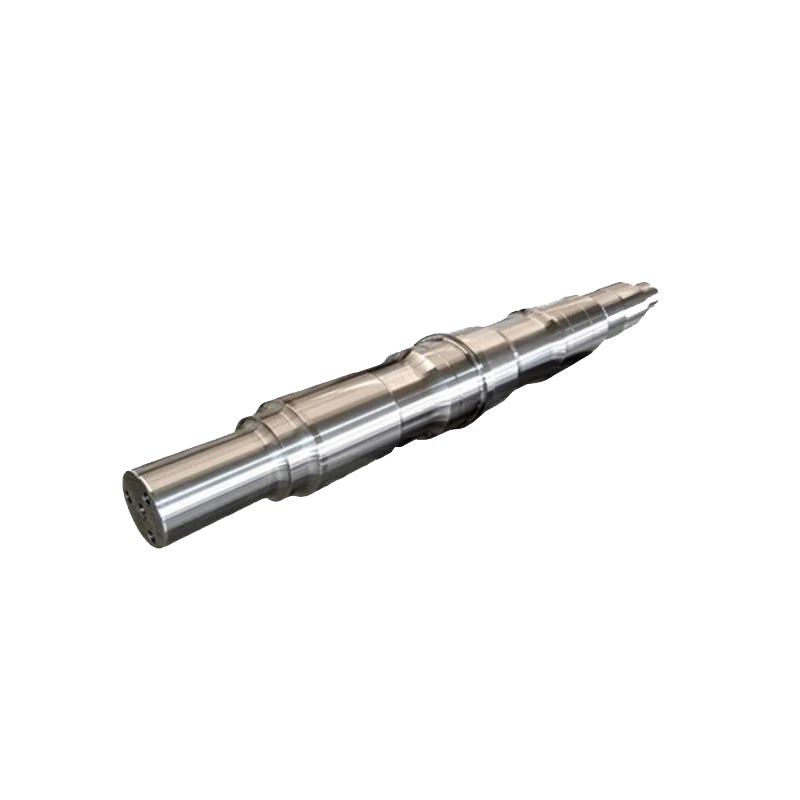
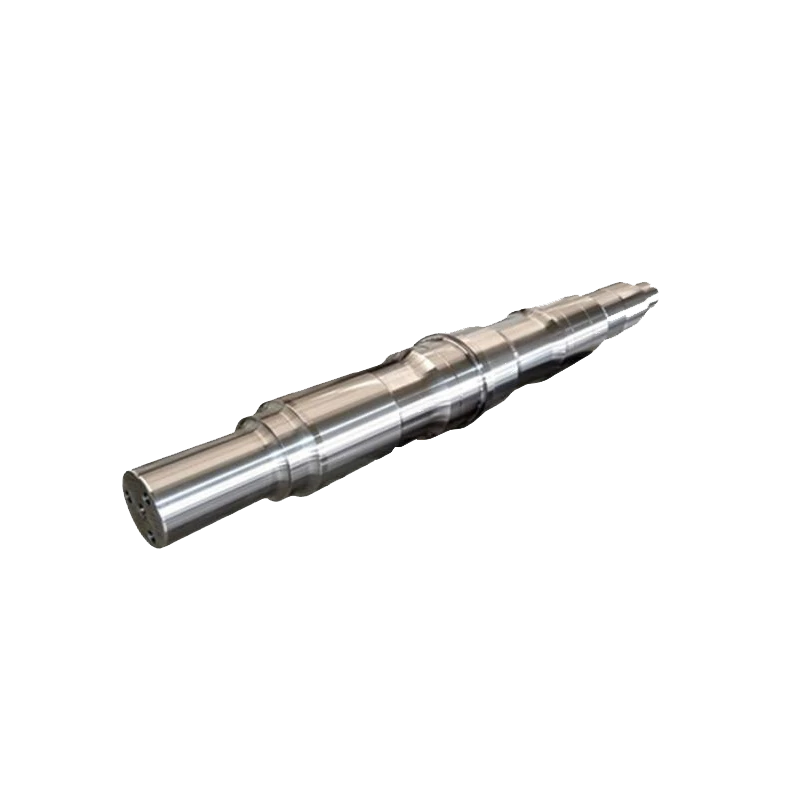 Axles
AxlesAxles are essential for vehicle load-bearing and power transmission, ensuring smooth movement and weight distribution. They must withstand high stress, torque, and impact, making material selection and precise manufacturing crucial.
-
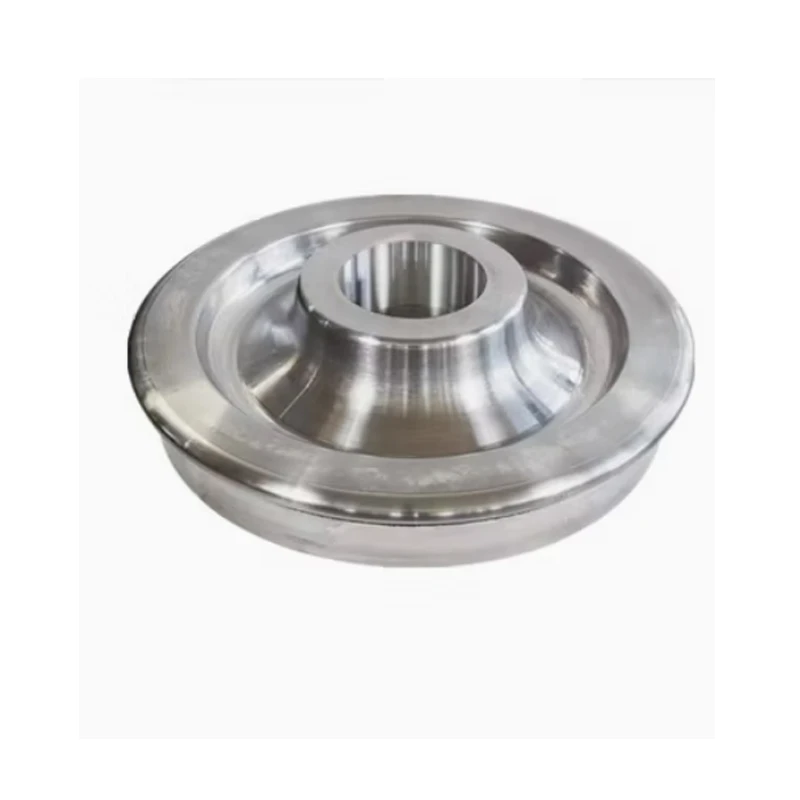 Profile S1002 Series Rail Wheels
The S1002 series rail wheels are designed for Rail-Road Vehicles (RRVs) that require seamless operation on both roads and railway tracks. Engineered with high precision and durability, these wheels conform to S1002 tread profiles, ensuring compatibility with standard railway systems.
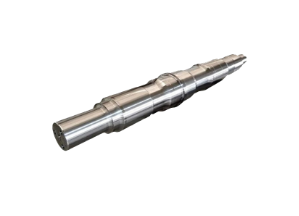
A Comprehensive Guide to Axles Types for Industry Decision Makers | Manufacturing Base
Axles Types is a key solution in the industry, specifically within heavy machinery and transportation sectors. This article explores how https://www.manufacturing-base.com supports professionals with durable, high-performance products
>
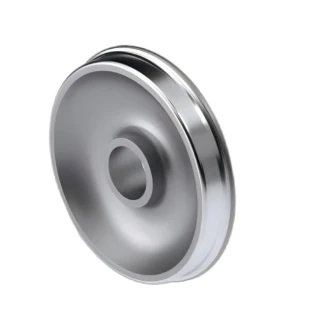
Reliable Rail Wheels: Optimize Your Rail Transport Solutions
For industries that rely on rail-based vehicles, choosing the right rail wheels is essential for smooth operations and safety.
>
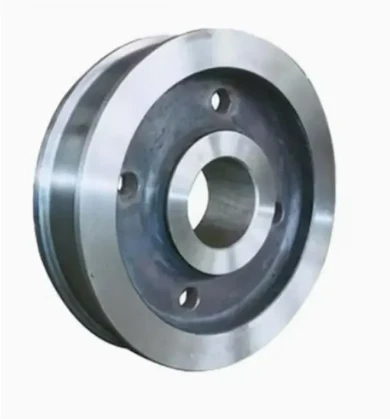
Premium Overhead Crane Wheels For Sale: Enhance Industrial Lifting Efficiency
In modern industrial operations, high-quality overhead crane wheels for sale are essential for safe, reliable, and efficient lifting.
>
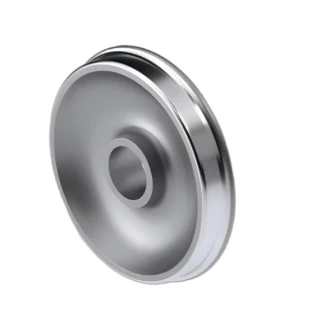
Premium Hi Rail Wheels For Sale: Boost Rail Vehicle Performance
In the modern industrial and railway sectors, having reliable hi rail wheels for sale is essential for operational efficiency and safety.
>
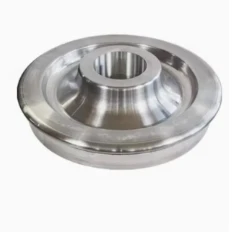
High-Quality Hi Rail Wheels For Sale: Enhance Your Rail Equipment Efficiency
When it comes to reliable rail maintenance and industrial operations, investing in hi rail wheels for sale is crucial.
>
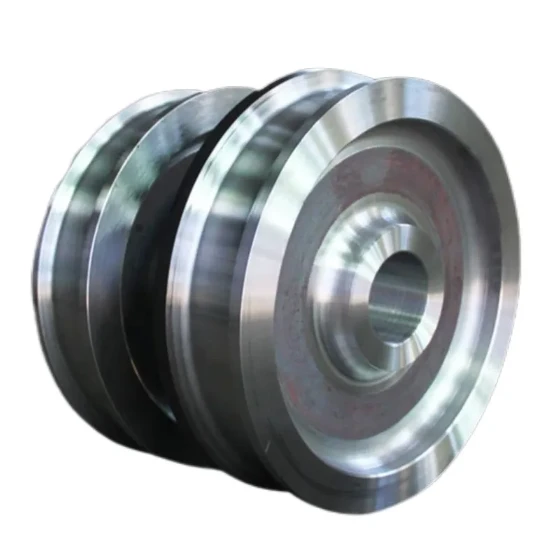
High-Quality Crane Wheels For Sale: Enhance Your Crane Operations
For industries relying on heavy lifting and material handling, investing in high-quality crane wheels for sale is crucial.
>
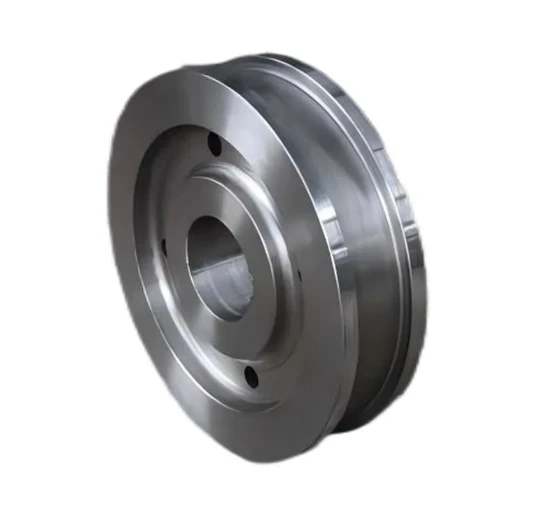
Durable Gantry Crane Wheels For Sale: Maximize Lifting Efficiency
For industries relying on heavy-duty lifting and material handling, selecting the right gantry crane wheels for sale is vital.
>
Reliable Tandem Drive Axles for Heavy-Duty Industrial Vehicles
Tandem Drive Axles: What I’ve Learned After Years in the Industrial Equipment Sector Ha
>
Reliable Semi Trailer Axles for Heavy-Duty Trailers | Expert Insight
Understanding semi trailer axles: The Backbone of Heavy Hauling Having spent more than a deca
>
RC Portal Axles: Industrial Strength and Custom Performance
RC Portal Axles: A Veteran’s Take on Industrial-Grade Performance Having spent over a d
>
Engineered for Excellence
Our forged solutions deliver reliability and performance, powering demanding industries to keep operations running smoothly.

Sign up
for Newsletter
Subscribe to the weekly newsletter for all the latest updates