- Tel: +86 311 82620404
- Cell: 86 -13739710551
- Email: sales@potentia.cn

Characteristics and Classification of Mine Cart Wheels
In the fields of mining and underground engineering transportation, Mine Cart Wheels are key components that ensure the normal operation of mining cars, and their performance directly affects transportation efficiency and operational safety. The small Mine Cart Wheels carry enormous weight and operate day after day in complex underground environments, making them an indispensable link in the mining production chain.
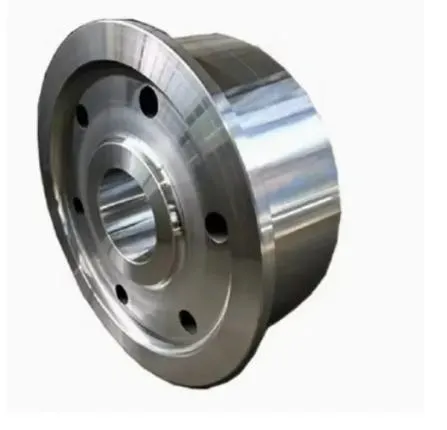
The structural design of Mine Cart Wheels is exquisite and scientific
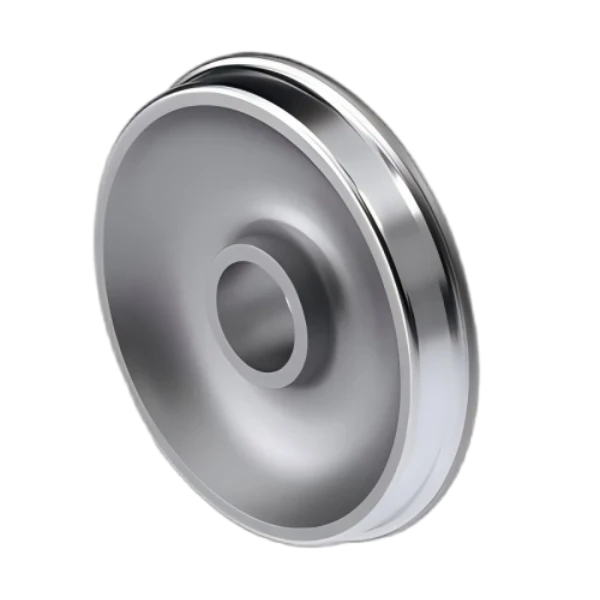
The wheel is composed of a rim, a hub, and spokes. The rim is in close contact with the track, and the wear resistance of the ore cart wheels determines the service life of the wheel; The wheel hub is used to fix the axle and needs to have sufficient strength to withstand the weight of the mining car and the impact force during operation; The spokes connect the wheel rim and hub to achieve force transmission. The axle runs through the wheels and becomes the core support of the entire wheelset. At the same time, the addition of bearings and sealing devices reduces friction during wheel rotation, prevents impurities such as coal dust and sewage from entering, and ensures long-term stable operation of the wheels.
According to different standards, Mine Cart Wheels have diverse classifications
By material, cast steel antique mining cart wheels are suitable for heavy-duty transportation due to their high strength and toughness; Cast iron Mine Cart Wheels have a lower cost and are commonly used in situations where load-bearing requirements are not high. Structurally, there are single wheel rims and double wheel rims. Single wheel rims can reduce friction with the track, while double wheel rims can better prevent mining cars from derailing, making them suitable for tracks with many bends or complex road conditions. These different types of Mine Cart Wheels meet the diverse transportation needs in mining operations.
The working principle of Mine Cart Wheels is based on the combination of simple mechanical principles and engineering mechanics
After the mining car is loaded with materials, gravity is transmitted to the minecart wheels through the axle, generating friction between the wheels and the track, allowing the mining car to roll forward on the track. When turning, the interaction between the wheel rim and the track guides the mining car to change direction along the track. The low friction design between the wheels and bearings ensures that the mining truck can achieve efficient transportation with low energy consumption. At the same time, the circular structure of the wheels enables even distribution of force, reduces local wear, and improves overall operational stability.
In practical applications, Mine Cart Wheels also face many challenges
Long term operation in damp and dusty underground environments can cause the wheels to corrode and wear, leading to a decrease in their performance. In addition, heavy-duty transportation may cause problems such as axle deformation and bearing damage. To address these issues, researchers are constantly developing new materials and manufacturing processes, such as using special coatings to enhance the wear resistance and corrosion resistance of wheels, improving bearing design to enhance their load-bearing capacity and service life. With the development of technology, future mine cart wheels are expected to be more intelligent and efficient. By monitoring the running status of the wheels in real time through sensors, potential faults can be warned in advance, providing stronger guarantees for the safety and efficiency of mining transportation.
Mine Cart Wheels FAQs
What are the main materials of Mine Cart Wheels?
Traditional Mine Cart Wheels are typically made of cast iron or forged steel, while modern versions may use high carbon steel or alloy steel to enhance wear resistance and load-bearing capacity.
Why are Mine Cart Wheels usually designed with double rims?
Double wheel rims (raised edges on both sides of the wheel hub) can prevent the wheels from derailing, especially on narrow or curved tracks, ensuring stable operation of the mining car.
What is the difference between Mine Cart Wheels and train wheels?
Size: Mine Cart Wheels are smaller (usually with a diameter of 200400mm), suitable for low-speed, short distance transportation.
Load bearing: Mine Cart Wheels need to adapt to high loads of ore, but do not need to handle high speeds like train wheels.
Track: Mining cars often run on lightweight tracks, while train wheels need to match standard railway gauge.
How to maintain Mine Cart Wheels to extend their lifespan?
Regularly lubricate the wheel axle to reduce friction.
Check the wear of the wheel rim and replace any deformed or cracked wheels in a timely manner.
Clean up the gravel and debris on the track to avoid wheel damage.
What are the innovative designs of modern Mine Cart Wheels?
Rubber tire wheels: used for trackless mining cars to reduce noise and vibration.
Composite material: such as polyurethane coated steel core, balancing strength and shock absorption.
Intelligent monitoring: Some mines use sensors to monitor wheel temperature and wear in real time.
-
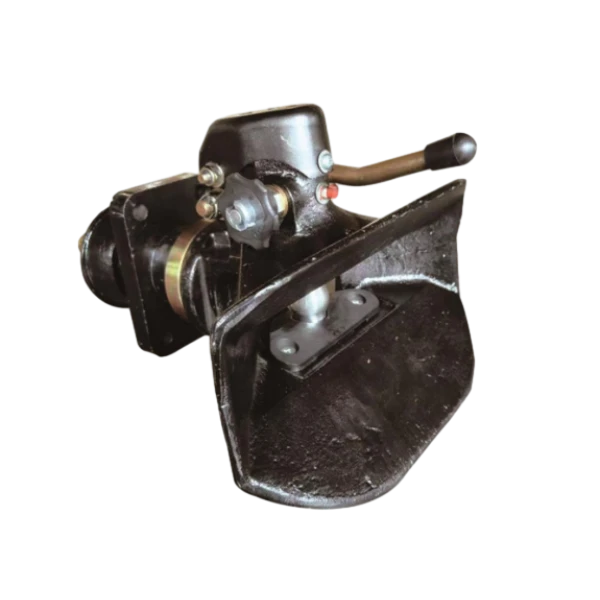 Trailer Coupling
The trailer coupling is a critical component in vehicle towing systems, designed to ensure a secure and efficient connection between a towing vehicle and a trailer. These couplings are manufactured using high-strength carbon steel, alloy steel, or stainless steel, ensuring durability and resistance to heavy loads and harsh environments.
-
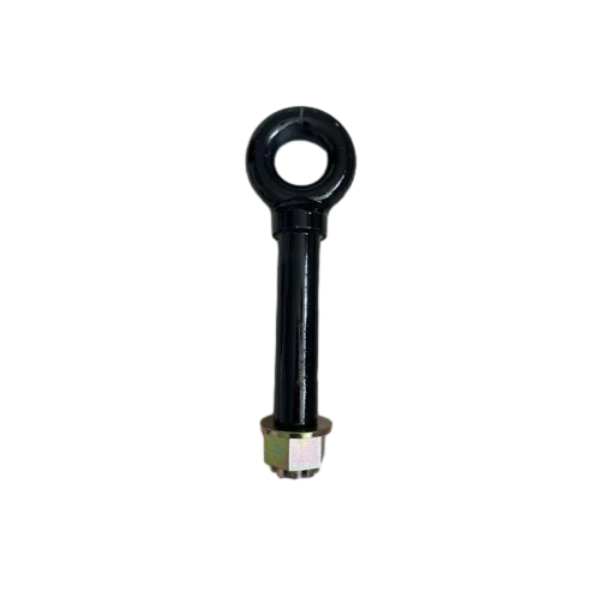 Drawbar Eyes
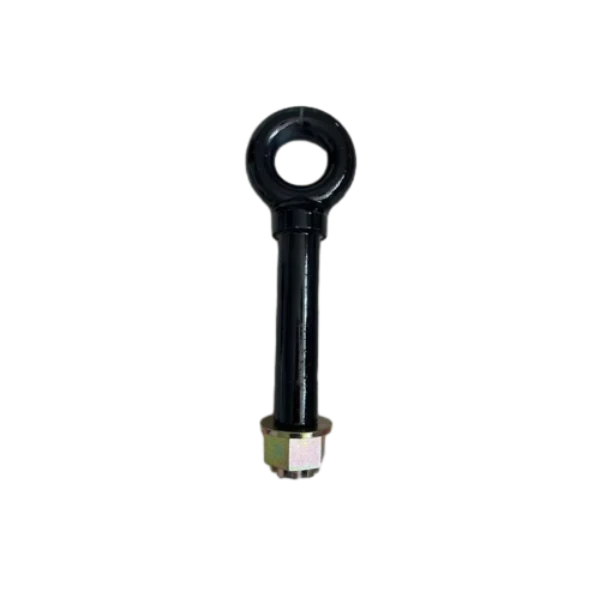
Drawbar eyes are essential components in towing and hauling applications, providing a strong and secure attachment point between the trailer and the towing vehicle. They are designed to endure extreme pulling forces, making them suitable for heavy-duty applications.
-
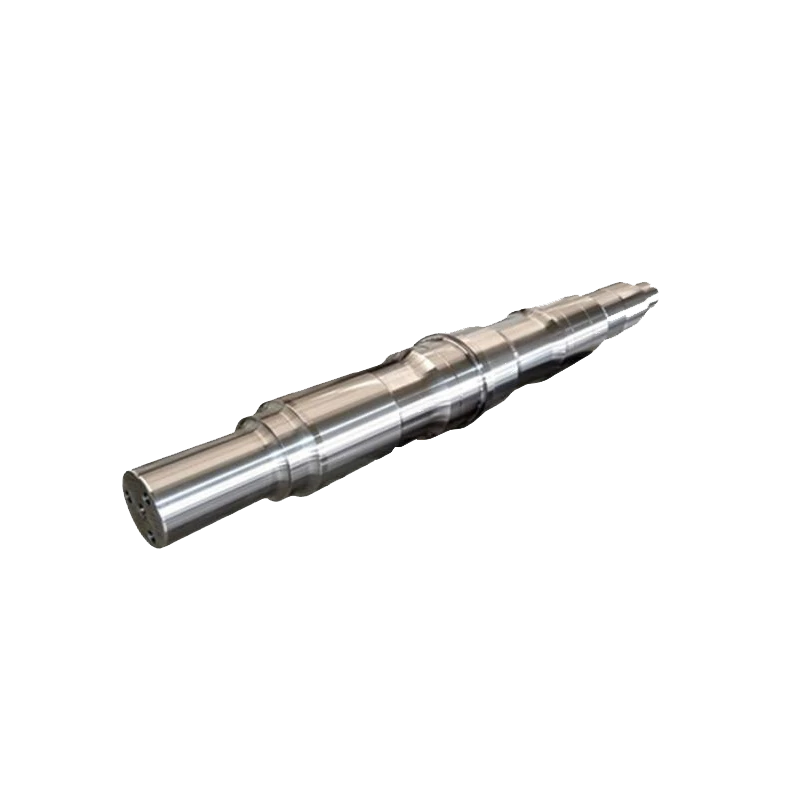 Axles
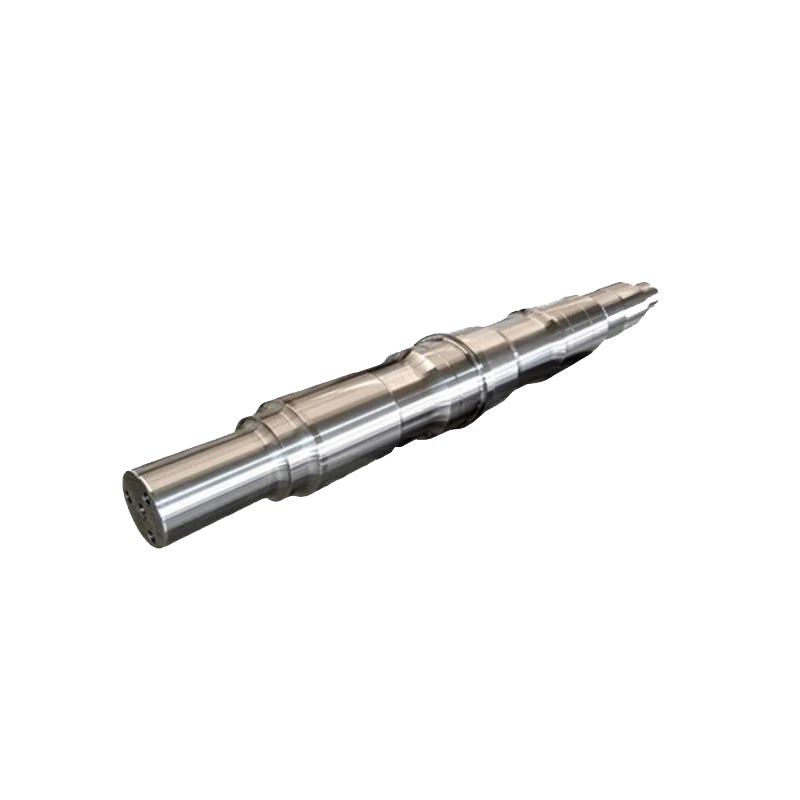
AxlesAxles are essential for vehicle load-bearing and power transmission, ensuring smooth movement and weight distribution. They must withstand high stress, torque, and impact, making material selection and precise manufacturing crucial.
-
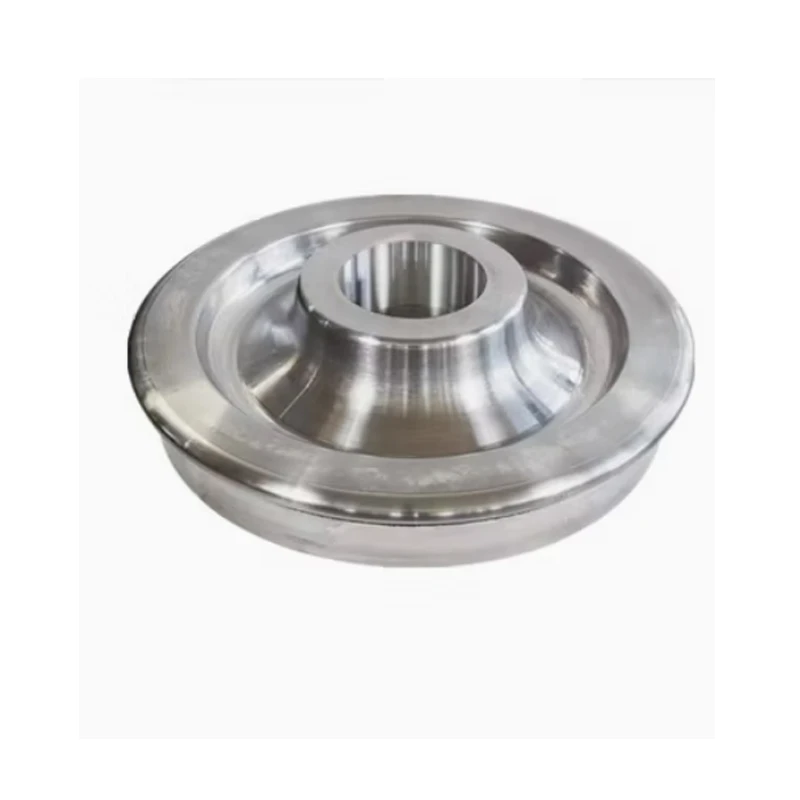 Profile S1002 Series Rail Wheels
The S1002 series rail wheels are designed for Rail-Road Vehicles (RRVs) that require seamless operation on both roads and railway tracks. Engineered with high precision and durability, these wheels conform to S1002 tread profiles, ensuring compatibility with standard railway systems.
A Comprehensive Guide to Axles Types for Industry Decision Makers | Manufacturing Base
Axles Types is a key solution in the industry, specifically within heavy machinery and transportation sectors. This article explores how https://www.manufacturing-base.com supports professionals with durable, high-performance products
>
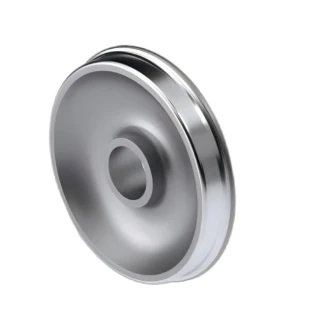
Reliable Rail Wheels: Optimize Your Rail Transport Solutions
For industries that rely on rail-based vehicles, choosing the right rail wheels is essential for smooth operations and safety.
>
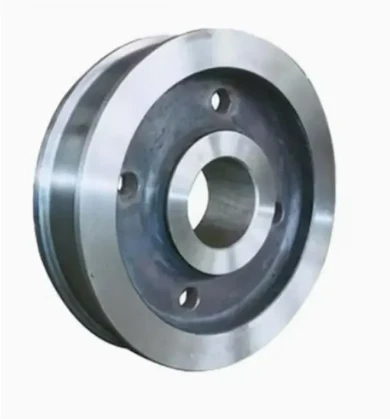
Premium Overhead Crane Wheels For Sale: Enhance Industrial Lifting Efficiency
In modern industrial operations, high-quality overhead crane wheels for sale are essential for safe, reliable, and efficient lifting.
>
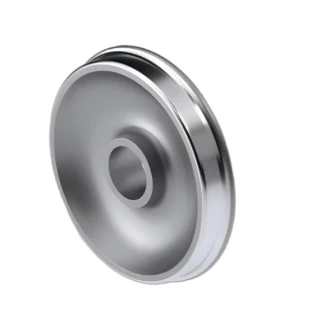
Premium Hi Rail Wheels For Sale: Boost Rail Vehicle Performance
In the modern industrial and railway sectors, having reliable hi rail wheels for sale is essential for operational efficiency and safety.
>
High-Quality Hi Rail Wheels For Sale: Enhance Your Rail Equipment Efficiency
When it comes to reliable rail maintenance and industrial operations, investing in hi rail wheels for sale is crucial.
>
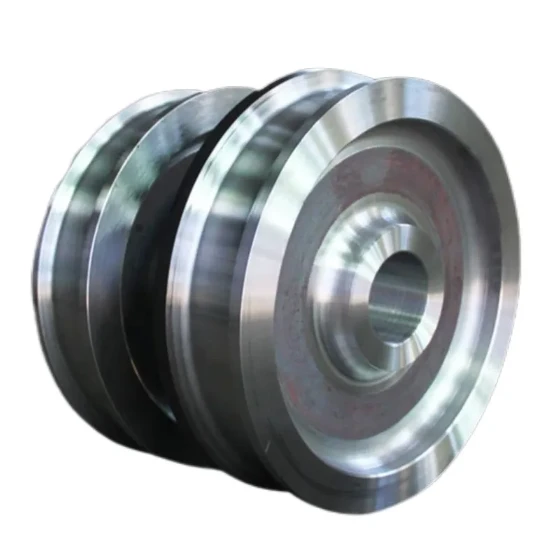
High-Quality Crane Wheels For Sale: Enhance Your Crane Operations
For industries relying on heavy lifting and material handling, investing in high-quality crane wheels for sale is crucial.
>
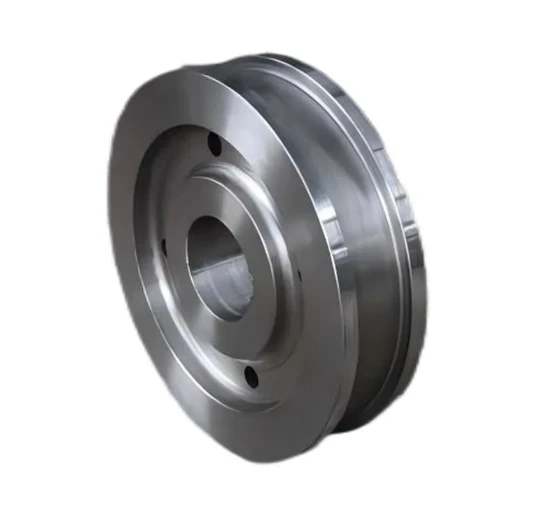
Durable Gantry Crane Wheels For Sale: Maximize Lifting Efficiency
For industries relying on heavy-duty lifting and material handling, selecting the right gantry crane wheels for sale is vital.
>
Reliable Tandem Drive Axles for Heavy-Duty Industrial Vehicles
Tandem Drive Axles: What I’ve Learned After Years in the Industrial Equipment Sector Ha
>
Reliable Semi Trailer Axles for Heavy-Duty Trailers | Expert Insight
Understanding semi trailer axles: The Backbone of Heavy Hauling Having spent more than a deca
>
RC Portal Axles: Industrial Strength and Custom Performance
RC Portal Axles: A Veteran’s Take on Industrial-Grade Performance Having spent over a d
>
Engineered for Excellence
Our forged solutions deliver reliability and performance, powering demanding industries to keep operations running smoothly.

Sign up
for Newsletter
Subscribe to the weekly newsletter for all the latest updates