- Tel: +86 311 82620404
- Cell: 86 -13739710551
- Email: sales@potentia.cn

Heavy-Duty Swivel Drawbar Eyes & Premier Pintle Eyes
Understanding Drawbar Eyes: Critical Components in Heavy-Duty Towing
In the demanding world of heavy-duty transportation, agriculture, and construction, the reliability of towing mechanisms is paramount. At the core of robust trailer connections are drawbar eyes, essential components designed to facilitate secure linkages between towing vehicles and their trailers or implements. These eyes, often integral to the drawbar itself, are engineered to withstand immense tensile and compressive forces, cyclical loading, and harsh environmental conditions. Their design and material composition are critical factors determining the safety, efficiency, and longevity of the entire towing system. The industry has seen a continuous evolution in materials science and manufacturing precision, leading to advanced solutions that offer superior fatigue resistance and load-bearing capabilities. Understanding the intricate details of these components, from their structural integrity to their specific applications, is crucial for B2B decision-makers seeking optimal performance and minimized downtime in their operations. This foundational knowledge ensures that investments are made in solutions that meet or exceed rigorous performance standards, safeguarding assets and personnel.
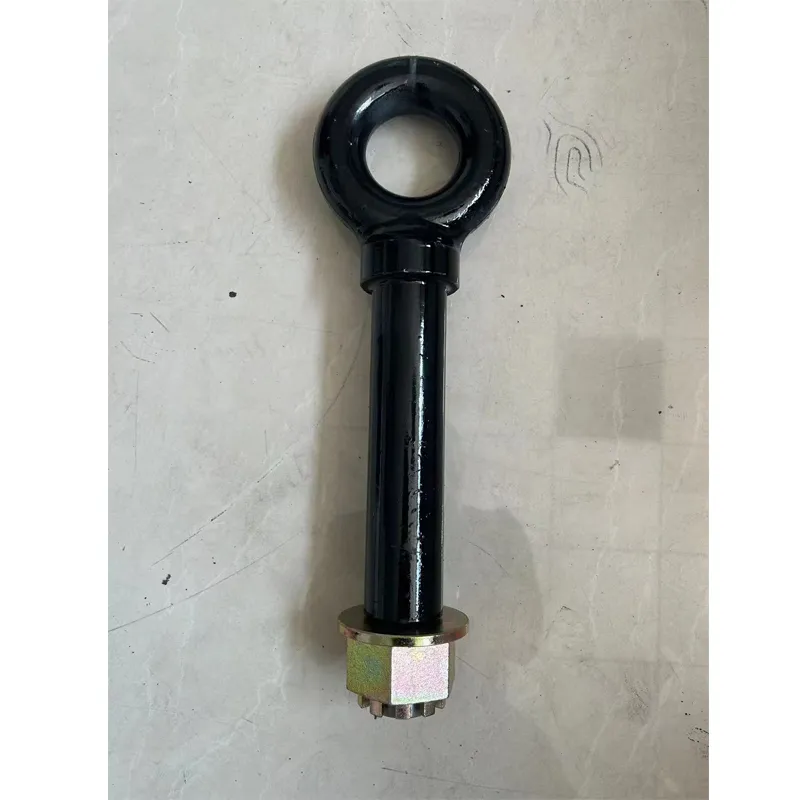
The selection of the appropriate drawbar eyes depends on a multitude of factors including the gross vehicle weight (GVW) of the towed unit, the type of terrain, operational speeds, and regulatory compliance. Modern manufacturing techniques have significantly improved the strength-to-weight ratio of these components, utilizing advanced forging and heat treatment processes that enhance metallurgical properties. For instance, high-strength alloy steels are now common, offering superior resistance to impact and abrasion compared to traditional mild steel counterparts. Furthermore, the integration of precise CNC machining ensures dimensional accuracy, critical for a snug fit with various pintle hooks and coupling devices. This precision minimizes wear and tear on both the eye and the coupling, extending the service life of both components and reducing maintenance requirements. Innovations also extend to specialized coatings, such as galvanization or powder coating, which provide excellent corrosion resistance, crucial for applications in corrosive environments like those found in marine, agricultural, or petrochemical sectors, thereby enhancing product durability and reducing replacement frequency.
Manufacturing Excellence: The Process Behind Robust Drawbar Eyes
The production of high-performance drawbar eyes is a sophisticated multi-stage process, meticulously controlled to ensure peak performance and reliability. It typically begins with the careful selection of premium-grade materials, most commonly high-tensile alloy steels such as 42CrMo or 35CrMo, chosen for their inherent strength and excellent hardenability. The initial shaping often involves hot forging, where billets are heated to elevated temperatures and then shaped under immense pressure. This forging process refines the grain structure of the steel, eliminating internal voids and enhancing the material's overall strength, ductility, and fatigue resistance, which is paramount for components subjected to dynamic loads. Subsequent stages involve precision CNC machining to achieve exact dimensions, critical for seamless integration with a wide array of towing systems. This ensures that features like the eye diameter, shank length, and mounting configurations meet stringent industry standards such as ISO or ANSI.
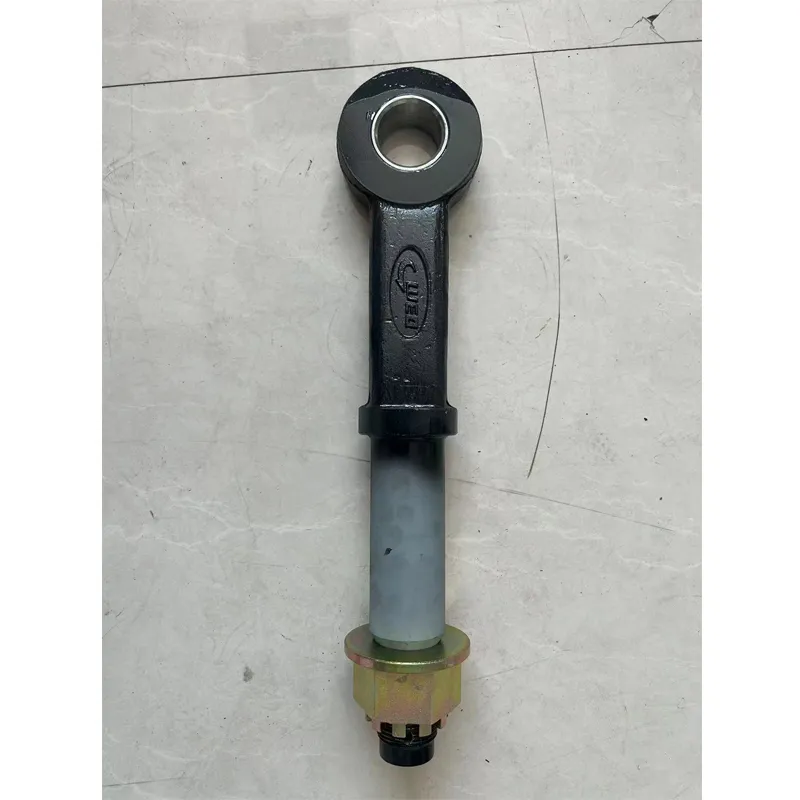
Following machining, the components undergo rigorous heat treatment processes, including quenching and tempering, to achieve optimal hardness and toughness. This controlled thermal processing transforms the steel's microstructure, significantly increasing its wear resistance and load-bearing capacity while maintaining sufficient ductility to prevent brittle fracture under extreme stress. Surface finishing, such as shot peening, galvanization, or durable powder coating, is applied to provide superior corrosion resistance and enhance product lifespan, particularly in corrosive environments typical of agricultural, construction, or petrochemical industries. Throughout the entire manufacturing chain, stringent quality control measures are implemented. These include non-destructive testing (NDT) methods like ultrasonic testing and magnetic particle inspection to detect any subsurface flaws, alongside dimensional checks, hardness testing, and critical fatigue and ultimate load tests. Adherence to standards like ISO 9001 and EN 16757 ensures every drawbar eyes component meets the highest global benchmarks for safety and performance, making them ideal for applications requiring robust and reliable connections in sectors like metallurgy and water/drainage systems, where energy efficiency and corrosion resistance are key advantages.
Technical Specifications and Industry Data for Drawbar Eyes
The performance of drawbar eyes is quantified by a range of critical technical parameters that directly influence their suitability for specific applications. Key specifications include the ultimate tensile strength (UTS), which indicates the maximum stress a material can withstand before breaking, and the yield strength (YS), representing the stress at which permanent deformation occurs. Fatigue life, often expressed as the number of cycles to failure under specific load conditions, is particularly important for components subjected to repetitive stresses. Diameter of the eye (D), shank length (L), and mounting hole patterns are crucial for compatibility with various towing hitches and pintle hooks, often adhering to standards like SAE J847. Manufacturers typically provide detailed datasheets that include these parameters, along with material grades (e.g., C45, 42CrMo4, 34CrNiMo6), surface finishes, and adherence to international standards such as ISO 8752 or DIN 74054. These detailed specifications allow procurement managers and engineers to precisely match components to their operational requirements, ensuring optimal safety and extended service life in agricultural machinery, commercial trucking, and construction equipment.
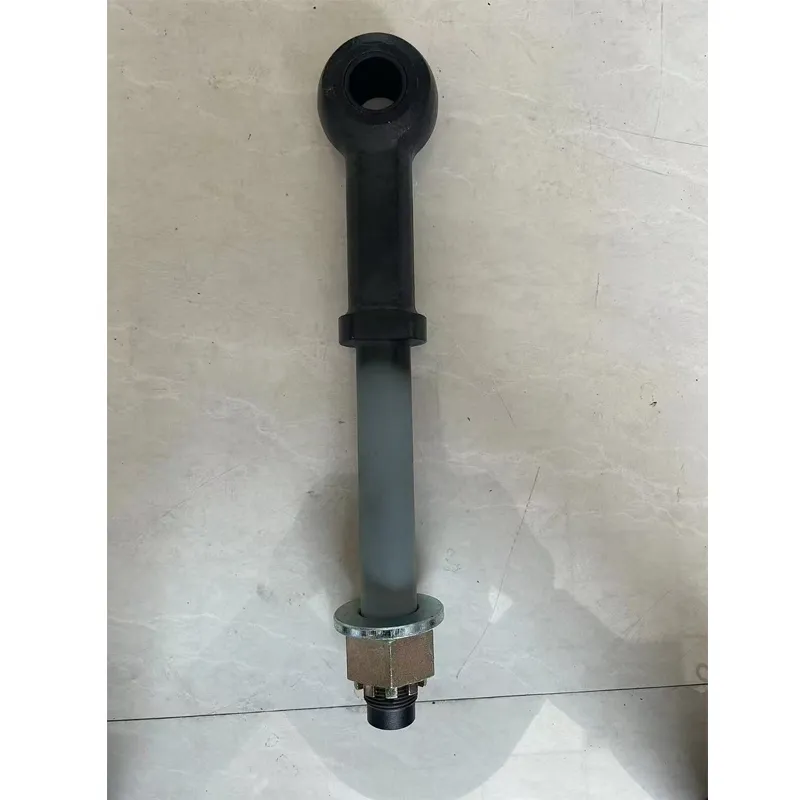
To provide a clear understanding of typical product offerings, below is a generalized table outlining common specifications for various types of drawbar eyes. Please note that exact specifications may vary by manufacturer and specific product line. This data is representative of high-quality components designed for rigorous industrial use.
| Parameter | Standard Fixed Drawbar Eye | Swivel Drawbar Eye | Premier Pintle Eye |
|---|---|---|---|
| Material | Forged Alloy Steel (e.g., 42CrMo4) | Forged Alloy Steel (e.g., 34CrNiMo6) | High-Strength Forged Steel |
| Rated D-Value (kN) | 120 - 250 kN | 150 - 300 kN | 180 - 350 kN |
| Max Vertical Load (S-Value) | Up to 2000 kg | Up to 2500 kg | Up to 3000 kg |
| Eye Inner Diameter | 40 mm, 50 mm, 76 mm | 40 mm, 50 mm, 76 mm | 60 mm, 76 mm |
| Finish | Black E-coat, Powder Coated, Galvanized | Black E-coat, Powder Coated, Galvanized | Powder Coated, Heavy-Duty E-coat |
| Applicable Standards | ISO, DIN, SAE, EN | ISO, DIN, SAE, EN | SAE J847, EN 16757 |
The distinction between standard fixed drawbar eyes, swivel drawbar eye, and premier pintle eye is critical. Fixed eyes are rigid and suitable for general-purpose towing where articulation is primarily handled by the hitch. Swivel drawbar eyes, on the other hand, incorporate a rotatable mechanism that allows the eye to rotate around its axis, significantly reducing torsional stress on the drawbar when the towing vehicle and trailer are operating on uneven terrain or in situations requiring tight turns. This rotational capability greatly enhances component longevity and prevents premature fatigue failure. Premier pintle eyes are typically heavier-duty variants designed for extreme loads and rough conditions, often featuring larger diameters and robust construction to accommodate specific pintle hook designs, commonly found in military, mining, or very heavy construction applications. Each type offers distinct advantages based on the operational environment, demanding careful consideration of load dynamics and articulation needs to ensure safety and efficiency.
Application Scenarios and Strategic Advantages
The versatility of drawbar eyes makes them indispensable across a wide spectrum of industries. In agriculture, they are crucial for hitching heavy plows, cultivators, and harvesting equipment to tractors, enduring the shock loads and continuous vibrations of fieldwork. Construction sites rely on them for towing large excavators, bulldozers, and material handling trailers over challenging terrain. The mining sector utilizes ultra-heavy-duty variants, including premier pintle eye designs, to connect massive haul trucks and specialized ore carts, where safety and durability under extreme loads are non-negotiable. Furthermore, in commercial trucking and logistics, they form the backbone of tandem trailer setups and road trains, demanding exceptional tensile and fatigue strength for high-speed, long-distance transport. Their robust design, coupled with advanced material properties, significantly reduces the risk of coupling failure, thereby enhancing operational safety and minimizing costly downtime due to equipment malfunction. This reliability translates directly into improved productivity and reduced total cost of ownership for fleet operators and industrial enterprises.
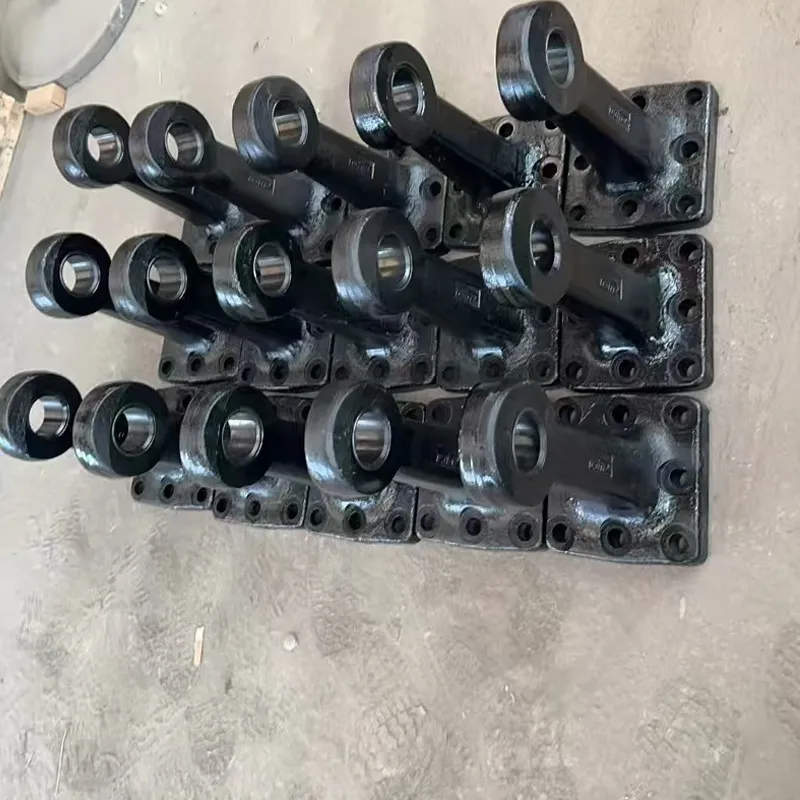
The strategic advantages of investing in high-quality drawbar eyes extend beyond mere functionality. For instance, the superior corrosion resistance offered by advanced surface treatments, such as hot-dip galvanization or specialized electrophoretic deposition (E-coating), provides significant longevity in harsh environments like coastal areas or chemical plants, reducing maintenance costs and replacement cycles. Energy efficiency is indirectly achieved through optimized load distribution and reduced friction within the coupling, which can slightly lessen fuel consumption of the towing vehicle, although this is more pronounced in the overall system design. Moreover, companies adhering to stringent international standards (e.g., ISO, ANSI) ensure traceability of materials and manufacturing processes, providing complete transparency and auditability. This commitment to quality builds trust and reliability, which is paramount for B2B relationships. Customer feedback consistently highlights enhanced operational uptime and reduced unplanned maintenance as key benefits derived from deploying components with superior fatigue life and robust design. One notable application case involved a major agricultural equipment manufacturer who reported a 30% reduction in coupling-related failures after transitioning to our high-grade forged drawbar eyes, showcasing tangible improvements in field reliability and productivity.
Manufacturer Comparison and Customization Solutions
When evaluating suppliers of drawbar eyes, it's crucial to look beyond price and consider factors like manufacturing expertise, adherence to quality standards, and the ability to provide tailored solutions. Leading manufacturers differentiate themselves through a proven track record of innovation, extensive R&D investments in metallurgy and forging techniques, and comprehensive testing protocols that exceed minimum regulatory requirements. Key aspects for comparison include the origin of raw materials, the consistency of heat treatment processes, precision of CNC machining, and the breadth of product certifications (e.g., ISO 9001, TÜV, CE mark). A reputable manufacturer will often have decades of experience in the heavy machinery component sector, demonstrating long-term partnerships with major OEMs and a deep understanding of evolving industry needs. Their ability to manage complex supply chains and ensure timely delivery, particularly for high-volume orders or custom designs, is a strong indicator of reliability and capability. We pride ourselves on having over 25 years of specialized experience in this field, having served diverse global clients from petrochemical giants to municipal water management utilities.
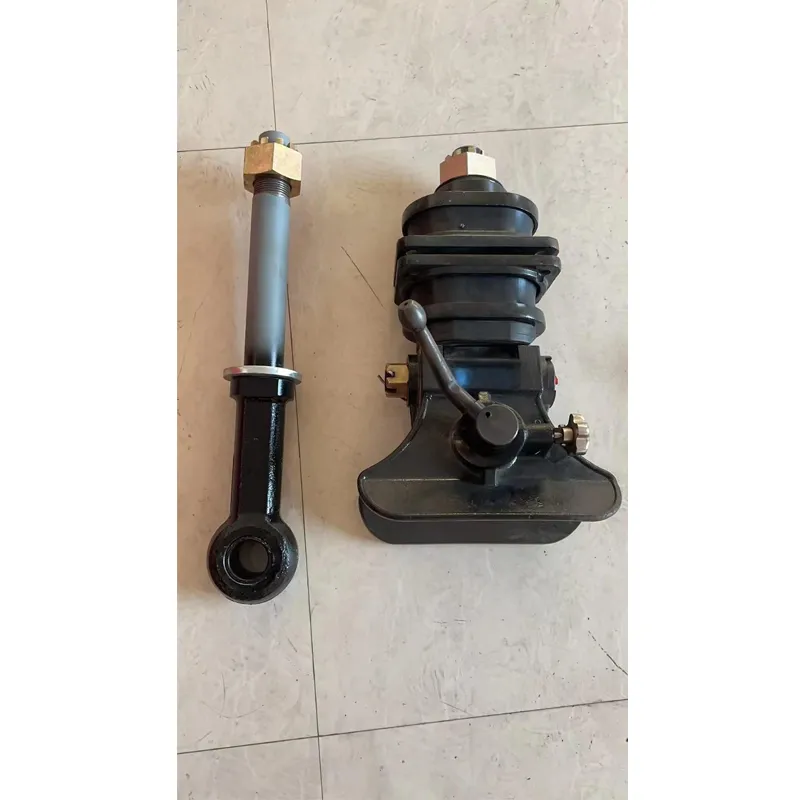
For highly specialized applications, standard off-the-shelf drawbar eyes may not suffice. This is where customization capabilities become a critical differentiator. A top-tier manufacturer will offer comprehensive customization solutions, collaborating closely with clients from initial concept design through to final production. This includes engineering support for custom dimensions, load ratings, material compositions (e.g., specific high-strength alloys for extreme temperatures or corrosive agents), and unique mounting configurations. For instance, a client in the renewable energy sector might require bespoke swivel drawbar eye designs to navigate challenging terrains while transporting oversized wind turbine components, demanding specific articulation angles and anti-corrosion treatments tailored for offshore environments. Our team leverages advanced CAD/CAM software and simulation tools to develop precise prototypes and conduct virtual testing, ensuring that custom components perform exactly as required under anticipated operational stresses. Our flexible manufacturing lines allow for efficient production of both high-volume standard parts and low-volume specialized components, ensuring that every client receives a solution perfectly aligned with their technical requirements and business objectives.
Trust and Support: FAQs and Our Commitment
Building lasting trust with our B2B partners is at the core of our operations. We ensure this through transparent processes, robust product quality, and unwavering customer support. Our commitment extends from the initial inquiry to post-delivery service, focusing on delivering not just products, but complete solutions. A common query revolves around the appropriate selection of drawbar eyes for specific load classes and vehicle types. Our expert technical sales team is equipped to guide clients through the selection process, leveraging detailed load charts and application guidelines to ensure optimal fit and performance. Another frequent question pertains to maintenance requirements and expected service life. While high-quality components like ours are designed for minimal maintenance, we provide comprehensive guidelines on inspection intervals and best practices to maximize longevity and ensure continued safe operation, often exceeding typical industry lifespans due to our superior manufacturing processes and material selection.
Frequently Asked Questions (FAQs)
- Q: How do I choose the correct drawbar eye for my application?
A: Selection depends on Gross Trailer Mass (GTM), vertical load (S-value), D-value, and the type of coupling system. Consult our technical team with your vehicle and trailer specifications for precise recommendations. - Q: What are the differences between fixed, swivel, and pintle eyes?
A: Fixed eyes are rigid. Swivel drawbar eye allows rotation to reduce torsional stress on uneven terrain. A premier pintle eye is a heavy-duty, often larger variant designed for extreme loads and specific pintle hook systems. - Q: What is your typical delivery lead time?
A: For standard products, typical delivery is 2-4 weeks, depending on order volume and destination. Custom orders require a project-specific timeline, usually 6-12 weeks from design approval. We maintain robust logistics networks to ensure timely dispatch and delivery worldwide. - Q: What warranty do you offer on your drawbar eyes?
A: We offer a comprehensive 3-year warranty against manufacturing defects for all our drawbar eyes, provided they are used within specified load limits and maintained according to our guidelines. Our commitment to quality is backed by rigorous testing and certifications. - Q: Can you provide custom design solutions?
A: Absolutely. Our engineering team specializes in developing bespoke drawbar eyes tailored to unique application requirements, including custom dimensions, materials, and load capacities. Contact us with your specific needs for a detailed consultation.
Our dedication to client success is reflected in our robust customer support infrastructure. We provide dedicated account managers, technical assistance, and post-sales support to ensure seamless integration and optimal performance of our products. Our global network ensures that expert help is always within reach, minimizing any potential disruptions to your operations. We understand that in B2B environments, reliability and responsiveness are as crucial as product quality, and we strive to exceed expectations in all these areas, establishing ourselves as a trusted partner for your heavy-duty towing component needs.
References
- SAE International. (2018). SAE J847: Forged Drawbar Eyes. Society of Automotive Engineers.
- International Organization for Standardization. (2015). ISO 9001: Quality Management Systems – Requirements.
- European Committee for Standardization. (2020). EN 16757: Agricultural machinery – Trailed machines – Safety.
- ASM International. (2002). ASM Handbook, Volume 1: Properties and Selection: Irons, Steels, and High-Performance Alloys.
- Journal of Engineering Tribology. (2021). "Fatigue life prediction and analysis of high-strength steel components under cyclic loading."
-
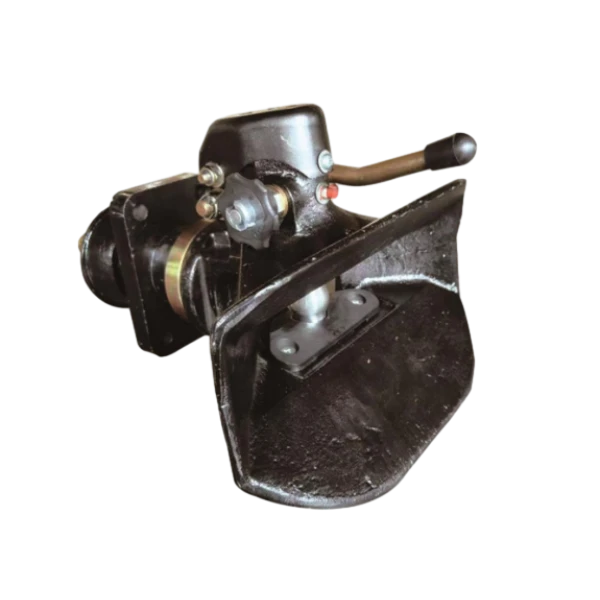 Trailer Coupling
The trailer coupling is a critical component in vehicle towing systems, designed to ensure a secure and efficient connection between a towing vehicle and a trailer. These couplings are manufactured using high-strength carbon steel, alloy steel, or stainless steel, ensuring durability and resistance to heavy loads and harsh environments.
-
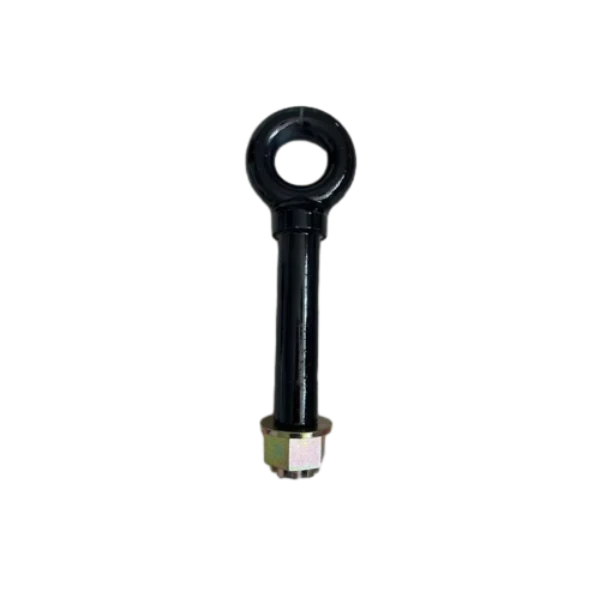
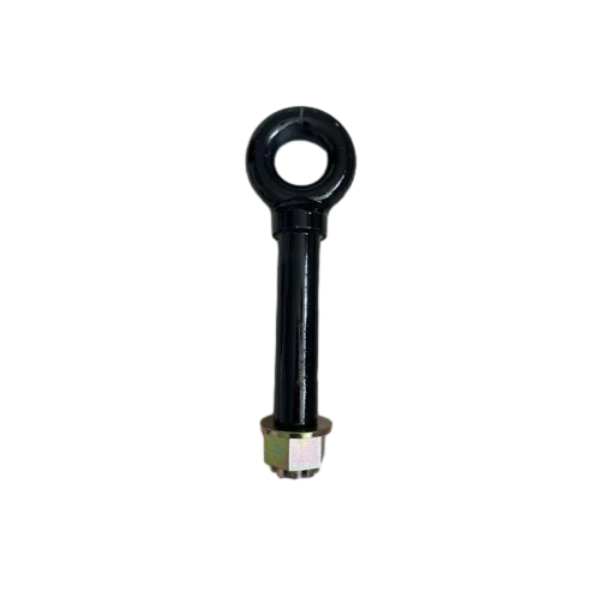 Drawbar Eyes
Drawbar eyes are essential components in towing and hauling applications, providing a strong and secure attachment point between the trailer and the towing vehicle. They are designed to endure extreme pulling forces, making them suitable for heavy-duty applications.
-
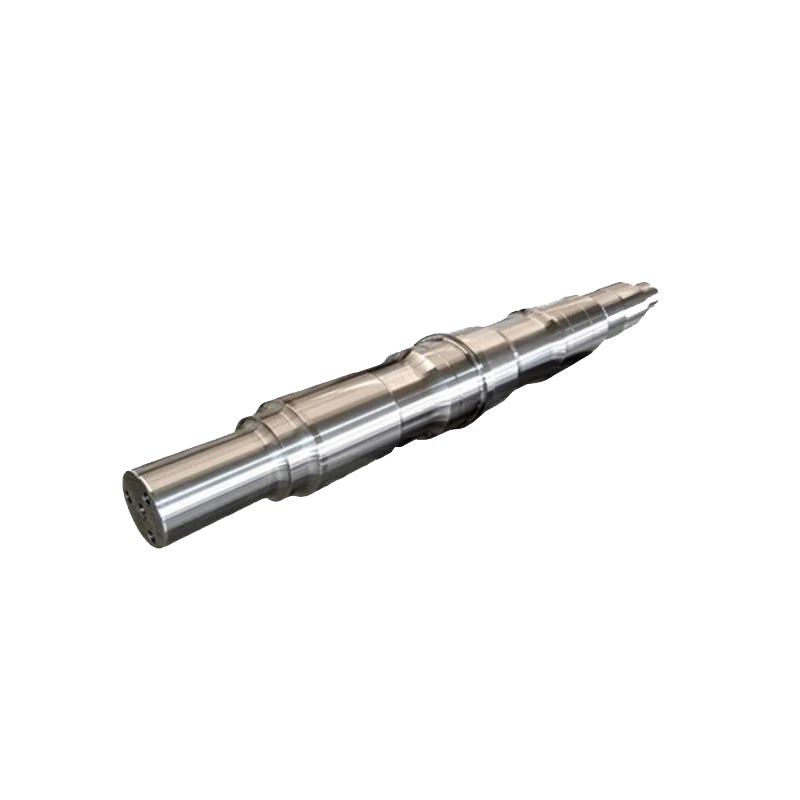
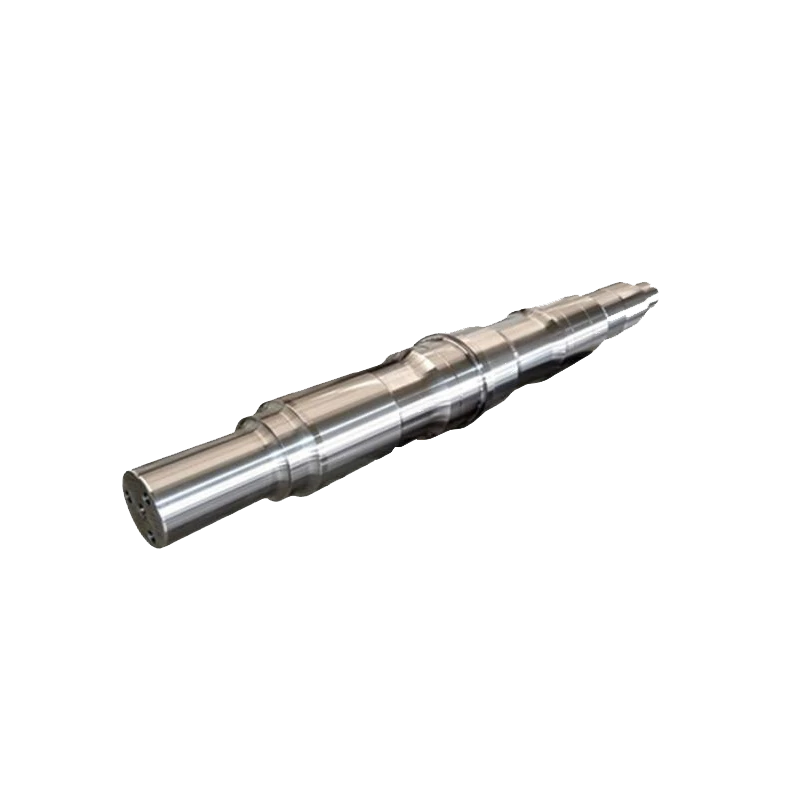 Axles
AxlesAxles are essential for vehicle load-bearing and power transmission, ensuring smooth movement and weight distribution. They must withstand high stress, torque, and impact, making material selection and precise manufacturing crucial.
-
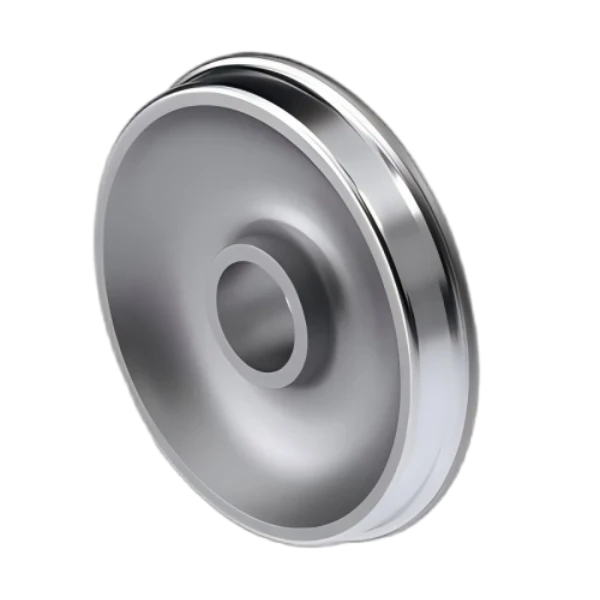
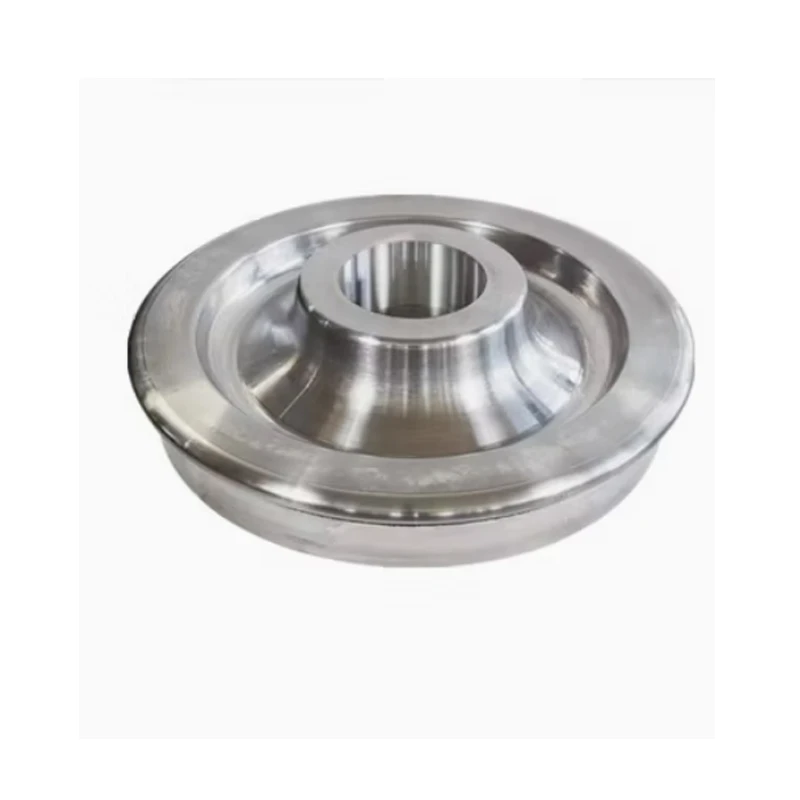 Profile S1002 Series Rail Wheels
The S1002 series rail wheels are designed for Rail-Road Vehicles (RRVs) that require seamless operation on both roads and railway tracks. Engineered with high precision and durability, these wheels conform to S1002 tread profiles, ensuring compatibility with standard railway systems.
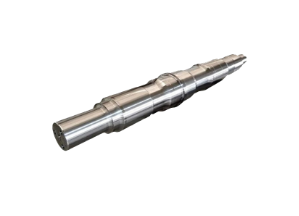
A Comprehensive Guide to Axles Types for Industry Decision Makers | Manufacturing Base
Axles Types is a key solution in the industry, specifically within heavy machinery and transportation sectors. This article explores how https://www.manufacturing-base.com supports professionals with durable, high-performance products
>
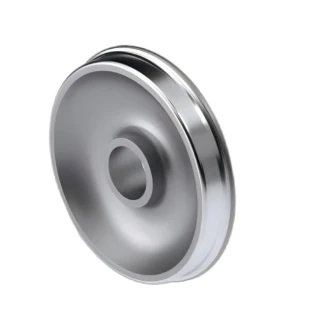
Reliable Rail Wheels: Optimize Your Rail Transport Solutions
For industries that rely on rail-based vehicles, choosing the right rail wheels is essential for smooth operations and safety.
>
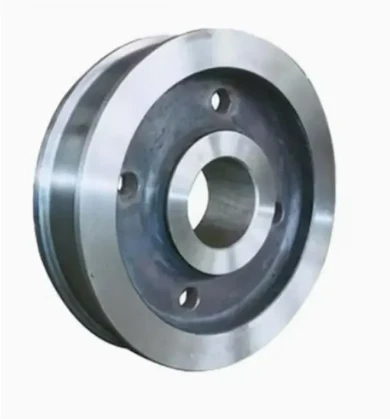
Premium Overhead Crane Wheels For Sale: Enhance Industrial Lifting Efficiency
In modern industrial operations, high-quality overhead crane wheels for sale are essential for safe, reliable, and efficient lifting.
>
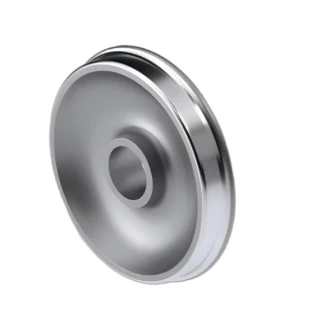
Premium Hi Rail Wheels For Sale: Boost Rail Vehicle Performance
In the modern industrial and railway sectors, having reliable hi rail wheels for sale is essential for operational efficiency and safety.
>
High-Quality Hi Rail Wheels For Sale: Enhance Your Rail Equipment Efficiency
When it comes to reliable rail maintenance and industrial operations, investing in hi rail wheels for sale is crucial.
>
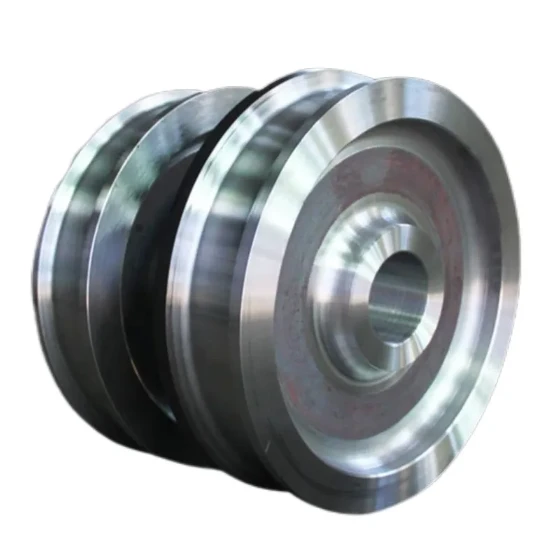
High-Quality Crane Wheels For Sale: Enhance Your Crane Operations
For industries relying on heavy lifting and material handling, investing in high-quality crane wheels for sale is crucial.
>
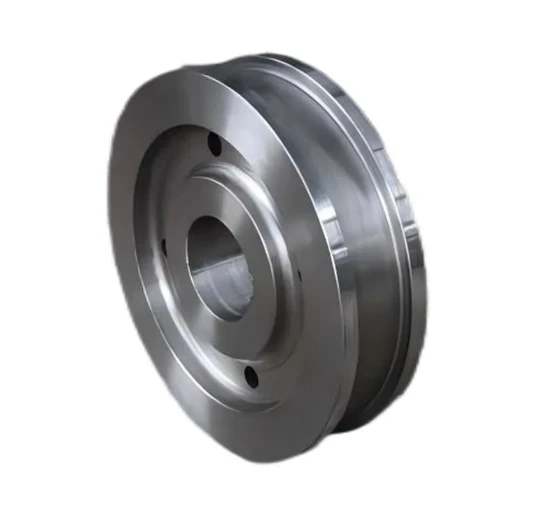
Durable Gantry Crane Wheels For Sale: Maximize Lifting Efficiency
For industries relying on heavy-duty lifting and material handling, selecting the right gantry crane wheels for sale is vital.
>
Reliable Tandem Drive Axles for Heavy-Duty Industrial Vehicles
Tandem Drive Axles: What I’ve Learned After Years in the Industrial Equipment Sector Ha
>
Reliable Semi Trailer Axles for Heavy-Duty Trailers | Expert Insight
Understanding semi trailer axles: The Backbone of Heavy Hauling Having spent more than a deca
>
RC Portal Axles: Industrial Strength and Custom Performance
RC Portal Axles: A Veteran’s Take on Industrial-Grade Performance Having spent over a d
>
Engineered for Excellence
Our forged solutions deliver reliability and performance, powering demanding industries to keep operations running smoothly.

Sign up
for Newsletter
Subscribe to the weekly newsletter for all the latest updates