- Tel: +86 311 82620404
- Cell: 86 -13739710551
- Email: sales@potentia.cn

Premium Rails Wheels: Durable Rail Car Wheels for Sale
Introduction to High-Performance Rail Wheels
In the demanding landscape of industrial and transportation infrastructure, the integrity and performance of rolling stock components are paramount. Central to the operational efficiency and safety of rail-bound systems are the rails wheels. These critical components facilitate movement across diverse applications, from heavy-duty industrial conveyors to complex rail networks. They are engineered to withstand immense loads, abrasive environments, and continuous operational stresses, making their selection a pivotal decision for engineers and procurement specialists. This article delves into the intricacies of high-performance rail wheels, exploring their manufacturing, technical specifications, diverse applications, and the distinct advantages offered by advanced solutions like the Profile P1 Series.
The Profile P1 Series Rail Wheels, available at manufacturing-base.com, represents a pinnacle of engineering excellence, designed to deliver superior durability, extended service life, and enhanced operational reliability across a multitude of challenging environments. Understanding the technology behind these components is essential for optimizing system performance and ensuring long-term operational integrity.
Industry Trends and Market Dynamics
The global market for industrial and railway components is experiencing significant shifts driven by increasing demand for robust, efficient, and sustainable solutions. Key trends influencing the development and procurement of rails wheels include:
- Material Innovation: Continuous research into advanced alloys and composite materials to enhance wear resistance, reduce weight, and improve fatigue life, thereby extending the service interval of each rail car wheel.
- Digitalization and IoT Integration: Adoption of smart sensors for real-time monitoring of wheel condition, temperature, and vibration, enabling predictive maintenance and preventing unexpected failures.
- Sustainability: Growing emphasis on manufacturing processes that minimize environmental impact, coupled with products designed for energy efficiency and recyclability. This includes solutions that reduce friction and improve energy consumption.
- Customization and Specialization: Increasing demand for tailor-made solutions to meet the unique operational requirements of diverse industries, from high-temperature environments in metallurgy to corrosive conditions in chemical plants.
- Global Infrastructure Development: Expansion of railway networks and industrial facilities worldwide, particularly in developing economies, fuels the demand for high-quality rail car wheels for sale and related components.
These trends underscore the need for manufacturers to provide not only durable products but also intelligent, environmentally conscious, and highly adaptable solutions that address the evolving challenges of modern industrial operations. The market values suppliers who can demonstrate a commitment to quality, innovation, and comprehensive support.
Manufacturing Process Flow of Rail Wheels
The production of high-performance rails wheels is a meticulously controlled, multi-stage process designed to imbue the final product with exceptional strength, wear resistance, and dimensional accuracy. The Profile P1 Series undergoes a rigorous manufacturing flow to ensure its superior performance characteristics.
Schematic Process Steps:
-
1. Material Selection and Preparation:
Utilizing high-grade alloy steels (e.g., AISI 1045, 4140, 4340, or proprietary compositions for enhanced toughness and hardenability). Materials are selected based on anticipated load, speed, and environmental conditions. Chemical composition is verified via spectrographic analysis.
-
2. Forging or Casting:
- Forging: Preferred for critical applications, involving heating steel billets to precise temperatures (typically 1100-1250°C) and shaping them under immense pressure using hydraulic presses. This process refines grain structure, eliminates porosity, and enhances mechanical properties like tensile strength and fatigue resistance.
- Casting: Used for specific designs or less strenuous applications, involving pouring molten steel into molds. While more economical, it often requires subsequent heat treatments to optimize grain structure.
-
3. Heat Treatment:
A crucial step involving controlled heating and cooling cycles (e.g., normalization, quenching, tempering). This process customizes the material's microstructure, enhancing hardness, strength, and toughness while relieving internal stresses. The Profile P1 Series employs specialized heat treatment protocols to achieve optimal tread and flange hardness for prolonged service life.
-
4. CNC Machining:
Precision machining using Computer Numerical Control (CNC) lathes and milling machines to achieve exact dimensions, profiles (e.g., AAR, EN, custom), and surface finishes. This stage ensures concentricity, precise bore tolerance, and critical flange geometry, vital for safe and efficient operation.
-
5. Surface Finishing and Coating:
Application of protective coatings (e.g., anti-corrosion paints, specialized primers) or surface treatments (e.g., shot peening for improved fatigue life) to enhance durability and environmental resistance.
-
6. Quality Control and Testing:
Comprehensive testing at various stages, adhering to international standards such as ISO 9001 (Quality Management), EN 13262 (Railway applications – Wheelsets and bogies – Wheels – Product requirements), ANSI/AAR (Association of American Railroads) specifications. Tests include:
- Ultrasonic Testing (UT): To detect internal flaws and discontinuities.
- Magnetic Particle Inspection (MPI): For surface and sub-surface cracks.
- Hardness Testing: Verification of heat treatment effectiveness (e.g., Brinell, Rockwell).
- Dimensional Inspection: Using CMMs and precise gauges to confirm adherence to blueprints.
- Mechanical Property Testing: Tensile strength, yield strength, impact toughness (Charpy V-notch).
This meticulous process ensures that each Profile P1 Series wheel is engineered for an extended service life, typically ranging from 5 to 15 years depending on operational intensity and maintenance, offering exceptional resistance to wear, fatigue, and environmental degradation, critical for target industries like petrochemicals, metallurgy, and water supply & drainage. The energy-saving designs and advanced corrosion resistance further demonstrate their advantages in typical application scenarios.
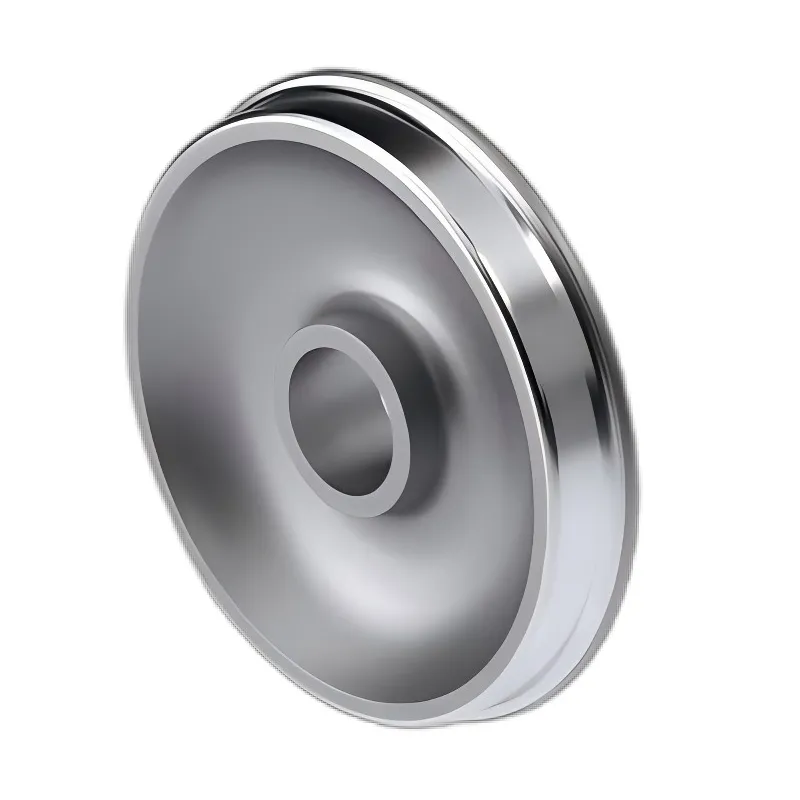
Figure 1: High-precision CNC machining ensures optimal profile and surface finish for industrial rail wheels.
Technical Specifications and Parameters of Profile P1 Series
Understanding the detailed technical parameters of rails wheels is crucial for proper integration and long-term performance. The Profile P1 Series is engineered with a focus on delivering superior mechanical properties and dimensional stability, making it suitable for a wide range of heavy-duty industrial and railway applications.
Key Parameters for Profile P1 Series Rail Wheels:
| Parameter | Specification (Profile P1 Series) | Industry Standard / Typical Range |
|---|---|---|
| Material Grade | Forged Alloy Steel (e.g., 4140, 4340 equivalent) | Carbon Steel (1045), Cast Steel, Other Alloys |
| Wheel Diameter Range | 150 mm to 1200 mm (Custom up to 2000 mm) | 100 mm - 1500 mm |
| Load Capacity (per wheel) | Up to 60 tons (Static) / 45 tons (Dynamic) | 5 tons - 50 tons |
| Tread Hardness (HRC) | 38-45 HRC (Specific Heat Treatment) | 28-35 HRC (Standard), 35-40 HRC (Hardened) |
| Tensile Strength | ≥ 950 MPa (137 ksi) | 600-900 MPa |
| Yield Strength | ≥ 780 MPa (113 ksi) | 400-700 MPa |
| Impact Toughness (Charpy V-notch) | ≥ 30 J at -20°C | 15-25 J at -20°C |
| Bore Diameter Tolerance | H7 / H8 | H9 / H10 |
| Surface Roughness (Tread) | Ra ≤ 1.6 µm | Ra ≤ 3.2 µm |
| Flange Thickness (Standard) | 28 mm - 45 mm (customizable) | 25 mm - 40 mm |
These specifications highlight the robust engineering behind the Profile P1 Series. The enhanced hardness and mechanical strength translate directly into superior wear resistance and a significantly longer service life, reducing maintenance frequency and overall operating costs.
Application Scenarios and Target Industries
The versatility and durability of high-quality rails wheels make them indispensable across a spectrum of heavy industries and logistical operations. The Profile P1 Series is specifically designed to excel in challenging environments where reliability and safety are paramount.
Target Industries:
- Petrochemical and Chemical Industries: Transport of raw materials, finished products, and waste within refineries and chemical plants, often requiring corrosion-resistant wheels due to exposure to aggressive substances.
- Metallurgy and Steel Mills: Handling of hot metal, slag, and heavy steel coils. Wheels must withstand extreme temperatures, heavy loads, and abrasive dust, crucial for operations involving large rail car wheels on transfer cars.
- Mining and Aggregates: Movement of ore, coal, and overburden in surface and underground mines. Durability against impact, wear from abrasive materials, and resilience in dusty, harsh conditions are essential.
- Port Logistics and Shipyards: Used on gantry cranes, rail-mounted gantry (RMG) cranes, and straddle carriers for container111 handling and heavy lifting, where consistent performance under dynamic loads is critical.
- Water Supply & Drainage / Wastewater Treatment: Supporting heavy equipment in treatment plants, requiring materials resistant to moisture and chemical exposure.
- Power Generation: Movement of fuel (coal, biomass), waste products, and maintenance equipment within power plants.
- Heavy Manufacturing and Automotive: On transfer carts, paint shop conveyors, and assembly line systems, providing precise and reliable movement of heavy sub-assemblies.
Advantages in Typical Application Scenarios:
- Energy Saving: Precision-machined profiles and superior surface finishes reduce rolling resistance, translating into lower energy consumption for motive power and reduced wear on associated machinery. For a typical heavy industrial conveyor system, this can represent a 5-8% reduction in power consumption over standard wheels.
- Corrosion Resistance: Strategic material selection and optional protective coatings enable Profile P1 wheels to thrive in humid, chemical-laden, or marine environments, significantly extending their operational life compared to untreated standard wheels.
- High Load Capacity: Engineered for extreme static and dynamic loads, preventing premature deformation and catastrophic failure, vital for safely moving multi-ton payloads.
- Extended Service Life: Advanced material treatment and robust construction result in significantly longer operational periods, reducing the frequency of replacements and associated downtime. Data suggests up to a 30% longer service life in abrasive environments.
- Reduced Maintenance: The durability and consistent performance minimize the need for frequent inspections, repairs, and lubrication, leading to substantial cost savings over the wheel's lifecycle.
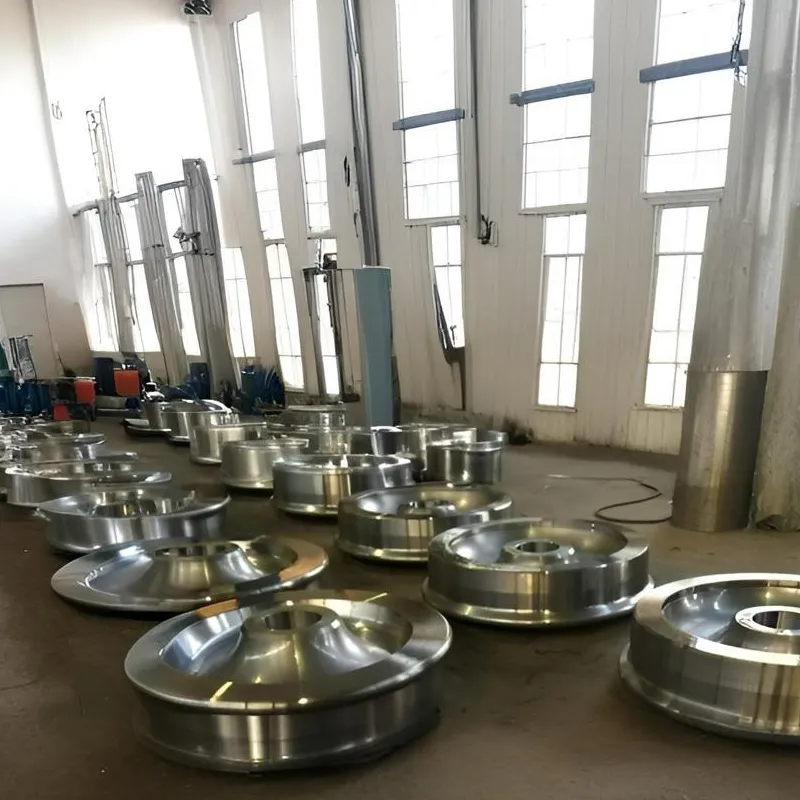
Figure 2: Industrial rail car wheels operating in a demanding metallurgical environment.
Technical Advantages of Profile P1 Series
The Profile P1 Series distinguishes itself through a suite of technical advantages rooted in advanced material science and precision engineering, offering a compelling value proposition for industrial and railway operators seeking robust rails wheels.
- Superior Material Composition: Utilizing proprietary alloy steel formulations that balance exceptional hardness for wear resistance with critical toughness to prevent brittle fracture, particularly under dynamic loading or impact. This ensures longevity even in high-stress applications.
- Optimized Heat Treatment Profiles: Advanced quenching and tempering cycles are precisely controlled to achieve a deep, consistent hardened layer on the tread and flange, while maintaining a ductile core. This differential hardening maximizes wear life without compromising core strength or resistance to spalling.
- Precision Machined Geometries: Each wheel's profile (e.g., conical, cylindrical, double-flanged, or custom) and bore are machined to extremely tight tolerances (e.g., ISO H7/H8 for bores, Ra 1.6 µm for tread surfaces). This precision ensures optimal track interaction, minimizes vibration, and reduces wear on both the wheel and the rail infrastructure.
- Enhanced Fatigue Resistance: Through controlled forging processes and surface finishing techniques like shot peening (where applicable), internal stresses are mitigated, and surface integrity is improved, significantly enhancing resistance to fatigue crack initiation and propagation, thereby extending the overall service life of the rail car wheel.
- High Impact Strength: The material and manufacturing process are designed to absorb significant impact forces without plastic deformation or fracture, a critical feature for applications involving uneven tracks, debris, or heavy load drops.
- Comprehensive Quality Assurance: Every Profile P1 Series wheel undergoes multi-stage NDT (Non-Destructive Testing) including ultrasonic inspection for internal integrity and magnetic particle inspection for surface flaws, ensuring zero-defect delivery and adherence to stringent quality benchmarks like EN 13262 and AAR standards.
These combined technical strengths position the Profile P1 Series as a leading choice for clients demanding maximum uptime, reduced maintenance, and superior safety from their rolling stock components.
Vendor Comparison: Profile P1 Series vs. Standard Rail Wheels
When sourcing rails wheels, a comparative analysis is essential to identify solutions that offer optimal performance, longevity, and cost-effectiveness. The Profile P1 Series is engineered to surpass the capabilities of standard industrial rail wheels, as highlighted below.
| Feature/Parameter | Profile P1 Series Rail Wheels | Generic Standard Rail Wheels |
|---|---|---|
| Material Quality | Premium Forged Alloy Steel (High strength & toughness) | Cast Carbon Steel or Lower Grade Forged Steel |
| Heat Treatment | Optimized, controlled processes for deep, uniform hardness and specific microstructure | Basic normalization or less precise hardening |
| Tread Hardness (HRC) | 38-45 HRC (Exceptional wear resistance) | 28-35 HRC (Moderate wear resistance) |
| Load Capacity | Up to 60 tons static (Robust for heavy duty) | Typically up to 30 tons static (General purpose) |
| Service Life Expectancy | 5-15 years (depending on application, 30% longer average) | 3-7 years (standard operational wear) |
| Dimensional Precision | ISO H7/H8, Ra ≤ 1.6 µm (Minimized friction, smoother operation) | ISO H9/H10, Ra ≤ 3.2 µm (Higher friction, potential vibration) |
| Certifications | ISO 9001, EN 13262, AAR (Specific) | Basic ISO 9001 (if any), limited industry-specific certs |
| Customization Options | Extensive (material, profile, bore, coating) | Limited to standard dimensions |
| Total Cost of Ownership (TCO) | Lower (due to extended life, less maintenance, energy savings) | Higher (frequent replacement, higher maintenance, less efficiency) |
This comparison clearly illustrates that while standard wheels may present a lower initial cost, the Profile P1 Series offers a significantly superior return on investment through its enhanced performance, durability, and reduced long-term operational expenditures. For businesses looking for reliable rail car wheels for sale, the Profile P1 Series provides a robust and economically sound solution.
Customized Solutions for Unique Operational Needs
Recognizing that no two industrial applications are exactly alike, our approach to rails wheels extends beyond standard offerings to encompass fully customized solutions. We collaborate closely with clients to develop wheels that perfectly match their unique operational parameters and environmental challenges.
Customization options for the Profile P1 Series include:
- Material Selection: Tailoring alloy compositions to optimize for specific properties such as extreme temperature resistance (cryogenic or high heat), enhanced corrosion resistance for chemical exposure, or superior impact absorption for heavy shock loads.
- Profile Design: Engineering unique wheel tread and flange profiles to interact optimally with specific rail types (e.g., ASCE, Crane Rail, custom sections), reducing wear on both wheel and rail, improving tracking stability, and accommodating special curve radii.
- Bore and Hub Configuration: Designing custom bore diameters, keyway slots, spline patterns, or integrated bearing arrangements to seamlessly fit existing axle or shaft designs, minimizing installation effort and maximizing compatibility.
- Special Coatings and Treatments: Applying specialized coatings (e.g., ceramic, polymer, or hardened surface treatments) to provide additional protection against specific environmental factors such as aggressive chemicals, extreme abrasion, or static charge buildup.
- Integrated Monitoring Features: Incorporating provisions for sensor integration (e.g., temperature, vibration, load sensors) to enable real-time condition monitoring as part of a predictive maintenance strategy.
Our team of experienced engineers utilizes advanced CAD/CAM software and finite element analysis (FEA) to simulate real-world conditions, ensuring that customized designs meet all performance and safety requirements before manufacturing begins. This bespoke approach guarantees that clients receive an exact fit and optimal performance for their specialized applications.
Application Case Studies
Real-world applications demonstrate the tangible benefits of deploying Profile P1 Series rails wheels in demanding industrial settings.
Case Study 1: Heavy-Duty Steel Coil Transfer in a Metallurgical Plant
- Challenge: A major steel mill experienced frequent failures and rapid wear of standard rail wheels on its hot coil transfer cars. The wheels operated under extreme temperatures (up to 400°C), carried loads of 80+ tons, and were exposed to abrasive steel dust. Replacement cycles were as short as 18 months, leading to significant downtime and maintenance costs.
- Solution: The mill implemented Profile P1 Series wheels, custom-engineered with a specialized high-temperature alloy steel and a unique heat treatment for enhanced hardness retention at elevated temperatures. The wheel profile was also optimized for the mill's specific crane rails.
- Result: The Profile P1 wheels demonstrated superior performance, achieving an average service life of over 5 years—a 230% increase. The enhanced wear resistance reduced maintenance intervals by 60%, leading to annual savings of approximately $150,000 in parts and labor, alongside a significant increase in operational uptime.
Case Study 2: Corrosive Environment in a Chemical Processing Facility
- Challenge: A chemical plant utilized rail-mounted transfer carts for highly corrosive liquids. Standard rail car wheels suffered from rapid corrosion and pitting, leading to premature failure and safety concerns. Frequent lubrication and protective painting were required, increasing operational expenses.
- Solution: We provided Profile P1 Series wheels fabricated from a specialized stainless steel alloy known for its exceptional chemical resistance, coupled with an advanced polymer coating applied to non-tread surfaces.
- Result: The customized Profile P1 wheels exhibited virtually no corrosion after 3 years of continuous operation, a vast improvement over the previous 1-year lifespan. This eliminated the need for routine protective maintenance, vastly improved safety, and resulted in a projected 4-year return on investment.
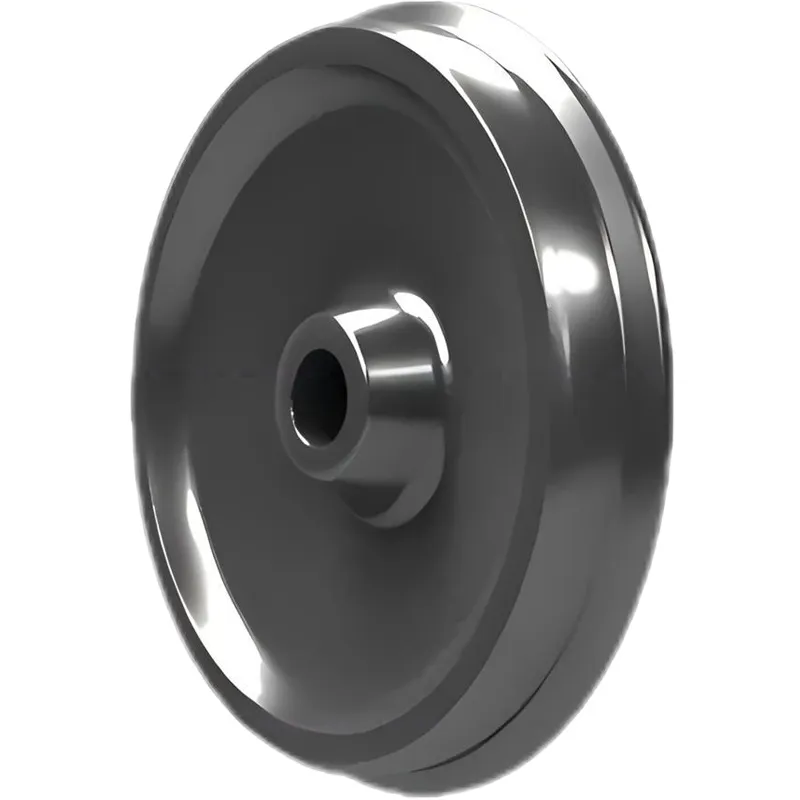
Figure 3: Customized rail wheels engineered for demanding industrial heavy-duty applications.
Ensuring Trust & Reliability: Our Commitment
Our dedication to quality and customer satisfaction is fundamental to our operations. We understand that choosing the right rails wheels supplier involves trust in product performance, service, and support.
Quality Certifications and Authoritative Standards:
- ISO 9001:2015 Certified: Our manufacturing facilities adhere to the highest international standards for quality management systems, ensuring consistent product quality from design to delivery.
- Compliance with Industry Standards: Our products meet or exceed specifications from major industry bodies, including EN 13262 (Railway applications), ANSI/AAR M-107 (Wheels, Carbon Steel), DIN, and ASME, depending on application requirements.
- Comprehensive Test Data: Every batch of Profile P1 Series wheels undergoes rigorous mechanical, metallurgical, and non-destructive testing, with detailed reports provided upon request, validating material properties and structural integrity.
Partnership and Experience:
- Trusted by Leading Industries: We are proud to partner with prominent clients in heavy industries, logistics, and material handling sectors globally, serving their demanding requirements for over two decades.
- Decades of Expertise: With over 20 years in the field of industrial rolling components, our accumulated knowledge and experience ensure that we deliver not just products, but engineered solutions.
Lead Time and Fulfillment:
- Standard Products: Typically 4-6 weeks from order confirmation, depending on volume and current production schedule.
- Customized Solutions: Lead times range from 8-12 weeks, depending on design complexity, material sourcing, and specialized manufacturing processes. Expedited options may be available upon request.
- Global Logistics: We facilitate worldwide shipping, ensuring efficient and reliable delivery to your operational site.
Warranty and After-Sales Support:
- Industry-Leading Warranty: All Profile P1 Series rail wheels come with a comprehensive 2-year limited warranty against manufacturing defects and premature wear under normal operating conditions. Extended warranty options are available.
- Dedicated Technical Support: Our team of expert engineers provides ongoing technical consultation, troubleshooting, and advice on optimal wheel maintenance and operational best practices.
- Spare Parts Availability: We maintain a robust inventory of critical components and offer efficient production for replacements, minimizing potential downtime for our clients.
Frequently Asked Questions (FAQ)
Q1: What distinguishes the Profile P1 Series rails wheels from standard industrial wheels?
A1: The Profile P1 Series utilizes advanced forged alloy steels, undergoes specialized heat treatments for superior hardness and toughness, and is precision-machined to tighter tolerances. This results in significantly higher load capacities, extended service life, and enhanced resistance to wear, fatigue, and environmental factors compared to conventional wheels.
Q2: Can the Profile P1 Series be customized for unique applications?
A2: Absolutely. We specialize in providing customized rail car wheels solutions. Options include specific material compositions, tailored wheel profiles, custom bore designs, and specialized coatings to meet precise operational demands, environmental conditions, and integration requirements.
Q3: What are the typical lead times for orders?
A3: For standard Profile P1 Series wheels, lead times are typically 4-6 weeks. Custom orders may require 8-12 weeks, depending on complexity. We strive for transparency and will provide an accurate lead time upon order confirmation.
Q4: What kind of warranty and after-sales support is provided?
A4: We offer a 2-year limited warranty on all Profile P1 Series wheels. Our commitment extends to comprehensive after-sales support, including technical consultation, troubleshooting assistance, and efficient spare parts supply, ensuring continuous optimal performance of your rail car wheels for sale components.
Q5: How do Profile P1 wheels contribute to energy savings?
A5: The precision machining and superior surface finish of Profile P1 wheels significantly reduce rolling resistance compared to less precisely manufactured alternatives. This reduction in friction translates directly into lower energy consumption for motive power, leading to measurable energy savings in heavy industrial applications.
Conclusion
The selection of appropriate rails wheels is a critical factor influencing the efficiency, safety, and longevity of any rail-bound system. The Profile P1 Series embodies the cutting edge of industrial wheel technology, offering unparalleled durability, precision, and adaptability. By leveraging advanced materials, rigorous manufacturing processes, and comprehensive quality control, these wheels provide superior performance that translates into reduced operational costs, extended maintenance cycles, and enhanced safety for even the most demanding applications. Investing in the Profile P1 Series means choosing a solution engineered for excellence and backed by a commitment to reliability and customer satisfaction, ensuring optimal performance for your industrial assets.
References
- International Organization for Standardization. ISO 9001:2015 - Quality management systems – Requirements.
- European Committee for Standardization. EN 13262:2020 - Railway applications – Wheelsets and bogies – Wheels – Product requirements.
- Association of American Railroads. AAR Manual of Standards and Recommended Practices, Section G, Part II - Wheels, Carbon Steel.
- ASM Handbook, Volume 4: Heat Treating. ASM International, 1991.
- Machine Design, Volume 50, Issues 1-6. Penton Publishing Company, 1978.
-
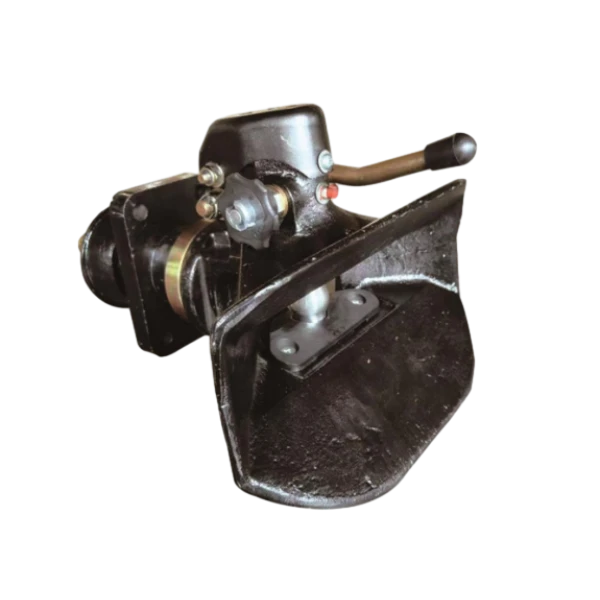 Trailer Coupling
The trailer coupling is a critical component in vehicle towing systems, designed to ensure a secure and efficient connection between a towing vehicle and a trailer. These couplings are manufactured using high-strength carbon steel, alloy steel, or stainless steel, ensuring durability and resistance to heavy loads and harsh environments.
-
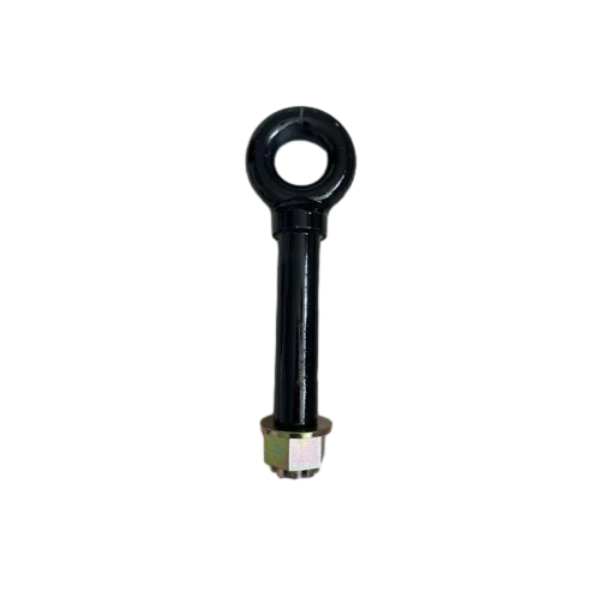 Drawbar Eyes
Drawbar eyes are essential components in towing and hauling applications, providing a strong and secure attachment point between the trailer and the towing vehicle. They are designed to endure extreme pulling forces, making them suitable for heavy-duty applications.
-
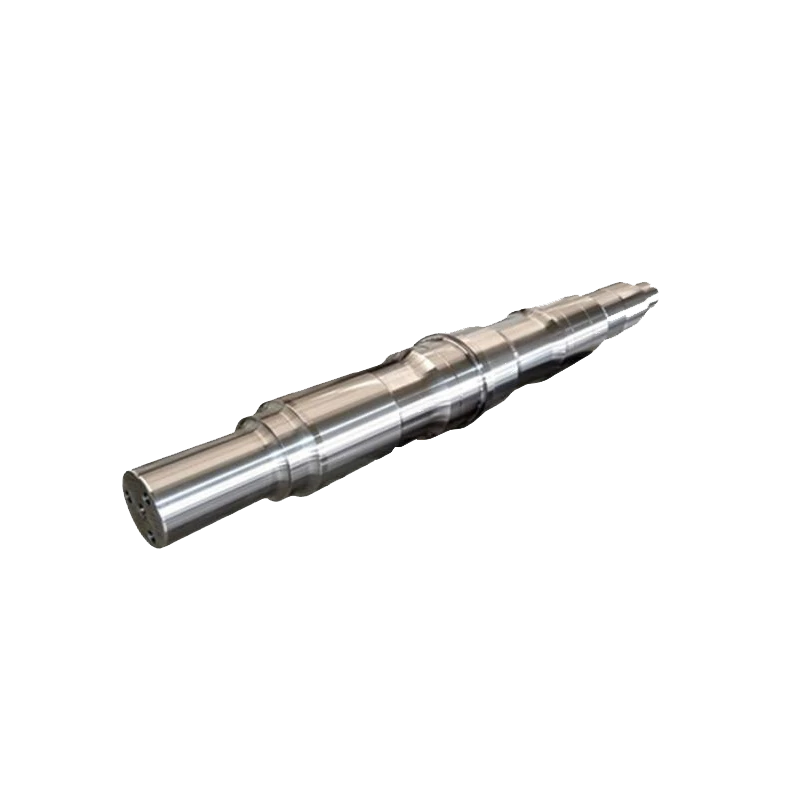 Axles
AxlesAxles are essential for vehicle load-bearing and power transmission, ensuring smooth movement and weight distribution. They must withstand high stress, torque, and impact, making material selection and precise manufacturing crucial.
-
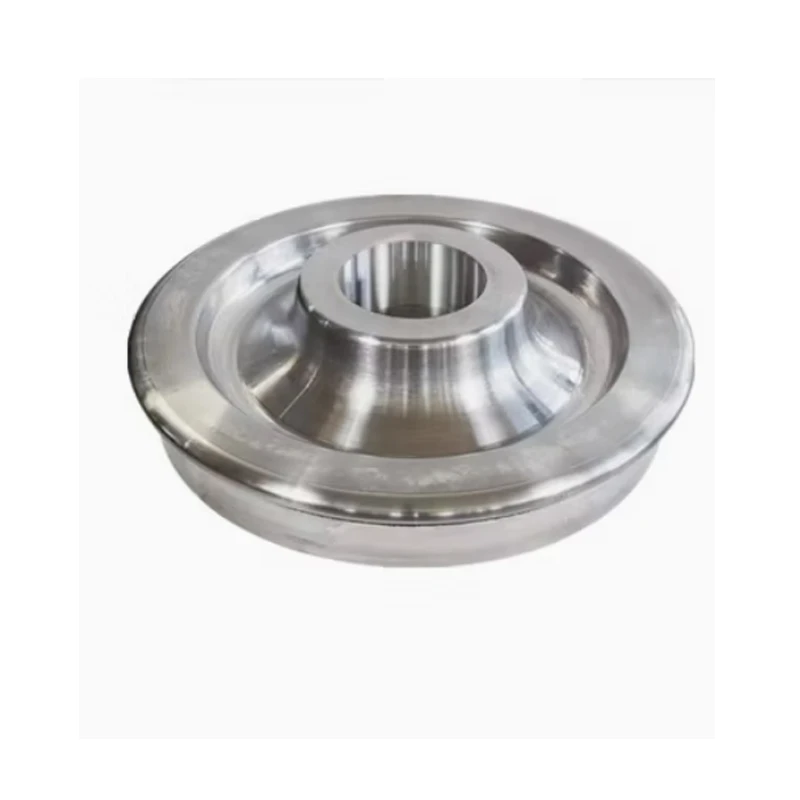 Profile S1002 Series Rail Wheels
The S1002 series rail wheels are designed for Rail-Road Vehicles (RRVs) that require seamless operation on both roads and railway tracks. Engineered with high precision and durability, these wheels conform to S1002 tread profiles, ensuring compatibility with standard railway systems.
A Comprehensive Guide to Axles Types for Industry Decision Makers | Manufacturing Base
Axles Types is a key solution in the industry, specifically within heavy machinery and transportation sectors. This article explores how https://www.manufacturing-base.com supports professionals with durable, high-performance products
>
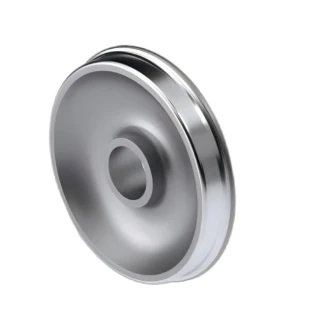
Reliable Rail Wheels: Optimize Your Rail Transport Solutions
For industries that rely on rail-based vehicles, choosing the right rail wheels is essential for smooth operations and safety.
>
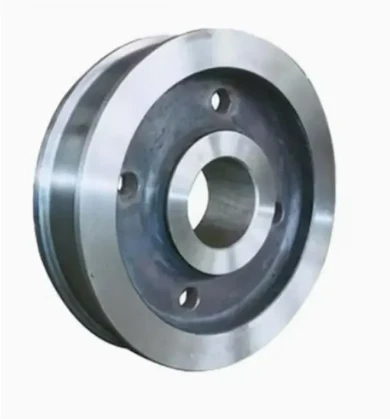
Premium Overhead Crane Wheels For Sale: Enhance Industrial Lifting Efficiency
In modern industrial operations, high-quality overhead crane wheels for sale are essential for safe, reliable, and efficient lifting.
>
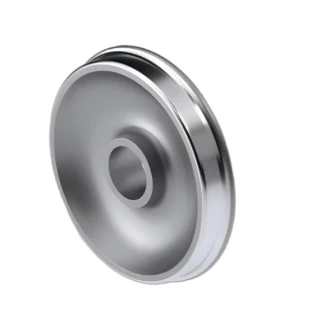
Premium Hi Rail Wheels For Sale: Boost Rail Vehicle Performance
In the modern industrial and railway sectors, having reliable hi rail wheels for sale is essential for operational efficiency and safety.
>
High-Quality Hi Rail Wheels For Sale: Enhance Your Rail Equipment Efficiency
When it comes to reliable rail maintenance and industrial operations, investing in hi rail wheels for sale is crucial.
>
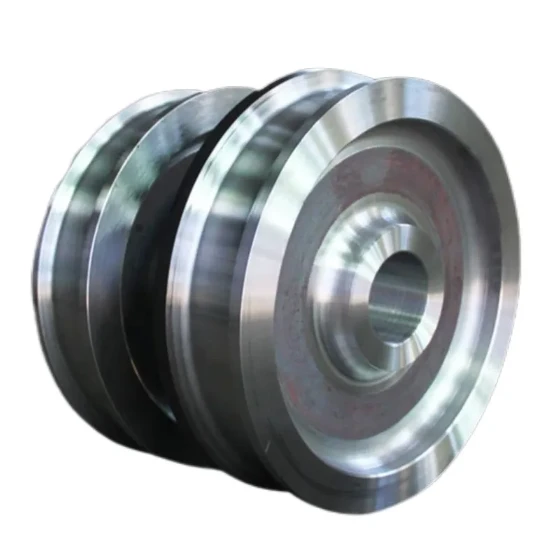
High-Quality Crane Wheels For Sale: Enhance Your Crane Operations
For industries relying on heavy lifting and material handling, investing in high-quality crane wheels for sale is crucial.
>
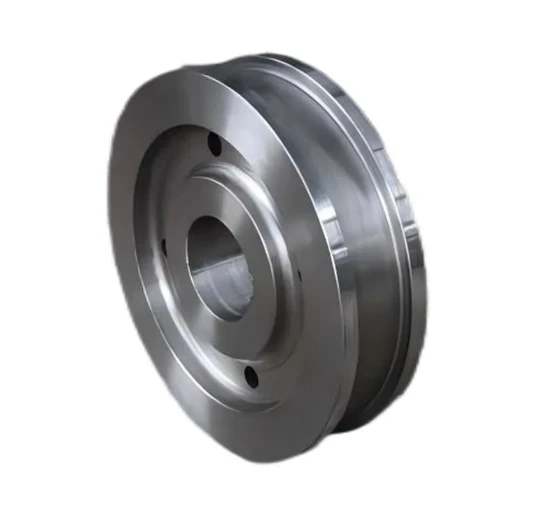
Durable Gantry Crane Wheels For Sale: Maximize Lifting Efficiency
For industries relying on heavy-duty lifting and material handling, selecting the right gantry crane wheels for sale is vital.
>
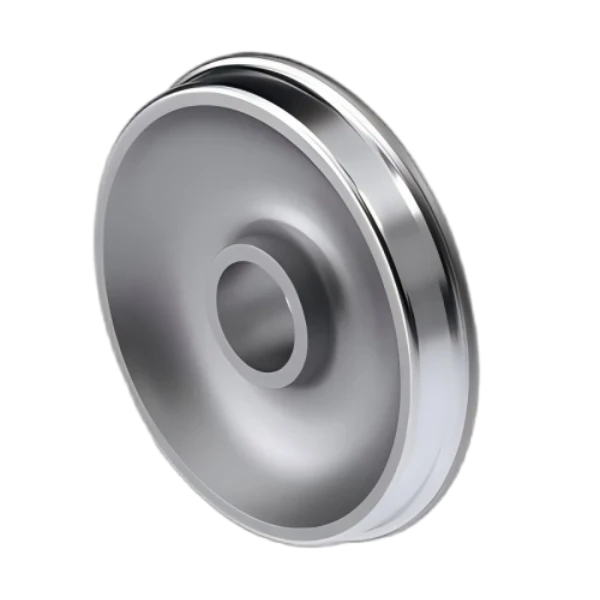
Reliable Tandem Drive Axles for Heavy-Duty Industrial Vehicles
Tandem Drive Axles: What I’ve Learned After Years in the Industrial Equipment Sector Ha
>
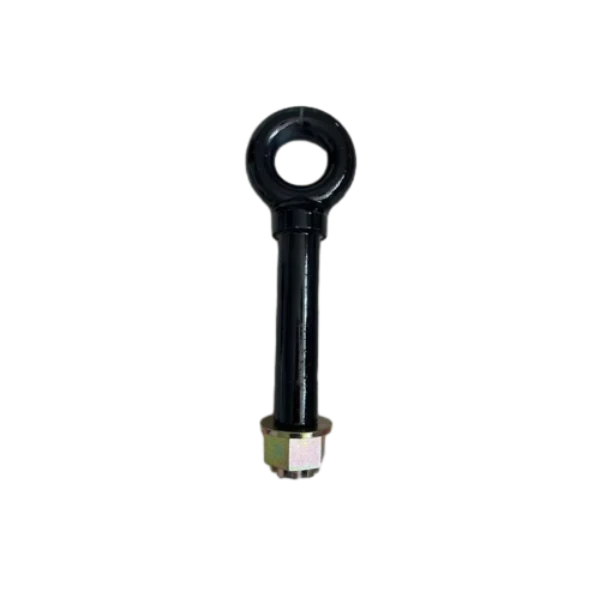
Reliable Semi Trailer Axles for Heavy-Duty Trailers | Expert Insight
Understanding semi trailer axles: The Backbone of Heavy Hauling Having spent more than a deca
>
RC Portal Axles: Industrial Strength and Custom Performance
RC Portal Axles: A Veteran’s Take on Industrial-Grade Performance Having spent over a d
>
Engineered for Excellence
Our forged solutions deliver reliability and performance, powering demanding industries to keep operations running smoothly.

Sign up
for Newsletter
Subscribe to the weekly newsletter for all the latest updates