- Tel: +86 311 82620404
- Cell: 86 -13739710551
- Email: sales@potentia.cn

Forged Gantry Crane Wheels: Durable, Reliable, High Performance
Introduction to Advanced gantry crane wheels Solutions
In the demanding landscape of heavy industrial operations, the reliability and performance of lifting equipment are paramount. At the core of efficient material handling systems are high-quality crane components, particularly the gantry crane wheels that facilitate precise and safe movement. These critical components are engineered to withstand immense loads, continuous operation, and harsh environmental conditions, making them indispensable in sectors ranging from metallurgy and shipbuilding to logistics and power generation. Modern crane wheels are not merely rotational parts; they are precision-engineered systems designed for optimal load distribution, minimal wear, and extended service life. This article delves into the intricate world of advanced crane wheel technology, exploring manufacturing excellence, technical specifications, diverse applications, and the strategic advantages offered by leading manufacturers.
The design and material selection for crane wheels, including those for bridge crane wheels and various other overhead lifting applications, are meticulously chosen to ensure operational safety and efficiency. Factors such as load capacity, rail type, operating speed, and environmental exposure dictate specific design parameters. As industries evolve, so do the demands placed on these components, driving continuous innovation in material science, forging techniques, and surface hardening processes. Manufacturers of crane wheels china are at the forefront, offering a wide array of solutions that meet international standards and cater to bespoke client requirements. Understanding the nuances of these components is crucial for B2B decision-makers and engineers seeking to optimize their operational infrastructure.
Current Industry Trends in Crane Wheel Manufacturing
The market for crane wheels is experiencing significant trends driven by technological advancements, environmental considerations, and increasingly stringent safety standards. One prominent trend is the shift towards advanced material alloys, such as high-strength carbon steel and alloy steel, which offer superior wear resistance and fatigue strength. These materials, often combined with specialized heat treatments, allow for lighter yet stronger wheels, contributing to overall crane efficiency and reduced energy consumption.
Another key trend is the increasing demand for precision manufacturing and tighter tolerances. With the advent of Industry 4.0, smart manufacturing processes, including automated CNC machining and robotic welding, are becoming standard. These technologies ensure unparalleled dimensional accuracy, surface finish, and consistency across batches, critical for the smooth and safe operation of heavy lifting equipment. Furthermore, there is a growing emphasis on integrated smart monitoring systems. Some advanced gantry crane wheels are now being designed with embedded sensors capable of monitoring temperature, vibration, and load in real-time. This data-driven approach allows for predictive maintenance, minimizing downtime and extending the operational life of the equipment. The focus on sustainability also drives innovation, with manufacturers exploring greener production methods and offering solutions that enhance energy saving capabilities and reduce environmental impact through longer component lifespans.
Detailed Manufacturing Process Flow of Gantry Crane Wheels
The production of high-performance forged crane wheels involves a meticulously controlled, multi-stage process designed to ensure durability, precision, and safety. This sophisticated manufacturing journey transforms raw materials into highly specialized components capable of supporting monumental loads.
Key Manufacturing Stages:
- Material Selection & Preparation: The process begins with selecting high-grade raw materials, typically forged carbon steel (e.g., C45, 42CrMo) or alloy steel (e.g., 65Mn, 50SiMn). These materials are chosen for their mechanical properties, including high strength, wear resistance, and hardenability. Ingots or billets are prepared by cutting them to the required dimensions, often through sawing or flame cutting.
- Forging Process: This is a critical step that significantly enhances the material's grain structure and mechanical properties. The prepared steel is heated to a specific forging temperature (typically 900-1200°C) and then subjected to immense pressure using hydraulic presses or forging hammers. This process can involve open die forging or closed die forging, depending on the wheel's design and size. Forging eliminates internal defects, reduces porosity, and aligns the grain flow, resulting in superior strength and fatigue resistance compared to cast wheels.
-
Heat Treatment: Following forging, the wheels undergo a series of heat treatments, including normalizing, quenching, and tempering.
- Normalizing refines the grain structure.
- Quenching (e.g., in water or oil) hardens the material by forming martensite.
- Tempering reduces brittleness and achieves the desired hardness, toughness, and ductility. Surface hardening techniques like induction hardening are often applied to the wheel tread to achieve a high surface hardness (typically HRC 45-55) while maintaining a tough core, significantly extending service life and enhancing corrosion resistance.
- CNC Machining: After heat treatment, the rough forged wheels are precisely machined using advanced Computer Numerical Control (CNC) equipment. This stage includes turning, boring, and milling to achieve exact dimensions, surface finish, and wheel profile (e.g., single flange, double flange, tapered tread) according to engineering drawings. Precision machining is crucial for balanced rotation, minimal friction, and optimal interaction with the crane rail, contributing to energy saving by reducing operational resistance.
-
Quality Control & Testing: Throughout the entire process, rigorous quality control measures are implemented.
- Material testing (chemical composition, mechanical properties).
- Non-destructive testing (NDT) such as ultrasonic testing (UT) and magnetic particle inspection (MPI) for internal and surface defects.
- Dimensional inspections (calipers, CMM).
- Hardness testing (Rockwell, Brinell) on the tread and core.
- Surface Treatment & Finishing: Finally, the wheels may undergo surface treatments such as shot blasting, painting, or coating to provide additional corrosion resistance and aesthetic appeal, ready for assembly into crane systems.
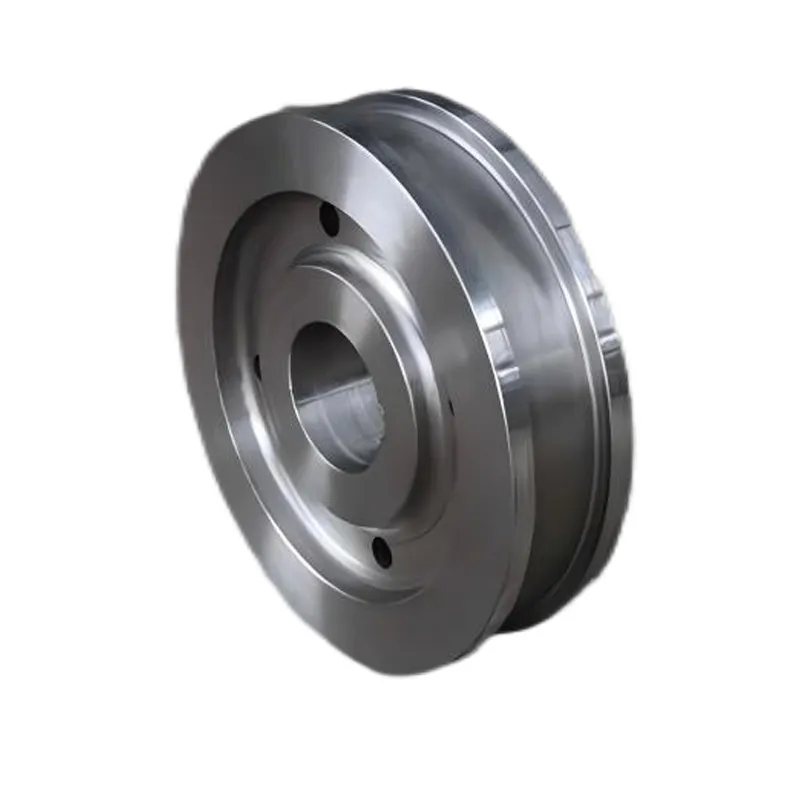
The meticulous attention to detail at each stage ensures that the final crane wheels exhibit superior mechanical properties, excellent wear characteristics, and a long service life, even in the most demanding industrial environments. This robust process flow underlies the advantages seen in energy saving and corrosion resistance in typical application scenarios.
Technical Specifications and Performance Parameters
Understanding the technical specifications of gantry crane wheels is crucial for selecting the right component for specific operational requirements. Key parameters include material composition, heat treatment specifics, surface hardness, load capacity, and geometric dimensions. Below is a representative product specification table illustrating typical parameters for high-performance crane wheels.
Typical Gantry Crane Wheel Specifications
These detailed specifications underscore the precision engineering involved in producing high-quality crane wheels. Manufacturers adhere to strict tolerances to ensure that each wheel meets the demanding requirements for operational safety, longevity, and efficiency in various industrial settings. The combination of optimal material selection and advanced processing techniques ensures superior performance characteristics across a wide range of applications.
Application Scenarios and Target Industries
Gantry crane wheels are fundamental components in virtually any industry requiring heavy material handling or precise positioning of large structures. Their robust design and high load-bearing capabilities make them ideal for a diverse array of challenging environments.
- Metallurgical Industry: In steel mills, foundries, and aluminum plants, bridge crane wheels and gantry crane wheels are subjected to extreme temperatures, heavy shock loads, and corrosive atmospheres. They are critical for transporting molten metal, billets, and finished products, demanding exceptional durability and heat resistance.
- Petrochemical Industry: For refineries, chemical plants, and oil & gas facilities, specialized crane wheels are required to handle large vessels, pipelines, and structural components. Corrosion resistance, often achieved through specific material alloys or coatings, is a key advantage in these environments.
- Port and Shipbuilding: Massive gantry cranes at shipping ports rely on robust crane wheels to move container111s and heavy cargo. In shipyards, they facilitate the assembly of large ship sections. These applications demand high fatigue resistance and the ability to operate continuously under varying load conditions and exposure to saltwater environments.
- Power Generation (Nuclear, Thermal, Hydro): In power plants, crane wheels are essential for handling turbines, generators, reactor components, and fuel elements during construction, maintenance, and decommissioning. Precision and reliability are paramount to ensure safety and operational continuity.
- Water Supply & Drainage Infrastructure: For dams, sluice gates, and large pumping stations, gantry cranes equipped with durable wheels are used for installing and maintaining heavy machinery and structural elements. These scenarios often require wheels designed for intermittent, heavy-duty operation in challenging outdoor conditions.
- Mining and Construction: Large-scale mining operations and construction sites utilize mobile gantry cranes that depend on heavy-duty crane wheels for moving excavated materials, machinery, and pre-fabricated sections. These wheels must withstand abrasive conditions and high impact loads.
In each of these industries, the advantages offered by superior gantry crane wheels – such as energy saving through reduced friction, enhanced corrosion resistance, and extended service life – translate directly into significant operational efficiencies and cost savings for end-users. The ability of these components to maintain performance under stress is a testament to their advanced engineering and manufacturing quality.
Technical Advantages and Performance Highlights
The technical advantages of professionally manufactured crane wheels extend beyond mere load support, contributing significantly to the overall efficiency, safety, and longevity of crane systems.
- Superior Wear Resistance: Through advanced forging techniques and precise heat treatments (especially induction hardening of the tread), crane wheels achieve exceptional surface hardness. This dramatically reduces wear and tear from continuous contact with rails, extending the wheel's lifespan and minimizing maintenance frequency.
- High Load-Bearing Capacity: The use of high-strength alloy steels and robust forging processes ensures that forged crane wheels can safely bear immense static and dynamic loads without deformation or structural failure, even under shock load conditions.
- Enhanced Fatigue Strength: The forging process refines the grain structure of the steel, eliminating internal voids and aligning grain flow, which significantly improves the material's resistance to fatigue crack initiation and propagation. This is crucial for components undergoing millions of stress cycles over their operational life.
- Optimized Energy Efficiency: Precision CNC machining ensures exact dimensional accuracy and a smooth surface finish, leading to minimal friction during operation. This translates into reduced energy consumption for crane movement, offering tangible energy saving benefits over the component's lifetime.
- Corrosion Resistance: For environments with high humidity, exposure to chemicals, or saline conditions (e.g., ports, petrochemical plants), specific material grades or protective coatings are applied to provide superior corrosion resistance, safeguarding the integrity and performance of the wheels.
- Dimensional Stability and Accuracy: Strict adherence to manufacturing tolerances and international standards (like ISO and DIN) guarantees dimensional stability. This precision ensures smooth operation, proper rail alignment, and reduced stress on associated machinery, preventing premature failure.
- Reduced Maintenance & Downtime: The combination of high durability, wear resistance, and fatigue strength means that crane wheels require less frequent replacement and maintenance, leading to significant reductions in operational downtime and overall costs.
These advantages collectively position advanced gantry crane wheels as critical investments for any heavy industry, promising not just operational continuity but also significant long-term economic benefits.
Vendor Comparison and Selection Criteria
Choosing the right manufacturer for crane wheels is a strategic decision that impacts the safety, efficiency, and operational lifespan of heavy lifting equipment. When evaluating potential suppliers, B2B decision-makers should consider several critical factors beyond just initial cost.
Key Vendor Evaluation Criteria:
Leading manufacturers, especially those specializing in crane wheels china, often combine competitive pricing with advanced manufacturing capabilities and extensive engineering support. Partnering with a vendor that prioritizes quality, reliability, and customer service ensures that your investment in gantry crane wheels yields long-term operational benefits. Authoritative suppliers often highlight their partner clients and showcase test data to solidify trust.
Customized Solutions for Unique Requirements
While standard crane wheels meet many industrial needs, certain specialized applications demand bespoke engineering. Reputable manufacturers offer comprehensive customized solutions, working closely with clients to design and produce wheels tailored to specific, often challenging, operational parameters.
Customization can involve a range of modifications:
- Material Optimization: Selecting specific alloy steels for extreme temperatures (high or low), high-impact resistance, or enhanced corrosion resistance in aggressive chemical environments.
- Unique Profiles and Dimensions: Designing wheels with non-standard diameters, tread profiles, or flange configurations to precisely match existing or custom rail systems, or to accommodate specific load distribution requirements for bridge crane wheels.
- Specialized Heat Treatments: Applying tailored heat treatment protocols, such as differential hardening or case hardening, to achieve specific hardness profiles that maximize wear resistance while maintaining core toughness for particular duty cycles.
- Integrated Monitoring Features: Incorporating features like pre-drilled holes for sensor installation (e.g., temperature, vibration, load cells) to facilitate integration with intelligent crane monitoring systems for predictive maintenance.
- Surface Coatings: Applying specialized coatings (e.g., ceramic, polymer-based) for additional protection against abrasion, chemical attack, or for reduced friction in specific operating conditions.
The ability to provide engineering support from concept to delivery, coupled with adherence to stringent testing standards (e.g., ISO, ANSI), makes customized gantry crane wheels a viable and often superior option for complex industrial projects.
Application Case Studies: Real-World Impact
The tangible benefits of high-quality crane wheels are best demonstrated through real-world applications. These case studies highlight how advanced engineering and robust manufacturing translate into enhanced operational performance and cost efficiencies.
Case Study 1: Steel Mill Modernization Project
A major steel producer undertook a modernization project for its hot rolling mill, facing frequent downtime due to rapid wear of existing cast steel crane wheels on their overhead cranes, which operated under extreme heat and heavy loads. The solution involved replacing these with custom-forged 42CrMo gantry crane wheels, induction-hardened to HRC 52. The new wheels significantly increased wear resistance, extending service life by over 150%. This resulted in a 30% reduction in maintenance costs and an estimated 5% improvement in overall operational uptime due to fewer wheel replacements. The enhanced energy saving from smoother operation also contributed to long-term cost benefits.
Case Study 2: Container Port Expansion
A large international container111 port expanded its cargo handling capacity, requiring new quay cranes and yard gantry cranes designed for continuous, heavy-duty operation in a corrosive marine environment. The port opted for custom-designed crane wheels china, manufactured from a specialized alloy steel with enhanced corrosion resistance and a multi-layer protective coating. These wheels were engineered to withstand consistent exposure to saltwater spray and high humidity. After two years of operation, inspection revealed minimal signs of corrosion or excessive wear, far surpassing the performance of previously used standard wheels. The wheels ensured uninterrupted container111 movement, showcasing superior reliability and reduced lifecycle costs.
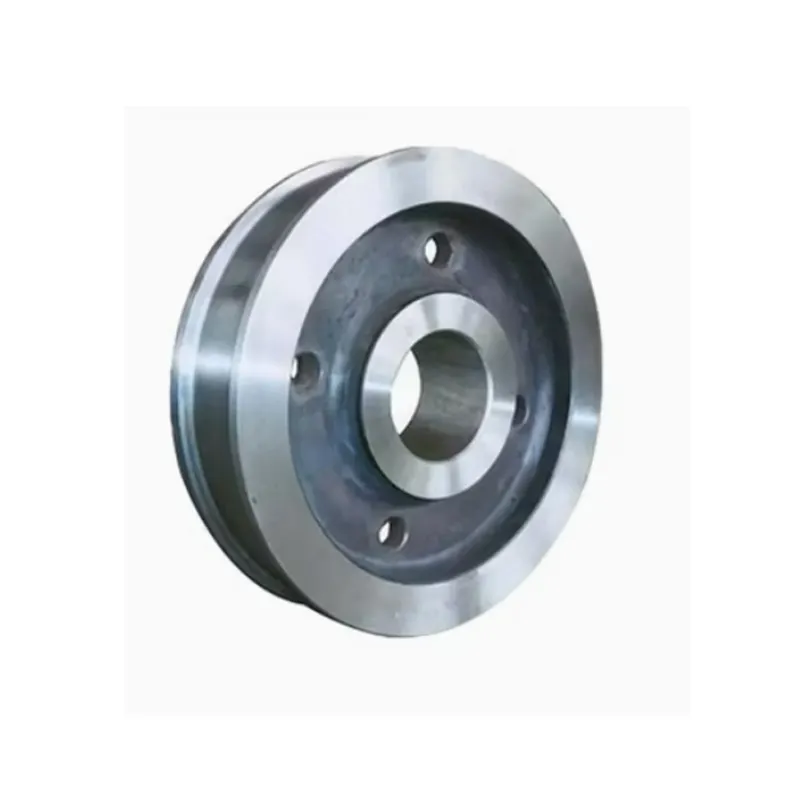
These examples underscore the critical role of carefully selected and expertly manufactured gantry crane wheels in achieving optimal performance and longevity in demanding industrial applications. Customer feedback consistently highlights the importance of durability and minimal maintenance as key drivers for choosing high-quality components.
Frequently Asked Questions (FAQ)
Q: What are the primary advantages of forged crane wheels over cast wheels?
A: Forged crane wheels offer superior mechanical properties, including higher strength, better fatigue resistance, and improved wear resistance, due to the refined grain structure achieved during the forging process. They are less prone to internal defects (like porosity) often found in cast wheels, making them more reliable and durable for heavy-duty applications.
Q: How do I select the correct material for my gantry crane wheels?
A: Material selection depends on factors such as load capacity, operating environment (temperature, corrosion), desired service life, and specific rail conditions. Common materials include C45, 42CrMo, 65Mn, and 50SiMn, each offering distinct properties. It's best to consult with the manufacturer's engineering team to determine the optimal material for your application.
Q: What is the typical lead time for custom crane wheels?
A: Lead times can vary based on complexity, material availability, and manufacturing queue. For standard wheels, it might be 4-6 weeks, while highly customized or large-diameter gantry crane wheels could require 8-12 weeks or more. We recommend discussing specific project timelines with our sales team for precise fulfillment details.
Q: What kind of warranty do you offer on your crane wheels?
A: We offer a comprehensive warranty, typically covering manufacturing defects for a period of 12 to 24 months from the date of installation or 18 to 30 months from the date of shipment, whichever comes first. Specific terms may vary based on product type and application, and full details are available upon request. Our commitment to quality ensures reliable performance.
Lead Time, Warranty, and Customer Support
At the heart of our commitment to client satisfaction is a robust framework of support services, ensuring a seamless experience from inquiry to post-installation.
- Lead Time & Fulfillment: Our manufacturing processes are optimized for efficiency without compromising quality. Standard crane wheels typically have a lead time of 4-6 weeks from order confirmation to shipment. For custom-engineered solutions or large-volume orders, lead times are determined on a project-by-project basis, considering material sourcing and production complexity, with transparent communication throughout the process. We leverage efficient logistics networks to ensure timely global delivery.
- Warranty Commitments: We stand behind the quality and durability of our gantry crane wheels with a comprehensive warranty against manufacturing defects. Typically, this covers a period of 12-24 months post-installation or 18-30 months post-shipment, whichever occurs first. Our warranty reflects our confidence in the superior materials and precision engineering applied to every product. Detailed warranty terms are provided with each quotation and order.
- Customer Support: Our dedicated customer support team comprises experienced technical specialists ready to assist with product selection, installation guidance, troubleshooting, and post-sales inquiries. We offer 24/7 technical assistance and prompt response to ensure operational continuity for your critical lifting equipment. Our commitment extends to providing comprehensive documentation, including material certificates, test reports, and installation manuals, ensuring complete transparency and peace of mind.
Our goal is to be more than just a supplier; we aim to be a long-term partner in your operational success, providing reliable products and unparalleled service for all your crane wheels requirements.
Conclusion
The demand for high-performance gantry crane wheels continues to grow across heavy industries, driven by the imperative for enhanced safety, operational efficiency, and extended equipment lifespan. From meticulous material selection and advanced forging techniques to precision CNC machining and rigorous quality control, the manufacturing process ensures that these critical components withstand the most demanding conditions. The technical advantages, including superior wear and fatigue resistance, optimized energy saving, and excellent corrosion resistance, translate directly into significant long-term economic benefits for operators.
As industries continue to evolve, so too will the technology behind crane wheels, with future innovations likely focusing on even smarter, more sustainable, and more resilient solutions. Partnering with a reputable manufacturer that prioritizes quality, customization, and comprehensive support is paramount for B2B decision-makers seeking to optimize their material handling operations and secure lasting value from their investments in crane wheels.
References
- ISO 4301-1: Cranes - Classification - Part 1: General. International Organization for Standardization.
- DIN 15070: Cranes; Wheel block units. Deutsches Institut für Normung.
- CMAA Specification 70: Specifications for Top Running Bridge and Gantry Type Multiple Girder Electric Overhead Traveling Cranes. Crane Manufacturers Association of America, Inc.
- ASM Handbook, Volume 14A: Metalworking: Forging and Extrusion. ASM International.
- Nondestructive Testing Handbook, Volume 7: Ultrasonic Testing. American Society for Nondestructive Testing (ASNT).
-
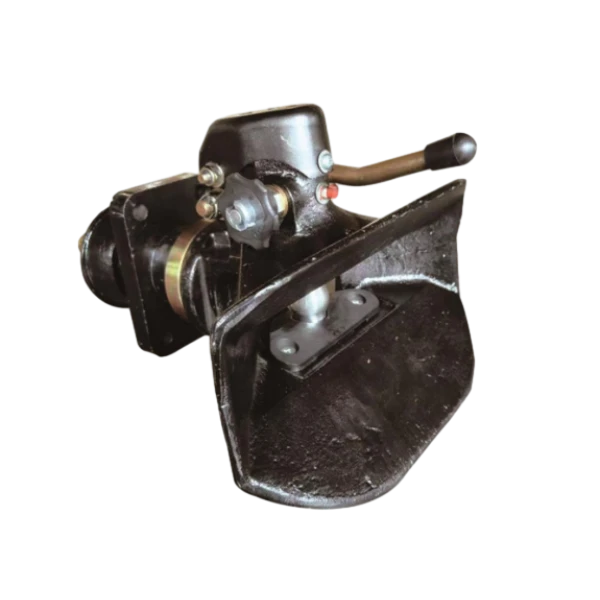 Trailer Coupling
The trailer coupling is a critical component in vehicle towing systems, designed to ensure a secure and efficient connection between a towing vehicle and a trailer. These couplings are manufactured using high-strength carbon steel, alloy steel, or stainless steel, ensuring durability and resistance to heavy loads and harsh environments.
-
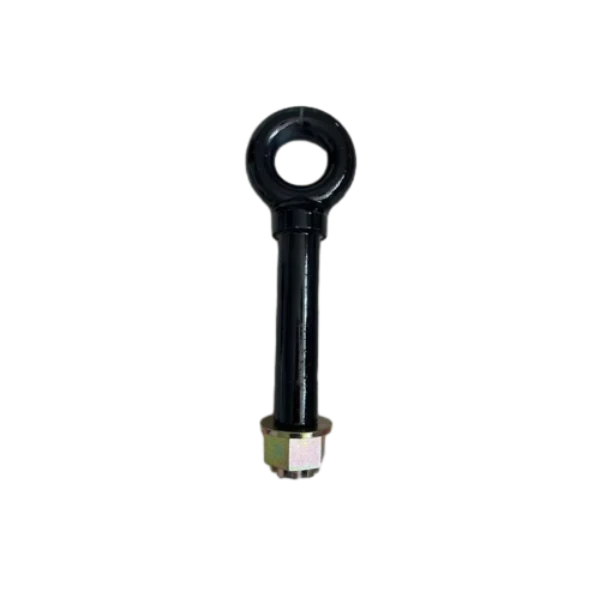
 Drawbar Eyes
Drawbar eyes are essential components in towing and hauling applications, providing a strong and secure attachment point between the trailer and the towing vehicle. They are designed to endure extreme pulling forces, making them suitable for heavy-duty applications.
-
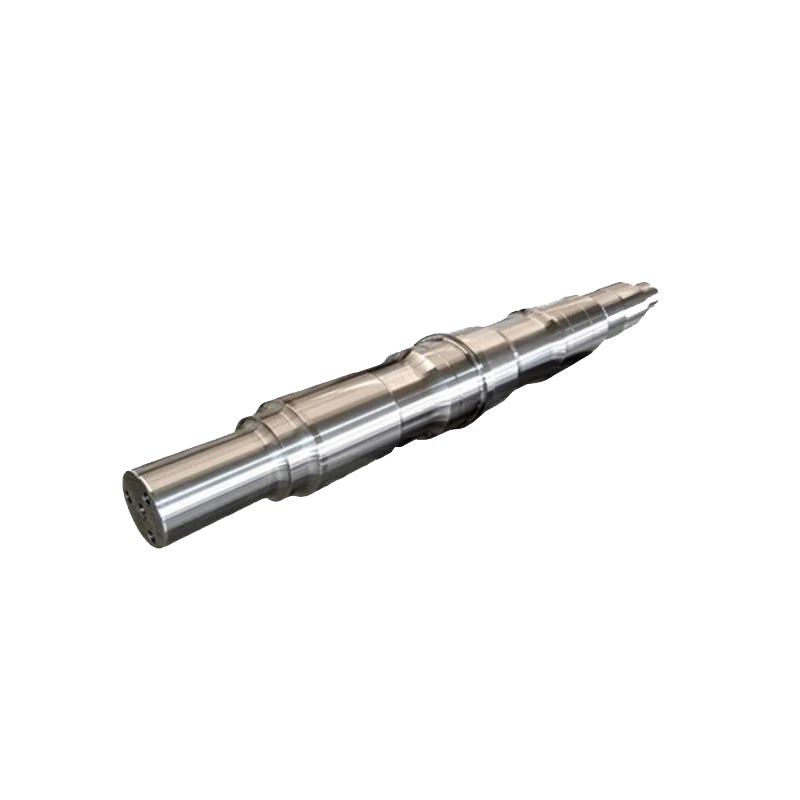
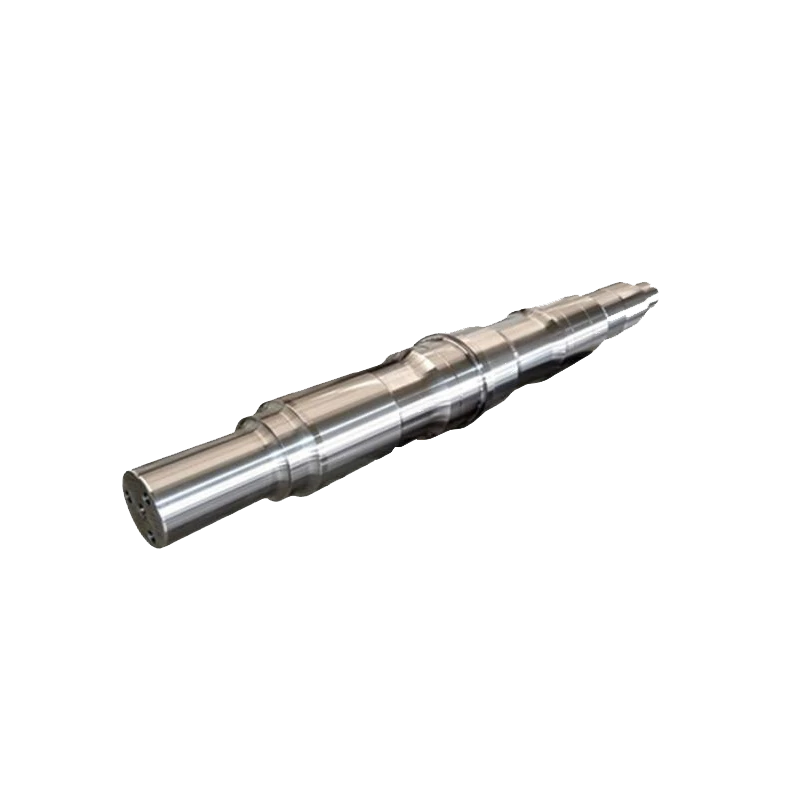 Axles
AxlesAxles are essential for vehicle load-bearing and power transmission, ensuring smooth movement and weight distribution. They must withstand high stress, torque, and impact, making material selection and precise manufacturing crucial.
-
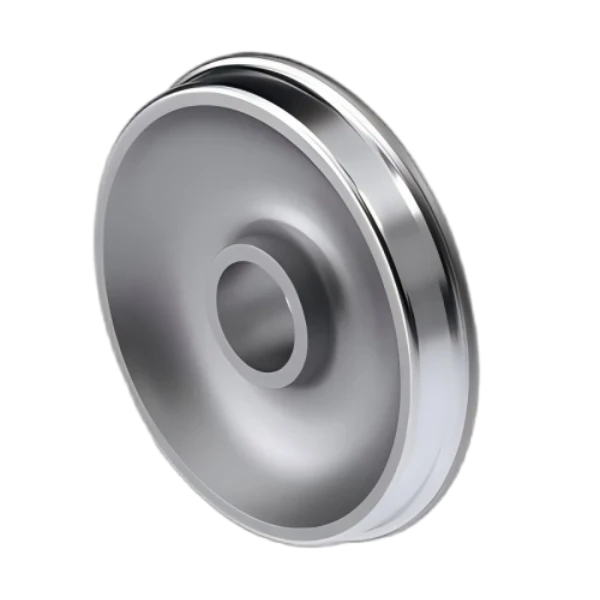
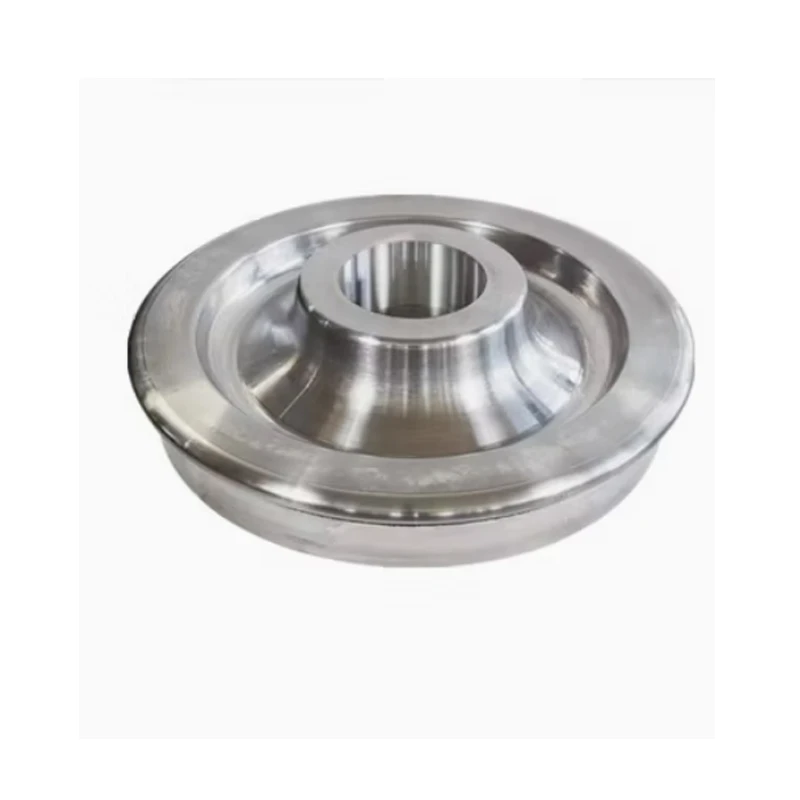 Profile S1002 Series Rail Wheels
The S1002 series rail wheels are designed for Rail-Road Vehicles (RRVs) that require seamless operation on both roads and railway tracks. Engineered with high precision and durability, these wheels conform to S1002 tread profiles, ensuring compatibility with standard railway systems.
A Comprehensive Guide to Axles Types for Industry Decision Makers | Manufacturing Base
Axles Types is a key solution in the industry, specifically within heavy machinery and transportation sectors. This article explores how https://www.manufacturing-base.com supports professionals with durable, high-performance products
>
Reliable Rail Wheels: Optimize Your Rail Transport Solutions
For industries that rely on rail-based vehicles, choosing the right rail wheels is essential for smooth operations and safety.
>
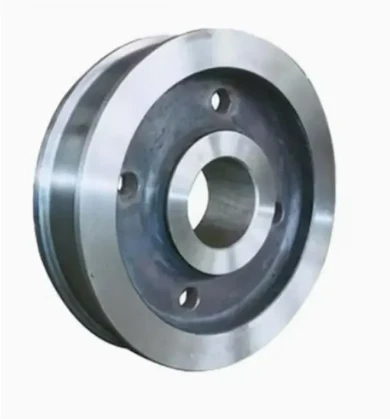
Premium Overhead Crane Wheels For Sale: Enhance Industrial Lifting Efficiency
In modern industrial operations, high-quality overhead crane wheels for sale are essential for safe, reliable, and efficient lifting.
>
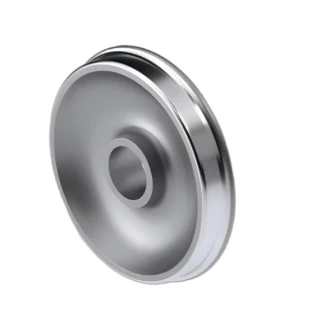
Premium Hi Rail Wheels For Sale: Boost Rail Vehicle Performance
In the modern industrial and railway sectors, having reliable hi rail wheels for sale is essential for operational efficiency and safety.
>
High-Quality Hi Rail Wheels For Sale: Enhance Your Rail Equipment Efficiency
When it comes to reliable rail maintenance and industrial operations, investing in hi rail wheels for sale is crucial.
>
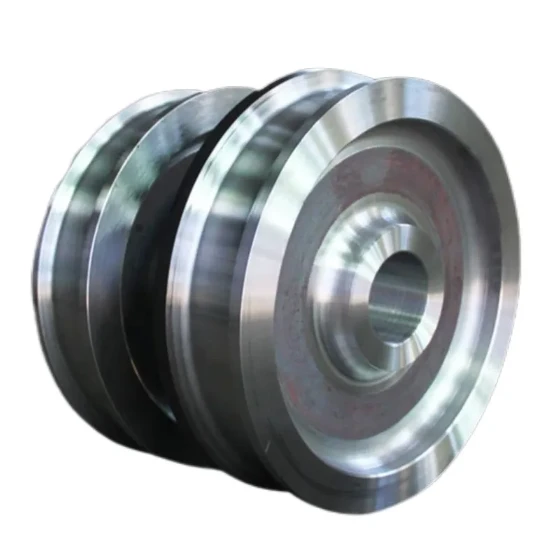
High-Quality Crane Wheels For Sale: Enhance Your Crane Operations
For industries relying on heavy lifting and material handling, investing in high-quality crane wheels for sale is crucial.
>
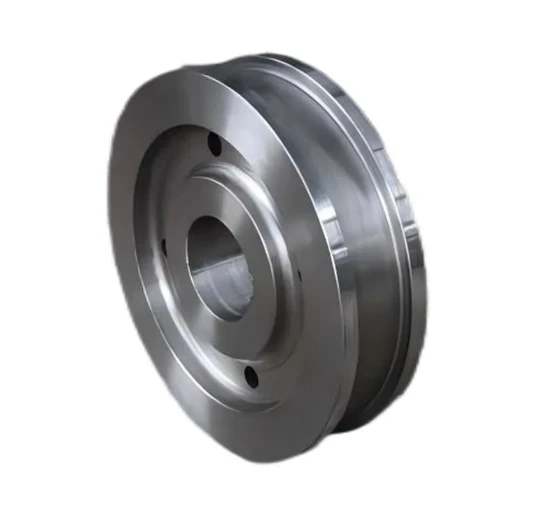
Durable Gantry Crane Wheels For Sale: Maximize Lifting Efficiency
For industries relying on heavy-duty lifting and material handling, selecting the right gantry crane wheels for sale is vital.
>
Reliable Tandem Drive Axles for Heavy-Duty Industrial Vehicles
Tandem Drive Axles: What I’ve Learned After Years in the Industrial Equipment Sector Ha
>
Reliable Semi Trailer Axles for Heavy-Duty Trailers | Expert Insight
Understanding semi trailer axles: The Backbone of Heavy Hauling Having spent more than a deca
>
RC Portal Axles: Industrial Strength and Custom Performance
RC Portal Axles: A Veteran’s Take on Industrial-Grade Performance Having spent over a d
>
Engineered for Excellence
Our forged solutions deliver reliability and performance, powering demanding industries to keep operations running smoothly.

Sign up
for Newsletter
Subscribe to the weekly newsletter for all the latest updates