- Tel: +86 311 82620404
- Cell: 86 -13739710551
- Email: sales@potentia.cn

Premium Rails Wheels | Durable Rail Car Wheels for Sale
The Critical Role of Advanced Rail Wheels in Industrial Operations
In the demanding landscape of industrial material handling and transportation, the reliability and performance of rolling stock components are paramount. Among these, rails wheels stand as foundational elements, directly influencing operational efficiency, safety, and maintenance overheads. This article delves into the intricacies of high-performance rail wheels, exploring their manufacturing excellence, diverse applications, and the competitive advantages they offer in critical B2B sectors. We will highlight the Profile P1 Series Rail Wheels, a benchmark in engineering precision, designed to meet the rigorous demands of modern industrial environments.
Industry Trends and Market Dynamics for Rail Wheels
The global market for industrial rail wheels is experiencing significant growth, driven by expansion in mining, heavy manufacturing, port logistics, and automated guided vehicle (AGV) systems. Key trends include a heightened focus on material science for enhanced durability, precision engineering for reduced friction and energy consumption, and the integration of smart technologies for predictive maintenance. Demand for specialized rails wheels capable of operating in extreme conditions—such as high temperatures, corrosive environments, or under immense loads—is escalating. Manufacturers are continually innovating to meet stricter environmental regulations and the need for longer service life, thereby reducing the total cost of ownership (TCO) for end-users. The market also sees a growing emphasis on customized solutions, reflecting the unique operational requirements of diverse industrial clients.
Detailed Manufacturing Process of Profile P1 Series Rail Wheels
The production of high-performance industrial rail car wheel components, like the Profile P1 Series, is a multi-stage process characterized by stringent quality control and advanced engineering techniques. This ensures optimal performance, extended service life, and unwavering reliability in demanding applications.
Materials Selection: The Foundation of Durability
The Profile P1 Series wheels typically utilize high-grade alloy steels, such as 42CrMo or equivalent ASTM A504/A504M specifications, chosen for their superior strength, wear resistance, and fatigue properties. For applications requiring enhanced corrosion resistance, specialized stainless steels or surface coatings may be employed. Careful selection ensures the wheel can withstand dynamic loads, abrasive wear, and environmental stresses inherent in heavy industrial use.
Manufacturing Process Flow: From Raw Material to Finished Product
- Forging or Casting:
Forging: For critical applications requiring maximum strength and ductility, the raw steel billet is heated and subjected to immense compressive forces, shaping it into a wheel blank. This process refines the grain structure, eliminating internal defects and enhancing mechanical properties. This is typically preferred for the Profile P1 Series due to its superior metallurgical integrity.
Casting: For specific geometries or lower-load applications, molten steel can be poured into molds. While more economical, casting requires meticulous control to minimize porosity and ensure uniform material properties.
- Heat Treatment:
Post-forging/casting, the wheel blanks undergo precise heat treatment processes. This typically includes normalization, quenching, and tempering. This stage is crucial for optimizing hardness, toughness, and residual stress distribution, significantly extending the wheel's service life and preventing premature failure. For instance, specific tempering cycles can achieve a desired tread hardness of 300-360 HB for robust wear resistance.
- CNC Machining:
High-precision CNC (Computer Numerical Control) machining is then used to achieve the exact wheel profile, bore diameter, and surface finish. This ensures dimensional accuracy, concentricity, and adherence to specific design parameters (e.g., AAR, DIN, or custom profiles). The Profile P1 Series excels in its precise machining, critical for smooth operation and reduced rail wear.
- Surface Finishing:
Depending on the application, wheels may undergo additional surface treatments such as grinding, polishing, or coating applications (e.g., phosphating for corrosion protection). This improves rolling contact fatigue resistance and extends operational lifespan.
- Quality Control & Testing:
Each Profile P1 Series wheel undergoes rigorous testing:
- Non-Destructive Testing (NDT): Ultrasonic testing and magnetic particle inspection detect internal flaws or surface cracks.
- Dimensional Inspection: CMM (Coordinate Measuring Machine) ensures all dimensions meet specified tolerances (e.g., ISO 1005-1, ANSI/ASME B29.2).
- Hardness Testing: Brinell or Rockwell hardness tests verify that the desired material hardness is achieved, crucial for wear resistance.
- Material Composition Analysis: Spectroscopic analysis confirms the correct alloy composition.
- Dynamic Balancing: For high-speed applications, wheels are balanced to minimize vibration and enhance operational smoothness.
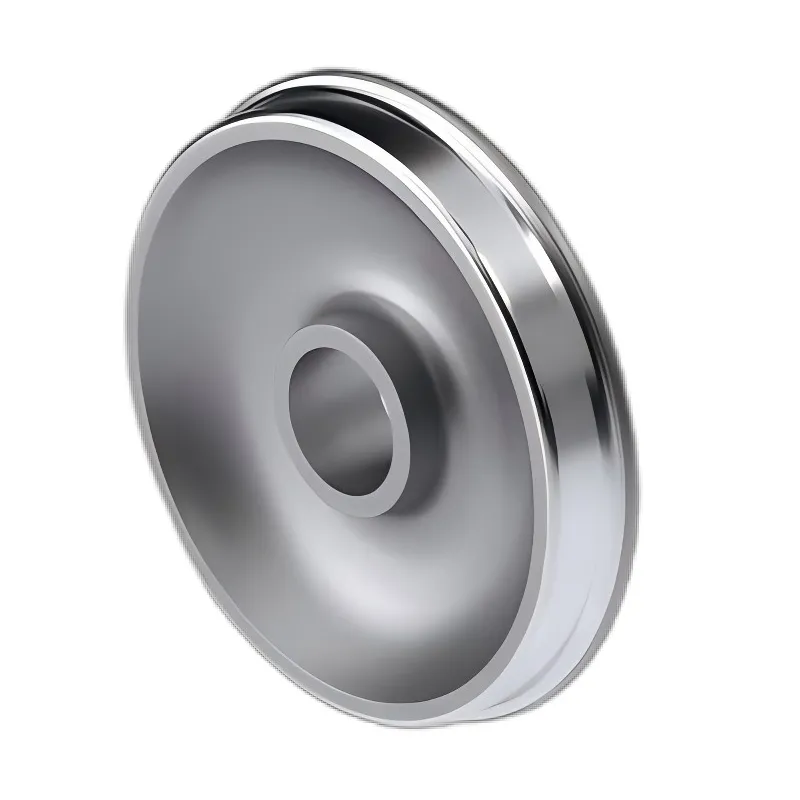
Figure 1: High-precision CNC machining for advanced rail wheels.
Target Industries and Advantages:
The robust design and manufacturing precision of Profile P1 Series rail car wheels for sale offer distinct advantages across various heavy industries:
- Petrochemical: Corrosion-resistant materials and specialized coatings extend service life in environments exposed to aggressive chemicals, reducing maintenance downtime.
- Metallurgy (Steel Mills, Foundries): Wheels designed for high-temperature resistance and heavy load capacities ensure reliable operation of ladle cars, transfer cars, and furnace charging equipment, even under extreme thermal cycling and abrasive conditions.
- Water Supply & Drainage: Durable wheels for gantry cranes and specialized handling equipment in treatment plants, offering energy saving through reduced rolling resistance and extended lifespan in often humid and corrosive settings.
- Energy Saving: Precision machining and superior surface finishes minimize friction between the wheel and rail, leading to tangible energy savings for powered rolling stock. For instance, studies indicate that optimized wheel-rail interface can reduce traction energy consumption by up to 10-15% in heavy industrial transport.
Technical Specifications: Profile P1 Series Rail Wheels
The Profile P1 Series is engineered for superior performance, offering a balance of strength, durability, and precision. Below are typical specifications, though custom configurations are readily available to meet specific project requirements.
| Parameter | Specification (Typical) | Benefit |
|---|---|---|
| Material Grade | ASTM A504/A504M Class C (Equivalent 42CrMo Alloy Steel) | High strength, excellent wear resistance, extended lifespan. |
| Wheel Diameter Range | 150 mm to 1200 mm (Customizable) | Versatility for various equipment sizes and load requirements. |
| Tread Hardness (HB) | 300 - 360 HB (Heat-treated) | Optimized for wear resistance and fatigue life. |
| Load Capacity (per wheel) | Up to 50,000 kg (Dependent on diameter & profile) | Handles extreme static and dynamic loads. |
| Flange Width | Standard AAR/DIN profiles or customized | Ensures proper tracking and safety on rails. |
| Tread Surface Finish | Ra 1.6 - 3.2 µm | Reduces rolling friction and extends rail life. |
| Service Life Expectancy | 8-15 years (Application dependent, with proper maintenance) | Minimizes replacement frequency and TCO. |
| Operating Temperature | -40°C to +300°C | Suitable for diverse environmental conditions. |
These parameters ensure that Profile P1 Series rails wheels are not only robust but also optimized for specific performance criteria, making them a reliable choice for demanding industrial applications.
Versatile Application Scenarios
The adaptability of advanced rails wheels means they are integral to a vast array of industrial operations. From foundational heavy industries to cutting-edge automated systems, their precision and durability enable critical functions:
- Heavy Manufacturing: Essential for overhead cranes, gantry cranes, and transfer cars moving massive components within fabrication plants, shipbuilding yards, and aerospace facilities.
- Mining & Quarrying: Critical for ore carts, skip hoists, and material transport systems that endure abrasive conditions and heavy loads in underground and open-pit operations.
- Port & Container Terminals: Used in Rubber Tyred Gantry (RTG) cranes, Rail Mounted Gantry (RMG) cranes, and shuttle carriers for efficient container handling, requiring high load capacity and minimal downtime.
- Steel & Aluminum Mills: Special heat-resistant rail car wheel assemblies for hot metal transfer cars, ladle cars, and continuous casting systems, operating in environments with extreme temperatures and thermal shock.
- Automated Guided Vehicles (AGVs) & Robotics: Precision wheels for AGV systems in smart factories and warehouses, providing reliable movement for automated material flow and assembly lines, supporting the Industry 4.0 paradigm.
- Power Plants: Used in coal handling systems, ash removal cars, and maintenance cranes, often in corrosive and high-abrasion environments.
- Specialized Rail Systems: Custom-designed rails wheels for bespoke industrial railways, funiculars, and specialized infrastructure projects where standard railway components are not suitable.
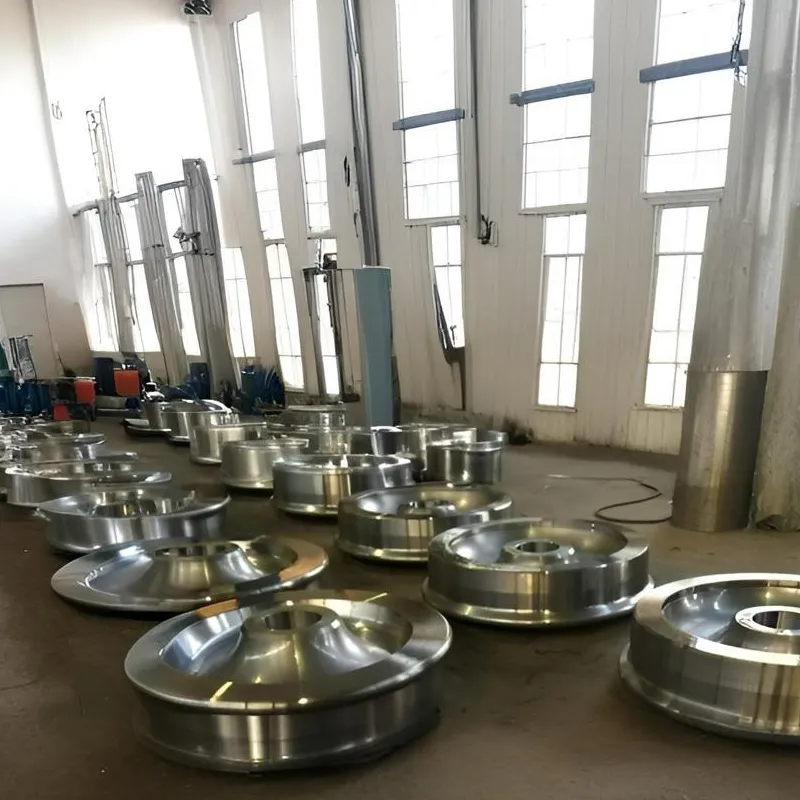
Figure 2: Rail wheels facilitating heavy material transport in a steel mill.
Technical Advantages of High-Performance Rail Wheels
Investing in high-quality rail car wheels for sale provides a cascade of benefits that impact operational efficiency, safety, and profitability:
- Extended Service Life: Superior material composition and heat treatment processes (e.g., induction hardening of treads to 300-360 HB) significantly increase resistance to wear, rolling contact fatigue, and pitting, leading to fewer replacements and reduced operational interruptions.
- Enhanced Load-Bearing Capacity: Engineered with optimized profiles and robust material structures, these wheels can reliably support immense static and dynamic loads, crucial for heavy industrial applications, preventing premature failure under stress.
- Reduced Friction and Energy Consumption: Precision machining to tight tolerances (e.g., concentricity within 0.05 mm) and high-quality surface finishes minimize rolling resistance. This translates directly into lower energy consumption for motive power and reduced wear on drive components, offering significant cost savings over time.
- Improved Safety and Stability: Accurate profiling, robust flange design, and precise concentricity ensure stable operation, minimizing the risk of derailment and enhancing overall operational safety, especially in high-speed or heavy-load scenarios.
- Low Maintenance Requirements: The inherent durability and wear resistance of high-grade rails wheels lead to less frequent inspection, repair, and replacement, reducing labor costs and equipment downtime.
- Corrosion Resistance: For applications in corrosive environments (e.g., chemical plants, coastal ports), options for specialized alloy steels or protective coatings (e.g., zinc-rich epoxy, thermal spray coatings) are available to significantly extend the wheel's lifespan.
- Noise and Vibration Reduction: Superior manufacturing quality and dynamic balancing contribute to smoother operation, reducing operational noise and vibration. This not only improves the working environment but also extends the life of adjacent mechanical components.
Vendor Comparison: Key Differentiators
When evaluating suppliers for industrial rails wheels, several critical factors differentiate manufacturers and ultimately impact the success of your operations. A discerning approach focuses on long-term value, not just initial cost.
| Factor | Key Considerations & Differentiators |
|---|---|
| Material Quality & Traceability | Reputable vendors offer fully traceable material certificates (e.g., EN 10204 3.1 or 3.2), confirming exact alloy composition and mechanical properties. Inferior materials lead to premature failure. |
| Manufacturing Process & Precision | Look for advanced processes like closed-die forging, multi-stage heat treatment, and 5-axis CNC machining. This ensures dimensional accuracy, optimal hardness profiles, and reduced internal stress. |
| Testing & Quality Control | Comprehensive NDT (UT, MPI), hardness testing, dimensional checks, and dynamic balancing (where applicable) are non-negotiable. Certifications like ISO 9001 are a baseline. |
| Customization Capabilities | The ability to engineer wheels to specific load, speed, environmental, and rail profile requirements is crucial. This includes material selection, heat treatment, bore configurations, and integral shaft designs. |
| Engineering Support & Expertise | A vendor with in-house metallurgical and mechanical engineering teams can provide design assistance, failure analysis, and optimize solutions for challenging applications. |
| Lead Time & Logistics | Reliable lead times and efficient global logistics (especially for international B2B clients) are vital to project scheduling and operational continuity. |
| Warranty & After-Sales Support | Clear warranty terms, access to spare parts, and responsive technical support contribute significantly to the total cost of ownership and operational peace of mind. |
Manufacturers committed to excellence, such as those behind the Profile P1 Series, typically excel in these areas, offering not just a product, but a complete solution supported by expertise and robust quality assurance.
Customized Solutions for Unique Industrial Demands
Standard off-the-shelf rail car wheels may not always suffice for highly specialized or challenging industrial applications. Recognizing this, leading manufacturers offer extensive customization capabilities. This bespoke approach ensures that the wheels are perfectly matched to the operational parameters of the equipment and its environment.
Customization options for Profile P1 Series and similar high-grade industrial wheels include:
- Material & Alloy Selection: Beyond standard alloy steels, options include high-manganese steel for extreme abrasion, stainless steel for superior corrosion resistance, or specialized heat-resistant alloys for high-temperature service.
- Heat Treatment Profiles: Tailored quenching and tempering processes can achieve specific hardness gradients (e.g., harder tread, tougher core) to optimize for particular wear patterns or impact loads. This includes through-hardening, rim-hardening, or induction hardening.
- Wheel Profile Design: Custom tread and flange profiles can be engineered to optimize contact stress, reduce rail wear, or accommodate unique rail geometries (e.g., crane rail, flat bar, square bar, or specific API/AAR profiles).
- Bore & Hub Configuration: Specific bore diameters, keyway designs, tapered bores, or integral shaft designs can be manufactured to seamlessly integrate with existing axles or bearing arrangements.
- Surface Coatings & Treatments: Specialized coatings (e.g., ceramic, polymer, or metallic) can be applied for enhanced corrosion resistance, reduced friction, or electrical insulation, depending on the application requirements.
- Dynamic Balancing: For high-speed or precision applications, wheels can be dynamically balanced to stringent ISO standards, minimizing vibration and extending the life of both the wheel and the associated machinery.
This level of customization, supported by strong engineering capabilities, ensures that clients receive rails wheels that are precisely tuned for their operational environment, maximizing performance and longevity.
Application Case Studies: Real-World Impact
Case Study 1: Heavy Duty Crane in a Steel Mill
Client Challenge: A major steel producer faced persistent issues with their overhead gantry cranes, responsible for moving multi-ton steel slabs. The existing wheels exhibited rapid tread wear and frequent flange chipping due to the extreme loads (up to 200 tons), abrasive dust, and thermal cycling from adjacent hot operations. Replacements were required every 18-24 months, leading to significant downtime and maintenance costs.
Solution Implemented: The Profile P1 Series rails wheels were selected, custom-engineered with a specialized 4340 alloy steel, through-hardened to a uniform 340 HB, and featuring a reinforced flange profile. Dynamic balancing was also performed to mitigate high-frequency vibrations.
Results & Customer Feedback: After three years of continuous operation, the Profile P1 Series wheels showed minimal wear, exceeding the previous wheels' lifespan by over 50%. The steel mill reported a 35% reduction in wheel-related maintenance costs and a notable improvement in crane operational smoothness. "The Profile P1 wheels have significantly enhanced our crane's reliability and reduced our maintenance burden," stated the plant manager. "Their durability under extreme conditions has been exceptional."
Case Study 2: Automated Guided Vehicle (AGV) Fleet in Automotive Manufacturing
Client Challenge: An automotive assembly plant required highly precise and low-maintenance rail car wheels for their fleet of AGVs that transport engine blocks. Previous wheels, while durable, generated excessive noise and exhibited minor tracking deviations, leading to slight misalignments over long travel paths and contributing to higher energy consumption.
Solution Implemented: Customized Profile P1 Series wheels were supplied, featuring a finely ground tread surface (Ra 1.6 µm), a precisely toleranced bore for a press fit, and robust sealed bearings. The material was a high-carbon alloy steel, induction hardened on the tread for optimal wear. Each wheel was individually dynamic balanced.
Results & Customer Feedback: The new wheels dramatically improved tracking accuracy, reducing deviations by 60% over a 100-meter path. Noise levels were cut by 25%, contributing to a quieter work environment. The client also observed an estimated 8% reduction in AGV battery consumption due to lower rolling resistance. "The precision of these wheels is outstanding," remarked the head of automation. "They've made our AGV system more efficient and reliable, directly impacting our operational uptime."
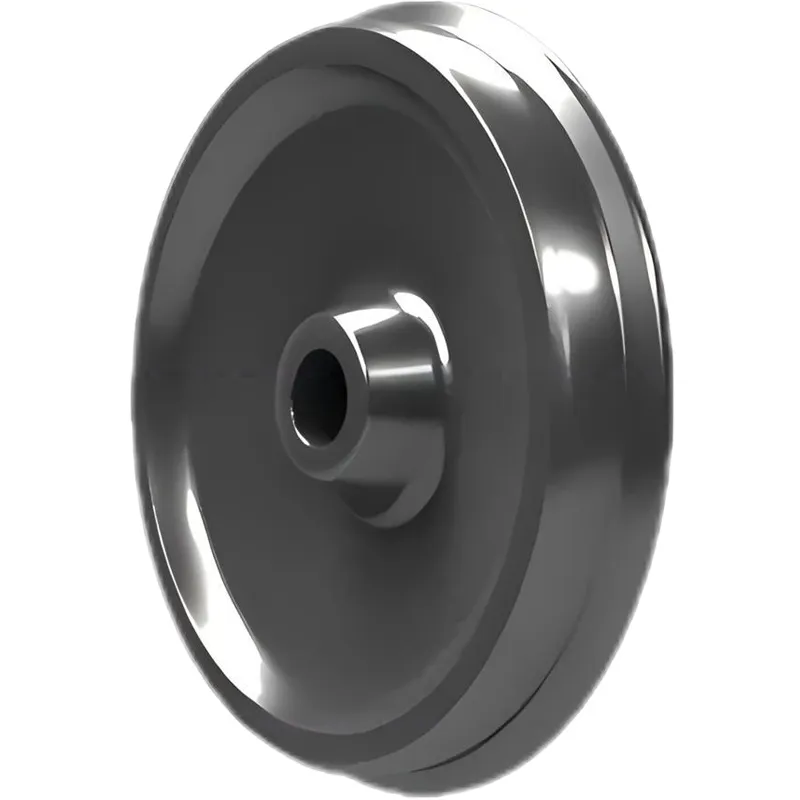
Figure 3: AGV systems leveraging advanced rail wheels for precision material handling.
Quality Assurance and Certifications
Adherence to international standards and rigorous quality control protocols is a hallmark of reputable manufacturers. For the Profile P1 Series, this commitment to quality is underpinned by:
- ISO 9001 Certification: Ensuring a consistent quality management system across all manufacturing stages, from raw material procurement to final inspection and delivery.
- Compliance with Industry Standards: Wheels are manufactured to meet or exceed relevant standards such as ISO 1005 (Railway applications – Wheelsets and bogies), ANSI/ASME B29.2 (Industrial Power Transmission Roller Chains and Sprockets – A good reference for mechanical design principles), DIN standards (e.g., DIN 5510-2 for railway components), and specific customer-defined requirements.
- Material Traceability: Full traceability of all materials used, with corresponding mill certificates (e.g., EN 10204 3.1 or 3.2) providing detailed chemical composition and mechanical properties.
- Advanced NDT Capabilities: In-house non-destructive testing, including ultrasonic and magnetic particle inspection, ensures the absence of internal defects and surface discontinuities.
- Precision Metrology: Utilizing advanced measurement equipment, including CMMs and optical comparators, to ensure all critical dimensions and tolerances are met.
These certifications and practices provide our clients with the assurance that they are receiving products of the highest possible quality and reliability.
Trustworthiness & Support: Your Partner in Performance
Frequently Asked Questions (FAQ)
Q: How do I select the right material for my rail wheels?
A: Material selection depends heavily on your application's specific requirements, including load capacity, operating temperature, speed, and exposure to corrosive environments. Our engineering team can provide detailed recommendations based on your operational data and industry standards. For example, high-alloy steels like 42CrMo are excellent for general heavy-duty, while specialized stainless grades suit corrosive settings.
Q: What is the typical lead time for custom Profile P1 Series wheels?
A: Lead times vary based on complexity, material availability, and current production schedules. For standard configurations, it can range from 4-6 weeks. Custom designs with unique materials or intricate machining may require 8-12 weeks. We strive to provide accurate lead time estimates at the quoting stage and maintain transparent communication throughout the production process.
Q: What warranty is offered on Profile P1 Series rail wheels?
A: We offer a comprehensive warranty, typically 12 to 24 months from the date of installation or 18 to 30 months from the date of shipment, whichever comes first, against defects in material and workmanship. Specific terms are provided with each quotation and may vary based on product type and application. Our commitment is to ensure the durability and reliability of our products.
Q: Can you provide engineering support for specialized applications?
A: Absolutely. Our team of experienced metallurgical and mechanical engineers is available to provide extensive technical consultation, design assistance, failure analysis, and optimization services. We work closely with clients from concept to deployment to ensure optimal wheel performance for even the most challenging industrial applications.
Lead Time & Fulfillment
Our manufacturing process is optimized for efficiency without compromising quality. Standard Profile P1 Series rail car wheels for sale typically have a lead time of 4-6 weeks from order confirmation. For highly customized solutions, a detailed project plan will outline specific milestones and a projected delivery schedule, usually within 8-12 weeks. We leverage robust supply chain management and advanced logistics to ensure on-time delivery globally.
Warranty Commitments
We stand behind the quality and durability of our Profile P1 Series rails wheels. Each wheel is backed by a standard warranty against manufacturing defects. Detailed warranty terms, including coverage specifics and duration, are provided with every quotation, reflecting our confidence in our engineering and manufacturing excellence.
Customer Support and After-Sales Service
Our commitment to our clients extends far beyond the sale. We offer comprehensive after-sales support, including technical assistance, spare parts availability, and maintenance recommendations. Our dedicated support team is readily available to address any inquiries, provide troubleshooting assistance, and ensure the continued optimal performance of your Profile P1 Series rail wheels. We pride ourselves on building long-term partnerships through unparalleled service.
Conclusion
The selection of industrial rails wheels is a critical decision that impacts the longevity, efficiency, and safety of heavy machinery and industrial transport systems. The Profile P1 Series embodies a commitment to engineering excellence, offering advanced materials, precision manufacturing, and robust quality control to deliver unparalleled performance. By understanding industry trends, leveraging customization options, and partnering with a trusted manufacturer, businesses can optimize their operations, reduce maintenance costs, and ensure the reliable movement of goods in the most challenging industrial environments.
References
- ISO 1005-1: Railway applications – Wheelsets and bogies – Part 1: Design method for wheelsets. International Organization for Standardization.
- American Association of Railroads (AAR) Manual of Standards and Recommended Practices, Section G, Wheels and Axles.
- ASM Handbook, Volume 1: Properties and Selection: Irons, Steels, and High-Performance Alloys. ASM International.
- International Journal of Rail Transportation, "Optimisation of railway wheel profiles for reduced wear and rolling contact fatigue," Taylor & Francis Online.
- Railway Technical Web Pages: Wheel and Rail Interface. Available at: www.railway-technical.com
-
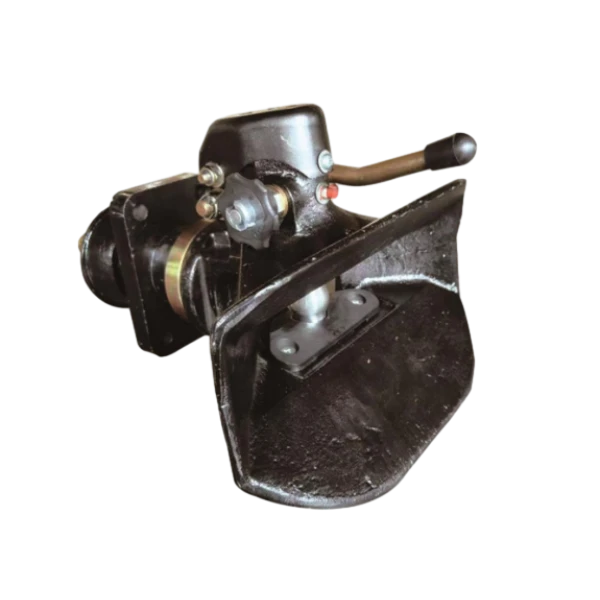 Trailer Coupling
The trailer coupling is a critical component in vehicle towing systems, designed to ensure a secure and efficient connection between a towing vehicle and a trailer. These couplings are manufactured using high-strength carbon steel, alloy steel, or stainless steel, ensuring durability and resistance to heavy loads and harsh environments.
-
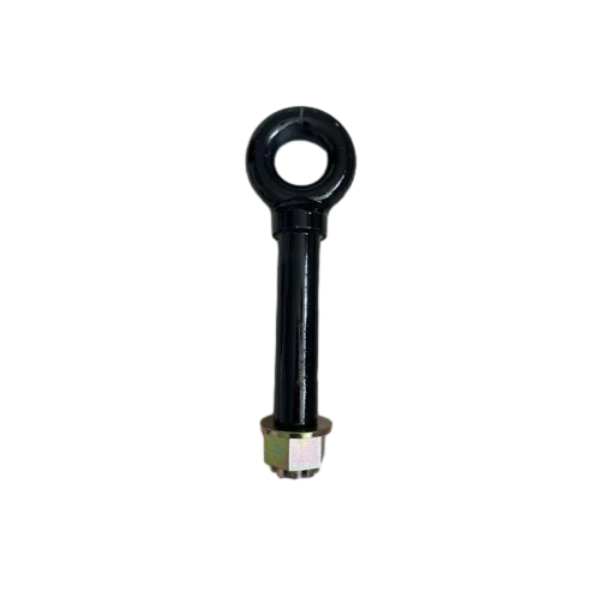 Drawbar Eyes
Drawbar eyes are essential components in towing and hauling applications, providing a strong and secure attachment point between the trailer and the towing vehicle. They are designed to endure extreme pulling forces, making them suitable for heavy-duty applications.
-
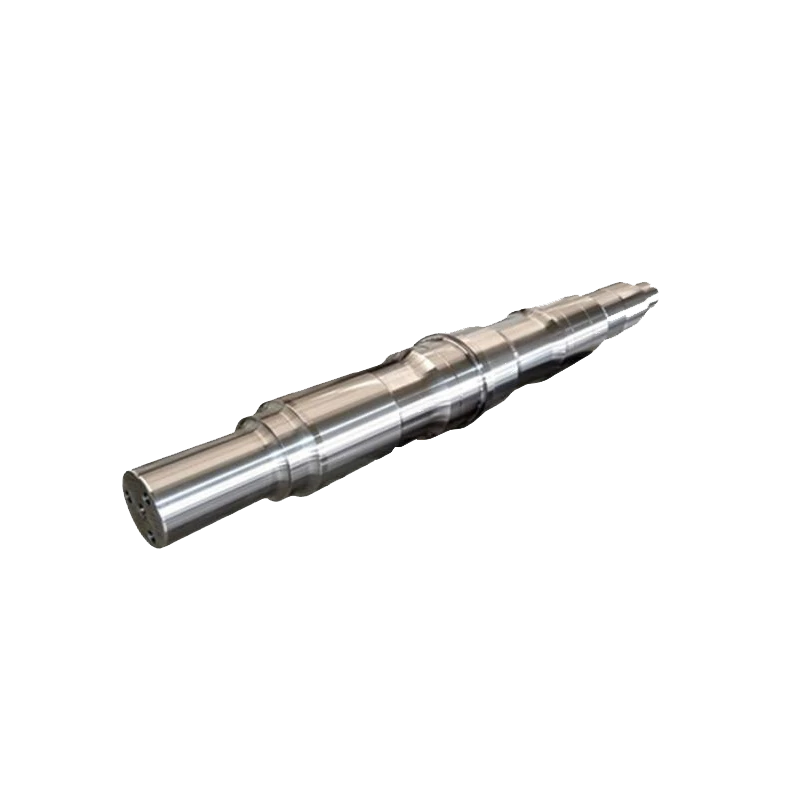 Axles
AxlesAxles are essential for vehicle load-bearing and power transmission, ensuring smooth movement and weight distribution. They must withstand high stress, torque, and impact, making material selection and precise manufacturing crucial.
-
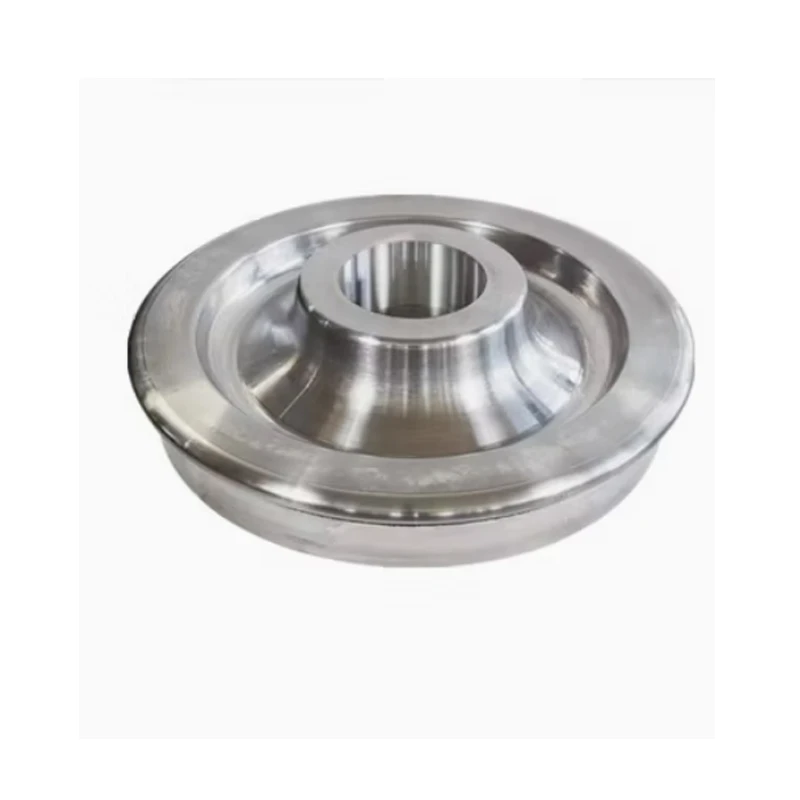 Profile S1002 Series Rail Wheels
The S1002 series rail wheels are designed for Rail-Road Vehicles (RRVs) that require seamless operation on both roads and railway tracks. Engineered with high precision and durability, these wheels conform to S1002 tread profiles, ensuring compatibility with standard railway systems.
A Comprehensive Guide to Axles Types for Industry Decision Makers | Manufacturing Base
Axles Types is a key solution in the industry, specifically within heavy machinery and transportation sectors. This article explores how https://www.manufacturing-base.com supports professionals with durable, high-performance products
>
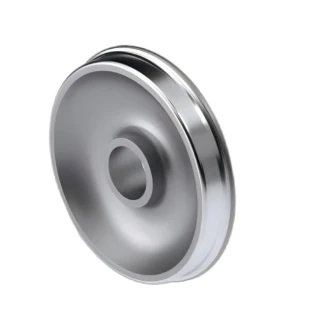
Reliable Rail Wheels: Optimize Your Rail Transport Solutions
For industries that rely on rail-based vehicles, choosing the right rail wheels is essential for smooth operations and safety.
>
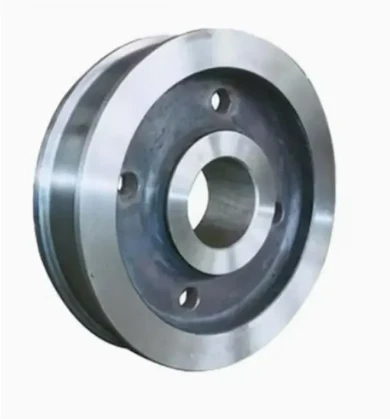
Premium Overhead Crane Wheels For Sale: Enhance Industrial Lifting Efficiency
In modern industrial operations, high-quality overhead crane wheels for sale are essential for safe, reliable, and efficient lifting.
>
Premium Hi Rail Wheels For Sale: Boost Rail Vehicle Performance
In the modern industrial and railway sectors, having reliable hi rail wheels for sale is essential for operational efficiency and safety.
>
High-Quality Hi Rail Wheels For Sale: Enhance Your Rail Equipment Efficiency
When it comes to reliable rail maintenance and industrial operations, investing in hi rail wheels for sale is crucial.
>
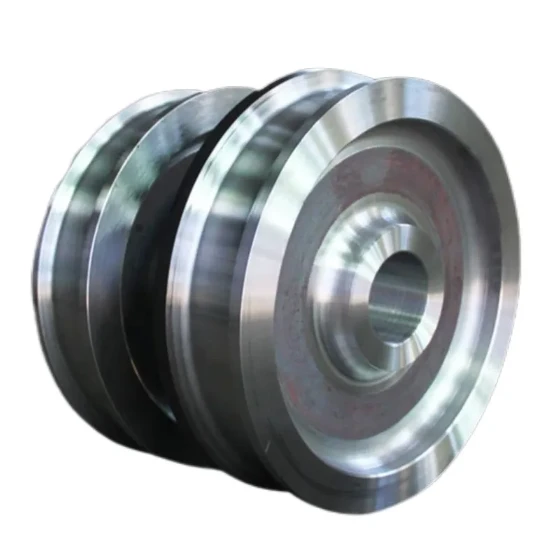
High-Quality Crane Wheels For Sale: Enhance Your Crane Operations
For industries relying on heavy lifting and material handling, investing in high-quality crane wheels for sale is crucial.
>
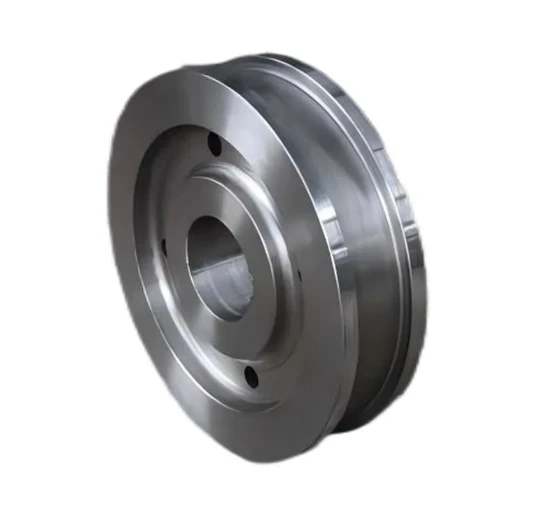
Durable Gantry Crane Wheels For Sale: Maximize Lifting Efficiency
For industries relying on heavy-duty lifting and material handling, selecting the right gantry crane wheels for sale is vital.
>
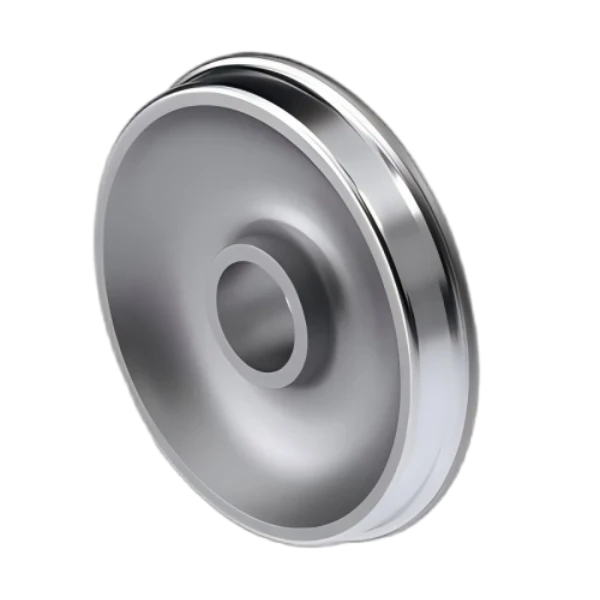
Reliable Tandem Drive Axles for Heavy-Duty Industrial Vehicles
Tandem Drive Axles: What I’ve Learned After Years in the Industrial Equipment Sector Ha
>
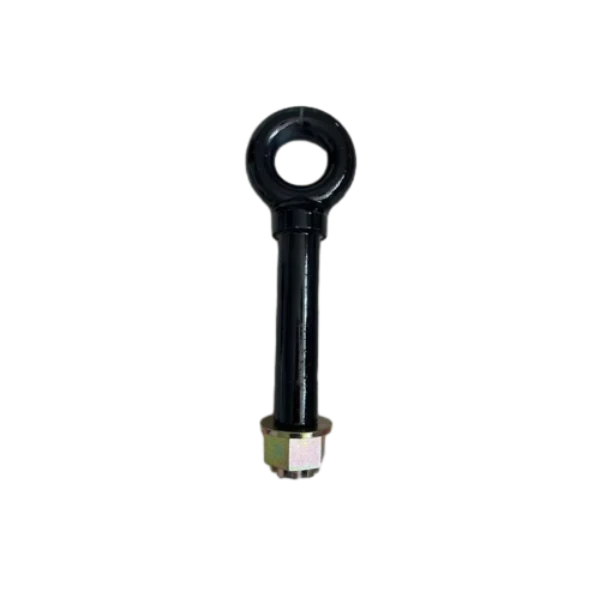
Reliable Semi Trailer Axles for Heavy-Duty Trailers | Expert Insight
Understanding semi trailer axles: The Backbone of Heavy Hauling Having spent more than a deca
>
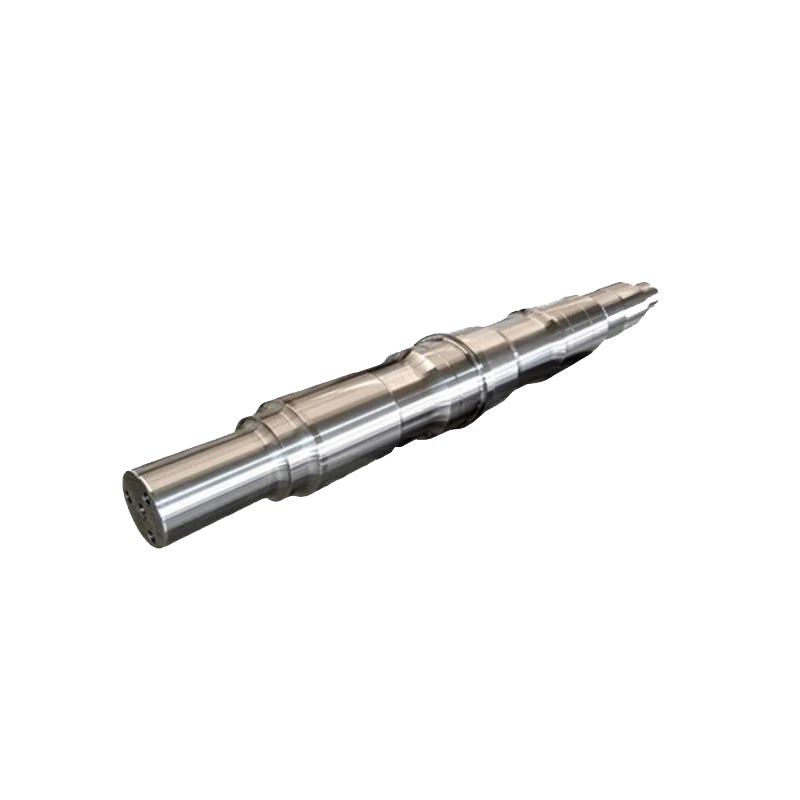
RC Portal Axles: Industrial Strength and Custom Performance
RC Portal Axles: A Veteran’s Take on Industrial-Grade Performance Having spent over a d
>
Engineered for Excellence
Our forged solutions deliver reliability and performance, powering demanding industries to keep operations running smoothly.

Sign up
for Newsletter
Subscribe to the weekly newsletter for all the latest updates