- Tel: +86 311 82620404
- Cell: 86 -13739710551
- Email: sales@potentia.cn

High-Quality Rail Car Wheels for Sale - Durable & Reliable
Advanced Solutions in Rail Car Wheels for Industrial Applications
The robust and reliable operation of industrial rail systems hinges critically on the quality and performance of their rolling stock components. Among these, rail car wheels for sale stand as fundamental elements, bearing immense loads and enduring harsh operational environments. As a cornerstone of heavy-duty transportation and material handling within sectors like petrochemical, metallurgy, mining, and port logistics, the demand for exceptionally durable, precisely engineered, and cost-effective rail wheels continues to grow. This comprehensive overview delves into the critical aspects of modern rail wheel technology, from manufacturing excellence to application-specific advantages, ensuring optimal decision-making for B2B procurement and engineering teams.
Current Industry Trends and Market Dynamics
The market for industrial rail wheels is characterized by several key trends. There's a persistent drive towards enhancing operational efficiency, reducing maintenance costs, and improving safety standards across all heavy industries. This translates into a strong demand for rail wheels manufactured from advanced alloys, offering superior wear resistance, increased load capacities, and extended service life. Furthermore, sustainability initiatives are influencing material selection and manufacturing processes, with an increasing focus on energy-efficient production and the use of recyclable materials. Digitalization, including advanced predictive maintenance and condition monitoring, is also emerging as a significant trend, helping operators optimize the lifespan and performance of their rail assets, including rail car wheels. Innovation in design, such as optimized wheel profiles and lighter yet stronger designs, is continuously pushing the boundaries of performance and application versatility.
The Precision Manufacturing Process of Profile S1002 Series Rail Wheels
The production of high-performance rail car wheels for sale, such as the Profile S1002 Series, is an intricate process demanding rigorous control and adherence to international standards. Our manufacturing philosophy integrates cutting-edge technology with decades of metallurgical expertise to deliver products that consistently exceed industry expectations.
Materials and Initial Forging
- Material Selection: We exclusively utilize high-grade alloy steels, primarily compliant with ASTM A504/A504M (Class C, D, E) or EN 13262 (ER7, ER8, ER9) specifications. These materials are chosen for their superior strength-to-weight ratio, fatigue resistance, and ability to withstand extreme thermal and mechanical stresses. Typical compositions include controlled percentages of carbon, manganese, silicon, chromium, and molybdenum to achieve specific hardness and toughness properties.
- Ingot Casting & Billet Preparation: The process begins with the careful casting of steel ingots, followed by controlled rolling or forging into billets. This step ensures homogeneity of the material structure and eliminates potential internal defects.
- Hot Forging: Billets are heated to precise temperatures (typically 1000-1200°C) and then undergo multi-stage hot forging. This critical step shapes the wheel and refines the grain structure, significantly enhancing the mechanical properties, particularly impact strength and resistance to fatigue crack propagation. Our forging presses apply immense pressure, ensuring complete material compaction and optimal fiber flow.
Heat Treatment and Machining
- Controlled Cooling & Heat Treatment: Post-forging, wheels undergo a meticulously controlled cooling process to prevent thermal stresses. This is followed by quenching and tempering (Q&T) or normalizing, depending on the desired final properties. The Q&T process, involving heating to an austenitizing temperature, rapid quenching in a polymer solution, and subsequent tempering, imparts exceptional hardness (typically 280-360 HB) to the tread and flange while maintaining ductility in the web. This dual-property approach significantly extends service life and prevents brittle fracture.
- CNC Machining: State-of-the-art 5-axis CNC machining centers are employed for precise profiling of the wheel tread, flange, and bore. This ensures accurate dimensional tolerances (e.g., as per AAR M-107/M-208 or ISO 1005-9 standards) and superior surface finish, which are crucial for smooth operation, reduced rolling resistance, and proper wheel-rail interface dynamics.
Quality Assurance and Testing
- Non-Destructive Testing (NDT): Each wheel undergoes comprehensive NDT, including ultrasonic testing (UT) for internal defects, magnetic particle inspection (MPI) for surface cracks, and eddy current testing for micro-fissures. These tests are performed in accordance with ASTM E428, ASTM E709, and ISO 6933, ensuring the structural integrity of every component.
- Mechanical Property Verification: Samples from each batch are subjected to tensile, impact (Charpy V-notch), and hardness tests to confirm that mechanical properties meet or exceed design specifications.
- Dimensional Inspection: High-precision coordinate measuring machines (CMMs) are used to verify critical dimensions and ensure perfect adherence to design specifications, guaranteeing interchangeability and seamless integration with existing rail systems.
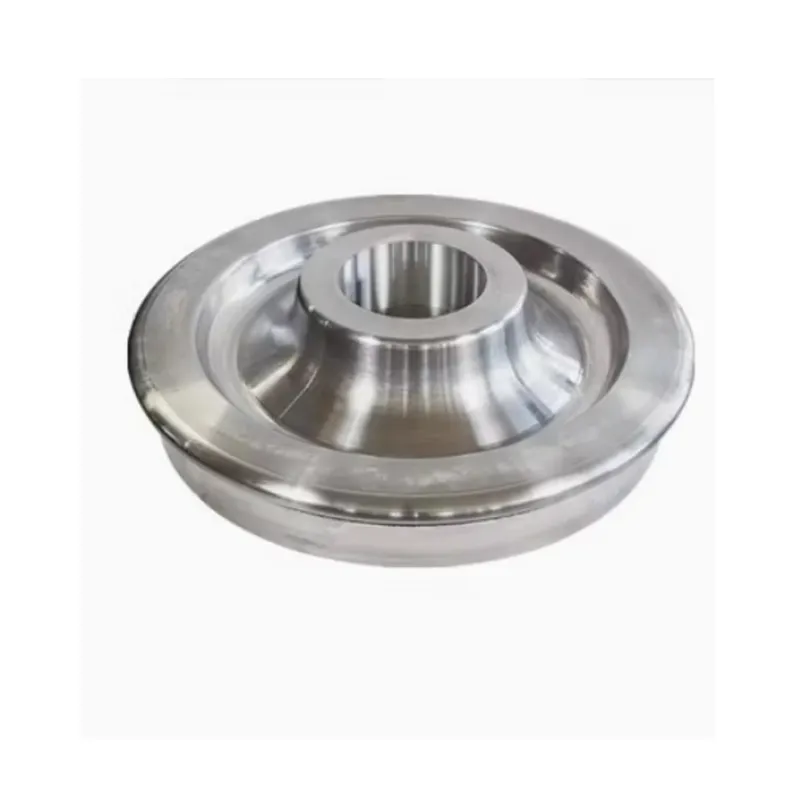
Image: Overview of the advanced manufacturing facility for industrial rail wheels.
This meticulous process ensures that every Profile S1002 Series rail car wheel leaving our facility is engineered for maximum reliability, extended service life (typically 5-10 years under severe conditions, depending on load and usage), and optimal performance, minimizing downtime and operational costs for our clients across target industries such as petrochemical, metallurgy, and water supply & drainage.
Key Technical Specifications: Profile S1002 Series Rail Wheels
The Profile S1002 Series represents the pinnacle of engineering for heavy-duty industrial applications. These rail wheels for sale are designed to meet stringent operational demands, offering a superior blend of durability, performance, and efficiency. Below are the detailed specifications for typical configurations:
Product Specification Table: Profile S1002 Series Rail Wheels
| Parameter | Specification (Typical) | Relevant Standard |
|---|---|---|
| Material Grade | ASTM A504 Class D / EN 13262 ER7 | ASTM A504/A504M, EN 13262 |
| Tread Hardness (HB) | 280 - 320 | ISO 6506-1, ASTM E10 |
| Tensile Strength (MPa) | ≥ 950 | ISO 6892-1, ASTM E8 |
| Yield Strength (MPa) | ≥ 650 | ISO 6892-1, ASTM E8 |
| Elongation (%) | ≥ 10 | ISO 6892-1, ASTM E8 |
| Impact Energy (J, at -20°C) | ≥ 20 | ISO 148-1, ASTM E23 |
| Wheel Diameter Range (mm) | 300 - 1200 (customizable) | AAR M-107/M-208, ISO 1005-9 |
| Load Capacity (Tonnes/wheel) | 15 - 40 (profile dependent) | OEM Specific, Calculation-based |
| Flange Thickness (mm) | Customizable, typically 30-60 | AAR M-107/M-208, ISO 1005-9 |
| Bore Diameter (mm) | Customizable | OEM Specific |
| Surface Roughness (Ra) | ≤ 3.2 µm (tread and bore) | ISO 4287 |
These specifications highlight the robust engineering behind our rail wheels, ensuring they perform reliably in demanding environments. The controlled hardness on the tread minimizes wear, while the resilient core prevents catastrophic failure, contributing to exceptional longevity and safety.
Advanced Design Features
- Optimized Profile: Our wheel profiles are meticulously designed to minimize rolling resistance and reduce wear on both the wheel and the rail, enhancing energy saving (up to 5-7% in specific applications) and extending the life of the entire rail infrastructure.
- Corrosion Resistance: Through careful alloy selection and optional specialized coatings, the Profile S1002 Series demonstrates superior resistance to corrosion, particularly crucial in harsh industrial environments such as chemical plants or coastal port operations.
- Noise Reduction: Precision machining and optimized material properties contribute to smoother operation, leading to a measurable reduction in operational noise levels, which can be critical in urban or sensitive industrial zones.
Application Scenarios and Target Industries for Rail Car Wheels
The versatility and robustness of the Profile S1002 Series rail car wheels for sale make them indispensable across a wide array of heavy industrial applications where reliability and safety are paramount. These wheels are engineered to perform under extreme conditions, providing critical support for material handling and transportation systems.
Key Target Industries and Their Specific Needs:
- Petrochemical Industry: Demands rail wheels capable of withstanding corrosive atmospheres, temperature fluctuations, and heavy loads associated with transporting raw materials and finished products like crude oil, chemicals, and refined fuels. Our wheels offer enhanced corrosion resistance and high load-bearing capacity, ensuring safe and efficient movement within refineries and chemical plants.
- Metallurgy and Steel Mills: Requires wheels that can endure extreme heat, abrasive dust, and the immense weight of molten metal ladles, slag pots, and steel coils. The high-hardness tread and robust structure of the S1002 Series minimize wear in these severely abrasive and high-temperature environments, extending operational lifespans.
- Mining Operations: Rail systems in mines transport bulk materials such as ore, coal, and overburden. This environment presents challenges of heavy, dynamic loads, rough tracks, and exposure to dust and moisture. Our rail car wheels are designed for exceptional impact resistance and durability, reducing the frequency of replacements and associated downtime.
- Port and Harbor Logistics: Cranes, gantry systems, and specialized railcars in ports handle container111ized cargo and bulk goods, requiring wheels that can withstand continuous, heavy-duty cycles, salt-laden air, and demanding operational schedules. The corrosion resistance and high fatigue strength of our wheels are crucial for these intense operations.
- Power Generation Facilities: Coal-fired power plants and nuclear facilities use rail systems for fuel delivery and waste management. These applications require wheels capable of operating reliably under continuous load and ensuring precise positioning.
- Water Supply & Drainage Infrastructure: For specialized applications such as moving large gate valves or heavy components within treatment plants, robust and precisely engineered rail car wheels are essential for safe and controlled movement.
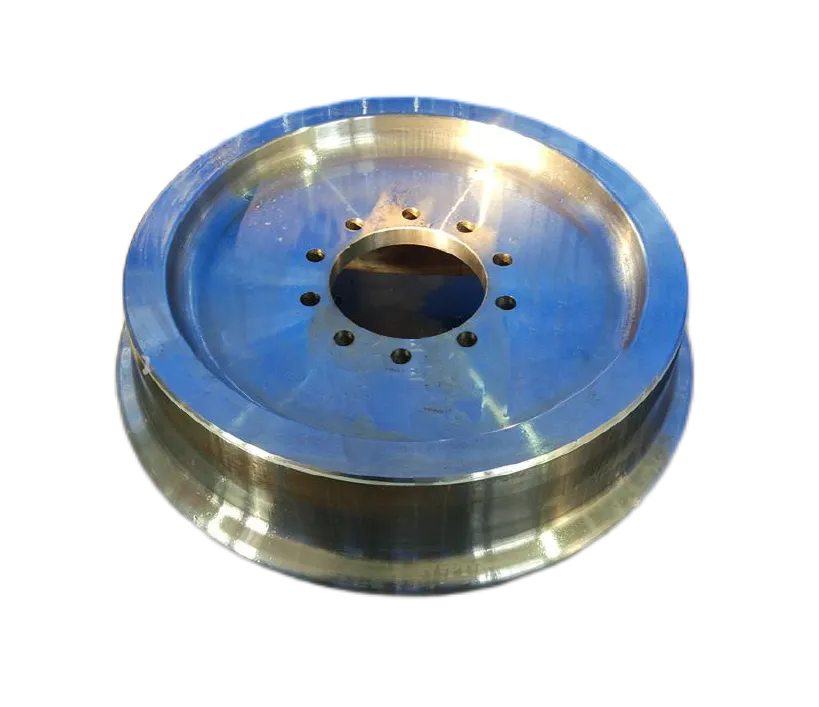
Image: Rail wheels supporting heavy-duty industrial transport in a steel mill.
Technical Advantages and Performance Benefits
Investing in high-quality rail car wheels from the Profile S1002 Series translates directly into significant operational and economic advantages for industrial clients. Our focus on advanced metallurgy, precision engineering, and rigorous quality control results in benefits that impact the bottom line.
- Extended Service Life & Reduced Wear: The optimized heat treatment and high-hardness tread of our wheels significantly extend their operational life compared to standard wheels. This superior wear resistance means fewer replacements, directly reducing material costs and maintenance labor. Test data indicates up to 30% longer service life in abrasive environments.
- Enhanced Energy Efficiency: Precision machining of the wheel profile, coupled with advanced material properties, minimizes rolling resistance. This reduction in friction translates into tangible energy savings, with studies showing a potential 5-7% decrease in power consumption for motive equipment using our optimized rail car wheels for sale.
- Superior Corrosion Resistance: Specialized alloys and optional surface coatings provide exceptional protection against chemical corrosion and environmental degradation. This is particularly beneficial in industries like petrochemicals, port operations, and wastewater treatment, where exposure to aggressive substances is common, preventing premature failure and ensuring consistent performance.
- Improved Safety & Reliability: Adherence to stringent international standards (ISO, ANSI, AAR) and comprehensive NDT ensures maximum structural integrity. This commitment to quality dramatically reduces the risk of wheel failure, enhancing overall operational safety and reliability, which is paramount in heavy industrial settings.
- Reduced Maintenance Costs: The extended service life and robust design of the Profile S1002 Series wheels lead to less frequent maintenance interventions. This minimizes labor costs, reduces spare parts inventory, and most importantly, decreases costly operational downtime.
- Optimized Performance under Extreme Loads: Engineered to handle high static and dynamic loads, our wheels maintain their integrity and performance even under the most demanding conditions, providing consistent traction and stability for heavy industrial vehicles.
Customized Solutions and Vendor Comparison
The diverse needs of heavy industry often require more than off-the-shelf solutions. We specialize in providing bespoke rail wheels tailored to specific operational parameters, ensuring optimal performance for unique challenges.
Tailored Customization Options:
- Material Specification: Adjustments to alloy composition for enhanced properties like extreme temperature resistance (both high and low), increased toughness, or even higher wear resistance for ultra-abrasive environments.
- Wheel Profile Design: Custom profiles to match specific rail types, reduce flange wear, or optimize for particular curve radii, reducing track and wheel maintenance. This includes adaptations for crane wheels or specialized transport vehicles.
- Bore and Hub Configuration: Custom bore diameters, keyway designs, or integral bearing housings to ensure seamless integration with existing axle and bearing systems.
- Protective Coatings: Application of specialized coatings, such as ceramic composites for extreme abrasion or polymer coatings for enhanced chemical resistance, extending the operational life in highly aggressive environments.
- Load Capacity Adjustments: Engineering adjustments to accommodate exceptionally high static or dynamic loads beyond standard specifications.
Vendor Comparison: Why Choose Our Profile S1002 Series Rail Wheels
When evaluating suppliers for rail car wheels for sale, B2B decision-makers must consider not just price, but also quality, reliability, technical support, and the ability to provide tailored solutions. Below is a comparative overview:
| Feature/Criterion | Profile S1002 Series | Typical Competitor A (Standard) | Typical Competitor B (Budget) |
|---|---|---|---|
| Material Quality | Premium Alloy Steel (ASTM Class D, EN ER7) | Standard Carbon Steel (ASTM Class C) | Basic Carbon Steel |
| Tread Hardness (HB) | 280-320 (Heat Treated) | 240-280 (Normalized) | 180-220 (As-cast/rolled) |
| Manufacturing Process | Forged & CNC Machined, Q&T | Forged & Machined, Normalized | Cast or Rolled, Minimal Machining |
| Service Life (Estimated) | 5-10+ years (heavy duty) | 3-6 years (heavy duty) | 1-3 years (heavy duty) |
| Corrosion Resistance | Excellent (Alloyed, Optional Coatings) | Good (Standard Steel) | Fair (Untreated Steel) |
| Customization Options | Extensive (Material, Profile, Bore, Coatings) | Limited (Basic Profile Adjustments) | Minimal (Standard Sizes Only) |
| Certifications & QA | ISO 9001, AAR M-107, EN 13262, Full NDT | Basic QA, some local standards | Minimal internal checks |
| Technical Support | Dedicated Engineering & After-sales | Standard Customer Service | Limited, Sales-focused |
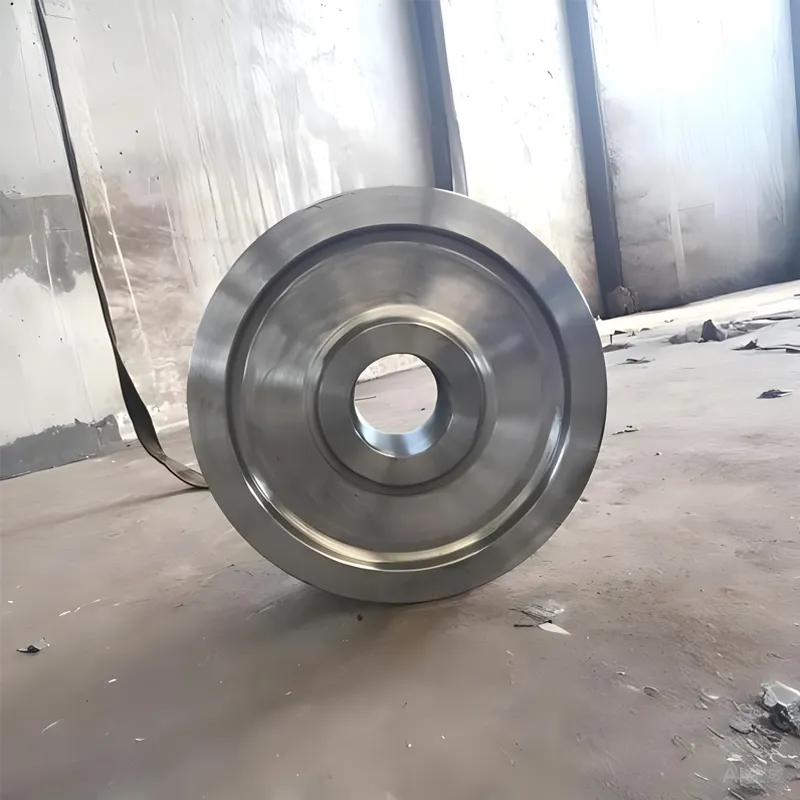
Image: Examples of customized industrial rail wheel designs.
Real-World Application Case Studies
Our commitment to quality and performance is validated by successful deployments in some of the most challenging industrial environments globally. Here are a few examples showcasing the impact of our Profile S1002 Series rail wheels.
Case Study 1: Heavy Haulage in an African Mining Operation
- Challenge: A large open-pit mine in Southern Africa faced constant wheel replacements on its ore wagons due to severe abrasion and heavy, uneven loading on rough tracks. The existing wheels had an average service life of 2 years, causing significant operational downtime and costs.
- Solution: We supplied custom-designed Profile S1002 Series rail wheels for sale, specified with a higher-grade alloy steel (ASTM Class E equivalent) and an enhanced heat treatment for superior tread hardness (320-360 HB) and improved impact resistance.
- Outcome: The new wheels demonstrated an average service life of 4.5 years, more than doubling the operational period. This resulted in a 55% reduction in annual wheel procurement, a 60% decrease in associated maintenance labor, and a significant improvement in overall operational efficiency and safety.
Case Study 2: Petrochemical Plant Rail Logistics Optimization
- Challenge: A major petrochemical complex in the Middle East experienced premature wheel corrosion and flange wear on their specialized tank car movers due to exposure to aggressive chemical vapors and high ambient temperatures. This led to frequent wheel truing and replacements.
- Solution: We provided Profile S1002 Series rail wheels with a modified alloy composition for enhanced chemical resistance and a specialized anti-corrosion coating. The wheel profile was also optimized to minimize flange contact in tight curves common within the plant.
- Outcome: The new wheels achieved an extended service life of 6 years, compared to the previous 3-year average. The client reported a 70% reduction in corrosion-related issues and a noticeable decrease in noise levels during operation.
Ensuring Trustworthiness and Comprehensive Support
Trust is foundational in B2B partnerships. Our commitment extends beyond delivering high-quality rail car wheels for sale; we prioritize transparency, reliability, and robust customer support to ensure long-term client satisfaction.
Certifications and Quality Assurance
- Industry Compliance: Our manufacturing processes and products strictly adhere to international quality and safety standards, including ISO 9001 for quality management systems, AAR M-107/M-208 for North American freight car wheels, and EN 13262 for European railway applications.
- Rigorous Testing Regimen: Every wheel undergoes a battery of tests, including material composition analysis, mechanical property testing, dimensional accuracy verification, and comprehensive Non-Destructive Testing (NDT) such as ultrasonic and magnetic particle inspections. This multi-stage QA process ensures zero-defect delivery.
Frequently Asked Questions (FAQ)
Q: What is the typical lead time for Profile S1002 Series rail wheels?
A: Standard orders typically have a lead time of 6-8 weeks, depending on quantity and current production schedules. Custom orders may require 10-14 weeks for design, material sourcing, and specialized manufacturing processes. We communicate clear timelines at the quotation stage.
Q: Do you offer warranty on your rail wheels?
A: Yes, all Profile S1002 Series rail car wheels come with a standard 2-year warranty against manufacturing defects and premature failure under normal operating conditions. Extended warranty options are available for specific projects.
Q: Can you provide technical support for installation and maintenance?
A: Absolutely. Our dedicated engineering team provides comprehensive technical support, including guidance on wheel selection, installation best practices, and maintenance recommendations to maximize product lifespan and performance.
Q: What is your production capacity for large orders of rail car wheels?
A: Our advanced manufacturing facility has a robust production capacity, capable of fulfilling large-scale orders efficiently. We regularly manage contracts requiring several hundred to thousands of rail wheels annually, with flexible scheduling to meet project demands.
Logistics, Fulfillment, and After-Sales Support
- Global Shipping & Logistics: We have established robust global logistics networks, ensuring efficient and timely delivery of our rail wheels for sale to clients worldwide, adhering to international shipping regulations and packaging standards.
- Dedicated Account Management: Each client is assigned a dedicated account manager to streamline communication, manage order fulfillment, and address any post-purchase inquiries or support needs.
- Lifecycle Support: Our commitment extends throughout the product lifecycle, offering advice on operational optimization, condition monitoring, and proactive maintenance strategies to maximize the return on investment for our clients.
Image: Rigorous quality control and testing ensuring product integrity.
Conclusion
The Profile S1002 Series represents a benchmark in industrial rail car wheels technology, engineered to deliver unparalleled durability, efficiency, and safety in the most demanding environments. By combining advanced metallurgical science, precision manufacturing, and a customer-centric approach to customization and support, we empower industries to optimize their rail logistics, reduce operational costs, and achieve sustained peak performance. For enterprises seeking reliable, high-performance rail wheels that stand the test of time, the Profile S1002 Series is the definitive choice.
References
- American Association of Railroads (AAR). Manual of Standards and Recommended Practices, Section G, Wheels, Axles, Bearings and Lubrication.
- International Organization for Standardization (ISO). ISO 1005-9: Railway rolling stock material - Part 9: Forged wheels for powered and non-powered vehicles.
- ASTM International. ASTM A504/A504M: Standard Specification for Wrought Carbon Steel Wheels.
- European Committee for Standardization (CEN). EN 13262: Railway applications - Wheelsets and bogies - Wheels - Product requirements.
- Railway Technical Web Pages. Wheel-Rail Interface and Wear Mechanisms. Retrieved from railway-technical.com
-
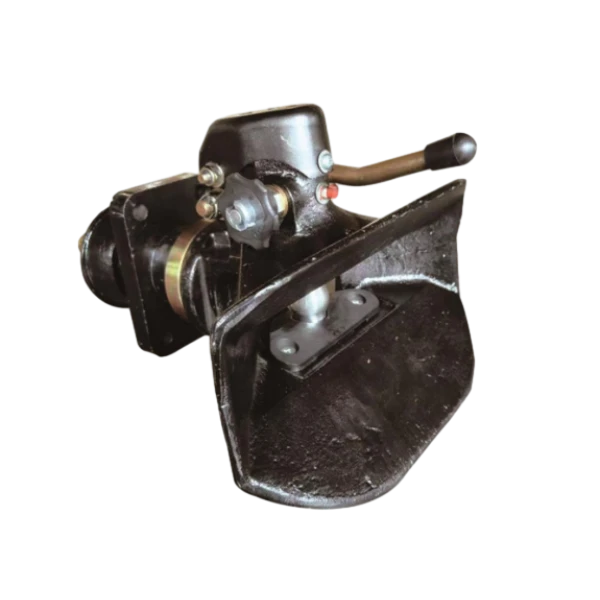 Trailer Coupling
The trailer coupling is a critical component in vehicle towing systems, designed to ensure a secure and efficient connection between a towing vehicle and a trailer. These couplings are manufactured using high-strength carbon steel, alloy steel, or stainless steel, ensuring durability and resistance to heavy loads and harsh environments.
-
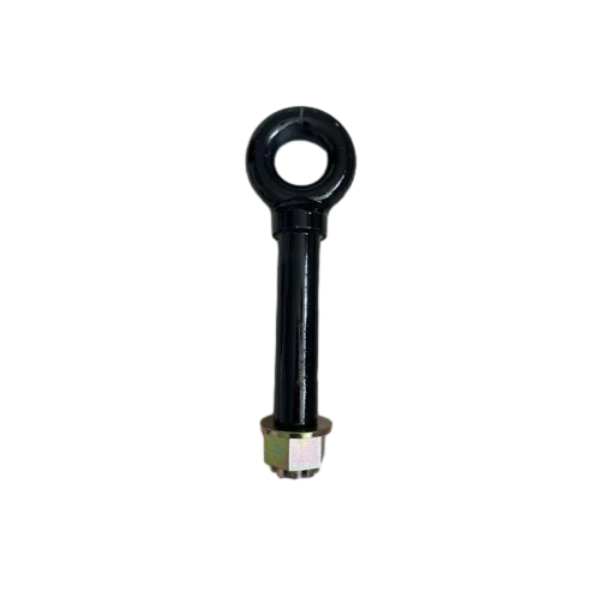 Drawbar Eyes
Drawbar eyes are essential components in towing and hauling applications, providing a strong and secure attachment point between the trailer and the towing vehicle. They are designed to endure extreme pulling forces, making them suitable for heavy-duty applications.
-
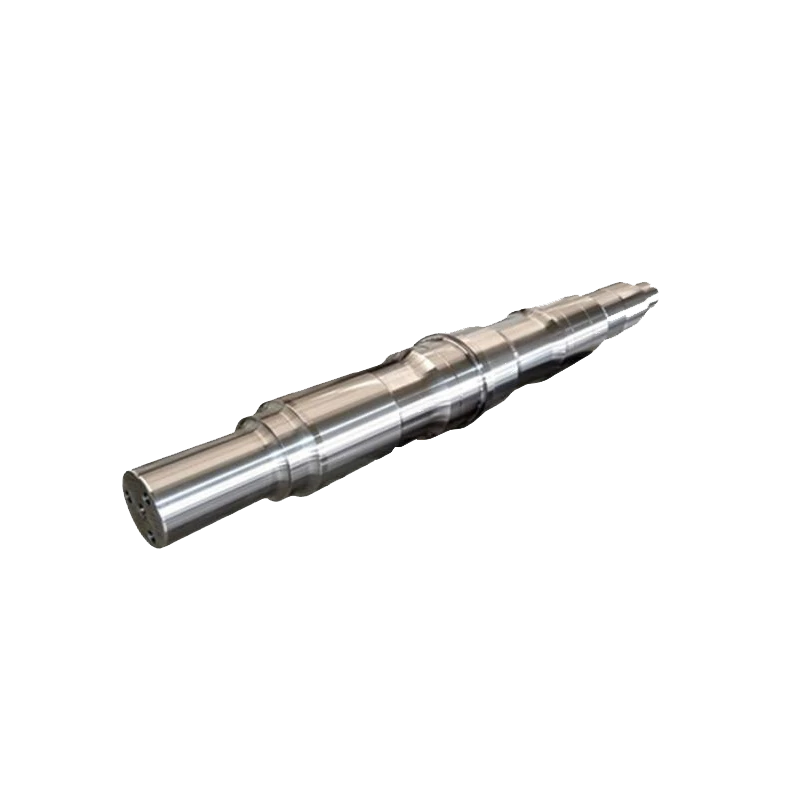 Axles
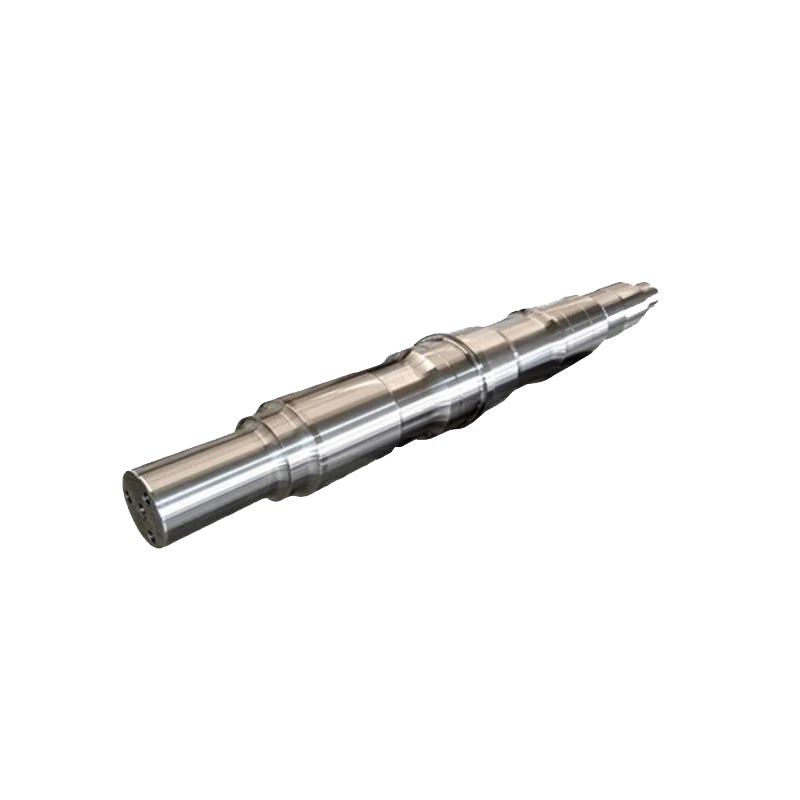
AxlesAxles are essential for vehicle load-bearing and power transmission, ensuring smooth movement and weight distribution. They must withstand high stress, torque, and impact, making material selection and precise manufacturing crucial.
-
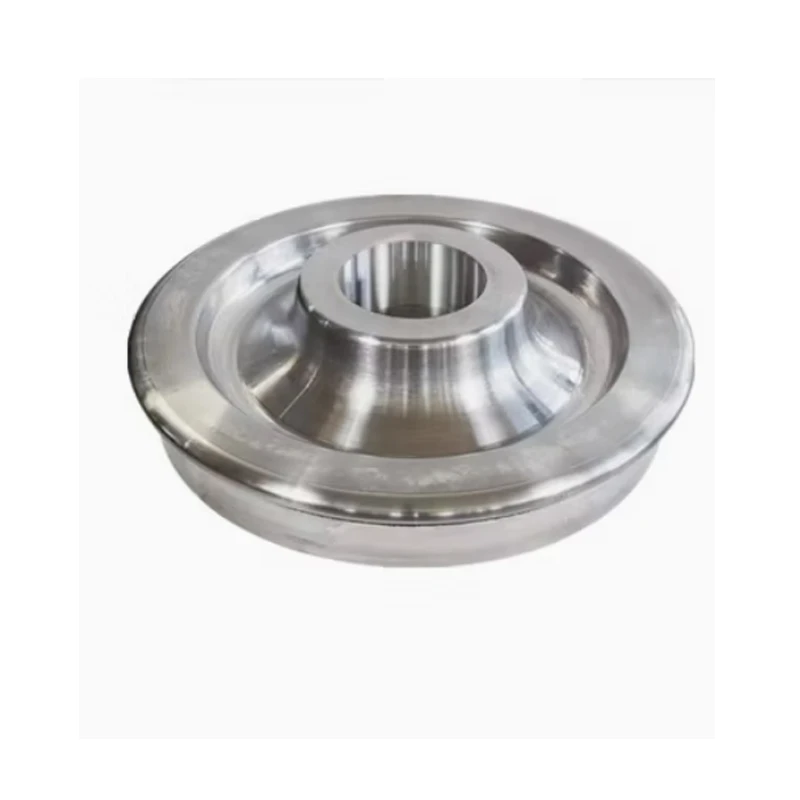 Profile S1002 Series Rail Wheels
The S1002 series rail wheels are designed for Rail-Road Vehicles (RRVs) that require seamless operation on both roads and railway tracks. Engineered with high precision and durability, these wheels conform to S1002 tread profiles, ensuring compatibility with standard railway systems.
A Comprehensive Guide to Axles Types for Industry Decision Makers | Manufacturing Base
Axles Types is a key solution in the industry, specifically within heavy machinery and transportation sectors. This article explores how https://www.manufacturing-base.com supports professionals with durable, high-performance products
>
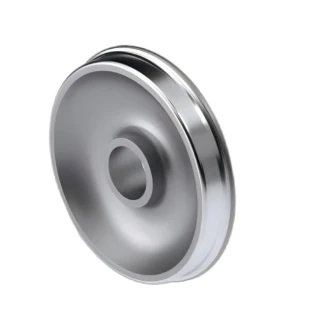
Reliable Rail Wheels: Optimize Your Rail Transport Solutions
For industries that rely on rail-based vehicles, choosing the right rail wheels is essential for smooth operations and safety.
>
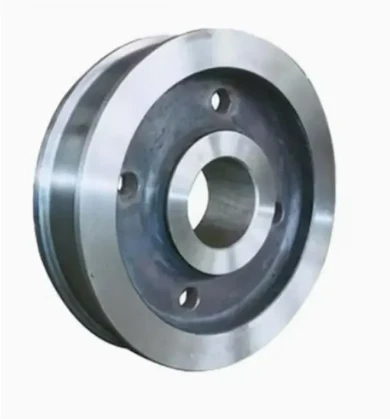
Premium Overhead Crane Wheels For Sale: Enhance Industrial Lifting Efficiency
In modern industrial operations, high-quality overhead crane wheels for sale are essential for safe, reliable, and efficient lifting.
>
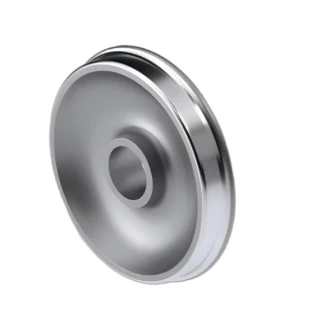
Premium Hi Rail Wheels For Sale: Boost Rail Vehicle Performance
In the modern industrial and railway sectors, having reliable hi rail wheels for sale is essential for operational efficiency and safety.
>
High-Quality Hi Rail Wheels For Sale: Enhance Your Rail Equipment Efficiency
When it comes to reliable rail maintenance and industrial operations, investing in hi rail wheels for sale is crucial.
>
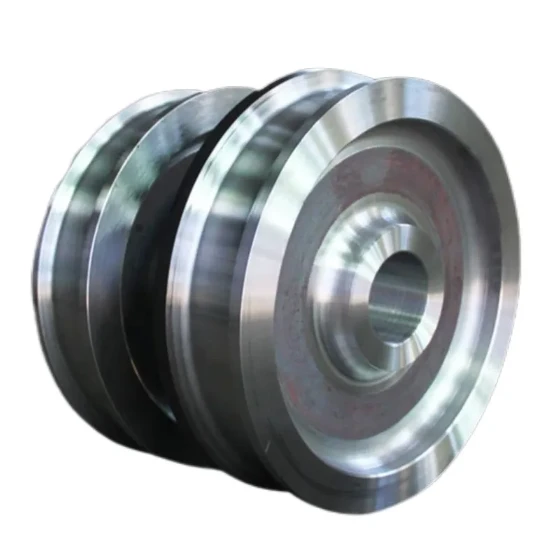
High-Quality Crane Wheels For Sale: Enhance Your Crane Operations
For industries relying on heavy lifting and material handling, investing in high-quality crane wheels for sale is crucial.
>
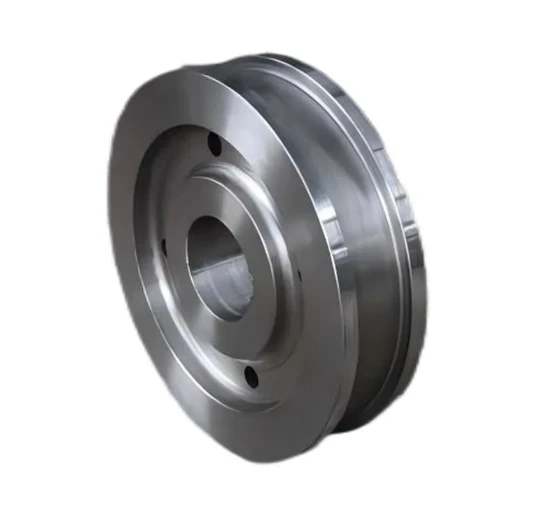
Durable Gantry Crane Wheels For Sale: Maximize Lifting Efficiency
For industries relying on heavy-duty lifting and material handling, selecting the right gantry crane wheels for sale is vital.
>
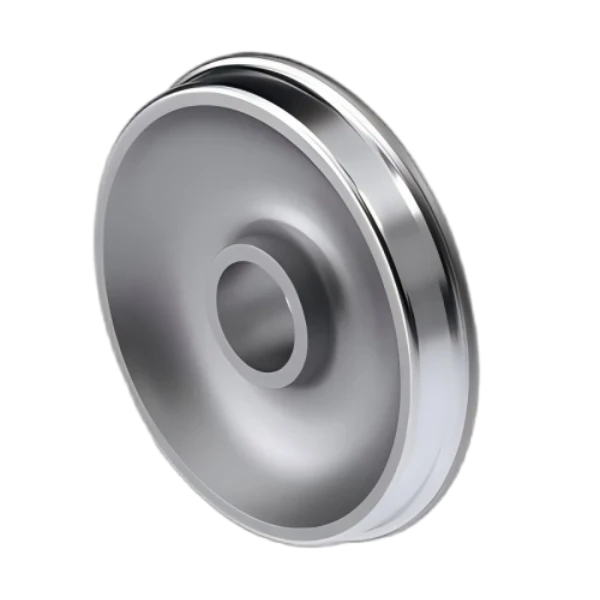
Reliable Tandem Drive Axles for Heavy-Duty Industrial Vehicles
Tandem Drive Axles: What I’ve Learned After Years in the Industrial Equipment Sector Ha
>
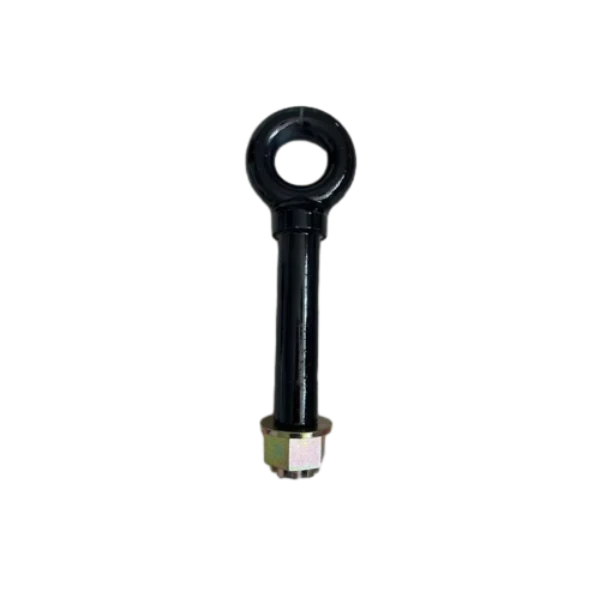
Reliable Semi Trailer Axles for Heavy-Duty Trailers | Expert Insight
Understanding semi trailer axles: The Backbone of Heavy Hauling Having spent more than a deca
>
RC Portal Axles: Industrial Strength and Custom Performance
RC Portal Axles: A Veteran’s Take on Industrial-Grade Performance Having spent over a d
>
Engineered for Excellence
Our forged solutions deliver reliability and performance, powering demanding industries to keep operations running smoothly.

Sign up
for Newsletter
Subscribe to the weekly newsletter for all the latest updates