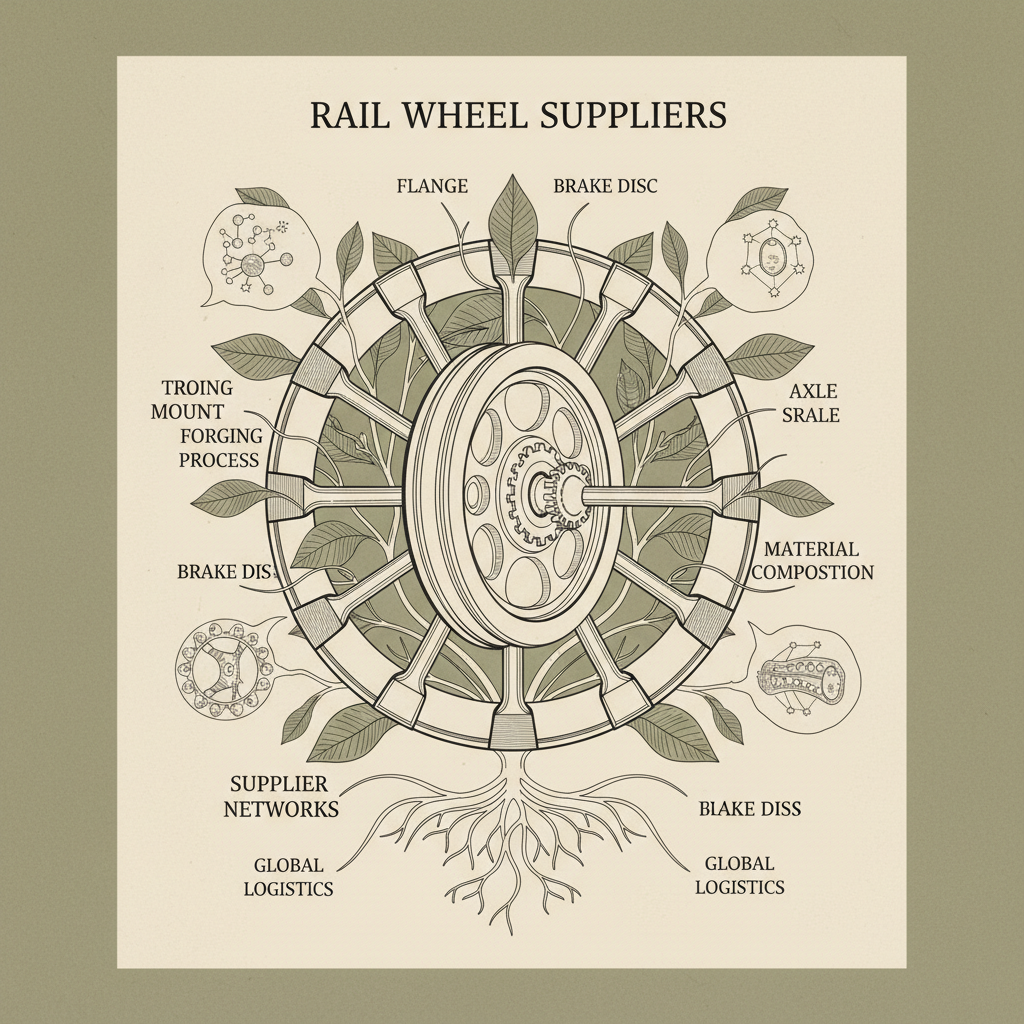
Rails wheels are the unsung heroes of countless industrial applications, facilitating smooth and efficient movement of heavy loads across rail systems. Their robust design and precision engineering are critical for sectors ranging from manufacturing and mining to logistics and infrastructure. Understanding the intricacies of rails wheels—their materials, construction, and maintenance—is paramount to ensuring operational safety, minimizing downtime, and maximizing the longevity of vital transport networks.
Globally, the demand for high-performance rails wheels is escalating, driven by increasing industrial activity and infrastructure development, particularly in emerging economies. The United Nations estimates a continued rise in global trade requiring efficient rail transport. This demand presents both opportunities and challenges. Meeting this need requires not only scaling production capacity but also innovating in materials and design to address evolving operational demands and environmental concerns.
Properly selected and maintained rails wheels aren’t simply components; they represent a commitment to reliability, safety, and economic efficiency. From the initial design phase to ongoing maintenance, a holistic approach to rails wheels is essential for maintaining the integrity of rail-based systems and supporting global supply chains.
Understanding the Core Functionality of Rails Wheels
At their core, rails wheels are designed to convert rotational motion into linear motion, facilitating the movement of railcars, locomotives, and other industrial equipment along fixed rail tracks. The efficiency of this conversion is influenced by numerous factors, including wheel diameter, flange profile, tread shape, and bearing quality. A properly functioning rails wheel minimizes friction, reduces energy consumption, and ensures smooth and stable operation.
Beyond basic movement, rails wheels also play a crucial role in load distribution, steering, and braking. The flange on the wheel prevents derailment, while the tread provides the contact surface for traction. Precise manufacturing and rigorous quality control are essential to ensure these critical functions are performed reliably and safely.
The Critical Role of Material Science in Rails Wheel Production
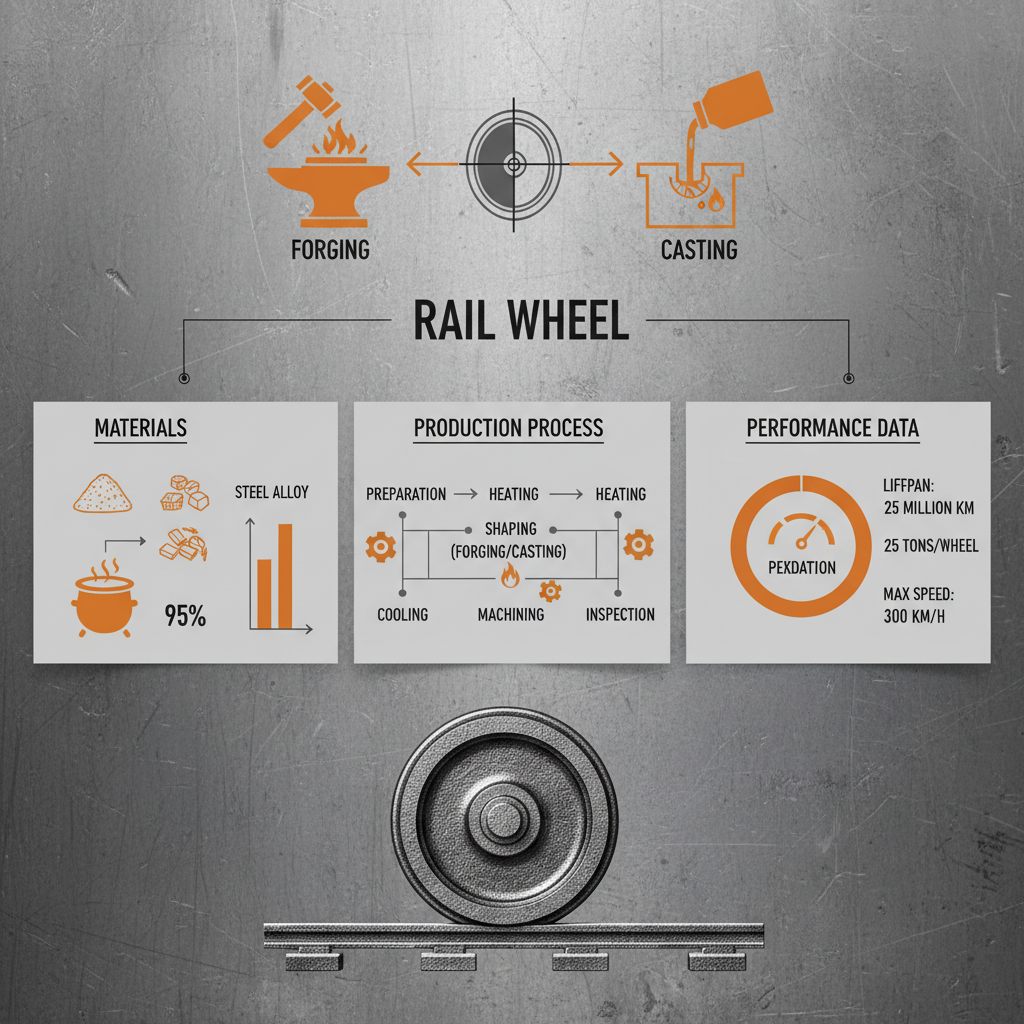
The performance and longevity of rails wheels are inextricably linked to the materials used in their construction. Traditionally, high-strength steel alloys have been the material of choice, offering a balance of durability, wear resistance, and cost-effectiveness. However, advancements in material science are leading to the exploration of alternative materials, such as specialized cast irons and composite materials.
The selection of materials must consider the specific operating environment and load conditions. Wheels used in high-speed rail applications, for example, require materials with exceptional fatigue resistance and thermal stability. Similarly, wheels operating in corrosive environments must be made from materials with enhanced corrosion resistance.
Ongoing research focuses on developing materials that can reduce weight, improve energy efficiency, and enhance overall performance. For instance, incorporating elements like chromium and molybdenum into steel alloys can significantly improve their strength and wear resistance, contributing to extended service life and reduced maintenance requirements.
Defining Rails Wheels: A Technical Overview
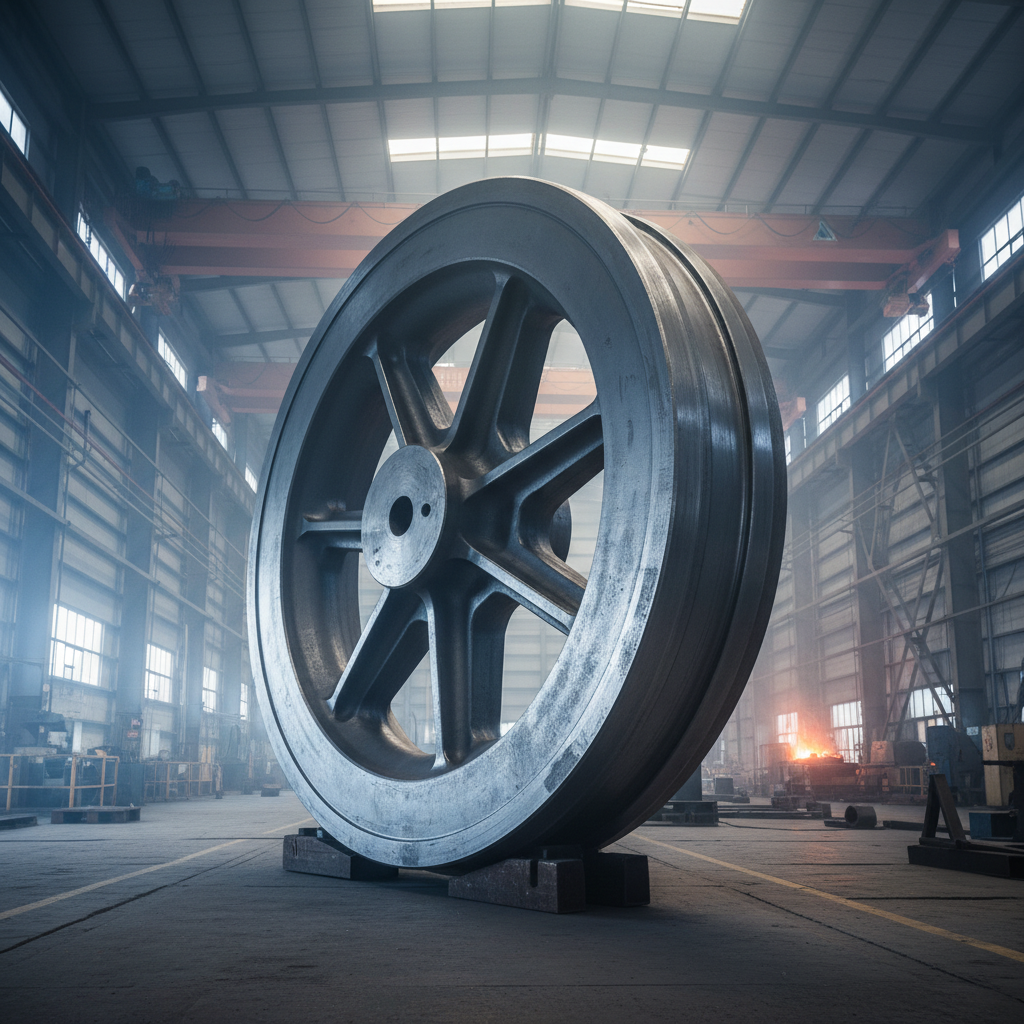
Rails wheels, fundamentally, are steel wheels designed to guide and support rail vehicles. They are characterized by a circular tread which runs on the rails, and a flange to prevent the vehicle from derailing. The precise geometry of these features – tread profile, flange angle, and wheel diameter – directly impacts ride quality, noise levels, and overall system performance. rails wheels are engineered to withstand immense pressures and stresses.
Beyond the core wheel structure, critical components include the axle – the central shaft to which the wheels are attached – and the bearings, which facilitate smooth rotation. Bearing type (roller, ball, or tapered) significantly influences load capacity, speed capability, and maintenance intervals. The integration of these components creates a functional unit designed for reliability and safety.
Standards organizations like ASTM International and EN (European Norms) dictate stringent requirements for the materials, dimensions, and performance characteristics of rails wheels, ensuring interchangeability and compatibility across different rail systems. Adherence to these standards is crucial for maintaining operational integrity and minimizing the risk of accidents.
Key Performance Indicators for Rails Wheels
Assessing the performance of rails wheels requires a multifaceted approach, focusing on several key indicators. These metrics provide insights into wheel health, predict potential failures, and optimize maintenance schedules. Regular monitoring of these KPIs is essential for ensuring safe and efficient rail operations.
One of the most crucial indicators is wheel wear, measured as the reduction in wheel diameter over time. Excessive wear can compromise braking performance and increase the risk of derailment. Other important KPIs include flange wear, tread surface condition, and bearing health.
Rails Wheels Performance Metrics
Global Applications of Rails Wheels Across Industries
The versatility of rails wheels extends across a diverse range of industrial applications. From heavy-haul freight transport and passenger rail systems to specialized equipment in mining and manufacturing, these components are integral to efficient material handling and transportation. rails wheels enable the movement of goods and people on a massive scale.
In the mining sector, rails wheels are crucial for operating mine carts and specialized rail-guided machinery, facilitating the extraction and transportation of raw materials. Similarly, in steel mills and manufacturing plants, rails wheels power overhead cranes and transfer cars, streamlining production processes.
The Long-Term Value and Advantages of Quality Rails Wheels
Investing in high-quality rails wheels delivers substantial long-term value. While the initial cost may be higher than that of lower-grade alternatives, the benefits in terms of reduced maintenance, extended service life, and enhanced safety far outweigh the upfront investment.
Quality rails wheels minimize the risk of unexpected failures, reducing costly downtime and disruptions to operations. They also contribute to improved energy efficiency by reducing rolling resistance, lowering fuel consumption, and decreasing carbon emissions. Ultimately, they translate to a more reliable, sustainable, and profitable operation.
The enhanced safety profile associated with premium rails wheels is perhaps the most significant advantage. Reduced risk of derailment and improved braking performance protect personnel, cargo, and infrastructure, fostering a culture of safety and responsibility.
Emerging Trends and Challenges in Rails Wheel Technology
The field of rails wheel technology is continually evolving, driven by the need for improved performance, sustainability, and cost-effectiveness. Emerging trends include the development of lightweight materials, such as aluminum alloys and carbon fiber composites, to reduce weight and energy consumption.
Another key area of innovation is the integration of sensor technology and data analytics to enable predictive maintenance. By monitoring wheel condition in real-time, potential failures can be detected and addressed proactively, minimizing downtime and optimizing maintenance schedules.
However, challenges remain. Ensuring the long-term durability and reliability of lightweight materials, developing cost-effective manufacturing processes, and addressing the complexities of integrating sensor technology are all ongoing hurdles that require continued research and development.
Summary of Key Challenges and Solutions for Rails Wheels
| Challenge |
Impact on Rails Wheels |
Potential Solution |
Implementation Cost (1-10) |
| Material Wear and Fatigue |
Reduced wheel life, increased maintenance. |
Advanced alloy development, surface treatments. |
7 |
| Corrosion in Harsh Environments |
Weakening of wheel structure, potential failure. |
Protective coatings, corrosion-resistant alloys. |
6 |
| High Operating Temperatures |
Decreased material strength, increased wear. |
Improved heat dissipation design, thermal-resistant materials. |
8 |
| Demand for Lighter Weight Wheels |
Difficulty balancing strength and weight reduction. |
Composite materials, optimized alloy designs. |
9 |
| Predictive Maintenance Needs |
Lack of real-time data on wheel condition. |
Integrated sensor technology, data analytics platforms. |
5 |
| Cost Optimization |
Balancing performance with budgetary constraints. |
Value engineering, streamlined manufacturing processes. |
4 |
FAQS
The lifespan of rails wheels varies greatly depending on operating conditions, load, speed, and maintenance practices. However, well-maintained, high-quality rails wheels can typically last between 5 to 15 years, or even longer in less demanding applications. Regular inspections and proactive maintenance are critical for maximizing service life.
Rails wheels should be inspected regularly, ideally at least every six months, or more frequently in high-demand applications. Inspections should include visual checks for cracks, wear, and corrosion, as well as measurements of wheel diameter and flange thickness. Implementing a scheduled inspection program is essential for early detection of potential problems.
Several factors should be considered, including load capacity, operating speed, track gauge, environmental conditions, and the type of rail system. It’s crucial to select wheels that are specifically designed for the intended application to ensure optimal performance and safety. Consult with a qualified engineer or rails wheel specialist to determine the most appropriate specifications.
Regular maintenance includes lubrication of bearings, inspection and replacement of worn components, and re-profiling of wheel treads. Periodic wheelset turning may be necessary to restore proper wheel profile and ensure smooth operation. Proper lubrication is critical for minimizing friction and extending bearing life.
Yes, rails wheels are subject to stringent safety standards and certifications, such as those established by ASTM International, EN, and national railway authorities. These standards cover material specifications, manufacturing processes, and performance requirements. Ensure that any rails wheels purchased meet applicable industry standards.
Composite rails wheels offer potential benefits such as reduced weight and improved corrosion resistance. However, they often come at a higher initial cost than steel wheels. While the long-term cost-effectiveness of composite wheels is improving, steel remains the dominant material due to its proven reliability and lower price point. The application dictates the best choice.
Conclusion
In conclusion, rails wheels are fundamental components of countless industrial and transportation systems. Their reliable performance is critical for safety, efficiency, and economic viability. From material science and manufacturing processes to predictive maintenance and emerging technologies, ongoing innovation continues to enhance the capabilities and longevity of these essential components.
Looking ahead, the future of rails wheel technology will be shaped by the demand for lighter weight materials, improved data analytics, and more sustainable solutions. By embracing these advancements and prioritizing quality, safety, and proactive maintenance, we can ensure that rails wheels continue to play a vital role in powering global industries and connecting communities for generations to come. For exceptional rails wheels solutions, visit our website: www.manufacturing-base.com.