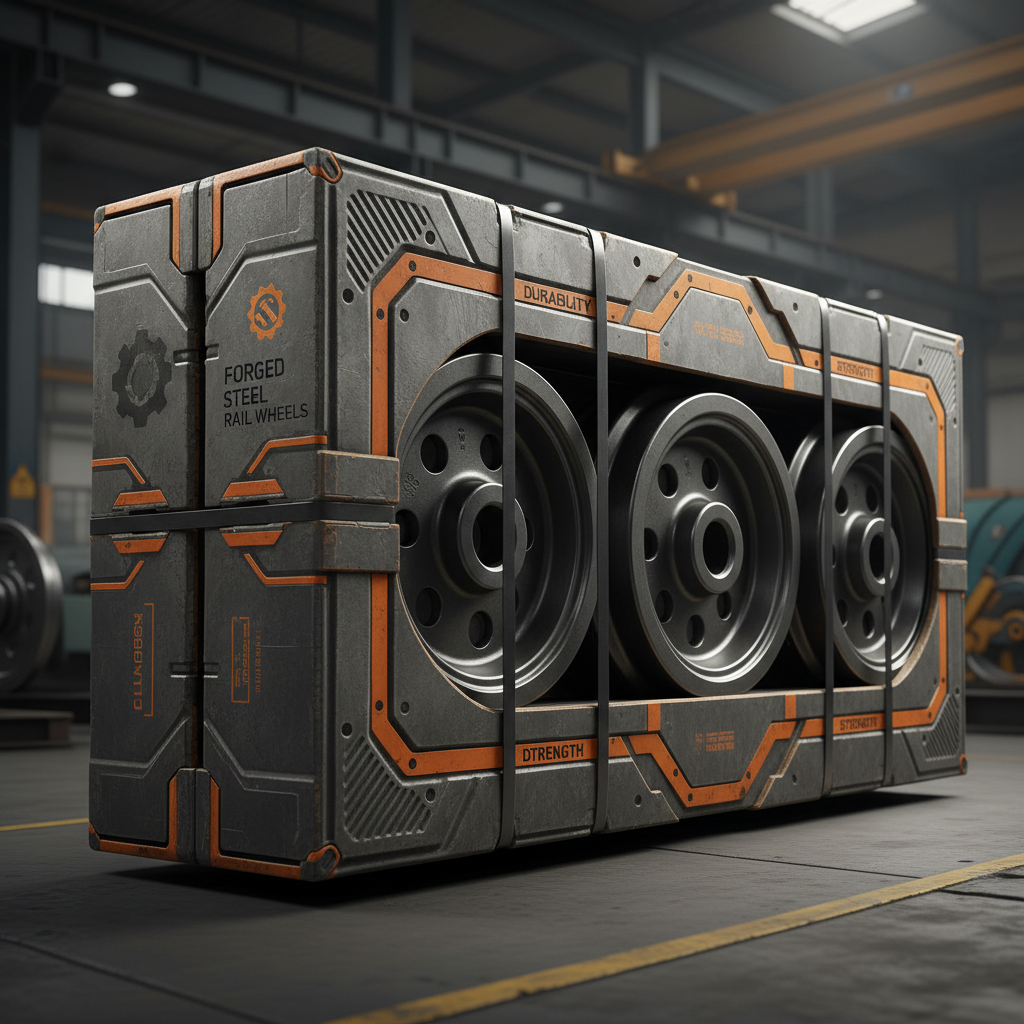
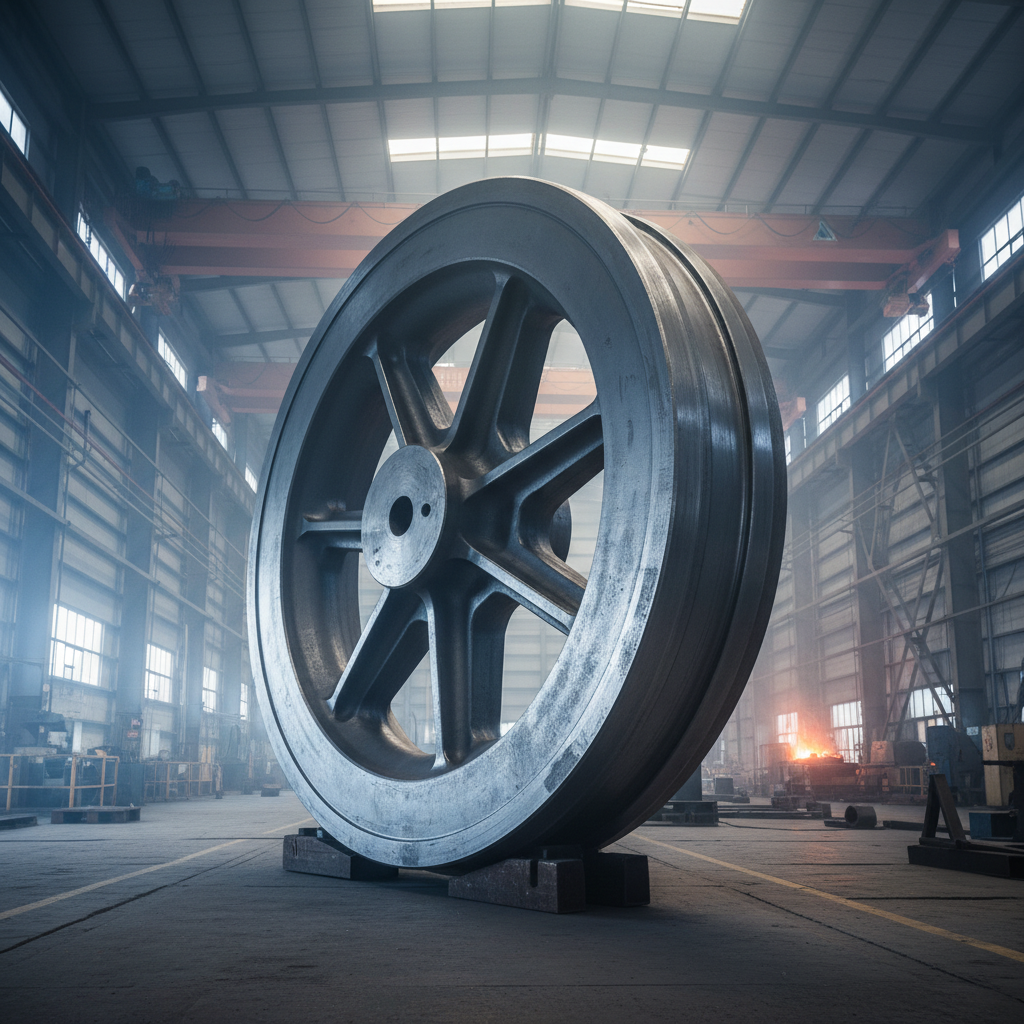
The backbone of any freight operation, the rail car wheel doesn't grab headlines, but it's the silent workhorse that keeps goods moving across continents. It’s a deceptively complex piece of engineering, constantly battling immense stress, varying track conditions, and extreme temperatures. After years spent on rail yards, watching these things in action – and occasionally troubleshooting a hotbox or two – you quickly appreciate the sheer durability required. We're talking about components designed to withstand millions of pounds of force, day in and day out, and the consequences of failure aren't just delays, they can be catastrophic. This makes understanding their design, materials, and maintenance absolutely critical to a functioning global supply chain.
Beyond the logistical implications, improvements in rail car wheel technology directly impact the cost of transport. Even small gains in efficiency, reduced wear and tear, and longer service life translate into significant savings for rail operators, and ultimately, lower prices for consumers. I've seen firsthand how a seemingly minor change in wheel profile can dramatically reduce track wear and fuel consumption. It’s a constant balancing act – maximizing performance, minimizing lifecycle costs, and ensuring the highest level of safety.
The industry is also facing growing pressure to become more sustainable. The materials used in wheel construction, the manufacturing processes, and even the end-of-life recycling are all under scrutiny. Finding ways to reduce the carbon footprint of rail transport is no longer a "nice to have" – it’s a business imperative, and the rail car wheel is a crucial part of that equation.
The Critical Role of the Rail Car Wheel
A rail car wheel isn't just a circle of steel; it's a meticulously engineered component that dictates the smooth and safe movement of freight and passengers. After decades walking rail yards, you quickly learn that everything hinges on these wheels. They are the sole point of contact between the train and the track, bearing the entire weight of the cars and their contents. The quality and performance of a rail car wheel directly impacts everything from fuel efficiency to track maintenance costs.
It’s about more than just the wheel itself. It’s about the entire wheelset – the wheels, axles, bearings, and suspension system. A properly maintained wheelset minimizes friction, reduces wear, and ensures optimal load distribution. This is especially crucial in modern freight operations, where trains are longer and heavier than ever before. A failure in any one of these components can have devastating consequences.
Understanding the Composition and Design
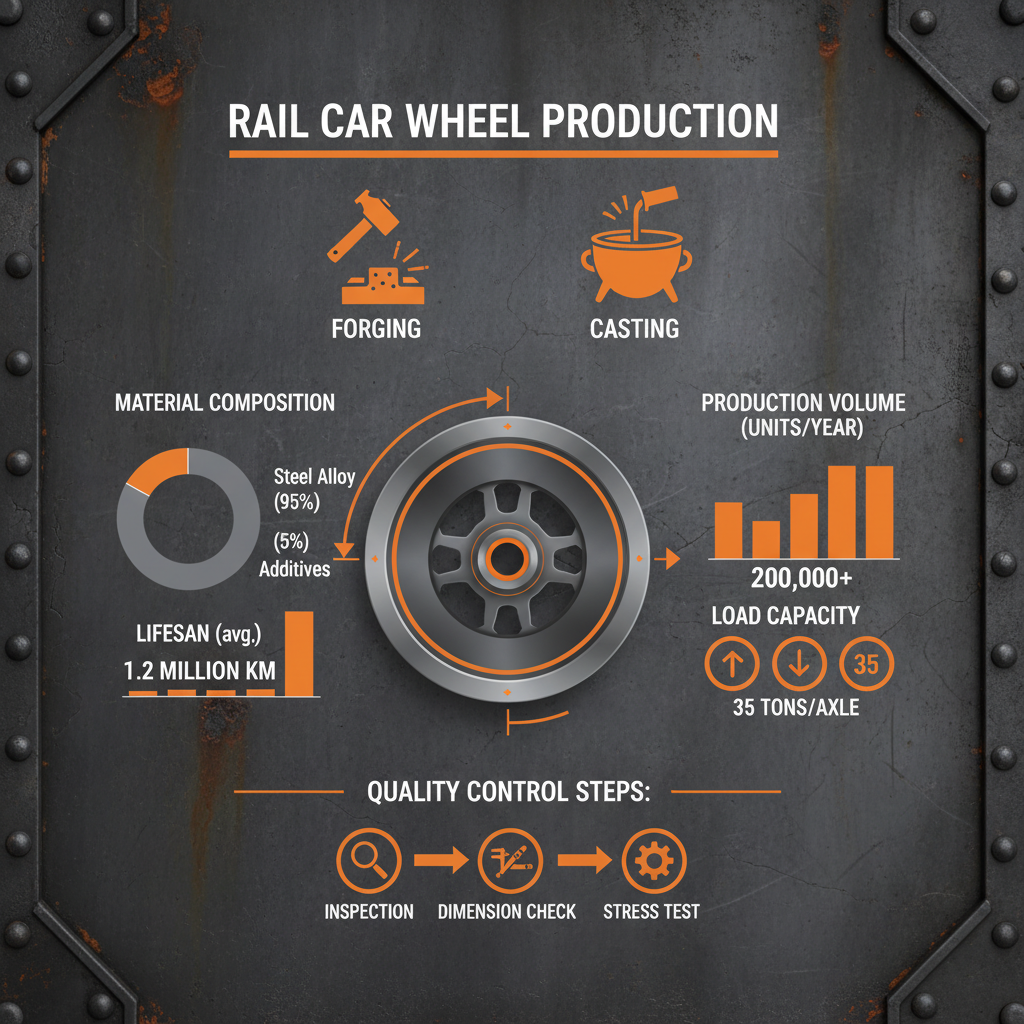
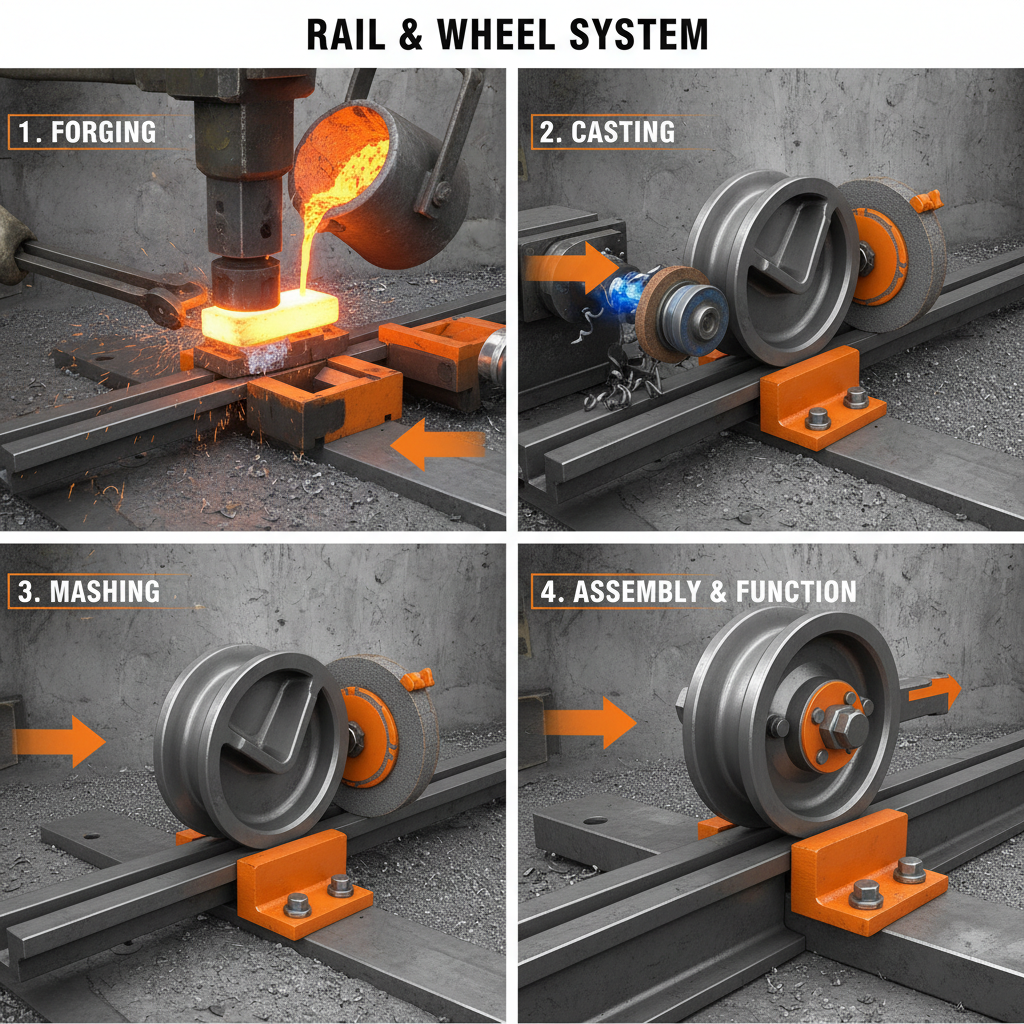
Typically, rail car wheels are forged or cast from high-grade steel alloys, specifically designed to withstand the immense stresses of rail operation. The exact composition varies depending on the intended application – freight, passenger, or high-speed rail – but the goal is always the same: maximum strength, durability, and resistance to wear and fatigue. I’ve inspected countless wheels, and the quality of the steel is always the first thing I check.
The design itself is equally critical. Modern rail car wheels incorporate a conical tread profile, which helps to guide the train along the tracks and minimize flange wear. The flange, the lip on the inner side of the wheel, is the primary steering mechanism, and its shape and angle are carefully calculated to ensure smooth and stable operation. We’re seeing more and more sophisticated profiles designed for specific track geometries.
Beyond the material and profile, the manufacturing process is crucial. Precise machining and heat treatment are essential to ensure the wheel is perfectly round, balanced, and free of defects. Any imperfections can lead to premature wear, increased vibration, and ultimately, a higher risk of failure. That’s why rigorous quality control procedures are paramount throughout the entire manufacturing process.
Key Factors: Durability, Load Capacity, and Precision
Durability is paramount. These wheels are expected to last for years, often exceeding a million miles, under incredibly demanding conditions. This requires not only a robust material but also a design that minimizes stress concentration and resists crack propagation. I’ve seen wheels that have lasted decades with proper maintenance, and others that have failed after just a few years due to poor quality or improper operation.
Load capacity is equally critical. Rail car wheels must be able to support the weight of the car, its contents, and the dynamic forces generated during acceleration, braking, and cornering. Different wheel sizes and designs are used for different types of rail cars, depending on their intended load capacity. Oversized loads require specialized wheelsets designed to handle the extra weight.
Precision is often overlooked, but it’s essential for smooth and efficient operation. Wheels must be perfectly round and balanced to minimize vibration and wear. Any imperfections can lead to uneven load distribution, increased track wear, and a higher risk of derailment. We rely heavily on non-destructive testing methods, like ultrasonic inspection, to identify any hidden defects.
Global Applications Across Rail Networks
Rail car wheels are utilized in every corner of the globe, serving diverse transportation needs. From the high-speed rail networks of Europe and Japan to the heavy freight corridors of North America and Australia, these components are essential for moving people and goods efficiently and reliably. I've worked on projects in multiple countries and the fundamentals remain consistent.
In North America, the focus is primarily on hauling bulk commodities like coal, grain, and chemicals. Here, durability and load capacity are the top priorities. In Europe, where passenger rail is more prevalent, the emphasis shifts to ride quality, noise reduction, and braking performance. And in developing countries, where rail infrastructure is often less developed, the focus is on affordability and ease of maintenance.
Performance Comparison of Rail Car Wheel Materials
Advantages: Efficiency, Safety, and Cost Savings
Investing in high-quality rail car wheels yields significant benefits. Reduced rolling resistance translates to lower fuel consumption, which is a major cost saving for rail operators. Longer service life means fewer wheel replacements, minimizing downtime and maintenance expenses. And improved safety reduces the risk of derailments and accidents, protecting lives and preventing costly damage.
From a logistical standpoint, reliable wheels ensure on-time delivery of goods, which is critical for maintaining supply chain efficiency. A delay caused by a wheel failure can ripple through the entire network, disrupting schedules and impacting businesses across multiple industries. That’s why proactive maintenance and timely replacement of worn or damaged wheels are so important.
Future Trends and Innovations in Wheel Technology
We’re seeing a growing trend toward the use of advanced materials, such as composite steels and alloys, to improve wheel performance and reduce weight. Lighter wheels translate to lower fuel consumption and reduced track wear. Digital technologies, like sensor-embedded wheels, are also gaining traction, providing real-time data on wheel condition and enabling predictive maintenance.
Another exciting development is the use of additive manufacturing, or 3D printing, to create complex wheel designs with optimized geometries. This allows for greater customization and the ability to tailor wheels to specific track conditions and operating requirements. I suspect we'll see wider adoption of these techniques in the coming years.
Sustainability is also driving innovation. Rail operators are actively seeking ways to reduce the environmental impact of their operations, and this includes using more sustainable materials and manufacturing processes for rail car wheels. Recycling and reuse of wheel materials are becoming increasingly important.
Challenges and Solutions in Rail Car Wheel Maintenance
One of the biggest challenges is detecting defects before they lead to a catastrophic failure. Traditional inspection methods, like visual inspection and ultrasonic testing, are effective but can be time-consuming and labor-intensive. We're exploring the use of automated inspection systems, utilizing machine vision and artificial intelligence, to improve the speed and accuracy of defect detection.
Another challenge is managing the increasing complexity of wheel designs and materials. New alloys and composites require specialized knowledge and equipment for proper maintenance and repair. Training and education are crucial to ensure that maintenance personnel have the skills and expertise needed to work with these advanced materials.
Finally, proactive maintenance is key. Regularly scheduled inspections, lubrication, and wheel reprofiling can significantly extend wheel life and prevent costly failures. The goal is to move from a reactive maintenance approach – fixing things when they break – to a predictive maintenance approach – identifying and addressing potential problems before they occur.
Summary of Common Rail Car Wheel Maintenance Issues & Solutions
| Issue Category |
Severity Level |
Detection Method |
Recommended Solution |
| Flange Wear |
Medium |
Visual Inspection |
Wheel Reprofiling |
| Shelling/Spalling |
High |
Ultrasonic Testing |
Wheel Replacement |
| Bearing Failure |
Critical |
Acoustic Emission Monitoring |
Bearing Replacement & Axle Inspection |
| Wheel Flat Spots |
Medium |
Visual Inspection & Vibration Analysis |
Wheel Reprofiling or Replacement |
| Axle Corrosion |
Medium |
Visual Inspection & Eddy Current Testing |
Surface Treatment & Corrosion Protection |
| Wheelset Imbalance |
Low |
Dynamic Wheel Balancing |
Wheel Balancing & Adjustment |
FAQS
The lifespan of a rail car wheel in freight service is highly variable, depending on factors like load, track conditions, maintenance practices, and the wheel material itself. However, a typical range is between 3 to 7 years, or roughly 750,000 to 1.5 million miles. Regular inspections are crucial to monitor wear and tear and identify potential issues before they lead to failure. We've seen wheels last longer with meticulous maintenance, but it's never a guarantee.
Wheel material plays a significant role in derailment risk. Wheels made from higher-quality steel alloys are more resistant to cracking, shelling, and other defects that can lead to failure. Proper heat treatment is also critical to ensure the wheel has the necessary strength and toughness. Using inferior materials or neglecting heat treatment can dramatically increase the risk of derailment, especially under heavy loads or in extreme temperatures.
Several signs indicate a rail car wheel needs replacing. These include noticeable shell damage, significant flat spots, excessive wear on the flange, cracks, and any evidence of corrosion. Abnormal vibrations or noises during operation can also be a warning sign. Regular inspections using ultrasonic testing and visual examination are vital for identifying these issues early on.
The frequency of rail car wheel inspections depends on the operating environment and the type of service. However, a general guideline is to conduct visual inspections every 30-60 days, and more detailed inspections, including ultrasonic testing, at least annually. Wheels operating in harsh conditions or carrying heavy loads should be inspected more frequently. It’s crucial to adhere to all relevant regulatory requirements and industry best practices.
Wheel reprofiling is the process of reshaping a worn wheel flange to its original profile. It’s necessary when the flange has become worn or damaged, causing issues like increased track wear, reduced stability, and noise. Reprofiling can extend the life of a wheel and avoid the need for replacement, but it should only be performed by qualified personnel using specialized equipment. It's an effective preventative measure.
Research is ongoing into eco-friendly alternatives to traditional steel rail car wheels. Composite materials are being explored, offering potential weight savings and reduced environmental impact. However, these materials are still relatively expensive and require further development to meet the demanding performance requirements of rail applications. Recycling of existing steel wheels is also a crucial aspect of sustainability.
Conclusion
The rail car wheel is a deceptively complex component that plays a critical role in the global transportation system. From its robust materials and intricate design to the importance of proactive maintenance, understanding the nuances of this essential part is crucial for ensuring safe, efficient, and sustainable rail operations. Investing in high-quality wheels, employing advanced inspection techniques, and embracing innovative technologies are all key to maximizing performance and minimizing lifecycle costs.
Looking ahead, the future of rail car wheel technology will be driven by a focus on sustainability, digitalization, and predictive maintenance. By embracing these trends, rail operators can optimize their operations, reduce their environmental impact, and enhance the safety and reliability of their networks. For more information and to explore our range of rail car wheel solutions, visit our website: manufacturing-base.com