Crane rail wheels are fundamental components in a vast array of industrial lifting and material handling systems globally. These seemingly simple components play a crucial role in ensuring the safe, efficient, and reliable operation of cranes used in manufacturing, construction, shipping, and many other sectors. Understanding their design, materials, and maintenance is paramount for optimizing performance and preventing costly downtime.
The global demand for crane rail wheels is directly linked to economic growth and infrastructure development. As economies expand, so does the need for efficient logistics and heavy lifting capabilities. The United Nations reports a continuous increase in global trade volume, driving demand for port infrastructure and, consequently, the crane systems that rely on these wheels. Furthermore, initiatives like the Belt and Road Initiative are fueling infrastructure projects and amplifying this demand.
The importance of robust and dependable crane rail wheels extends beyond economic benefits; it directly contributes to workplace safety. Failures in these components can lead to catastrophic accidents, resulting in injuries and significant financial losses. Therefore, the understanding and proper implementation of technologies related to crane rail wheels are vital for maintaining a safe and productive work environment across multiple industries.
Introduction to Crane Rail Wheels
Crane rail wheels are specialized wheels designed to interface with crane rails, allowing cranes to move along a predefined path. They are engineered to withstand immense loads and continuous use, making them critical for efficient and safe material handling. The selection of appropriate crane rail wheels is contingent upon several factors including the crane's capacity, operating speed, and the type of rail system employed.
The design and manufacturing of these wheels involve precision engineering and high-quality materials, typically hardened steel alloys, to resist wear, deformation, and fatigue. Proper wheel profile maintenance and regular inspection are vital to ensure consistent performance and prevent derailment. Innovations in materials science are continuously improving the durability and load-bearing capabilities of crane rail wheels, extending their lifespan and reducing maintenance requirements.
Defining Crane Rail Wheels
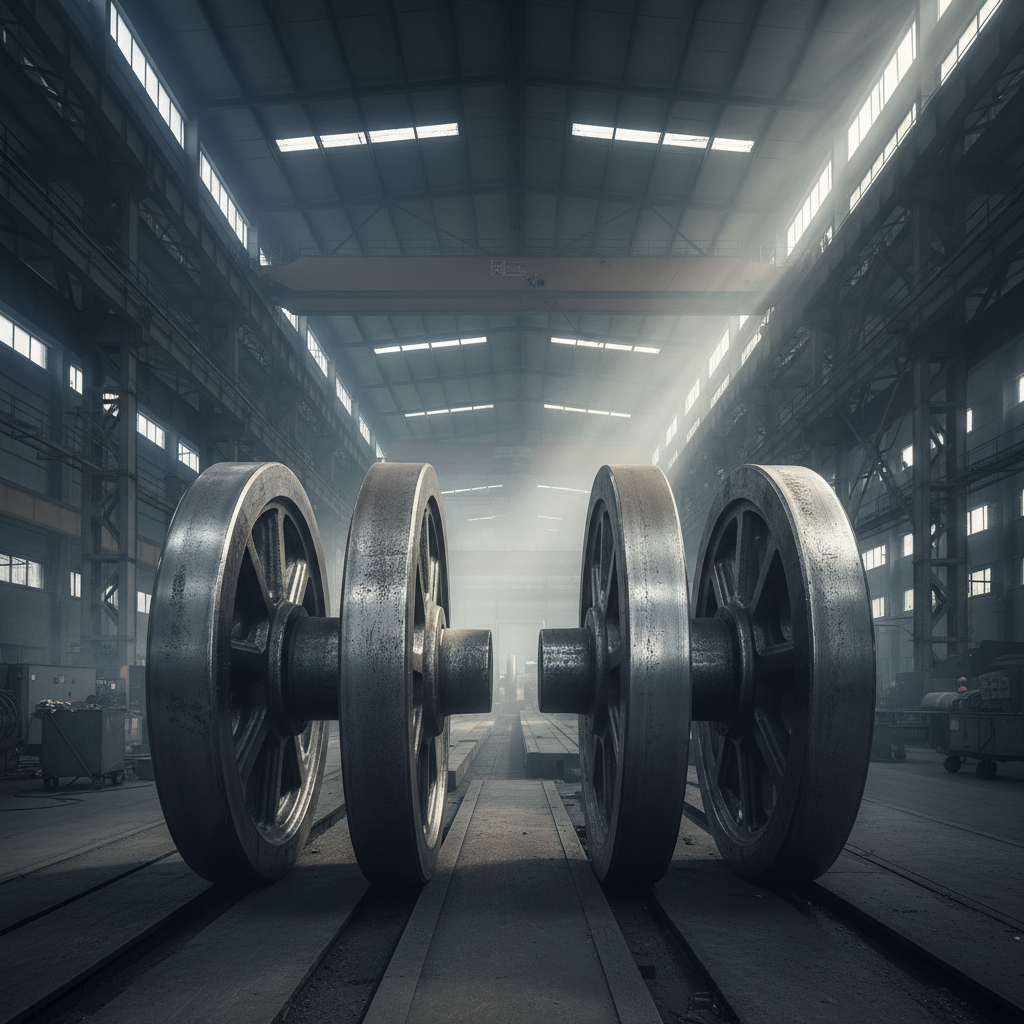
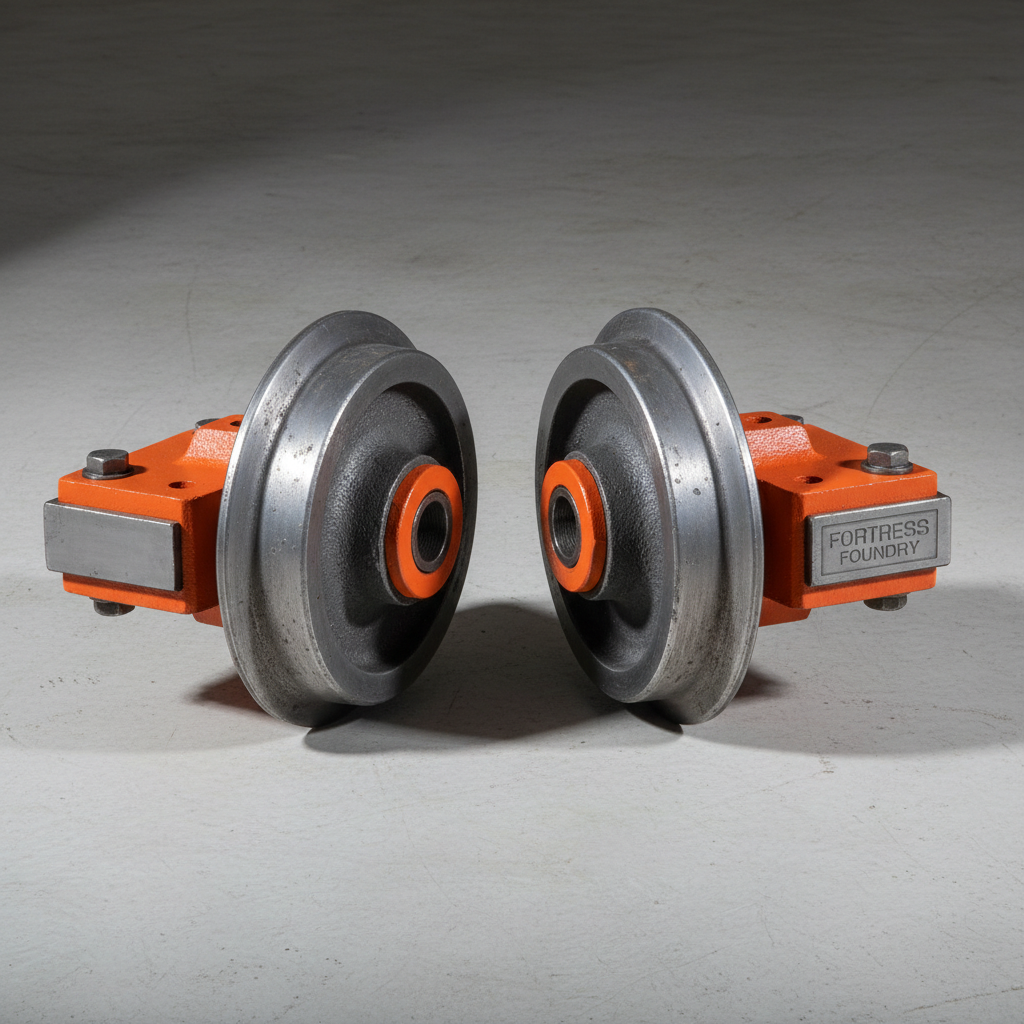
At its core, a crane rail wheel is a load-bearing component facilitating the linear movement of a crane along a rail track. Unlike standard vehicle wheels, crane rail wheels are flanged – possessing a raised edge that keeps the wheel contained within the rail profile. This flange is crucial for preventing lateral movement and maintaining stability, especially when handling heavy loads. The design allows for the transfer of significant vertical and horizontal forces to the rail, requiring robust construction and meticulous manufacturing.
The connection between crane rail wheels and modern industry is undeniable. They are integral to logistics operations in ports, warehouses, and manufacturing facilities. The efficiency of these facilities often depends directly on the reliable performance of their crane systems, and therefore, their crane rail wheels. Without these components, the movement of raw materials, finished goods, and heavy equipment would be significantly hampered.
Furthermore, in humanitarian contexts, crane rail wheels are essential for rapid deployment of infrastructure and aid distribution. Heavy lifting capabilities provided by crane systems equipped with these wheels are critical in disaster relief efforts, enabling the quick movement of essential supplies and the clearing of debris. This highlights their broader connection to societal needs beyond purely industrial applications.
Core Components and Factors
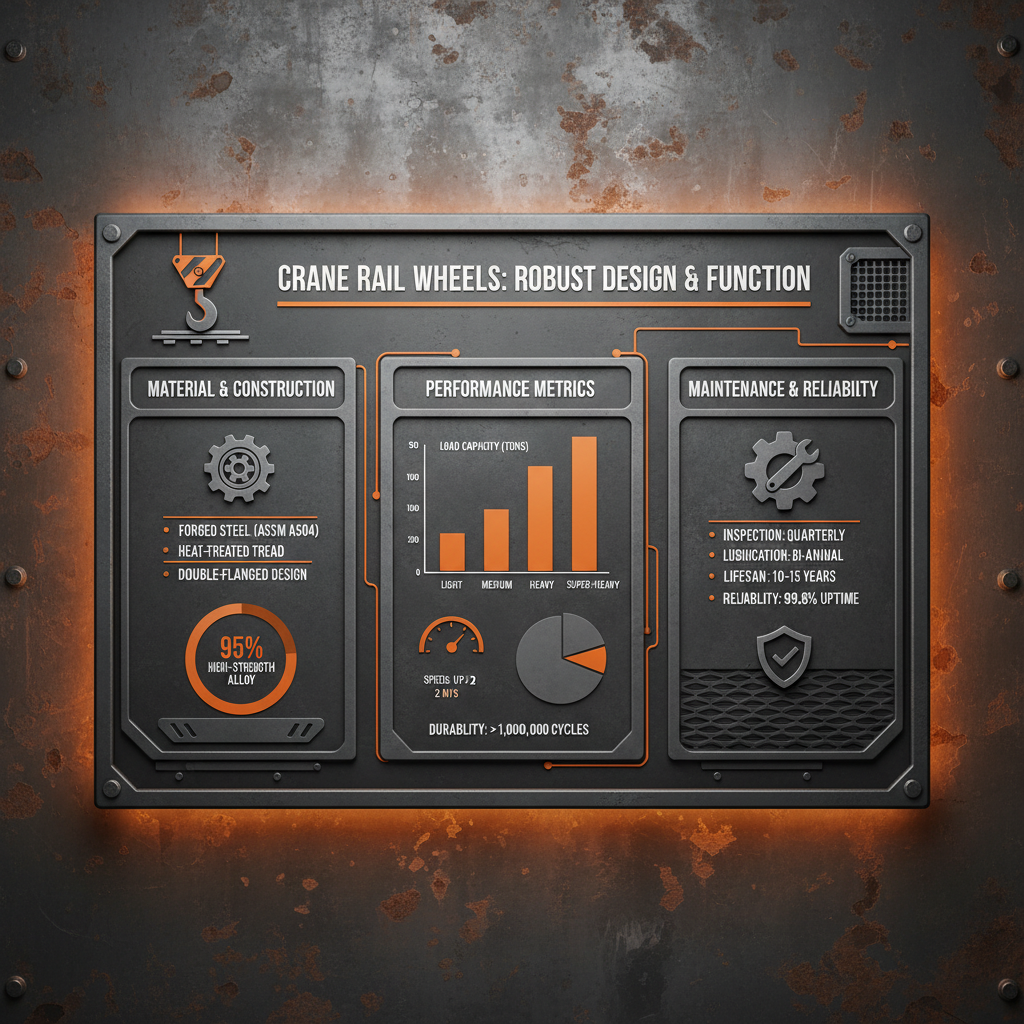
Several core aspects define the performance and longevity of crane rail wheels. Material Composition is paramount, with high-strength steel alloys selected for their wear resistance, toughness, and ability to withstand cyclic loading. Wheel Profile - the shape of the wheel and flange - is meticulously engineered to ensure smooth rolling and minimize stress concentration. Hardness and Heat Treatment are critical processes that enhance the wheel’s resistance to deformation and fatigue.
Load Capacity dictates the maximum weight a wheel can safely support, directly impacting crane system capability. Flange Height and Angle influence stability and guidance within the rail, preventing derailment. Bearing Integration – the quality of the bearings within the wheel assembly – determines rolling efficiency and minimizes friction. These factors all interact to influence the overall reliability and performance.
These aspects aren't isolated; they're interconnected. Selecting an inappropriate material, for instance, can compromise hardness and subsequently reduce load capacity. Optimizing these core components requires a holistic approach, considering the specific operating environment and demands of the crane system. Proper understanding of these elements is fundamental for engineers designing, maintaining, and operating crane systems.
Performance and Durability
The performance of crane rail wheels is directly linked to their ability to withstand extreme conditions and maintain consistent rolling characteristics. Factors like dynamic load, impact forces, and environmental factors (temperature, humidity, corrosion) all contribute to wear and tear. Minimizing rolling resistance is critical for energy efficiency and reducing operating costs.
Durability is assessed through rigorous testing and quality control measures. Standard tests include hardness measurements, fatigue analysis, and non-destructive examination techniques to detect internal flaws. Regular inspections and preventative maintenance programs are essential for identifying wear patterns and addressing potential issues before they escalate into failures.
Crane Rail Wheel Performance Metrics
Global Applications of Crane Rail Wheels
Crane rail wheels are utilized across diverse industries globally. In port operations, they are essential for container handling cranes, enabling the efficient loading and unloading of cargo ships. Within manufacturing facilities, they support overhead cranes used for moving heavy machinery, raw materials, and finished products. Construction sites rely on them for tower cranes and gantry cranes, lifting materials to significant heights.
Geographically, regions undergoing rapid industrialization, such as Asia-Pacific and South America, exhibit particularly strong demand for crane rail wheels. Europe and North America continue to require upgrades and replacements within established infrastructure. Even in remote industrial zones, the reliability of crane systems depends on the quality of these wheels.
Advantages and Long-Term Value
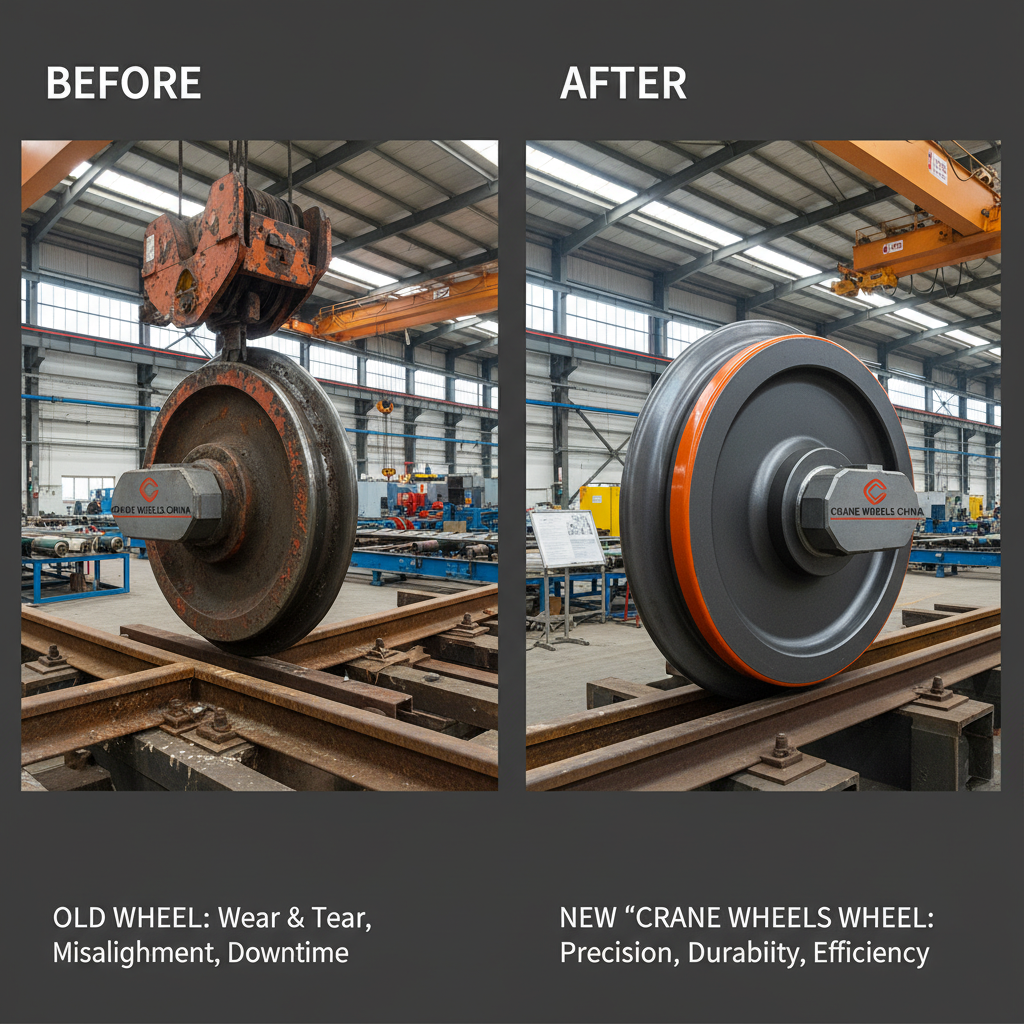
Investing in high-quality crane rail wheels yields substantial long-term benefits. Cost savings stem from reduced maintenance requirements, prolonged wheel lifespan, and minimized downtime. Enhanced safety is paramount, as reliable wheels contribute to stable crane operation, decreasing the risk of accidents and injuries. Sustainability is also a factor, as durable wheels require less frequent replacement, reducing material consumption and waste.
The long-term value extends beyond tangible benefits. Trust in a reliable crane system instills confidence in operational efficiency and productivity. Innovations in wheel design and materials contribute to a safer and more dignified working environment for crane operators and surrounding personnel. These advantages collectively establish a strong return on investment for businesses prioritizing quality and long-term reliability.
Future Trends and Innovations
The future of crane rail wheels is being shaped by advancements in materials science, digital technologies, and sustainable practices. Research into lighter yet stronger alloys is ongoing, aiming to reduce wheel weight and improve energy efficiency. The integration of sensors and data analytics allows for real-time monitoring of wheel condition, enabling predictive maintenance and preventing unexpected failures.
Automation and remote monitoring are also becoming increasingly prevalent. Smart wheels equipped with embedded sensors can transmit data on load, temperature, and wear patterns directly to a central monitoring system, enabling proactive maintenance scheduling. Sustainability initiatives are driving the development of eco-friendly materials and manufacturing processes, reducing the environmental impact of crane rail wheel production.
Furthermore, advancements in rail design and lubrication techniques are being explored to minimize friction and extend wheel lifespan. These innovations are collectively contributing to a more efficient, safe, and sustainable future for the crane industry.
FAQS
The lifespan of crane rail wheels is determined by a combination of factors including load capacity, operating environment, maintenance schedule, and wheel material. Heavy loads, corrosive environments, and inadequate lubrication can significantly reduce lifespan. Regular inspections, proper lubrication, and timely replacement of worn components are crucial for maximizing longevity. Generally, with proper care, high-quality wheels can last for several years, even under demanding conditions.
Crane rail wheels should be inspected regularly, with the frequency determined by the operating conditions and load intensity. A visual inspection should be conducted at least monthly, checking for signs of wear, cracks, or deformation. A more detailed inspection, including non-destructive testing methods, should be performed annually or more frequently if the crane is used heavily. Thorough documentation of inspection findings is essential for tracking wear patterns.
Several signs indicate the need for crane rail wheel replacement. These include visible cracks or fractures, excessive wear on the flange or tread, noticeable flat spots, or significant deviations from the original wheel profile. Unusual noises during crane operation, such as squealing or grinding, can also signal wheel deterioration. Ignoring these signs can lead to derailment and serious accidents.
Crane rail wheels are typically manufactured from high-strength steel alloys, specifically designed for wear resistance and impact toughness. Common alloys include alloy steel containing manganese, chromium, and nickel. The specific alloy chosen depends on the intended application and load requirements. Some manufacturers are also exploring the use of advanced materials like composite materials to reduce weight and improve performance.
Proper rail alignment is critical for optimal crane rail wheel performance. Misaligned rails can cause uneven wear, increased rolling resistance, and potential derailment. Regular rail alignment checks and adjustments are essential. The accuracy of the alignment directly impacts the wheel’s ability to track smoothly and distribute load evenly, affecting the safety and efficiency of the crane system.
Lubrication plays a crucial role in minimizing friction, reducing wear, and preventing corrosion on crane rail wheels and rails. Regular application of appropriate lubricants ensures smooth rolling, reduces noise, and extends the lifespan of both components. The type of lubricant used should be compatible with the wheel and rail materials and suitable for the operating environment. Automated lubrication systems are often employed to ensure consistent and reliable application.
Conclusion
Crane rail wheels are undeniably essential components underpinning modern industrial lifting and material handling operations. Their performance directly impacts safety, efficiency, and cost-effectiveness across a wide range of sectors. Understanding the core principles of their design, materials, and maintenance, as well as embracing emerging innovations, is critical for organizations seeking to optimize their crane systems and ensure long-term operational reliability.
Looking ahead, advancements in materials science, digital monitoring, and sustainable manufacturing practices will continue to drive improvements in crane rail wheel technology. Investing in high-quality components, implementing proactive maintenance programs, and staying abreast of industry trends are vital steps toward maximizing the value and longevity of these critical assets. For reliable and durable solutions, visit our website: www.manufacturing-base.com