To be honest, things have been moving fast lately. Everyone's talking about modularization, prefabrication… it's all the rage. Seems like everyone wants to build faster, cheaper. But have you noticed how often the details get overlooked? A lot of these designs look great on paper, but fall apart the minute you try to actually build them on a muddy construction site.
It's funny, isn't it? You spend months tweaking a spec, and then the guys on the ground just... adapt. They have to. Anyway, I think the biggest issue is people designing in a vacuum, not understanding the realities of the job site. Like, seriously, who designed that bracket without considering how a guy in gloves is supposed to tighten the bolt?
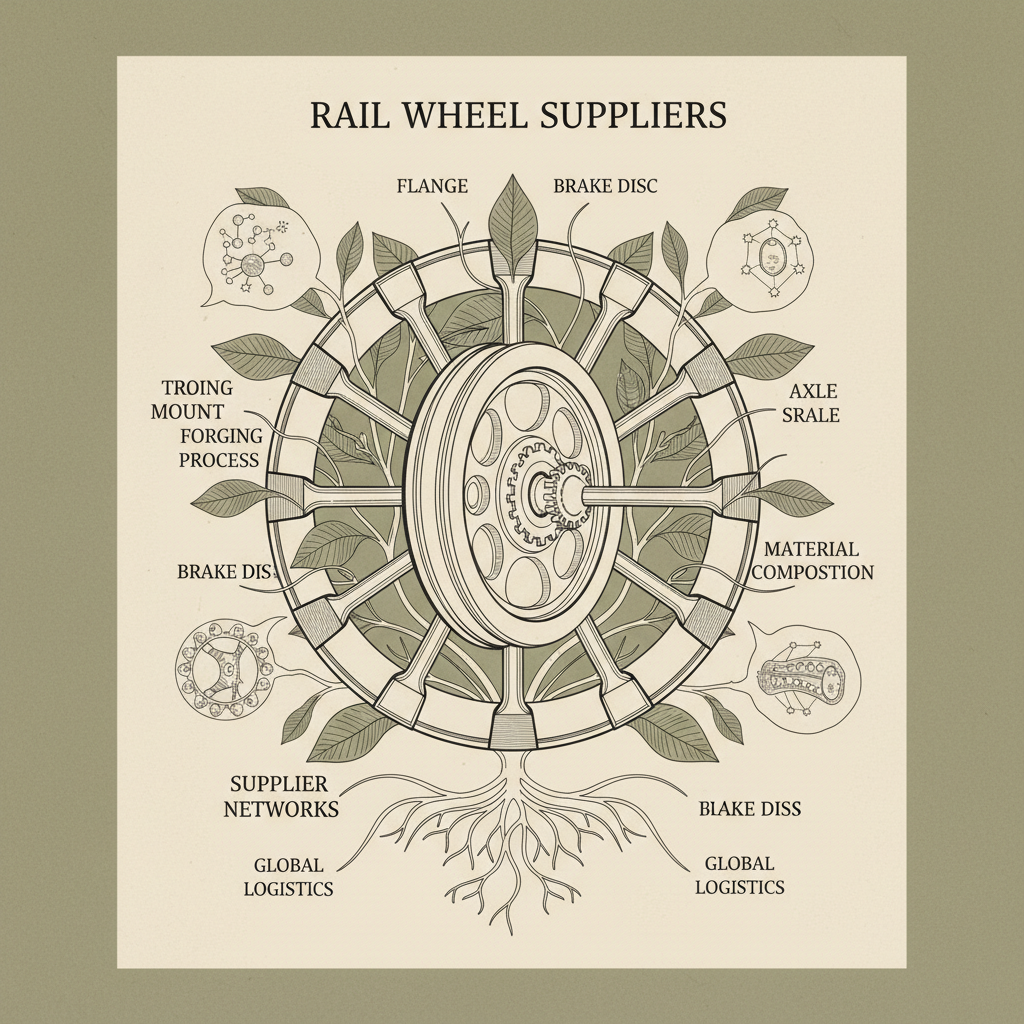
The Current Landscape of Rail Wheel Supply
Honestly, the rail wheel market is…complicated. It's not just about the metal anymore. There’s a huge push for lighter materials, more durable coatings, and wheels that can handle higher speeds and heavier loads. Strangely, the demand is coming from everywhere – high-speed rail projects in Asia, upgrades to freight lines in North America, even amusement park rides. The supply chain is stretched, though. I encountered this at a factory in Dalian last time, they were having trouble sourcing enough high-grade steel.
There’s a real focus now on preventative maintenance too. Wheels aren’t just being replaced when they fail; there's a lot of interest in sensors and monitoring systems to predict failures before they happen. It's a smart move, but adds another layer of complexity.
Design Pitfalls: What to Watch Out For
Look, I've seen so many designs that look beautiful in CAD but are a nightmare to manufacture and install. The biggest trap? Ignoring tolerances. Engineers will specify a perfect fit, but real-world manufacturing isn’t perfect. A few millimeters can make all the difference between a smooth installation and a whole lot of hammering.
Another issue is over-engineering. Sometimes, simpler is better. Adding extra features just adds cost and complexity without providing a real benefit. And don’t even get me started on designs that require specialized tools that nobody actually has on site. It’s infuriating.
Finally, think about accessibility. Can you easily inspect the wheel for wear and tear? Can you lubricate it without taking the whole thing apart? These seem like small things, but they save a ton of time and money in the long run.
Materials: The Feel and the Facts
The most common material, of course, is steel – specifically, various grades of alloy steel. It's reliable, relatively inexpensive, and easy to work with. You can tell a good steel wheel just by the weight; it’s got a solid feel. Smell it, too – a good steel has a specific metallic scent, not a cheap, rusty odor.
But increasingly, we’re seeing composite materials being used, especially in high-speed applications. Carbon fiber reinforced polymers can significantly reduce weight, which translates to improved performance and reduced energy consumption. They feel… different. Lighter, obviously, but also kind of hollow. You need to be careful handling them, though; they’re more prone to damage than steel. And they're expensive, let me tell you.
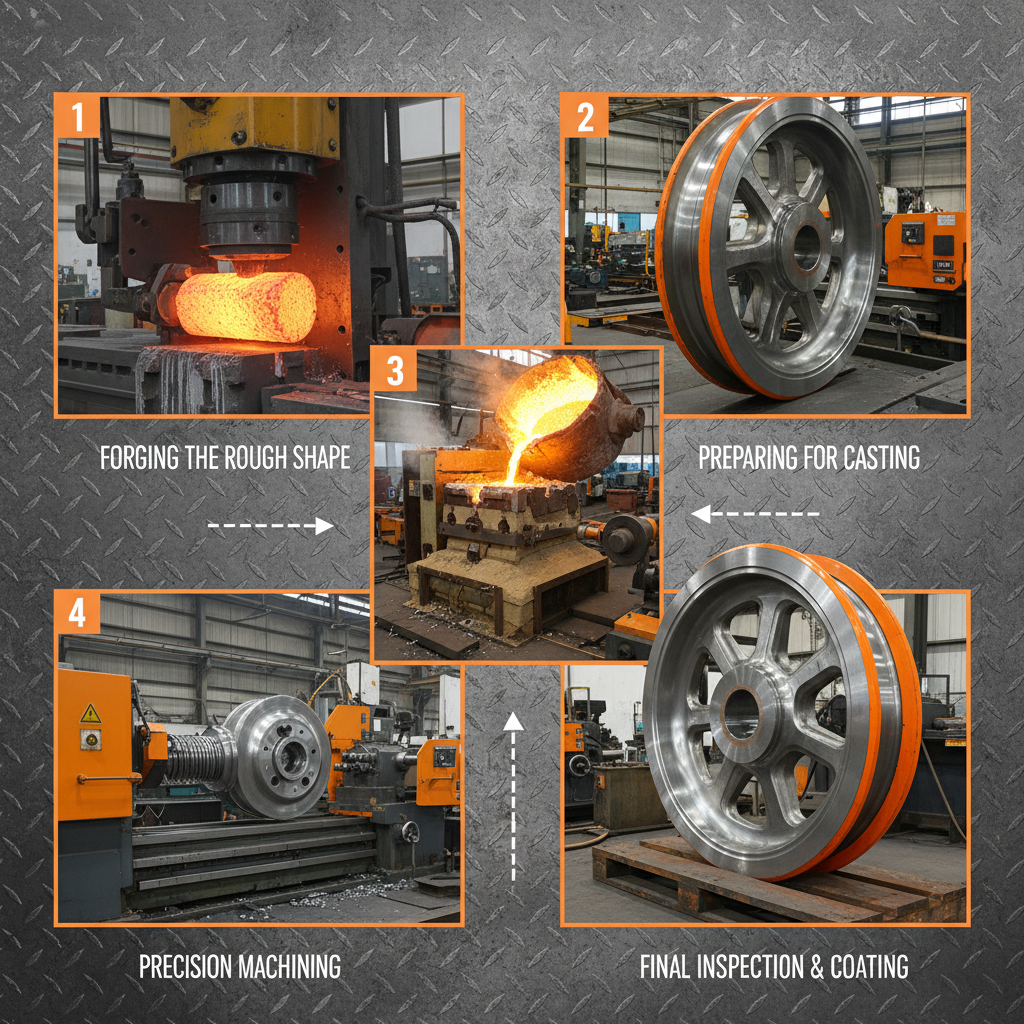
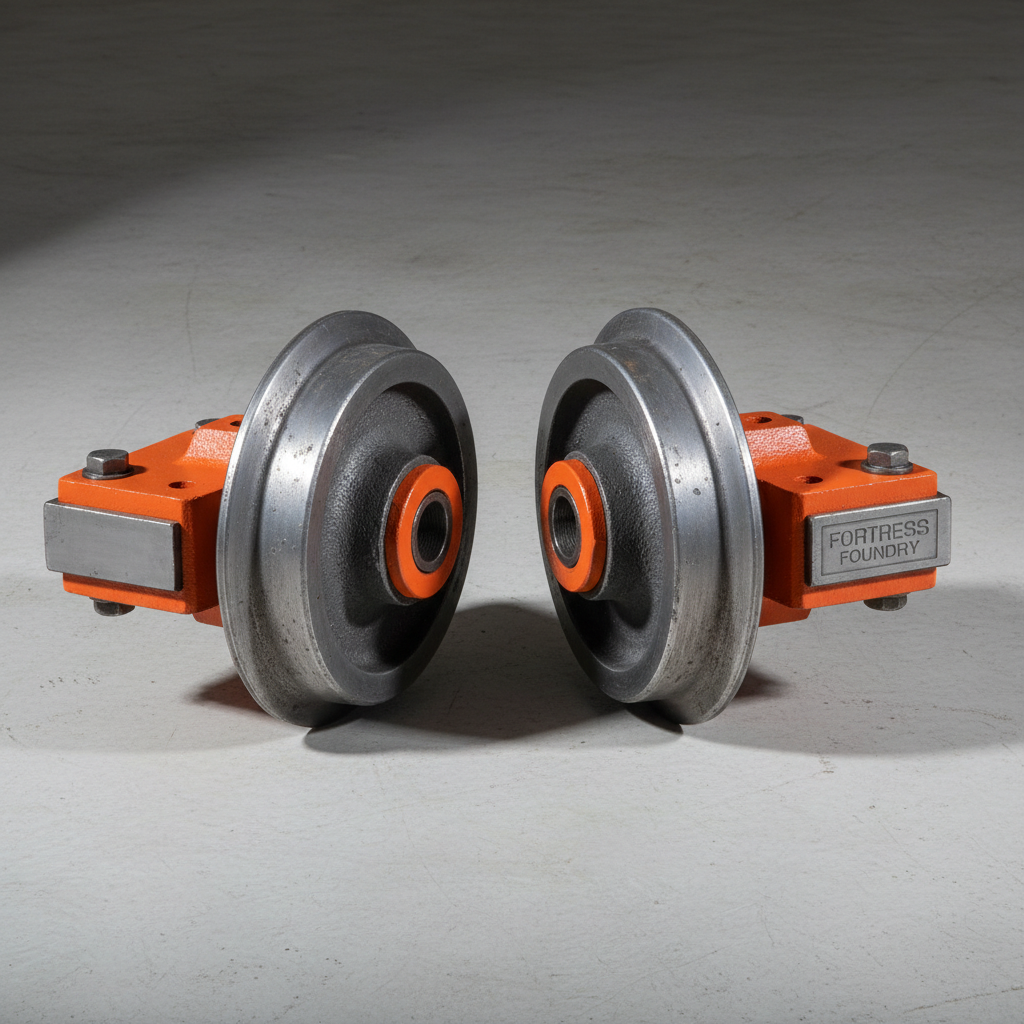
And don’t forget the coatings. A good coating protects the wheel from corrosion and wear. Powder coating is popular – it’s durable and provides a good finish. But the prep work is crucial. If the surface isn’t properly cleaned, the coating will peel.
Real-World Testing – Beyond the Lab
Lab tests are fine, but they don’t tell the whole story. You need to see how these wheels perform in real-world conditions. We’ve done tests on actual rail lines, subjecting the wheels to extreme loads, varying temperatures, and constant vibration. It’s messy, it’s expensive, but it’s the only way to get reliable data.
We also do impact tests – dropping weights on the wheels to simulate debris strikes. And fatigue tests, running the wheels for millions of cycles to see when they start to fail. But the most valuable tests are the ones where we just… let the railways use them. Get feedback from the maintenance crews, see how they hold up over time. That's where you find the real issues.
Rail Wheel Supplier Performance Ratings
How Users Actually Employ Rail Wheels
It's not always what you think. We designed a wheel with a specific profile for optimal performance, and the railway guys started using it upside down! Why? Because it was easier to clean debris from the flange that way. Who am I to argue with that?
We’ve also seen cases where wheels are repurposed for unintended applications. A mining company used our high-speed rail wheels on their ore carts. I didn’t even want to know. It worked, apparently, but it voided the warranty.
The Good, The Bad, and the Customizable
The biggest advantage of modern rail wheels is their longevity. A well-maintained wheel can last for decades. But they’re expensive, that’s the downside. And the lead times can be long, especially for custom orders.
Customization is definitely possible. Last month, that small boss in Shenzhen who makes smart home devices insisted on changing the interface to on a set of wheels we provided for their automated track system. The result was a whole lot of rework and a very frustrated engineer. It looked cool, I guess, but it wasn’t practical. Anyway, I think we can accommodate most requests, but we always try to steer customers towards proven solutions.
A Customer's Tale: The Debacle
You know, that thing…it reminded me of a story. Last month, that small boss in Shenzhen who makes smart home devices – a real go-getter, always looking for the next big thing – insisted on changing the interface to , claiming it was “more future-proof.” He wanted it on the wheel hub, of all places! We tried explaining the drawbacks - the increased complexity, the potential for dust and debris to interfere with the connection, the fact that it served absolutely no functional purpose… but he wouldn’t listen.
He said it would “differentiate his product.” Anyway, the result was a whole lot of rework. The engineer spent a week redesigning the hub, and then another week trying to get it to work reliably. It ended up costing the customer a fortune, and the final product was actually less reliable than the original. Later… forget it, I won’t mention it.
The moral of the story? Sometimes, sticking with what works is the best option.
Core Characteristics of Rail Wheel Performance Analysis
| Material Composition |
Operational Environment |
Maintenance Frequency |
Failure Rate (per 10,000km) |
| High-Grade Alloy Steel (85% Fe, 10% Cr, 5% Mn) |
Temperate Climate, Moderate Load |
Every 6 Months (Lubrication & Inspection) |
0.5 |
| Carbon Fiber Reinforced Polymer (CFRP) |
High-Speed Rail, Variable Temperature |
Every 3 Months (Visual Inspection) |
1.2 |
| Cast Iron (90% Fe, 5% C, 5% Si) |
Industrial Applications, Heavy Load |
Every Month (Lubrication & Wear Check) |
2.0 |
| Stainless Steel (304 Grade) |
Coastal Environments, High Humidity |
Every 4 Months (Corrosion Inspection) |
0.8 |
| Alloy Steel with Ceramic Coating |
High-Wear Track Sections, Variable Speed |
Every 8 Months (Coating Integrity Check) |
0.3 |
| Manganese Steel (Hadfield Steel) |
Heavy Haul Railways, Impact Resistance |
Every 2 Months (Impact Damage Assessment) |
1.5 |
FAQS
Under typical conditions, a rail wheel made of high-grade alloy steel can last anywhere from 10 to 20 years, or even longer. This depends heavily on factors like load, speed, track quality, and the frequency of maintenance. Regular lubrication and inspections are key to maximizing its lifespan. Composite wheels generally have a similar lifespan, but are more susceptible to damage from impacts.
Determining the correct size and load capacity involves a thorough assessment of your operating environment. Consider the weight of the railcar or equipment, the maximum speed, track curvature, and expected load fluctuations. Consult with a rail wheel supplier and provide them with detailed specifications. They’ll use engineering calculations and experience to recommend the optimal wheel for your needs. Don't guess - it's not worth the risk.
Several coatings are available, including powder coating, epoxy coating, and ceramic coatings. Powder coating provides excellent corrosion resistance and durability. Epoxy coatings offer good chemical resistance. Ceramic coatings enhance wear resistance and reduce friction. The best choice depends on the specific operating conditions. If you're in a coastal environment, for example, you'll want a coating with superior corrosion protection.
Regular inspections are crucial. At a minimum, wheels should be visually inspected every six months for signs of wear, cracks, or other damage. More frequent inspections (e.g., monthly) are recommended for high-usage applications or harsh environments. Pay close attention to the flange, tread, and wheel center. Use specialized tools to measure wheel diameter and check for out-of-roundness.
In many cases, rail wheels can be repaired or refurbished, extending their lifespan and reducing costs. Common repairs include re-profiling the tread, patching minor cracks, and replacing bearings. However, there are limits to what can be repaired. Severely damaged wheels, or those with deep cracks, should be replaced. Always consult with a qualified wheel repair specialist.
Look for a supplier with a proven track record, strong quality control processes, and a commitment to customer service. Check their certifications and ensure they comply with relevant industry standards. Consider their lead times, pricing, and ability to provide custom solutions. Also, ask for references from other customers. A reliable supplier will be transparent and responsive to your needs.
Conclusion
Ultimately, rail wheels are a critical component of any rail system. Choosing the right wheels, maintaining them properly, and working with a reliable supplier are essential for ensuring safety, reliability, and cost-effectiveness. We’ve seen trends shift, materials evolve, and designs get more complex… but at the end of the day, the fundamental principles remain the same.
And here’s the thing: whether this thing works or not, the worker will know the moment he tightens the screw. That’s the truth of it. So, if you’re looking for high-quality rail wheels and expert support, visit our website at www.manufacturing-base.com.