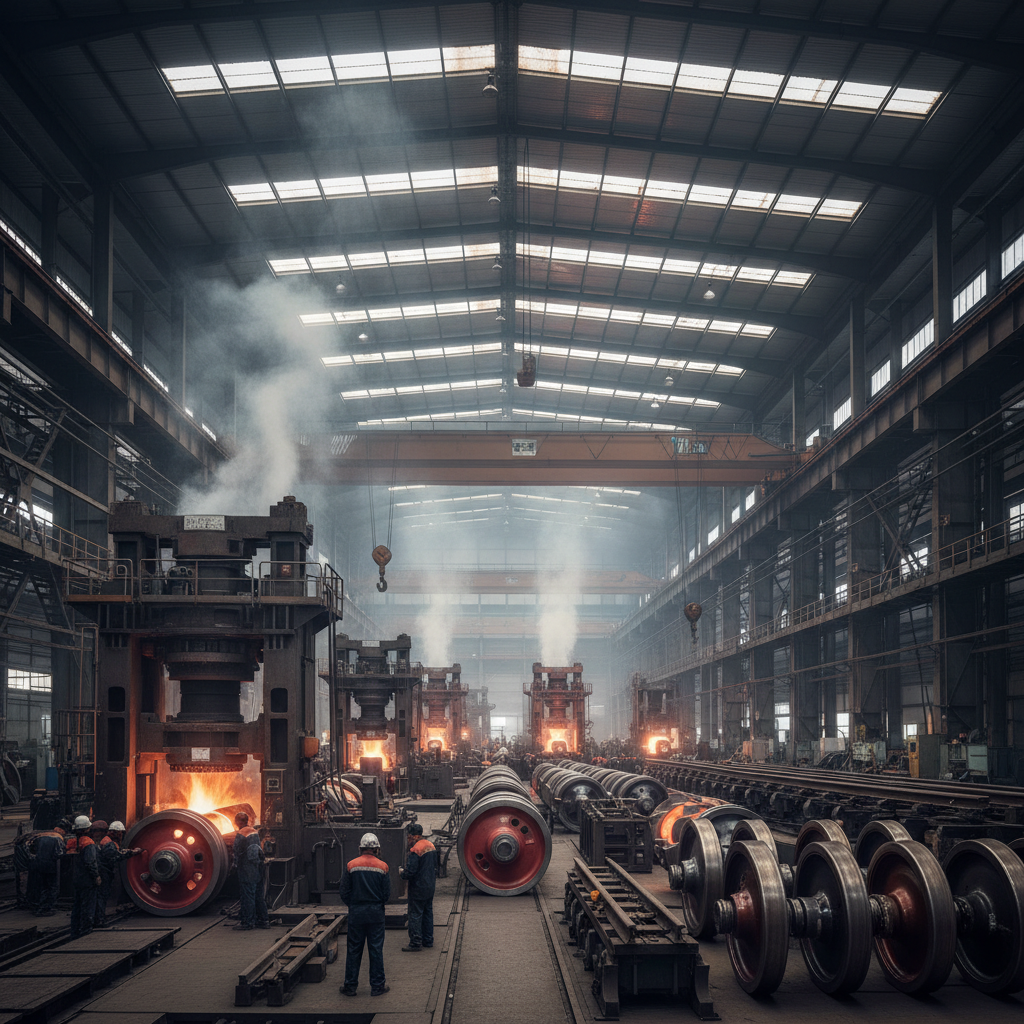
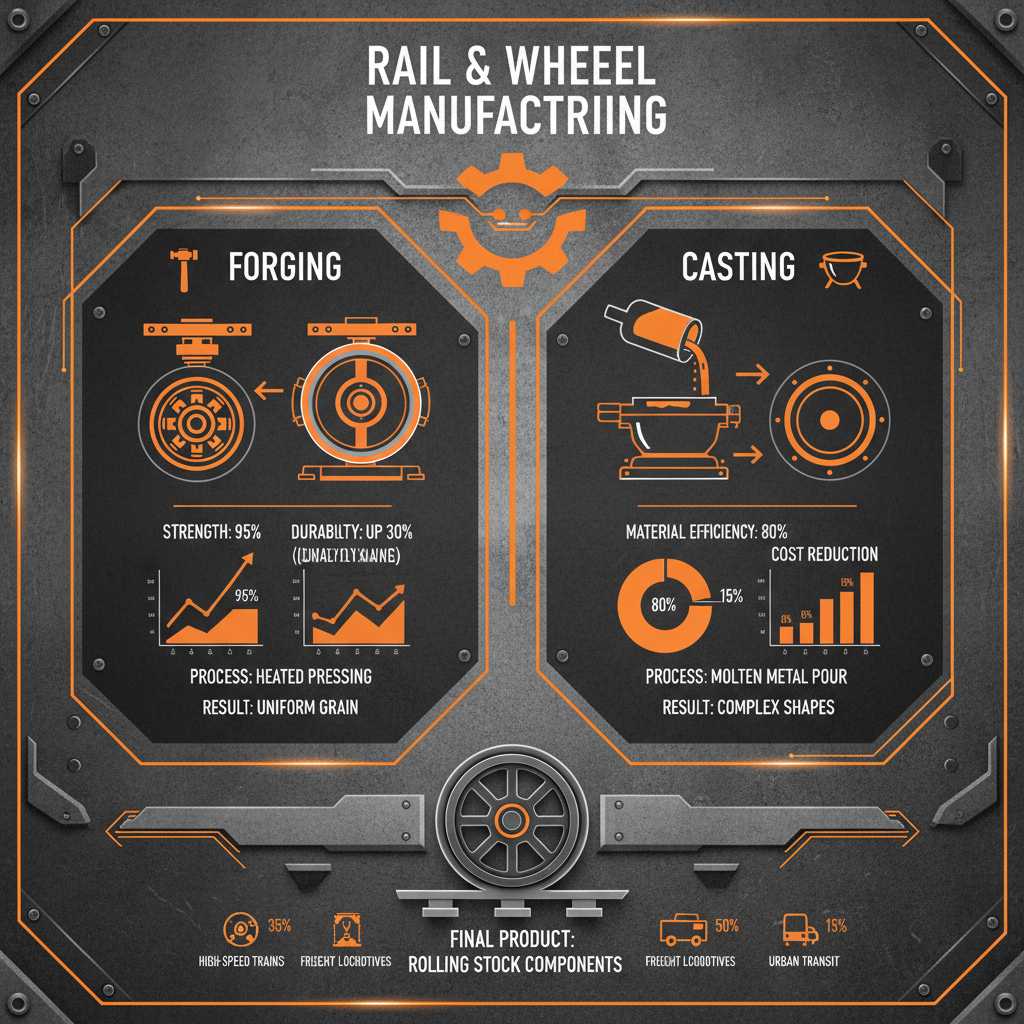
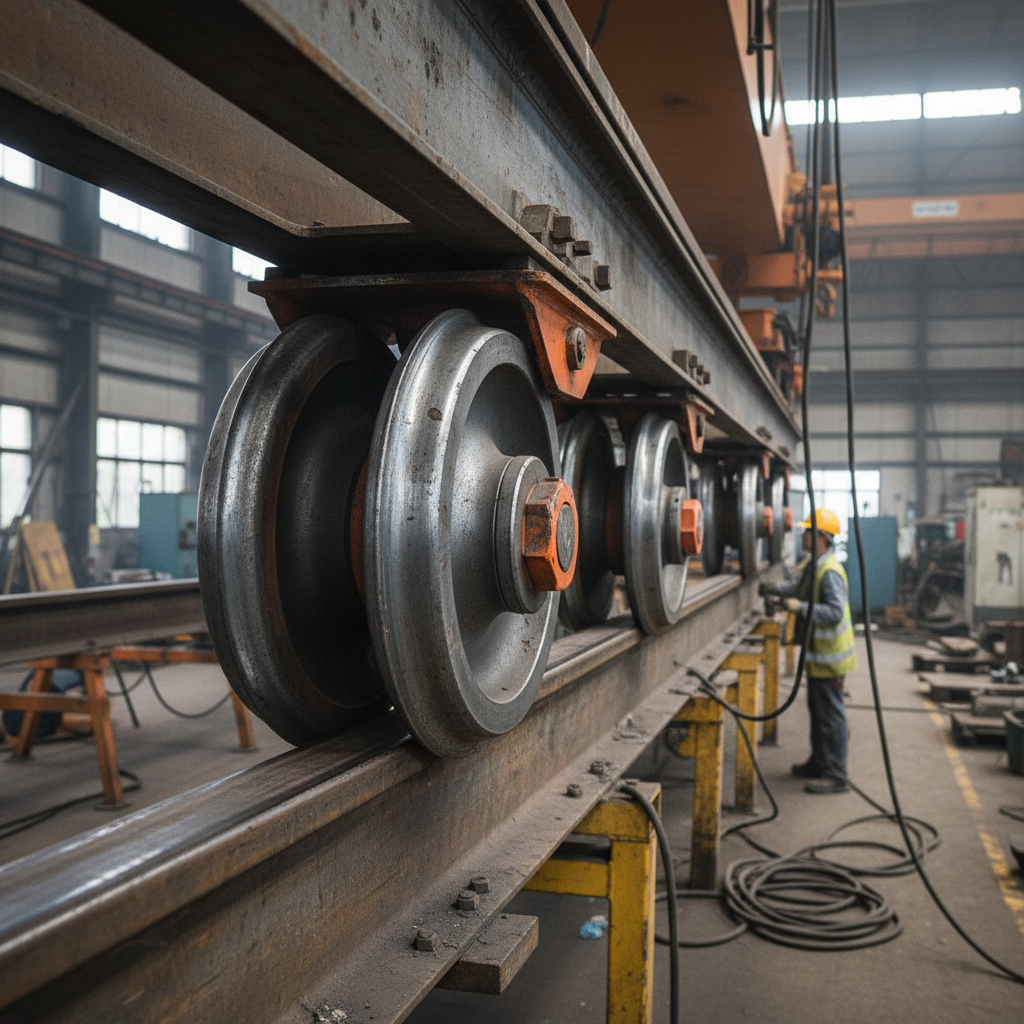
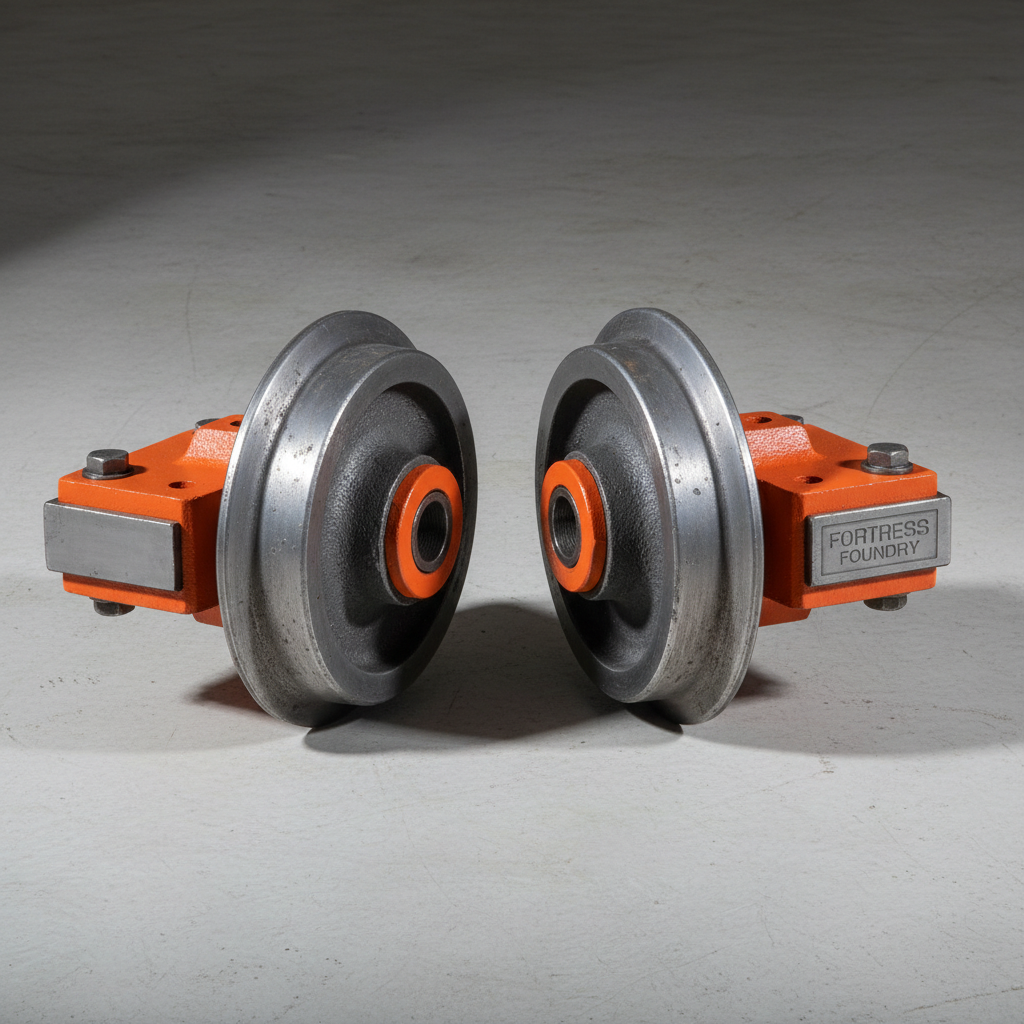
Look, after 20 years on construction sites, you learn a thing or two about what really matters. It’s not just blueprints and software, it’s the stuff that keeps projects moving – the materials, the logistics, and the reliability of every single component. And in all that, rail and wheel systems, whether it’s for cranes, carts, or specialized transport, are absolutely fundamental. They’re the backbone of getting materials where they need to be, safely and efficiently. You can have the best design in the world, but if your rail and wheel setup can't handle the load or the terrain, you’re going to be facing delays and headaches.
We're talking about a global industry here, and it's enormous. The United Nations estimates that infrastructure investment will need to reach trillions of dollars annually just to meet basic needs, and a huge chunk of that relies on material handling. The World Bank consistently highlights the critical role of efficient logistics in economic development, and rail and wheel are key to that. ISO standards are constantly evolving, focusing on safety and durability, because failures in these systems aren't just costly; they can be catastrophic. I’ve seen too many projects stalled by substandard rails or wheels, and frankly, it's avoidable.
At its core, rail and wheel is about guided movement. It’s a simple concept – a wheel constrained by a rail – but the engineering behind it is surprisingly complex. It's what allows us to move incredibly heavy loads over defined paths, and it's been a cornerstone of industrial progress for centuries. From the earliest railways to modern-day material handling systems, the principle remains the same. It's not flashy, but it's the workhorse of almost every construction and industrial site you’ll ever step foot on.
The Importance of Rail and Wheel Systems
From my experience, the biggest issue I see is underestimating the importance of the rail and wheel system. People focus on the crane's lifting capacity, but if the rails aren't properly aligned, or the wheels are worn, you’ve got a serious problem. It's like building a house on a weak foundation – it doesn't matter how good the walls are, the whole thing is going to crumble. A robust system is a non-negotiable for safety and efficiency.
Durability is paramount. These systems take a beating. Constant loading, varying terrain, weather exposure – they have to withstand it all. And it's not just the materials themselves; it’s the design, the manufacturing quality, and the maintenance schedule. Cutting corners here is a false economy, believe me. I’ve seen projects delayed for weeks because of rail issues that could have been prevented with a little foresight.
Global Context and Relevance
Globally, the demand for efficient material handling is skyrocketing, especially in developing nations. We're talking about massive infrastructure projects, from ports and railways to power plants and urban construction. These projects require reliable rail and wheel systems to keep them on schedule and within budget. It’s not just about building things faster, it’s about building them better, and safer.
Think about the supply chain. Everything we use, from the steel in our buildings to the components in our phones, relies on efficient transportation. Rail and wheel systems are integral to that process, facilitating the movement of raw materials, finished goods, and everything in between. Disruptions in these systems ripple through the entire economy.
The standards bodies like ISO are increasingly focused on lifecycle assessment and sustainability in material handling. They’re pushing for designs that minimize environmental impact and maximize longevity, which translates to a greater emphasis on high-quality, durable rail and wheel components. This is important, because replacements aren’t just costly, they’re resource intensive.
Defining Rail and Wheel: More Than Just Parts
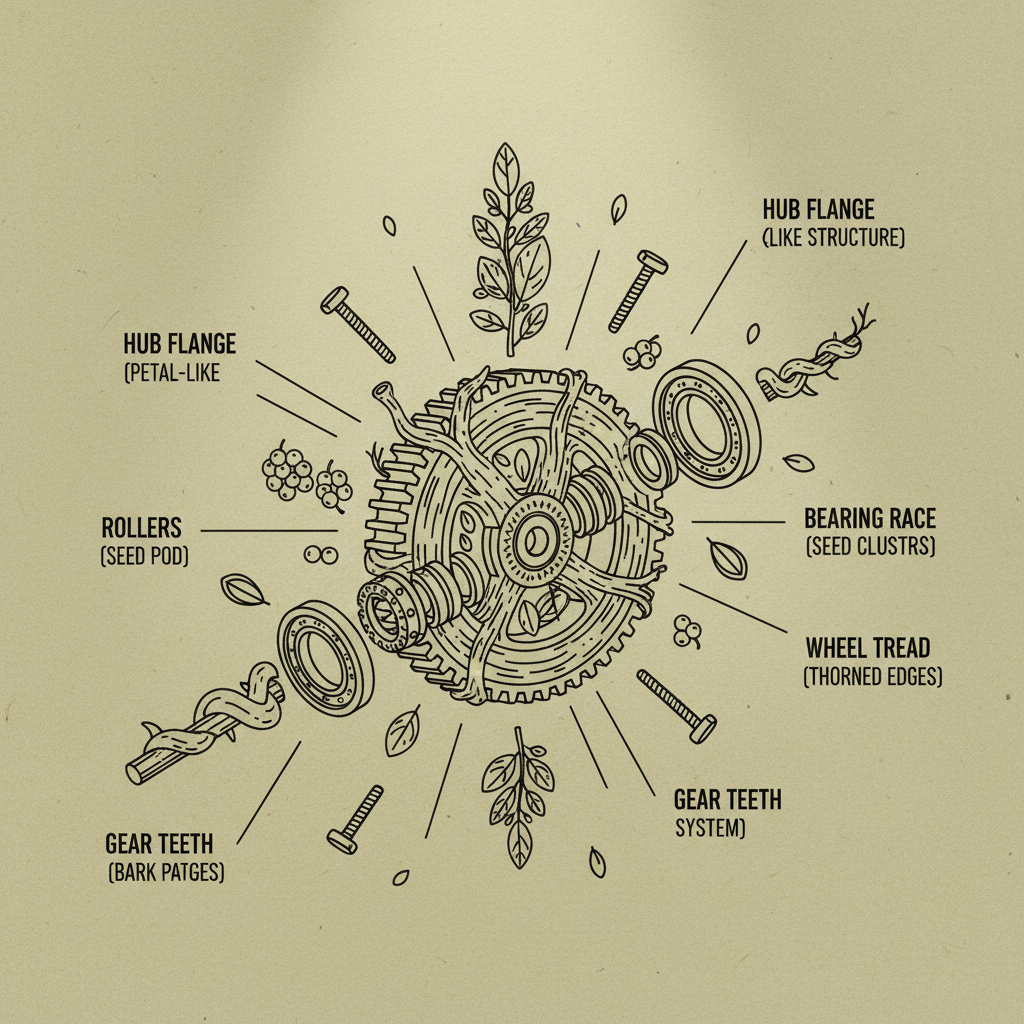
When I talk about 'rail and wheel,' I'm not just referring to a piece of steel and a rubber tire. It’s a complete system – the rails themselves, the wheel materials and construction, the bearings, the fastening mechanisms, and even the track alignment. Each component plays a crucial role, and a weakness in any one area can compromise the entire system. You need to consider the entire ecosystem, not just individual parts.
It’s also about understanding the application. A rail and wheel system designed for a light-duty cart in a warehouse is going to be vastly different from one designed for a heavy-duty crane on a construction site. The load capacity, the operating environment, and the required level of precision all dictate the design parameters. We've worked with systems built to withstand extreme temperatures and corrosive environments – that's a whole different ballgame.
This isn't some abstract concept; it directly impacts people’s lives. Reliable rail and wheel systems are essential for delivering humanitarian aid, transporting critical supplies, and building infrastructure in remote and challenging environments. The right solution isn't always the cheapest – it’s the one that’s most appropriate for the task at hand.
Key Factors in Rail and Wheel Performance
Look, there are a few things I always check when evaluating a rail and wheel system. First, load capacity. You need to know exactly how much weight it can handle, and with a safety margin. Second, durability. I'm talking about resistance to wear and tear, corrosion, and impact. Third, precision. How accurately can the wheel track along the rail? Especially crucial for automated systems.
Then there’s maintenance. How easy is it to inspect, repair, and replace components? You don't want a system that requires specialized tools or a team of engineers just to change a wheel. Also important is environmental resistance – can it handle the climate and conditions it's going to be exposed to? And finally, cost-effectiveness. It’s not always about the cheapest upfront price; it’s about the total cost of ownership over the system’s lifespan.
Rail and Wheel System Performance Metrics
Real-World Applications of Rail and Wheel
You see rail and wheel everywhere, but it’s often hidden in plain sight. On construction sites, cranes rely heavily on rail-guided systems for precise movement of materials. In ports, straddle carriers use wheels on rails to load and unload containers from ships. Even in automated warehouses, robots use rail-guided systems to navigate aisles and pick orders. It’s the unsung hero of modern logistics.
In remote industrial zones like mining operations in Australia, these systems are absolutely essential for transporting ore and equipment. They're also critical in disaster relief efforts, used to move supplies and personnel to affected areas. We’ve even seen innovative applications in agricultural settings, like automated harvesting systems that utilize rail guidance.
Advantages and Long-Term Value
The benefits are pretty straightforward. First and foremost, cost savings. A well-designed rail and wheel system can significantly reduce material handling costs over the long term. Then there’s increased efficiency. Guided movement is inherently more efficient than free-roaming vehicles. Improved safety is a huge one – reduced risk of accidents and collisions.
But beyond the tangible benefits, there's a level of trust and reliability that comes with a quality system. Knowing that your materials are being moved safely and efficiently, day in and day out, gives you peace of mind. That’s something you can’t put a price on. It also contributes to a more sustainable operation, reducing waste and minimizing environmental impact.
Future Trends and Innovations
We’re seeing a lot of exciting developments in this area. One trend is the increasing use of smart sensors and data analytics to monitor system performance and predict maintenance needs. This allows for proactive maintenance, reducing downtime and extending the lifespan of the system. Another is the development of new materials with improved strength, durability, and corrosion resistance.
Automation is also a big driver of innovation. We're seeing more and more rail-guided automated vehicles being used in warehouses, factories, and ports. And there’s a growing focus on sustainability, with manufacturers developing systems that are more energy-efficient and environmentally friendly. Think lighter materials, optimized designs, and reduced friction.
The integration of digital twins – virtual representations of physical systems – is also promising. This allows engineers to simulate different scenarios and optimize system performance before it’s even built. It’s a game-changer for complex projects.
Challenges and Solutions
Let's be real, it’s not always smooth sailing. One of the biggest challenges is dealing with uneven terrain. Construction sites are rarely perfectly level, and vibrations can cause rails to shift and misalign. Another issue is corrosion, especially in coastal environments. And then there’s the challenge of maintaining precise alignment over long distances.
To address these challenges, we’re seeing the development of self-leveling rail systems, corrosion-resistant coatings, and advanced alignment tools. Regular inspections and preventative maintenance are also crucial. And, of course, proper design and installation are paramount. Don’t skimp on the upfront investment – it will pay off in the long run.
Furthermore, incorporating feedback from the people on the ground – the operators, the maintenance crews – is critical. They’re the ones who experience the system day in and day out, and they often have valuable insights that engineers might miss.
Rail and Wheel System Analysis
| System Component |
Failure Mode |
Severity (1-10) |
Mitigation Strategy |
| Rail Material |
Corrosion |
7 |
Protective Coatings & Regular Inspection |
| Wheel Bearings |
Wear & Tear |
8 |
High-Quality Lubrication & Scheduled Replacements |
| Rail Alignment |
Shifting Due to Vibration |
6 |
Secure Fasteners & Regular Alignment Checks |
| Wheel Flange |
Impact Damage |
5 |
Reinforced Flange Design & Controlled Speed |
| Fastening System |
Loosening |
4 |
Locking Washers & Torque Checks |
| Rail Joints |
Misalignment |
9 |
Precise Installation & Regular Inspection |
FAQS
Different steel grades offer varying levels of hardness, toughness, and corrosion resistance. Higher-grade steels, like those with increased carbon content, provide greater wear resistance, essential for heavy-duty applications. However, they can be more brittle. Selecting the right grade depends on the specific load, environment, and operating conditions. We usually recommend a thorough analysis of the intended use before making a selection.
Calculating the correct load capacity involves considering the maximum weight of the load, dynamic forces from acceleration and deceleration, and a safety factor. You need to account for potential overloads and uneven weight distribution. It’s best to consult with a qualified engineer to perform a detailed load analysis. Underestimating the capacity can lead to catastrophic failures.
Regular inspection is key! Look for signs of wear, corrosion, and misalignment. Lubricate bearings frequently, and ensure proper track alignment. Periodically check fasteners and tighten them as needed. Implement a preventative maintenance schedule based on usage and environmental conditions. Simple, consistent maintenance can prevent costly repairs and downtime.
Temperature fluctuations can cause rails to expand and contract, potentially leading to misalignment. Extreme cold can make steel brittle, increasing the risk of fracture. Choosing materials with appropriate thermal expansion coefficients and implementing expansion joints can mitigate these issues. Regular monitoring and adjustment are essential in harsh environments.
Polyurethane wheels offer several advantages, including higher load capacity, superior grip, and reduced noise levels. They’re also less likely to damage flooring or other surfaces. However, they generally have a shorter lifespan than steel wheels and may not be suitable for extremely high-temperature applications. The best choice depends on the specific requirements of the application.
Absolutely. Rail guidance is a common and effective method for AGV navigation. However, it requires precise alignment and robust components to withstand the dynamic forces of automated operation. Specialized rail designs and wheel materials may be needed to ensure smooth and reliable performance. Integration with AGV control systems is also crucial.
Conclusion
Ultimately, rail and wheel systems are foundational to countless industries, often unseen but always essential. Their reliability and performance directly impact project efficiency, safety, and cost-effectiveness. Investing in quality components, proper maintenance, and thoughtful design is not just a good practice, it’s a necessity for success.
Looking ahead, the future of rail and wheel lies in innovation – smarter materials, automated systems, and data-driven maintenance. By embracing these advancements, we can build more resilient, sustainable, and efficient infrastructure for generations to come. If you're looking for reliable rail and wheel solutions for your next project, visit our website to learn more.