Rail track wheels – you don’t think about them unless something goes wrong. But believe me, after years spent walking rail lines, talking to engineers, and seeing firsthand what happens when these components fail, they’re everything. They’re the unsung heroes keeping our freight moving and our passengers safe. We’re talking about a global network, a massive logistical backbone, and it all rolls on these often-overlooked pieces of kit.
The demand is only growing. Global trade is expanding, urbanization is accelerating, and rail is consistently proving itself as a more sustainable and efficient transport option compared to road. That puts a massive strain on the entire system, and especially the wheels themselves. I've seen firsthand the issues caused by substandard materials, inadequate maintenance, and simply the relentless wear and tear of constant use. It’s not glamorous work, but it’s absolutely critical.
And that’s where understanding the nuances of rail track wheels – their design, materials, and lifecycle – becomes crucial. It’s not just about buying a wheel; it's about considering the total cost of ownership, ensuring compatibility, and ultimately, preventing disruptions and maintaining safety. We need to move beyond simply reacting to failures and start proactively managing the health of these vital components.
The Importance of Rail Track Wheels
Let’s be clear: rail infrastructure doesn't function without reliable rail track wheels. They're not just simple metal discs; they’re highly engineered components designed to withstand immense pressure, constant friction, and varying environmental conditions. I’ve seen wheels cracked from metal fatigue, worn down from improper lubrication, and even damaged by debris on the track. Each failure brings lines to a standstill and costs companies serious money.
The sheer scale of the rail network globally is mind-boggling. The UN estimates over 1.2 billion passengers use rail transport daily. That volume of traffic requires a constant supply of high-quality, durable wheels. And it’s not just passenger trains; freight transport relies even more heavily on rail. From coal and iron ore to consumer goods, everything moves on steel wheels. That’s a huge responsibility for manufacturers and rail operators.
Defining Rail Track Wheels
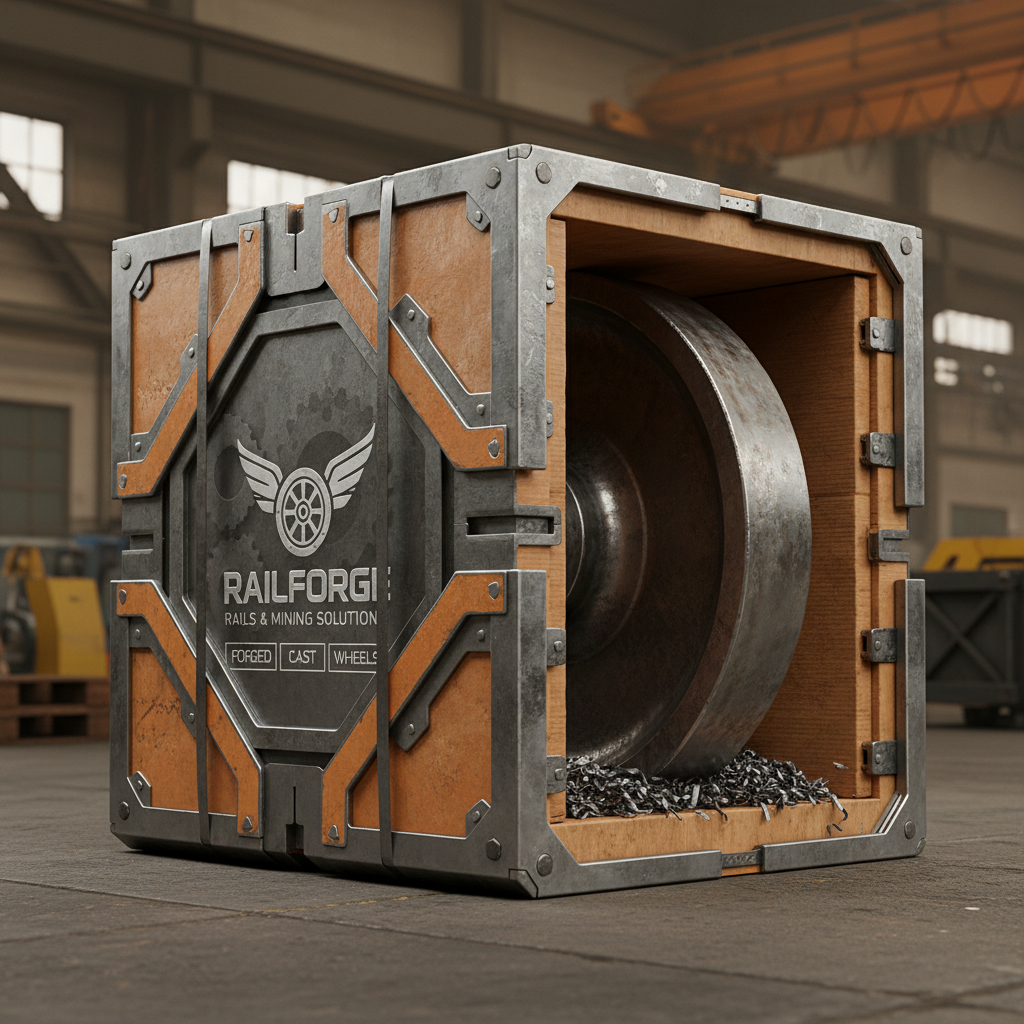
Simply put, rail track wheels are the mechanical components that enable trains to move along railway tracks. They are typically made of steel, and their conical shape interacts with the rail profile to provide guidance and prevent derailment. But it's more than that; they are critical for bearing the load of the train, transferring traction for acceleration and braking, and minimizing rolling resistance. The geometry of the wheel – the flange, tread, and wheel diameter – all play a vital role in performance.
In modern industry, and increasingly vital for sustainable transport solutions, these wheels are increasingly scrutinized for factors like noise reduction, reduced wear, and improved energy efficiency. We're not just building wheels to work; we’re building wheels to work better. It directly impacts the economic viability and environmental impact of rail transport.
And beyond the wheel itself, consider the wheelsets – the complete assembly including axles, bearings, and suspension components. The entire system needs to be optimized for performance and reliability. I’ve spent hours in maintenance depots troubleshooting wheelset issues, and it’s always a holistic problem, not just a faulty wheel.
Core Components and Key Factors
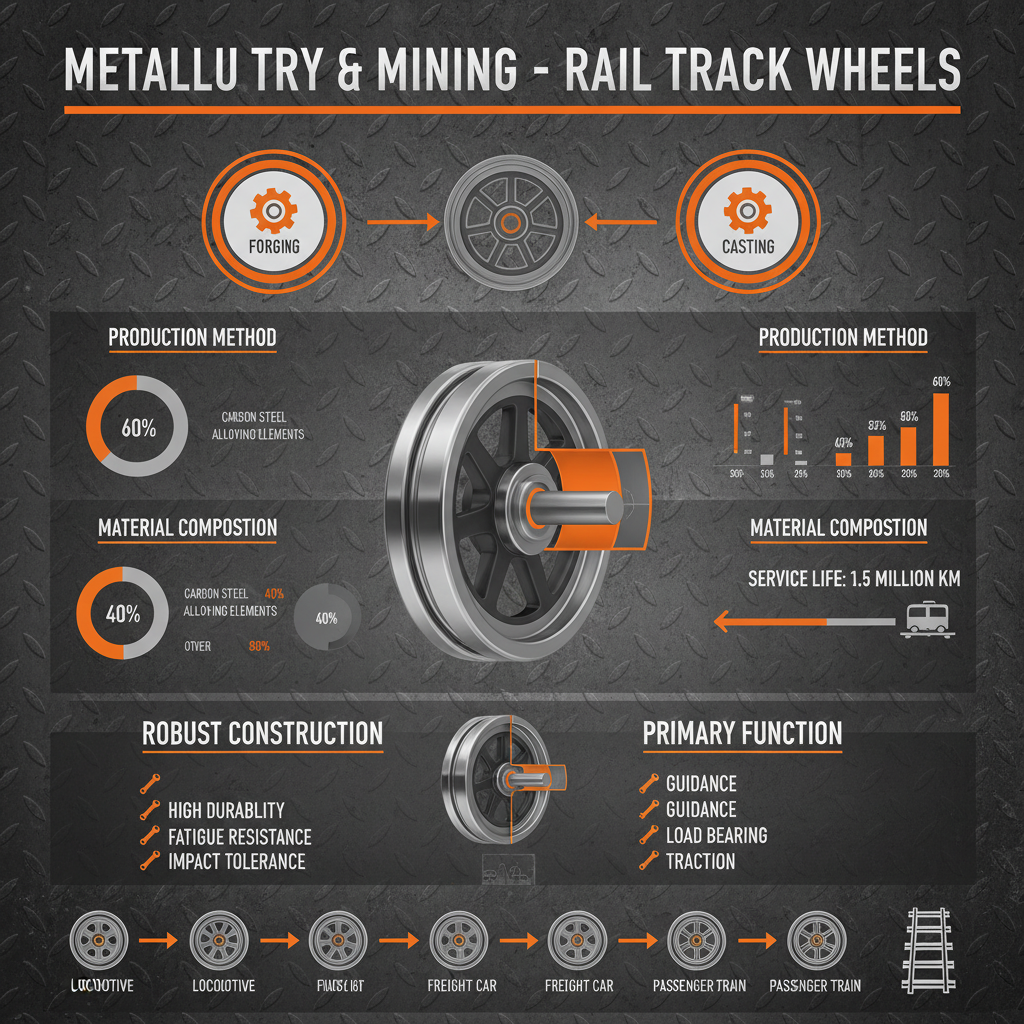
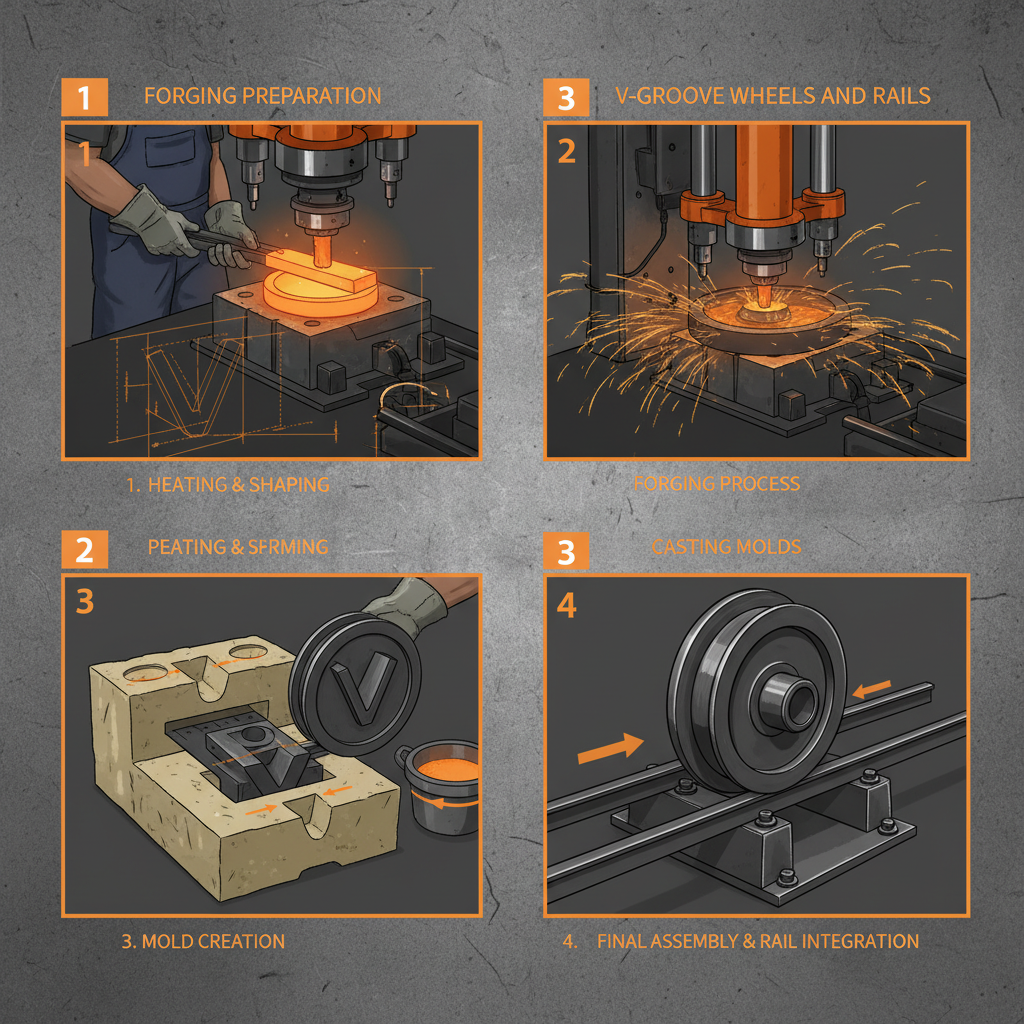
Several core components determine the performance and longevity of rail track wheels. Firstly, the material composition – the type of steel alloy used – is paramount. Different alloys offer varying levels of hardness, toughness, and resistance to wear and corrosion. Secondly, the manufacturing process – forging, machining, and heat treatment – impacts the wheel's internal structure and mechanical properties. A poorly manufactured wheel, even with good materials, is destined for failure.
Then you have the wheel profile, the shape of the tread and flange, which dictates how the wheel interacts with the rail. This profile needs to be precisely engineered to ensure smooth running, minimize wear, and prevent derailment. Finally, the bearings are critical; they support the wheelset and allow it to rotate freely. Bearing failure is a common cause of downtime, so selecting high-quality bearings and maintaining them properly is essential.
These factors aren’t isolated; they’re interconnected. For example, a harder steel alloy might be more resistant to wear but also more brittle and prone to cracking. Finding the right balance – optimizing the material, manufacturing process, and wheel profile – is the key to creating a durable and reliable rail track wheel. This is where deep engineering knowledge and a practical understanding of the operational environment come into play.
Ultimately, the success of a rail track wheel hinges on its ability to handle the dynamic loads it experiences in service. This includes not just the static weight of the train, but also the dynamic forces generated during acceleration, braking, and traversing curves. Understanding these forces and designing the wheel to withstand them is critical for ensuring safety and reliability.
Durability and Material Science
Durability isn’t just about using the “best” material; it’s about selecting the right material for the specific application. Different rail networks face different challenges – heavy freight lines demand different wheel compositions than high-speed passenger lines. You’ve got to consider everything from climate to track conditions. I’ve seen wheels corrode rapidly in coastal environments and others wear down prematurely on tracks with high levels of contamination.
That’s where advances in material science come in. We're seeing increased use of high-strength low-alloy steels, as well as heat-treated alloys that offer improved wear resistance and fatigue strength. Researchers are also exploring the use of advanced coatings and surface treatments to further enhance durability. It’s a continuous process of refinement, driven by the need to extend wheel life and reduce maintenance costs.
Rail Track Wheel Durability by Alloy Type
Global Applications and Industry Impact
The applications of rail track wheels are incredibly diverse. From the high-speed networks of Japan and Europe to the heavy-haul freight lines of Australia and North America, these wheels are integral to moving people and goods worldwide. In Europe, the focus is often on minimizing noise and vibration, while in Australia, the priority is maximizing durability for the demanding conditions of transporting iron ore.
The rail industry itself is a massive economic driver. It provides jobs, facilitates trade, and supports countless other businesses. And the quality of rail track wheels directly impacts the efficiency and reliability of the entire system. Delays caused by wheel failures can ripple through the supply chain, costing companies millions of dollars.
We’re also seeing a resurgence of rail in developing countries, as governments invest in infrastructure to support economic growth. This creates a significant demand for rail track wheels, and it’s crucial that these countries have access to high-quality, reliable components.
Advantages of High-Quality Rail Track Wheels
Investing in high-quality rail track wheels isn’t just about avoiding breakdowns; it's about realizing a host of tangible benefits. Reduced maintenance costs are a big one – durable wheels require less frequent replacement and repair. Improved safety is another key advantage; reliable wheels minimize the risk of derailment and accidents.
Beyond those practical benefits, there's also a significant economic impact. Efficient rail transport lowers shipping costs, boosts productivity, and supports economic growth. And let’s not forget the environmental benefits – rail is a more sustainable mode of transport than road, and reliable wheels contribute to its overall efficiency.
Future Trends and Innovations
The future of rail track wheels is all about innovation. We’re seeing increasing interest in lightweight materials, like aluminum alloys and composites, to reduce weight and improve energy efficiency. Smart wheels, equipped with sensors that monitor wear, temperature, and stress, are also gaining traction. These sensors can provide valuable data for predictive maintenance, allowing operators to identify potential problems before they lead to failures.
Another key trend is the development of self-steering wheels, which use advanced algorithms to optimize steering and reduce wear. And with the growing focus on sustainability, we’re seeing a push for more eco-friendly manufacturing processes and materials. It’s an exciting time to be involved in the rail industry.
Summary of Rail Track Wheel Innovation Trends
| Innovation Area |
Description |
Potential Benefits |
Current Development Stage |
| Lightweight Materials |
Utilizing aluminum alloys and composites in wheel construction. |
Reduced weight, improved energy efficiency, lower fuel consumption. |
Prototype Testing |
| Smart Wheel Technology |
Integrating sensors to monitor wheel condition in real-time. |
Predictive maintenance, reduced downtime, enhanced safety. |
Pilot Deployment |
| Self-Steering Wheels |
Employing algorithms for automated steering adjustments. |
Reduced wear, improved ride quality, optimized performance. |
Research & Development |
| Eco-Friendly Manufacturing |
Implementing sustainable production processes and materials. |
Reduced environmental impact, improved corporate social responsibility. |
Implementation Phase |
| Advanced Surface Treatments |
Applying specialized coatings for enhanced wear and corrosion resistance. |
Extended wheel life, reduced maintenance, improved performance. |
Commercial Availability |
| Digital Twin Technology |
Creating virtual replicas of wheels to simulate performance and predict failures. |
Optimized design, improved testing, reduced risk. |
Early Stage Development |
FAQS
The lifespan of a rail track wheel varies drastically depending on several factors including load, speed, track quality, and maintenance schedules. However, a typical wheel might last anywhere from 5 to 15 years before requiring refurbishment or replacement. Heavy freight applications will naturally reduce the lifespan compared to lighter passenger services. Regular inspection and proper lubrication are crucial for maximizing wheel life.
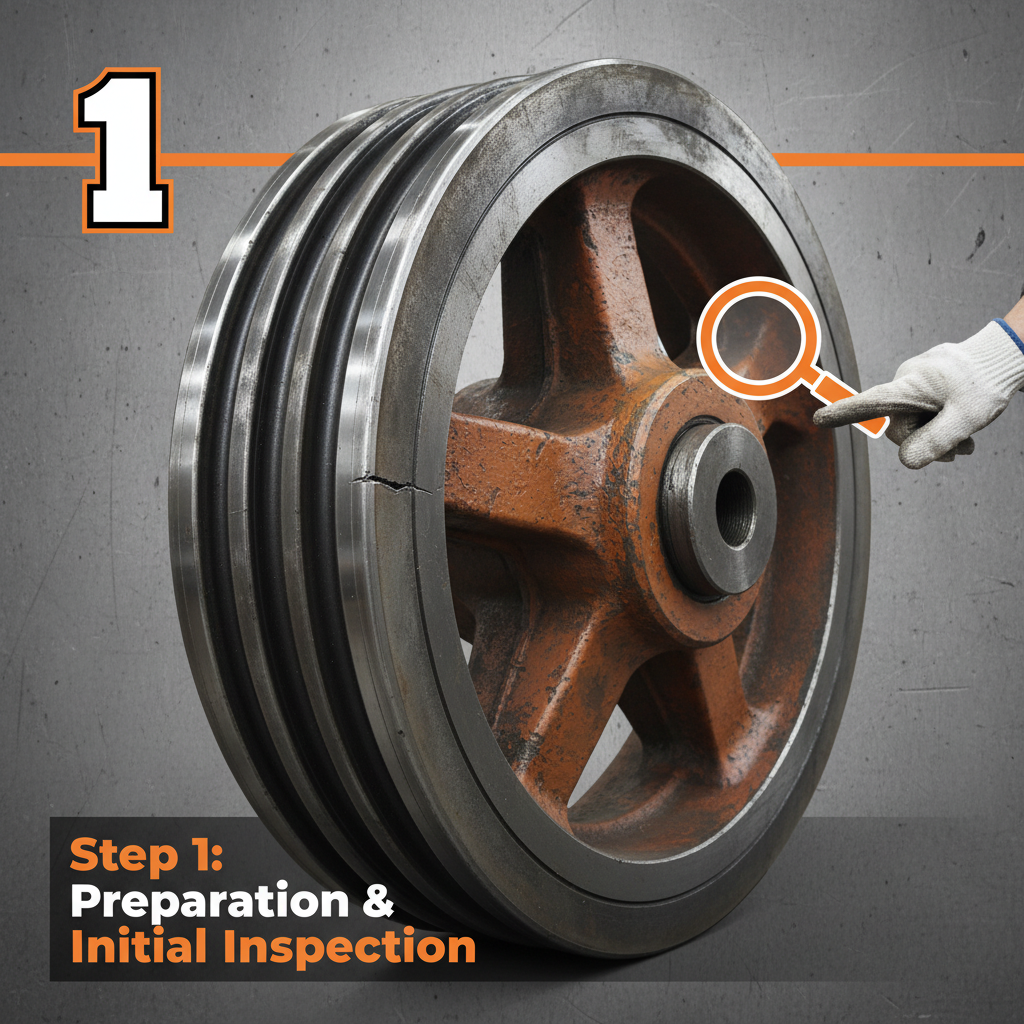
Several indicators signal the need for wheel replacement. These include visible cracks, excessive wear on the tread or flange, flat spots, and significant corrosion. Irregular vibration patterns and abnormal noise levels during operation are also red flags. Regular ultrasonic testing and visual inspections by qualified personnel are essential for early detection of potential issues.
Track geometry plays a significant role in wheel wear. Misaligned tracks, uneven rail surfaces, and tight curves can all contribute to increased friction and accelerated wear. Poor track maintenance leads to increased stress on the wheels, reducing their lifespan and potentially causing derailments. Regular track surveys and maintenance are vital for minimizing wheel wear and ensuring safe operation.
Several types of steel are used, but typically high-strength low-alloy steels like 880 grade and 1080 grade are common choices. These steels offer excellent wear resistance, toughness, and fatigue strength. The specific alloy used depends on the application and the required performance characteristics. Sometimes, specialized heat treatments are applied to further enhance the material properties.
Wheel diameter significantly influences train performance. Larger diameter wheels generally result in higher speeds and smoother rides, but they also require more power to accelerate. Smaller diameter wheels are better suited for slower speeds and applications requiring higher traction. The optimal wheel diameter is carefully calculated based on the train's speed, load, and track conditions.
Proper wheel lubrication is critical for reducing friction, minimizing wear, and preventing overheating. The lubricants used are typically specialized greases designed to withstand high loads and extreme temperatures. Synthetic lubricants are becoming increasingly popular due to their superior performance and longer service life. Regular lubrication schedules and proper application techniques are essential for maintaining wheel health.
Conclusion
Ultimately, rail track wheels are far more than just simple components; they represent a complex interplay of material science, engineering, and operational demands. Their reliability directly impacts the efficiency, safety, and sustainability of rail transportation systems globally. Investing in high-quality wheels, implementing robust maintenance programs, and embracing innovative technologies are essential for ensuring the continued success of this vital mode of transport.
Looking ahead, the future of rail track wheels will be shaped by a continued focus on durability, efficiency, and sustainability. Advances in materials, smart technologies, and predictive maintenance will play a key role in extending wheel life, reducing costs, and enhancing safety. If you’re looking for reliable, high-performance rail track wheels for your operations, visit our website today: www.manufacturing-base.com.