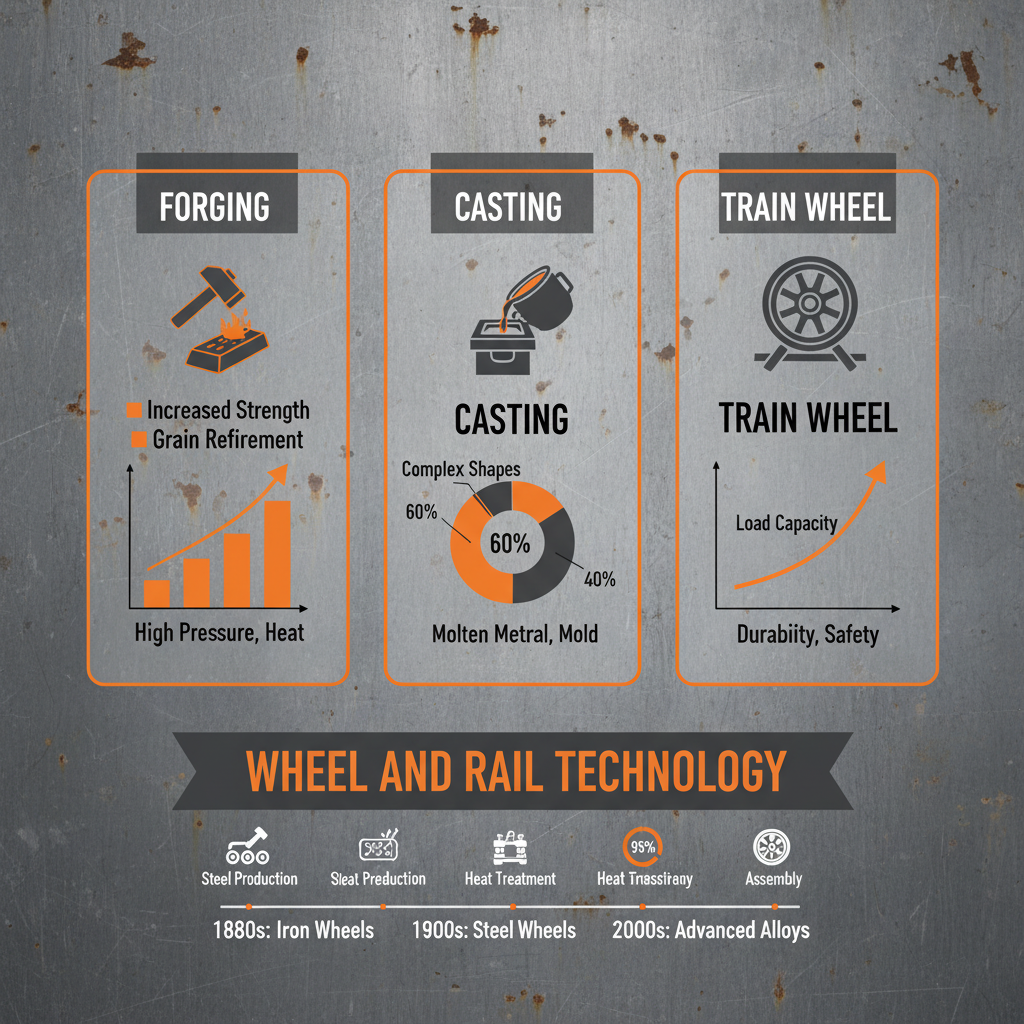
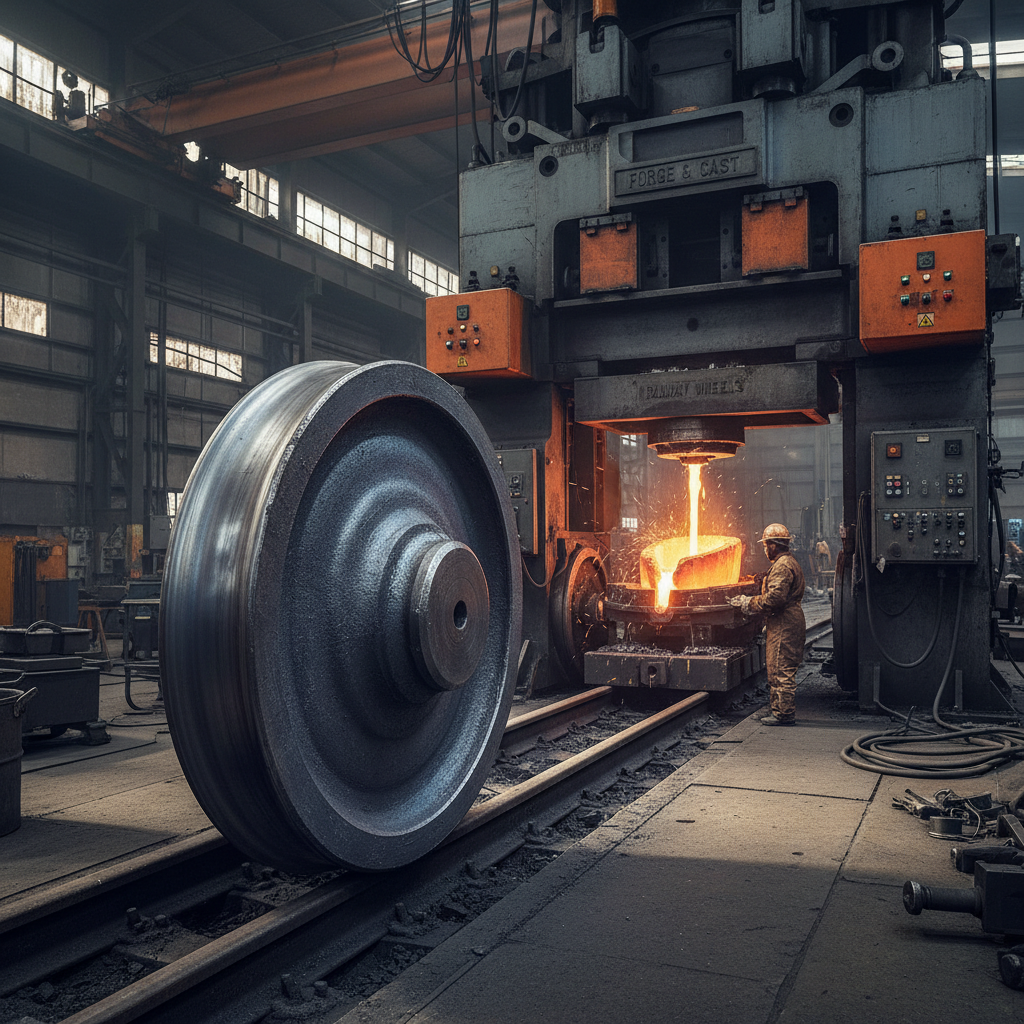
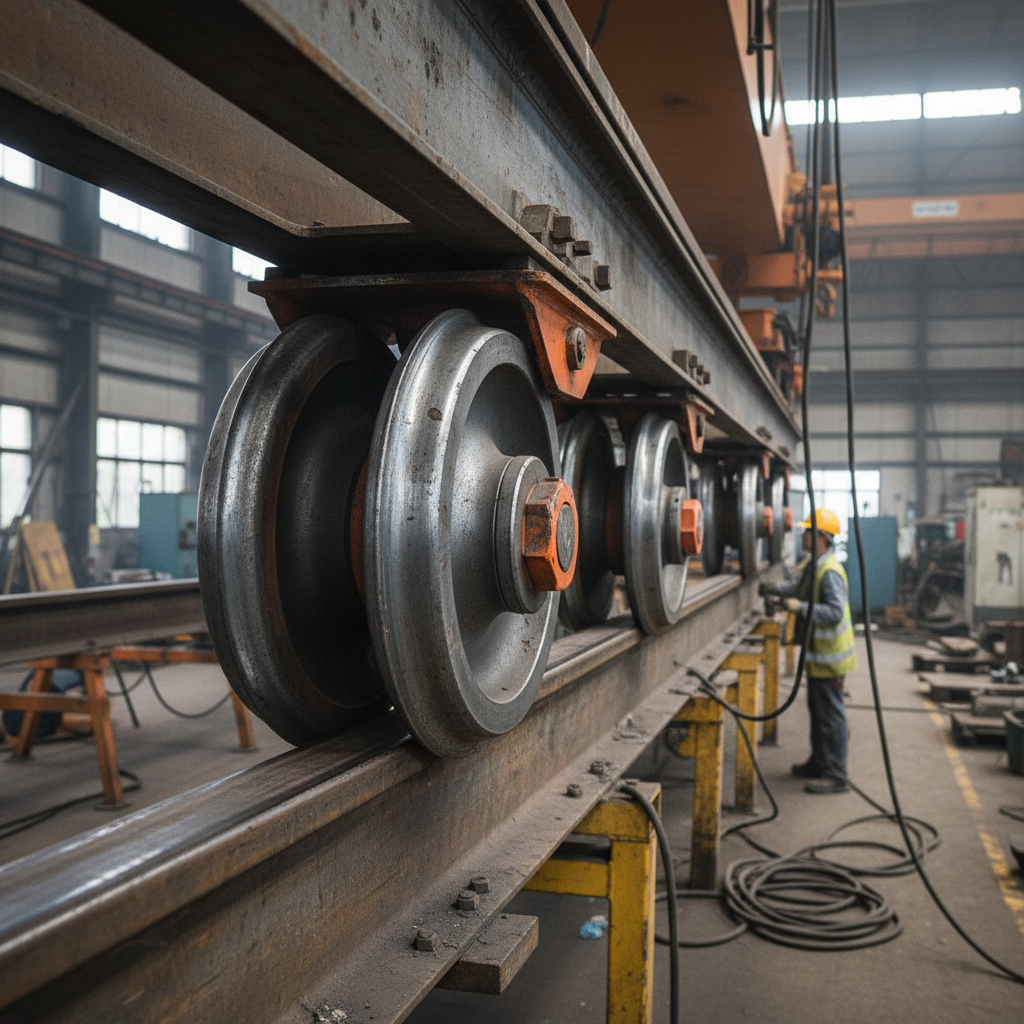
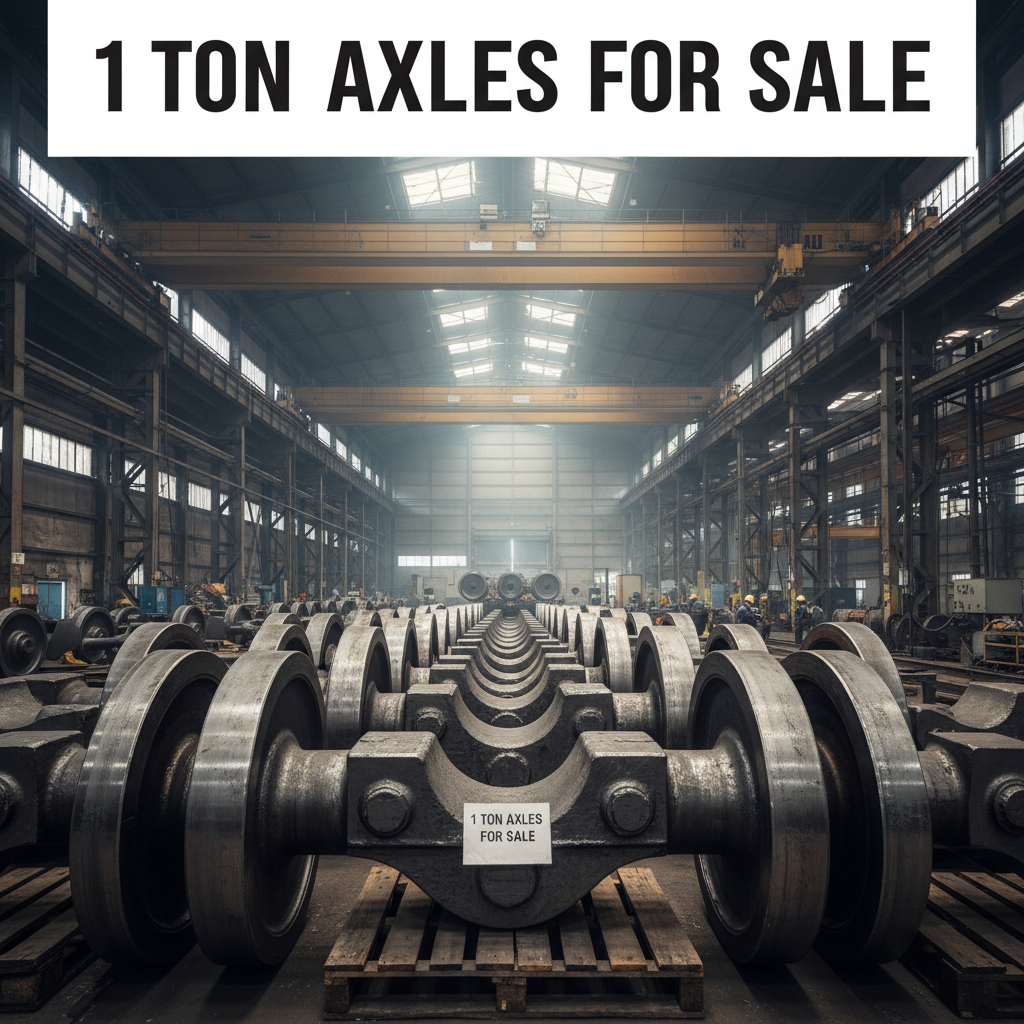
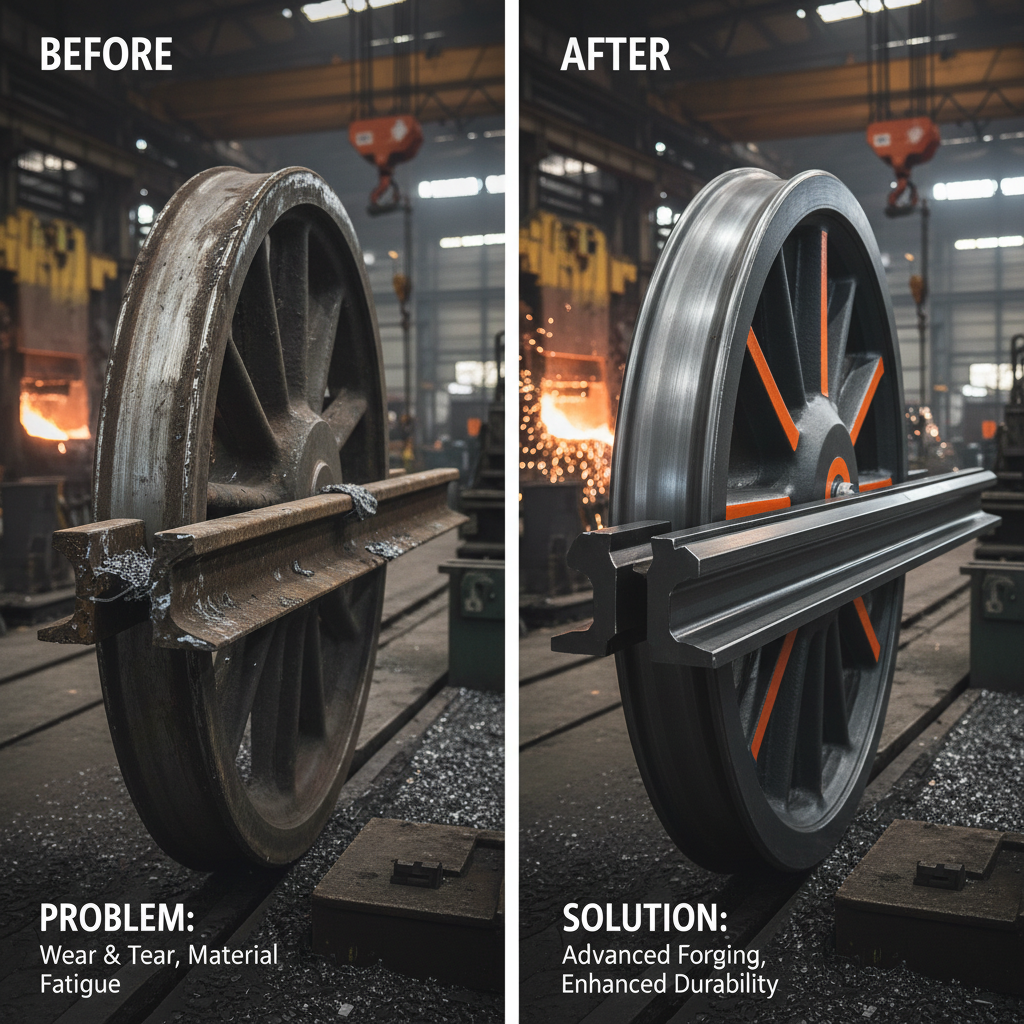
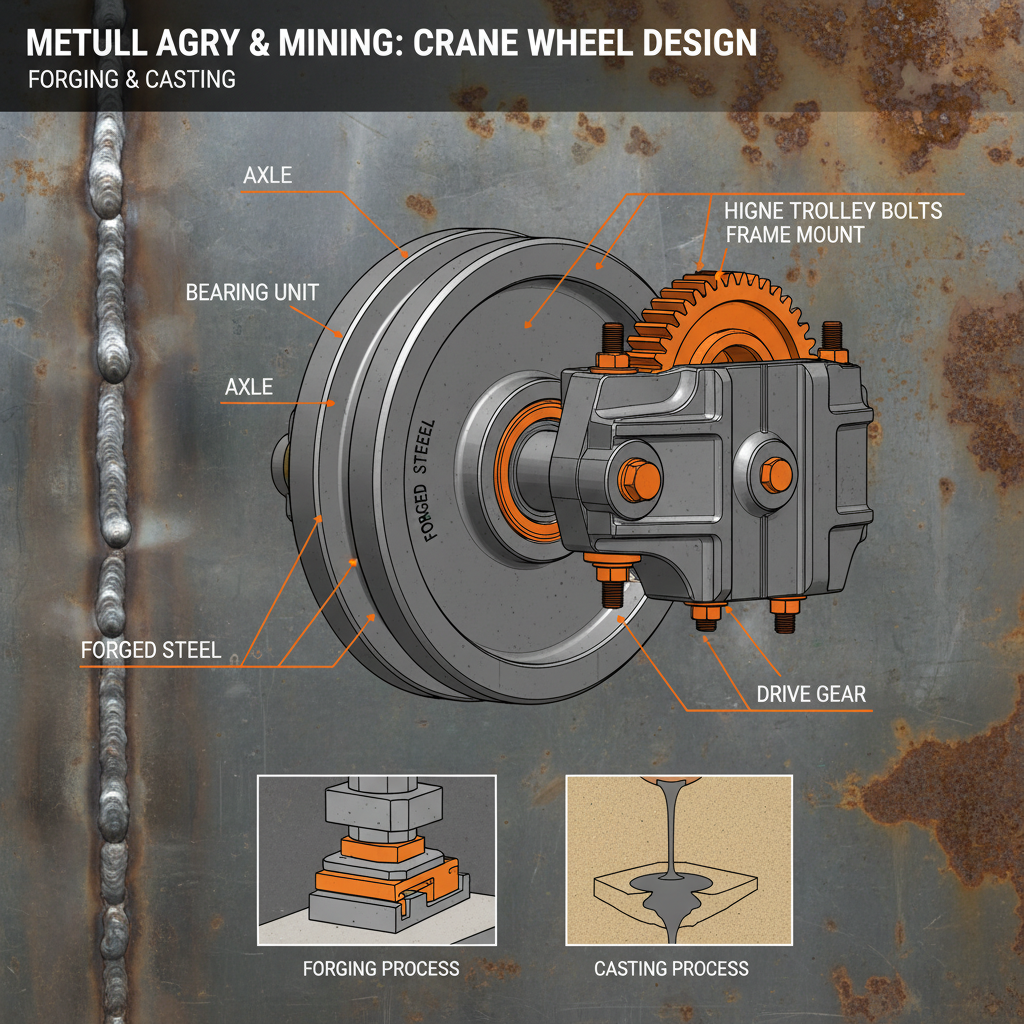
The integration of wheel and rail technologies forms the backbone of modern transportation and industrial material handling, impacting global trade, infrastructure development, and logistical efficiency. From high-speed rail networks connecting major cities to the robust systems within mines and manufacturing plants, the reliable movement of goods and people depends on precisely engineered wheel and rail systems. Understanding the nuances of these systems—material science, design principles, and operational dynamics—is crucial for optimizing performance and ensuring safety.
The global demand for efficient and durable wheel and rail solutions continues to rise, fueled by increasing industrialization and infrastructure investment, particularly in emerging economies. This demand presents both opportunities and challenges, including the need for sustainable materials, reduced noise pollution, and increased operational lifespan. Innovations in wheel and rail technology are therefore critical to meeting these demands and driving future progress across various sectors.
The ability to reliably and efficiently move heavy loads is paramount in modern industry. Wheel and rail systems provide a proven solution, offering a unique combination of capacity, durability, and cost-effectiveness. From the smallest mine cart to the largest crane, the principles remain the same: a carefully designed interface between the wheel and the rail ensuring smooth, stable, and controlled movement.
The Significance of Wheel and Rail Systems
The foundational importance of wheel and rail systems extends far beyond simple transportation; it is integral to the efficient operation of countless industrial processes. The seamless interaction between these two components determines not just how quickly materials move, but also the safety, cost-effectiveness, and overall reliability of those operations. Consider the intricate logistics of a modern steel mill or the critical support structures in a large-scale construction project – both fundamentally depend on robust and well-maintained wheel and rail infrastructure.
Historically, advancements in wheel and rail technology have directly correlated with periods of significant economic growth. The development of railways, for instance, revolutionized trade and facilitated the industrial revolution. Today, continued innovation in materials, design, and manufacturing techniques is driving improvements in efficiency and sustainability, ensuring that wheel and rail systems remain a vital component of the global economy.
Defining Wheel and Rail Technology
At its core, wheel and rail technology involves the engineered interaction between a rotating wheel and a fixed rail to facilitate movement. The rail provides a defined pathway, while the wheel’s shape and material properties allow for low-friction rolling contact. This interaction converts rotational energy into linear motion, enabling the transport of loads across various terrains and within confined spaces. The design considerations extend beyond simply matching the wheel to the rail; factors such as load distribution, speed, and environmental conditions all play a crucial role.
The significance of this seemingly simple system is amplified when considering the scale and complexity of its applications. From the precision required in high-speed train wheels to the rugged durability needed in mining cart wheels, the principles remain the same but the implementation varies dramatically. Understanding the fundamental physics and engineering principles is essential for designing and maintaining effective wheel and rail solutions.
The relevance of wheel and rail extends beyond transportation. In industrial settings, they are integral to cranes, hoists, and material handling equipment, enabling precise and safe movement of heavy loads. This broader application highlights the versatility and adaptability of this core technology.
Key Factors Influencing Wheel and Rail Performance
Several key factors dictate the performance and longevity of wheel and rail systems. Durability is paramount; the ability of both components to withstand repeated stress, impact, and wear is crucial for minimizing downtime and maintenance costs. This is heavily influenced by the material selection – high-strength steels, specialized alloys, and advanced polymers are commonly employed to enhance resilience. The longevity is directly tied to proper design and adherence to strict manufacturing standards, ensuring consistent quality and reliability.
Another critical aspect is Load Capacity. The system must be capable of safely supporting the intended weight without exceeding material limits or compromising stability. This requires careful calculation of stress distribution and consideration of dynamic forces. Precision and Alignment are also vital; even minor deviations can lead to increased friction, noise, and accelerated wear. Regular inspection and maintenance are essential to maintain optimal alignment.
Friction Management is crucial for efficiency and safety. While some friction is necessary for traction, excessive friction leads to energy loss and heat buildup. Lubrication, wheel profiles, and rail surface treatments are used to minimize friction and ensure smooth rolling contact. Environmental Resistance also plays a significant role. Exposure to corrosion, extreme temperatures, and abrasive materials can significantly degrade performance, necessitating protective coatings and corrosion-resistant materials. Finally, Noise and Vibration Control is increasingly important, particularly in urban environments. Advanced rail damping systems and wheel designs are used to minimize noise pollution.
These factors are often interconnected. For example, increased load capacity may necessitate the use of more durable materials, while improved friction management can reduce wear and extend component life. A holistic approach to design and maintenance, considering all these factors, is essential for optimizing the overall performance of wheel and rail systems.
Global Applications of Wheel and Rail
The applications of wheel and rail technology are incredibly diverse, spanning numerous industries and geographic regions. In the transportation sector, railways remain a vital mode of freight and passenger transport, connecting cities and facilitating global trade. High-speed rail networks, particularly in Europe and Asia, showcase the potential of advanced wheel and rail technology to provide efficient and sustainable transportation solutions.
Beyond transportation, wheel and rail systems are extensively used in material handling within industrial facilities. Cranes, conveyors, and automated guided vehicles (AGVs) rely on these systems to move heavy materials safely and efficiently. This is particularly prevalent in industries such as mining, steel manufacturing, and logistics. The use of specialized wheels and rails is crucial for handling the extreme loads and harsh environments encountered in these applications.
In remote industrial zones and post-disaster relief operations, robust wheel and rail systems provide a reliable means of transporting essential supplies and equipment. The ability to operate in challenging conditions, often without access to traditional infrastructure, makes them indispensable. Furthermore, specialized rail wheels are integral to Rail Recovery Vehicles (RRVs) used for track maintenance and repair.
Wheel and Rail System Efficiency Across Applications
Advantages and Long-Term Value
The advantages of utilizing wheel and rail systems are multifaceted, extending beyond immediate operational benefits to encompass long-term economic and environmental value. From a cost perspective, these systems generally offer a lower cost per ton-mile compared to other transportation methods, particularly for bulk materials. This is due to the inherent efficiency of rolling contact and the ability to handle heavy loads.
In terms of sustainability, rail transport is significantly more fuel-efficient than road transport, resulting in lower carbon emissions. Furthermore, the durability of wheel and rail components contributes to reduced material consumption and waste generation. Socially, reliable transportation systems facilitated by wheel and rail technologies connect communities and support economic development, enhancing quality of life.
Future Trends and Innovations in Wheel and Rail
The future of wheel and rail technology is poised for significant advancements, driven by factors such as sustainability, automation, and digital transformation. The development of lighter, stronger materials—including advanced alloys and composites—will enable increased load capacities and reduced energy consumption. Smart rail systems, incorporating sensors and data analytics, will optimize performance, predict maintenance needs, and enhance safety.
Furthermore, the integration of automation and robotics will streamline material handling processes and reduce labor costs. The application of digital twins—virtual representations of physical assets—will facilitate predictive maintenance and optimize system design. These innovations will collectively contribute to a more efficient, reliable, and sustainable wheel and rail infrastructure.
Challenges and Solutions in Wheel and Rail Implementation
Despite their numerous advantages, wheel and rail systems face certain challenges. These include the high initial investment costs associated with infrastructure development, the need for specialized expertise in design and maintenance, and the potential for noise and vibration pollution. Addressing these challenges requires innovative solutions.
Cost optimization can be achieved through value engineering, standardized designs, and efficient construction techniques. Training and certification programs can ensure a skilled workforce capable of operating and maintaining these systems. Noise and vibration mitigation strategies, such as rail dampers and resilient wheel designs, can minimize environmental impact. By proactively addressing these challenges, we can unlock the full potential of wheel and rail technology.
Implementing predictive maintenance schedules based on real-time data analysis is also paramount. This minimizes downtime and maximizes the lifespan of critical components, leading to significant cost savings and enhanced safety.
Summary of Common Wheel and Rail Challenges and Mitigation Strategies
| Challenge |
Severity (1-10) |
Mitigation Strategy |
Implementation Cost (Estimate) |
| High Initial Investment |
8 |
Value Engineering & Phased Implementation |
Medium |
| Wear and Tear |
9 |
High-Durability Materials & Lubrication Systems |
High |
| Noise Pollution |
6 |
Rail Dampers & Wheel Profile Optimization |
Medium |
| Skilled Labor Shortage |
7 |
Training & Certification Programs |
Low-Medium |
| Corrosion & Environmental Damage |
7 |
Protective Coatings & Corrosion-Resistant Alloys |
Medium |
| Alignment & Track Maintenance |
8 |
Automated Track Inspection & Predictive Maintenance |
High |
FAQS
High-performance wheel and rail systems typically employ specialized steel alloys, such as those containing manganese and silicon, for enhanced durability and wear resistance. Rails often utilize grades of steel with high hardness and toughness to withstand constant rolling contact. Wheels may also incorporate polymer coatings or composite materials to reduce friction and noise. Selecting the right material is crucial for ensuring long-term reliability and safety, directly impacting the overall lifecycle cost of the system.
Effective lubrication is critical for minimizing friction, reducing wear, and extending the lifespan of both wheel and rail components. Lubricants create a film between the wheel and rail surfaces, preventing direct metal-to-metal contact and dissipating heat. Properly selected and applied lubricants can significantly reduce rolling resistance, improve energy efficiency, and mitigate the risk of surface damage. Regular relubrication is essential to maintain optimal performance, especially in high-load or harsh environmental conditions.
Flange lubrication targets the contact point between the wheel flange and the rail gauge face, reducing wear and minimizing noise during curved track sections. Top-of-rail lubrication, on the other hand, focuses on lubricating the top surface of the rail head where the wheel tread makes contact. Each method addresses specific wear mechanisms; flange lubrication reduces lateral forces, while top-of-rail lubrication minimizes rolling resistance. The optimal choice depends on track geometry, operating conditions, and desired performance characteristics.
Predictive maintenance utilizes sensors, data analytics, and machine learning to monitor the condition of wheel and rail components in real-time. Sensors can track parameters such as vibration, temperature, and wheel profile wear, identifying potential issues before they lead to failures. Data analysis algorithms can then predict remaining useful life and schedule maintenance interventions proactively, minimizing downtime and reducing maintenance costs. This approach shifts from reactive to proactive maintenance, increasing system reliability.
The geometry of both rail and wheel profiles significantly impacts system stability, noise levels, and wear characteristics. Optimized profiles ensure proper wheel-rail contact, minimizing lateral forces and reducing the risk of derailment. Careful design considerations include coning angles, rail cant, and wheel tread profiles. Regular inspection and reprofiling are crucial to maintain optimal contact geometry and ensure smooth, safe operation.
Sustainability is increasingly influencing wheel and rail system design. This includes using recycled materials, reducing weight to minimize energy consumption, optimizing lubrication systems to minimize environmental impact, and designing for extended lifespan to reduce material waste. Furthermore, the move towards electric and hybrid rail technologies contributes to lower emissions and improved air quality. Life cycle assessments are now commonly employed to evaluate the environmental impact of wheel and rail systems from cradle to grave.
Conclusion
In conclusion, wheel and rail technology remains a cornerstone of modern infrastructure and industrial operations. Its significance extends far beyond simple transportation, impacting economic growth, sustainability, and global trade. Understanding the fundamental principles, key factors, and emerging trends in this field is critical for ensuring efficient, reliable, and safe systems.
Looking ahead, continued innovation in materials, design, and data analytics will be essential for addressing the evolving challenges and maximizing the long-term value of wheel and rail infrastructure. By embracing sustainable practices and investing in predictive maintenance strategies, we can ensure that these systems continue to serve as a vital engine for progress for generations to come. For more information and tailored solutions, visit our website: www.manufacturing-base.com