- Tel: +86 311 82620404
- Cell: 86 -13739710551
- Email: sales@potentia.cn

What Is a Trailer Coupling? Understanding Its Role in Global Transport & Safety
Understanding What Is a Trailer Coupling and Why It Matters
Trailer couplings are often overlooked, yet they form the critical link between towing vehicles and trailers, ensuring safety, efficiency, and flexibility in transport and logistics. In a world increasingly reliant on mobile infrastructure—whether for industry, humanitarian aid, or everyday commerce—knowing what a trailer coupling is and how it functions has never been more important. It enables everything from moving heavy machinery to delivering supplies across continents with a degree of reliability and durability that frankly keeps the wheels of global trade moving.
As supply chains stretch and evolve, trailer coupling technology adapts too. If you’ve ever wondered how thousands of tons of goods cross borders or how emergency shelters are mobilized rapidly after natural disasters, the humble trailer coupling plays an unsung but vital role.
Global Context: How Trailer Couplings Drive Worldwide Logistics
According to the United Nations’ Transport Statistics, over 60% of global freight moves via road transport, which heavily depends on trailer systems. The ISO standards provide international frameworks for trailer couplings to guarantee interoperability and safety across borders.
In real terms, transporting goods in regions like the EU or North America can mean thousands of kilometers with dozens of trailer swaps. The coupling must offer a secure quick-release system but also withstand extreme stress. There’s a challenge here: balancing rugged durability with ease of use, since inefficient couplings delay operations, cost money, or worse, cause accidents.
So, What Is a Trailer Coupling?
Simply put, a trailer coupling is a mechanical device that connects a trailer to the towing vehicle — think of it as the "handshake" between two moving pieces of a bigger transport puzzle. It locks in place to secure the trailer, allowing it to pivot on turns without detaching.
Beyond logistics, such couplings are key to humanitarian efforts. Imagine relief convoys after a hurricane or earthquake—trailers carrying vital supplies must connect quickly, move efficiently, and separate safely. The coupling’s design, material quality, and reliability directly affect the success of these operations.
Core Factors That Define Effective Trailer Couplings
Durability and Strength
The most critical trait is the ability to withstand immense forces — from the weight of the trailer to dynamic loads during acceleration or on uneven roads. Steel alloys, usually galvanized to resist corrosion, are standard. Many engineers note that the coupling's fatigue resistance is what sets premium designs apart.
Ease of Use and Quick Release
Operators need intuitive locking mechanisms that secure but also unlock fast. This versatility reduces downtime at docking points, essential in fast-paced transport hubs or emergency services.
Compatibility and Standardization
Couplings come in standardized sizes and types — including ball, pintle, lunette ring, and fifth wheel couplings — so trailers and vehicles can be mixed and matched globally. With the globalization of trade, this interoperability grows ever more important.
Safety Features
Anti-disconnect locks, emergency breakaway cables, and reinforced pins offer layers of safety to prevent accidental detachment. Many logistics companies insist on these add-ons to reduce costly accidents.
Cost Efficiency
Selecting the right coupling involves balancing upfront cost with durability and maintenance needs. Over time, a slightly higher initial investment often pays off in fewer replacements and safer operations.
Corrosion Resistance
Exposure to weather, water, and road salts demands a corrosion-resistant finish. Powder coatings and zinc plating are common solutions to prolong the coupling’s service life.
Mini takeaway: Trailer couplings are much more than a mechanical afterthought; they encapsulate safety, adaptability, and engineering precision that make global mobility—and emergency aid—happen smoothly.
Where Trailer Couplings Make a Global Impact
Trailer couplings influence multiple sectors worldwide, from freight to agriculture, construction to emergency services. In Europe, for instance, multi-trailer road trains rely on robust couplings to transport timber or goods efficiently over long distances. In Australia’s mining regions, couplings are engineered to handle heavy loads over rough terrain.
Humanitarian organizations frequently employ couplings to quickly assemble transport units. In post-disaster relief efforts, modular shelter systems transported on trailers with reliable couplings allow teams to rapidly deploy housing or hospitals where needed.
Similarly, in remote industrial zones—be it oil fields or construction sites—trailers attached by trusted couplings act as mobile workshops, power stations, or equipment carriers.
Key Advantages and Long-Term Value of Quality Trailer Couplings
- Safety: A strong coupling reduces accidents, protecting drivers and cargos alike.
- Cost savings: Durable components mean lower replacement and repair bills.
- Operational efficiency: Quick coupling systems speed up loading and unloading.
- Sustainability: Longer-lasting couplings reduce material waste and environmental footprints.
- Trust and reputation: Operators and clients value reliable equipment, underpinning business relationships.
Product Specification Table: Typical Trailer Coupling Specs
| Specification | Typical Value | Notes |
|---|---|---|
| Material | Galvanized forged steel | Corrosion-resistant finish |
| Coupling Type | Ball / Pintle / Lunette / Fifth Wheel | Varies by application |
| Maximum Load Capacity | Up to 36,000 kg (roughly) | Dependent on model and regulations |
| Locking Mechanism | Automatic latch with safety pin | Ensures secure coupling & easy release |
| Breakaway Cable | Included per safety standards | Activates trailer brakes if uncoupled |
Vendor Comparison: Popular Trailer Coupling Manufacturers
| Vendor | Specialization | Price Range | Warranty | Region Served |
|---|---|---|---|---|
| HitchPro | Heavy-duty steel couplings | $$$ (Premium) | 5 years | North America, Europe |
| CoupleSafe | Quick-release for emergency services | $$ (Mid-range) | 3 years | Global |
| EconoLink | Budget-friendly standard couplings | $ (Affordable) | 1 year | Asia, Latin America |
Innovations and the Future of Trailer Couplings
What’s next for trailer coupling technology? Several emerging trends shape the field:
- Smart couplings: Sensors integrated to monitor load stress, lock status, and maintenance needs in real time.
- Lighter but stronger materials: Advances in alloys and composites reduce weight, improving fuel efficiency for towing vehicles.
- Automation: Robotic coupling and uncoupling systems reduce manual labor and human error.
- Eco-friendly coatings: Novel corrosion-resistant finishes that use fewer toxic chemicals while lasting longer.
These innovations tie neatly into broader goals like reducing carbon footprints, increasing operational safety, and lowering total cost of ownership.
Addressing Common Challenges When Using Trailer Couplings
Of course, there are issues. Wear and fatigue from repeated use, mismatched couplings and trailers, and poor maintenance can lead to costly accidents. Trucking companies and equipment manufacturers emphasize the importance of:
- Regular inspection and lubrication
- Adhering strictly to coupling compatibility specifications
- Training operators rigorously on safe coupling techniques
- Employing sensors and IoT solutions to catch faults early
Such practices minimize downtime and maximize safety — which in transport, feels like the bare minimum, but is sometimes overlooked.
FAQ: Frequently Asked Questions About What Is a Trailer Coupling
- What types of trailer couplings are most common?
- Popular types include ball couplings (common for light loads), pintle hooks (heavy-duty use), lunette rings (military and off-road), and fifth wheel couplings (used for large trailers). Each suits different weight classes and applications.
- How often should trailer couplings be inspected?
- It's recommended to inspect couplings before every use for signs of wear, corrosion, or damage, with a thorough check at regular maintenance intervals—usually every 6 months or following heavy use.
- Can trailer couplings be customized for specific industries?
- Absolutely. Many manufacturers offer customized solutions to fit industry requirements, such as enhanced safety features for emergency vehicles or corrosion protection for maritime settings.
- Are trailer couplings interchangeable internationally?
- Thanks to ISO and other standards, many couplings meet global interoperability requirements, though regional variations exist. Always verify compatibility when crossing borders or importing equipment.
- How does weather impact trailer coupling performance?
- Exposure to rain, snow, and salt can accelerate corrosion and cause mechanical failures if untreated. Protective coatings and regular maintenance help mitigate these issues effectively.
Conclusion: Why Trailer Couplings Are More Than Just Connectors
Ultimately, knowing what trailer couplings are isn’t just for engineers or industry pros—it’s key to understanding a pillar of global logistics, emergency response, and mobile infrastructure. Getting the right coupling means safer roads, faster deliveries, and smoother operations in environments from bustling ports to disaster zones.
If you're curious, or perhaps looking to enhance your fleet’s capabilities, be sure to explore the options available at our website. Bringing together quality, innovation, and support, we’re here to keep your transport connections strong.
Mini takeaway: Trailer couplings might seem small and simple, but their impact is vast—from keeping goods moving to saving lives during crises.
References
-
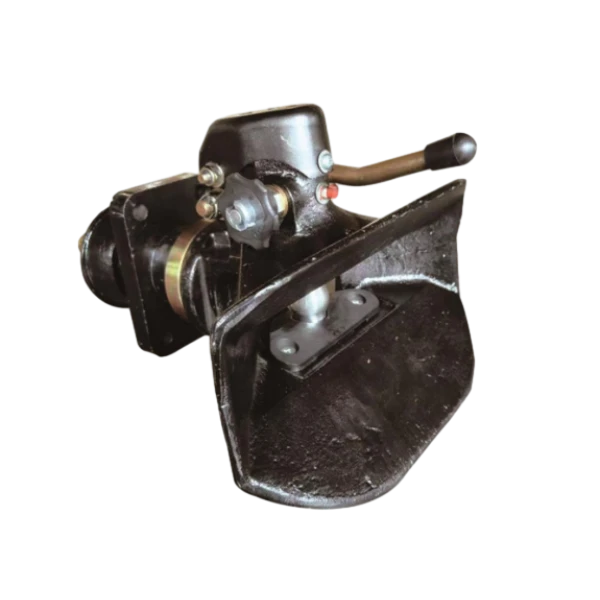 Trailer Coupling
The trailer coupling is a critical component in vehicle towing systems, designed to ensure a secure and efficient connection between a towing vehicle and a trailer. These couplings are manufactured using high-strength carbon steel, alloy steel, or stainless steel, ensuring durability and resistance to heavy loads and harsh environments.
-
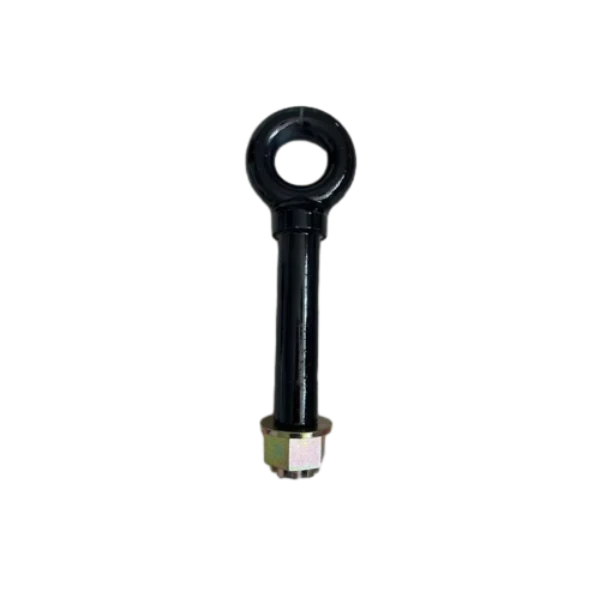
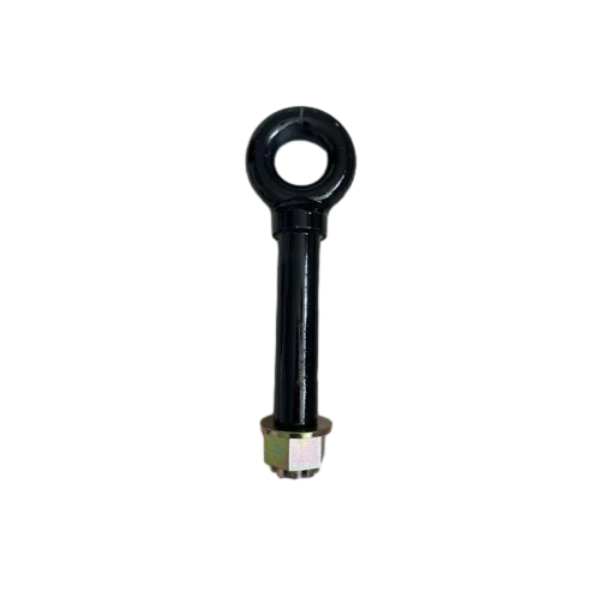 Drawbar Eyes
Drawbar eyes are essential components in towing and hauling applications, providing a strong and secure attachment point between the trailer and the towing vehicle. They are designed to endure extreme pulling forces, making them suitable for heavy-duty applications.
-
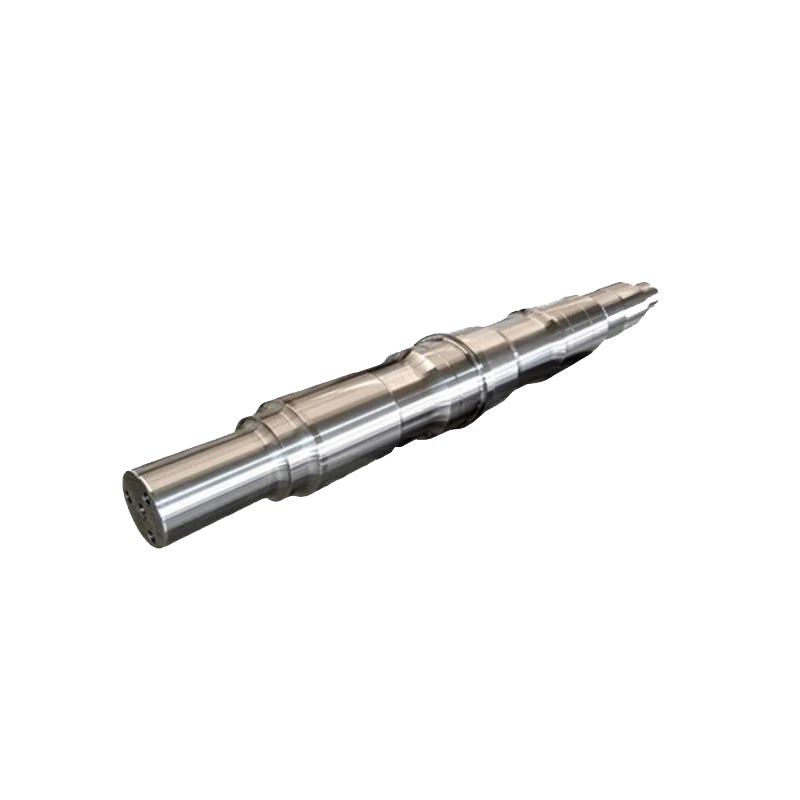
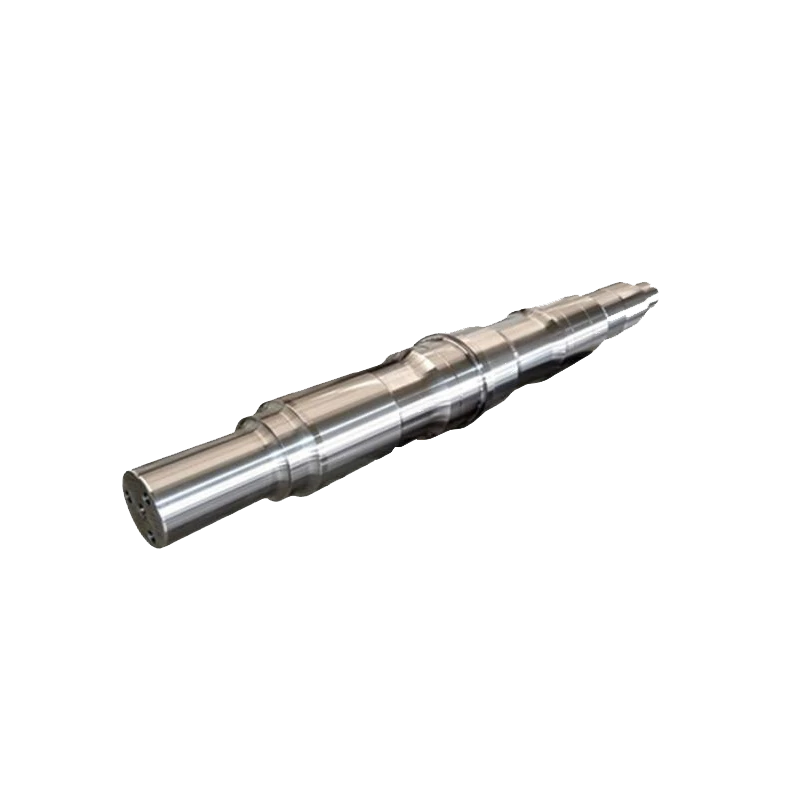 Axles
AxlesAxles are essential for vehicle load-bearing and power transmission, ensuring smooth movement and weight distribution. They must withstand high stress, torque, and impact, making material selection and precise manufacturing crucial.
-
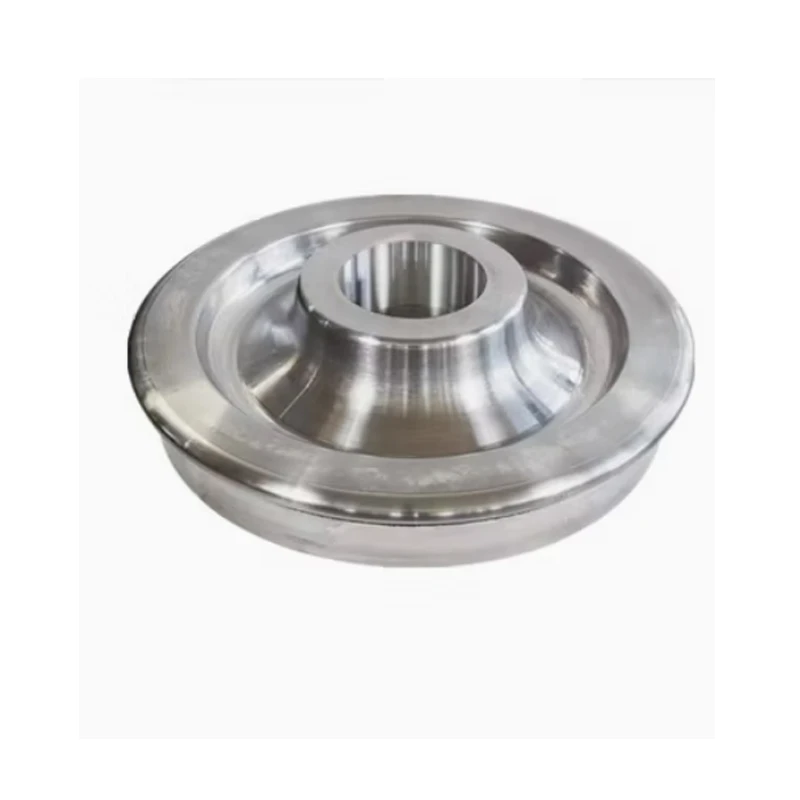 Profile S1002 Series Rail Wheels
The S1002 series rail wheels are designed for Rail-Road Vehicles (RRVs) that require seamless operation on both roads and railway tracks. Engineered with high precision and durability, these wheels conform to S1002 tread profiles, ensuring compatibility with standard railway systems.
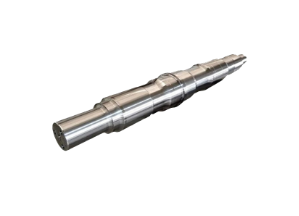
A Comprehensive Guide to Axles Types for Industry Decision Makers | Manufacturing Base
Axles Types is a key solution in the industry, specifically within heavy machinery and transportation sectors. This article explores how https://www.manufacturing-base.com supports professionals with durable, high-performance products
>
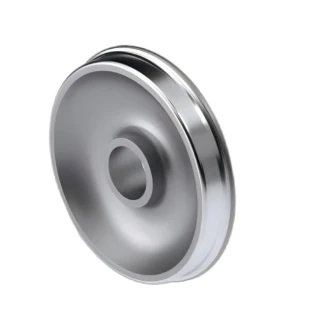
Reliable Rail Wheels: Optimize Your Rail Transport Solutions
For industries that rely on rail-based vehicles, choosing the right rail wheels is essential for smooth operations and safety.
>
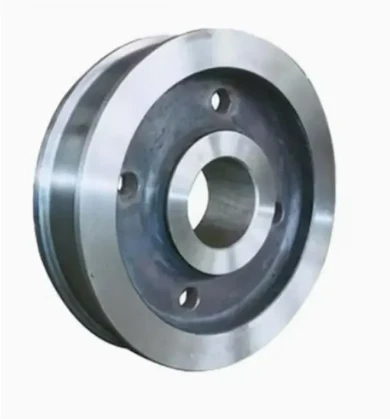
Premium Overhead Crane Wheels For Sale: Enhance Industrial Lifting Efficiency
In modern industrial operations, high-quality overhead crane wheels for sale are essential for safe, reliable, and efficient lifting.
>
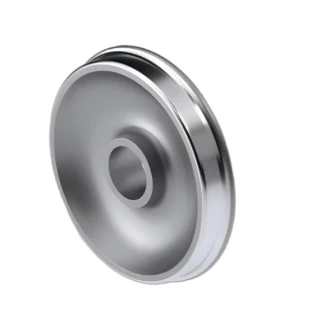
Premium Hi Rail Wheels For Sale: Boost Rail Vehicle Performance
In the modern industrial and railway sectors, having reliable hi rail wheels for sale is essential for operational efficiency and safety.
>
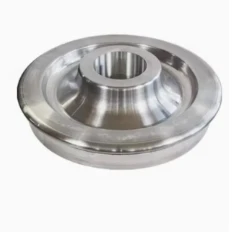
High-Quality Hi Rail Wheels For Sale: Enhance Your Rail Equipment Efficiency
When it comes to reliable rail maintenance and industrial operations, investing in hi rail wheels for sale is crucial.
>
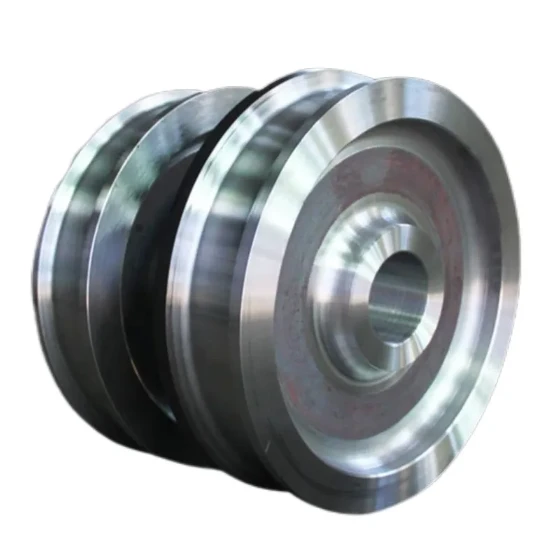
High-Quality Crane Wheels For Sale: Enhance Your Crane Operations
For industries relying on heavy lifting and material handling, investing in high-quality crane wheels for sale is crucial.
>
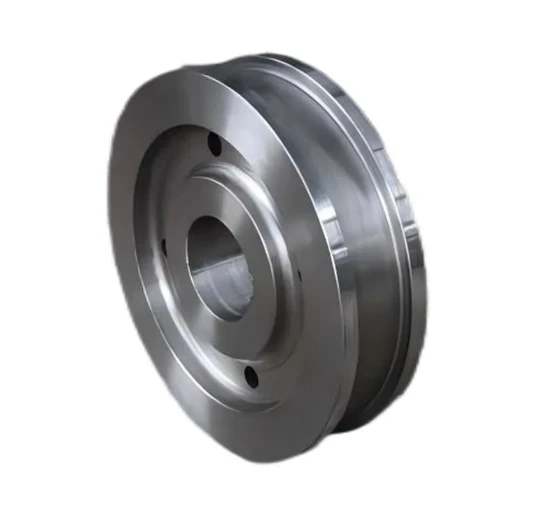
Durable Gantry Crane Wheels For Sale: Maximize Lifting Efficiency
For industries relying on heavy-duty lifting and material handling, selecting the right gantry crane wheels for sale is vital.
>
Reliable Tandem Drive Axles for Heavy-Duty Industrial Vehicles
Tandem Drive Axles: What I’ve Learned After Years in the Industrial Equipment Sector Ha
>
Reliable Semi Trailer Axles for Heavy-Duty Trailers | Expert Insight
Understanding semi trailer axles: The Backbone of Heavy Hauling Having spent more than a deca
>
RC Portal Axles: Industrial Strength and Custom Performance
RC Portal Axles: A Veteran’s Take on Industrial-Grade Performance Having spent over a d
>
Engineered for Excellence
Our forged solutions deliver reliability and performance, powering demanding industries to keep operations running smoothly.

Sign up
for Newsletter
Subscribe to the weekly newsletter for all the latest updates