- Tel: +86 311 82620404
- Cell: 86 -13739710551
- Email: sales@potentia.cn

Comprehensive Guide to Truck Trailer Coupling Types & Global Applications
Understanding Truck Trailer Coupling Types: Why They Matter Worldwide
When you think about the gloriously complex logistics grids that keep everything moving—from the coffee in your cup to vital medical supplies in a crisis—the humble truck trailer coupling plays a surprisingly big role. Simply put, it’s the mechanism that connects a trailer to a truck, ensuring safe and efficient transport. Globally, understanding truck trailer coupling types is critical for industries ranging from freight logistics to emergency relief. The benefits? Better safety, reduced downtime, optimized load handling, and fewer accidents.
As global trade channels swell, and humanitarian aid demands more rapid deployment, getting your coupling right can be the difference between a smooth delivery and costly delays.
Global Significance of Truck Trailer Couplings
In 2022, road freight transported over 70% of all goods by volume worldwide, according to the International Road Transport Union (IRU). That’s massive. And with international conventions like the United Nations’ Sustainable Development Goals (SDGs) pushing for improved infrastructure (Goal 9) and sustainable transport (Goal 11), it's clear that trailer couplings are more than just simple hardware; they’re crucial infrastructure enablers.
Yet, despite their simplicity, inefficient or incompatible couplings are a big headache. Think about the varied standards across continents — Europe largely prefers the fifth wheel coupling, whereas North America often uses pintle hooks or kingpins depending on the trailer. This mismatch can cause costly compatibility issues, especially in cross-border freight transport.
Put simply, truck trailer coupling types tie into major global logistic challenges and solutions.
What Are Truck Trailer Coupling Types?
At its core, a truck trailer coupling is a mechanical device that connects a truck and trailer, enabling them to tow and maneuver as one. These types vary based on vehicle design, trailer weight capacity, and operational needs. The common coupling designs include kingpin with fifth wheel, pintle hook, ball hitch, gooseneck, and automatic couplings. Each has its own structural and functional nuances.
This isn't just important for long-haul trucking. It's central to industries like construction, agriculture, and even humanitarian logistics where terrain and cargo types dictate the coupling choice.
Core Components Influencing Coupling Choice
Durability & Material Strength
Most couplings face intense mechanical stresses during transit. Materials like hardened steel ensure the coupling can withstand not only the static weight of cargo but dynamic forces like sudden braking or road shocks. Durability reduces downtime and repair costs — a major concern for fleet operators.
Compatibility & Interoperability
This is a biggie. Coupling types must harmonize with trailers and trucks of various makes and models. For example, intermodal freight transport depends heavily on standardized couplings to enable fast trailer swaps — a real logistical advantage.
Ease of Engagement & Safety Features
Some couplings, like the fifth wheel, require skilled drivers to engage correctly, whereas automatic couplings reduce human error significantly. Safety chains, locking pins, and electronic monitoring have been integrated in modern designs to prevent accidental decouplings — crucial for public and driver safety.
Cost Efficiency
Balancing upfront coupling costs with long-term maintenance is key. While automatic or specialty couplings might cost more initially, the reduced labor and risk often justify the investment.
Adaptability to Terrain and Load Types
From highway freight to rough off-road conditions (think mining or rural deliveries), coupling types adapt differently. Pintle hooks, common in military or disaster relief trucks, work better in rugged zones due to their articulation.
Summary: Picking the right coupling is about mixing technical specs with real-world use cases — not a one-size-fits-all.
Global Applications of Truck Trailer Coupling Types
In Europe, where dense urban centers demand efficient transport, the fifth wheel kingpin system dominates, allowing large trailers to articulate smoothly through narrow roads. In contrast, North America’s vast plains and heavy loads have popularized the pintle hook and gooseneck couplings for their robustness.
Meanwhile, in remote African or Asian regions, humanitarian NGOs rely on pintle hook combinations for post-disaster relief missions. Their greater tolerance for poor roads and ease of maintenance make them optimal for unpredictable terrains.
Truck trailer coupling types are also pivotal in industries like construction, where modular equipment haulers and dump trucks require different couplings to deal with heavy, shifting loads.
In real terms, coupling selection helps optimize everything from fuel efficiency to driver safety and freight turnaround times.
Practical Product Specification: Example Truck Trailer Coupling Types
| Coupling Type | Max Load Capacity | Material | Typical Use Case | Engagement Method |
|---|---|---|---|---|
| Fifth Wheel (Kingpin) | Up to 80,000 lbs | Hardened Steel | Long-haul, highway freight | Manual locking |
| Pintle Hook | Up to 50,000 lbs | Forged Steel | Off-road, military, disaster relief | Latch & Pin |
| Ball Hitch | Up to 10,000 lbs | Steel or Aluminum | Light trailers, small loads | Snap-on ball socket |
| Gooseneck | Up to 40,000 lbs | Steel | Horse trailers, flatbeds | Manual locking |
Advantages and Long-Term Benefits
Choosing the right coupling type can lower operational costs by preventing wear and tear, improve cargo safety, and limit regulatory hassles. Reliability breeds trust—not just with clients but with drivers who depend on their equipment under tough conditions.
From a sustainability standpoint, strong, durable couplings reduce waste through longer service life, and innovations in materials science (like corrosion-resistant alloys) continue to push this boundary.
On the emotional side, think about the immense reassurance a driver feels knowing their trailer won’t unexpectedly detach on a busy highway. That peace of mind syncs perfectly with innovation which is often overlooked but invaluable.
Comparing Leading Coupling Vendors
| Vendor | Specialty | Price Range | Durability Rating | Global Reach |
|---|---|---|---|---|
| AeroLink Couplings | Heavy-duty fifth wheel | $$$ | 9/10 | North America, Europe |
| TrekPintle | Pintle hooks for rough terrain | $$ | 8/10 | Global, strong in Africa & Asia |
| EasyHitch | Automatic couplings | $$$$ | 9.5/10 | Europe, USA |
What's Next? Trends Shaping Truck Trailer Coupling Technology
Electric trucks and autonomous hauling aren’t sci-fi anymore; they’re here. That means couplings will need to integrate with digital monitoring systems, enabling smart diagnostics and predictive maintenance. Plus, there’s a big push toward lighter materials that don’t sacrifice strength—carbon composites, perhaps?
Environmental policies are also nudging manufacturers to develop corrosion-resistant, recyclable components. That adds up to longer life cycles and less environmental footprint. And frankly, with logistics increasingly automated, couplings might soon need “smart” locking and unlocking controlled remotely... exciting or unsettling, depending on your perspective.
Challenges & Practical Solutions
Despite advances, challenges persist. Compatibility across international fleets still causes headaches. Plus, wear from constant heavy hauling means repairs and replacements are inevitable.
Luckily, modular designs and standardization efforts (like those endorsed by ISO) help reduce mismatches. Plus, maintenance protocols using digital sensors now alert operators before failures. This proactive approach is shifting the industry from reactive fixes to smart upkeep.
FAQ: Truck Trailer Coupling Types
- What is the safest type of truck trailer coupling for heavy loads?
- The fifth wheel coupling is widely regarded as the safest and most stable for heavy loads due to its robust locking mechanism and wide weight distribution. It's the gold standard in long-haul freight.
- How do pintle hooks compare to fifth wheels in rough terrains?
- Pintle hooks offer superior articulation and durability on uneven, off-road surfaces, making them ideal for military or disaster relief scenarios where roads are unpredictable.
- Can I use one coupling type for multiple trailer models?
- Compatibility depends on design standards. While some couplings are universal, many trailers require specific connections to ensure safety and compliance. Always verify the correct type before use.
- Are automatic couplings worth the investment for small fleets?
- Automatic couplings reduce human error and speed up trailer connections, but they come with higher upfront costs. Small fleets must weigh these benefits against budget constraints and operational scale.
- How do environmental factors influence coupling material choice?
- Corrosive environments demand rust-resistant materials like galvanized or stainless steel to extend coupling lifespan and maintain safety.
In Conclusion: Why Diving Into Truck Trailer Coupling Types Pays Off
There’s an elegance in the simplicity of truck trailer couplings—they’re small but mighty contributors to global supply chains and humanitarian responses. Choosing the right coupling type boosts safety, efficiency, and sustainability. As transport faces future challenges from climate change and digital transformation, these components will become even more critical.
For anyone working in logistics, freight, or industry, it’s worth dedicating some time to understand these coupling variations and their ripple effects. Curious to learn more? Visit our detailed product pages truck trailer coupling types and discover solutions tailored to your needs.
References:
1. International Road Transport Union (IRU) Reports 2022
2. United Nations Sustainable Development Goals Documentation
3. ISO Standards on Road Vehicle Couplings (ISO 1726)
-
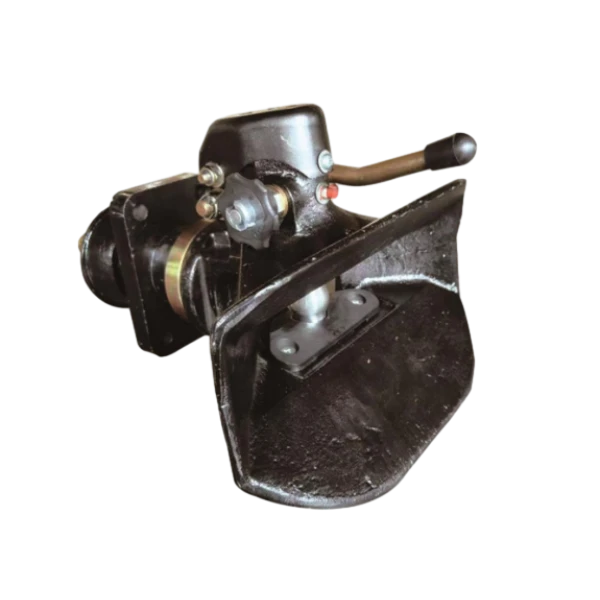 Trailer Coupling
The trailer coupling is a critical component in vehicle towing systems, designed to ensure a secure and efficient connection between a towing vehicle and a trailer. These couplings are manufactured using high-strength carbon steel, alloy steel, or stainless steel, ensuring durability and resistance to heavy loads and harsh environments.
-
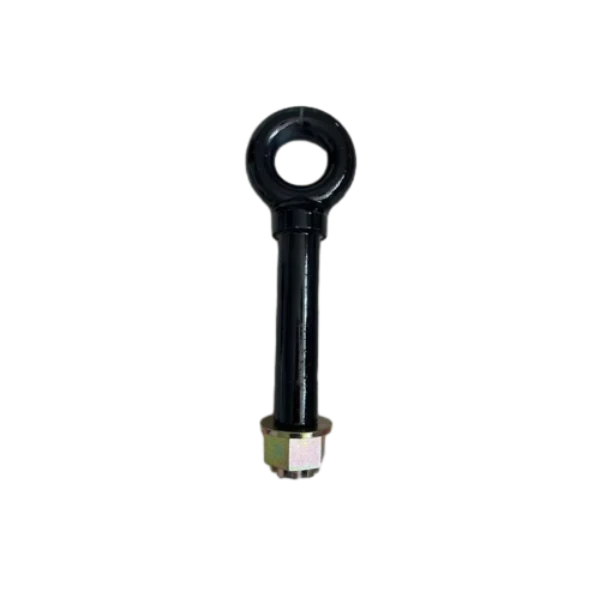
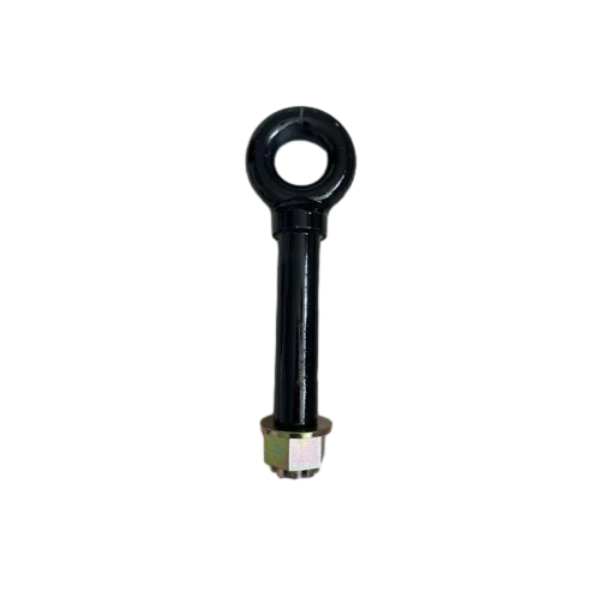 Drawbar Eyes
Drawbar eyes are essential components in towing and hauling applications, providing a strong and secure attachment point between the trailer and the towing vehicle. They are designed to endure extreme pulling forces, making them suitable for heavy-duty applications.
-
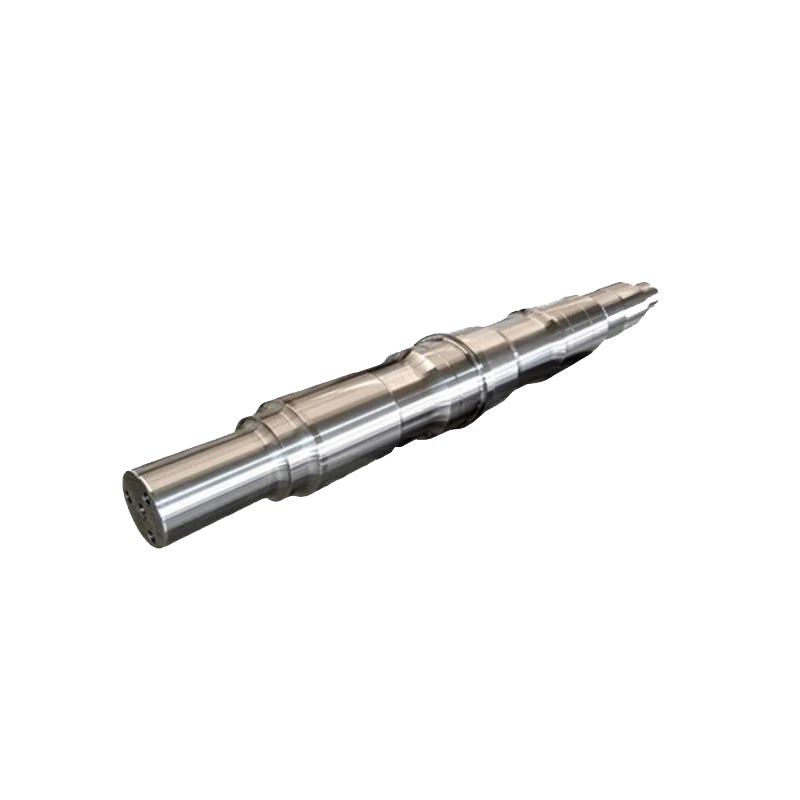
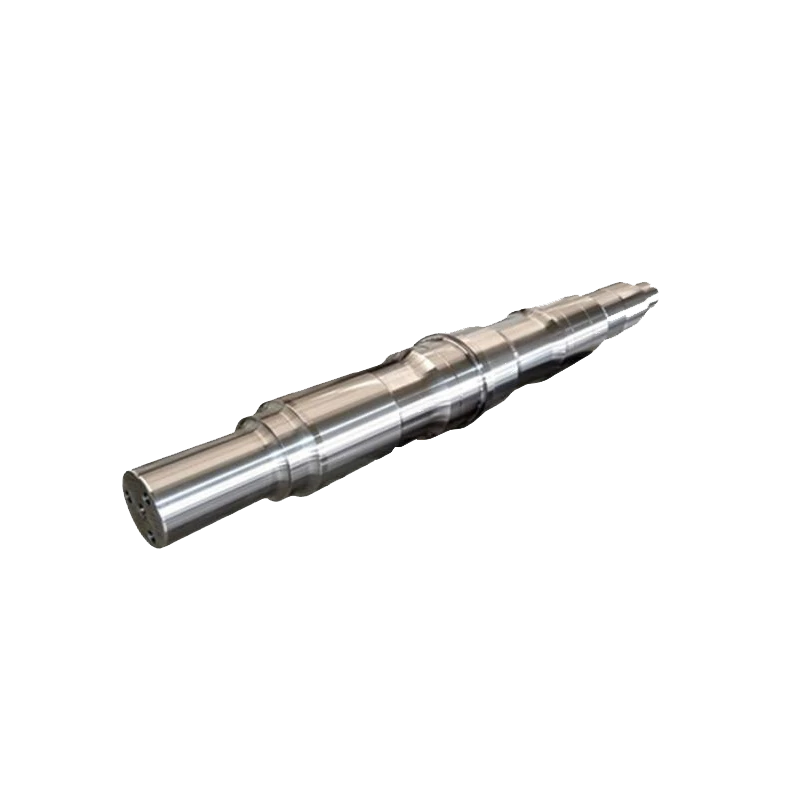 Axles
AxlesAxles are essential for vehicle load-bearing and power transmission, ensuring smooth movement and weight distribution. They must withstand high stress, torque, and impact, making material selection and precise manufacturing crucial.
-
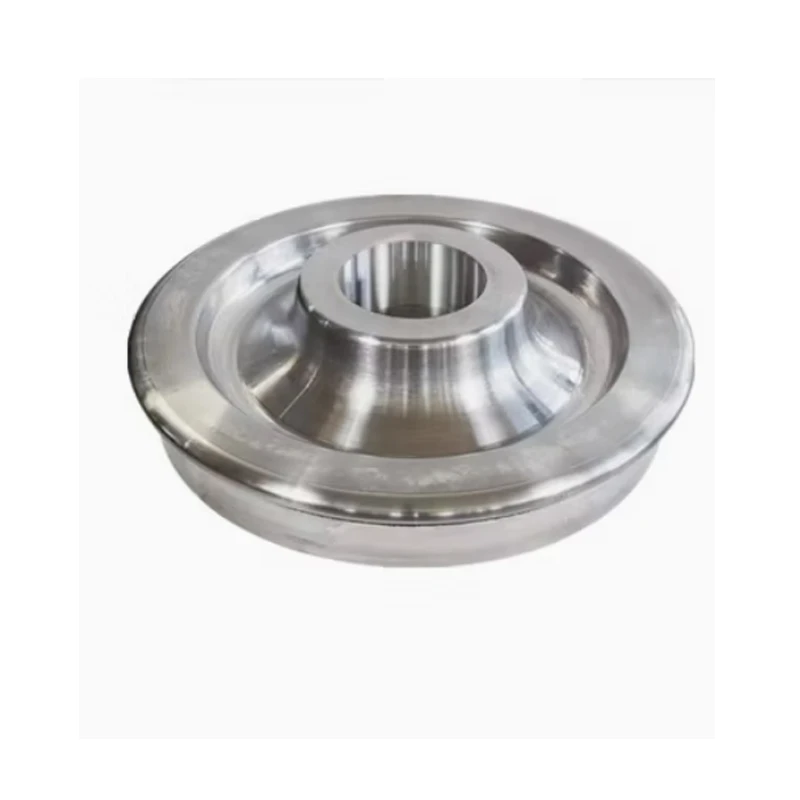 Profile S1002 Series Rail Wheels
The S1002 series rail wheels are designed for Rail-Road Vehicles (RRVs) that require seamless operation on both roads and railway tracks. Engineered with high precision and durability, these wheels conform to S1002 tread profiles, ensuring compatibility with standard railway systems.
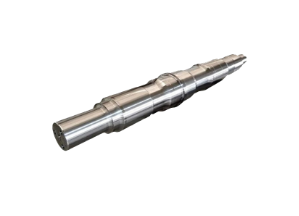
A Comprehensive Guide to Axles Types for Industry Decision Makers | Manufacturing Base
Axles Types is a key solution in the industry, specifically within heavy machinery and transportation sectors. This article explores how https://www.manufacturing-base.com supports professionals with durable, high-performance products
>
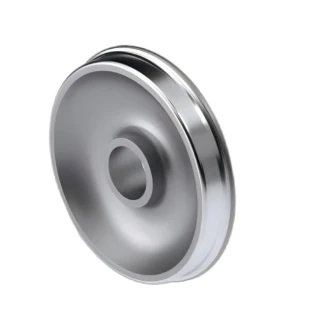
Reliable Rail Wheels: Optimize Your Rail Transport Solutions
For industries that rely on rail-based vehicles, choosing the right rail wheels is essential for smooth operations and safety.
>
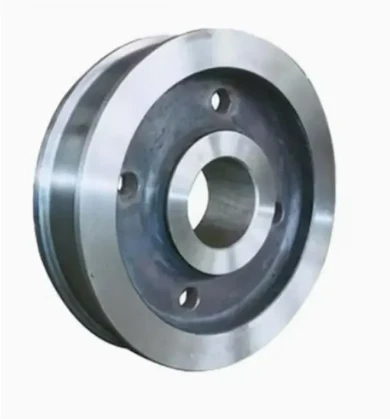
Premium Overhead Crane Wheels For Sale: Enhance Industrial Lifting Efficiency
In modern industrial operations, high-quality overhead crane wheels for sale are essential for safe, reliable, and efficient lifting.
>
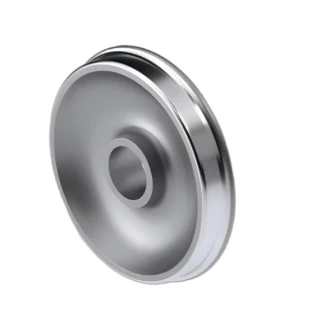
Premium Hi Rail Wheels For Sale: Boost Rail Vehicle Performance
In the modern industrial and railway sectors, having reliable hi rail wheels for sale is essential for operational efficiency and safety.
>
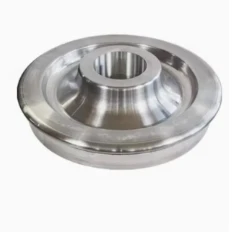
High-Quality Hi Rail Wheels For Sale: Enhance Your Rail Equipment Efficiency
When it comes to reliable rail maintenance and industrial operations, investing in hi rail wheels for sale is crucial.
>
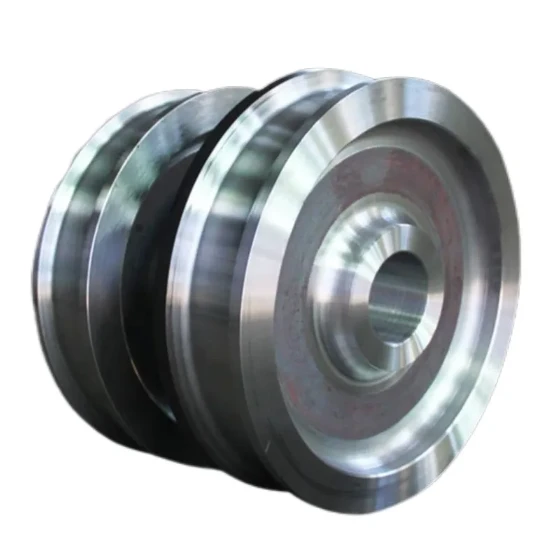
High-Quality Crane Wheels For Sale: Enhance Your Crane Operations
For industries relying on heavy lifting and material handling, investing in high-quality crane wheels for sale is crucial.
>
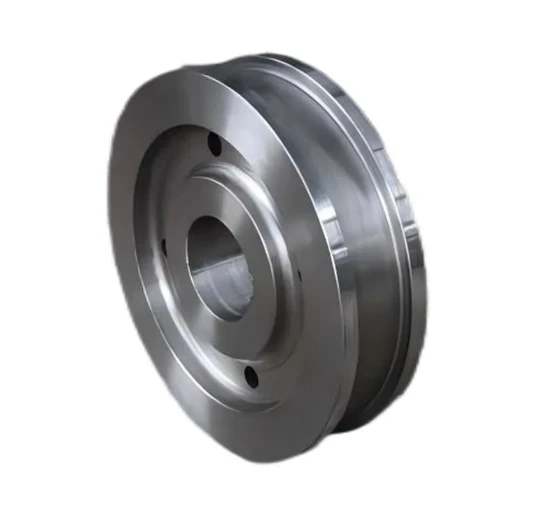
Durable Gantry Crane Wheels For Sale: Maximize Lifting Efficiency
For industries relying on heavy-duty lifting and material handling, selecting the right gantry crane wheels for sale is vital.
>
Reliable Tandem Drive Axles for Heavy-Duty Industrial Vehicles
Tandem Drive Axles: What I’ve Learned After Years in the Industrial Equipment Sector Ha
>
Reliable Semi Trailer Axles for Heavy-Duty Trailers | Expert Insight
Understanding semi trailer axles: The Backbone of Heavy Hauling Having spent more than a deca
>
RC Portal Axles: Industrial Strength and Custom Performance
RC Portal Axles: A Veteran’s Take on Industrial-Grade Performance Having spent over a d
>
Engineered for Excellence
Our forged solutions deliver reliability and performance, powering demanding industries to keep operations running smoothly.

Sign up
for Newsletter
Subscribe to the weekly newsletter for all the latest updates