- Tel: +86 311 82620404
- Cell: 86 -13739710551
- Email: sales@potentia.cn

Comprehensive Guide to Trailer Coupling Types for Global Logistics & Safety
Trailer Coupling Types: A Hidden Hero of Global Logistics
Ever paused to consider the humble yet critical link between a truck and its trailer on highways stretching thousands of miles across continents? Trailer coupling types may sound like a dry technical detail to some, but they underpin one of the most vital arteries in modern transportation, logistics, and even humanitarian response. Understanding the nuances of these coupling systems offers not just insight into mechanical engineering, but also into how entire supply chains thrive — especially when speed, safety, and reliability are on the line.
Globally, trailers haul billions of tons of goods yearly, from fresh food to construction materials. The efficiency and safety of trailer couplings directly impact this flow. Knowing the varieties and their key traits is valuable for fleet managers, engineers, and even emergency agencies seeking robust, adaptable solutions.
Mini takeaway: Trailer coupling types aren’t just connectors—they are enablers of global commerce and aid delivery.
The Worldwide Importance of Choosing the Right Trailer Coupling Type
When you think about global trade, the UN estimates that road transport carries around 70% of all inland freight worldwide. The World Bank highlights road freight as crucial for economic growth, especially in emerging markets where rail and air options remain limited. But here’s the kicker—proper trailer coupling systems ensure the security of cargo and safety of drivers on these heavily-trafficked routes.
Standardization bodies like ISO emphasize compatibility and safety standards for trailer couplings, but the challenge lies in meeting varied regional infrastructure and vehicle design requirements. Incorrect or suboptimal coupling types can cause costly failures, delays, or worse—accidents. For humanitarian agencies like the UN’s World Food Programme, robust couplings mean the difference between timely aid and disrupted missions.
Mini takeaway: Road freight’s backbone depends on the right trailer coupling choice—impacting safety, efficiency, and humanitarian outcomes globally.
What Exactly Are Trailer Coupling Types?
Simply put, trailer coupling types are the various mechanical devices used to connect a trailer to a towing vehicle. Think of them as high-strength, specialized hooks, locks, or sockets designed to safely transfer loads and control forces during motion.
Depending on the application—from light commercial vehicles to heavy-duty haulage—the coupling type varies. It’s not just about “clamping two metal bits.” The coupling must negotiate uneven terrain, weight shifts, and sometimes quick detach/attach needs for operational agility.
In modern industry, the right coupling system supports seamless logistics. And in humanitarian needs, it ensures vehicles can carry vital supplies without breakdowns or delays—often under harsh conditions.
Mini takeaway: Trailer coupling types are your trailer’s lifeline—engineered connectors tailored for purpose and environment.
Core Components and Considerations in Trailer Coupling Types
1. Durability & Material Strength
Most couplings are forged from steel alloys designed to resist wear, corrosion, and fatigue over years of use. The choice of material directly affects lifespan and safety margins.
2. Compatibility & Standardization
ISO and regional standards ensure couplings fit with existing vehicle hitch setups. This is critical for interoperability and reducing downtime.
3. Load Capacity
Every coupling type is rated for maximum weight and dynamic forces. Exceeding these can cause premature failure, so sizing is non-negotiable.
4. Ease of Use & Maintenance
Quick coupling designs facilitate fast trailer swaps in delivery hubs or disaster zones, minimizing labor and confusion.
5. Safety Features
Locking mechanisms and fail-safes prevent accidental detachment, protecting drivers and cargo.
Mini takeaway: A good trailer coupling balances strength, safety, and usability tailored to its operational context.
How Trailer Coupling Types Serve Different Global Applications
Across continents, trailer couplings show surprising variation:
- Europe: The automatic center-lock coupling is popular for heavy transport trucks, easing frequent trailer changes in cross-border logistics.
- North America: Fifth wheel couplings dominate long-haul freight industry, offering high load capacity and stability.
- Africa & Asia: Due to infrastructure variability, rigid and simple pin-and-latch couplings are common in rural transport.
- Humanitarian Efforts: During post-disaster recovery (e.g., 2010 Haiti earthquake), agencies preferred couplings allowing rapid detachment for multi-use vehicles under tight deadlines.
You can read more about different trailer coupling types elsewhere—this is truly a world of diversity shaped by local needs.
Mini takeaway: The right trailer coupling type is often dictated by geography, industry, and mission-critical timelines.
Advantages and Long-Term Impact of Investing in Quality Trailer Coupling
High-quality trailer couplings offer benefits beyond the obvious:
- Reduced maintenance costs due to durability
- Improved safety for drivers and road users
- Minimized cargo loss or damage
- Enhanced operational efficiency through faster trailer swaps
- Flavor of trust and confidence among fleet operators
For humanitarian organizations, it’s not just logistics—it’s dignity, speed, and reliability that save lives.
Product Specification Table for Common Trailer Coupling Types
| Coupling Type | Load Capacity (tons) | Typical Application | Material | Special Features |
|---|---|---|---|---|
| Fifth Wheel | up to 40 | Long-haul trucks | Forged Steel | High stability, easy turn |
| Automatic Kingpin Coupling | up to 36 | Heavy duty trailers | Hardened Steel | Self-locking, quick release |
| Pin and Latch | up to 10 | Light trailers, agricultural use | Steel Alloy | Simple, low cost |
| Ball Coupling | up to 3.5 | Small trailers, recreational | Steel with Chrome plating | Versatile, easy hitch |
Comparing Leading Trailer Coupling Vendors
| Vendor | Product Range | Global Presence | Warranty | Price Range |
|---|---|---|---|---|
| AutoCouple Inc. | Fifth Wheel, Kingpin Systems | North America, Europe, Asia | 5 years | $$$ |
| SafeLink Solutions | Pin & Latch, Ball Couplings | Africa, Asia, South America | 3 years | $ |
| Global Hitch Co. | Full range, customized options | Worldwide | 7 years | $$$$ |
Looking Ahead: Innovations Shaping Trailer Coupling Types
Here’s something many don’t realize: trailer coupling technology isn’t stuck in the past. The future is swirling with innovations like:
- Smart Couplings: Embedded sensors monitor wear and usage, sending alerts before failures happen.
- Lightweight Alloys: Titanium composites offer strong but lighter couplings, improving fuel efficiency.
- Automation-Friendly: Couplings designed for automated truck platooning and self-hitching trailers are on the rise.
- Eco-conscious Coatings: Corrosion-resistant, non-toxic finishes extend lifespan and reduce environmental impact.
It feels like the marriage of old-school mechanics and digital-age smarts—giving logistics and relief fleets a much-needed boost.
Challenges in Trailer Coupling and How the Industry is Responding
Not all is smooth on the coupling front. Common issues include:
- Mismatched Parts: Regional standards sometimes clash, causing compatibility headaches.
- Wear and Tear: Extreme weather or heavy loads accelerate damage, especially in rough terrains.
- Installation Errors: Improper fitting leads to costly breakdowns or accidents.
Industry experts suggest rigorous standardization efforts, thorough training for operators, and employing sensor tech to pre-empt faults. Some NGOs even pilot modular coupling kits for field adaptability during disaster aid.
FAQ: Common Questions About Trailer Coupling Types
- Q: What makes fifth wheel coupling preferable for long-haul trucking?
- A: Fifth wheel couplings offer superior load distribution, allowing for higher weight capacities and smoother turning, which are essential for highway driving with heavy trailers.
- Q: Can I use the same trailer coupling type internationally?
- A: It depends on regional standards. Some coupling types conform to international norms (e.g., ISO), but others may require adapters or replacements to comply with local regulations.
- Q: How often should trailer couplings be inspected for safety?
- A: Regular inspection intervals often range from every 3 to 6 months, but high-frequency use or harsh conditions may require more frequent checks.
- Q: Are automatic couplings more expensive to maintain?
- A: While initial costs can be higher, automatic couplings often reduce labor and downtime, potentially lowering overall maintenance expenses.
- Q: What factors should NGOs consider when selecting trailer couplings for disaster relief?
- A: Durability, ease of use, compatibility with various vehicles, and rapid deployment features are essential to ensure reliable aid transport under urgent conditions.
Conclusion: Why Trailer Coupling Types Matter More Than You Thought
It’s fascinating how this seemingly small component—trailer coupling types—plays a gigantic role in keeping global commerce, aid deliveries, and everyday logistics humming smoothly. From basic pin and latch models for local farms to high-tech automatic systems on interstate highways, their importance can’t be overstated. If you’re in the business or simply curious, diving into this topic shows you an often overlooked yet indispensable piece in the puzzle.
Ready to explore or upgrade your trailer coupling systems? Visit our website for detailed product insights and expert advice: https://www.manufacturing-base.com
References
-
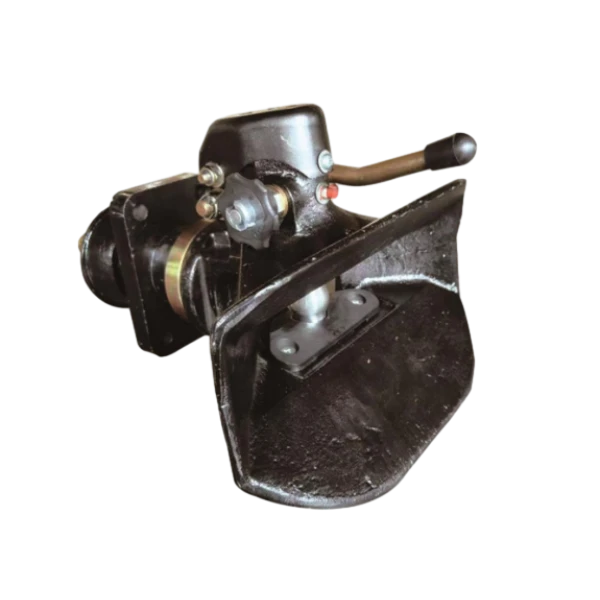 Trailer Coupling
The trailer coupling is a critical component in vehicle towing systems, designed to ensure a secure and efficient connection between a towing vehicle and a trailer. These couplings are manufactured using high-strength carbon steel, alloy steel, or stainless steel, ensuring durability and resistance to heavy loads and harsh environments.
-
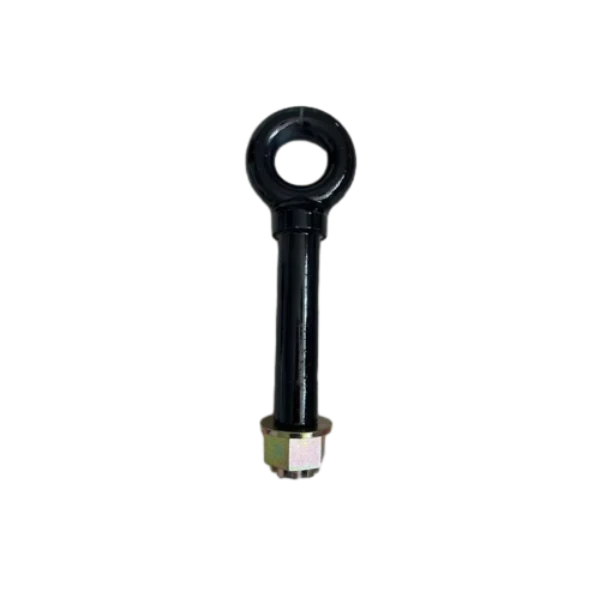
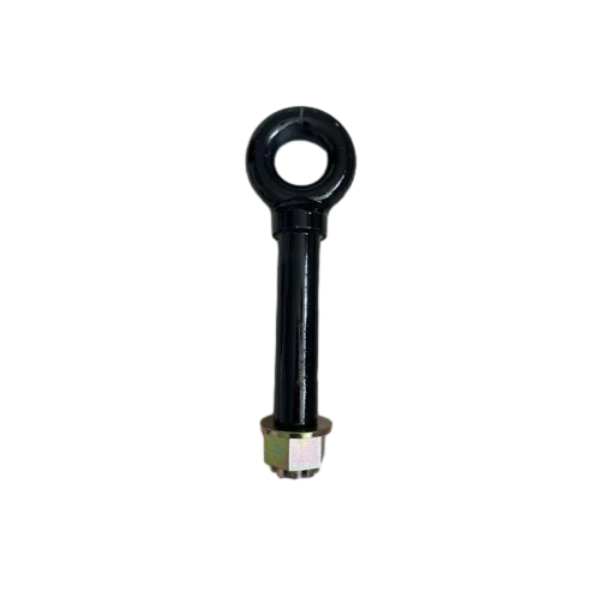 Drawbar Eyes
Drawbar eyes are essential components in towing and hauling applications, providing a strong and secure attachment point between the trailer and the towing vehicle. They are designed to endure extreme pulling forces, making them suitable for heavy-duty applications.
-
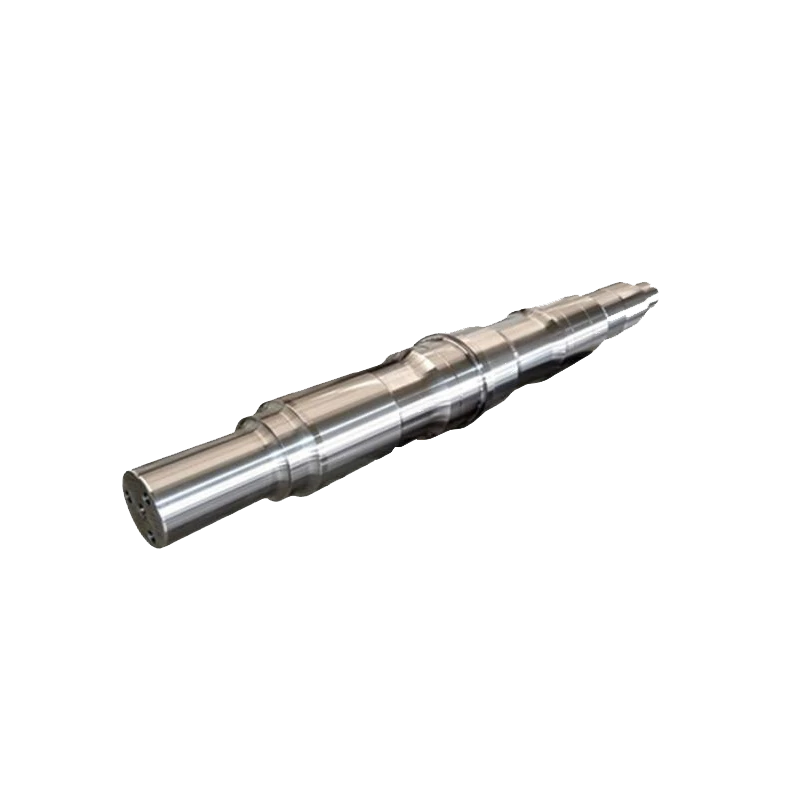 Axles
AxlesAxles are essential for vehicle load-bearing and power transmission, ensuring smooth movement and weight distribution. They must withstand high stress, torque, and impact, making material selection and precise manufacturing crucial.
-
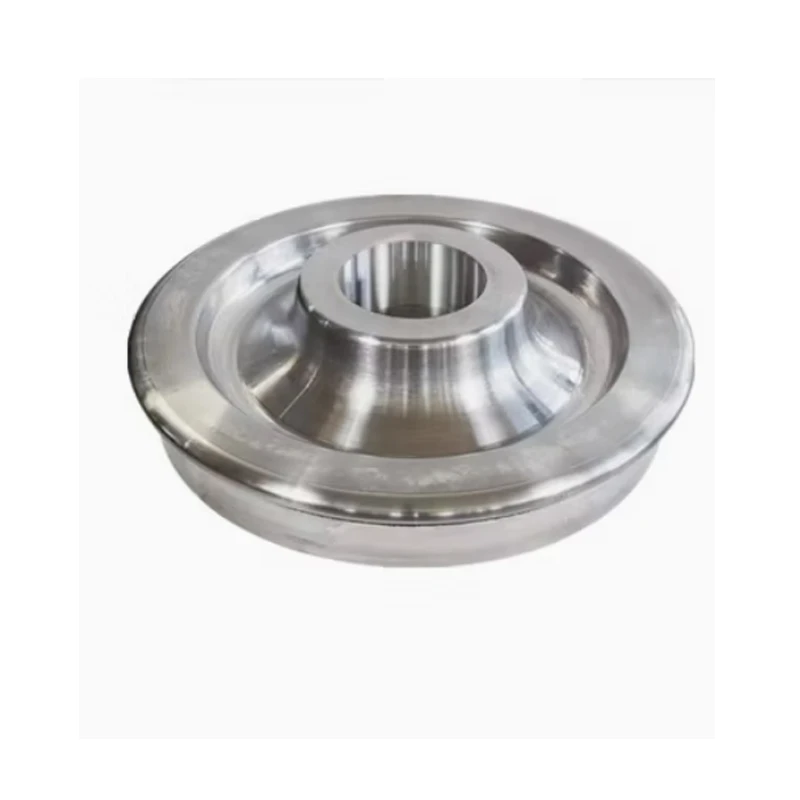 Profile S1002 Series Rail Wheels
The S1002 series rail wheels are designed for Rail-Road Vehicles (RRVs) that require seamless operation on both roads and railway tracks. Engineered with high precision and durability, these wheels conform to S1002 tread profiles, ensuring compatibility with standard railway systems.
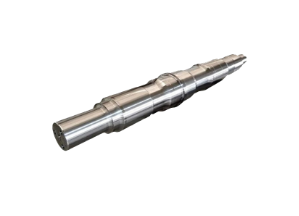
A Comprehensive Guide to Axles Types for Industry Decision Makers | Manufacturing Base
Axles Types is a key solution in the industry, specifically within heavy machinery and transportation sectors. This article explores how https://www.manufacturing-base.com supports professionals with durable, high-performance products
>
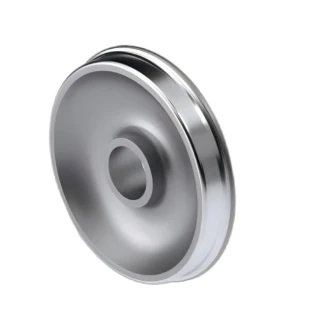
Reliable Rail Wheels: Optimize Your Rail Transport Solutions
For industries that rely on rail-based vehicles, choosing the right rail wheels is essential for smooth operations and safety.
>
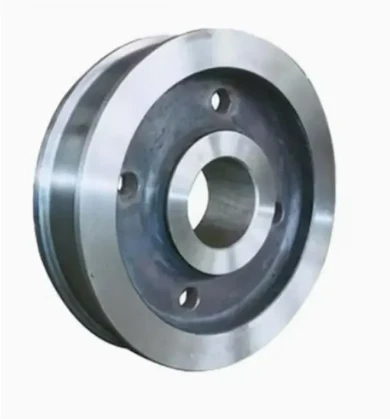
Premium Overhead Crane Wheels For Sale: Enhance Industrial Lifting Efficiency
In modern industrial operations, high-quality overhead crane wheels for sale are essential for safe, reliable, and efficient lifting.
>
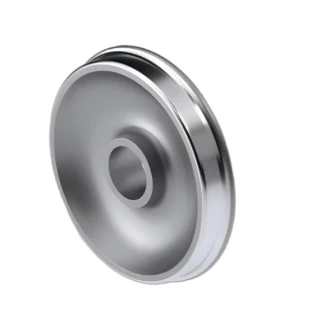
Premium Hi Rail Wheels For Sale: Boost Rail Vehicle Performance
In the modern industrial and railway sectors, having reliable hi rail wheels for sale is essential for operational efficiency and safety.
>
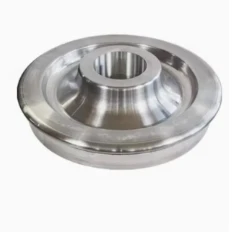
High-Quality Hi Rail Wheels For Sale: Enhance Your Rail Equipment Efficiency
When it comes to reliable rail maintenance and industrial operations, investing in hi rail wheels for sale is crucial.
>
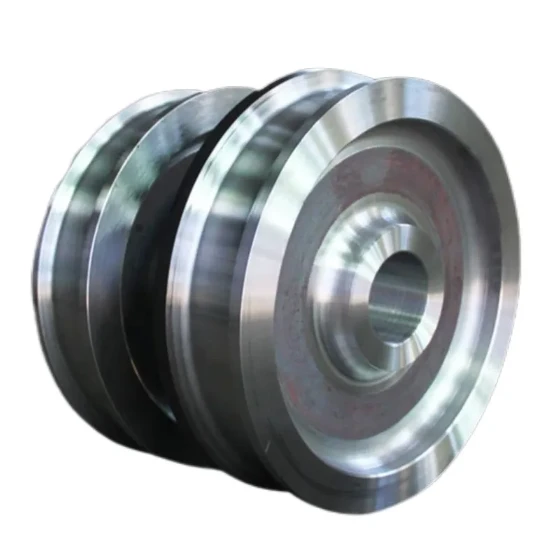
High-Quality Crane Wheels For Sale: Enhance Your Crane Operations
For industries relying on heavy lifting and material handling, investing in high-quality crane wheels for sale is crucial.
>
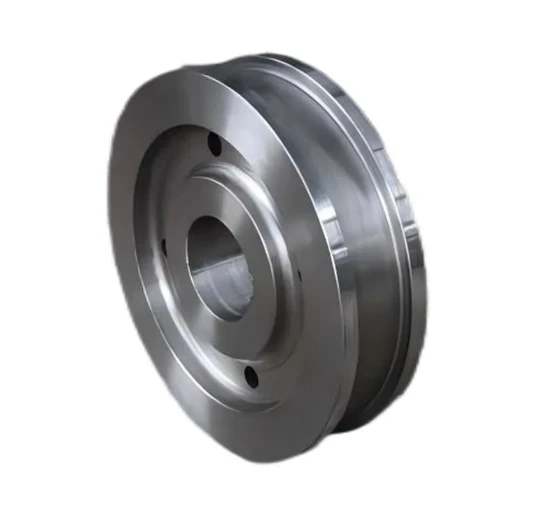
Durable Gantry Crane Wheels For Sale: Maximize Lifting Efficiency
For industries relying on heavy-duty lifting and material handling, selecting the right gantry crane wheels for sale is vital.
>
Reliable Tandem Drive Axles for Heavy-Duty Industrial Vehicles
Tandem Drive Axles: What I’ve Learned After Years in the Industrial Equipment Sector Ha
>
Reliable Semi Trailer Axles for Heavy-Duty Trailers | Expert Insight
Understanding semi trailer axles: The Backbone of Heavy Hauling Having spent more than a deca
>
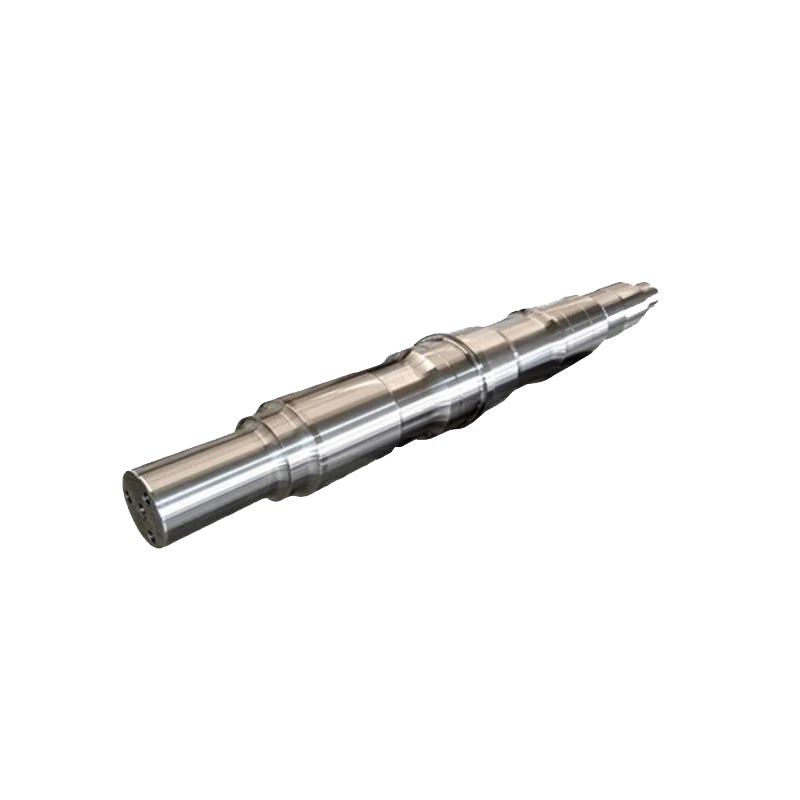
RC Portal Axles: Industrial Strength and Custom Performance
RC Portal Axles: A Veteran’s Take on Industrial-Grade Performance Having spent over a d
>
Engineered for Excellence
Our forged solutions deliver reliability and performance, powering demanding industries to keep operations running smoothly.

Sign up
for Newsletter
Subscribe to the weekly newsletter for all the latest updates