- Tel: +86 311 82620404
- Cell: 86 -13739710551
- Email: sales@potentia.cn

Versatile Rail Wheels for Sale: Precision Meets Performance
As transportation, construction, and infrastructure projects become increasingly dynamic, the demand for adaptable mobility solutions continues to grow. Whether used on traditional railway freight systems or integrated into modified off-road machinery, high-quality rail wheels for sale play a pivotal role in enabling efficient, safe, and versatile movement. From rail rider wheels for sale to rugged steel rail wheels and precisely engineered flanged wheels rail, these components are vital in sectors ranging from logistics and maintenance to mining and urban rail development. When designed and manufactured to industry-grade specifications, rail car wheels not only boost productivity but also extend the service life of the equipment they support.
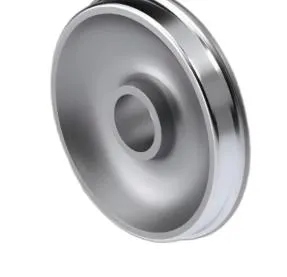
Rail Wheels for Sale: Core Mobility for Specialized Applications
Searching for rail wheels for sale means evaluating performance criteria beyond just size and price. These wheels are essential in any rail-guided system—be it industrial trolleys, repair vehicles, custom rail carts, or dual-mode trucks. Designed for continuous operation on steel tracks, rail wheels must offer the perfect blend of strength, load capacity, and precision alignment. The wheel’s diameter, tread width, flange height, bore size, and material composition all influence its ability to safely and smoothly run on a variety of rail profiles.
Modern rail wheels are typically forged or cast from high-grade steel alloys, such as 42CrMo or 1045, which are known for high tensile strength, wear resistance, and heat treatment compatibility. After forging, wheels undergo machining and surface hardening to ensure uniformity and reduce rolling resistance. Whether used on flatbed carts in a manufacturing plant or on heavy-duty transport wagons in mining operations, rail wheels for sale must maintain stability, reduce track damage, and operate with minimal maintenance.
Rail Rider Wheels for Sale: Dual-Purpose Agility for Track-Based Systems
The concept of rail rider wheels for sale reflects an innovation in equipment mobility—designed to serve both rail and road environments without manual dismantling or vehicle swapping. These wheels are most commonly used in modified excavators, cranes, and logistics vehicles that require temporary access to railway tracks. Rail rider systems enable equipment to traverse rail lines for inspection, welding, cleaning, or cargo handling, then return to road operation with minimal delay.
What sets rail rider wheels for sale apart is their modular construction and integration flexibility. These wheels are often mounted on telescopic or hydraulic arms that can be lowered to engage with the track when needed. Constructed from hardened steel and equipped with precision-machined flanges, they ensure safe and centered tracking even on worn or uneven rails. Because these systems must operate under both static and dynamic loads, material selection and structural strength are critical.
From railway maintenance vehicles to inspection trucks and hybrid shunting equipment, rail rider wheels enhance operational flexibility and dramatically reduce the time and cost associated with switching between rail and road. For contractors and logistics providers operating in rail-adjacent zones, they represent a game-changing efficiency solution.
Steel Rail Wheels: Strength and Precision Under Load
Steel rail wheels form the backbone of rail-based movement systems. Unlike rubber-tired systems, steel wheels offer minimal rolling resistance and superior longevity under heavy axial loads. These wheels are commonly used in mining carts, crane trolleys, railway transfer vehicles, and underground logistics equipment. Their success lies in precise machining, proper material heat treatment, and optimal flange geometry to ensure seamless operation over long distances.
The best steel rail wheels are forged to refine internal grain structure and eliminate casting voids. After forming, they are stress-relieved and machined to exacting tolerances. Key features include induction-hardened treads, radiused edges to prevent rail gouging, and flanges tailored to specific track profiles. Bearings and mounting hubs may also be integrated or matched separately based on application type.
In settings where frequent usage and continuous motion are expected—such as factories with in-floor rail logistics or steel mills with automated coil transport systems—steel rail wheels offer unmatched performance with minimal lifecycle cost. Their resistance to deformation, temperature extremes, and abrasive debris ensures long-term reliability and safety.
Flanged Wheels Rail: Guided Movement for Fixed Track Systems
Flanged wheels rail solutions are essential wherever a rail-guided path is used to ensure directional control. These wheels feature a raised inner edge—the flange—that keeps the wheel centered on the rail and prevents derailment, especially during turns or uneven track sections. Used in cranes, warehouse carts, rail-bound assembly lines, and specialty construction equipment, flanged wheels ensure linear, stable motion without the need for constant operator correction.
When selecting flanged wheels rail, one must consider the flange height, angle, and tread width relative to the rail. High-speed or heavy-load applications typically demand deeper and more reinforced flanges. These wheels are made from treated alloy steels and may be lubricated or fitted with self-lubricating bushings to reduce wear. Specialized models may also feature double flanges for multi-directional stability or be machined to accommodate slope rails in mining and hydropower installations.
By preventing off-track movement and reducing the risk of rail damage, flanged wheels contribute significantly to the safety and efficiency of material handling systems. Their simplicity of function belies their engineering sophistication—where every millimeter matters.
rail car wheels FAQs
What are rail car wheels made of, and why is steel preferred?
Rail car wheels are typically made from forged or cast steel due to the material’s exceptional strength, durability, and resistance to wear. Steel maintains dimensional stability under load and is ideal for surface hardening processes like induction quenching. These features ensure the wheel can handle the rolling pressure, temperature variation, and impact forces encountered during rail operation without deforming or failing.
Can rail rider wheels be installed on existing equipment?
Yes, rail rider wheels are designed to be modular and can often be retrofitted onto existing equipment such as excavators, trucks, or mobile cranes. Installation may involve integrating telescopic arms or hydraulic systems that allow the wheels to be raised or lowered as needed. This flexibility enables conventional vehicles to operate on rail lines without permanent track-specific modifications.
What is the difference between flanged and flat tread wheels for rail use?
Flanged wheels rail include a raised edge that runs along the inner side of the rail, keeping the wheel properly aligned. This is essential for safety and directional control, especially at high speeds or on curved tracks. Flat tread wheels lack this flange and are typically used in applications where side guidance is provided by other means, such as groove rails or lateral bearings.
How long do steel rail wheels typically last?
The service life of steel rail wheels depends on their operating environment, load cycles, and maintenance practices. In industrial applications, high-quality forged and heat-treated rail wheels can last several years with regular inspections and proper alignment. Environments with high abrasive dust or poor track conditions may shorten this lifespan, but preventative care and lubrication can significantly extend wheel life.
Are there specific standards for rail car wheels?
Yes, rail car wheels are manufactured according to international standards such as AAR (Association of American Railroads), UIC (International Union of Railways), and ISO. These standards cover aspects like wheel geometry, material properties, surface finish, and load capacity to ensure safety, interoperability, and performance consistency across different rail systems and regions.
-
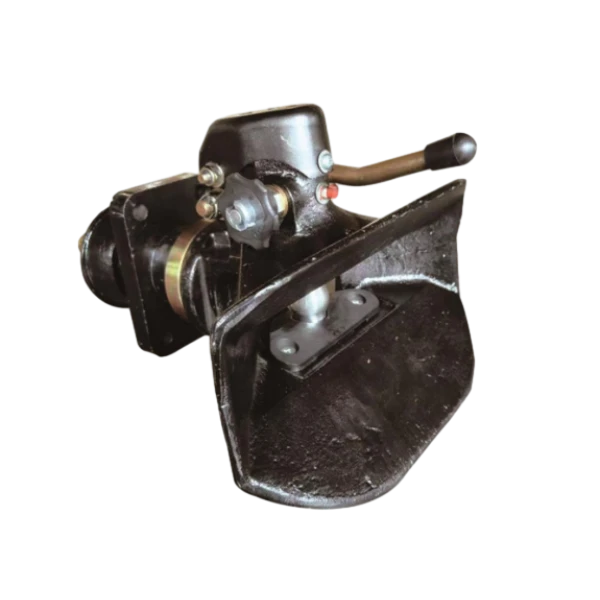 Trailer Coupling
The trailer coupling is a critical component in vehicle towing systems, designed to ensure a secure and efficient connection between a towing vehicle and a trailer. These couplings are manufactured using high-strength carbon steel, alloy steel, or stainless steel, ensuring durability and resistance to heavy loads and harsh environments.
-
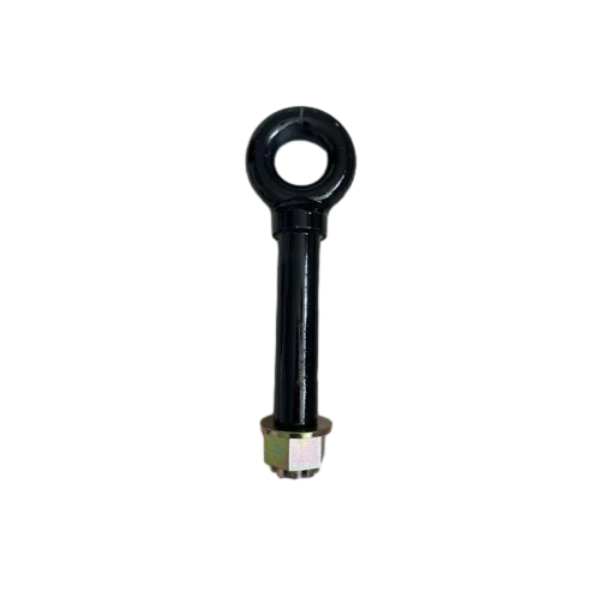 Drawbar Eyes
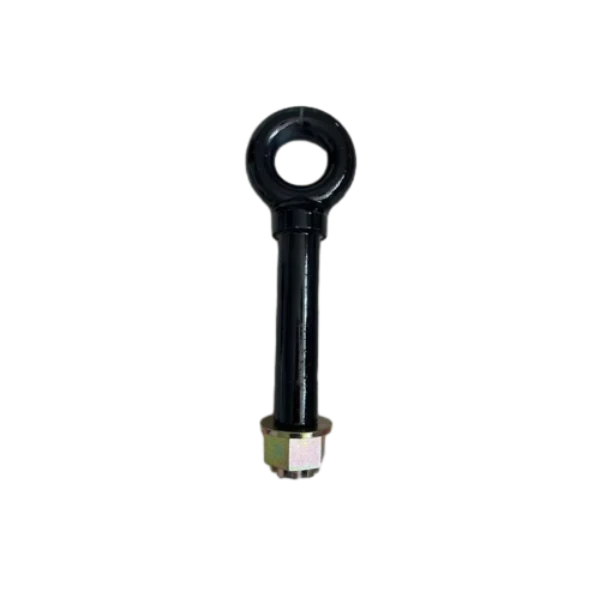
Drawbar eyes are essential components in towing and hauling applications, providing a strong and secure attachment point between the trailer and the towing vehicle. They are designed to endure extreme pulling forces, making them suitable for heavy-duty applications.
-
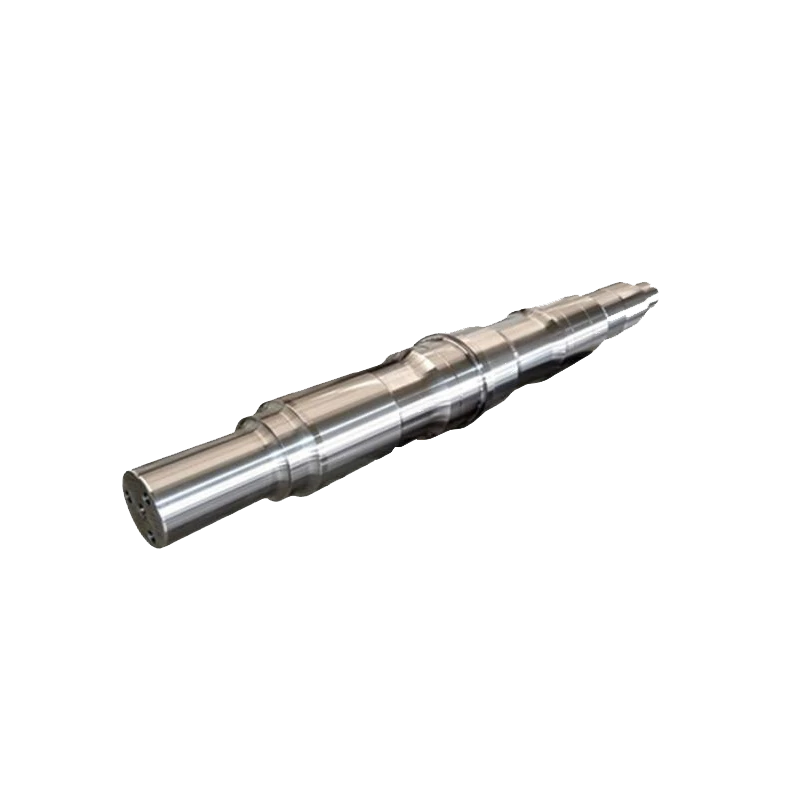 Axles
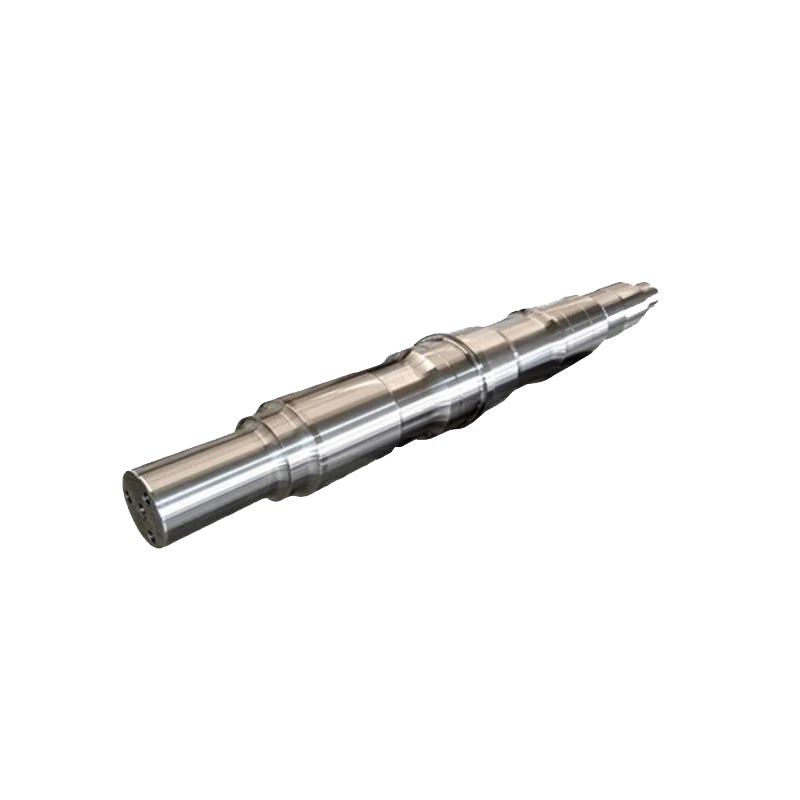
AxlesAxles are essential for vehicle load-bearing and power transmission, ensuring smooth movement and weight distribution. They must withstand high stress, torque, and impact, making material selection and precise manufacturing crucial.
-
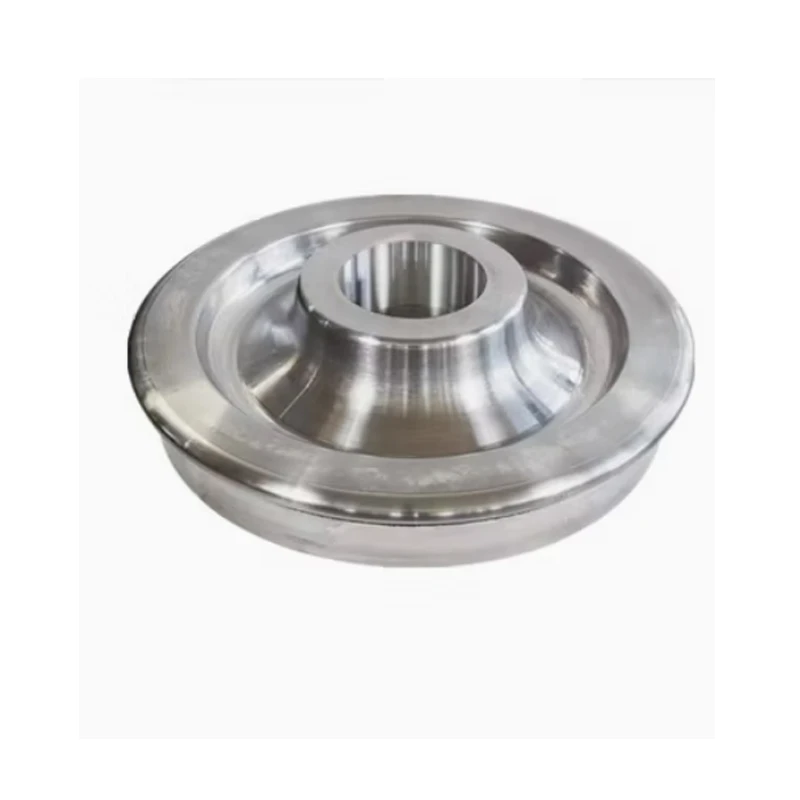 Profile S1002 Series Rail Wheels
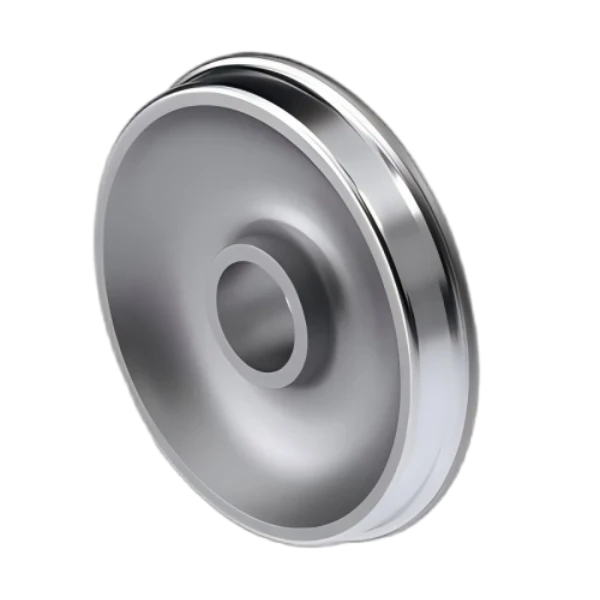
The S1002 series rail wheels are designed for Rail-Road Vehicles (RRVs) that require seamless operation on both roads and railway tracks. Engineered with high precision and durability, these wheels conform to S1002 tread profiles, ensuring compatibility with standard railway systems.
A Comprehensive Guide to Axles Types for Industry Decision Makers | Manufacturing Base
Axles Types is a key solution in the industry, specifically within heavy machinery and transportation sectors. This article explores how https://www.manufacturing-base.com supports professionals with durable, high-performance products
>
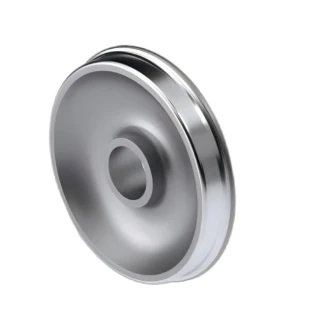
Reliable Rail Wheels: Optimize Your Rail Transport Solutions
For industries that rely on rail-based vehicles, choosing the right rail wheels is essential for smooth operations and safety.
>
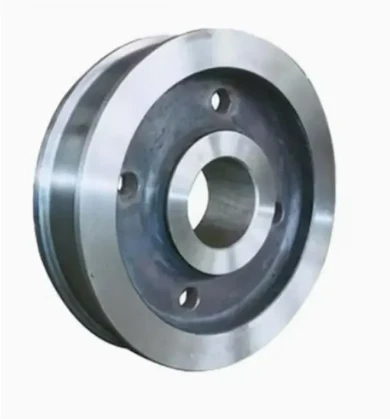
Premium Overhead Crane Wheels For Sale: Enhance Industrial Lifting Efficiency
In modern industrial operations, high-quality overhead crane wheels for sale are essential for safe, reliable, and efficient lifting.
>
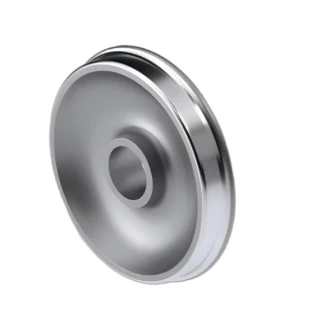
Premium Hi Rail Wheels For Sale: Boost Rail Vehicle Performance
In the modern industrial and railway sectors, having reliable hi rail wheels for sale is essential for operational efficiency and safety.
>
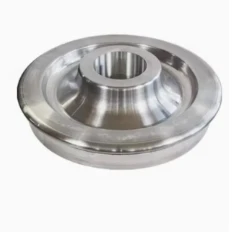
High-Quality Hi Rail Wheels For Sale: Enhance Your Rail Equipment Efficiency
When it comes to reliable rail maintenance and industrial operations, investing in hi rail wheels for sale is crucial.
>
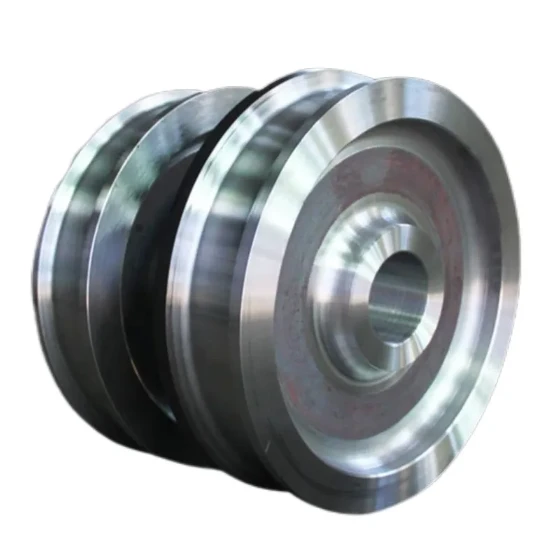
High-Quality Crane Wheels For Sale: Enhance Your Crane Operations
For industries relying on heavy lifting and material handling, investing in high-quality crane wheels for sale is crucial.
>
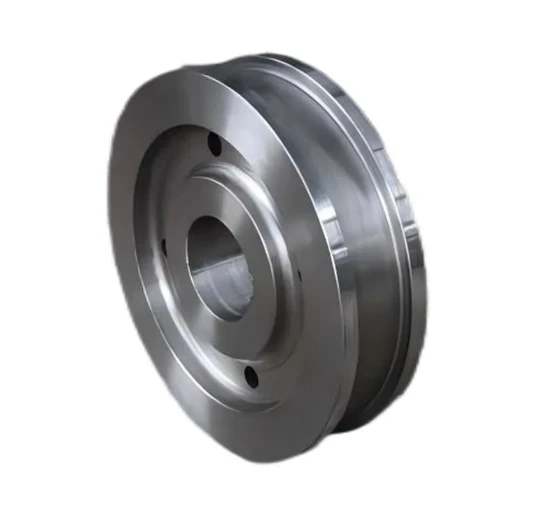
Durable Gantry Crane Wheels For Sale: Maximize Lifting Efficiency
For industries relying on heavy-duty lifting and material handling, selecting the right gantry crane wheels for sale is vital.
>
Reliable Tandem Drive Axles for Heavy-Duty Industrial Vehicles
Tandem Drive Axles: What I’ve Learned After Years in the Industrial Equipment Sector Ha
>
Reliable Semi Trailer Axles for Heavy-Duty Trailers | Expert Insight
Understanding semi trailer axles: The Backbone of Heavy Hauling Having spent more than a deca
>
RC Portal Axles: Industrial Strength and Custom Performance
RC Portal Axles: A Veteran’s Take on Industrial-Grade Performance Having spent over a d
>
Engineered for Excellence
Our forged solutions deliver reliability and performance, powering demanding industries to keep operations running smoothly.

Sign up
for Newsletter
Subscribe to the weekly newsletter for all the latest updates