- Tel: +86 311 82620404
- Cell: 86 -13739710551
- Email: sales@potentia.cn

Understanding Crane Wheel Systems and Key Crane Components
Modern lifting equipment such as bridge cranes, gantry cranes, and overhead cranes are essential for heavy-duty material handling across various industries. From the steel sector to shipbuilding, these machines rely on precision-engineered components to function safely and efficiently. Among these, the crane wheel system plays a foundational role in enabling controlled movement along tracks. Whether you're evaluating bridge crane wheels, designing a new system with the right crane wheel design, or sourcing end carriage wheel components, understanding what are the parts of a crane called is vital for selecting, maintaining, and optimizing these complex machines.
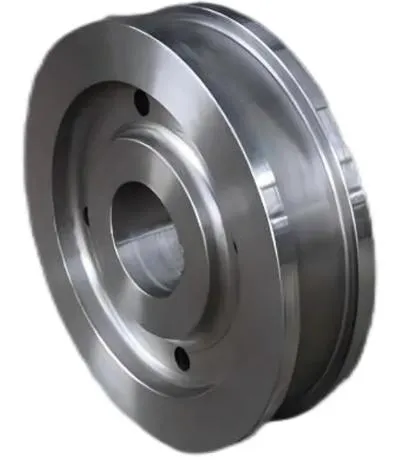
What Are the Parts of a Crane Called: Key Components in a Coordinated System
To appreciate how crane systems operate, it helps to understand what are the parts of a crane called and how they function together. A typical bridge or gantry crane includes several major components: the bridge (main beam), end carriages, hoisting mechanism, trolley, drive motors, and the rail system. The bridge is the horizontal structure that spans the working area and supports the trolley and hoist. The trolley runs along the bridge and carries the hoisting unit, which includes the motor, gearbox, drum, wire rope, and hook.
End carriages are found at each end of the bridge and house the end carriage wheel assemblies, allowing the entire crane to move along the runway rails. Motors attached to these end carriages enable directional movement. Electrical components such as limit switches, control panels, and festoon systems manage motion and safety.
At the foundation of this entire structure are the crane wheels, which enable the controlled and guided movement of the crane or trolley. These wheels are mounted on axles and supported by bearings to handle enormous loads while reducing friction. Properly selected and maintained, these wheels ensure efficient travel, extended lifespan, and minimal rail wear.
Crane Wheel Design: Where Engineering Meets Performance
An efficient crane wheel design balances strength, durability, and compatibility with the specific application. These wheels are typically forged or cast from high-grade alloy steel such as 42CrMo or 1045, then heat-treated to achieve surface hardness and core toughness. A well-designed crane wheel must support vertical loads from the crane structure and payload, as well as horizontal forces from acceleration, braking, and turning.
Flange height and thickness are critical in crane wheel design, as flanges guide the wheel along the rail and prevent derailment. The tread must be machined to a precise radius to ensure even load distribution and consistent contact with the track. Surface hardening techniques like induction quenching are applied to reduce wear from repetitive rolling and abrasive contact.
In some designs, wheels may include replaceable rims or flanges, allowing maintenance without full wheel replacement. Hollow wheel designs are used in weight-sensitive applications, while integrated hub and bearing assemblies are chosen for heavy-duty industrial cranes. Whether for bridge, gantry, or tower cranes, good crane wheel design directly translates into better safety, longevity, and energy efficiency.
End Carriage Wheel: Precision Components for Crane Travel
The end carriage wheel is a crucial part of the crane's traveling mechanism, mounted on the end trucks or carriages that support the crane bridge. These wheels enable the crane to traverse its runway rails and are subject to both vertical and horizontal loads. In high-capacity systems, the end carriages are equipped with multiple wheels to distribute weight and reduce rail stress.
End carriage wheels are typically fitted with high-precision bearings and gearboxes to ensure smooth rotation and efficient power transmission. These wheels may be directly driven by electric motors or via pinion gears, depending on the crane design. Materials must be carefully chosen to prevent deformation, fatigue failure, or wear—especially in continuous-duty environments like factories or ports.
Proper alignment, lubrication, and periodic inspection are critical to maintaining the performance of end carriage wheels. Misalignment or imbalance can lead to increased wear, track damage, and unsafe operation. Replacement wheels must match the exact specifications of the original design in terms of diameter, bore, flange profile, and hardness.
Bridge Crane Wheels: Built for Stability and Strength
Bridge crane wheels are the core rolling components of overhead traveling cranes used in indoor industrial settings. They are installed on both the bridge and trolley sections, enabling longitudinal and lateral movement across the factory floor. These wheels must support not only the weight of the crane and its payload but also dynamic forces caused by acceleration, braking, and hoisting.
Depending on the design, bridge crane wheels may be single-flanged, double-flanged, or flat-tread. Tread hardness typically ranges from 300HB to 400HB, ensuring long wear life even in high-frequency applications. Bearings are selected to accommodate radial and axial loads, and wheel hubs are precision-machined for exact fitment to shafts or axles.
In automated systems, bridge crane wheels are often integrated with monitoring sensors to track temperature, load, and vibration, allowing predictive maintenance. Choosing the correct wheel configuration and hardness for the crane’s span, weight class, and track material ensures stable operation and extended service life.
crane wheels FAQs
What are the most common materials used for crane wheels?
Most crane wheels are manufactured from high-strength alloy steels such as 42CrMo, 1045, or 65Mn. These materials offer excellent load-bearing capacity and wear resistance. After forging, the wheels undergo heat treatment processes like quenching and tempering or induction hardening to increase surface durability and extend lifespan under continuous use.
What is the function of an end carriage wheel in a crane?
The end carriage wheel supports the crane bridge and enables it to move along the rails. It is mounted on the crane’s end trucks and works in conjunction with motors and gearboxes to provide directional control. These wheels must be highly durable, precisely aligned, and properly lubricated to handle the combined weight of the crane structure and its loads.
How does crane wheel design affect crane performance?
Crane wheel design directly impacts the crane’s efficiency, safety, and operational smoothness. Factors such as tread hardness, flange geometry, and hub fit determine how well the wheel tracks along the rail, resists wear, and manages dynamic loads. A well-designed wheel ensures even load distribution, reduces energy consumption, and minimizes downtime due to mechanical failure.
What causes premature wear in bridge crane wheels?
Premature wear in bridge crane wheels is typically caused by misalignment, overloading, insufficient lubrication, or using incompatible wheel and rail materials. Poor installation or subpar forging can also contribute to cracks, spalling, or uneven wear. Regular inspection, proper material selection, and alignment checks are key to avoiding early failure.
Can crane wheels be replaced individually, or should they be replaced in sets?
It’s possible to replace a single crane wheel if the wear is isolated and the remaining wheels are in good condition. However, it’s often recommended to replace wheels in matched sets—especially for bridge crane wheels or end carriage wheel assemblies—to maintain balance, ensure even wear, and preserve alignment. Replacing wheels in sets reduces long-term maintenance and operational risk.
-
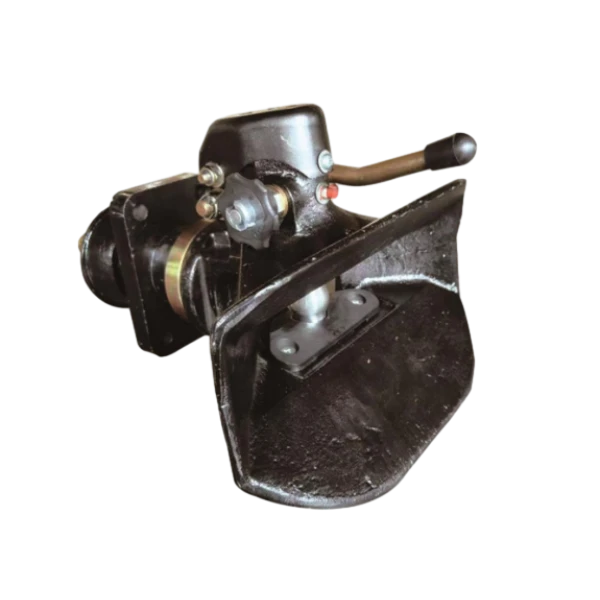 Trailer Coupling
The trailer coupling is a critical component in vehicle towing systems, designed to ensure a secure and efficient connection between a towing vehicle and a trailer. These couplings are manufactured using high-strength carbon steel, alloy steel, or stainless steel, ensuring durability and resistance to heavy loads and harsh environments.
-
 Drawbar Eyes
Drawbar eyes are essential components in towing and hauling applications, providing a strong and secure attachment point between the trailer and the towing vehicle. They are designed to endure extreme pulling forces, making them suitable for heavy-duty applications.
-
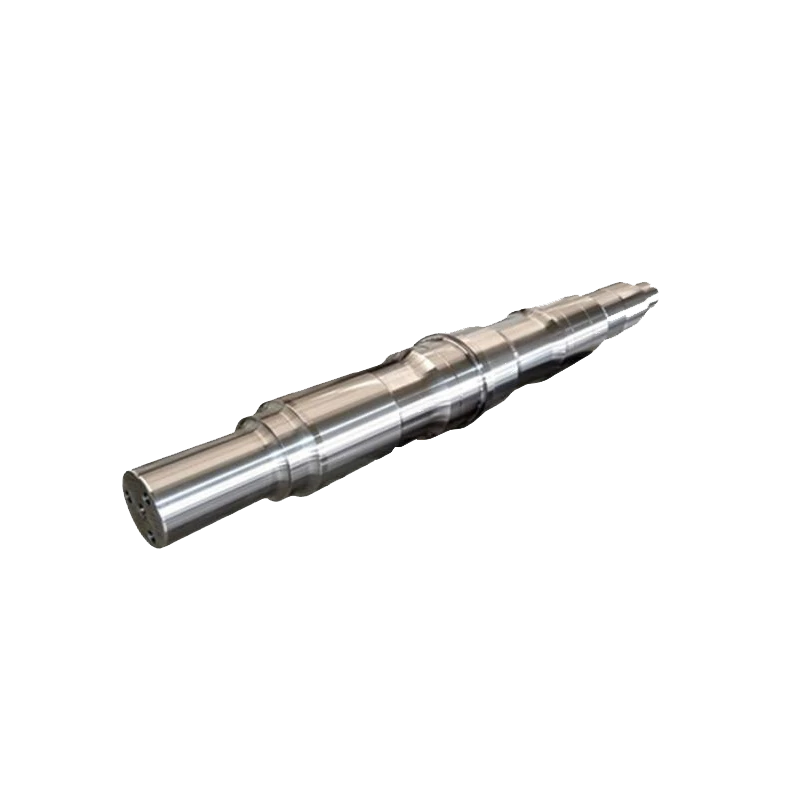 Axles
AxlesAxles are essential for vehicle load-bearing and power transmission, ensuring smooth movement and weight distribution. They must withstand high stress, torque, and impact, making material selection and precise manufacturing crucial.
-
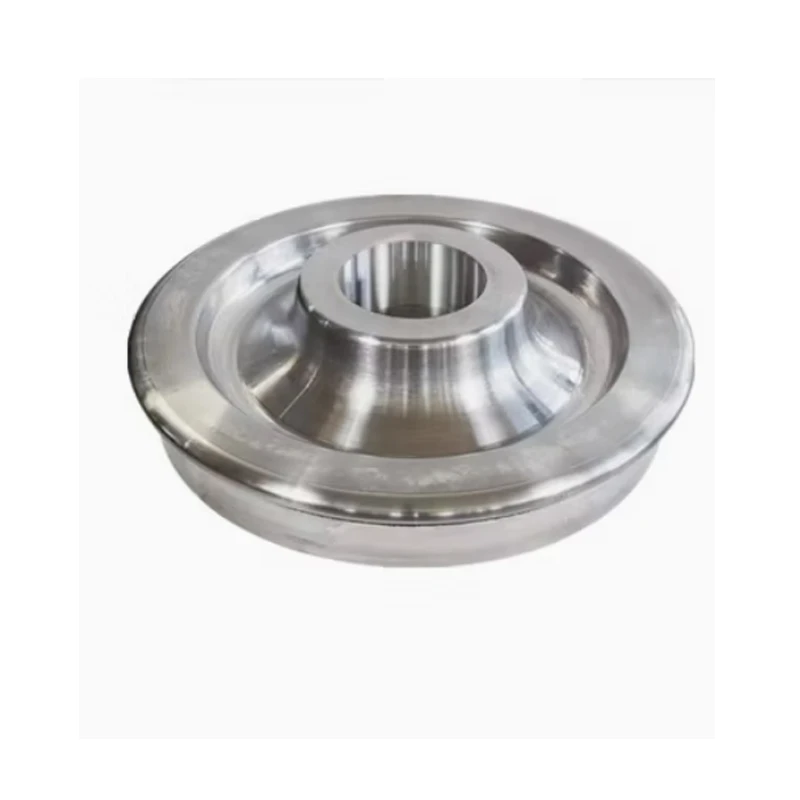 Profile S1002 Series Rail Wheels
The S1002 series rail wheels are designed for Rail-Road Vehicles (RRVs) that require seamless operation on both roads and railway tracks. Engineered with high precision and durability, these wheels conform to S1002 tread profiles, ensuring compatibility with standard railway systems.
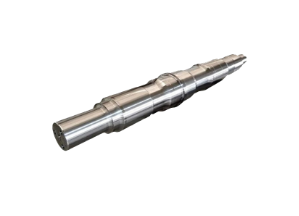
A Comprehensive Guide to Axles Types for Industry Decision Makers | Manufacturing Base
Axles Types is a key solution in the industry, specifically within heavy machinery and transportation sectors. This article explores how https://www.manufacturing-base.com supports professionals with durable, high-performance products
>
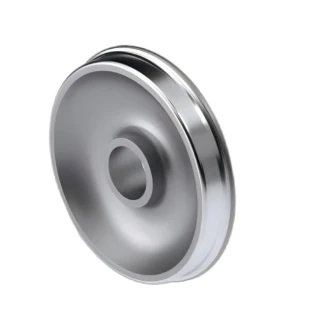
Reliable Rail Wheels: Optimize Your Rail Transport Solutions
For industries that rely on rail-based vehicles, choosing the right rail wheels is essential for smooth operations and safety.
>
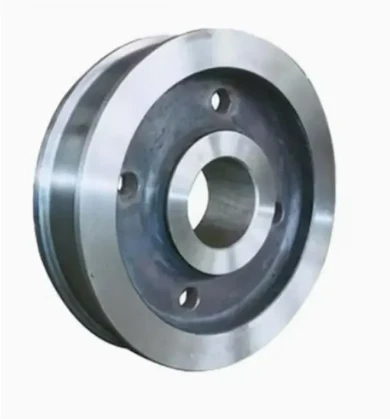
Premium Overhead Crane Wheels For Sale: Enhance Industrial Lifting Efficiency
In modern industrial operations, high-quality overhead crane wheels for sale are essential for safe, reliable, and efficient lifting.
>
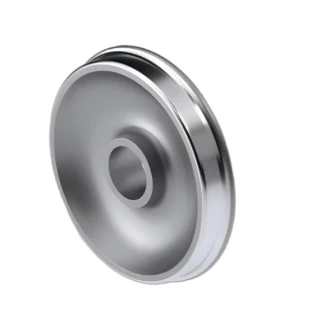
Premium Hi Rail Wheels For Sale: Boost Rail Vehicle Performance
In the modern industrial and railway sectors, having reliable hi rail wheels for sale is essential for operational efficiency and safety.
>
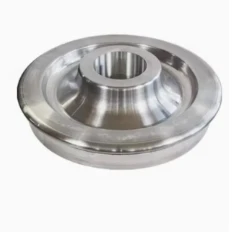
High-Quality Hi Rail Wheels For Sale: Enhance Your Rail Equipment Efficiency
When it comes to reliable rail maintenance and industrial operations, investing in hi rail wheels for sale is crucial.
>
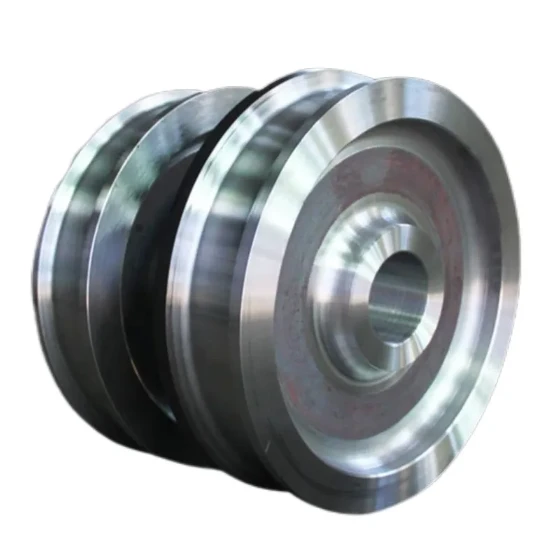
High-Quality Crane Wheels For Sale: Enhance Your Crane Operations
For industries relying on heavy lifting and material handling, investing in high-quality crane wheels for sale is crucial.
>
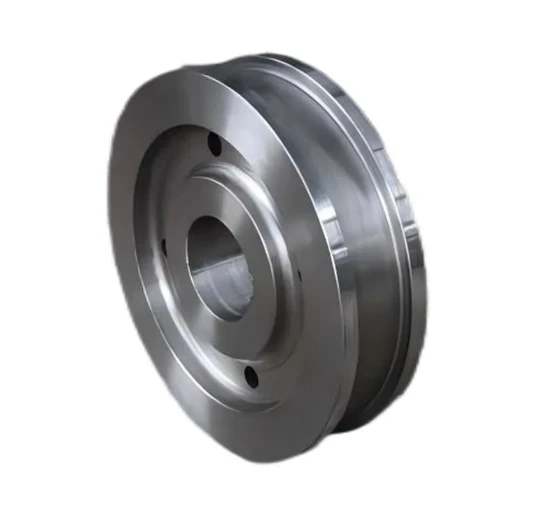
Durable Gantry Crane Wheels For Sale: Maximize Lifting Efficiency
For industries relying on heavy-duty lifting and material handling, selecting the right gantry crane wheels for sale is vital.
>
Reliable Tandem Drive Axles for Heavy-Duty Industrial Vehicles
Tandem Drive Axles: What I’ve Learned After Years in the Industrial Equipment Sector Ha
>

Reliable Semi Trailer Axles for Heavy-Duty Trailers | Expert Insight
Understanding semi trailer axles: The Backbone of Heavy Hauling Having spent more than a deca
>
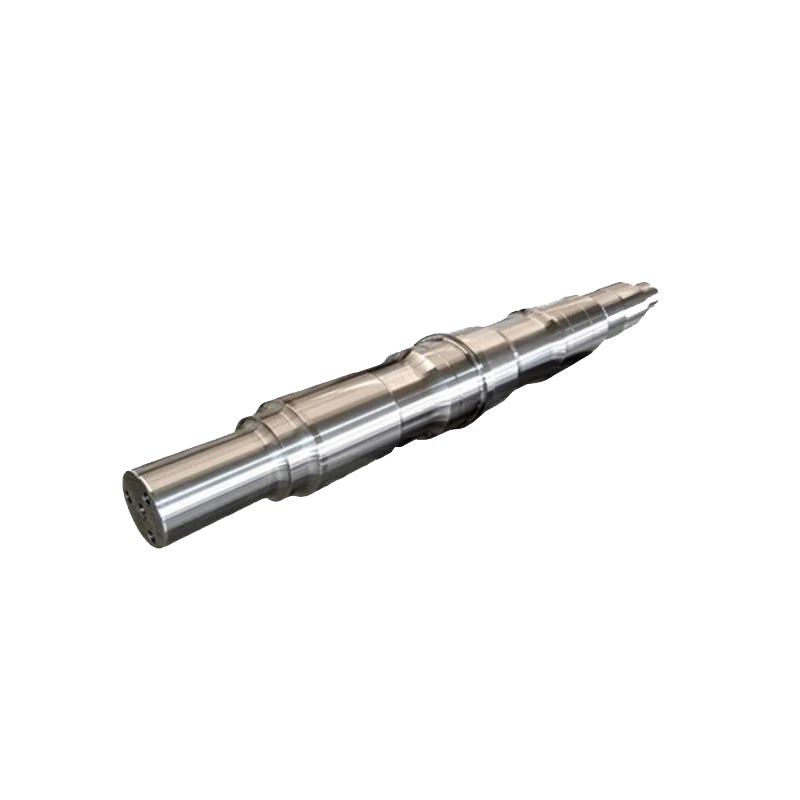
RC Portal Axles: Industrial Strength and Custom Performance
RC Portal Axles: A Veteran’s Take on Industrial-Grade Performance Having spent over a d
>
Engineered for Excellence
Our forged solutions deliver reliability and performance, powering demanding industries to keep operations running smoothly.

Sign up
for Newsletter
Subscribe to the weekly newsletter for all the latest updates