- Tel: +86 311 82620404
- Cell: 86 -13739710551
- Email: sales@potentia.cn

Crane Wheel Solutions for Precision Lifting and Industrial Mobility
In the heavy-lifting and material-handling industries, precision, durability, and safety begin at the base—specifically, with the wheel systems that support massive crane structures. Whether it's a gantry crane traversing a container yard or an overhead crane operating within a steel mill, reliable wheel performance is essential. Engineered for extreme loads, abrasive conditions, and repetitive movement, gantry crane wheels, crane wheels, overhead crane wheels, and crane rail wheels play a pivotal role in ensuring smooth, uninterrupted operation. These wheels are not just components; they are the foundation for productivity in critical lifting environments.

Gantry Crane Wheels: Supporting Port and Yard Operations with Strength and Stability
Gantry crane wheels are built to carry some of the heaviest loads encountered in industrial settings. Used on mobile gantry cranes for ports, shipyards, and heavy fabrication facilities, these wheels must support both vertical loads from lifting operations and horizontal stresses from movement across long tracks. Forged from high-strength alloy steel, these wheels often feature hardened treads to resist surface wear caused by frequent travel on rail systems exposed to the elements.
Each gantry crane wheel is machined to tight tolerances, ensuring proper engagement with the crane track and seamless rolling under full load. Design features like integrated flanges, dual-bearing housings, and heat-treated hubs allow them to withstand lateral force and torque generated during turns, braking, or sudden stops. Advanced surface coatings are sometimes applied to prevent corrosion, especially in maritime environments where salt exposure can accelerate degradation. Whether for single-beam or double-beam gantry systems, these wheels form the foundation of reliable load movement.
Crane Wheels: Engineered for Industrial-Grade Performance
As a general term, crane wheels refer to the forged or cast wheels used across a wide spectrum of crane applications—from jib cranes and transfer carts to stacker reclaimers and tower cranes. Regardless of their specific application, these wheels are subject to high mechanical stress and require exceptional load-bearing capacity and resistance to deformation.
Standard features of modern crane wheels include induction-hardened treads, deep-hardened flanges, and bored centers fitted with keyways or interference fits. Their precision machining ensures alignment with axles and compatibility with roller bearings, allowing for extended service life with minimal maintenance. Some designs also include replaceable rims or flanges, enabling field repair without the need to remove the entire wheel assembly.
Manufacturers typically use high-alloy steel grades such as 42CrMo or 1045 to ensure hardness and tensile strength. These materials are forged under controlled conditions, followed by quenching and tempering processes that optimize microstructure and durability. When paired with a quality crane rail, these wheels support seamless operation even in continuous-duty environments like steel manufacturing or logistics hubs.
Overhead Crane Wheels: Silent Workhorses of Factory Infrastructure
Overhead crane wheels are fundamental components in material handling systems installed within industrial buildings, warehouses, and production facilities. Mounted to the end trucks of bridge cranes, these wheels allow the crane to travel along the runway beams and position loads with high precision.
Unlike outdoor applications, overhead crane wheels are designed with an emphasis on quiet operation, precision guidance, and reduced track wear. They often feature single or double flanges, depending on rail alignment needs, and may be paired with drive motors or gearboxes to power crane movement. Because these cranes operate on elevated tracks, wheel failure can lead to significant safety risks and operational downtime—making reliability a non-negotiable attribute.
To ensure continuous performance, overhead crane wheels undergo ultrasonic inspection and dimensional verification during production. Many high-capacity systems also include condition monitoring systems that alert operators of wear or misalignment, further reinforcing the importance of wheel quality in crane operation.
Crane Rail Wheels: Seamless Movement Across Rail-Based Systems
Crane rail wheels refer to wheels specifically designed for guided movement along fixed rail tracks, which may be embedded in concrete floors, mounted on beams, or elevated structures. These wheels serve cranes of all types—gantry, overhead, bridge, and stacker cranes—and are tailored to match the rail profile and operational speed.
High-quality crane rail wheels are typically forged and precision-machined to match exact rail geometries, ensuring smooth tracking and minimizing rail wear. The flanges are especially critical for maintaining alignment, while the tread surface must be hard enough to resist spalling and deformation under repetitive impact. Depending on load and duty cycle, some wheels also include lubrication channels or sealed bearings to reduce rolling resistance and heat buildup.
In automated or high-duty crane applications, the performance of crane rail wheels directly affects energy consumption, motion control, and lifecycle costs. Selecting wheels with the correct hardness grade, dimensional compatibility, and metallurgy is key to ensuring safe, efficient crane travel over long-term use.
crane wheels FAQs
What materials are used to manufacture crane wheels?
Most crane wheels are manufactured using forged high-strength alloy steel such as 42CrMo or 1045. These materials are chosen for their excellent wear resistance, high load capacity, and ability to undergo surface hardening treatments like induction quenching. The forging process refines the metal’s grain structure, resulting in greater durability and fewer internal defects compared to cast alternatives.
What is the function of flanges on crane wheels?
Flanges on crane wheels serve to keep the wheel aligned on its track, preventing derailment during movement. Depending on the application and rail system, wheels may have single or double flanges. The flange geometry is designed to handle lateral loads and ensure stable travel even under turning or braking forces. Some designs also incorporate replaceable flanges for ease of maintenance.
How are gantry crane wheels different from overhead crane wheels?
Gantry crane wheels are built to endure more severe environmental conditions, such as exposure to outdoor elements, uneven tracks, and higher impact loads. They often have thicker flanges and corrosion-resistant coatings. Overhead crane wheels, on the other hand, are used indoors and focus on precision, quiet operation, and minimal vibration. Their designs are optimized for clean environments and elevated tracks.
Can crane rail wheels be customized for specific applications?
Yes, crane rail wheels can be fully customized based on rail profile, load requirements, and operational conditions. Manufacturers can adjust flange height, tread width, bore size, and hardness levels. Additional features like integrated hubs, bearing assemblies, and lubrication channels can also be added to improve performance and longevity in demanding settings.
What causes premature wear in crane wheels, and how can it be prevented?
Premature wear in crane wheels is typically caused by misalignment with rails, overloading, poor track maintenance, or using incompatible wheel and rail materials. Preventative measures include routine inspection of wheel condition, proper wheel-rail alignment, regular lubrication, and choosing wheels with appropriate surface hardness. Employing condition monitoring sensors can also alert operators before significant wear occurs.
-
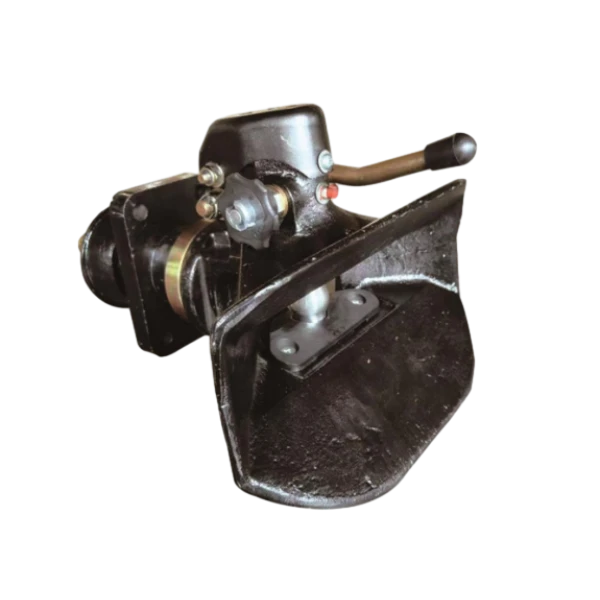 Trailer Coupling
The trailer coupling is a critical component in vehicle towing systems, designed to ensure a secure and efficient connection between a towing vehicle and a trailer. These couplings are manufactured using high-strength carbon steel, alloy steel, or stainless steel, ensuring durability and resistance to heavy loads and harsh environments.
-
 Drawbar Eyes
Drawbar eyes are essential components in towing and hauling applications, providing a strong and secure attachment point between the trailer and the towing vehicle. They are designed to endure extreme pulling forces, making them suitable for heavy-duty applications.
-
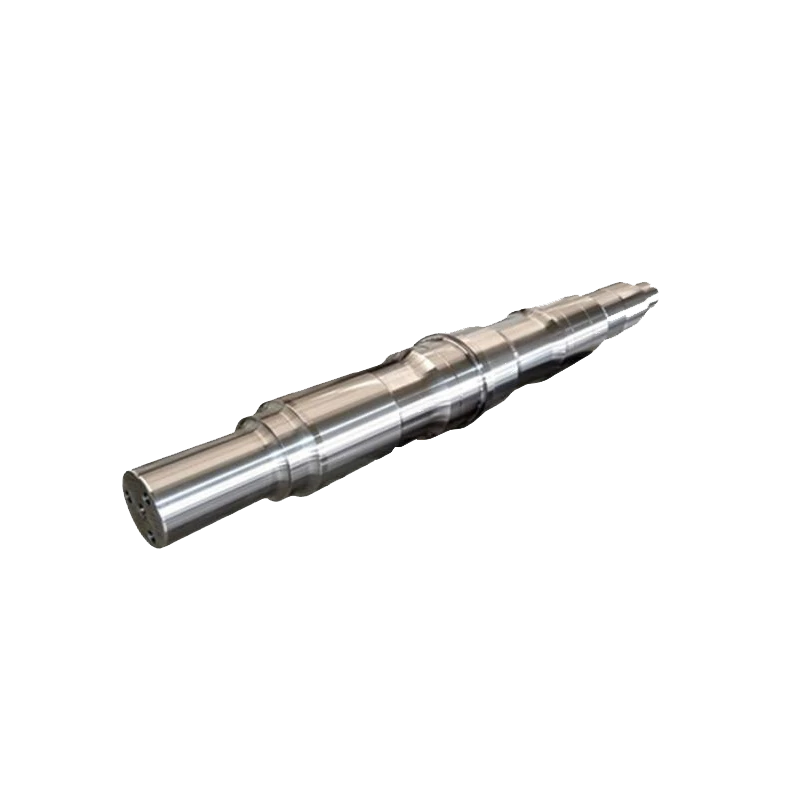 Axles
AxlesAxles are essential for vehicle load-bearing and power transmission, ensuring smooth movement and weight distribution. They must withstand high stress, torque, and impact, making material selection and precise manufacturing crucial.
-
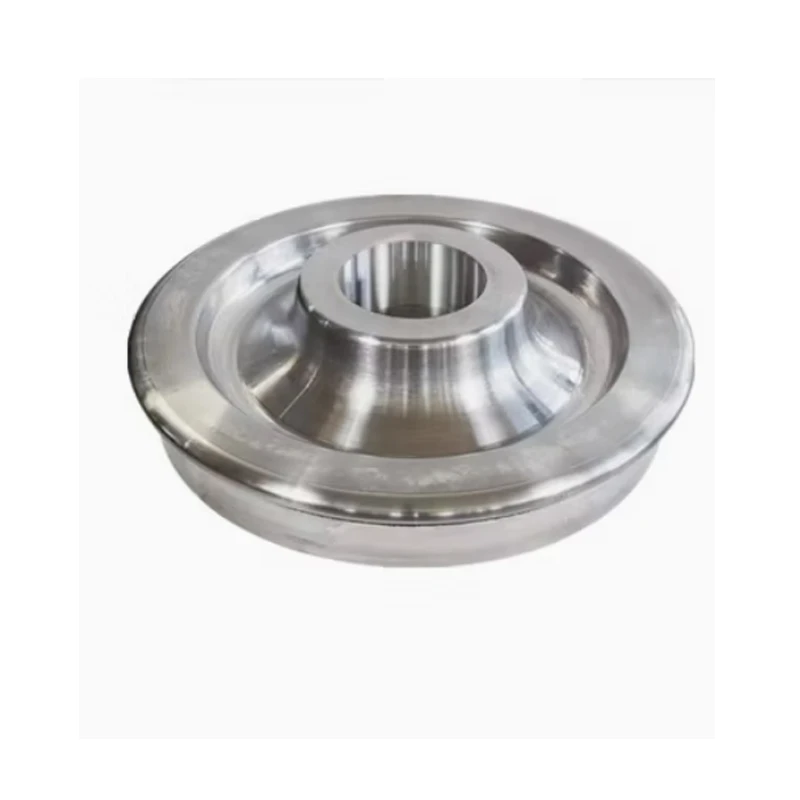 Profile S1002 Series Rail Wheels
The S1002 series rail wheels are designed for Rail-Road Vehicles (RRVs) that require seamless operation on both roads and railway tracks. Engineered with high precision and durability, these wheels conform to S1002 tread profiles, ensuring compatibility with standard railway systems.
A Comprehensive Guide to Axles Types for Industry Decision Makers | Manufacturing Base
Axles Types is a key solution in the industry, specifically within heavy machinery and transportation sectors. This article explores how https://www.manufacturing-base.com supports professionals with durable, high-performance products
>
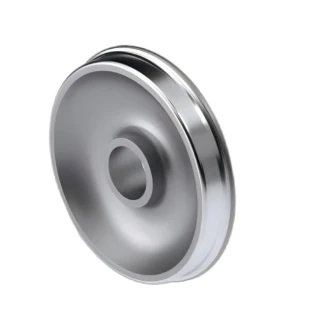
Reliable Rail Wheels: Optimize Your Rail Transport Solutions
For industries that rely on rail-based vehicles, choosing the right rail wheels is essential for smooth operations and safety.
>
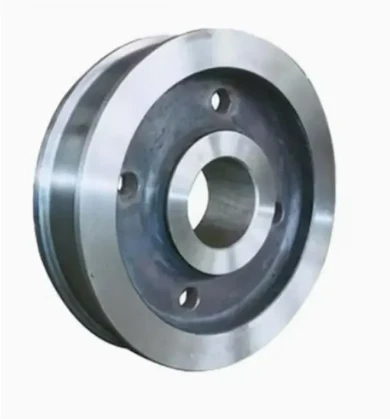
Premium Overhead Crane Wheels For Sale: Enhance Industrial Lifting Efficiency
In modern industrial operations, high-quality overhead crane wheels for sale are essential for safe, reliable, and efficient lifting.
>
Premium Hi Rail Wheels For Sale: Boost Rail Vehicle Performance
In the modern industrial and railway sectors, having reliable hi rail wheels for sale is essential for operational efficiency and safety.
>
High-Quality Hi Rail Wheels For Sale: Enhance Your Rail Equipment Efficiency
When it comes to reliable rail maintenance and industrial operations, investing in hi rail wheels for sale is crucial.
>
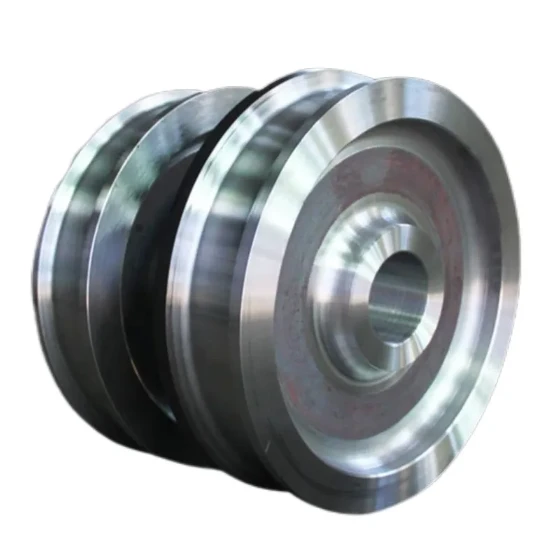
High-Quality Crane Wheels For Sale: Enhance Your Crane Operations
For industries relying on heavy lifting and material handling, investing in high-quality crane wheels for sale is crucial.
>
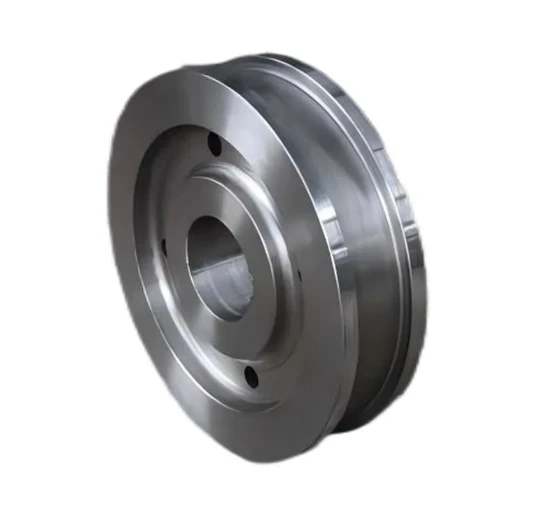
Durable Gantry Crane Wheels For Sale: Maximize Lifting Efficiency
For industries relying on heavy-duty lifting and material handling, selecting the right gantry crane wheels for sale is vital.
>
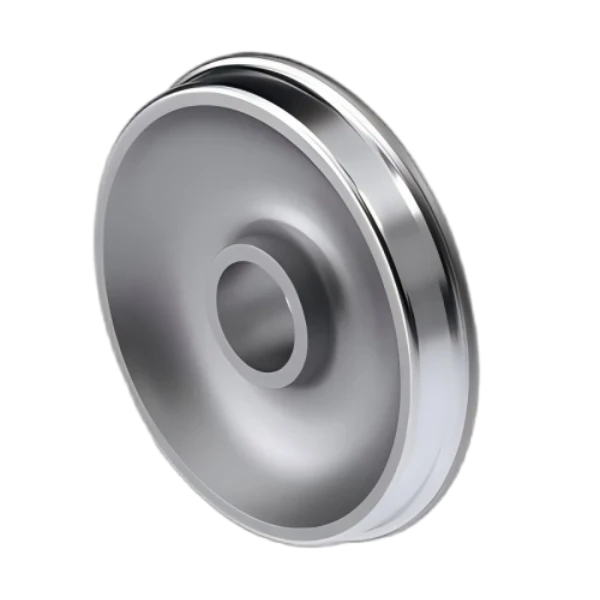
Reliable Tandem Drive Axles for Heavy-Duty Industrial Vehicles
Tandem Drive Axles: What I’ve Learned After Years in the Industrial Equipment Sector Ha
>
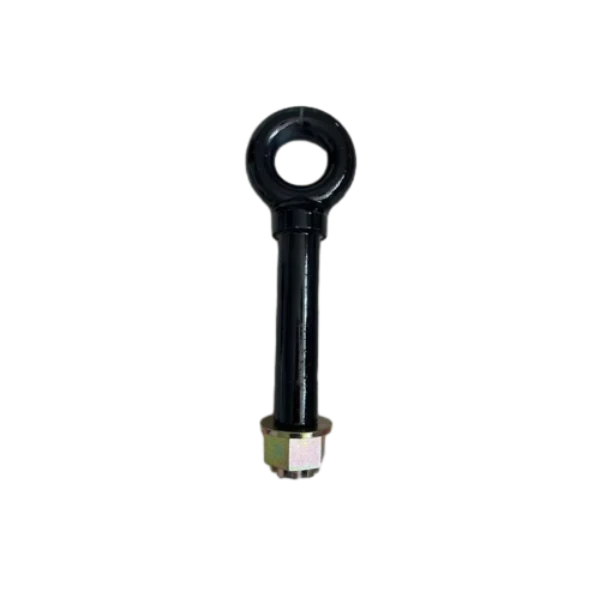
Reliable Semi Trailer Axles for Heavy-Duty Trailers | Expert Insight
Understanding semi trailer axles: The Backbone of Heavy Hauling Having spent more than a deca
>
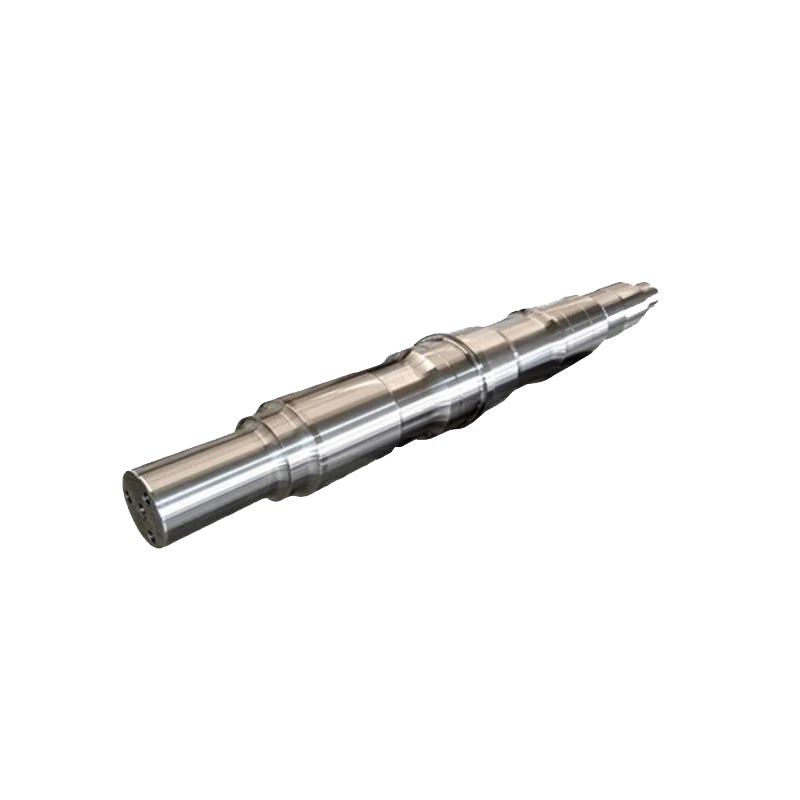
RC Portal Axles: Industrial Strength and Custom Performance
RC Portal Axles: A Veteran’s Take on Industrial-Grade Performance Having spent over a d
>
Engineered for Excellence
Our forged solutions deliver reliability and performance, powering demanding industries to keep operations running smoothly.

Sign up
for Newsletter
Subscribe to the weekly newsletter for all the latest updates