
Custom Forgings for Trailer Coupling Devices
In the demanding world of transport and heavy machinery, custom forgings serve as the backbone of durability and operational excellence. Among the most critical components are trailer coupling devices, which ensure safe and secure connections between trailers and towing vehicles. Designed to withstand rigorous stress and varying load conditions, these components must be manufactured with utmost precision. Whether you are examining a trailer coupling diagram or preparing for installation with proper trailer coupling preparation, having high-quality, custom-forged parts is indispensable for long-term reliability and safety.
Custom Forgings: Engineered Strength for Trailer Coupling Devices
Forged components represent the pinnacle of mechanical strength and structural integrity. When applied to trailer coupling devices, custom forgings offer superior resistance to tensile stress, impact, and fatigue. This is crucial because coupling devices face dynamic forces during acceleration, braking, and uneven terrain operation. Precision forging allows manufacturers to optimize the grain flow and eliminate internal defects, which is essential for parts subjected to repeated mechanical loads.
Using advanced forging processes, custom components such as drawbar eyes, locking mechanisms, and hitch plates are tailored to exact client specifications. This customization guarantees perfect compatibility with various trailer models and towing configurations. The durability of these parts directly impacts the overall safety of road transport, making custom forgings a strategic investment for fleet operators and heavy equipment manufacturers.
Trailer Coupling Devices: Safety and Functionality in Connection
The heart of any trailer towing system lies in its trailer coupling devices. These assemblies are responsible for securely attaching the trailer to the towing vehicle while allowing the necessary articulation and movement during transport. The key features of these devices include robust locking mechanisms, corrosion-resistant surfaces, and smooth operational interfaces to facilitate quick coupling and decoupling.
A typical trailer coupling device consists of components such as the coupling head, locking latch, drawbar eye, and safety chains. Each element must be designed with precision forging to achieve optimal strength without excessive weight. High-grade alloys and post-forging heat treatments enhance wear resistance and extend service life. Additionally, surface coatings such as galvanization or powder coating protect against environmental factors like moisture, dirt, and road salts.
Operators must select coupling devices that comply with regulatory standards and load ratings, ensuring they can safely handle the gross trailer weight. Well-engineered trailer couplings minimize mechanical wear and reduce the risk of accidental uncoupling, which is critical for preventing accidents on highways and work sites.
Trailer Coupling Diagram: Visualizing Component Integration
Understanding a trailer coupling diagram is essential for both manufacturers and end-users to visualize the interaction between different components. A comprehensive diagram illustrates the spatial relationships, mounting points, and movement ranges within the coupling system. This technical blueprint guides proper installation, maintenance, and troubleshooting procedures.
Diagrams typically include views of the coupling head, drawbar eye, locking mechanism, mounting brackets, and safety chain attachment points. It also details dimensions such as hole sizes, bolt patterns, and clearances to ensure precise fitting. By studying the trailer coupling diagram, technicians can anticipate assembly challenges and verify that parts are compatible with specific trailer models and towing vehicles.
Having accurate diagrams also supports compliance with safety standards and facilitates communication between designers, engineers, and operators. It is a valuable tool in training maintenance personnel and ensuring consistent quality across production batches.
Trailer Coupling Preparation: Ensuring Optimal Installation and Performance
Proper trailer coupling preparation is a crucial step that influences the longevity and functionality of coupling devices. Preparation begins with inspecting all components for manufacturing defects, corrosion, or wear before assembly. Lubrication of moving parts, such as locking latches and pivot points, reduces friction and prevents premature wear.
Alignment of the trailer and towing vehicle is also essential. Misalignment during coupling can cause excessive stress on the forged parts, leading to deformation or failure. Ensuring that the drawbar eye and coupling head engage smoothly without undue force preserves the integrity of both components.
In addition, safety devices such as chains, breakaway cables, and locking pins must be installed and tested according to manufacturer guidelines and regulatory requirements. Regular inspection and maintenance schedules are recommended to detect and address wear or damage before critical failures occur.
By following thorough trailer coupling preparation practices, operators can maximize operational safety, reduce downtime, and extend the service life of coupling assemblies.
custom forgings FAQs
What advantages do custom forgings offer for trailer coupling devices?
Custom forgings provide enhanced mechanical strength, superior fatigue resistance, and optimal grain flow compared to cast or machined parts. This makes forged coupling devices more durable and reliable under heavy load and dynamic stresses, which is essential for the safety and longevity of trailers.
How can a trailer coupling diagram assist during installation?
A detailed trailer coupling diagram visually maps out all components and their interactions, allowing installers to understand exact assembly sequences, mounting points, and dimensional clearances. This minimizes errors, ensures compatibility, and streamlines maintenance.
What materials are typically used for forging trailer coupling parts?
High-strength alloy steels, such as 4140 or 4340 grade, are commonly used due to their excellent toughness, wear resistance, and heat treatability. These materials withstand cyclic loads and environmental exposure when properly forged and finished.
What is involved in proper trailer coupling preparation?
Preparation involves thorough inspection, lubrication of moving parts, correct alignment during assembly, and installation of all safety devices. Ensuring clean, defect-free components and adherence to manufacturer instructions enhances performance and safety.
Can custom forged trailer couplings be made to fit different trailer types?
Yes, custom forging allows precise tailoring of dimensions, load ratings, and mechanical features to suit a wide range of trailers—from light utility models to heavy-duty industrial platforms—ensuring perfect fit and reliable operation.
-
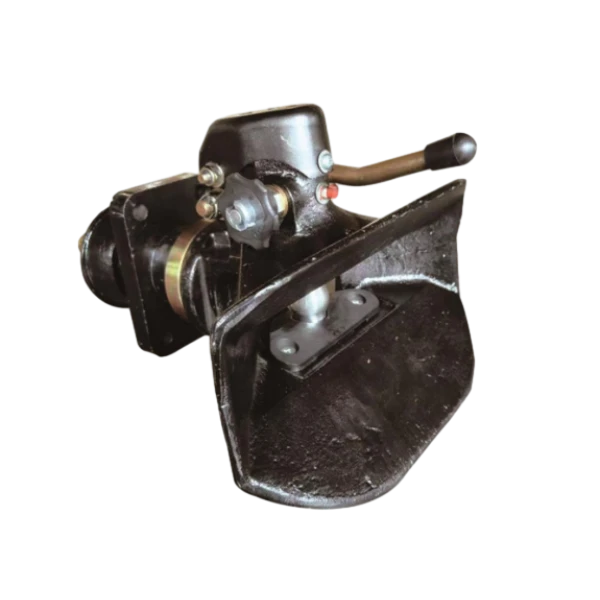 Trailer Coupling
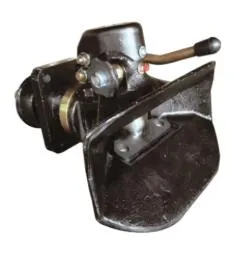
The trailer coupling is a critical component in vehicle towing systems, designed to ensure a secure and efficient connection between a towing vehicle and a trailer. These couplings are manufactured using high-strength carbon steel, alloy steel, or stainless steel, ensuring durability and resistance to heavy loads and harsh environments.
-
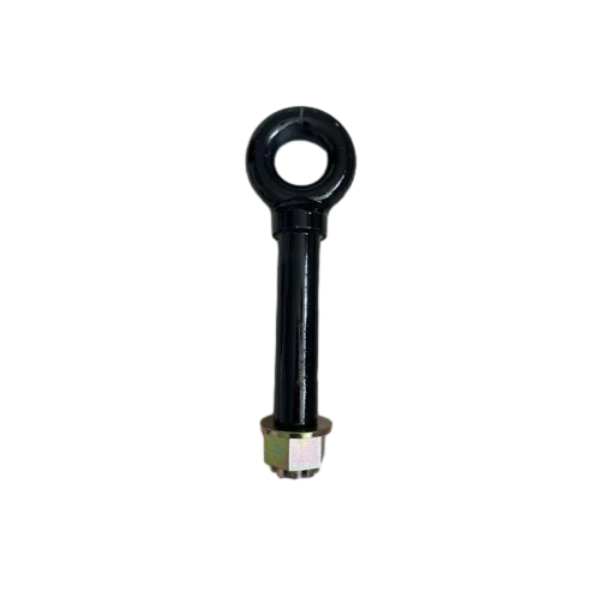 Drawbar Eyes
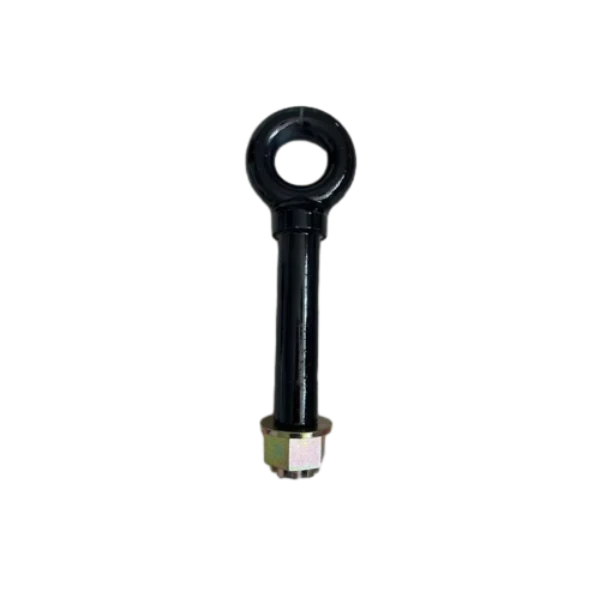
Drawbar eyes are essential components in towing and hauling applications, providing a strong and secure attachment point between the trailer and the towing vehicle. They are designed to endure extreme pulling forces, making them suitable for heavy-duty applications.
-
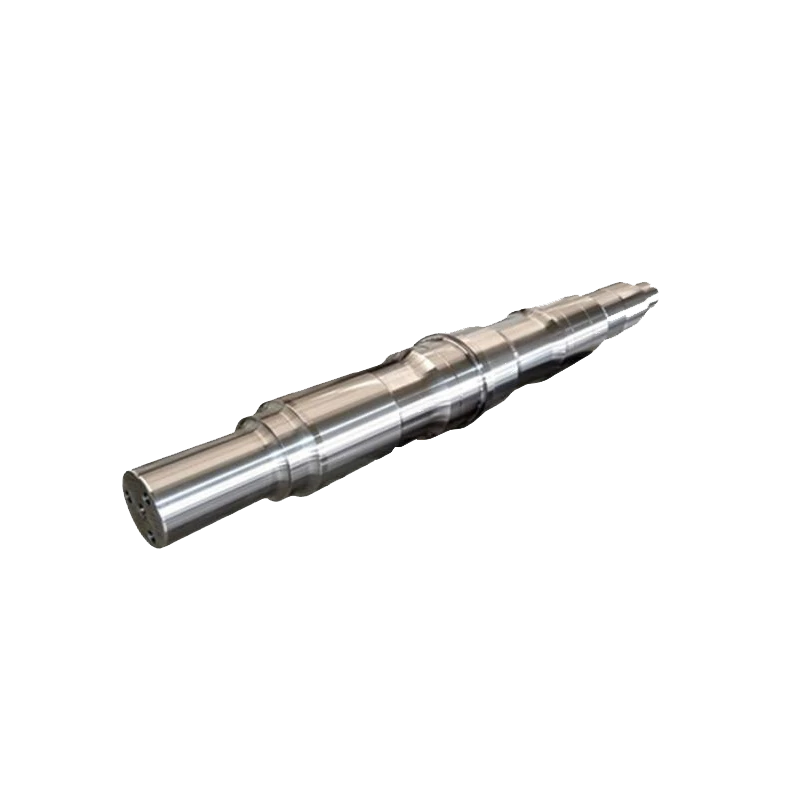 Axles
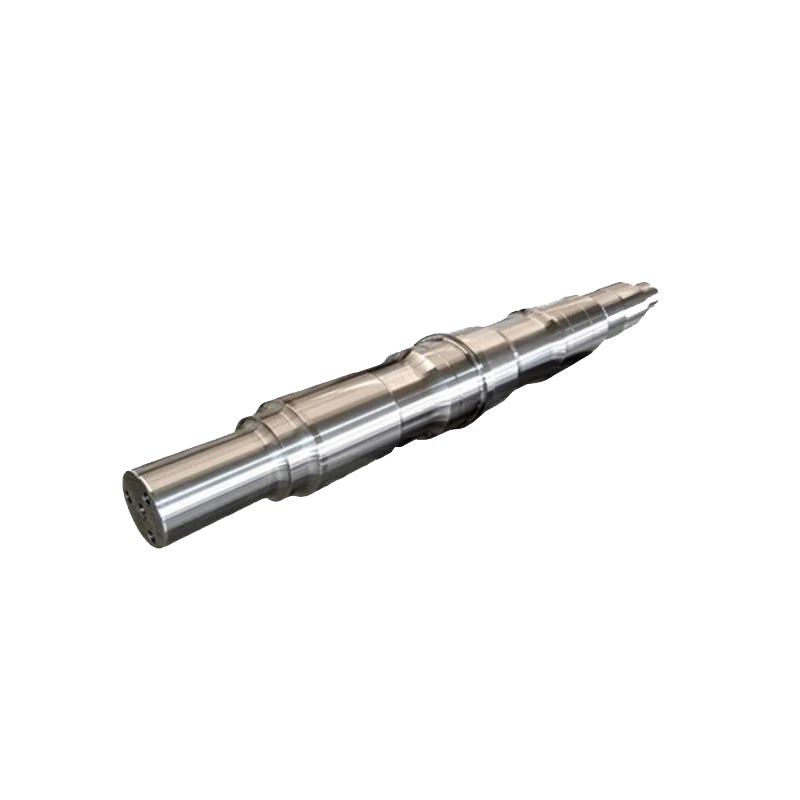
AxlesAxles are essential for vehicle load-bearing and power transmission, ensuring smooth movement and weight distribution. They must withstand high stress, torque, and impact, making material selection and precise manufacturing crucial.
-
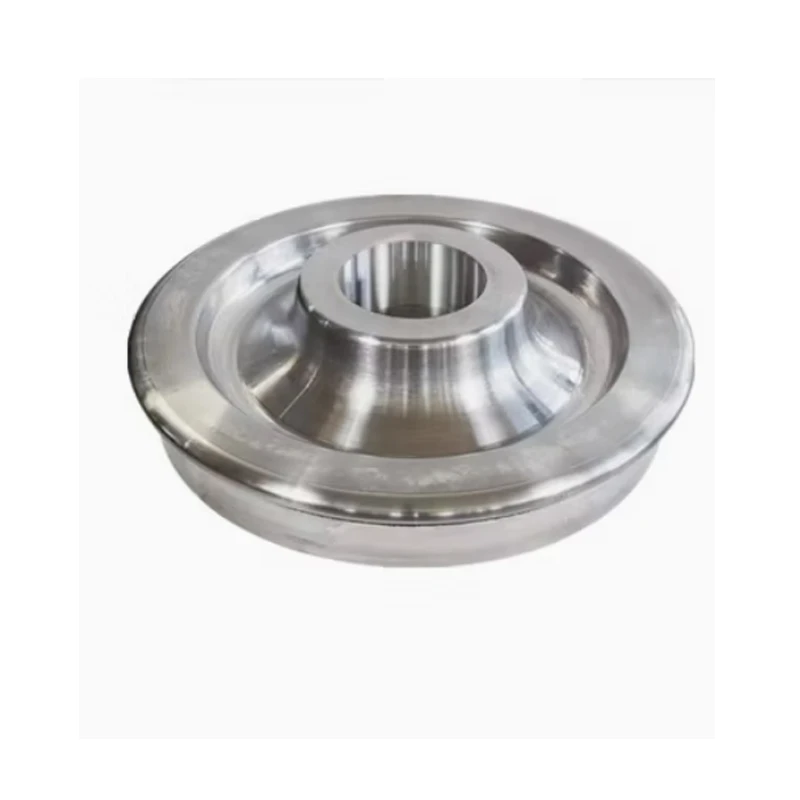 Profile S1002 Series Rail Wheels
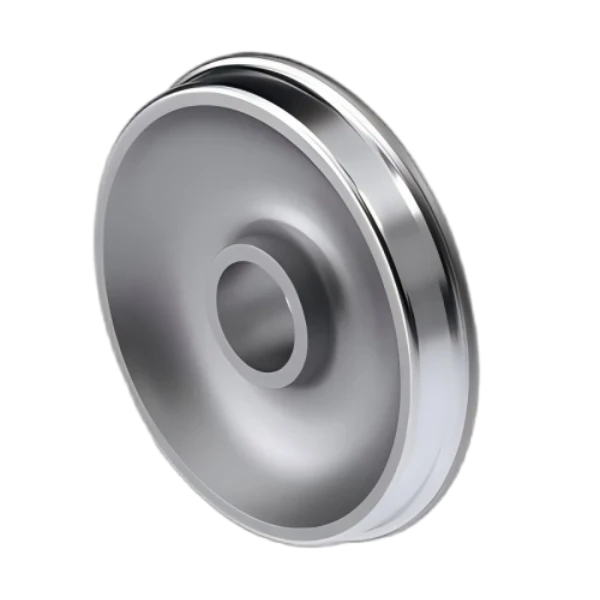
The S1002 series rail wheels are designed for Rail-Road Vehicles (RRVs) that require seamless operation on both roads and railway tracks. Engineered with high precision and durability, these wheels conform to S1002 tread profiles, ensuring compatibility with standard railway systems.
A Comprehensive Guide to Axles Types for Industry Decision Makers | Manufacturing Base
Axles Types is a key solution in the industry, specifically within heavy machinery and transportation sectors. This article explores how https://www.manufacturing-base.com supports professionals with durable, high-performance products
>
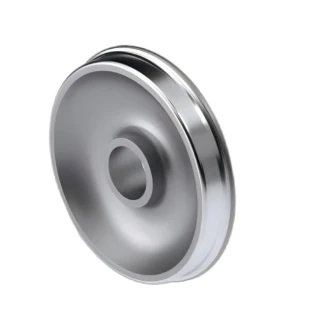
Reliable Rail Wheels: Optimize Your Rail Transport Solutions
For industries that rely on rail-based vehicles, choosing the right rail wheels is essential for smooth operations and safety.
>
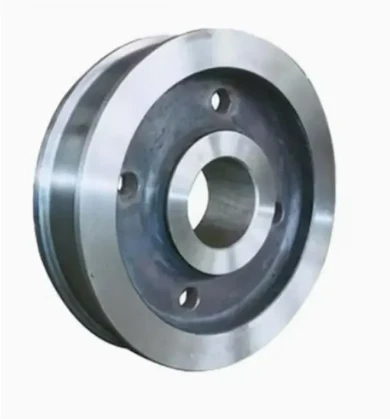
Premium Overhead Crane Wheels For Sale: Enhance Industrial Lifting Efficiency
In modern industrial operations, high-quality overhead crane wheels for sale are essential for safe, reliable, and efficient lifting.
>
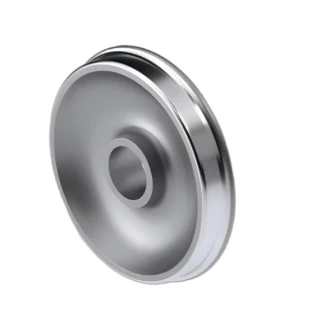
Premium Hi Rail Wheels For Sale: Boost Rail Vehicle Performance
In the modern industrial and railway sectors, having reliable hi rail wheels for sale is essential for operational efficiency and safety.
>
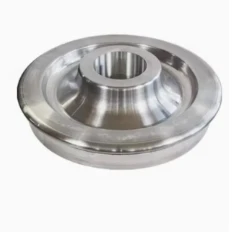
High-Quality Hi Rail Wheels For Sale: Enhance Your Rail Equipment Efficiency
When it comes to reliable rail maintenance and industrial operations, investing in hi rail wheels for sale is crucial.
>
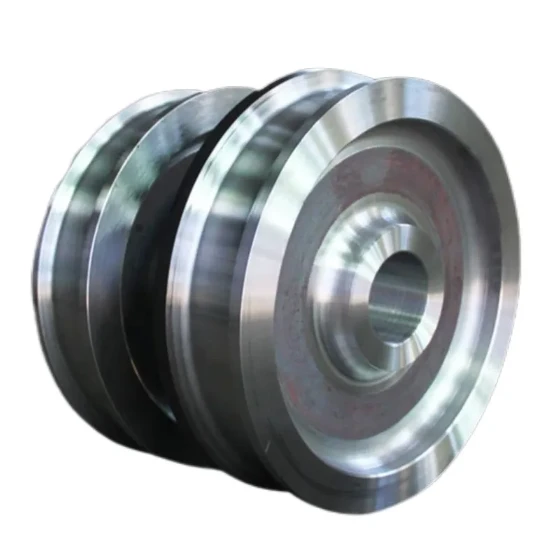
High-Quality Crane Wheels For Sale: Enhance Your Crane Operations
For industries relying on heavy lifting and material handling, investing in high-quality crane wheels for sale is crucial.
>
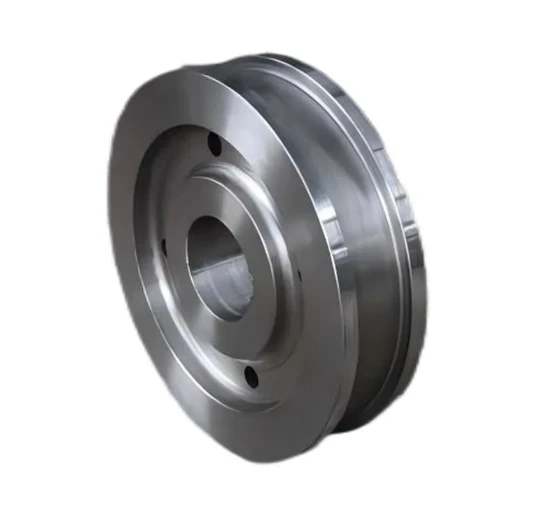
Durable Gantry Crane Wheels For Sale: Maximize Lifting Efficiency
For industries relying on heavy-duty lifting and material handling, selecting the right gantry crane wheels for sale is vital.
>
Reliable Tandem Drive Axles for Heavy-Duty Industrial Vehicles
Tandem Drive Axles: What I’ve Learned After Years in the Industrial Equipment Sector Ha
>
Reliable Semi Trailer Axles for Heavy-Duty Trailers | Expert Insight
Understanding semi trailer axles: The Backbone of Heavy Hauling Having spent more than a deca
>
RC Portal Axles: Industrial Strength and Custom Performance
RC Portal Axles: A Veteran’s Take on Industrial-Grade Performance Having spent over a d
>
Engineered for Excellence
Our forged solutions deliver reliability and performance, powering demanding industries to keep operations running smoothly.

Sign up
for Newsletter
Subscribe to the weekly newsletter for all the latest updates