- Tel: +86 311 82620404
- Cell: 86 -13739710551
- Email: sales@potentia.cn

Tandem Trailer Axles: Definition, Global Use, and Industry Trends
Understanding Tandem Trailer Axles: Backbone of Heavy Transport Efficiency
When you think about how massive loads move smoothly across countries and continents, the unsung hero often comes down to the humble tandem trailer axles. These specialized tandem systems play a pivotal role in the global freight landscape, quietly enhancing transport durability and safety. So, why should anyone beyond truck manufacturers care? Because these axles don't just haul goods, they’re lifelines for industries, economies, and emergency relief efforts around the globe.
Why Tandem Trailer Axles Matter Globally
In an age where supply chains are feeling the pressure of pandemic aftershocks, climate change, and geopolitical shifts, reliable freight transport isn’t a luxury—it’s essential. According to UN data, international road freight accounts for roughly 70% of inland transport worldwide (1). The efficiency, cost-effectiveness, and safety of these combined axle systems directly influence uptime and cargo integrity. And frankly, without durable axles designed to distribute weight and reduce road wear, vital deliveries could face costly delays or accidents.
Interestingly, ISO standards related to axle load and durability have evolved to reflect increasing vehicle weights and environmental concerns (2). Tandem trailer axles, then, are part of a larger engineering choreography aimed at sustainable, resilient freight movement.
Defining Tandem Trailer Axles
At its most straightforward, a tandem trailer axle system consists of two axles mounted closely together on a trailer. This arrangement allows a single trailer to support more weight — think of it as giving the load twice the legs to stand on. By splitting the cargo weight over two axles instead of one, they reduce stress both on the vehicle and the highways it travels.
This simple yet clever setup is widely used across sectors — from agriculture, where heavy machinery is transported, to humanitarian logistics, where disaster relief supplies rely on efficient road transport in tough terrains.
Key Components and Considerations of Tandem Trailer Axles
1. Durability and Materials
Most tandem axle assemblies use high-grade steel or alloy combinations tailored to resist corrosion, fatigue, and impact. Some newer iterations incorporate lightweight aluminum or composite materials, aiming for weight savings—a growing trend as regulations tighten on maximum vehicle weight.
2. Suspension Systems
Whether it’s air ride, spring, or a hybrid suspension, the choice affects ride quality, vehicle control, and cargo safety. Air suspensions, for instance, help absorb shocks better, improving longevity and reducing cargo damage.
3. Load Distribution
Proper load distribution between the two axles is critical for stability. Uneven loads can cause one axle to bear excessive weight, risking premature wear and even accidents.
4. Cost Efficiency
Although tandem axles add upfront cost and complexity, they offer significant savings by extending tire and road life. This is why fleet operators often consider total cost of ownership, not just initial price.
5. Maintenance and Serviceability
Easy access to components and robust design can reduce downtime significantly. Given the heavy use these axles endure, simple maintenance routines can prevent costly breakdowns.
Mini takeaway: Tandem trailer axles are thoughtfully engineered components balancing strength, durability, and cost, tailored to the demands of rigorous transportation needs.
Global Applications & Use Cases
You’ll find tandem trailer axles hard at work everywhere from North American long haul corridors to remote mining operations in Australia. In Asia’s dense urban corridors, they help navigate heavier loads through tight city streets; in Africa, they facilitate the transport of infrastructure materials critical to development projects.
- Post-disaster relief: These axles enable trucks to carry large quantities of supplies, such as food and water, over unreliable roads to affected zones.
- Industrial freight: Heavy machinery, construction materials, and bulk goods all depend on tandem axles to handle the weight securely.
- Agricultural transport: From combines to fertilizers, these trailers shoulder the loads critical for seasonal farming cycles.
If you’re interested in exploring more about variations used in different markets, check out this tandem trailer axles resource.
Mini takeaway: Tandem trailer axles underpin diverse transport scenarios across continents, proving their indispensable utility under demanding conditions.
Advantages & Long-Term Value
Aside from bearing higher weights, tandem axles offer benefits that go beyond mere capacity. They improve vehicle stability and handling, reducing accident risk. This directly ties into social impact — saving lives by enhancing road safety.
Financially, they reduce tire wear and protect road surfaces from damage, indirectly saving governments and companies millions in repairs. Then there’s an environmental angle: by enabling heavier loads per trip, they reduce the number of journeys needed, cutting fuel consumption and emissions.
Ultimately, tandem trailer axles bring a rare blend of technical innovation and ethical value to freight logistics. Operators trust them — because safe transport means dignity for drivers, recipients, and everyone down the supply chain.
Future Trends & Innovations
Autonomous vehicle tech will soon influence axle systems — enabling real-time axle load adjustments and advanced suspension control. Lightweight composite axles promise improvements in fuel efficiency and lower emissions. Meanwhile, governments and industry watchers push for stricter load regulations and smart axle monitoring systems that pre-empt failures.
Electrification of freight vehicles also drives design evolution. Tandem axles may integrate regenerative braking more efficiently or be optimized for electric truck architectures.
Challenges & Solutions
Of course, no tech is perfect. Tandem axles can suffer from uneven wear caused by imperfect load distribution and rough roads. Maintenance access sometimes proves challenging in rugged conditions. Also, higher initial costs can deter smaller operators.
What’s the fix? Innovation in suspension and axle load sensing technology is helping monitor and balance weights dynamically. Modular designs improve part replacement ease. Financing strategies and leasing options lower entry barriers.
Typical Tandem Trailer Axle Specs
| Specification | Details |
|---|---|
| Weight Capacity | 40,000 – 48,000 lbs (18,144 – 21,772 kg) |
| Axle Spacing | 36 – 48 inches (914 – 1,219 mm) |
| Material | High-strength Steel / Aluminum Alloy options |
| Suspension Type | Air Ride / Spring Suspension variants |
| Brake Type | Hydraulic / Air drum brakes |
Comparison of Leading Tandem Trailer Axle Vendors
| Vendor | Material | Load Capacity (lbs) | Warranty | Notable Features |
|---|---|---|---|---|
| Meritor | Steel Alloy | 48,000 | 2 years / 250,000 miles | Integrated load sensing tech |
| WABCO | Composite enhanced steel | 45,000 | 3 years | Advanced suspension integration |
| AKG | Aluminum Alloy | 40,000 | 1 year / 150,000 miles | Lightweight, corrosion-resistant |
FAQ: Answers to Common Questions about Tandem Trailer Axles
- Q: How do tandem trailer axles improve road safety?
- A: By distributing vehicle weight more evenly across two axles, they reduce tire blowouts and risk of axle overload, providing better handling and stability, especially when carrying heavy or uneven loads.
- Q: Can tandem axles be fitted to any trailer?
- A: Not exactly. Trailer design must accommodate axle spacing, suspension type, and load specifications. It’s best to consult with manufacturers or engineers to ensure compatibility and compliance with local regulations.
- Q: What maintenance is critical for tandem trailer axles?
- A: Regular checks on suspension, brake systems, wheel bearings, and axle alignment are essential. Preventative servicing can avoid costly breakdowns and ensure safety over long hauls.
- Q: Are tandem trailer axles environmentally friendly?
- A: Indirectly, yes. By enabling heavier loads per trip, they reduce total trips needed, lowering fuel consumption and emissions. Innovations in lightweight materials also contribute to improved energy efficiency.
- Q: Where can I learn more about sourcing reliable tandem trailer axles?
- A: Trusted marketplaces like Manufacturing Base feature vetted suppliers, detailed specs, and expert reviews to help businesses find the right fit.
Conclusion: Why Tandem Trailer Axles Matter More Than Ever
The transport world is evolving fast, but the fundamental mechanics of moving heavy loads safely and efficiently rely heavily on well-designed tandem trailer axles. They’re an essential part of infrastructure support, global commerce, and disaster response. As new materials, smart sensors, and automation integrate into these systems, their importance only grows.
Curious to explore current products or customize axles to your needs? Visit our website at https://www.manufacturing-base.com and get connected with industry leaders.
Trust me, understanding tandem trailer axles is a solid first step toward smarter, safer freight transport.
I suppose when you think about it, such an unassuming component can reveal a lot about the sophistication behind what moves the world. It’s the quiet strength—and a bit of engineering poetry—on wheels.
- United Nations Economic Commission for Europe, "Transport Statistics," 2020. unece.org
- International Organization for Standardization (ISO), "ISO 12006-2:2015 Construction -- Organization of information about construction works," 2015. iso.org
- Federal Motor Carrier Safety Administration, "Cargo Securement," 2022. fmcsa.dot.gov
-
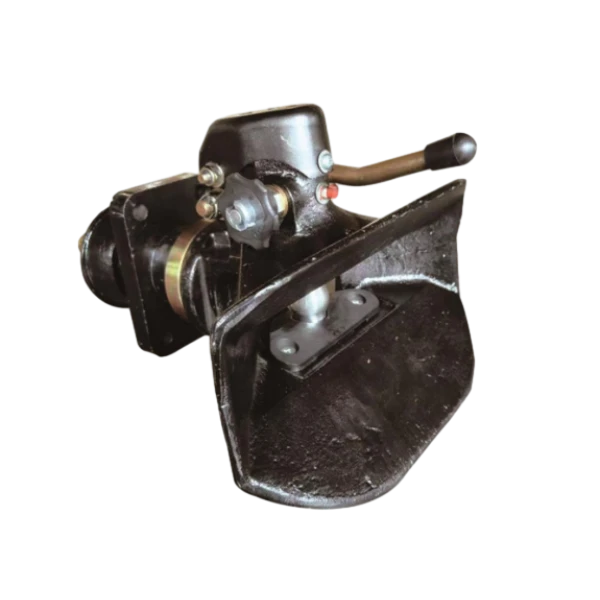 Trailer Coupling
The trailer coupling is a critical component in vehicle towing systems, designed to ensure a secure and efficient connection between a towing vehicle and a trailer. These couplings are manufactured using high-strength carbon steel, alloy steel, or stainless steel, ensuring durability and resistance to heavy loads and harsh environments.
-
 Drawbar Eyes
Drawbar eyes are essential components in towing and hauling applications, providing a strong and secure attachment point between the trailer and the towing vehicle. They are designed to endure extreme pulling forces, making them suitable for heavy-duty applications.
-
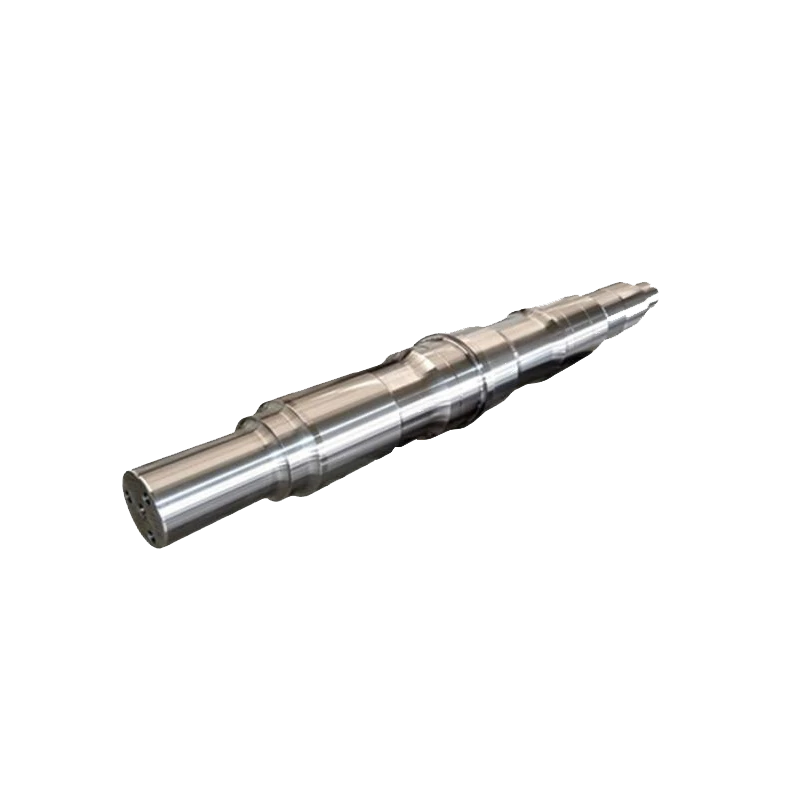 Axles
AxlesAxles are essential for vehicle load-bearing and power transmission, ensuring smooth movement and weight distribution. They must withstand high stress, torque, and impact, making material selection and precise manufacturing crucial.
-
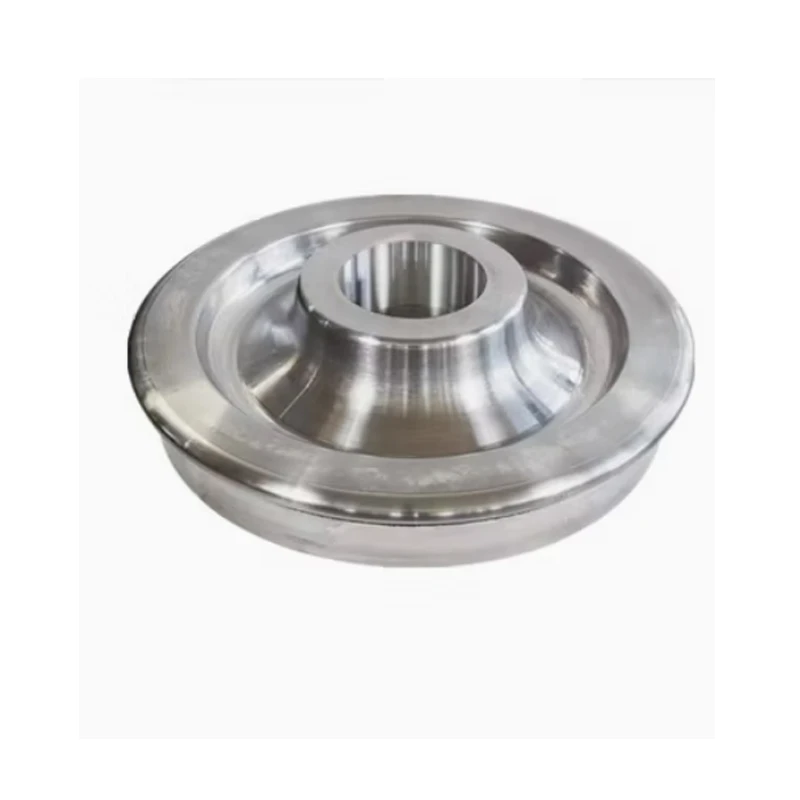 Profile S1002 Series Rail Wheels
The S1002 series rail wheels are designed for Rail-Road Vehicles (RRVs) that require seamless operation on both roads and railway tracks. Engineered with high precision and durability, these wheels conform to S1002 tread profiles, ensuring compatibility with standard railway systems.
A Comprehensive Guide to Axles Types for Industry Decision Makers | Manufacturing Base
Axles Types is a key solution in the industry, specifically within heavy machinery and transportation sectors. This article explores how https://www.manufacturing-base.com supports professionals with durable, high-performance products
>
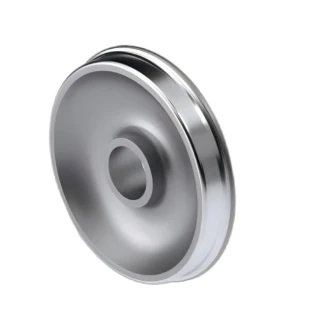
Reliable Rail Wheels: Optimize Your Rail Transport Solutions
For industries that rely on rail-based vehicles, choosing the right rail wheels is essential for smooth operations and safety.
>
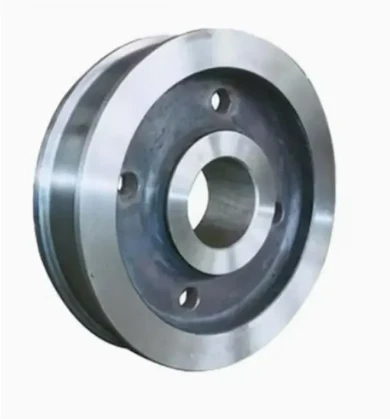
Premium Overhead Crane Wheels For Sale: Enhance Industrial Lifting Efficiency
In modern industrial operations, high-quality overhead crane wheels for sale are essential for safe, reliable, and efficient lifting.
>
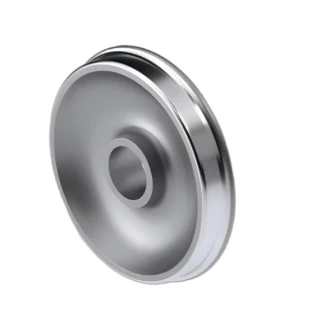
Premium Hi Rail Wheels For Sale: Boost Rail Vehicle Performance
In the modern industrial and railway sectors, having reliable hi rail wheels for sale is essential for operational efficiency and safety.
>
High-Quality Hi Rail Wheels For Sale: Enhance Your Rail Equipment Efficiency
When it comes to reliable rail maintenance and industrial operations, investing in hi rail wheels for sale is crucial.
>
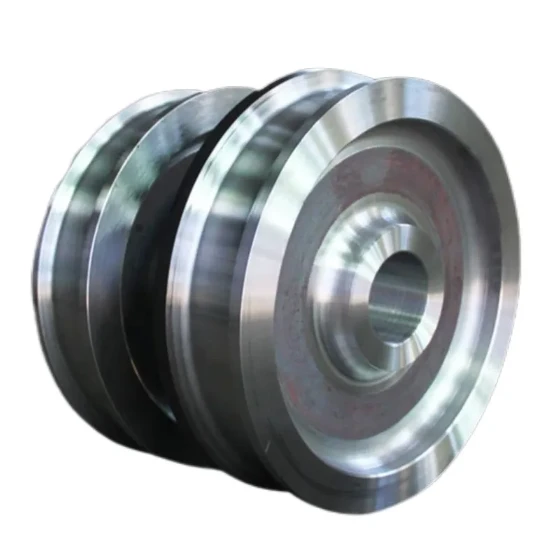
High-Quality Crane Wheels For Sale: Enhance Your Crane Operations
For industries relying on heavy lifting and material handling, investing in high-quality crane wheels for sale is crucial.
>
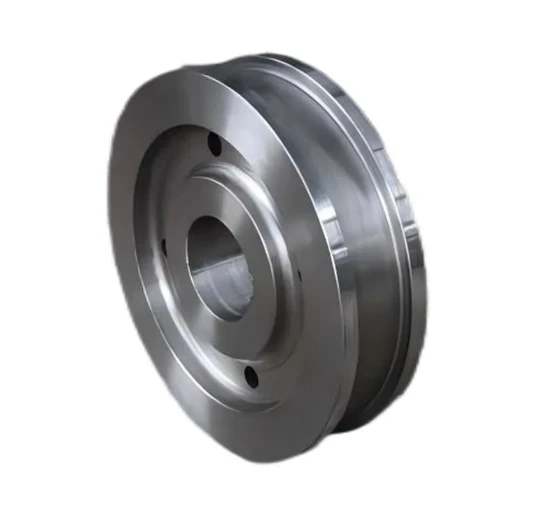
Durable Gantry Crane Wheels For Sale: Maximize Lifting Efficiency
For industries relying on heavy-duty lifting and material handling, selecting the right gantry crane wheels for sale is vital.
>
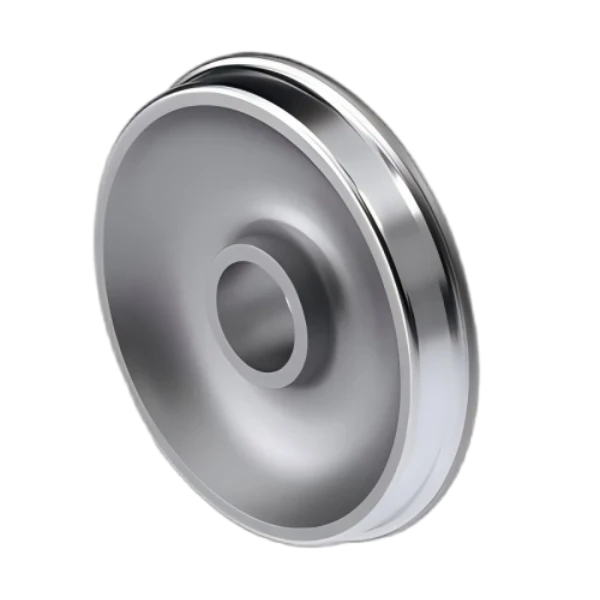
Reliable Tandem Drive Axles for Heavy-Duty Industrial Vehicles
Tandem Drive Axles: What I’ve Learned After Years in the Industrial Equipment Sector Ha
>

Reliable Semi Trailer Axles for Heavy-Duty Trailers | Expert Insight
Understanding semi trailer axles: The Backbone of Heavy Hauling Having spent more than a deca
>
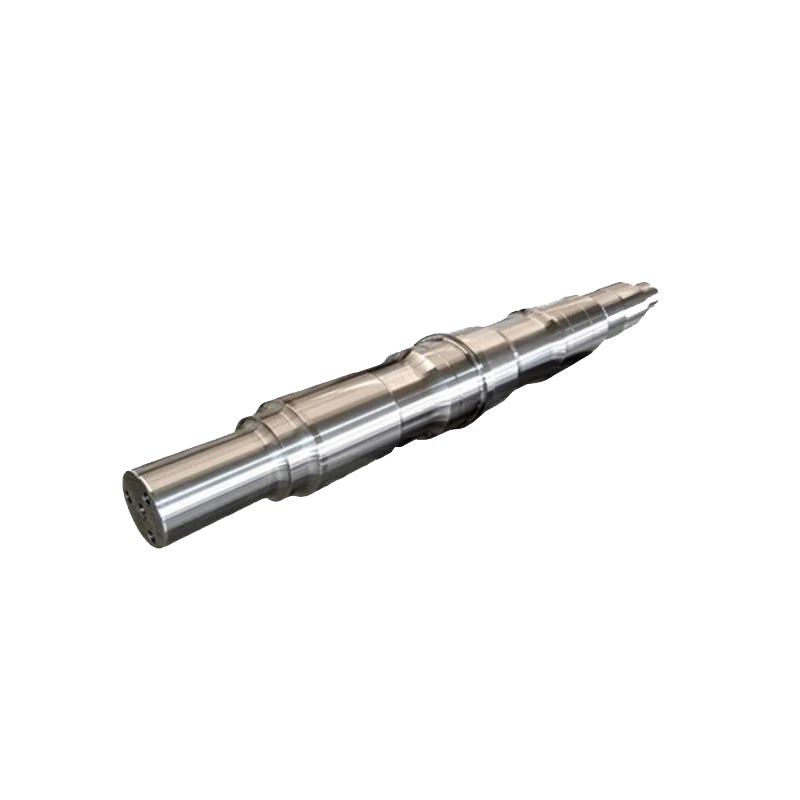
RC Portal Axles: Industrial Strength and Custom Performance
RC Portal Axles: A Veteran’s Take on Industrial-Grade Performance Having spent over a d
>
Engineered for Excellence
Our forged solutions deliver reliability and performance, powering demanding industries to keep operations running smoothly.

Sign up
for Newsletter
Subscribe to the weekly newsletter for all the latest updates