- Tel: +86 311 82620404
- Cell: 86 -13739710551
- Email: sales@potentia.cn

Tandem Drive Axles Explained: Key Benefits, Global Applications & Industry Trends
Understanding Tandem Drive Axles: The Backbone of Heavy-Duty Mobility
When it comes to powering heavy vehicles through tough terrains or hauling considerable loads, tandem drive axles emerge as unsung heroes behind the scenes. They’re crucial in everything from construction equipment to massive freight trucks that crisscross continents. Frankly, without these mechanisms, global commerce and critical mission vehicles would face serious challenges. Understanding what tandem drive axles are, their role in industry, and why they matter worldwide helps uncover a core piece of the mobility puzzle that often goes unnoticed.
Global Context: Why Tandem Drive Axles Matter
Did you know that over 70% of global freight moves via road transport, according to the United Nations Economic Commission for Europe? This means the durability and efficiency of commercial vehicles fundamentally impact worldwide supply chains. Tandem drive axles are particularly vital because they increase a vehicle's load capacity and traction without compromising mobility. In areas with challenging terrain or extreme weather—take the Arctic Circle routes, for instance—vehicles equipped with robust tandem axles ensure essential goods arrive safely.
However, challenges such as excessive wear and environmental restrictions on vehicle weights put pressure on manufacturers and logistics planners to optimize axle systems continuously. This need spurs ongoing innovations in tandem drive axle design to balance power, sustainability, and cost-effectiveness.
What Are Tandem Drive Axles?
In simple terms, a tandem drive axle setup consists of two axles linked together and powered simultaneously to distribute torque across multiple wheels. Think of it as doubling the traction effort within the same vehicle frame, a handy attribute for hauling heavy loads or navigating slippery roads. This system isn’t just about muscle; it’s also about stability and control, which modern industries and humanitarian relief operations highly value.
These axles form an integral component of heavy trucks, trailers, and other off-highway trucks, enabling enhanced weight distribution and improved road handling. As a result, industries like mining, construction, and emergency response all rely on this technology.
Key Components and Factors Behind Tandem Drive Axles
- Durability and Strength: Handling tons of weight means axles must be made from high-grade forged steel or heat-treated alloys to resist bending or fracture.
- Traction and Power Distribution: By powering two axles instead of one, tandem setups ensure better grip on loose or snow-covered surfaces.
- Maintenance and Serviceability: Simpler designs with modular components reduce downtime and make servicing easier, which is a huge benefit in remote or industrial environments.
- Load Capacity: Effective tandem axles increase payloads legally, adhering to regional weight regulations but making transport more efficient.
- Cost Efficiency: While upfront investment may be higher, long-term savings come from reduced tire wear and better fuel economy on the right configurations.
Mini Takeaway: Tandem drive axles mirror the demands of heavy transport—strength, distributed power, and practical upkeep all wrapped into one smartly engineered package.
Real-World Applications of Tandem Drive Axles
Across continents, tandem drive axles power multiple sectors. In the mining regions of Australia, massive dump trucks fitted with tandem axles haul enormous quantities of ore safely. Meanwhile, in the hurricane-prone Gulf Coast of the United States, emergency relief trucks depend on these axles to traverse flooded or unstable roads carrying essential supplies.
Even NGOs operating in remote areas, such as parts of Africa or Southeast Asia, deploy vehicles with tandem drive axles to reach otherwise inaccessible communities. The extended traction and load distribution allow these vehicles to provide water, food, and medical supplies reliably despite rough terrain.
Interestingly, manufacturers are customizing axle configurations to meet unique regional road standards and environmental prescriptions—a testament to the system’s versatility.
Product Specification Table: Typical Tandem Drive Axle Features
| Feature | Value | Notes |
|---|---|---|
| Axle Load Capacity | 20,000 kg (approx.) | Depends on model and materials |
| Material | Forged Steel / Alloy | Heat treated for durability |
| Gear Ratio Options | 3.55 to 6.17 | Customizable to vehicle needs |
| Braking System | Air drum or Disc brakes | Safety certified per ISO standards |
| Suspension Compatibility | Leaf spring or Air ride | Dependent on vehicle design |
Advantages and Long-Term Value of Tandem Drive Axles
The immediate benefit everyone notices is more power coupled with better stability. But there’s deeper value too. Companies pay less over a vehicle’s lifespan because tires wear evenly and engines strain less when power is shared across axles. In a way, it’s about trust: vehicles with tandem drive axles inspire confidence in drivers and operators who rely on them for safety and reliability.
Socially speaking, these axles enable meaningful access — bringing aid during crises, supporting infrastructure development, and connecting rural communities. As we push toward sustainable transport, innovations like reduced-weight axle assemblies married with digital monitoring systems open doors to greener logistics.
Vendor Comparison Table: Major Tandem Drive Axle Providers
| Company | Specialty | Innovation Highlights | Geographic Reach |
|---|---|---|---|
| Meritor | Heavy truck axles | Lightweight materials, integrated sensors | Global - Americas, Europe, Asia |
| Dana Incorporated | Off-highway vehicle axles | Eco-friendly coatings, advanced gear design | Global with strong presence in NA & EU |
| ZF Friedrichshafen | Heavy-duty drive systems | Automated drive axle tech, digital diagnostics | Global – Europe & Asia focus |
Looking Ahead: Future Trends & Innovations
Some of the buzz in tandem axles revolves around integrating more sensors for real-time diagnostics to predict failures before they happen. There’s also a keen interest in hybrid-electric tandem axles, which can recover and reuse energy, contributing to carbon reduction goals. Materials science continues to push lighter but stronger axle assemblies, helping lower fuel consumption while carrying the same loads. Plus, digital manufacturing and Industry 4.0 practices promise quicker customizations to meet emerging regional compliance standards.
Challenges and Optimistic Solutions
Of course, tandem drive axles face hurdles. Wear and tear under extreme loads still challenge maintenance schedules. Also, regional road weight restrictions can limit maximum load capacity, forcing complex route planning. Some new materials come at a steep cost, which can limit adoption for smaller companies.
Experts suggest that improving modularity — so parts swap easily without full axle replacement — and wider use of condition-based monitoring can dramatically reduce downtime and maintenance costs. Partnerships between OEMs and aftermarket service providers also help align better supply chains and support networks, especially in emerging markets.
FAQ: Tandem Drive Axles
- Q: How do tandem drive axles improve traction compared to single axles?
- A: By distributing engine torque across two axles instead of one, tandem drive axles provide better grip on uneven or slippery terrain, reducing wheel slip and improving vehicle stability. This is essential in heavy trucks and off-road vehicles for safety and performance.
- Q: What maintenance is required to keep tandem axles operating smoothly?
- A: Regular inspection of seals, bearings, and gears is important, along with timely oil changes for lubrication systems. Condition monitoring sensors can help detect wear early, reducing unexpected breakdowns and extending axle life.
- Q: Can tandem drive axles be customized for different load capacities?
- A: Yes, manufacturers offer various axle ratings, gear ratios, and component materials to tailor tandem drive axles for specific vehicle weights and operating conditions, ensuring regulatory compliance and optimal performance.
- Q: Are tandem drive axles compatible with electric or hybrid vehicles?
- A: Increasingly so. Hybrid and electric drivetrains can integrate tandem axles designed to recover energy or provide electric assist. This synergy enhances efficiency and reduces emissions in commercial heavy vehicles.
Conclusion: Why Tandem Drive Axles Should Stay on Your Radar
In the grand scheme, tandem drive axles play a quietly powerful role across industries that keep our modern world moving. From the rocky roads of remote mining sites to global highways packed with freight, their durability, efficiency, and adaptability underline a smart engineering tradition. Whether you are designing vehicles, managing supply chains, or supporting humanitarian missions, appreciating these systems is a step toward better mobility solutions for the future.
Want to explore trusted manufacturers and custom solutions? Visit our website to find out how tandem drive axles can fit your needs.
As always, it feels like these mechanical marvels deserve a little more spotlight—they move tons of the world every day, after all.
- United Nations Economic Commission for Europe (UNECE): Road Freight Statistics
- International Organization for Standardization (ISO): Vehicle Brake Systems Standards
- Meritor, Dana Incorporated, ZF Friedrichshafen Annual Technical Reports
-
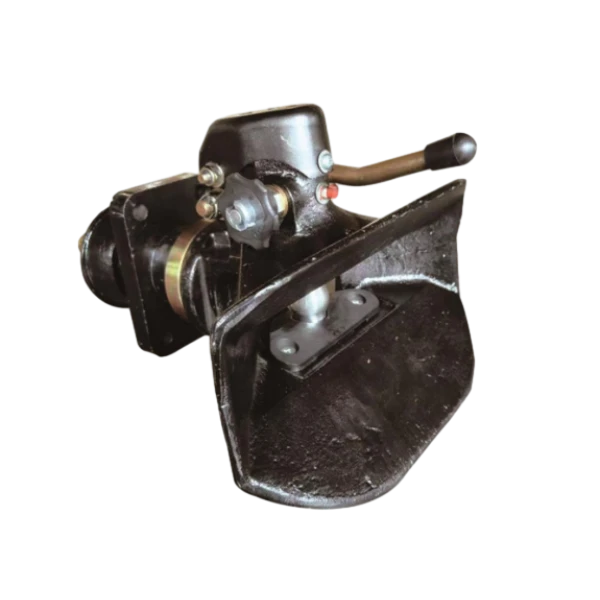 Trailer Coupling
The trailer coupling is a critical component in vehicle towing systems, designed to ensure a secure and efficient connection between a towing vehicle and a trailer. These couplings are manufactured using high-strength carbon steel, alloy steel, or stainless steel, ensuring durability and resistance to heavy loads and harsh environments.
-
 Drawbar Eyes
Drawbar eyes are essential components in towing and hauling applications, providing a strong and secure attachment point between the trailer and the towing vehicle. They are designed to endure extreme pulling forces, making them suitable for heavy-duty applications.
-
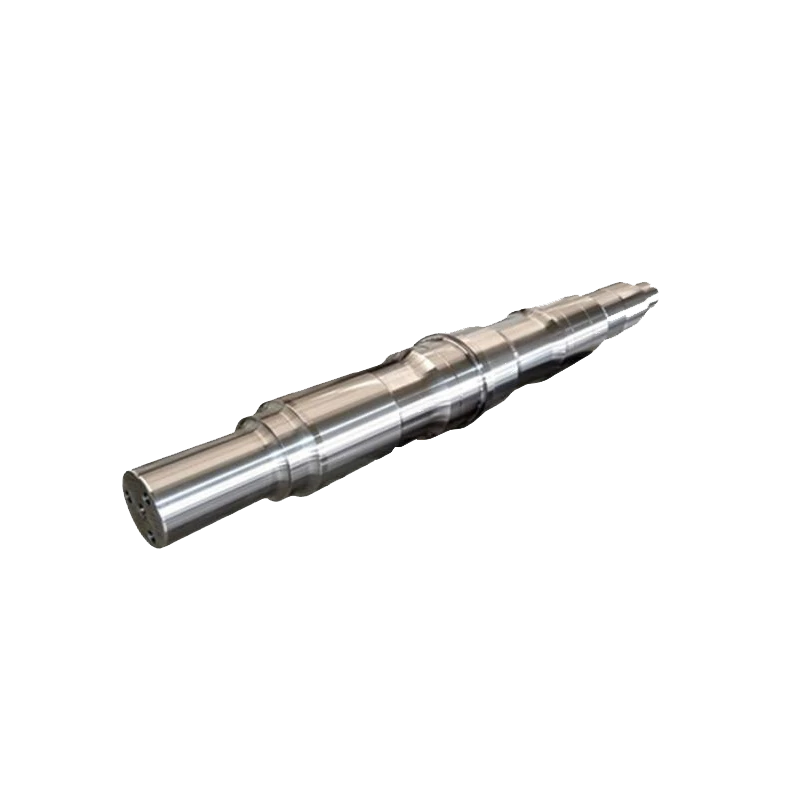 Axles
AxlesAxles are essential for vehicle load-bearing and power transmission, ensuring smooth movement and weight distribution. They must withstand high stress, torque, and impact, making material selection and precise manufacturing crucial.
-
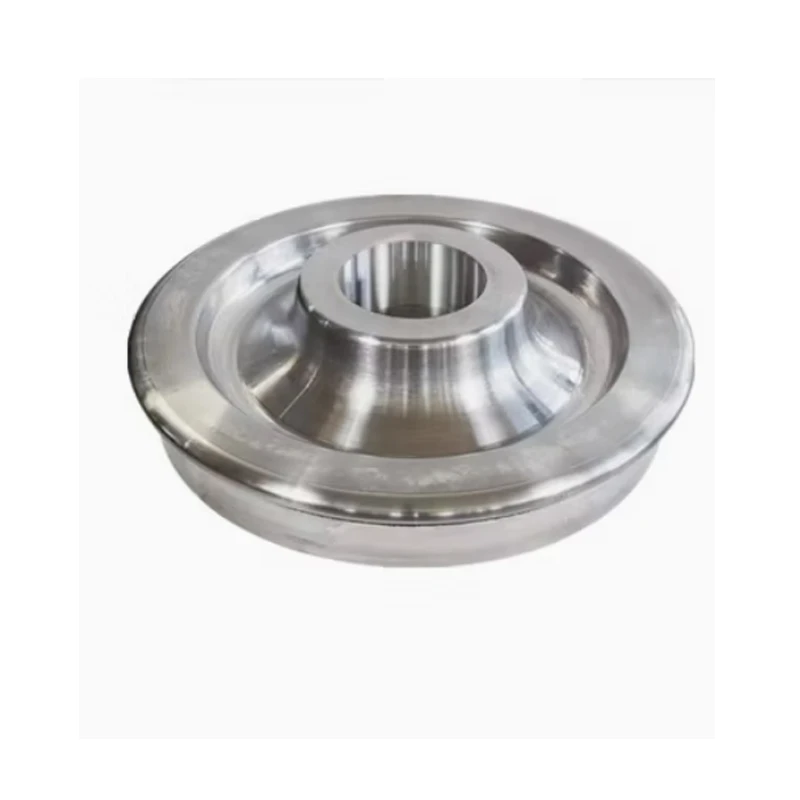 Profile S1002 Series Rail Wheels
The S1002 series rail wheels are designed for Rail-Road Vehicles (RRVs) that require seamless operation on both roads and railway tracks. Engineered with high precision and durability, these wheels conform to S1002 tread profiles, ensuring compatibility with standard railway systems.
A Comprehensive Guide to Axles Types for Industry Decision Makers | Manufacturing Base
Axles Types is a key solution in the industry, specifically within heavy machinery and transportation sectors. This article explores how https://www.manufacturing-base.com supports professionals with durable, high-performance products
>
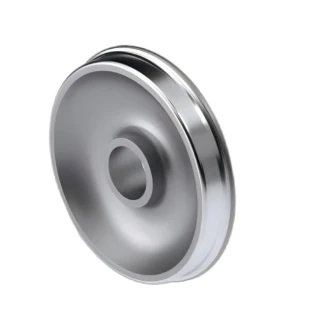
Reliable Rail Wheels: Optimize Your Rail Transport Solutions
For industries that rely on rail-based vehicles, choosing the right rail wheels is essential for smooth operations and safety.
>
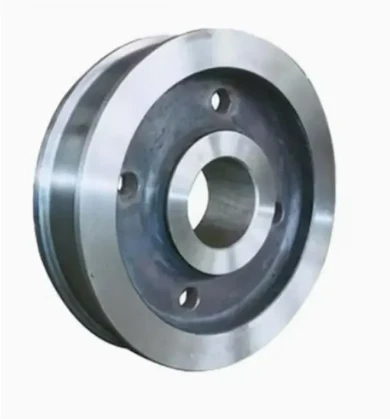
Premium Overhead Crane Wheels For Sale: Enhance Industrial Lifting Efficiency
In modern industrial operations, high-quality overhead crane wheels for sale are essential for safe, reliable, and efficient lifting.
>
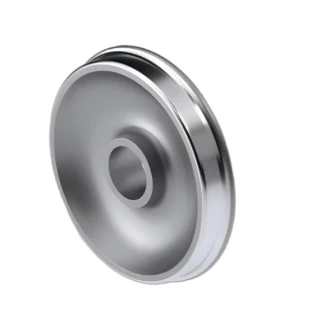
Premium Hi Rail Wheels For Sale: Boost Rail Vehicle Performance
In the modern industrial and railway sectors, having reliable hi rail wheels for sale is essential for operational efficiency and safety.
>
High-Quality Hi Rail Wheels For Sale: Enhance Your Rail Equipment Efficiency
When it comes to reliable rail maintenance and industrial operations, investing in hi rail wheels for sale is crucial.
>
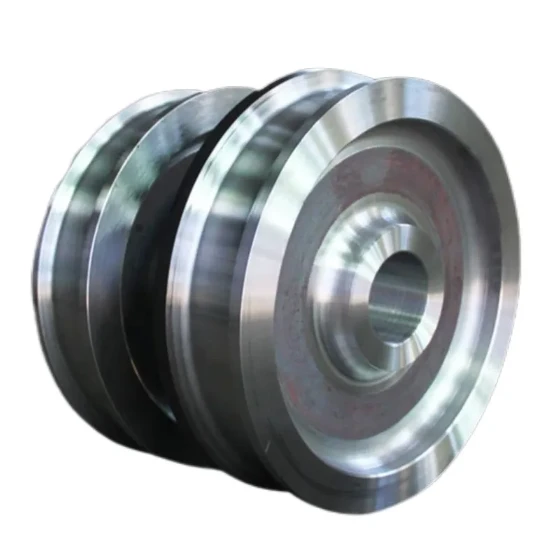
High-Quality Crane Wheels For Sale: Enhance Your Crane Operations
For industries relying on heavy lifting and material handling, investing in high-quality crane wheels for sale is crucial.
>
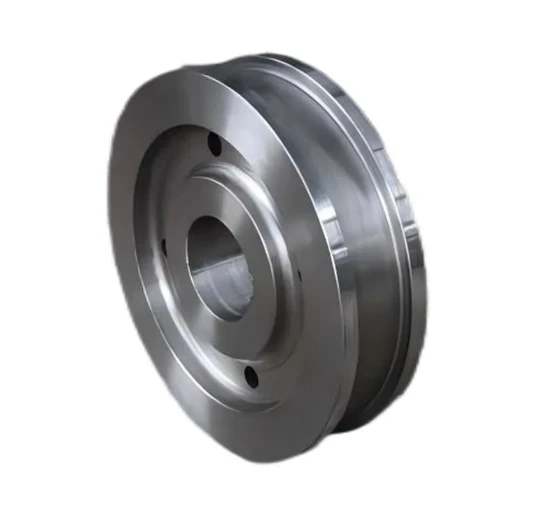
Durable Gantry Crane Wheels For Sale: Maximize Lifting Efficiency
For industries relying on heavy-duty lifting and material handling, selecting the right gantry crane wheels for sale is vital.
>
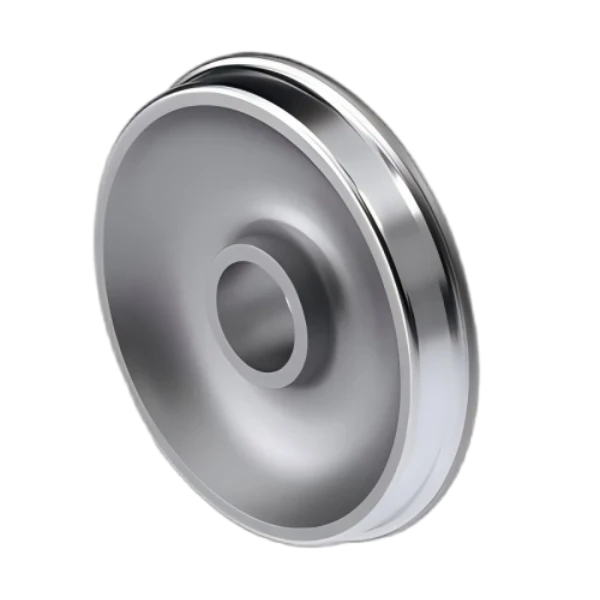
Reliable Tandem Drive Axles for Heavy-Duty Industrial Vehicles
Tandem Drive Axles: What I’ve Learned After Years in the Industrial Equipment Sector Ha
>

Reliable Semi Trailer Axles for Heavy-Duty Trailers | Expert Insight
Understanding semi trailer axles: The Backbone of Heavy Hauling Having spent more than a deca
>
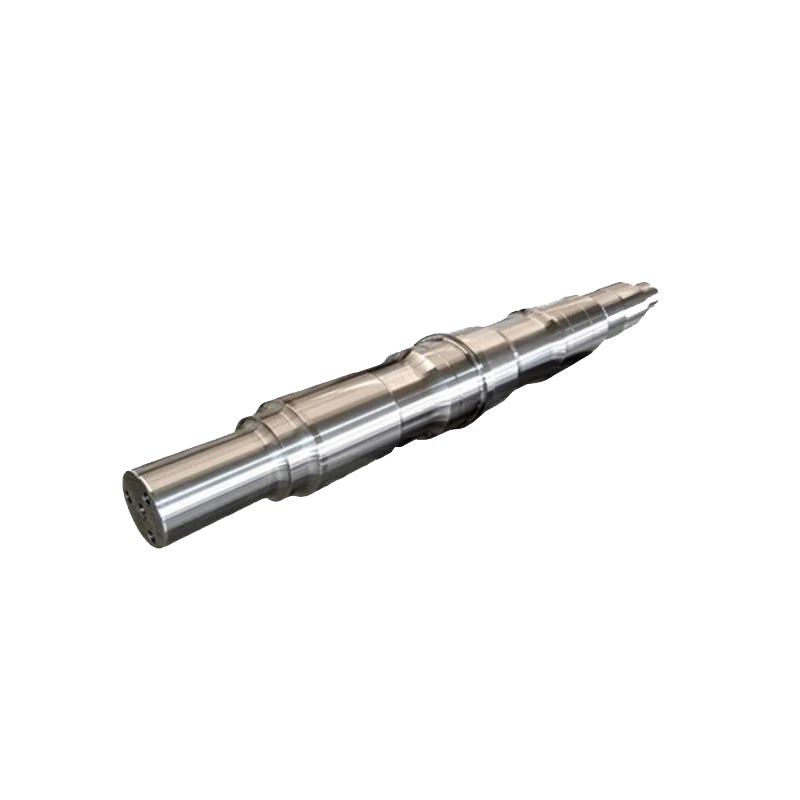
RC Portal Axles: Industrial Strength and Custom Performance
RC Portal Axles: A Veteran’s Take on Industrial-Grade Performance Having spent over a d
>
Engineered for Excellence
Our forged solutions deliver reliability and performance, powering demanding industries to keep operations running smoothly.

Sign up
for Newsletter
Subscribe to the weekly newsletter for all the latest updates