- Tel: +86 311 82620404
- Cell: 86 -13739710551
- Email: sales@potentia.cn

Torsion Trailer Axles Explained: Benefits, Global Uses, and Future Trends
Understanding Torsion Trailer Axles: What They Are and Why They Matter Globally
In the world of transport and logistics, the humble torsion trailer axle might not get the spotlight it deserves, but it’s a key player. These axles help trailers move smoothly over uneven terrain, carry heavy loads efficiently, and persist through rugged conditions. Globally, as economies expand and more goods travel across continents, understanding torsion trailer axles is crucial—not just for manufacturers but for logistics companies, humanitarian efforts, and industries relying on trailer mobility.
Why does this matter on a global scale? Because trailers equipped with torsion axles help reduce maintenance costs, improve road safety, and enable faster delivery times in diverse environments. Frankly, they’re a small part of the vehicle but can make or break operational success.
Introduction: The Global Context of Torsion Trailer Axles
Torsion trailer axles are everywhere—from the highways of North America to the dusty roads of Southeast Asia. According to the World Bank, global transport efficiency directly supports 75% of world trade by volume, making high-performance trailer components more important than ever. But many regions still face challenges like poor road quality and extreme weather.
How do torsion trailer axles fit in? They’re designed to offer independent suspension and enhanced durability, addressing many challenges posed by rough-road environments. ISO standards for trailer axles highlight innovations in strength and safety, pushing manufacturers worldwide to improve designs.
Definition & Meaning: What Are Torsion Trailer Axles?
Simply put, a torsion trailer axle is a type of suspension system that uses rubber cords inside a steel housing to provide spring action. Unlike leaf springs that rely on stacked metal plates, torsion axles absorb shocks individually per wheel, giving a smoother ride and better articulation. The whole unit twists slightly (hence “torsion”) to cushion impacts.
This innovation connects closely to modern industrial and humanitarian needs. For example, in disaster zones where roads are severely damaged, trailers with torsion axles can deliver crucial supplies where other vehicles might fail. So, they’re not only technical components but enablers of resilience and efficiency.
Key Factors or Core Components of Torsion Trailer Axles
1. Durability
Since trailers often face tough conditions, durability is key. Torsion axles typically feature heavy-gauge steel and weather-resistant rubber that stand up to corrosion and repeated stress. Many engineers emphasize their maintenance simplicity compared to leaf spring systems.
2. Ride Comfort & Stability
The independent suspension in torsion axles means each wheel adapts to terrain variations without transferring shocks across the trailer. This feature increases stability, especially at highway speeds or rugged off-road use.
3. Weight & Space Efficiency
Compared to traditional axle setups, torsion axles are often lighter and take up less room beneath trailers, allowing more payload capacity and easier design flexibility. This translates into cost savings and improved fuel economy.
4. Cost Efficiency
While the initial price of torsion axles might be higher, their lower maintenance requirements and extended lifespan often justify the investment in the long term.
5. Scalability & Customization
Manufacturers can tailor these axles for various load ratings and trailer types, from lightweight utility trailers to heavy industrial carriers. This adaptability has boosted their adoption globally.
Global Applications & Use Cases
Torsion trailer axles find use in countless industries worldwide:
- Disaster relief: NGOs use trailers with torsion axles to deliver aid even on damaged roads in Africa and Asia.
- Construction & Mining: Rugged industrial trailers operating in mines in Australia rely on torsion axles’ durability.
- Agriculture: Farming equipment transporters in the U.S. benefit from smoother motion and less soil disturbance.
- Recreational vehicles: RV trailers often use torsion axles for enhanced ride comfort across North America.
Oddly enough, even in harsh northern climates like Scandinavia, where salt corrosion is an issue, these axles have proven resilient, making them a favorite choice.
Advantages & Long-Term Value
Let’s be frank: investing in torsion trailer axles delivers a blend of hard and soft benefits. On the practical side, expect:
- Lower maintenance costs due to fewer moving parts and less wear.
- Improved trailer stability and control, increasing safety for drivers and cargo.
- Better load distribution contributing to longer tire life and reduced road damage.
On the emotional side, operators often highlight peace of mind and dignity knowing their essential cargo or passengers are traveling safely. It’s innovation plus trust rolled into one.
Future Trends & Innovations
Looking ahead, torsion trailer axle technology is embracing sustainability and connectivity. Manufacturers are exploring:
- Advanced composite materials to reduce weight further without sacrificing strength.
- Smart sensors embedded in axles for real-time monitoring of wear, load, and road shock data.
- Integration with electric and hybrid trailer designs, boosting energy efficiency.
- Enhanced rubber compounds that resist degradation and withstand extreme temperatures better.
It’s clear that digital transformation and green tech will reshape axle design in years to come.
Challenges & Solutions
Of course, there are caveats. Torsion axles can be more susceptible to damage if overloaded or improperly maintained. Sometimes, their rigid mounting limits articulation in extremely rough terrain compared to leaf springs.
Experts suggest rigorous load monitoring and adopting hybrid suspension systems to bridge gaps. Also, educating operators about proper maintenance practices avoids common pitfalls. The industry is responding by providing better training and warranty programs.
Product Specification Table
| Specification | Details |
|---|---|
| Load Capacity | 2,000 to 7,000 lbs per axle |
| Axle Length | 30 to 60 inches (customizable) |
| Material | High-strength steel with rubber torsion cords |
| Suspension Type | Independent torsion rubber suspension |
| Finish | Powder-coated corrosion-resistant |
Vendor Comparison Table
| Feature | Vendor A | Vendor B | Vendor C |
|---|---|---|---|
| Load Capacity | 3,500 lbs | 5,000 lbs | 7,000 lbs |
| Warranty | 3 years | 5 years | 7 years |
| Customization Options | Limited | Moderate | Extensive |
| Price Range | $$ | $$$ | $$$$ |
FAQ: Frequently Asked Questions About Torsion Trailer Axles
- Q: What are the main advantages of torsion trailer axles over leaf spring axles?
- A: Torsion axles provide independent wheel suspension, which means better ride comfort, improved stability, and less wear on tires and cargo. They are generally lighter and require less maintenance, making them ideal for applications where smooth transportation is critical.
- Q: How do torsion trailer axles perform in off-road or rugged conditions?
- A: They perform well due to their ability to absorb shocks independently per wheel, but their rigid mounting can limit articulation on extremely uneven surfaces. For very rough terrains, hybrid suspension systems may be preferred.
- Q: Are torsion axles more expensive initially, and is the investment worth it?
- A: Yes, the upfront cost tends to be higher than traditional leaf spring systems. However, the long-term benefits like lower maintenance costs, longer lifespan, and better ride quality often justify the investment.
- Q: Can torsion trailer axles be customized for different trailer sizes and loads?
- A: Definitely. Many manufacturers offer customization in load capacity, axle length, and finish to meet diverse industrial and recreational needs, making them very scalable options.
- Q: Where can I find reliable suppliers or additional resources on torsion trailer axles?
- A: Visit industry hubs like manufacturing-base.com for trusted supplier lists, product specs, and expert guidance.
Conclusion: Why Torsion Trailer Axles Are a Smart Choice
All things considered, torsion trailer axles offer an excellent balance of innovation, reliability, and efficiency that meet the needs of modern logistics and industrial operations worldwide. Their long-term durability and ride comfort make them invaluable in both commercial and humanitarian contexts. If you’re exploring upgrade options or building new trailer setups, these axles are worth serious thought.
Ready to learn more or source quality torsion trailer axles? Visit our website: Manufacturing Base for trusted products and expert advice.
Mini takeaway: Torsion trailer axles might quietly power a significant part of global transport resilience — a small tech, big impact.
References:
1. Wikipedia: Torsion Suspension
2. ISO Standards for Trailer Axles
3. World Bank: Transport Sector
-
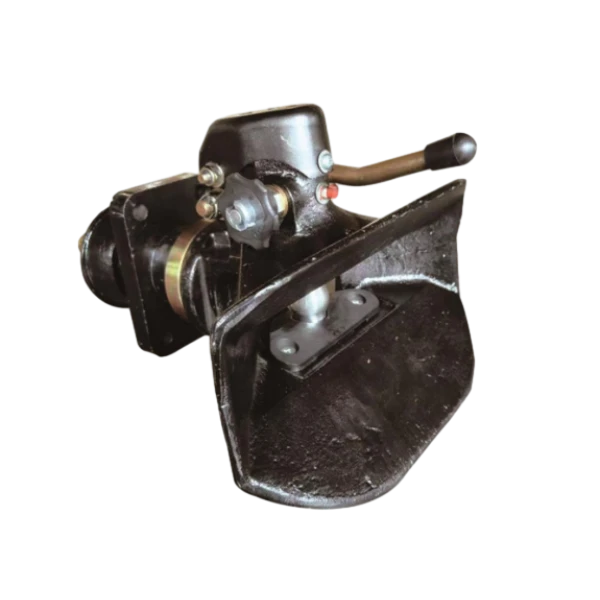 Trailer Coupling
The trailer coupling is a critical component in vehicle towing systems, designed to ensure a secure and efficient connection between a towing vehicle and a trailer. These couplings are manufactured using high-strength carbon steel, alloy steel, or stainless steel, ensuring durability and resistance to heavy loads and harsh environments.
-
 Drawbar Eyes
Drawbar eyes are essential components in towing and hauling applications, providing a strong and secure attachment point between the trailer and the towing vehicle. They are designed to endure extreme pulling forces, making them suitable for heavy-duty applications.
-
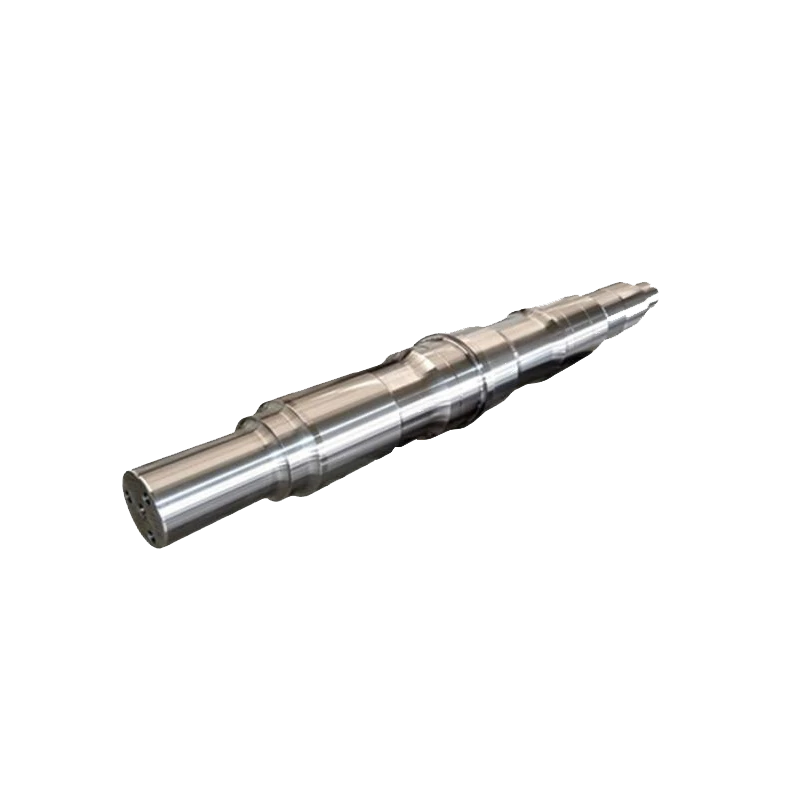 Axles
AxlesAxles are essential for vehicle load-bearing and power transmission, ensuring smooth movement and weight distribution. They must withstand high stress, torque, and impact, making material selection and precise manufacturing crucial.
-
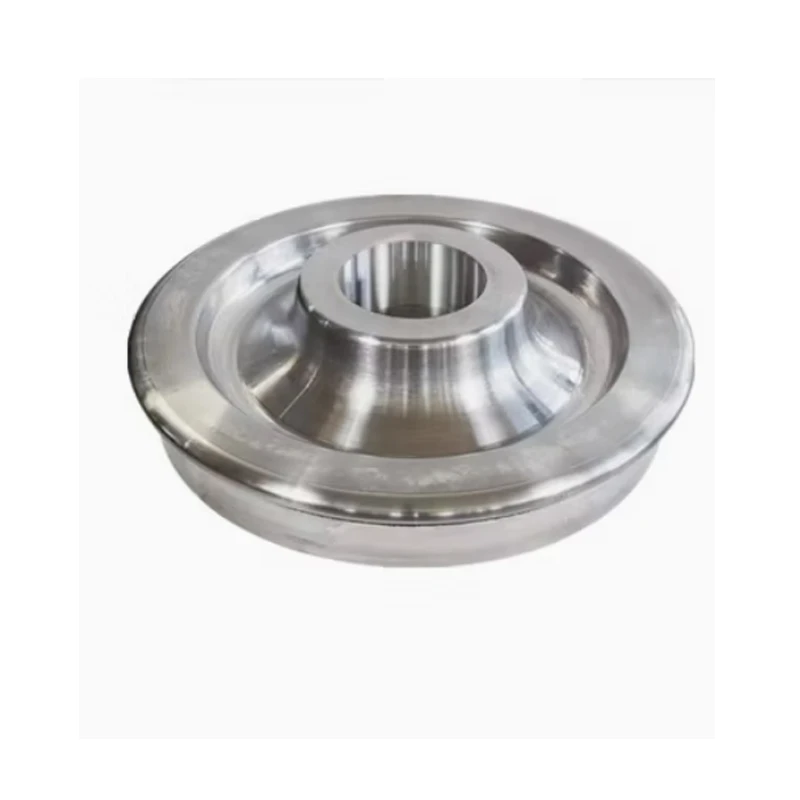 Profile S1002 Series Rail Wheels
The S1002 series rail wheels are designed for Rail-Road Vehicles (RRVs) that require seamless operation on both roads and railway tracks. Engineered with high precision and durability, these wheels conform to S1002 tread profiles, ensuring compatibility with standard railway systems.
A Comprehensive Guide to Axles Types for Industry Decision Makers | Manufacturing Base
Axles Types is a key solution in the industry, specifically within heavy machinery and transportation sectors. This article explores how https://www.manufacturing-base.com supports professionals with durable, high-performance products
>
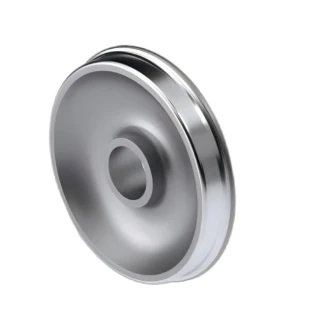
Reliable Rail Wheels: Optimize Your Rail Transport Solutions
For industries that rely on rail-based vehicles, choosing the right rail wheels is essential for smooth operations and safety.
>
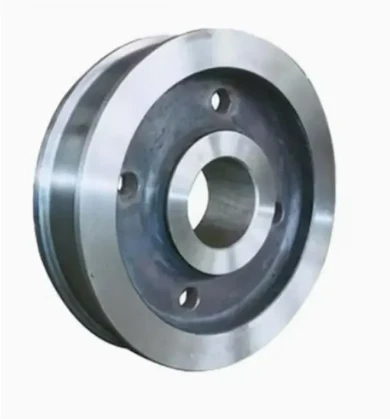
Premium Overhead Crane Wheels For Sale: Enhance Industrial Lifting Efficiency
In modern industrial operations, high-quality overhead crane wheels for sale are essential for safe, reliable, and efficient lifting.
>
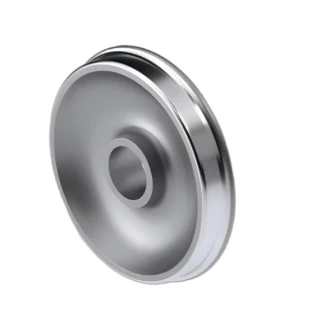
Premium Hi Rail Wheels For Sale: Boost Rail Vehicle Performance
In the modern industrial and railway sectors, having reliable hi rail wheels for sale is essential for operational efficiency and safety.
>
High-Quality Hi Rail Wheels For Sale: Enhance Your Rail Equipment Efficiency
When it comes to reliable rail maintenance and industrial operations, investing in hi rail wheels for sale is crucial.
>
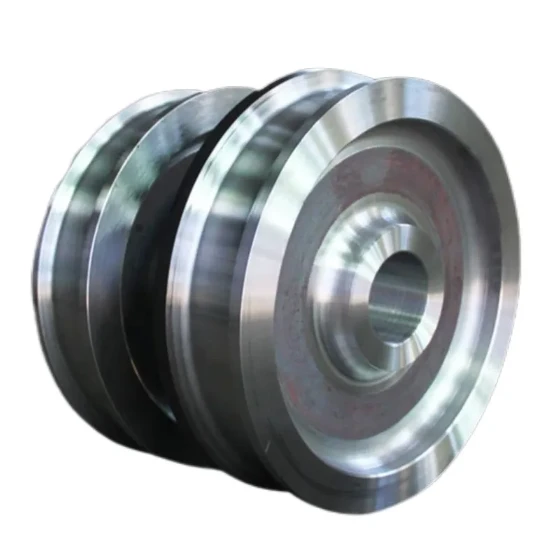
High-Quality Crane Wheels For Sale: Enhance Your Crane Operations
For industries relying on heavy lifting and material handling, investing in high-quality crane wheels for sale is crucial.
>
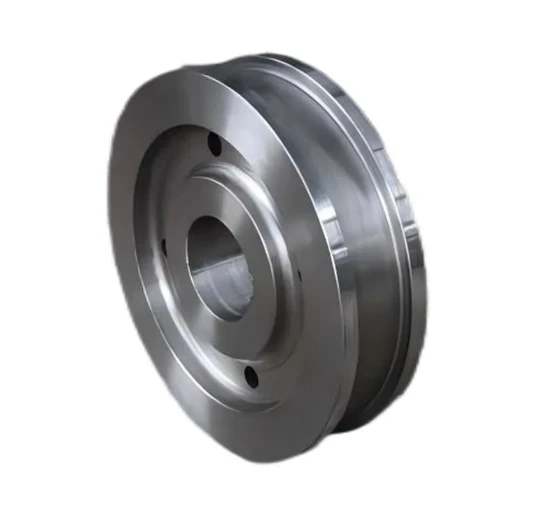
Durable Gantry Crane Wheels For Sale: Maximize Lifting Efficiency
For industries relying on heavy-duty lifting and material handling, selecting the right gantry crane wheels for sale is vital.
>
Reliable Tandem Drive Axles for Heavy-Duty Industrial Vehicles
Tandem Drive Axles: What I’ve Learned After Years in the Industrial Equipment Sector Ha
>
Reliable Semi Trailer Axles for Heavy-Duty Trailers | Expert Insight
Understanding semi trailer axles: The Backbone of Heavy Hauling Having spent more than a deca
>
RC Portal Axles: Industrial Strength and Custom Performance
RC Portal Axles: A Veteran’s Take on Industrial-Grade Performance Having spent over a d
>
Engineered for Excellence
Our forged solutions deliver reliability and performance, powering demanding industries to keep operations running smoothly.

Sign up
for Newsletter
Subscribe to the weekly newsletter for all the latest updates