- Tel: +86 311 82620404
- Cell: 86 -13739710551
- Email: sales@potentia.cn

Steel Rail Wheels – Durable, Safe & Sustainable Solutions for Modern Railways
Steel Rail Wheels: The Unsung Heroes of Modern Rail Transport
When we think about trains, it’s easy to focus on the sleek engines or the sprawling tracks snaking through landscapes. But at their core — literally where rubber meets rail — it’s the steel rail wheels that keep the industry moving. These components don’t just bear the weight of tons of cargo or passengers; they define how efficient, safe, and sustainable rail transport can be globally.
Steel rail wheels aren’t just “metal circles” spinning beneath a train. They are precision-engineered marvels, balancing extreme durability with cost-effectiveness to enable one of the world’s most vital logistics backbones. For industries ranging from mining in Australia to high-speed freight corridors in Europe, understanding these wheels means appreciating an often-overlooked cog in global trade and connectivity.
Mini takeaway: Steel rail wheels are foundational elements for efficient, reliable rail transport worldwide — supporting economies, communities, and industries alike.
Global Context: Why Steel Rail Wheels Matter Now More Than Ever
The United Nations reports that rail transport accounts for roughly 9% of the world's freight movement — a share that’s expected to grow steadily as countries strive for greener logistics solutions and urban mobility. According to the UNECE, rail systems emit considerably less CO2 per ton-km than road transport, pushing many nations toward railway infrastructure investments.
At the heart of this shift lies a fundamental technical challenge: How to maintain and innovate the steel wheels that translate raw steel rails into smooth, durable rides. Failure here means everything from increased maintenance costs to catastrophic derailments. And in an era of expanding high-speed railways, extensive freight networks, and even autonomous trains, the pressure to optimize wheel technology has never been greater.
Mini takeaway: As railways expand globally, steel rail wheels serve as a critical performance and safety factor in sustainable transport.
What Exactly Are Steel Rail Wheels?
Simply put, steel rail wheels are the circular, metallic parts fixed to train axles, designed to run on steel tracks. More than just simple wheels, these components must endure enormous weight, fluctuating weather conditions, and friction — all while maintaining a perfect balance between hardness and toughness.
This balance connects to both modern industries and broader humanitarian needs. For example, in disaster-prone regions, railways help deliver emergency supplies reliably. Steel rail wheels that withstand extreme conditions ensure that aid isn’t delayed. The better the wheel technology, the more robust these lifelines become.
Core Components and Key Factors of Steel Rail Wheels
1. Durability & Wear Resistance
Steel rail wheels encounter constant friction against rails, making durability paramount. High-grade steel alloys, often quenched and tempered, impart surface hardness that resists wear — yet they retain enough internal toughness to absorb shocks without cracking.
2. Load Bearing Capacity
These wheels must support heavy freight trains or high-speed passenger locomotives. Engineers carefully calculate and optimize their geometry — including diameter, flange thickness, and tread profile — to distribute loads evenly and prevent rail damage or wheel flattening.
3. Thermal Stability
During braking, wheels rapidly heat up. A steel wheel’s composition must prevent thermal cracking from repeated cycles of intense heat and cooling. This factor is critical on mountainous routes or urban transit systems with frequent stops.
4. Fault Prevention & Safety Features
Wheel design often includes features to minimize derailment risks, like flanges that keep trains on track during curves. Regular inspections and ultrasonic testing help detect hidden cracks, ensuring early maintenance.
5. Cost Efficiency & Lifecycle
With a typical lifespan of 200,000 to 300,000 kilometers depending on the application, these wheels must balance initial cost with longevity and ease of refurbishment. Some wheels can be re-profiled multiple times before replacement, extending their lifecycle significantly.
Mini takeaway: The interplay of material science and design ensures steel rail wheels are tough, safe, and long-lasting under punishing conditions.
Applications of Steel Rail Wheels Around the World
From freight trains hauling coal in Australia’s Outback to high-speed bullet trains in Japan, steel rail wheels play a fundamental role. Many engineers note the wheels’ importance in remote industrial zones, where reliable rail lines power resource extraction far from cities.
In post-disaster relief operations, for example, railway rehabilitation is often among the first priorities, and the wheels’ toughness can mean the difference between supply lines reopening smoothly or suffering breakdowns.
Broadly speaking, the industries benefiting from these wheels include:
- Heavy freight transport — minerals, lumber, containers.
- Passenger rail — urban metros to intercity and international trains.
- Mining and industrial rail networks in harsh environments.
- Military logistics and emergency response railways.
Advantages and Long-Term Value of High-Quality Steel Rail Wheels
The benefits of investing in superior steel rail wheels are both tangible and subtle. Logistically, they reduce downtime, maintenance, and costs — directly impacting profitability for freight companies and passenger operators alike.
On sustainability, longer-lasting wheels reduce waste and resource consumption. The reduced risk of derailments improves safety dramatically, saving lives and protecting infrastructure.
From an emotional standpoint, it’s hard to overstate the trust passengers place in rail systems working flawlessly — steel wheels quietly fostering that daily confidence. And for communities dependent on rail, these wheels underpin economic development and dignity, linking rural areas to city jobs and markets.
Upcoming Innovations: The Future of Steel Rail Wheels
New materials research is exploring nanostructured steels with even better wear and fatigue properties. On the digital front, sensors embedded in wheelsets promise real-time health monitoring, enabling predictive maintenance rather than reactive fixes.
Automation and AI will likely optimize wheel maintenance schedules globally, reducing costs while improving safety. Environmentally, advancements in recycling and production techniques aim to reduce the carbon footprint of manufacturing these wheels.
Challenges and Expert Solutions
Despite these advances, challenges remain. Rim cracks can develop unexpectedly, and variations in track conditions increase wear unpredictably. Industry experts recommend well-coordinated maintenance regimes combining ultrasonic testing, regular profiles checks, and data from smart sensors.
Manufacturers are also experimenting with novel heat treatments and hybrid steel compositions to strike new balances between strength and ductility — aiming to reduce downtime and extend wheel life even further.
FAQ: Frequently Asked Questions About Steel Rail Wheels
Q: How often should steel rail wheels be inspected?
A: Inspection intervals vary, but many operators check wheels every 20,000 to 50,000 kilometers using ultrasonic and visual methods. Sensor-based systems are improving real-time monitoring capabilities for more precise scheduling.
Q: What factors affect the lifespan of steel rail wheels?
A: Key factors include load frequency and weight, track conditions, braking severity, and wheel material quality. Proper maintenance and re-profiling can extend life significantly.
Q: Can steel rail wheels be recycled?
A: Absolutely. Old wheels are often melted down and reused in steel production, minimizing waste and environmental impacts.
Q: Are there custom solutions for different rail applications?
A: Yes, wheels are often tailored by size, steel grade, and design to suit freight-heavy lines differently from high-speed passenger trains or industrial rails. Vendors work closely with clients to match specs.
Steel Rail Wheels Specification Table
| Specification | Details |
|---|---|
| Wheel Diameter | 850 mm – 1,100 mm (typical ranges) |
| Material | High-carbon quenched/tempered steel alloy |
| Tread Hardness | 320-360 HB (Brinell hardness) |
| Load Capacity | Up to 25 tons per wheel |
| Typical Life Span | 200,000 – 300,000 km before remanufacturing |
Vendor Comparison Table: Leading Steel Rail Wheel Manufacturers
| Vendor | Materials & Quality | Customization Options | Global Reach | After-Sales Support |
|---|---|---|---|---|
| RailTech Co. | Premium alloy steels, ISO 9001 certified | Full customization by diameter and hardness | North America, Europe, Asia | 24/7 technical hotline, onsite training |
| Global Rail Wheels | Focus on sustainability, recycled steel blends | Standard sizes, limited custom options | Europe, Africa, Latin America | Comprehensive warranty, digital support portal |
| Steelworks International | Heat-treated steels, TÜV certified | Advanced profiling technology | Asia, Middle East, Australia | Remote diagnostics & maintenance services |
Conclusion: Why Steel Rail Wheels Remain a Cornerstone of Rail Transport
Frankly, steel rail wheels may not be what grabs headlines, but they quietly hold up some of the most important global supply chains and commuter networks. Their reliability, durability, and adaptability enable expansion of greener rail transport, directly impacting economies and social wellbeing around the world.
I suppose it’s like the unsung backstage crew in a great theater production — unless they mess up, you barely notice. But the moment they fail, the whole show grinds to a halt. So if you’re in industries spanning logistics to urban transit, delving into steel rail wheels isn’t just technical savvy, it’s good business sense.
Interested in exploring steel rail wheel options and innovations? Visit our website: https://www.manufacturing-base.com to learn more about cutting-edge products and support.
References:
1. United Nations Economic Commission for Europe (UNECE)
2. Railway wheel - Wikipedia
3. ISO 1005-1:1991 - Railway applications — Wheels — Part 1: Steel wheels
-
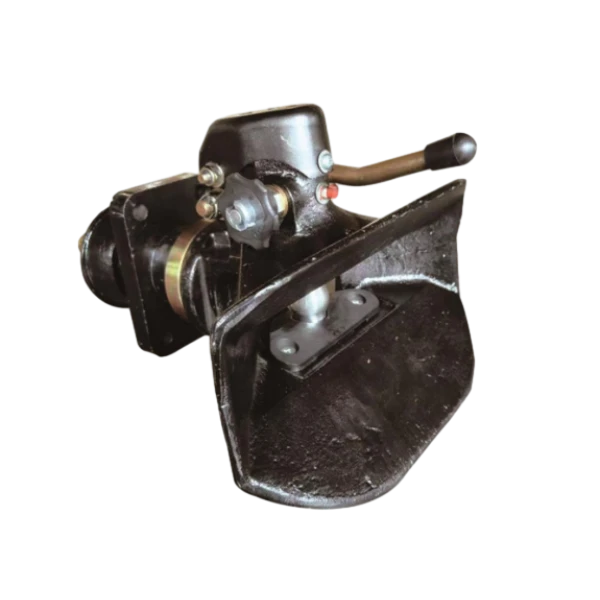 Trailer Coupling
The trailer coupling is a critical component in vehicle towing systems, designed to ensure a secure and efficient connection between a towing vehicle and a trailer. These couplings are manufactured using high-strength carbon steel, alloy steel, or stainless steel, ensuring durability and resistance to heavy loads and harsh environments.
-
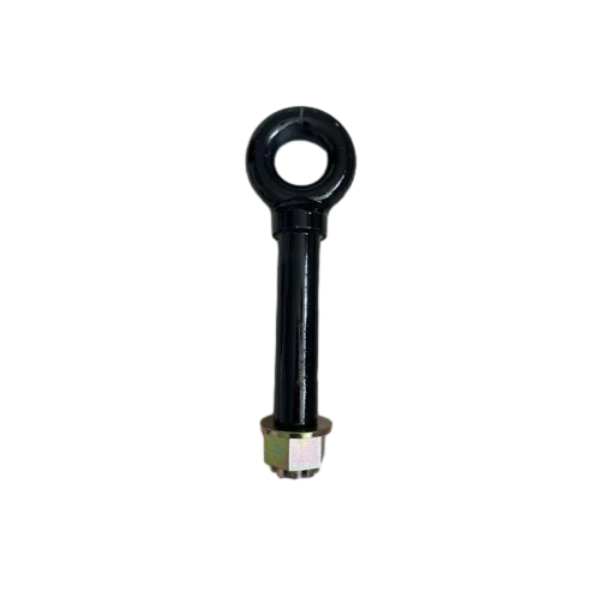 Drawbar Eyes
Drawbar eyes are essential components in towing and hauling applications, providing a strong and secure attachment point between the trailer and the towing vehicle. They are designed to endure extreme pulling forces, making them suitable for heavy-duty applications.
-
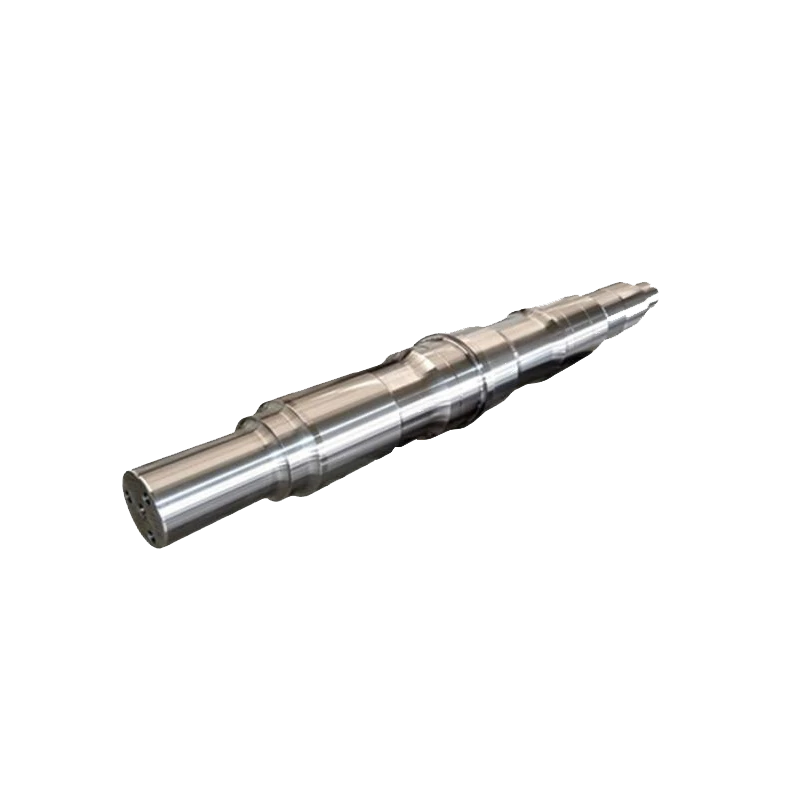 Axles
AxlesAxles are essential for vehicle load-bearing and power transmission, ensuring smooth movement and weight distribution. They must withstand high stress, torque, and impact, making material selection and precise manufacturing crucial.
-
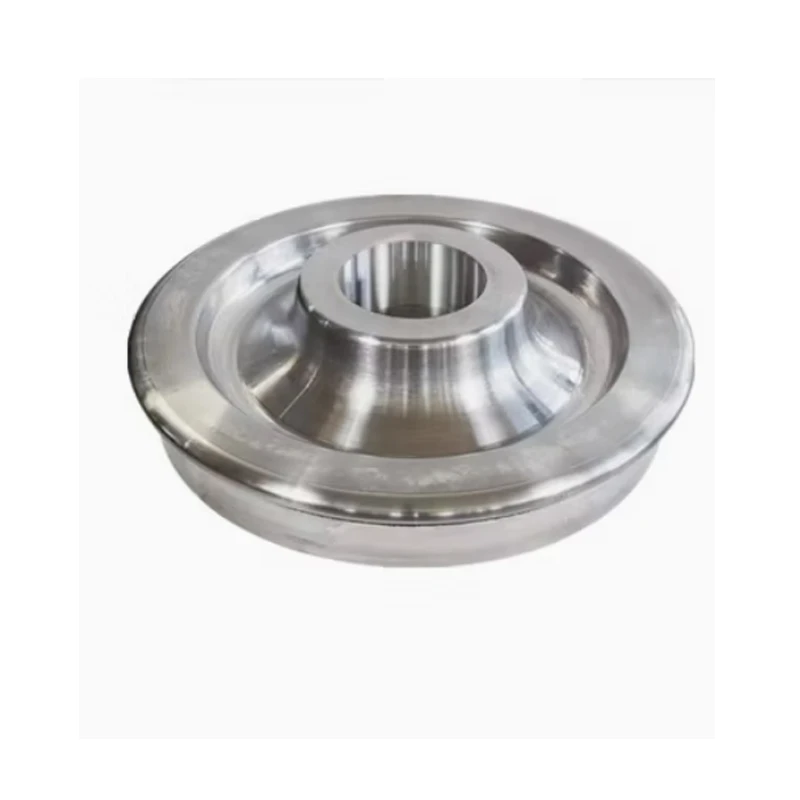 Profile S1002 Series Rail Wheels
The S1002 series rail wheels are designed for Rail-Road Vehicles (RRVs) that require seamless operation on both roads and railway tracks. Engineered with high precision and durability, these wheels conform to S1002 tread profiles, ensuring compatibility with standard railway systems.
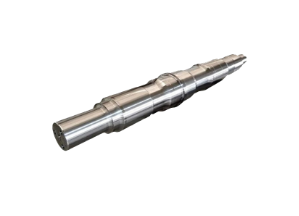
A Comprehensive Guide to Axles Types for Industry Decision Makers | Manufacturing Base
Axles Types is a key solution in the industry, specifically within heavy machinery and transportation sectors. This article explores how https://www.manufacturing-base.com supports professionals with durable, high-performance products
>
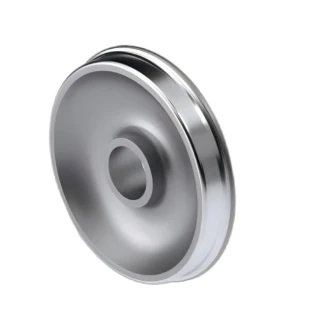
Reliable Rail Wheels: Optimize Your Rail Transport Solutions
For industries that rely on rail-based vehicles, choosing the right rail wheels is essential for smooth operations and safety.
>
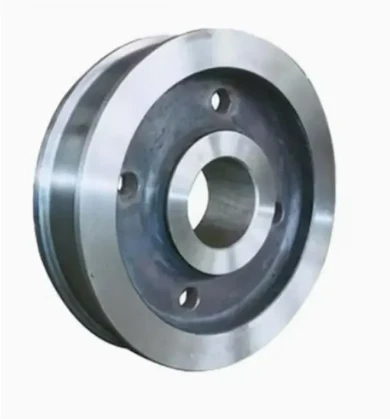
Premium Overhead Crane Wheels For Sale: Enhance Industrial Lifting Efficiency
In modern industrial operations, high-quality overhead crane wheels for sale are essential for safe, reliable, and efficient lifting.
>
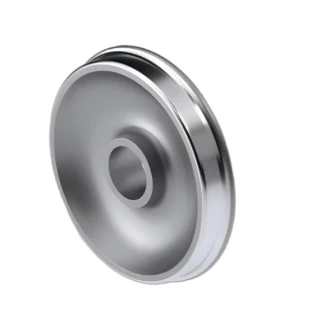
Premium Hi Rail Wheels For Sale: Boost Rail Vehicle Performance
In the modern industrial and railway sectors, having reliable hi rail wheels for sale is essential for operational efficiency and safety.
>
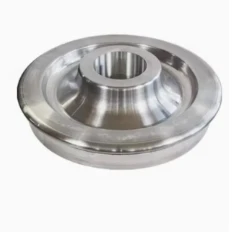
High-Quality Hi Rail Wheels For Sale: Enhance Your Rail Equipment Efficiency
When it comes to reliable rail maintenance and industrial operations, investing in hi rail wheels for sale is crucial.
>
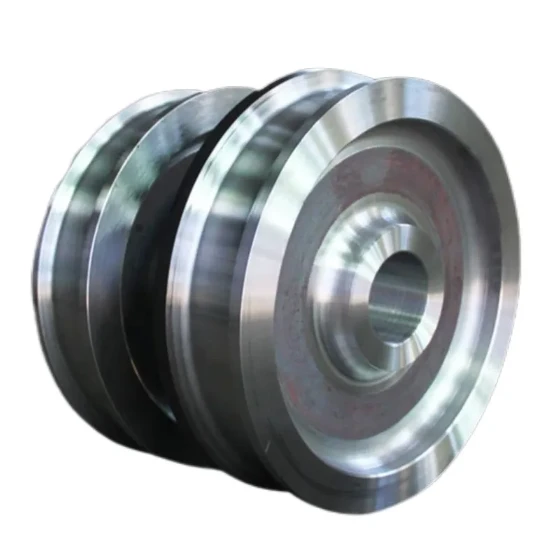
High-Quality Crane Wheels For Sale: Enhance Your Crane Operations
For industries relying on heavy lifting and material handling, investing in high-quality crane wheels for sale is crucial.
>
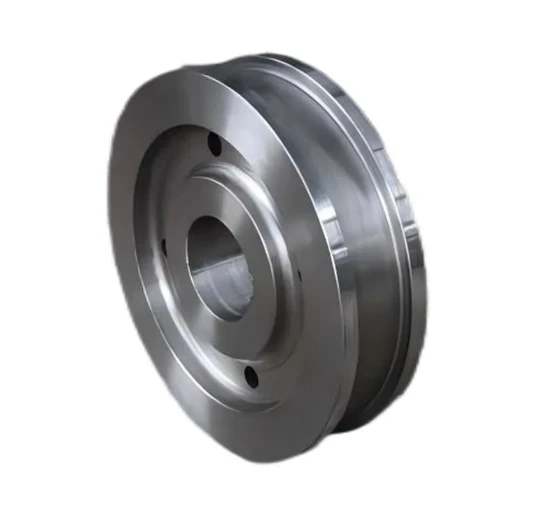
Durable Gantry Crane Wheels For Sale: Maximize Lifting Efficiency
For industries relying on heavy-duty lifting and material handling, selecting the right gantry crane wheels for sale is vital.
>
Reliable Tandem Drive Axles for Heavy-Duty Industrial Vehicles
Tandem Drive Axles: What I’ve Learned After Years in the Industrial Equipment Sector Ha
>
Reliable Semi Trailer Axles for Heavy-Duty Trailers | Expert Insight
Understanding semi trailer axles: The Backbone of Heavy Hauling Having spent more than a deca
>
RC Portal Axles: Industrial Strength and Custom Performance
RC Portal Axles: A Veteran’s Take on Industrial-Grade Performance Having spent over a d
>
Engineered for Excellence
Our forged solutions deliver reliability and performance, powering demanding industries to keep operations running smoothly.

Sign up
for Newsletter
Subscribe to the weekly newsletter for all the latest updates