- Tel: +86 311 82620404
- Cell: 86 -13739710551
- Email: sales@potentia.cn

Understanding V Rails and Wheels: Global Industry Guide & Product Insights
The Global Importance of V Rails and Wheels: What You Need to Know
If you've ever wondered how heavy industrial modules move smoothly or how modular systems get assembled on tight schedules, then understanding v rails and wheels is a good place to start. These components quietly power countless operations worldwide — from manufacturing lines to remote construction sites — enabling precision and efficiency that can make or break a project.
Globally, industries are shifting toward faster, scalable, and more reliable transport and assembly methods. According to the International Organization for Standardization (ISO), improving conveyor and rail systems’ efficiency can cut manufacturing downtime by up to 15% — a huge saving when margins are tight. Plus, advances in v rails and wheels contribute to sustainable practices by reducing waste and energy consumption.
Mini takeaway: V rails and wheels aren’t just mechanical parts—they’re key players in driving industrial innovation and global logistics efficiency.
Setting the Stage: Why V Rails and Wheels Matter Globally
To put things in perspective, the Global Conveyor & Materials Handling market recently hit over $5 billion in value, with projections growing steadily. Sometimes overlooked, the role of v rails and wheels is foundational in this space. They come into play exactly where you need smooth, guided movement — whether for heavy pallets in a warehouse or modular construction elements on a building site.
One challenge that often emerges is the wear and tear on these components in tough environments — think dusty factories or humid ports. If they fail, workflow grinds to a halt, and the costs climb steeply. Manufacturers and engineers around the world are constantly innovating to extend the lifespan and performance of these rails and wheels without driving up prices.
What Are V Rails and Wheels? Breaking It Down
Simply put, v rails (or V-shaped rails) are guide tracks characterized by a vee-shaped groove or profile that wheels with a corresponding shape follow. The wheels themselves feature a V-groove that fits perfectly into these rails, allowing a combination of stability and smooth directional movement. Imagine a skateboard shaped to perfectly hug a specific curved rail — it’s kind of like that.
They are found in modular material handling setups, factory automation, and anywhere precise linear movement is required. The fact that these wheels and rails keep heavy loads on track with minimal friction makes them indispensable for both commercial use and, interestingly, some humanitarian logistics as well.
Core Characteristics That Make V Rails and Wheels Effective
Durability & Material Quality
Most v rails and wheels use hardened steel, stainless steel, or sometimes durable engineered plastics. The choice depends on environment factors — for example, stainless steel for corrosion resistance in maritime ports or treated steel for industrial factories with abrasive dust.
Precision Engineering
The close fit between wheel groove and rail profile is crucial. Misalignments can cause uneven wear or derailments, which no one likes to deal with mid-shift. Tolerances as tight as a few hundred microns are standard in quality manufacturing.
Load Capacity & Scalability
These components are made to handle everything from light modular shelves to massive conveyor segments weighing several tons. Scalability means you can design systems that grow with demand, swapping or adding rails and wheels tailored to specific load needs.
Ease of Maintenance
Innovations like sealed bearings and self-lubricating materials help reduce downtime. Simplified maintenance directly impacts overall efficiency and operational costs.
Cost Efficiency
While a premium set of v rails and wheels can cost more upfront, their lifespan and performance can drastically reduce unexpected expenses and replacement downtime — a tradeoff many engineers value.
Mini takeaway: Every aspect of these components, from material to precision, feeds directly into smarter, more resilient industrial design.
How V Rails and Wheels Are Used Worldwide
From sprawling warehouses in North America to manufacturing hubs in Asia, v rails and wheels come in all shapes and sizes. Here are a few real-world scenes:
- Post-disaster relief: Modular housing units transported swiftly using v rails and wheels ensure quick setup for displaced communities.
- Heavy industry: Steel rolling mills employ these systems to move machinery parts seamlessly across vast factory floors.
- Remote mining zones: Where reliability counts and rough terrain is common, rugged v rails align conveyors that carry minerals for processing.
- Automotive assembly lines: Precision movement of parts between stations speeds up production and ensures quality.
A recent example: A humanitarian NGO outfitting emergency shelters in Southeast Asia praised the quick assembly capability that v rails and wheels enabled, reducing setup time by nearly 40%. That’s not just efficiency — it’s lives improved.
Advantages That Pay Dividends Over Time
There are the obvious wins: cost savings, lower labor input, reduced energy use — but also some subtler ones:
- Reliability: Enables confidence in schedules and project delivery.
- Safety: Systems reduce accidents by guiding loads securely along fixed rails.
- Environmental impact: Longer product life and energy-efficient transport mean fewer replacements and less waste.
- Innovation trust: Companies that invest in quality v rails and wheels build reputations for forward-thinking design and quality assurance.
Looking Forward: Tech and Trends Shaping V Rails and Wheels
There’s a quiet revolution underfoot. Next-gen materials using lightweight composites and self-healing polymers are in development, aiming to improve both durability and reduce weight.
Smart sensors embedded in wheels for real-time monitoring, IoT integration for predictive maintenance, and robotic automation are transforming how these components fit in the broader ecosystem of Industry 4.0.
Not to mention green manufacturing practices and adherence to ISO environmental standards. The future of v rails and wheels looks not just smarter but kinder to the planet.
Common Challenges and Thoughtful Solutions
Some sticking points remain:
- Corrosion in harsh environments: Addressed by advanced coatings and stainless steel alloys.
- Alignment drift over time: Regular precision checks and adjustable rails help maintain smooth operation.
- Cost barriers for smaller firms: Modular, scalable solutions that grow with your budget offer flexibility.
Experts suggest integrating predictive analytics and routine digital inspections as game changers in maintenance strategy.
FAQ: Your Top Questions About V Rails and Wheels
- Q1: How do I know if v rails and wheels suit my manufacturing setup?
- A1: Consider load requirements, environmental factors, and movement precision. V rails and wheels excel where guided, repeatable linear movement is needed with moderate to heavy loads.
- Q2: Can v rails and wheels be customized to unusual sizes or shapes?
- A2: Absolutely. Many vendors offer bespoke solutions tailored to your specs, ensuring optimal performance even in non-standard applications.
- Q3: What maintenance is typically required?
- A3: Depending on materials, routine cleaning, lubrication (or use of self-lubricating parts), and periodic inspection for wear and alignment are standard practices.
- Q4: Are these components compatible with automation systems?
- A4: Yes, they're often integrated with robotic arms and sensors, facilitating automated transport and assembly workflows.
Product Specification Table: Typical V Rails and Wheels Set
| Feature | Specification | Notes |
|---|---|---|
| Rail Material | Hardened Steel (AISI 1045) | Standard industrial grade |
| Rail Profile | V-Groove, 45° angle | Ensures tight wheel fit |
| Wheel Diameter | 50 mm | Optimal for medium load |
| Wheel Material | Polyurethane Coated Steel | Reduced noise, wear resistance |
| Load Capacity (per wheel) | 200 kg | Suitable for conveyor setups |
| Maintenance Interval | 6 months | Check lubrication & wear |
Vendor Comparison Table: Leading Providers of V Rails and Wheels
| Vendor | Product Range | Customization | Lead Time | Price Level |
|---|---|---|---|---|
| RailCon Systems | Standard & Heavy-duty | High customization available | 2-3 weeks | Mid-range |
| GlideTech Inc. | Polymer wheels & rails | Limited customization | 1 week | Budget-friendly |
| SteelWay Solutions | Heavy-duty & corrosion-resistant | Moderate, project-based | 3-4 weeks | Premium |
If you’re looking to delve deeper or ready to upgrade your systems with top-notch v rails and wheels, there’s plenty to think about. Remember, the right combination could unlock a whole new level of operational flow and dependability that few other upgrades deliver so straightforwardly.
Wrapping Up: Why V Rails and Wheels Are Worth Your Attention
Ultimately, v rails and wheels deliver long-term value by improving safety, cutting downtime, and boosting sustainability across industries. Whether you’re working in heavy manufacturing, organizing fast-deploy relief shelters, or building futuristic automation lines, these unassuming components make a big difference.
Curious to see how they can fit into your setup? Dive into more details and options here: https://www.manufacturing-base.com
References
-
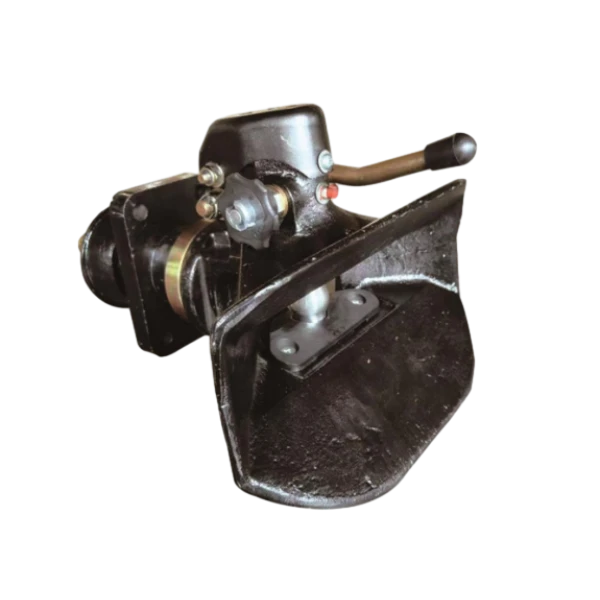 Trailer Coupling
The trailer coupling is a critical component in vehicle towing systems, designed to ensure a secure and efficient connection between a towing vehicle and a trailer. These couplings are manufactured using high-strength carbon steel, alloy steel, or stainless steel, ensuring durability and resistance to heavy loads and harsh environments.
-
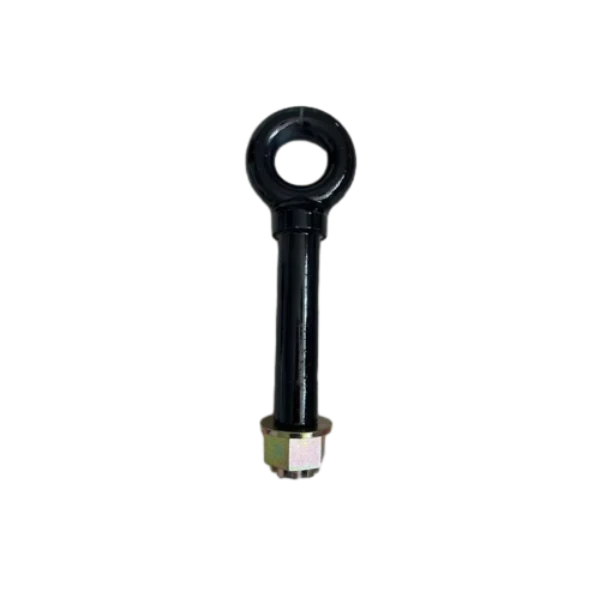
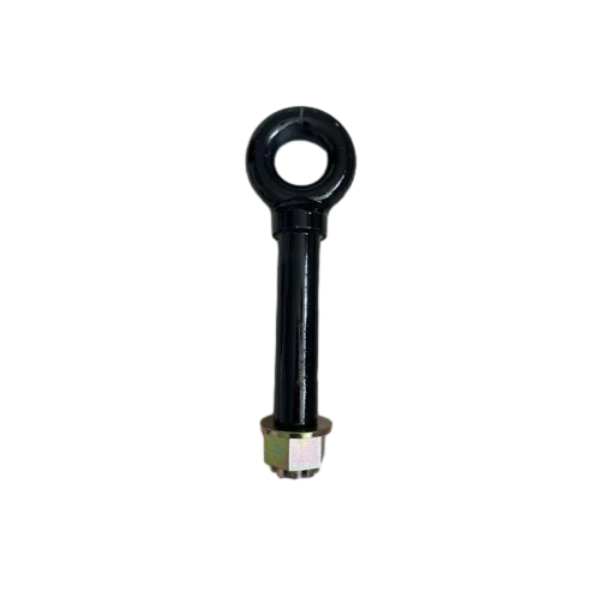 Drawbar Eyes
Drawbar eyes are essential components in towing and hauling applications, providing a strong and secure attachment point between the trailer and the towing vehicle. They are designed to endure extreme pulling forces, making them suitable for heavy-duty applications.
-
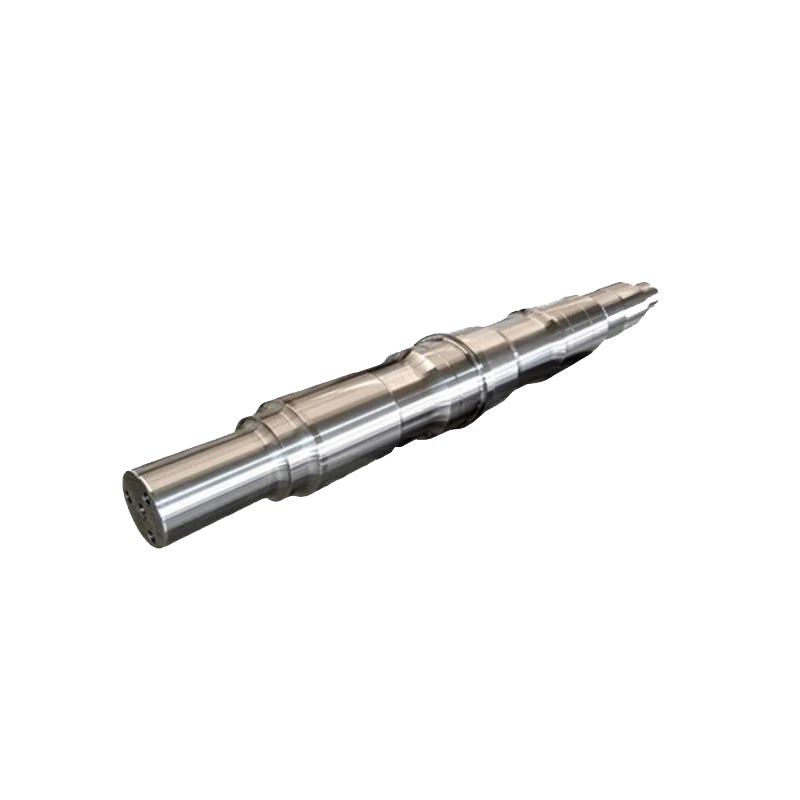
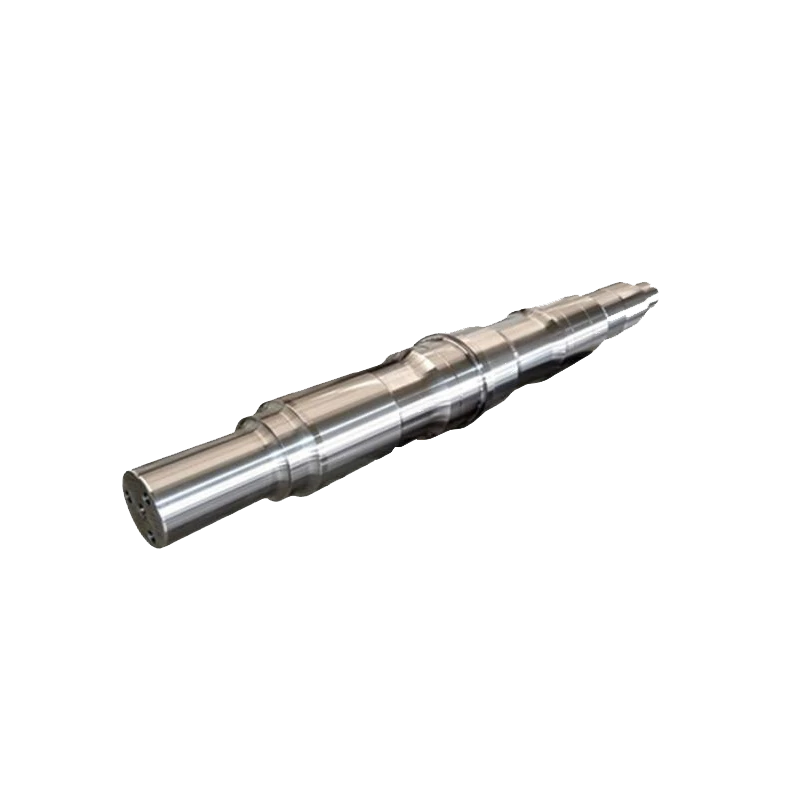 Axles
AxlesAxles are essential for vehicle load-bearing and power transmission, ensuring smooth movement and weight distribution. They must withstand high stress, torque, and impact, making material selection and precise manufacturing crucial.
-
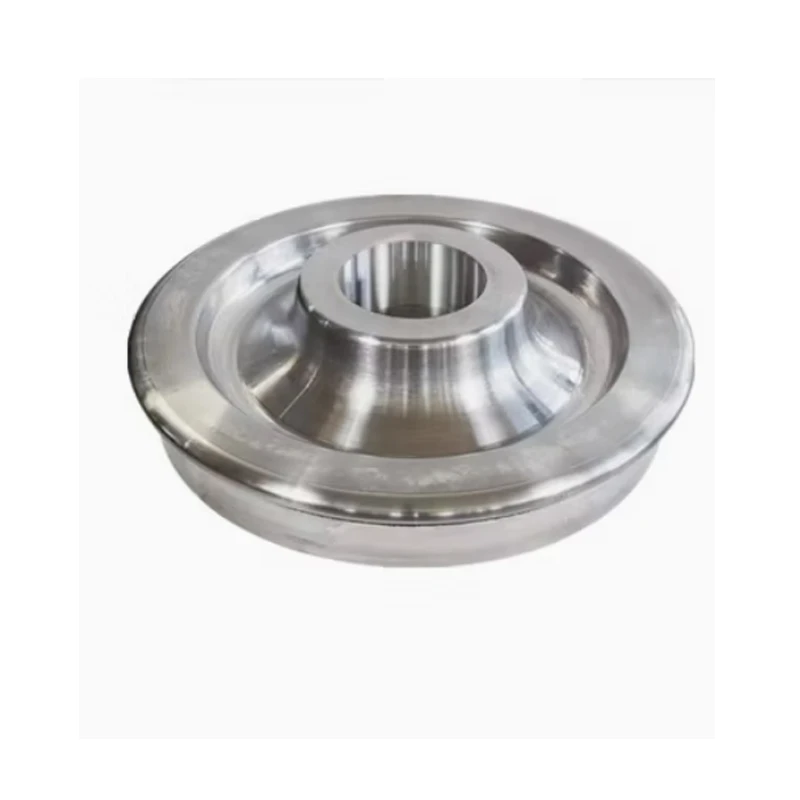 Profile S1002 Series Rail Wheels
The S1002 series rail wheels are designed for Rail-Road Vehicles (RRVs) that require seamless operation on both roads and railway tracks. Engineered with high precision and durability, these wheels conform to S1002 tread profiles, ensuring compatibility with standard railway systems.
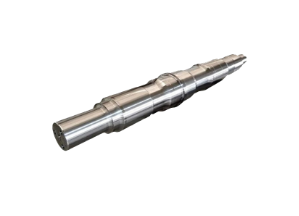
A Comprehensive Guide to Axles Types for Industry Decision Makers | Manufacturing Base
Axles Types is a key solution in the industry, specifically within heavy machinery and transportation sectors. This article explores how https://www.manufacturing-base.com supports professionals with durable, high-performance products
>
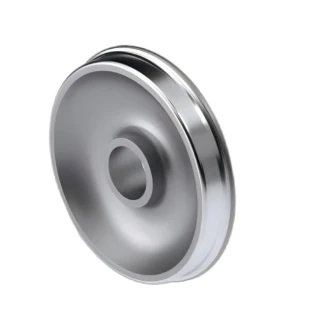
Reliable Rail Wheels: Optimize Your Rail Transport Solutions
For industries that rely on rail-based vehicles, choosing the right rail wheels is essential for smooth operations and safety.
>
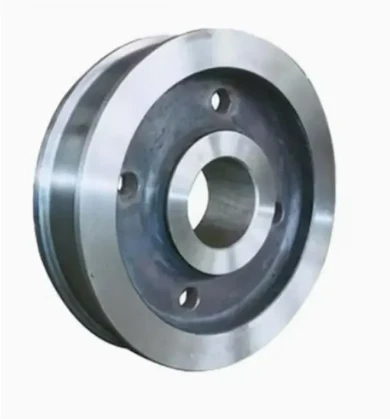
Premium Overhead Crane Wheels For Sale: Enhance Industrial Lifting Efficiency
In modern industrial operations, high-quality overhead crane wheels for sale are essential for safe, reliable, and efficient lifting.
>
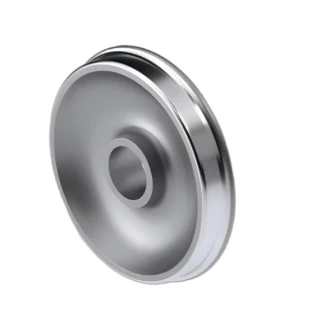
Premium Hi Rail Wheels For Sale: Boost Rail Vehicle Performance
In the modern industrial and railway sectors, having reliable hi rail wheels for sale is essential for operational efficiency and safety.
>
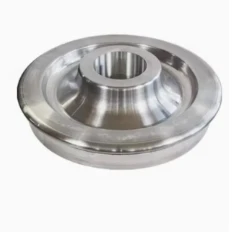
High-Quality Hi Rail Wheels For Sale: Enhance Your Rail Equipment Efficiency
When it comes to reliable rail maintenance and industrial operations, investing in hi rail wheels for sale is crucial.
>
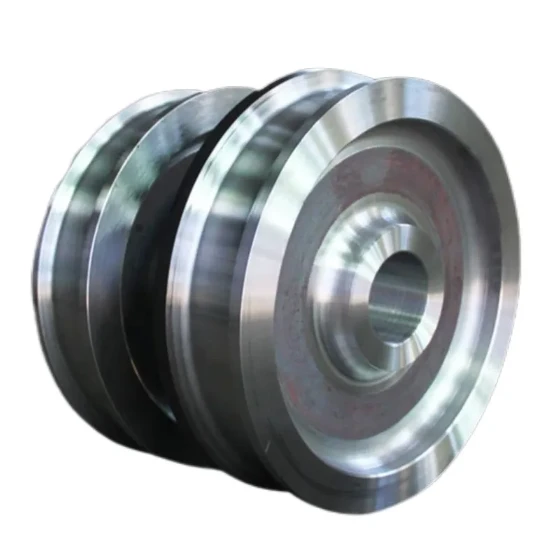
High-Quality Crane Wheels For Sale: Enhance Your Crane Operations
For industries relying on heavy lifting and material handling, investing in high-quality crane wheels for sale is crucial.
>
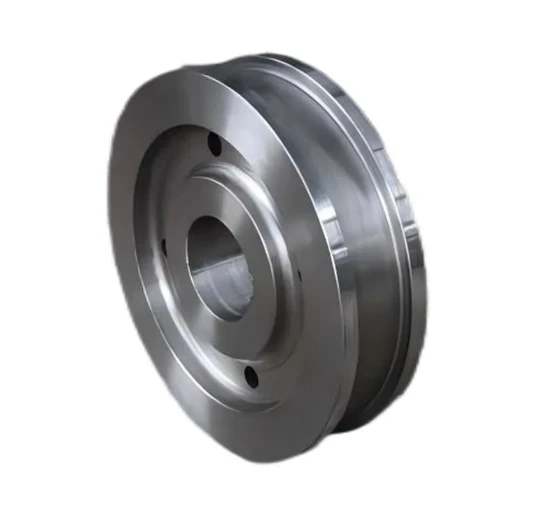
Durable Gantry Crane Wheels For Sale: Maximize Lifting Efficiency
For industries relying on heavy-duty lifting and material handling, selecting the right gantry crane wheels for sale is vital.
>
Reliable Tandem Drive Axles for Heavy-Duty Industrial Vehicles
Tandem Drive Axles: What I’ve Learned After Years in the Industrial Equipment Sector Ha
>
Reliable Semi Trailer Axles for Heavy-Duty Trailers | Expert Insight
Understanding semi trailer axles: The Backbone of Heavy Hauling Having spent more than a deca
>
RC Portal Axles: Industrial Strength and Custom Performance
RC Portal Axles: A Veteran’s Take on Industrial-Grade Performance Having spent over a d
>
Engineered for Excellence
Our forged solutions deliver reliability and performance, powering demanding industries to keep operations running smoothly.

Sign up
for Newsletter
Subscribe to the weekly newsletter for all the latest updates