- Tel: +86 311 82620404
- Cell: 86 -13739710551
- Email: sales@potentia.cn

Comprehensive Guide to Rail Car Wheels – Design, Applications & Future Trends
The Subtle Power of Rail Car Wheels in Global Logistics
Rail car wheels might not grab headlines like high-speed trains or flashy electric vehicles, but these humble steel discs quietly carry the weight of global commerce. As the backbone of freight and passenger rail transport, understanding rail car wheels is key to appreciating how industries move goods efficiently, sustainably, and safely across continents. Beyond mere metal parts, they represent an intersection of engineering, economics, and environment—critical in a world increasingly reliant on reliable, lower-carbon logistics.
Why Rail Car Wheels Matter More Than You Think
The global rail system moves roughly 10 billion tons of freight annually — a figure that’s only grown as urbanization and international trade escalate. According to the International Union of Railways (UIC), rail transport accounts for about 18% of global freight volume, making rail car wheels silently vital cogs in millions of daily operations. But there’s a twist: defects or failures in these wheels can cause costly delays, accidents, or increased maintenance overhead. In real terms, this means that innovations in rail car wheels impact safety, environmental footprint, and even national economies.
However, challenges such as wear resistance, material selection, and adapting to heavier loads spur continuous research and innovation in wheel design and manufacturing—a fact sometimes overlooked outside railway circles.
Mini takeaway: Harnessing the potential of rail car wheels keeps the gears of global trade turning — no exaggeration.
What Exactly Are Rail Car Wheels?
At their most basic, rail car wheels are steel discs fitted to railway cars, facilitating movement on tracks by providing low-friction, durable contact points. But it’s not 'just a wheel.' These wheels are precision-engineered components, designed to withstand high pressure, temperature changes, and repetitive impacts. Their shapes conform to strict standards (see ISO 1005) to ensure stability and minimize rail wear.
Beyond industry jargon, think of them as “steel soles” that protect the “footpath” rails and enable the smooth passage of cargo and people—much like how the right shoes protect your feet and improve performance.
In humanitarian logistics—moving supplies in disaster zones or remote areas—dependable rail car wheels ensure that relief efforts aren’t slowed by maintenance issues or breakdowns.
Key Components & Factors Defining Rail Car Wheels
1. Durability & Material Quality
The wheels are typically forged or cast from hardened steel alloys, engineered to endure millions of revolutions without cracking or deforming. High wear resistance is a must—particularly in heavy freight cars hauling bulk goods.
2. Load Capacity
Different rail cars require wheels rated for varying weights, from light passenger coaches to robust freight units. Matching wheel specifications to loads prevents premature failure and safety risks.
3. Wheel Profile and Geometry
The shape affects how wheels interact with rails, affecting steering, stability, and noise. Slight differences in profiles help reduce rail wear or adapt to track curves.
4. Maintenance & Replacement Cycle
Regular inspection is crucial. Advanced wheels now often include sensors to detect cracks or temperature anomalies before an accident happens.
5. Cost Efficiency
Balancing upfront costs with longevity and energy efficiency drives industry choices. Cheaper wheels may lead to higher operational costs.
Mini takeaway: The secret sauce of rail car wheels is in their balanced engineering—strength, shape, and strategy combined.
Real-World Impact: Rail Car Wheels in Action
In North America, rail car wheels are essential for transporting coal, agricultural goods, and manufactured products across vast distances. Europe, pushing sustainability goals, increasingly uses wheels designed to optimize energy efficiency and reduce carbon footprints. Meanwhile, parts of Asia and Africa rely heavily on rail infrastructure improvements to bolster economic growth.
A notable example: after the 2015 Nepal earthquake, specialized rail cars equipped with robust wheels delivered vital aid supplies over damaged roads thanks to nearby navigable rail routes—underscoring their role in humanitarian logistics.
Industrial zones in Siberia or Western Australia depend on heavy-duty rail car wheels to carry mining products under punishing conditions, where breakdowns could cost millions daily.
Product Specification Snapshot
| Specification | Typical Range | Notes |
|---|---|---|
| Material | Steel Alloy (AAR M 107 Grade D) | Standard for North America |
| Diameter | 813 mm – 920 mm (32 – 36 inch) | Depends on rail car type |
| Load Rating | 20 – 35 tons per wheel | Heavier wheels used in freight |
| Profile | Conical flange with tread | Optimizes steering and wear |
| Service Life | 1 – 2 million km | Varies with usage conditions |
Comparing Popular Rail Car Wheel Vendors
| Vendor | Material Quality | Customization Options | Lead Time | Price Range |
|---|---|---|---|---|
| SteelRoll Inc. | High-grade forged steel | Standard sizes; some profile tweaks | 6-8 weeks | $$$ |
| RailDex Components | Cast steel with alloy treatment | Full custom profile and load ratings | 8-10 weeks | $$$$ |
| GlobalWheel Makers | Standard industrial steel | Limited; mostly standard specs | 4-6 weeks | $$ |
The Advantages and the Long Road Ahead
The benefits of well-designed rail car wheels extend beyond pure numbers and specs. They translate to fewer accidents, lower emissions (thanks to smooth rolling resistance), and longer intervals between costly wheel replacements. This fosters a level of trust and safety that’s priceless for passengers and freight customers alike.
The emotional side? There’s something reassuring about the steady rhythm of a train rolling along rails — made possible by reliable wheels humming quietly under loads of goods or hopeful travelers. Innovation increasingly focuses on sustainability, such as wheels that enable quieter operations near cities or those made from recycled materials.
Looking Forward: Innovation on the Horizon
The future? We’re seeing advances like wheels embedded with sensors that communicate real-time health analytics back to control centers—helping predict failures before they happen. Materials research aims at lighter, yet stronger alloys to reduce energy consumption.
On a policy front, international standards are increasingly harmonized to support global rail freight corridors, which in turn pushes manufacturers towards modular, interoperable designs.
Challenges and How Industry Is Tackling Them
No wheel is perfect. Issues like corrosion, cracking from prolonged stress, and compatibility with older rail infrastructure are ongoing challenges. But many companies invest heavily in non-destructive testing and predictive maintenance software to catch wear early.
Creative solutions include surface treatments reducing micro-fractures, or wheelsets designed for easier replacement—cutting downtime.
FAQ: Your Top Questions About Rail Car Wheels
Q1: How often should rail car wheels be inspected or replaced?
Typically, wheels undergo inspection every 40,000 to 80,000 km, depending on usage and environmental factors. Replacement often occurs between 1 – 2 million km or when measurable defects appear to ensure safety.
Q2: What materials are rail car wheels primarily made from?
Most commonly forged or cast steel alloys, often meeting regional standards such as the AAR M 107 or equivalent ISO grades. These materials provide the strength and wear resistance needed for heavy loads.
Q3: Can rail car wheels be customized for different rail gauges or track types?
Yes, manufacturers offer profile and size customizations to match various rail gauges, load requirements, and track conditions—critical for global interoperability.
Q4: How do innovations like sensor-embedded wheels improve rail safety?
Sensor-equipped wheels can detect overheating, cracks, or abnormal vibrations early on, enabling proactive maintenance and reducing accident risk, enhancing overall operational reliability.
Q5: Are rail car wheels recyclable or sustainable?
Steel wheels have a high recycling potential, and many manufacturers now incorporate recycled steel into new wheels. Combined with longer service lives and optimized designs, this supports railway sustainability goals.
Wrapping It Up — The Unsung Hero of Rail Transport
While you might rarely think about what’s under a train, rail car wheels are one of the quiet giants of modern logistics. Their design, maintenance, and continuous evolution enable safer, greener, and more efficient transportation worldwide.
Curious to explore quality rail car wheels for your fleet or project? Visit our website to learn more about cutting-edge products and partner with reliable manufacturers who keep the wheels—and the world—turning.
Mini reflection: Next time you hear the clack-clack of a train, you’ll know just how much thought and technology are spinning beneath.
References
-
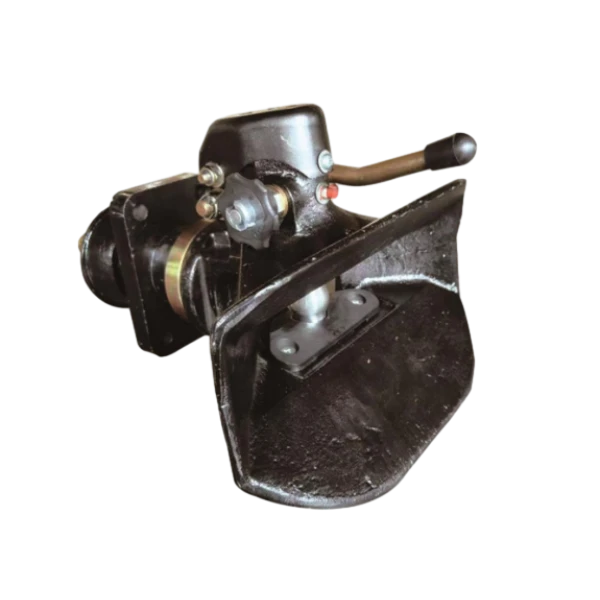 Trailer Coupling
The trailer coupling is a critical component in vehicle towing systems, designed to ensure a secure and efficient connection between a towing vehicle and a trailer. These couplings are manufactured using high-strength carbon steel, alloy steel, or stainless steel, ensuring durability and resistance to heavy loads and harsh environments.
-
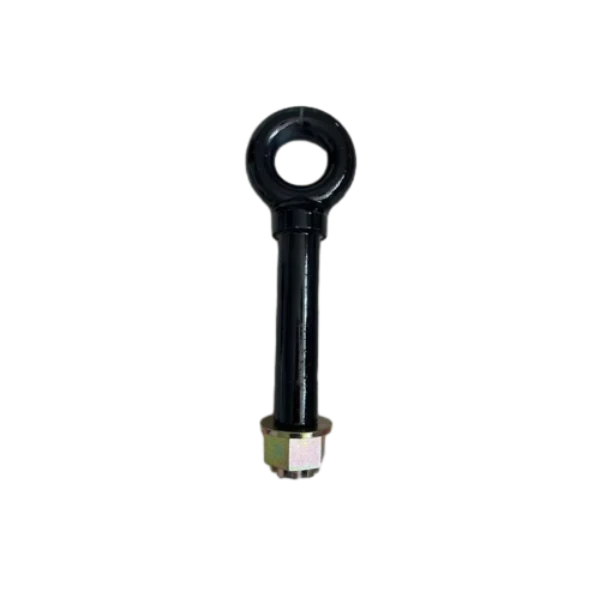
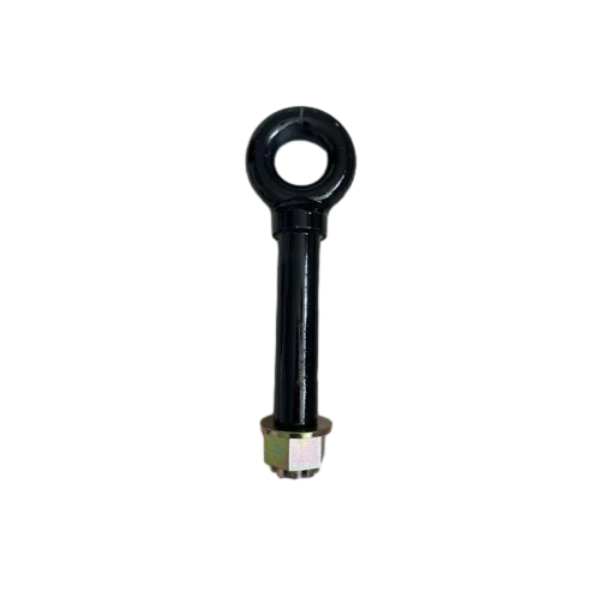 Drawbar Eyes
Drawbar eyes are essential components in towing and hauling applications, providing a strong and secure attachment point between the trailer and the towing vehicle. They are designed to endure extreme pulling forces, making them suitable for heavy-duty applications.
-
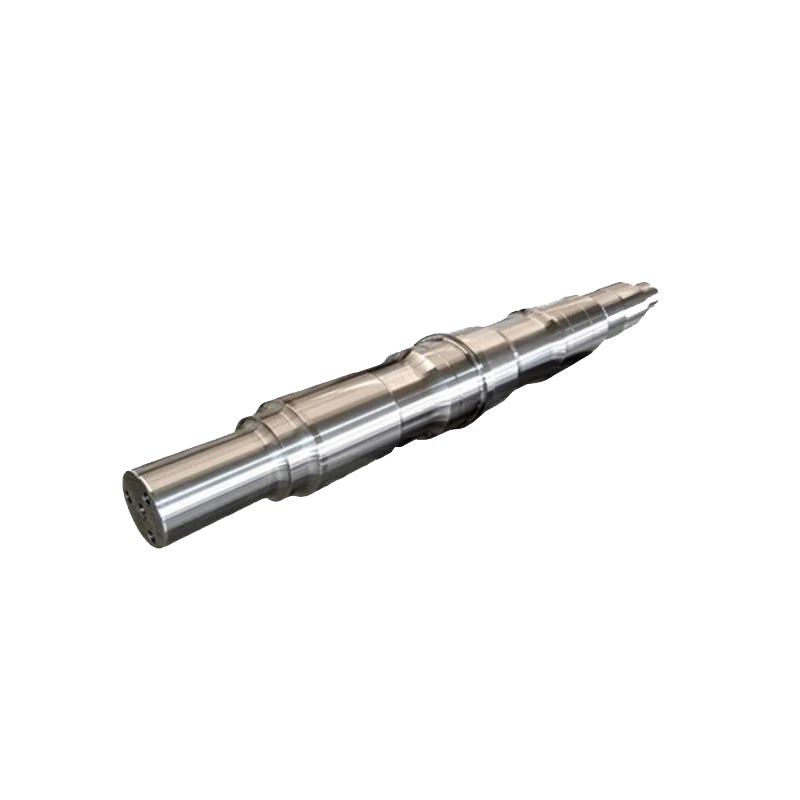
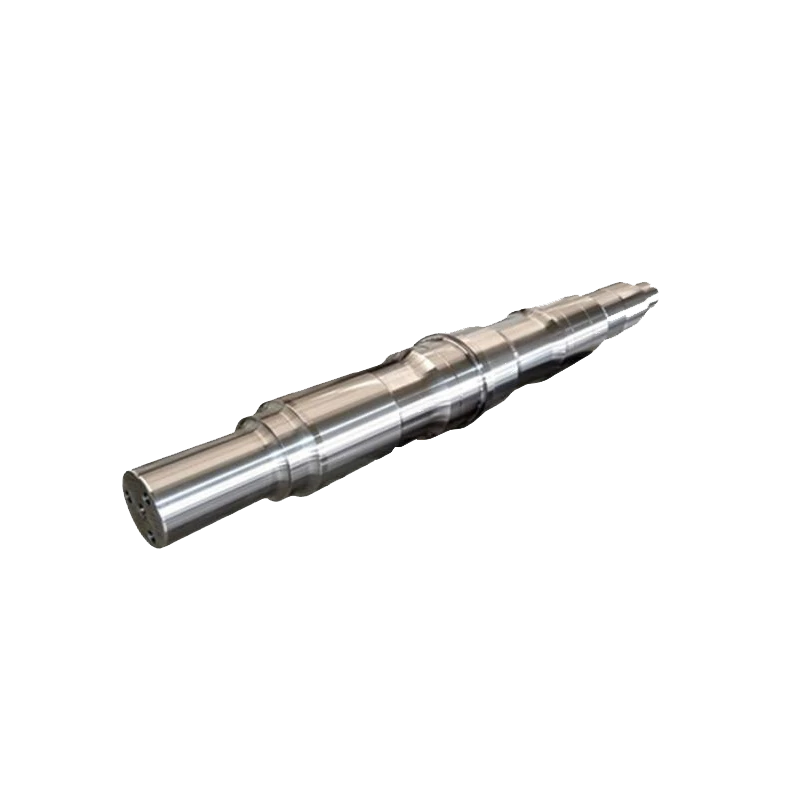 Axles
AxlesAxles are essential for vehicle load-bearing and power transmission, ensuring smooth movement and weight distribution. They must withstand high stress, torque, and impact, making material selection and precise manufacturing crucial.
-
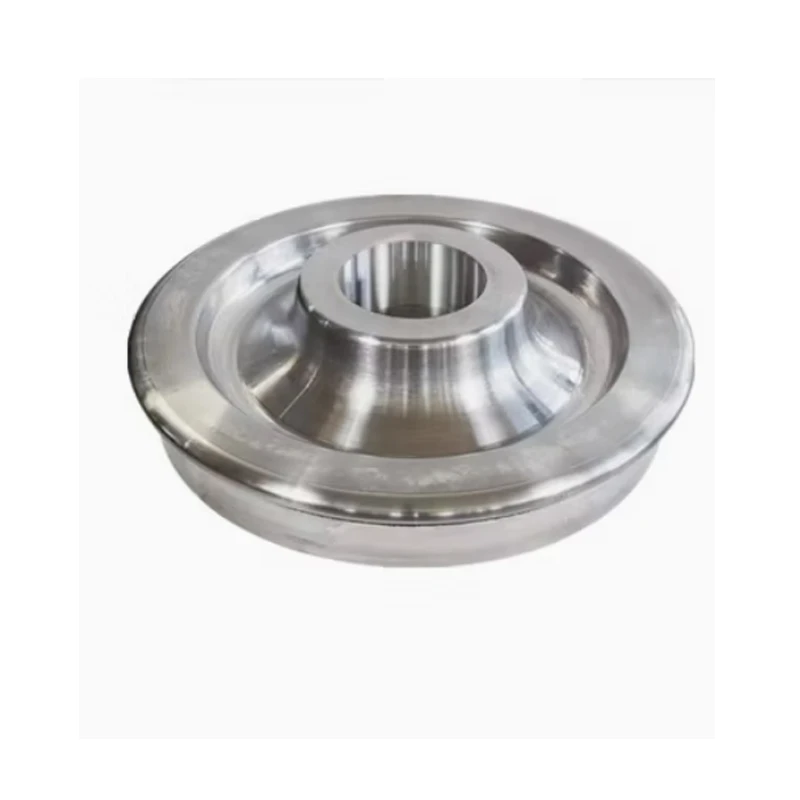 Profile S1002 Series Rail Wheels
The S1002 series rail wheels are designed for Rail-Road Vehicles (RRVs) that require seamless operation on both roads and railway tracks. Engineered with high precision and durability, these wheels conform to S1002 tread profiles, ensuring compatibility with standard railway systems.
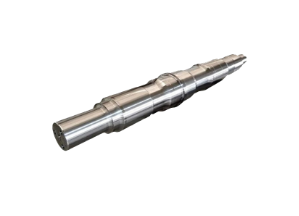
A Comprehensive Guide to Axles Types for Industry Decision Makers | Manufacturing Base
Axles Types is a key solution in the industry, specifically within heavy machinery and transportation sectors. This article explores how https://www.manufacturing-base.com supports professionals with durable, high-performance products
>
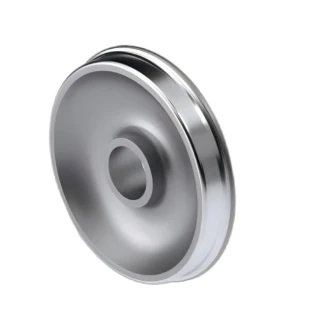
Reliable Rail Wheels: Optimize Your Rail Transport Solutions
For industries that rely on rail-based vehicles, choosing the right rail wheels is essential for smooth operations and safety.
>
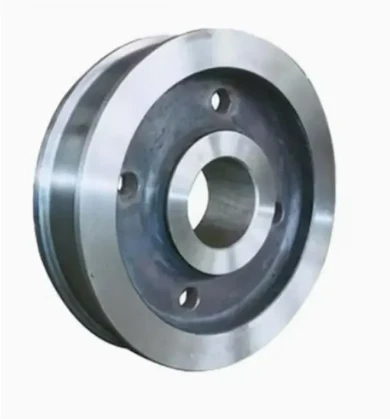
Premium Overhead Crane Wheels For Sale: Enhance Industrial Lifting Efficiency
In modern industrial operations, high-quality overhead crane wheels for sale are essential for safe, reliable, and efficient lifting.
>
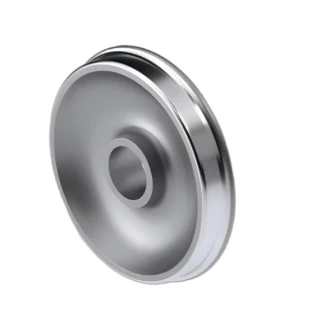
Premium Hi Rail Wheels For Sale: Boost Rail Vehicle Performance
In the modern industrial and railway sectors, having reliable hi rail wheels for sale is essential for operational efficiency and safety.
>
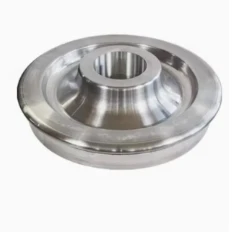
High-Quality Hi Rail Wheels For Sale: Enhance Your Rail Equipment Efficiency
When it comes to reliable rail maintenance and industrial operations, investing in hi rail wheels for sale is crucial.
>
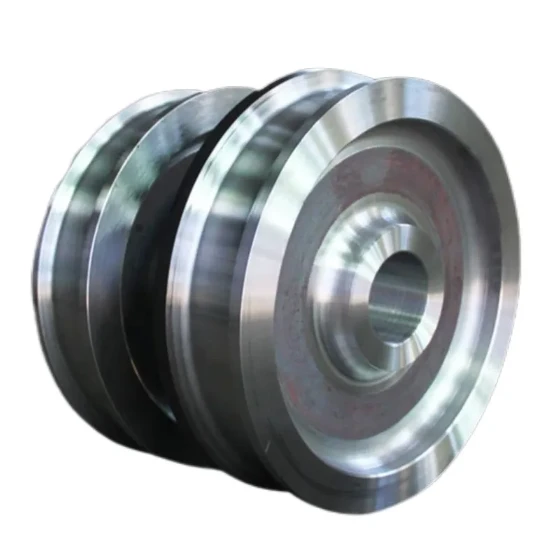
High-Quality Crane Wheels For Sale: Enhance Your Crane Operations
For industries relying on heavy lifting and material handling, investing in high-quality crane wheels for sale is crucial.
>
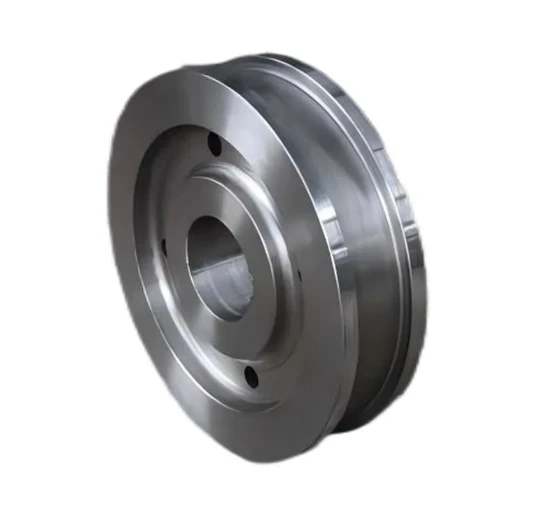
Durable Gantry Crane Wheels For Sale: Maximize Lifting Efficiency
For industries relying on heavy-duty lifting and material handling, selecting the right gantry crane wheels for sale is vital.
>
Reliable Tandem Drive Axles for Heavy-Duty Industrial Vehicles
Tandem Drive Axles: What I’ve Learned After Years in the Industrial Equipment Sector Ha
>
Reliable Semi Trailer Axles for Heavy-Duty Trailers | Expert Insight
Understanding semi trailer axles: The Backbone of Heavy Hauling Having spent more than a deca
>
RC Portal Axles: Industrial Strength and Custom Performance
RC Portal Axles: A Veteran’s Take on Industrial-Grade Performance Having spent over a d
>
Engineered for Excellence
Our forged solutions deliver reliability and performance, powering demanding industries to keep operations running smoothly.

Sign up
for Newsletter
Subscribe to the weekly newsletter for all the latest updates