- Tel: +86 311 82620404
- Cell: 86 -13739710551
- Email: sales@potentia.cn

Quality Bridge Crane Wheels: Enhancing Safety & Efficiency in Heavy Lifting
The Essential Role of Bridge Crane Wheels in Modern Industry
Bridge crane wheels are those unsung heroes silently supporting countless heavy lifting operations worldwide. They may sound like something only engineers care about, but these components literally keep industries moving — from ports to factories, to massive construction projects. Grasping their importance isn’t just about technical specs; it’s about understanding how they enhance safety, efficiency, and sustainability on a global scale.
Introduction: Why Bridge Crane Wheels Matter Globally
Every year, global freight volumes grow by roughly 3-4%, pushing ports and heavy industries to ramp up performance and reliability. According to the International Labour Organization (ILO), crane-related accidents due to component failures cause serious injuries and downtime, hinting at just how critical crane wheels are to operational safety.
With industrial growth surging in Asia, Africa, and Latin America, and the constant focus on infrastructure improvement worldwide, crane systems — and therefore their wheels — are becoming a bottleneck if overlooked. Bridge crane wheels must balance wear resistance, smooth operation, and cost efficiency in complex environments.
Mini takeaway:
Bridge crane wheels aren’t flashy, but they underpin the global movement of goods and materials — a true backbone in the industrial supply chain.
What Are Bridge Crane Wheels? A Simple Definition
In the simplest terms, bridge crane wheels are the rotating components that allow a bridge crane to roll along its runway rails. The bridge crane itself spans an area like a warehouse or shipyard and moves loads horizontally across the structure. The wheels must be robust and precise to ensure safe lifting and positioning.
Given their role in modern manufacturing and humanitarian aid logistics — think post-disaster construction or rapid deployment warehouses — these wheels bear enormous responsibility with often minimal recognition.
Core Qualities of Bridge Crane Wheels
Durability Under Stress
Bridge crane wheels face a ton of stress, quite literally. They have to endure continuous heavy loads, from a few tons to hundreds, all while maintaining structural integrity over years. Many manufacturers opt for forged steel wheels with specific heat treatments to enhance resistance to fatigue and wear. After all, a crack or deformation could be catastrophic.
Precision & Smooth Operation
For a crane to operate smoothly and safely, its wheels must roll without jitter or slip, even under maximal loads. This means exact machining and strict quality controls. I've seen situations where tiny imperfections caused vibrations loud enough to spook operators — not ideal when you're moving expensive cargo.
Cost Efficiency
While premium materials push the price up, quality wheels reduce maintenance and replacement frequency, saving on downtime. In real terms, investing in the right wheels is cheaper than repeated breaks or safety incidents. It's one of those “pay now or pay later” scenarios where the right choice can really pay off.
Customization & Compatibility
Different cranes have different specifications — rail size, load capacity, environmental conditions (think salt air or chemical plants). Wheels come in various diameters, profiles, and coatings to match these needs. Customization ensures longevity and optimized performance.
Ease of Maintenance
Operators value wheels that can be inspected, serviced, or replaced quickly. Quick-release features or designs that allow subsurface inspections reduce downtime. In environments like ports or disaster zones, downtime is money lost or aid delayed, so it matters a lot.
Mini takeaway:
Good bridge crane wheels are a silent investment in safety, performance, and cost-saving — a detail that, when overlooked, can cause real headaches.
Real-World Applications of Bridge Crane Wheels
From the massive container terminals of Singapore and Rotterdam to steel mills in the US Midwest, these wheels are everywhere. Steel production, heavy manufacturing, wind turbine assembly, and even airport loading systems rely on bridge cranes with dependable wheels.
For instance, in post-disaster relief efforts following a major earthquake in Turkey, rapid deployment cranes equipped with rugged wheels enabled the quick unloading of vital supplies despite damaged ground conditions. These wheels resisted debris impact and kept movements steady.
Oddly enough, even in remote industrial zones in Australia’s outback, where temperatures swing extreme and dust is everywhere, wheels designed with special coatings extend crane life dramatically.
Product Specification Table: A Typical Bridge Crane Wheel
| Specification | Details |
|---|---|
| Material | Forged carbon steel (AISI 1050-1065) |
| Diameter | 250 mm to 1000 mm (custom sizes available) |
| Load Capacity | Up to 50 tons per wheel |
| Surface Finish | Heat treated, machined, and painted/coated |
| Application Environment | Indoor/Outdoor, includes port and industrial sites |
| Inspection | Non-destructive testing available |
How Vendors Stack Up: A Quick Comparison
| Vendor | Material Quality | Customization Options | Lead Time | Customer Support |
|---|---|---|---|---|
| SteelRoll Inc. | Premium forged steel | Wide range | 4-6 weeks | 24/7 technical support |
| CraneWheels Plus | Standard steel alloy | Limited | 2-3 weeks | Business hours only |
| GlobalCrane Parts | Mixed alloys, variable quality | Custom on request | 6-8 weeks | Limited online resources |
The Tangible Benefits of Choosing Quality Bridge Crane Wheels
The advantages here are multi-layered. First, in safety terms — well-made wheels minimize the risk of derailments or mechanical failure, protecting workers and cargo alike. Emotionally, operators gain peace of mind when equipment hums smoothly; it's a subtle but real boost to workplace morale.
From a business perspective, investing in durable wheels means fewer replacements and less unexpected downtime. This ties into sustainability, too: less frequent manufacturing and waste mean a smaller raw material footprint. Trust, innovation, and environmental responsibility all converge in the wheel.
Looking Ahead: Innovations and Trends in Bridge Crane Wheels
Today’s engineers are embedding hallmarks of Industry 4.0: sensors that monitor wheel temperature, wear, and alignment in real-time to predict failures before they happen. Meanwhile, specialists experiment with composite materials and improved coatings for corrosion resistance, relevant for marine or chemical industries.
Green energy policies encourage cranes with low friction wheels, reducing energy consumption during operation. And digital manufacturing methods are speeding up customization, meaning wheels can be tailored more precisely to a job’s unique needs.
Challenges and Smart Solutions
Despite the advances, challenges remain. Harsh environments — salt spray, extreme heat, dust — still degrade wheels faster than desired. Some older facilities struggle to retrofit cranes with modern wheels due to compatibility issues.
However, experts suggest regular predictive maintenance combined with modular wheel units can greatly extend lifespan. Plus, ongoing R&D into self-lubricating materials is promising.
Frequently Asked Questions About Bridge Crane Wheels
- Q: How often should bridge crane wheels be inspected?
A: Most standards recommend visual inspections monthly and thorough NDT checks every 6-12 months, depending on usage intensity and environment. - Q: Can bridge crane wheels be customized for extreme cold conditions?
A: Yes, wheels can be designed with special alloys and coatings to resist brittleness and corrosion in sub-zero climates. - Q: What’s the typical lifespan of a bridge crane wheel?
A: With proper maintenance, good wheels usually last 5 to 10 years but this varies widely by load, environment, and usage frequency. - Q: Are there eco-friendly options for bridge crane wheels?
A: Many manufacturers now offer wheels made with recycled steel or energy-efficient manufacturing processes to reduce environmental impact. - Q: How do I choose the right bridge crane wheels for my facility?
A: Consider load capacity, operating conditions, rail compatibility, and maintenance capabilities. Consulting with a reputable supplier ensures the best match.
Conclusion: Why Bridge Crane Wheels Deserve Your Attention
Bridge crane wheels might seem like a minor cog in the grand industrial machine, but their impact on safety, efficiency, and sustainability is indisputable. Choosing quality components translates to a safer workforce, reduced costs, and smoother logistics. If you’re looking to upgrade or source reliable wheels, bridge crane wheels specialists can offer tailored advice and solutions.
Ready to boost your operations? Visit our website for detailed specs, vendor options, and expert guidance.
References & Further Reading
- International Labour Organization (ILO), Crane Safety Statistics – https://www.ilo.org
- ISO Standards for Crane Components – https://www.iso.org
- Wikipedia, Bridge Crane – https://en.wikipedia.org/wiki/Bridge_crane
-
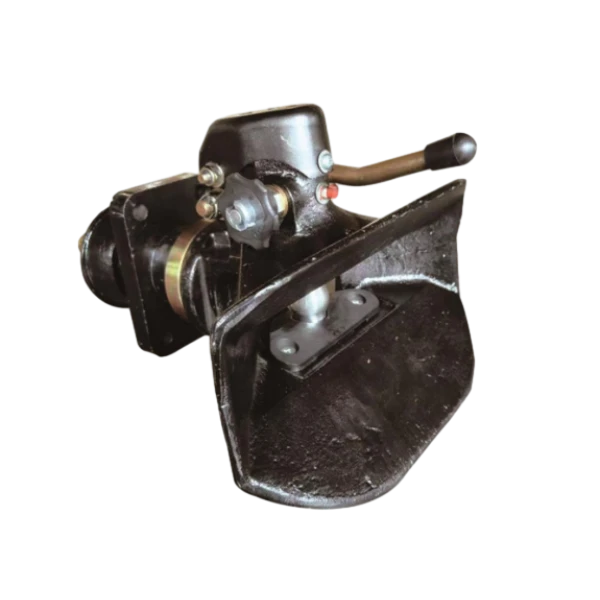 Trailer Coupling
The trailer coupling is a critical component in vehicle towing systems, designed to ensure a secure and efficient connection between a towing vehicle and a trailer. These couplings are manufactured using high-strength carbon steel, alloy steel, or stainless steel, ensuring durability and resistance to heavy loads and harsh environments.
-
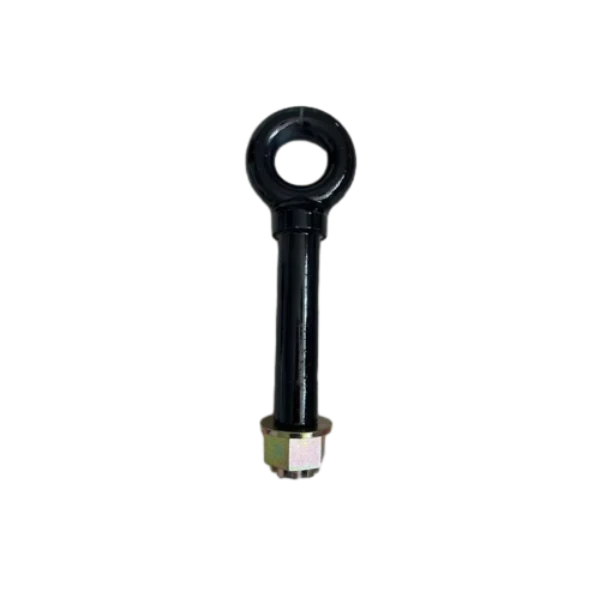
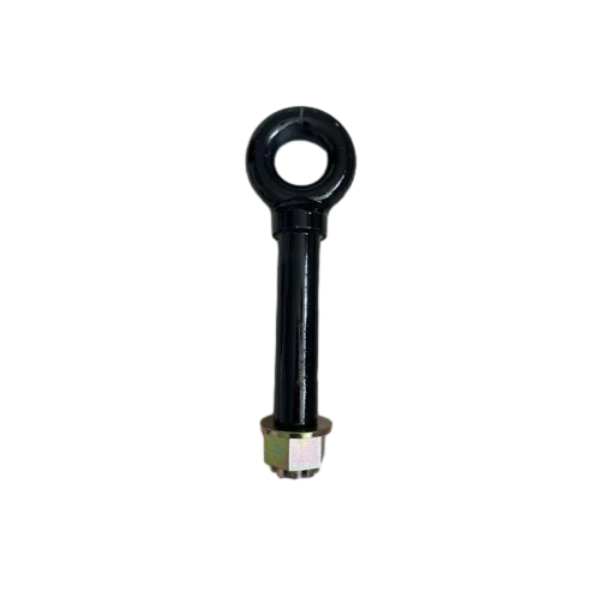 Drawbar Eyes
Drawbar eyes are essential components in towing and hauling applications, providing a strong and secure attachment point between the trailer and the towing vehicle. They are designed to endure extreme pulling forces, making them suitable for heavy-duty applications.
-
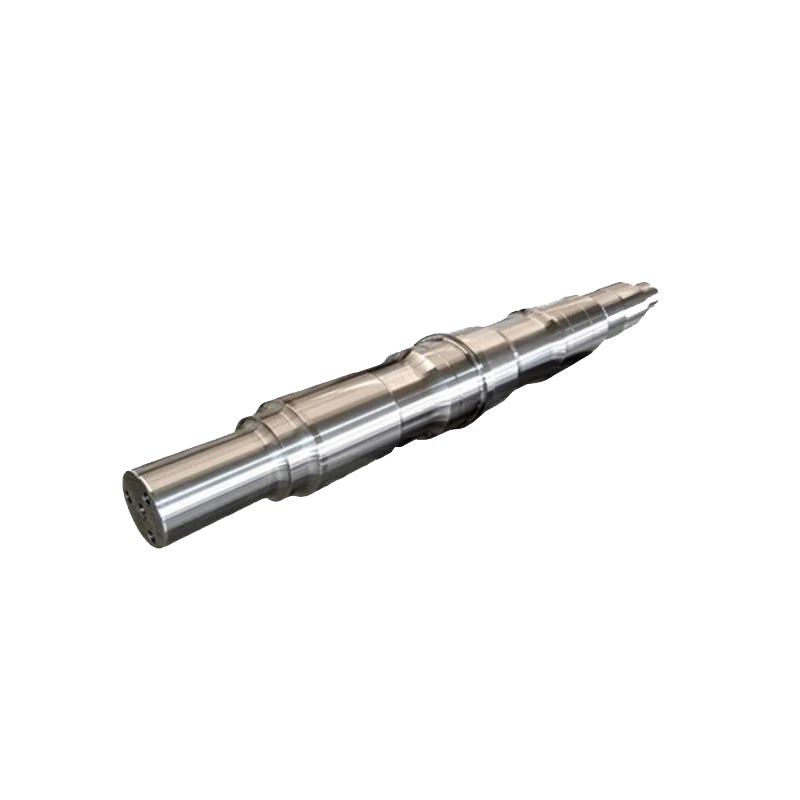
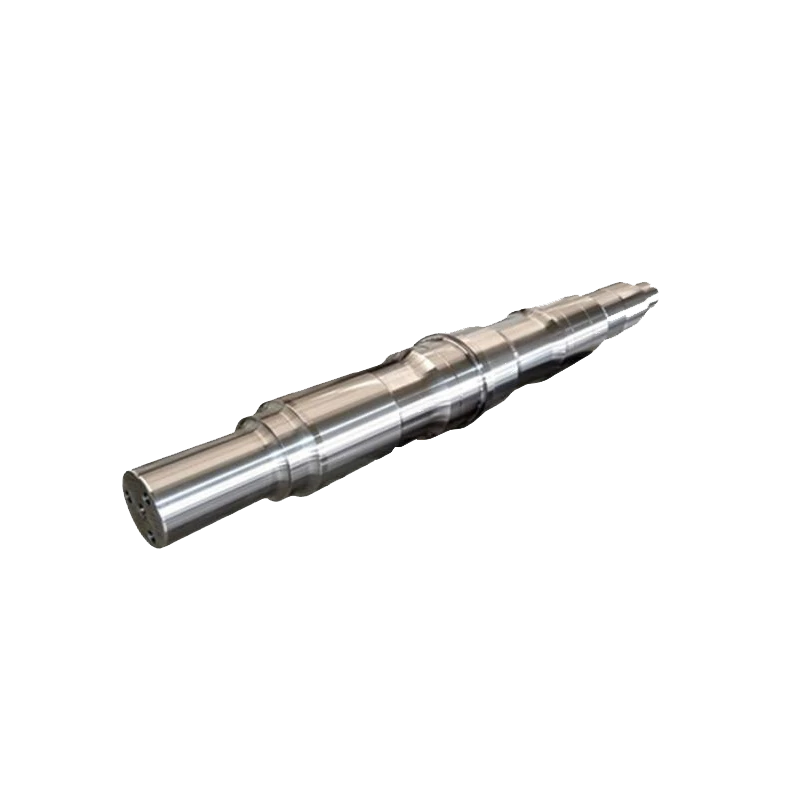 Axles
AxlesAxles are essential for vehicle load-bearing and power transmission, ensuring smooth movement and weight distribution. They must withstand high stress, torque, and impact, making material selection and precise manufacturing crucial.
-
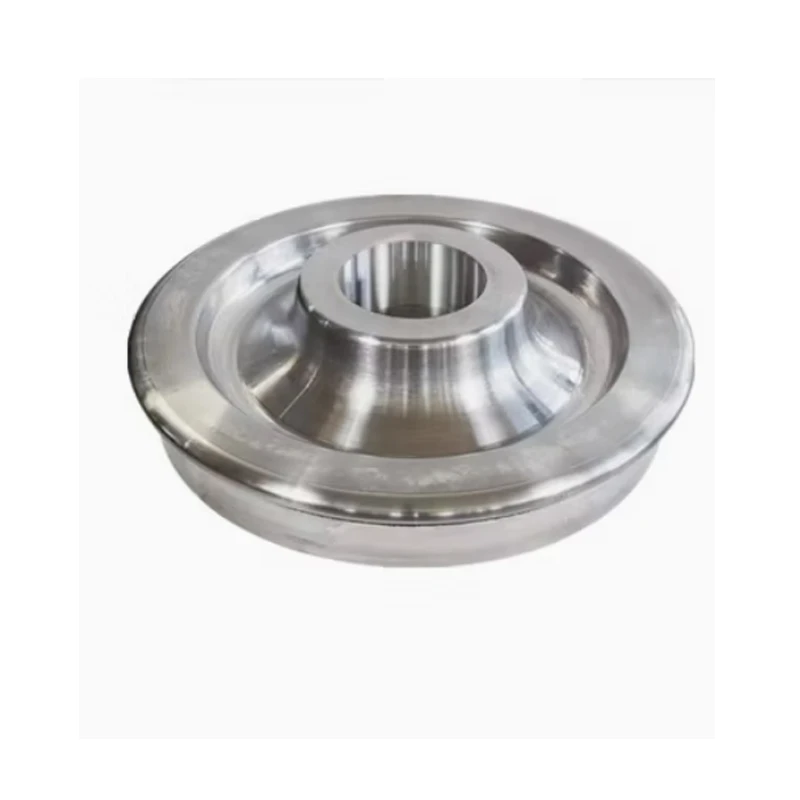 Profile S1002 Series Rail Wheels
The S1002 series rail wheels are designed for Rail-Road Vehicles (RRVs) that require seamless operation on both roads and railway tracks. Engineered with high precision and durability, these wheels conform to S1002 tread profiles, ensuring compatibility with standard railway systems.
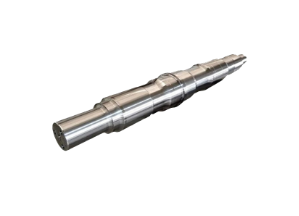
A Comprehensive Guide to Axles Types for Industry Decision Makers | Manufacturing Base
Axles Types is a key solution in the industry, specifically within heavy machinery and transportation sectors. This article explores how https://www.manufacturing-base.com supports professionals with durable, high-performance products
>
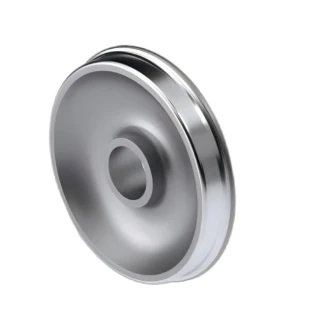
Reliable Rail Wheels: Optimize Your Rail Transport Solutions
For industries that rely on rail-based vehicles, choosing the right rail wheels is essential for smooth operations and safety.
>
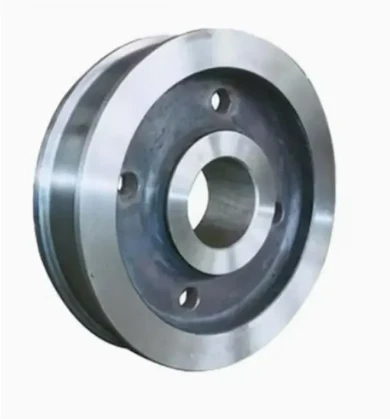
Premium Overhead Crane Wheels For Sale: Enhance Industrial Lifting Efficiency
In modern industrial operations, high-quality overhead crane wheels for sale are essential for safe, reliable, and efficient lifting.
>
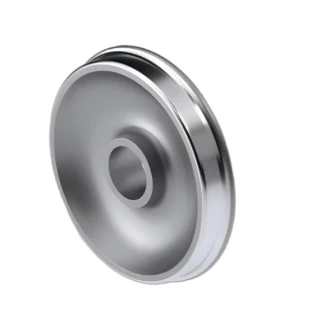
Premium Hi Rail Wheels For Sale: Boost Rail Vehicle Performance
In the modern industrial and railway sectors, having reliable hi rail wheels for sale is essential for operational efficiency and safety.
>
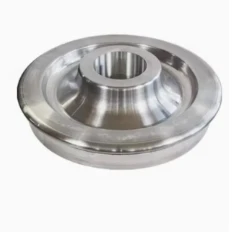
High-Quality Hi Rail Wheels For Sale: Enhance Your Rail Equipment Efficiency
When it comes to reliable rail maintenance and industrial operations, investing in hi rail wheels for sale is crucial.
>
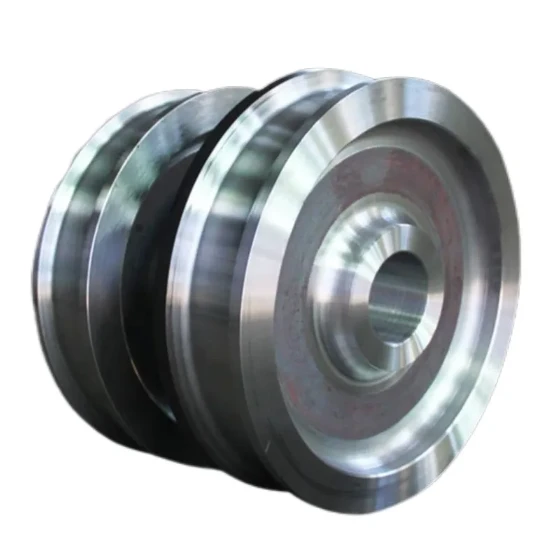
High-Quality Crane Wheels For Sale: Enhance Your Crane Operations
For industries relying on heavy lifting and material handling, investing in high-quality crane wheels for sale is crucial.
>
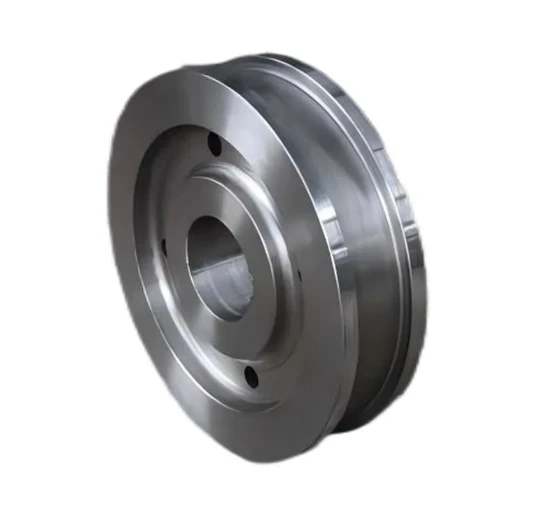
Durable Gantry Crane Wheels For Sale: Maximize Lifting Efficiency
For industries relying on heavy-duty lifting and material handling, selecting the right gantry crane wheels for sale is vital.
>
Reliable Tandem Drive Axles for Heavy-Duty Industrial Vehicles
Tandem Drive Axles: What I’ve Learned After Years in the Industrial Equipment Sector Ha
>
Reliable Semi Trailer Axles for Heavy-Duty Trailers | Expert Insight
Understanding semi trailer axles: The Backbone of Heavy Hauling Having spent more than a deca
>
RC Portal Axles: Industrial Strength and Custom Performance
RC Portal Axles: A Veteran’s Take on Industrial-Grade Performance Having spent over a d
>
Engineered for Excellence
Our forged solutions deliver reliability and performance, powering demanding industries to keep operations running smoothly.

Sign up
for Newsletter
Subscribe to the weekly newsletter for all the latest updates