- Tel: +86 311 82620404
- Cell: 86 -13739710551
- Email: sales@potentia.cn

Crane Wheel: Essential Insights & Top Vendors for Heavy-Duty Applications
Why Crane Wheels Matter More Than You Think
When you hear the term crane wheel, it might sound like just another industrial component — a small cog in an enormous machine. But the truth is, these wheels play a vital role in global logistics, heavy lifting, and infrastructure development. From sprawling ports across the world to disaster relief efforts in remote regions, crane wheels keep the wheels turning, quite literally. Understanding their design, function, and evolving technology offers a glimpse into the backbone of modern industry and humanitarian operations.
Globally, the crane and heavy load market was valued at billions of dollars just recently and is expected to grow steadily. This makes efficient crane wheel design not just a technical concern but an economic one, influencing safety and sustainability worldwide.
Global Context: Why Crane Wheels Are a Game-Changer
Throughout ports, construction sites, and manufacturing plants spanning Asia, Europe, and the Americas, cranes are workhorses moving colossal loads daily. According to the International Organization for Standardization (ISO) and industry reports, cranes contribute heavily to infrastructure growth, with demand climbing alongside urbanization trends. Crane wheels, though often overlooked, are crucial in enabling the massive mechanical arms to function smoothly and safely.
However, challenges like uneven terrain, corrosion from salty sea air, and heavy wear from constant usage mean that poor-quality crane wheels can cause delays or accidents with costly repercussions. This is where innovation in materials and design comes in—a matter that engineers and manufacturers worldwide keep refining.
What Exactly is a Crane Wheel?
A crane wheel is essentially a specialized steel wheel designed to support and guide cranes along their rails or tracks. Unlike ordinary wheels, these must withstand tremendous loads, frequent impact, and diverse environmental conditions. They can be found on overhead cranes, gantry cranes, and transporters, helping transfer enormous weights safely and precisely.
In humanitarian scenarios, like post-disaster rebuilding or remote mining, crane wheels enable quick assembly and transport of essential materials. Think of them as the humble heroes of heavy lifting—quiet but critical.
Key Features That Make Crane Wheels Tick
1. Durability
Crane wheels must last for years in harsh conditions. Using hardened steel alloys and heat-treatment processes gives them that edge. Many engineers point out that fatigue resistance and wear minimization are the cornerstones here — no one wants a breakdown mid-lift.
2. Load Capacity
Depending on the crane’s application, wheels are designed to handle loads ranging from a few tons to several hundred tons. This capacity is directly linked to the wheel’s diameter, width, and material strength.
3. Precision Engineering
The contact between wheel and rail must be exact to ensure smooth movement and prevent derailment. Tolerances are tight, often within tenths of a millimeter, so machining accuracy is crucial.
4. Corrosion Resistance
Especially in port cranes exposed to sea spray, the ability to resist rust and other forms of degradation means longer service life and less maintenance downtime.
5. Cost Efficiency
While higher-end wheels come with a steeper price tag, the return on investment shines through in reduced failures and maintenance needs. It’s a classic “pay now or pay later” scenario.
Mini takeaway: Durability and precision set top-quality crane wheels apart, impacting operational uptime significantly.
Crane Wheels Across Different Industries and Regions
The versatility of crane wheels spans many sectors:
- Ports and Shipping: Gantry cranes moving containers require ultra-durable wheels to cope with salt spray and heavy loads.
- Construction: Mobile cranes on building sites utilize crane wheels capable of handling uneven terrain and constant repositioning.
- Mining: In remote areas, specialized wheels help cranes maneuver rough tracks while lifting massive earth-moving components.
- Disaster Relief: Rapid deployment cranes equipped with robust wheels assist in rebuilding infrastructure after crises.
For instance, the Rotterdam port authority recently upgraded their crane wheels with ceramic coatings to cut down on wear and increase efficiency — a move that many other major ports are now exploring.
Crane Wheel Specification Table
| Specification | Details |
|---|---|
| Material | Heat-treated alloy steel |
| Diameter Range | 300 mm – 800 mm |
| Load Capacity | Up to 150 tons per wheel |
| Surface Treatment | Anti-corrosion coating available |
| Tolerance | ±0.1 mm machining precision |
| Operational Temperature Range | -40°C to +80°C |
Popular Crane Wheel Vendors Compared
| Vendor | Material Quality | Customization Options | Lead Time | Price Range |
|---|---|---|---|---|
| SteelRoll Inc. | Premium Heat-Treated Steel | Wide (sizes, coatings) | 4-6 weeks | $$$ |
| HeavyTech Solutions | Standard Alloy Steel | Moderate | 6-8 weeks | $$ |
| Global Crane Wheels | Heat-Treated Steel with Corrosion Coatings | Extensive | 3-5 weeks | $$$$ |
| EcoWheels Inc. | Recycled Steel Blend | Limited | 5-7 weeks | $ |
Long-Term Benefits of Using Quality Crane Wheels
Choosing the right crane wheel affects the entire operation’s efficiency and safety. A durable wheel reduces downtime, cutting maintenance costs dramatically. From an environmental angle, modern wheels with eco-friendly coatings or recycled materials help reduce industrial waste.
Socially, reliable crane wheels improve worker safety, giving sites a sense of trust and stability — important for morale and compliance. It may seem mundane, but innovation here drives progress elsewhere, like automation and digital monitoring.
Frankly, investing in quality components now avoids far costlier interventions later when failures happen.
The Future: What’s Next for Crane Wheels?
Industry insiders are excited about integrating sensors directly into crane wheels to track wear in real-time, feeding data into predictive maintenance systems. Add to that the push for lightweight composites blended with steel, and we see the promise of wheels that last longer, weigh less, and keep operations greener.
Advances in surface coatings and 3D-printed parts are also budding trends. And with many governments tightening safety regulations, expect quality standards to climb higher — a challenge for vendors but a win for operators.
Overcoming Challenges
Despite all progress, several issues linger: harsh environments still cause corrosion; machining to tight tolerances requires costly equipment; and supply chain delays sometimes pinch projects. Experts suggest close collaboration between crane users and wheel manufacturers, focusing on custom solutions and rapid prototyping.
Onsite testing and third-party certifications like ISO 9001 ensure consistent quality and performance. It’s sometimes about the little details — like perfecting the wheel-rail interface — that prevent bigger headaches.
FAQs: Common Questions About Crane Wheels
- What materials are most suitable for heavy-duty crane wheels?
- Heat-treated alloy steel is preferred due to its balance of strength, wear resistance, and durability. Some high-end wheels feature special coatings for corrosion protection.
- How often should crane wheels be inspected or replaced?
- Inspection frequency depends on usage intensity but is generally recommended every six months in heavy-use environments. Replacement is necessary when wear exceeds manufacturer tolerances or damage is detected.
- Can crane wheels be customized for unique industrial applications?
- Absolutely. Most vendors offer customization in size, coating, and load capacity to meet specific operational needs, improving performance and lifespan.
- Are eco-friendly crane wheels widely available?
- They are emerging, especially from suppliers focusing on recycled materials and low-impact manufacturing processes, but availability depends on regional market demand and vendor specialization.
Final Thoughts
Crane wheels might not steal the spotlight, but their importance can’t be overstated. Investing in well-designed wheels enhances safety, efficiency, and sustainability — all critical for today’s industrial and humanitarian efforts.
Ready to explore the best crane wheel options for your needs? Visit our website at https://www.manufacturing-base.com for in-depth resources and trusted vendor contacts.
-
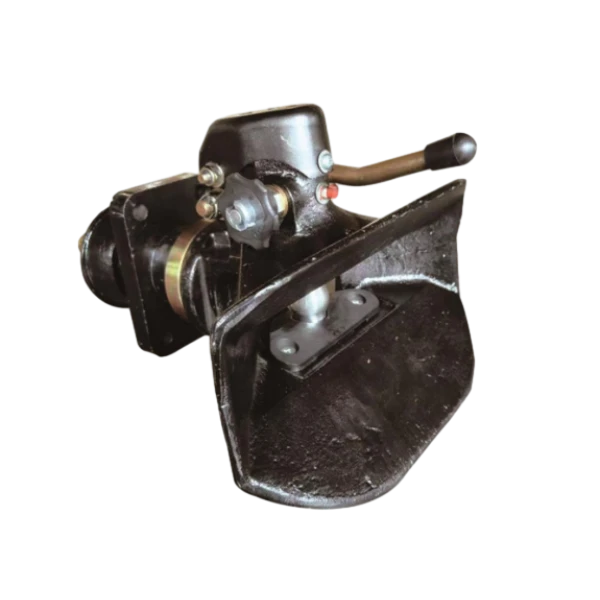 Trailer Coupling
The trailer coupling is a critical component in vehicle towing systems, designed to ensure a secure and efficient connection between a towing vehicle and a trailer. These couplings are manufactured using high-strength carbon steel, alloy steel, or stainless steel, ensuring durability and resistance to heavy loads and harsh environments.
-
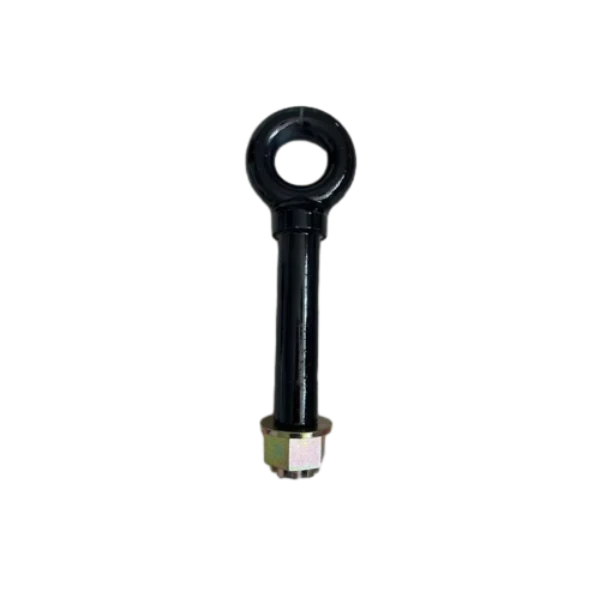
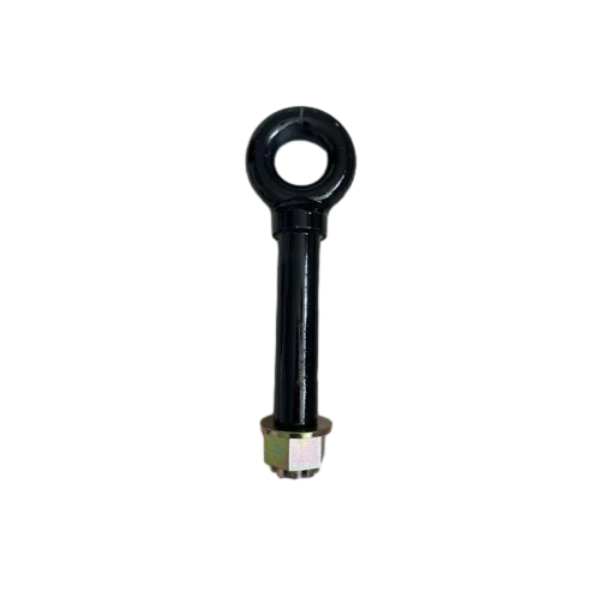 Drawbar Eyes
Drawbar eyes are essential components in towing and hauling applications, providing a strong and secure attachment point between the trailer and the towing vehicle. They are designed to endure extreme pulling forces, making them suitable for heavy-duty applications.
-
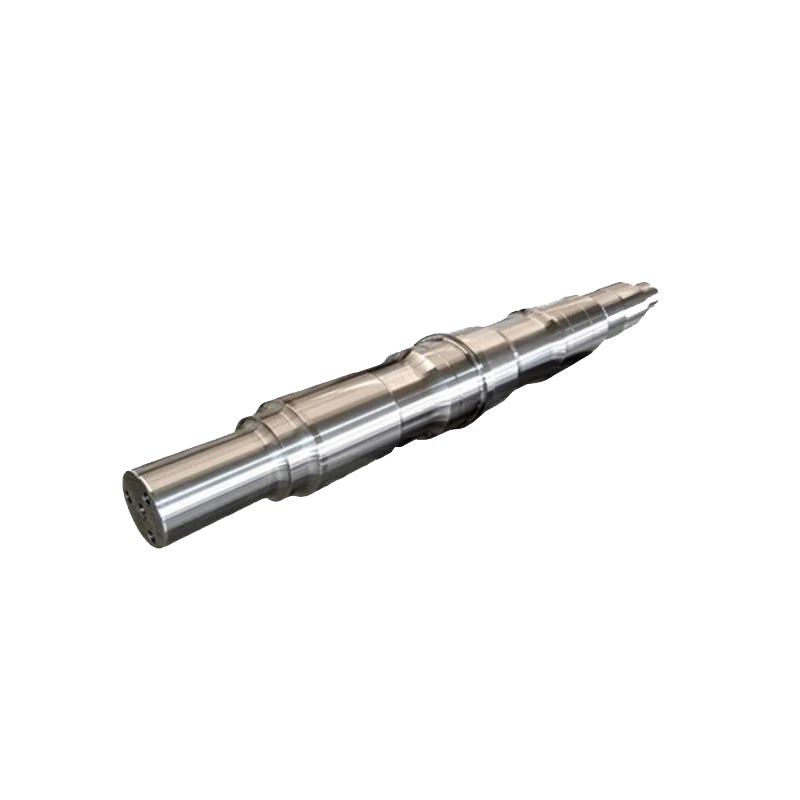
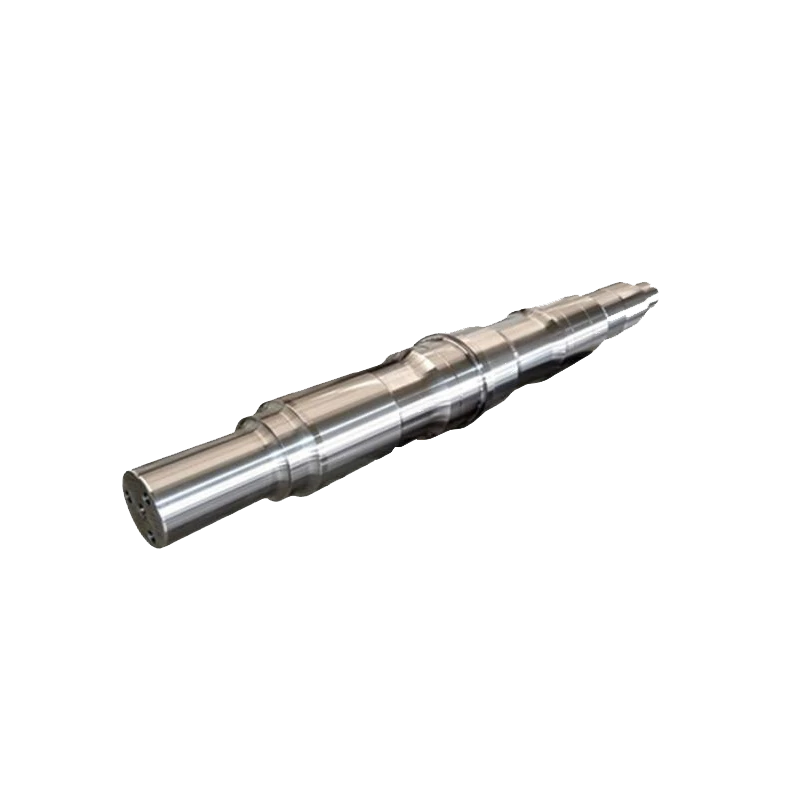 Axles
AxlesAxles are essential for vehicle load-bearing and power transmission, ensuring smooth movement and weight distribution. They must withstand high stress, torque, and impact, making material selection and precise manufacturing crucial.
-
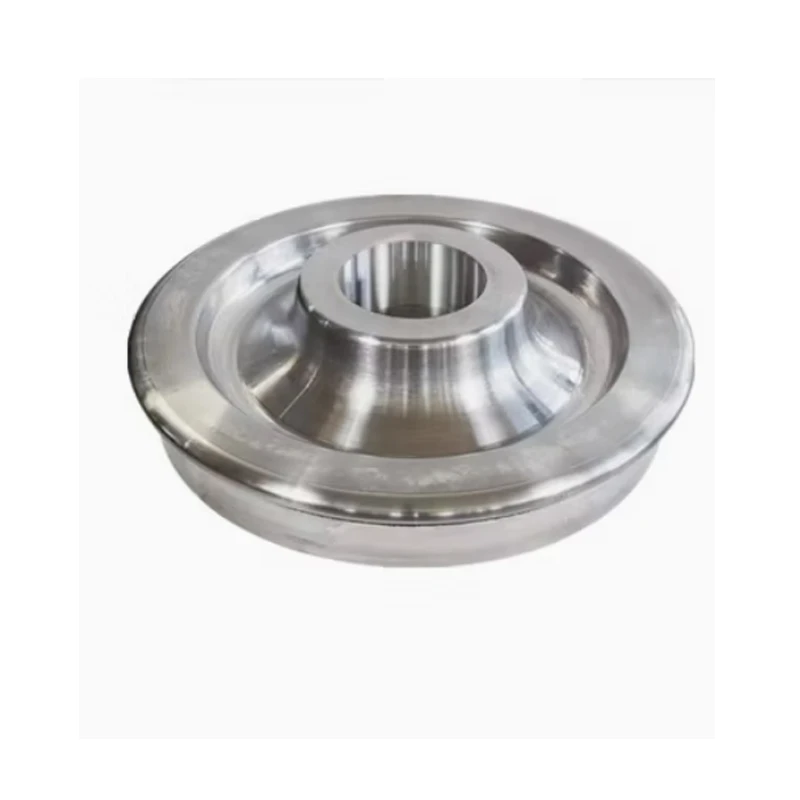 Profile S1002 Series Rail Wheels
The S1002 series rail wheels are designed for Rail-Road Vehicles (RRVs) that require seamless operation on both roads and railway tracks. Engineered with high precision and durability, these wheels conform to S1002 tread profiles, ensuring compatibility with standard railway systems.
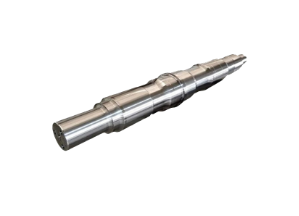
A Comprehensive Guide to Axles Types for Industry Decision Makers | Manufacturing Base
Axles Types is a key solution in the industry, specifically within heavy machinery and transportation sectors. This article explores how https://www.manufacturing-base.com supports professionals with durable, high-performance products
>
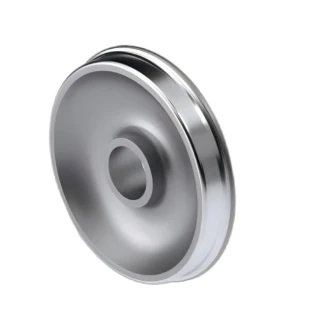
Reliable Rail Wheels: Optimize Your Rail Transport Solutions
For industries that rely on rail-based vehicles, choosing the right rail wheels is essential for smooth operations and safety.
>
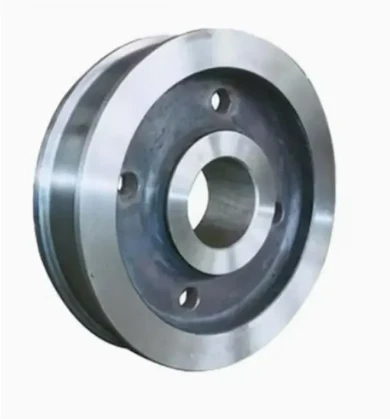
Premium Overhead Crane Wheels For Sale: Enhance Industrial Lifting Efficiency
In modern industrial operations, high-quality overhead crane wheels for sale are essential for safe, reliable, and efficient lifting.
>
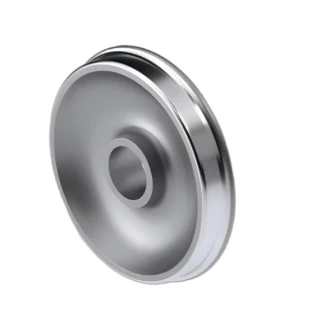
Premium Hi Rail Wheels For Sale: Boost Rail Vehicle Performance
In the modern industrial and railway sectors, having reliable hi rail wheels for sale is essential for operational efficiency and safety.
>
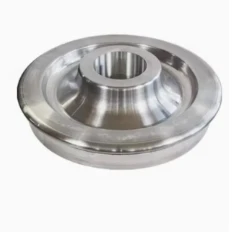
High-Quality Hi Rail Wheels For Sale: Enhance Your Rail Equipment Efficiency
When it comes to reliable rail maintenance and industrial operations, investing in hi rail wheels for sale is crucial.
>
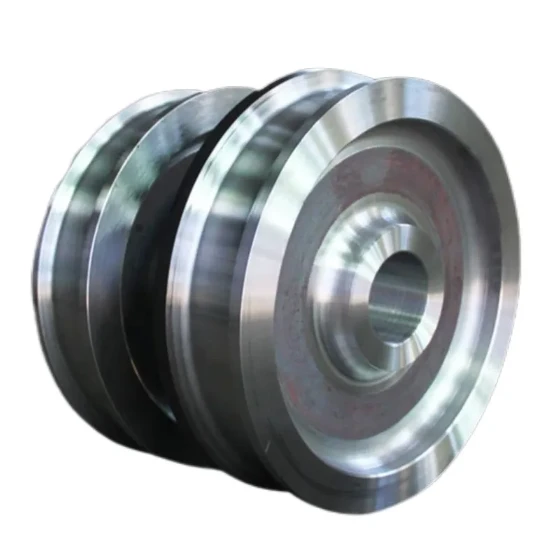
High-Quality Crane Wheels For Sale: Enhance Your Crane Operations
For industries relying on heavy lifting and material handling, investing in high-quality crane wheels for sale is crucial.
>
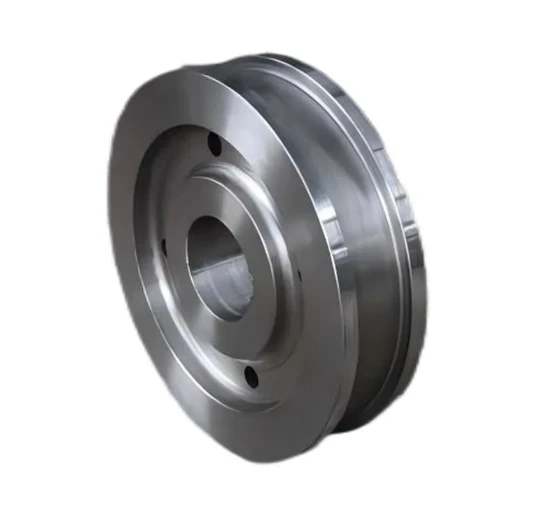
Durable Gantry Crane Wheels For Sale: Maximize Lifting Efficiency
For industries relying on heavy-duty lifting and material handling, selecting the right gantry crane wheels for sale is vital.
>
Reliable Tandem Drive Axles for Heavy-Duty Industrial Vehicles
Tandem Drive Axles: What I’ve Learned After Years in the Industrial Equipment Sector Ha
>
Reliable Semi Trailer Axles for Heavy-Duty Trailers | Expert Insight
Understanding semi trailer axles: The Backbone of Heavy Hauling Having spent more than a deca
>
RC Portal Axles: Industrial Strength and Custom Performance
RC Portal Axles: A Veteran’s Take on Industrial-Grade Performance Having spent over a d
>
Engineered for Excellence
Our forged solutions deliver reliability and performance, powering demanding industries to keep operations running smoothly.

Sign up
for Newsletter
Subscribe to the weekly newsletter for all the latest updates