- Tel: +86 311 82620404
- Cell: 86 -13739710551
- Email: sales@potentia.cn

Comprehensive Guide to Gantry Wheels: Features, Benefits & Global Applications
Understanding Gantry Wheels and Their Global Significance
If you’ve ever watched a massive container ship being unloaded or seen giant cranes moving hefty industrial parts, you’ve witnessed the unsung heroes known as gantry wheels. These components may seem minor at first glance, but they carry a surprising weight in modern industry—and beyond. Whether it's in manufacturing hubs, sprawling shipyards, or even disaster relief sites, gantry wheels keep heavy machinery mobile and operations running smoothly.
Why does this matter on a global scale? Well, according to the International Organization for Standardization (ISO), efficient material handling can boost productivity by over 30% in manufacturing plants worldwide.1 Gantry wheels are at the heart of that efficiency, facilitating the transportation of bulky loads with confidence and precision. They act as the bridge between raw materials and finished goods, powering global trade and infrastructure development.
Mini takeaway: Gantry wheels are small parts with a huge impact, critical to smooth, efficient heavy lifting and transport in countless industries around the world.
Gantry Wheels in Today’s Industry: A Closer Look
Global industrial output is on a relentless rise—thanks to sectors like construction, shipping, and manufacturing all relying heavily on gantry cranes and their wheels. The World Bank reports that global trade volumes have roughly doubled every 15 years, largely driven by improved supply chains which depend on machinery mobility like gantry wheels.2
But here’s a challenge that’s often overlooked: How do you design wheels that can handle tons of weight, endure harsh environments, and keep moving without constant maintenance? Gantry wheels address this by combining smart engineering with durable materials, making heavy-load transport more reliable and safer. Without them, huge cranes would become stuck or fail mid-operation—delivering nothing but costly downtime.
What Exactly Are Gantry Wheels?
At their core, gantry wheels are the rolling components attached to gantry cranes, the huge crane structures commonly used in industrial sites. They support the entire weight of the crane—plus the load—and allow it to move horizontally along tracks. Think of them as the "feet" of the crane, designed to roll smoothly while bearing massive pressure.
In humanitarian contexts—say, disaster relief zones—gantry wheels on mobile cranes help quickly set up infrastructure, unload supply shipments, or assemble shelters. They’re quite literally enabling rapid responses that can save lives.
Key Features to Look for in Gantry Wheels
Durability
These wheels endure constant stress and harsh weather. They’re usually made from high-grade steel alloys with tough coatings resistant to corrosion and wear. Durability means less downtime and maintenance, keeping projects on track—which frankly, every site manager appreciates.
Load Capacity
Depending on application, gantry wheels vary greatly in how much weight they can carry. Some are designed to move hundreds of tons, others for lighter but still heavy workloads. Engineers balance strength with size and cost to fit specific needs.
Precision & Smoothness
A wheel that jolts or catches can cause crane instability or damage. That’s why many gantry wheels come with precision bearings and high-tolerance construction. Good wheels ensure smooth, controlled movement even at slow speeds.
Corrosion Resistance
Often outdoors, exposed to seawater, industrial chemicals, or dust, gantry wheels need special treatments to resist rust and degradation over years of use—especially in ports or steel plants.
Ease of Replacement & Maintenance
You want wheels that can be swapped out quickly and parts that are easy to service. This reduces crane downtime, which can save tens of thousands of dollars per day on big jobs.
Cost Efficiency
Balancing upfront cost with lifecycle value is key. Low-quality wheels seem cheaper but can cost more in maintenance and replacements long term.
Mini takeaway: Durable, load-ready, and precise gantry wheels don’t just roll—they perform reliably under pressure, across years and terrains.
Applications of Gantry Wheels Across the Globe
Industries worldwide depend on gantry wheels—from the shipyards of Rotterdam to steel plants in China or construction sites in Africa. The Asia-Pacific region alone contributes to over 40% of global crane manufacturing, highlighting the importance of reliable components like gantry wheels.3
- Ports and Shipping: Gantry wheels on container cranes move gigantic shipping containers in and out with orchestration that would be impossible by hand.
- Manufacturing: Assembly plants rely on gantry cranes mounted on wheels to seamlessly shift heavy parts between production lines.
- Construction: On-site uses in buildings, bridges, and infrastructure projects where mobility and precision lifting are critical.
- Disaster Relief: Rapid deployment of mobile gantry cranes involves wheels robust enough to navigate uneven, damaged terrain while lifting relief supplies.
Mini takeaway: Everywhere heavy movement meets complex coordination, gantry wheels are quietly indispensable.
Gantry Wheels: Specifications at a Glance
| Feature | Typical Range | Notes |
|---|---|---|
| Diameter | 200-600 mm | Varies by load and crane size |
| Load Capacity | 5-500+ tons per wheel | Heavy-duty steel alloys in demand |
| Material | Forged steel, heat-treated castings | Corrosion-resistant coatings common |
| Bearing Type | Roller or ball bearings | High load and precision needed |
| Operating Temperature | -40°C to +80°C | For harsh environments |
How Different Vendors Stack Up
| Vendor | Load Capacity (tons) | Customization | Lead Time | Typical Use Cases |
|---|---|---|---|---|
| SteelWheels Inc. | Up to 500 | High (custom sizes/materials) | 4-6 weeks | Ports, large factories |
| Gantry Glide Co. | Up to 300 | Medium (standard specs) | 2-3 weeks | Mid-sized construction sites |
| RapidRoll Solutions | Up to 200 | Low (catalog models) | 1-2 weeks | Small factories, portable cranes |
Advantages and Long-Term Value of Gantry Wheels
The value proposition of well-designed gantry wheels is compelling. First, they cut down on labor costs by enabling more automated material movement. Fewer delays mean projects get done faster—and that's significant when delays can cost hundreds of thousands a day.
From a sustainability standpoint, durable gantry wheels mean less frequent replacements, minimizing material waste and the associated carbon footprint. Plus, top-tier wheels reduce the risk of accidents caused by wheel failure, protecting workers and boosting trust in machinery safety.
On a human level, it's reassuring when equipment “just works.” Many engineers I’ve spoken with say a good set of wheels brings peace of mind—kind of the unsung shield against problems on busy sites.
Looking Ahead: What’s Next for Gantry Wheels?
Innovation is trending towards lighter, stronger materials like carbon steel alloys and advanced composites. Imagine wheels that weigh less but haul even heavier loads—cutting energy needed for movement.
Automation and IoT integration are also shaping the future. Embedded sensors can monitor wheel wear and environmental factors in real-time, alerting maintenance crews before any failure happens. That predictive power is a game-changer in avoiding costly downtime.
Sustainability remains critical too. Manufacturers are exploring eco-friendly coatings and recyclable materials—small steps that add up globally.
Common Problems and Solutions for Gantry Wheels
Despite advances, some issues persist. Wheel misalignment is a big one—causing uneven wear and risking crane tipping. Precision engineering and regular calibration routines help mitigate this.
Corrosion, especially in marine environments, remains a challenge. One clever fix is multi-layer coatings combining zinc, epoxy, and polyurethane for long-lasting protection.
Supply chain disruptions also cause delays in wheel replacements. Experts suggest keeping an inventory of parts or working with vendors who can customize and ship quickly—this strategy can keep operations humming.
FAQ: Your Questions About Gantry Wheels Answered
How do I choose the right gantry wheel for my crane?
Look at your crane’s maximum load, operating environment, and track size. Then select wheels rated for the heaviest loads expected, made from materials suitable for local conditions (e.g., corrosion resistance). Don’t forget to consider maintenance ease and vendor support.
Can gantry wheels be used in outdoor, harsh environments?
Absolutely. Many gantry wheels are designed with corrosion-resistant coatings and durable steel alloys to withstand rain, saltwater, and extreme temperatures. Just ensure you’re picking products rated for those conditions.
What maintenance is required for gantry wheels?
Regular inspection is key — check wheel alignment, bearings, and any signs of wear or corrosion. Lubricate bearings per manufacturer guidelines and replace worn wheels promptly to prevent crane damage.
Are there eco-friendly options for gantry wheels?
Yes, increasingly manufacturers are using recyclable materials, low-emission manufacturing processes, and eco-coatings. These choices help reduce environmental impact without sacrificing strength or durability.
How quickly can I get custom gantry wheels delivered?
Lead times vary by complexity but typically range from 2 to 6 weeks depending on vendor and volume. Some companies offer expedited options for urgent jobs.
Mini takeaway: Knowing your site’s specific needs, environment, and maintenance capability makes choosing and using gantry wheels easier—and safer.
In Conclusion: Why Gantry Wheels Matter for the Long Haul
Whether you’re running a shipping terminal in Rotterdam, building a new bridge in Southeast Asia, or mobilizing emergency relief in remote areas, gantry wheels quietly keep the wheels of industry turning. They combine durability, precision, and adaptability—qualities that save money, time, and sometimes lives. Investing in good gantry wheels isn’t just about moving heavy loads—it’s about moving progress forward.
Interested in exploring a range of high-quality gantry wheels tailored to your projects? Visit our website at manufacturing-base.com for detailed product lines, expert advice, and fast delivery options.
References
-
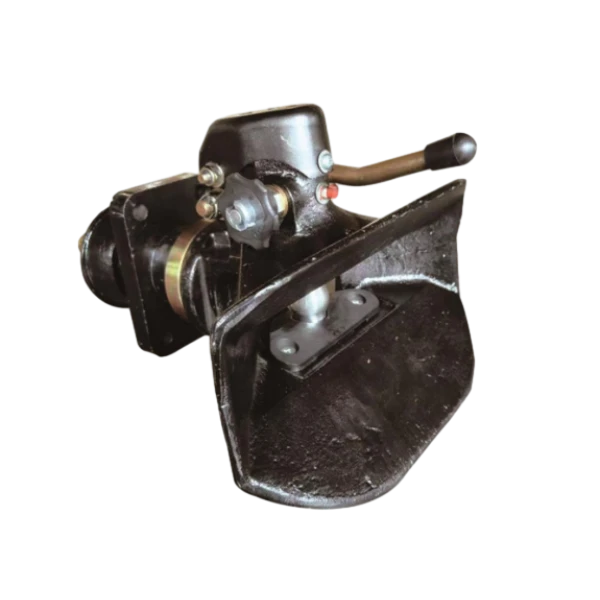 Trailer Coupling
The trailer coupling is a critical component in vehicle towing systems, designed to ensure a secure and efficient connection between a towing vehicle and a trailer. These couplings are manufactured using high-strength carbon steel, alloy steel, or stainless steel, ensuring durability and resistance to heavy loads and harsh environments.
-
 Drawbar Eyes
Drawbar eyes are essential components in towing and hauling applications, providing a strong and secure attachment point between the trailer and the towing vehicle. They are designed to endure extreme pulling forces, making them suitable for heavy-duty applications.
-
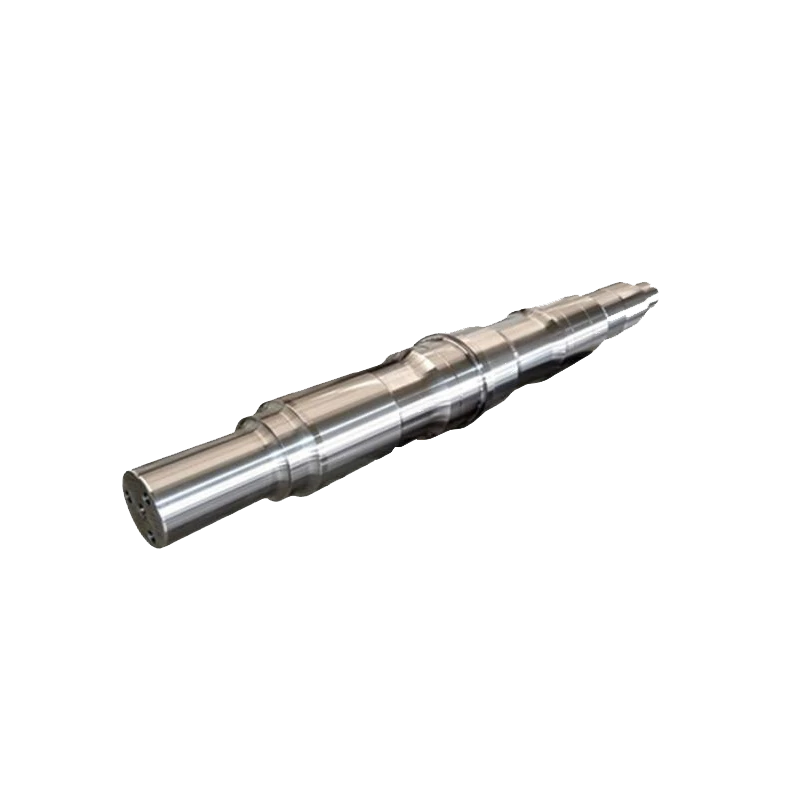 Axles
AxlesAxles are essential for vehicle load-bearing and power transmission, ensuring smooth movement and weight distribution. They must withstand high stress, torque, and impact, making material selection and precise manufacturing crucial.
-
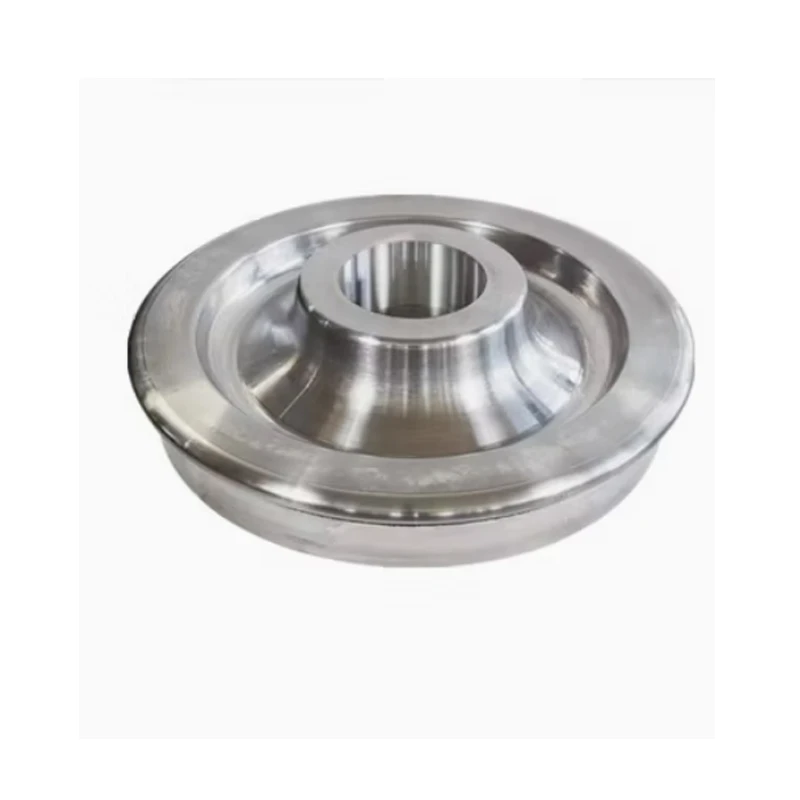 Profile S1002 Series Rail Wheels
The S1002 series rail wheels are designed for Rail-Road Vehicles (RRVs) that require seamless operation on both roads and railway tracks. Engineered with high precision and durability, these wheels conform to S1002 tread profiles, ensuring compatibility with standard railway systems.
A Comprehensive Guide to Axles Types for Industry Decision Makers | Manufacturing Base
Axles Types is a key solution in the industry, specifically within heavy machinery and transportation sectors. This article explores how https://www.manufacturing-base.com supports professionals with durable, high-performance products
>
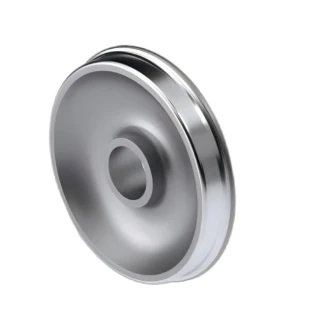
Reliable Rail Wheels: Optimize Your Rail Transport Solutions
For industries that rely on rail-based vehicles, choosing the right rail wheels is essential for smooth operations and safety.
>
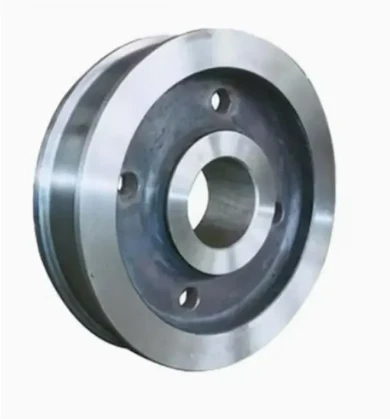
Premium Overhead Crane Wheels For Sale: Enhance Industrial Lifting Efficiency
In modern industrial operations, high-quality overhead crane wheels for sale are essential for safe, reliable, and efficient lifting.
>
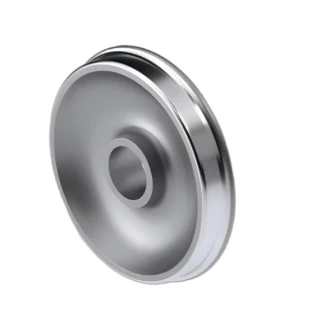
Premium Hi Rail Wheels For Sale: Boost Rail Vehicle Performance
In the modern industrial and railway sectors, having reliable hi rail wheels for sale is essential for operational efficiency and safety.
>
High-Quality Hi Rail Wheels For Sale: Enhance Your Rail Equipment Efficiency
When it comes to reliable rail maintenance and industrial operations, investing in hi rail wheels for sale is crucial.
>
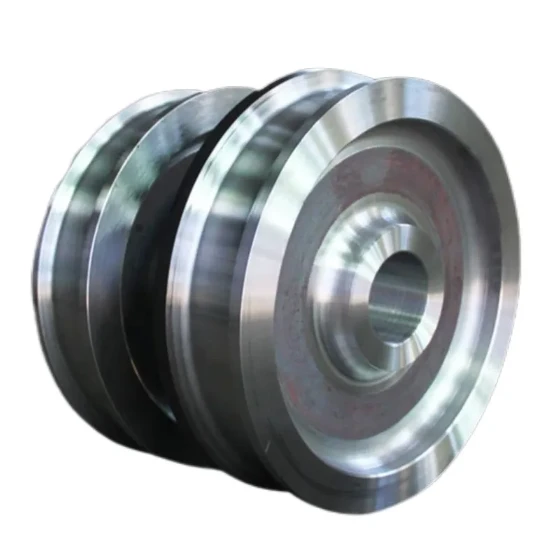
High-Quality Crane Wheels For Sale: Enhance Your Crane Operations
For industries relying on heavy lifting and material handling, investing in high-quality crane wheels for sale is crucial.
>
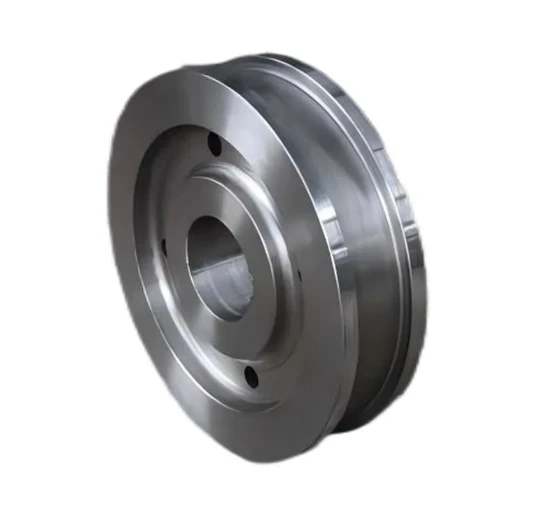
Durable Gantry Crane Wheels For Sale: Maximize Lifting Efficiency
For industries relying on heavy-duty lifting and material handling, selecting the right gantry crane wheels for sale is vital.
>
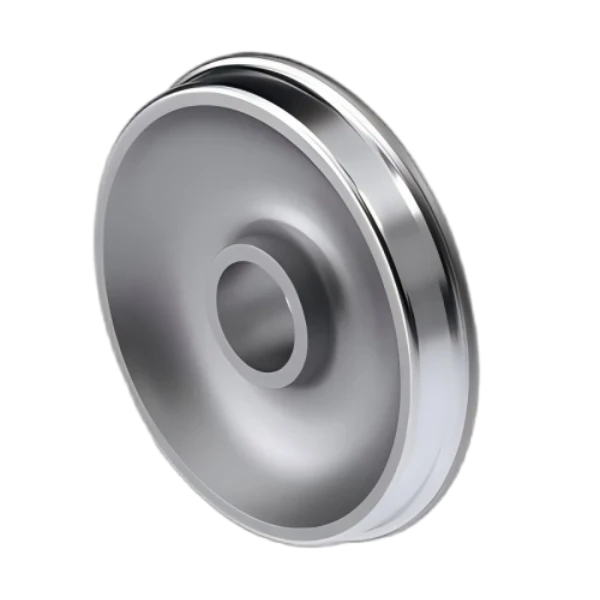
Reliable Tandem Drive Axles for Heavy-Duty Industrial Vehicles
Tandem Drive Axles: What I’ve Learned After Years in the Industrial Equipment Sector Ha
>

Reliable Semi Trailer Axles for Heavy-Duty Trailers | Expert Insight
Understanding semi trailer axles: The Backbone of Heavy Hauling Having spent more than a deca
>
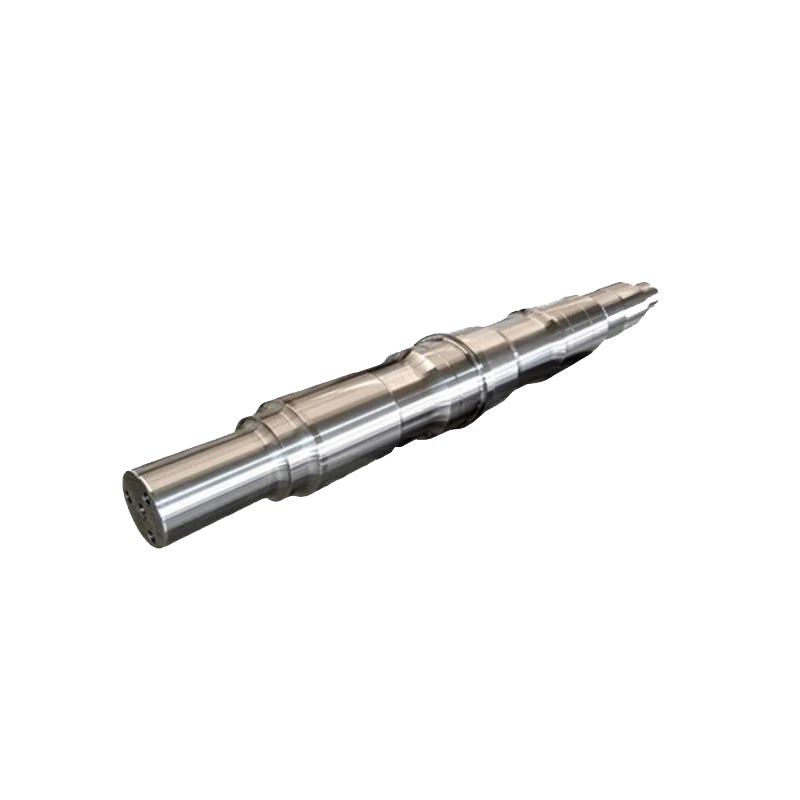
RC Portal Axles: Industrial Strength and Custom Performance
RC Portal Axles: A Veteran’s Take on Industrial-Grade Performance Having spent over a d
>
Engineered for Excellence
Our forged solutions deliver reliability and performance, powering demanding industries to keep operations running smoothly.

Sign up
for Newsletter
Subscribe to the weekly newsletter for all the latest updates