- Tel: +86 311 82620404
- Cell: 86 -13739710551
- Email: sales@potentia.cn

Crane Rail Wheels - Essential Components for Industrial and Logistics Efficiency
Crane Rail Wheels: The Unsung Heroes of Heavy Industry
At first glance, crane rail wheels may not spark much excitement—after all, they're just wheels, right? But dive in a little deeper, and you find they’re absolutely vital in shaping not only global industries but also infrastructures that support humanitarian efforts worldwide. From massive construction sites to bustling ports and even emergency relief operations, understanding crane rail wheels opens a window into how heavy lifting moves forward smoothly, safely, and sustainably.
Why Crane Rail Wheels Matter on a Global Stage
To frame it generously, crane rail wheels are a critical component of crane systems that power a multitude of industries. According to the International Organization for Standardization (ISO), over 70% of global cargo handling relies on overhead cranes equipped with durable rail wheels. Imagine ports in Shanghai or Rotterdam handling millions of tons annually without the reliability of these wheels—that’d be chaos. Beyond commercial hubs, crane rail wheels play roles in mining operations in Africa and large-scale construction projects in Asia’s booming urban centers.
One challenge, though, is durability under extreme loads and environments. The wrong wheel choice can mean downtime, safety risks, or hefty maintenance bills. Knowing the specs and industry tendencies gives engineers, vendors, and even buyers the edge they need.
What Exactly Are Crane Rail Wheels?
Simple enough: crane rail wheels are precision-engineered wheels that run on rails, supporting the movement of overhead cranes or gantry cranes. They differ from typical wheels because they endure exceptionally heavy loads, often thousands of kilograms per wheel, and must resist wear, shock, and environmental factors like corrosion.
They’re the literal rolling foundation of cranes in factories, ports, and warehouses—and by extension, critical for modern industry, logistics, and even the swift construction of relief infrastructure in disaster zones.
Core Components and Key Factors of Crane Rail Wheels
Durability and Material Quality
Most crane rail wheels are made from high-strength forged steel, which offers excellent resistance to fatigue and impact. The metallurgy, heat treatment, and finish determine longevity and safety margins. Many engineers emphasize that “you can almost trace a crane’s life by the quality of its wheels.”
Precision and Size
Wheel diameter, flange thickness, and tread profile matter significantly. These specs affect how smoothly a crane moves and how much weight it can safely carry. Sizes vary from under 200mm to over 600mm in diameter for mega cranes.
Load Capacity
The type and number of wheels directly affect a crane’s total carrying power. Often, wheels are rated for capacities ranging from 1 to 15 tons or more per wheel, providing flexibility across industries.
Corrosion Resistance & Environmental Factors
Outdoor cranes in ports battle salt, moisture, and pollution. So corrosion-resistant coatings and specialized steel alloys come into play, extending operational cycles and reducing costly maintenance.
Mini takeaway:
Understanding the nuts and bolts of crane rail wheel construction—material, size, capacity, and environmental resistance—is fundamental to choosing the right product for the job.
Where Crane Rail Wheels Really Shine: Global Applications
In real terms, you’ll find these wheels on overhead cranes unloading shipping containers in global ports, like those in Singapore or Los Angeles. Mining companies in Chile use them under heavy-stack gantry systems, hoisting massive equipment. I recall one story from an NGO operating in earthquake-hit Nepal, where fast-deployable crane rails enabled quick reconstruction efforts—a testament to how industrial tech crosses over into humanitarian impact.
Regions benefiting the most include Southeast Asia, with massive infrastructure investment; Europe for industrial automation; and developing nations accelerating urban construction.
Tangible Benefits & Long-Term Value
- Cost Efficiency: High-quality crane rail wheels reduce downtime and maintenance costs by lasting longer and resisting failure.
- Safety: Proper wheel selection means fewer accidents from rail or wheel failure, protecting workers and costly assets.
- Sustainability: Innovations such as recyclable steel and coatings reduce environmental impact over the wheel’s lifecycle.
- Innovation & Trust: Customers and operators lean on proven wheel vendors to deliver consistent performance, which is crucial when deadlines and safety matter.
Product Specification Table for Crane Rail Wheels
| Specification | Value / Range |
|---|---|
| Material | Forged Alloy Steel (e.g., 45#/AISI 1045) |
| Diameter | 200 mm – 600 mm |
| Load Capacity per Wheel | 1 ton – 15 tons |
| Flange Width | 30 mm – 60 mm |
| Surface Treatment | Heat-treated & corrosion resistant coatings |
| Standards | ISO 625:2017, DIN 870 & Various Custom Specs |
Vendor Comparison: Who Makes the Best Crane Rail Wheels?
| Feature / Vendor | Vendor A | Vendor B | Vendor C |
|---|---|---|---|
| Price Range | $$ | $$$ | $ |
| Material Quality | High-grade forged steel | Premium steel alloys | Standard steel, less customization |
| Customization Options | Moderate | Extensive (custom specs & certifications) | Limited |
| Lead Times | 4–6 weeks | 8–12 weeks | 2–4 weeks |
| Warranty | 1 year | 2 years | 6 months |
Looking Ahead: The Future of Crane Rail Wheels
Oddly enough, these wheels are quietly entering an era of digital transformation. Embedded sensors capable of monitoring load, wear, and temperature are becoming more common—part of the Industry 4.0 wave. Combined with maintenance algorithms, they predict failures before they happen, increasing safety and uptime. There’s also a green push: new alloys and eco-friendly coatings aim to extend wheel life and minimize scrap metal waste.
Challenges and Smart Solutions
In practical terms, maintaining optimal wheel performance in harsh environments is tricky. Saltwater corrosion, uneven rails, or sudden impacts threaten lifespan. The solution? Collaboration between engineers and material scientists is key. Some vendors are introducing composite materials and advanced heat treatments designed specifically for challenging scenarios, including cold climates or desert operations.
FAQ: Frequently Asked Questions About Crane Rail Wheels
Q: How often should crane rail wheels be inspected for maintenance?
It’s generally recommended to inspect crane rail wheels every 6 months, especially in high-use or harsh environments. Inspections focus on wheel tread wear, flange thickness, and cracks. Regular checks prevent unexpected failures, ensuring continuous crane operation.
Q: Can crane rail wheels be customized for specific industrial needs?
Absolutely. Many manufacturers offer customization based on load capacity, material grade, surface treatment, and size. Custom wheels enhance performance and durability tailored to unique operational demands.
Q: Are there international standards governing crane rail wheels?
Yes. ISO 625:2017 and DIN 870 are among the key standards defining dimensions, material properties, and testing methods. Using wheels compliant with these standards ensures compatibility and safety across global supply chains.
Q: What environmental conditions most affect crane rail wheel lifespan?
Exposure to moisture, salt, extreme temperatures, and abrasive dust can accelerate wear and corrosion. Protective coatings and regular maintenance mitigate these effects, prolonging wheel life.
Q: Is it costly to replace crane rail wheels frequently?
Replacing wheels too often can inflate operating costs and downtime. Investing in quality and proper maintenance reduces this need, offering a better long-term return on investment.
Wrapping Up: Why Investing in Quality Crane Rail Wheels Pays Off
At the end of the day, reliable crane rail wheels are the quiet workhorses behind the scenes of complex logistics and construction. They minimize risks, cut unexpected expenses, and boost project timelines. For anyone in heavy industry, port operations, or even humanitarian logistics, knowing about the right wheels isn’t just technical—it’s strategic.
Curious to browse crane rail wheels from trusted suppliers? Feel free to visit our product collections, where you’ll find detailed specs and expert support for your needs.
References & Further Reading
-
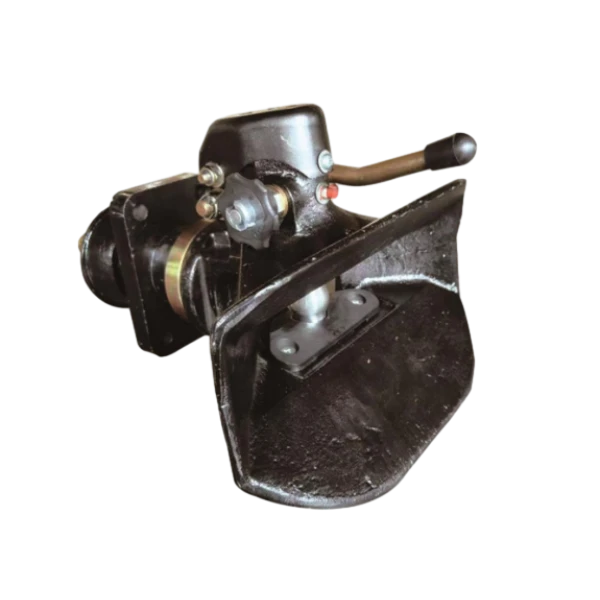 Trailer Coupling
The trailer coupling is a critical component in vehicle towing systems, designed to ensure a secure and efficient connection between a towing vehicle and a trailer. These couplings are manufactured using high-strength carbon steel, alloy steel, or stainless steel, ensuring durability and resistance to heavy loads and harsh environments.
-
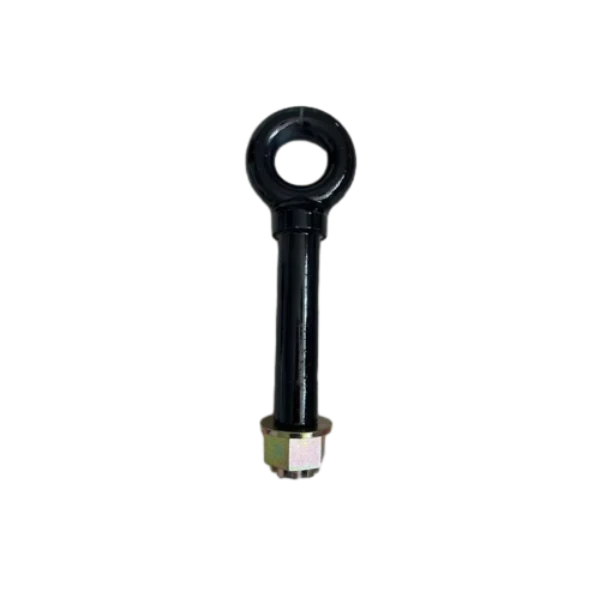
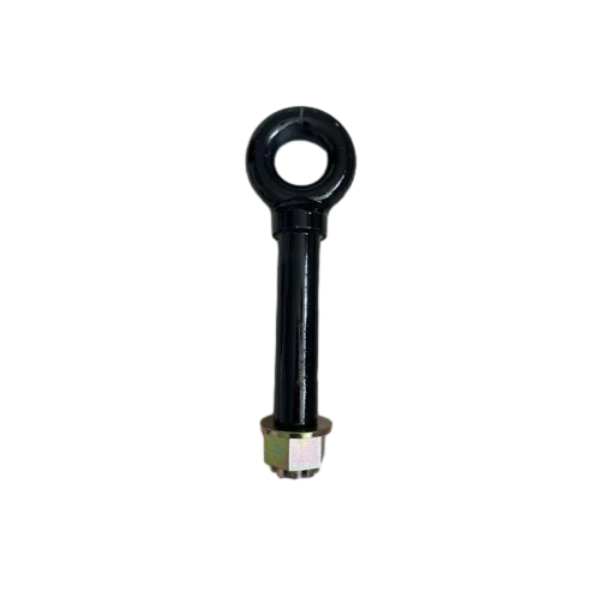 Drawbar Eyes
Drawbar eyes are essential components in towing and hauling applications, providing a strong and secure attachment point between the trailer and the towing vehicle. They are designed to endure extreme pulling forces, making them suitable for heavy-duty applications.
-
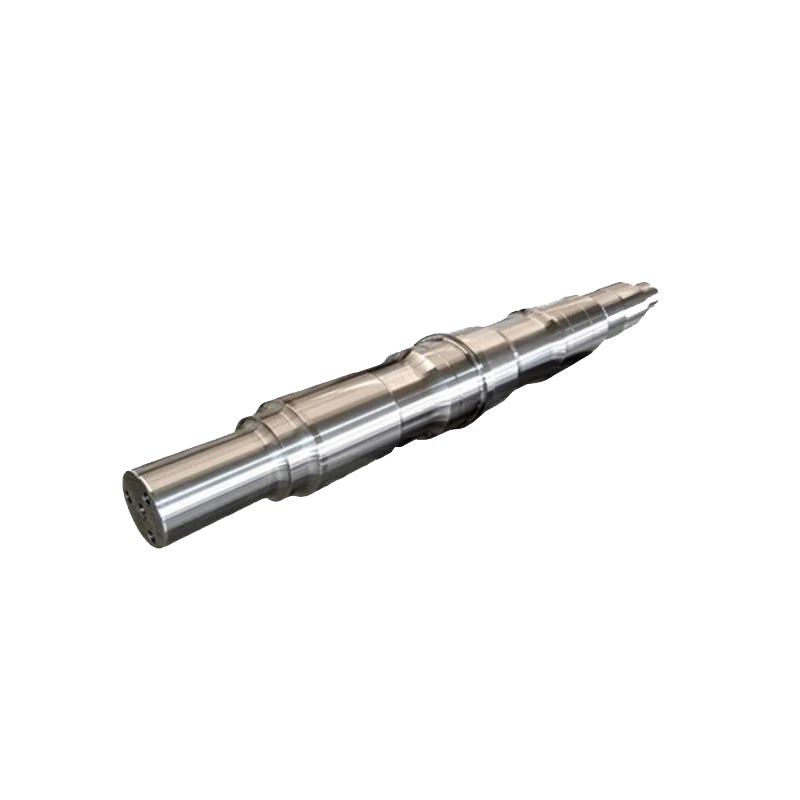
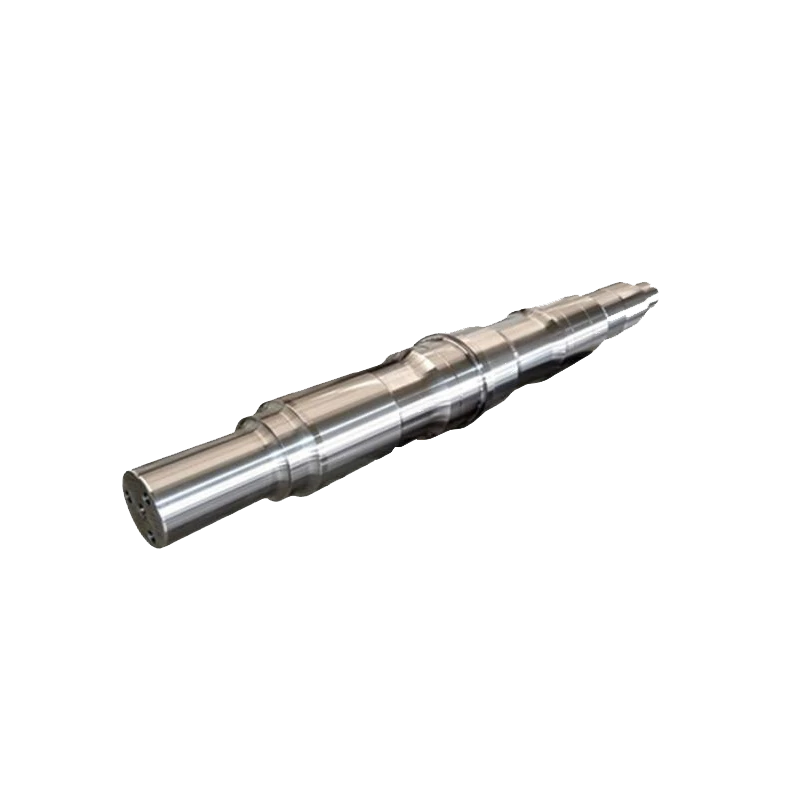 Axles
AxlesAxles are essential for vehicle load-bearing and power transmission, ensuring smooth movement and weight distribution. They must withstand high stress, torque, and impact, making material selection and precise manufacturing crucial.
-
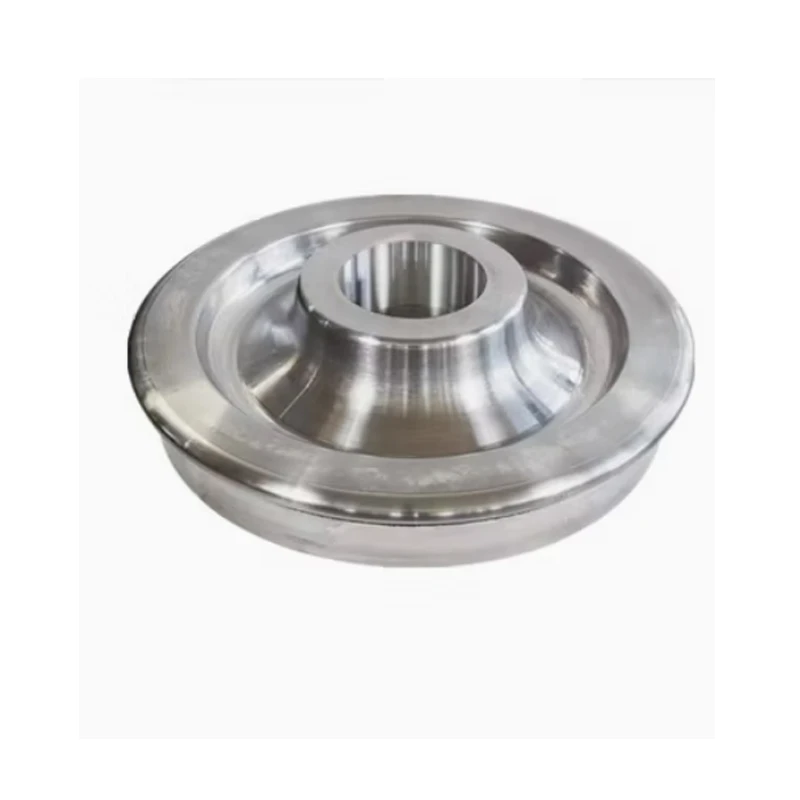 Profile S1002 Series Rail Wheels
The S1002 series rail wheels are designed for Rail-Road Vehicles (RRVs) that require seamless operation on both roads and railway tracks. Engineered with high precision and durability, these wheels conform to S1002 tread profiles, ensuring compatibility with standard railway systems.
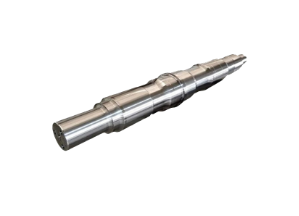
A Comprehensive Guide to Axles Types for Industry Decision Makers | Manufacturing Base
Axles Types is a key solution in the industry, specifically within heavy machinery and transportation sectors. This article explores how https://www.manufacturing-base.com supports professionals with durable, high-performance products
>
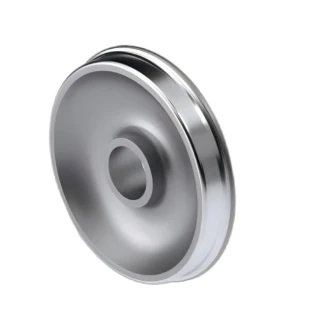
Reliable Rail Wheels: Optimize Your Rail Transport Solutions
For industries that rely on rail-based vehicles, choosing the right rail wheels is essential for smooth operations and safety.
>
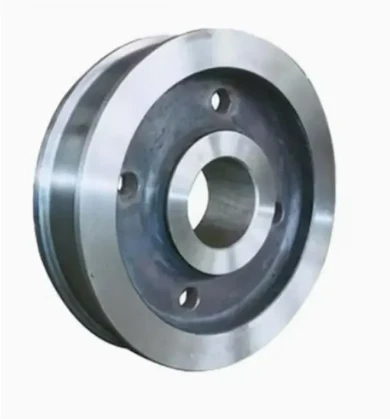
Premium Overhead Crane Wheels For Sale: Enhance Industrial Lifting Efficiency
In modern industrial operations, high-quality overhead crane wheels for sale are essential for safe, reliable, and efficient lifting.
>
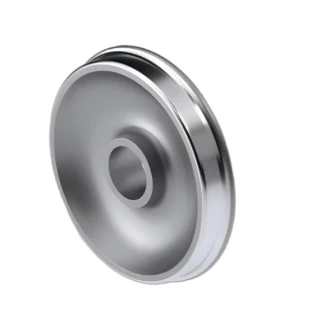
Premium Hi Rail Wheels For Sale: Boost Rail Vehicle Performance
In the modern industrial and railway sectors, having reliable hi rail wheels for sale is essential for operational efficiency and safety.
>
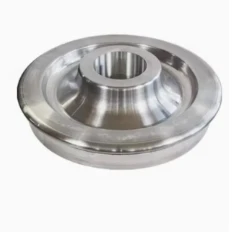
High-Quality Hi Rail Wheels For Sale: Enhance Your Rail Equipment Efficiency
When it comes to reliable rail maintenance and industrial operations, investing in hi rail wheels for sale is crucial.
>
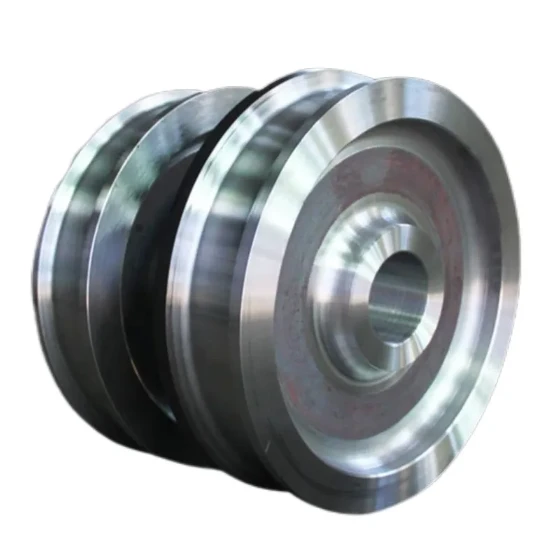
High-Quality Crane Wheels For Sale: Enhance Your Crane Operations
For industries relying on heavy lifting and material handling, investing in high-quality crane wheels for sale is crucial.
>
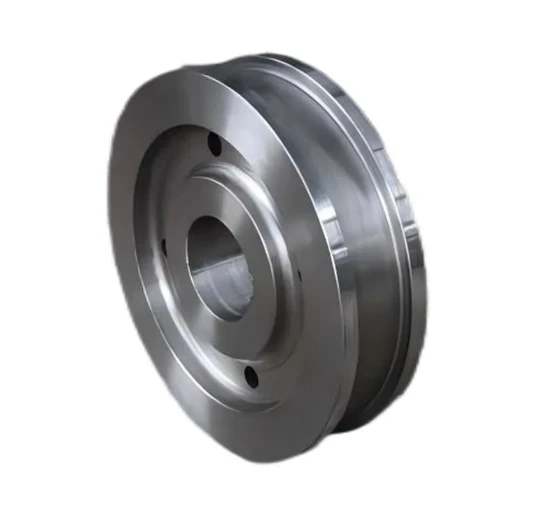
Durable Gantry Crane Wheels For Sale: Maximize Lifting Efficiency
For industries relying on heavy-duty lifting and material handling, selecting the right gantry crane wheels for sale is vital.
>
Reliable Tandem Drive Axles for Heavy-Duty Industrial Vehicles
Tandem Drive Axles: What I’ve Learned After Years in the Industrial Equipment Sector Ha
>
Reliable Semi Trailer Axles for Heavy-Duty Trailers | Expert Insight
Understanding semi trailer axles: The Backbone of Heavy Hauling Having spent more than a deca
>
RC Portal Axles: Industrial Strength and Custom Performance
RC Portal Axles: A Veteran’s Take on Industrial-Grade Performance Having spent over a d
>
Engineered for Excellence
Our forged solutions deliver reliability and performance, powering demanding industries to keep operations running smoothly.

Sign up
for Newsletter
Subscribe to the weekly newsletter for all the latest updates