- Tel: +86 311 82620404
- Cell: 86 -13739710551
- Email: sales@potentia.cn

Durable Mine Cart Wheels for Efficient Mining Operations | Quality & Innovation
What Is a Mine Cart Wheel, and Why Does It Matter?
If you’ve ever pictured an old-school mine cart rumbling along rusty tracks deep underground, the mine cart wheel is that small but mighty hero keeping things moving smoothly. These wheels are the unsung champions of mining logistics, enabling materials to shift efficiently in harsh environments. Understanding the mine cart wheel isn’t just for nostalgia or old industrial museums — it’s key to modern mining operations globally, and the ripple effects are significant for economies, safety, and sustainability.
Globally, mining remains a cornerstone of raw material supply, feeding everything from cellphones to buildings. The performance and reliability of mine cart wheels directly affect productivity, operational cost, and worker safety. So, getting this component right is crucial — in both established and emerging mining markets.
The Global Context: Why Mining Needs Reliable Wheels
Mining contributes roughly 10% to the global GDP when you aggregate all mineral extraction industries (source: World Bank). But it’s not just the GDP figures that matter — it’s also how minerals reach processing plants or freight hubs. Mine carts, powered by their wheels, are central in this chain.
However, mining companies face numerous challenges: rough terrain, heavy loads, and extreme weather. Wheels that fail impact not only delayed shipments but can jeopardize worker safety underground, raising accident risks. Hence, the mine cart wheel is more than a caster; it’s a lifeline. For large mining communities in places like Australia, Chile, and South Africa, optimizing these little wheels can mean everything.
Mini takeaway:
The industry’s heartbeat depends on reliable, durable mine cart wheels to keep materials flowing — proving small components have big consequences.
Defining the Mine Cart Wheel
Simply put, a mine cart wheel is a specialized wheel designed for underground mining carts, tailored to navigate rail tracks that carry ore, coal, and other extracted materials. Typically made from hard-wearing materials like cast steel or forged iron, these wheels must withstand crushing pressures, abrasive conditions, and sporadic impacts.
While the image of a mine cart might conjure up historical or even fictional scenes, the design principles remain vital today. In fact, modern versions often incorporate steel alloys or composites to reduce wear and improve lifespan.
Beyond mining, these wheels find uses in sectors that mimic similar tough transport conditions — think construction staging, quarry work, and even disaster relief logistics where rugged terrain demands robust equipment.
Core Characteristics of Mine Cart Wheels
1. Durability
These wheels are forged to survive harsh underground environments — abrasive mineral dust, water exposure, and constant loading. High hardness steel variants resist deformation, minimizing unscheduled downtime.
2. Load-Bearing Capacity
Mine cart wheels must safely handle tons of ore without buckling. Engineers calculate precise load ratings so wheels won’t only survive but run smoothly on tracks, even under dynamic forces.
3. Track Compatibility & Stability
Since the wheels roll on steel rails, their flange design and diameter are precisely calibrated to avoid derailment or excessive friction, ensuring safe navigation through twists and steep grades.
4. Resistance to Corrosion & Wear
The subsurface environment can be damp or chemically aggressive at times. Wheel materials are often treated or alloyed to resist rust and wear, prolonging operational life.
5. Maintenance & Replaceability
Mine cart wheels are designed for easy replacement, since even the best alloys wear down. Quick-change models reduce downtime, which can cost thousands per hour in lost productivity.
6. Cost Efficiency
Pricing is always a consideration. Balancing upfront wheel costs against lifespan and maintenance overhead is key for operators—otherwise, savings in one area may lead to much bigger bills down the line.
Mini takeaway:
Each engineering choice in a mine cart wheel is a balancing act between toughness, cost, and operational practicality.
Typical Specifications of a Mine Cart Wheel
| Specification | Typical Value/Range | Notes |
|---|---|---|
| Material | Cast Steel, Forged Steel Alloy | High wear resistance |
| Diameter | 200mm – 800mm | Varies by cart load and track |
| Load Capacity | 500kg – 10,000kg | Depends on design and material |
| Flange Width | 20mm – 60mm | Prevents derailment |
| Operating Temperature | -20°C to +60°C | Typical mining conditions |
Who Uses Mine Cart Wheels? Global Applications
Mining hubs in Australia’s Queensland, the copper-rich mines of Chile, and South Africa’s goldfields all rely on mine carts fitted with these robust wheels to move literally tons of materials daily. In fact, many mining sites operate bespoke track lengths, necessitating customized wheels to optimize logistics.
Beyond mining, these wheels are popular in quarries and construction staging areas where heavy materials shift often on temporary rail setups. Notably, rescue teams sometimes deploy modified mine carts with heavy-duty wheels for rapid debris removal or supply transport in disaster zones.
If you get into the nitty-gritty, many engineers refer to sourcing options from select vendors who specialize in “heavy haul” wheel sets designed for low maintenance in dusty, abrasive conditions. It’s funny how specialized that field gets — companies will even tailor wheels for specific track gauges or wheelbase lengths.
Mini takeaway:
The mine cart wheel’s influence stretches far beyond just mining — it’s a versatile component in many rugged industries.
Comparing Top Mine Cart Wheel Vendors
| Vendor | Material Options | Customization | Typical Lead Time | Price Range (per wheel) |
|---|---|---|---|---|
| SteelForge Industries | Cast & Forged Steel | High (track size, flange design) | 4-6 weeks | $200-$450 |
| MineWheel Corp. | Alloy Steel, Composite Inserts | Medium (limited alloys) | 3-5 weeks | $300-$600 |
| TrackMax Solutions | Forged Steel with Heat Treatment | Custom & Off-the-shelf | 2-4 weeks | $180-$500 |
The Long-Term Value of Choosing the Right Mine Cart Wheels
Picking the wrong wheels can feel cheap at first but quickly leads to serious headaches — frequent replacements, derailments, and even operational shutdowns.
On the other hand, the right mine cart wheels offer:
- Cost savings through prolonged service life and less downtime.
- Enhanced safety by ensuring stable, reliable transport on underground tracks.
- Sustainability when wheels use recyclable alloys and reduce waste.
- Confidence for mining operators that logistics won’t fail when they need it most.
It’s a sort of quiet innovation that doesn’t often get headlines but makes real differences underground, often under harsh conditions where there’s zero margin for error.
What’s Next? Innovations Shaping the Future of Mine Cart Wheels
Materials science is inching forward with corrosion-resistant alloys, composite reinforcements, and even nano-coatings to make wheels more wear-resistant and lighter.
On the digital front, smart wheels equipped with embedded sensors can monitor temperature, vibration, and load in real-time — heads-up for maintenance teams to act before problems spiral.
Greener mining practices push vendors to improve recyclability and reduce environmental impact from production. Plus, automated guided vehicles (AGVs) in mines often rely on advanced wheels that balance precision and durability.
Common Challenges and Expert Tips
Not everything is smooth rails in this world. Challenges such as uneven track wear, moisture infiltration, and bolt loosening can degrade wheel performance. Not to mention, in some developing markets, access to high-quality wheels or replacement parts is limited.
Expert advice? Implement routine inspections that combine visual and digital diagnostics. Also, standardizing wheel design across fleets means spares inventory remains manageable. Finally, educating operators in harsh environments to handle wheels carefully cut down unexpected failures.
FAQ: Answers to Your Top Questions About Mine Cart Wheels
- Q1: How often should mine cart wheels be replaced?
- A: Typically, wheel lifespan varies from months to years based on load and environment. Routine inspections every 500 operating hours are suggested, with replacements whenever visible cracks, flats, or flange damage appear.
- Q2: Can mine cart wheels be customized for different track gauges?
- A: Absolutely. Most manufacturers offer custom wheel sizes and flange profiles to perfectly fit specific rail gauges, which is critical for safety and efficiency.
- Q3: What materials are best for corrosive mining environments?
- A: Alloy steels with corrosion-resistant coatings or composites infused with protective resins do best in harsh, damp underground settings.
- Q4: Is installing smarter sensor-enabled wheels cost-effective?
- A: While upfront costs are higher, the ability to preempt failures and optimize maintenance usually yields savings and improved uptime over time.
- Q5: Where can I source quality mine cart wheels internationally?
- A: Reliable vendors often have global shipping channels. Look for companies with ISO 9001 certification and thorough testing protocols to assure quality.
Final Thoughts
It might seem odd to fixate on something as “simple” as a mine cart wheel, but in mining logistics, it’s often the small things that keep the big operations running. From durability to future smart integration, these wheels are quietly shaping safer, more efficient, and sustainable mining worldwide.
Curious to explore the right mine cart wheel solutions for your operation? Visit our website for detailed product specs, expert advice, and vendor contacts.
References
-
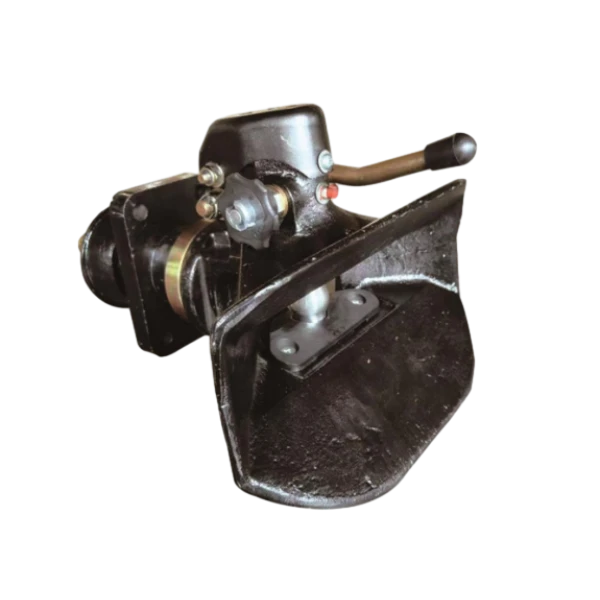 Trailer Coupling
The trailer coupling is a critical component in vehicle towing systems, designed to ensure a secure and efficient connection between a towing vehicle and a trailer. These couplings are manufactured using high-strength carbon steel, alloy steel, or stainless steel, ensuring durability and resistance to heavy loads and harsh environments.
-
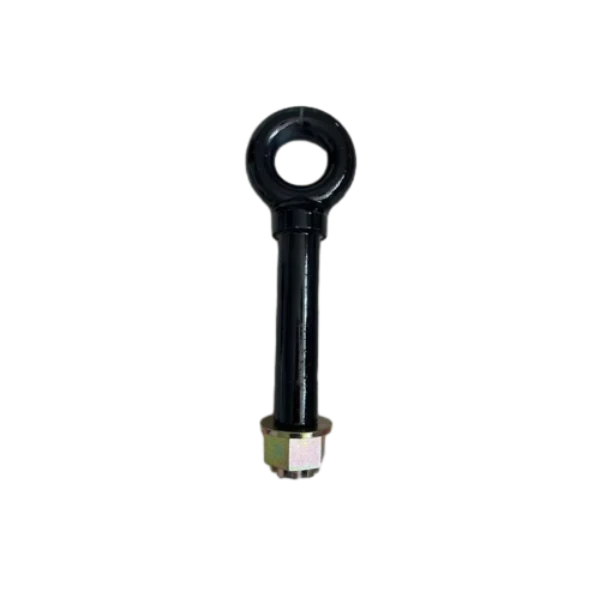
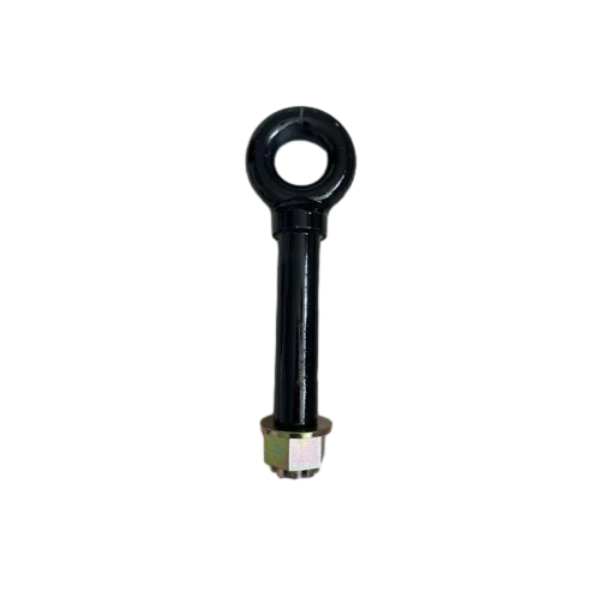 Drawbar Eyes
Drawbar eyes are essential components in towing and hauling applications, providing a strong and secure attachment point between the trailer and the towing vehicle. They are designed to endure extreme pulling forces, making them suitable for heavy-duty applications.
-
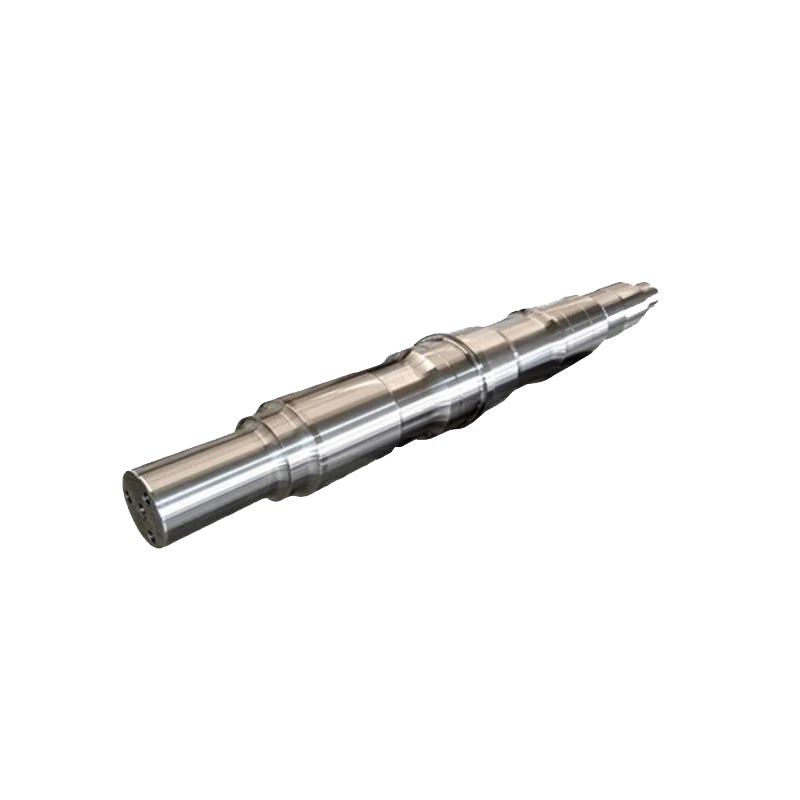
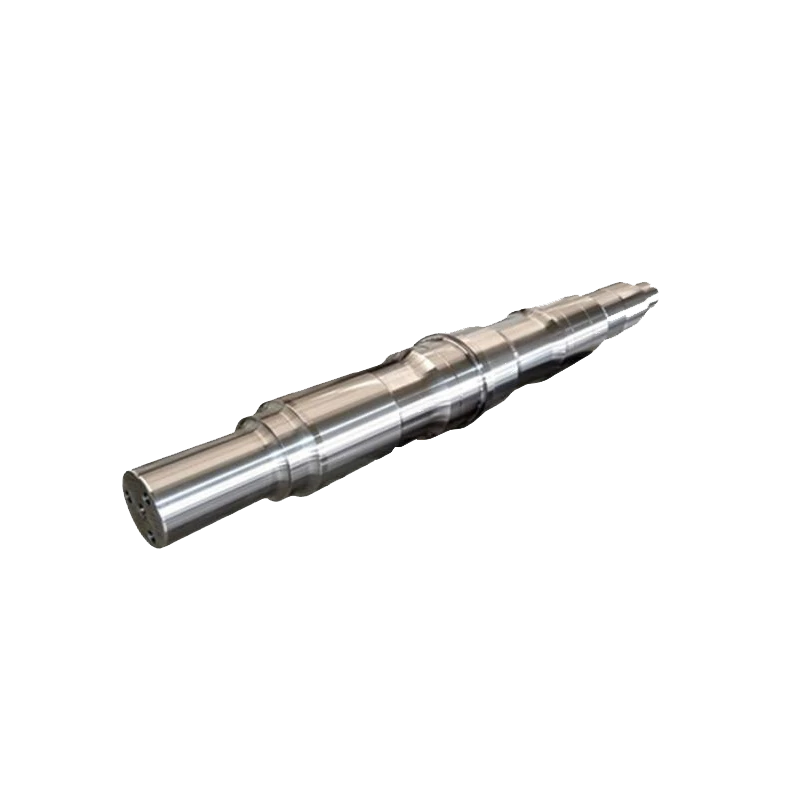 Axles
AxlesAxles are essential for vehicle load-bearing and power transmission, ensuring smooth movement and weight distribution. They must withstand high stress, torque, and impact, making material selection and precise manufacturing crucial.
-
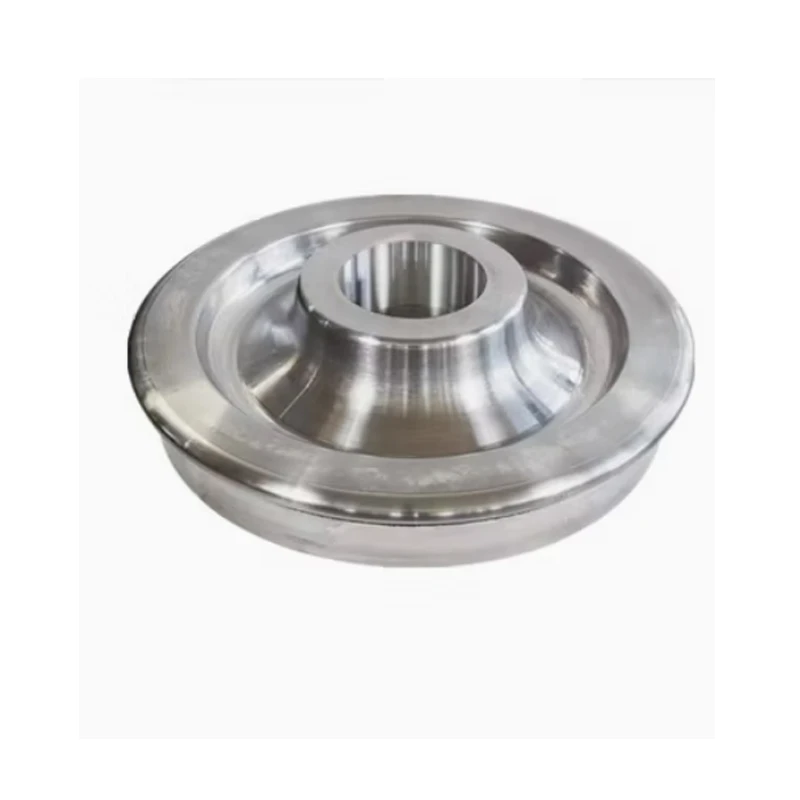 Profile S1002 Series Rail Wheels
The S1002 series rail wheels are designed for Rail-Road Vehicles (RRVs) that require seamless operation on both roads and railway tracks. Engineered with high precision and durability, these wheels conform to S1002 tread profiles, ensuring compatibility with standard railway systems.
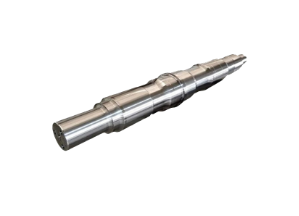
A Comprehensive Guide to Axles Types for Industry Decision Makers | Manufacturing Base
Axles Types is a key solution in the industry, specifically within heavy machinery and transportation sectors. This article explores how https://www.manufacturing-base.com supports professionals with durable, high-performance products
>
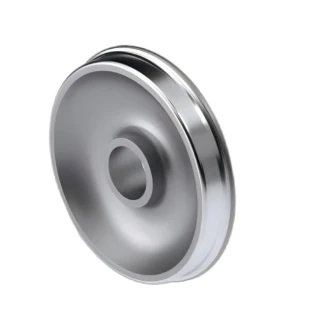
Reliable Rail Wheels: Optimize Your Rail Transport Solutions
For industries that rely on rail-based vehicles, choosing the right rail wheels is essential for smooth operations and safety.
>
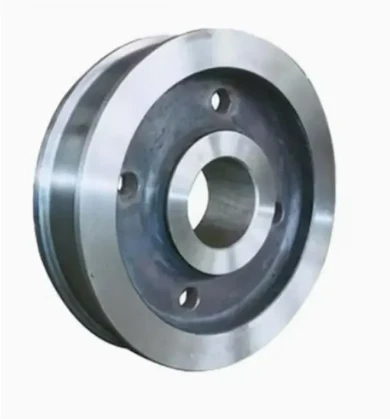
Premium Overhead Crane Wheels For Sale: Enhance Industrial Lifting Efficiency
In modern industrial operations, high-quality overhead crane wheels for sale are essential for safe, reliable, and efficient lifting.
>
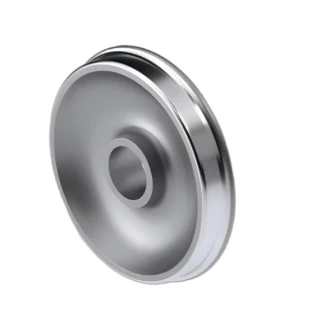
Premium Hi Rail Wheels For Sale: Boost Rail Vehicle Performance
In the modern industrial and railway sectors, having reliable hi rail wheels for sale is essential for operational efficiency and safety.
>
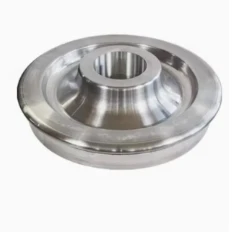
High-Quality Hi Rail Wheels For Sale: Enhance Your Rail Equipment Efficiency
When it comes to reliable rail maintenance and industrial operations, investing in hi rail wheels for sale is crucial.
>
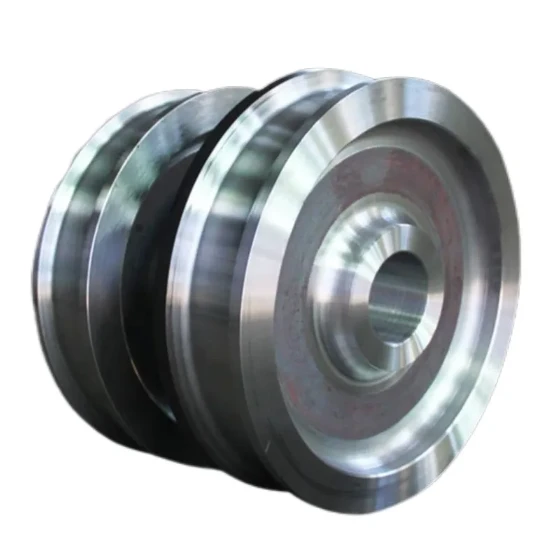
High-Quality Crane Wheels For Sale: Enhance Your Crane Operations
For industries relying on heavy lifting and material handling, investing in high-quality crane wheels for sale is crucial.
>
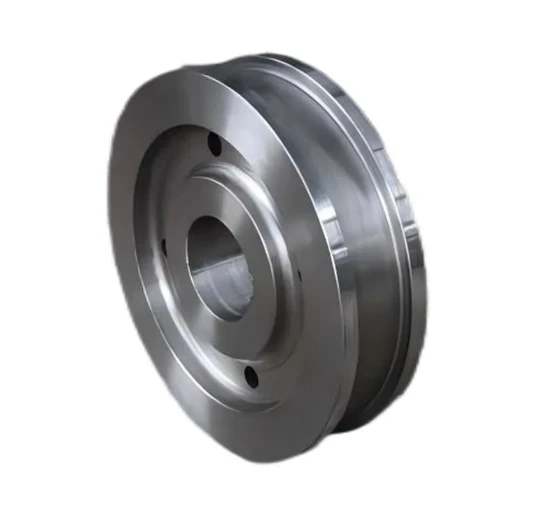
Durable Gantry Crane Wheels For Sale: Maximize Lifting Efficiency
For industries relying on heavy-duty lifting and material handling, selecting the right gantry crane wheels for sale is vital.
>
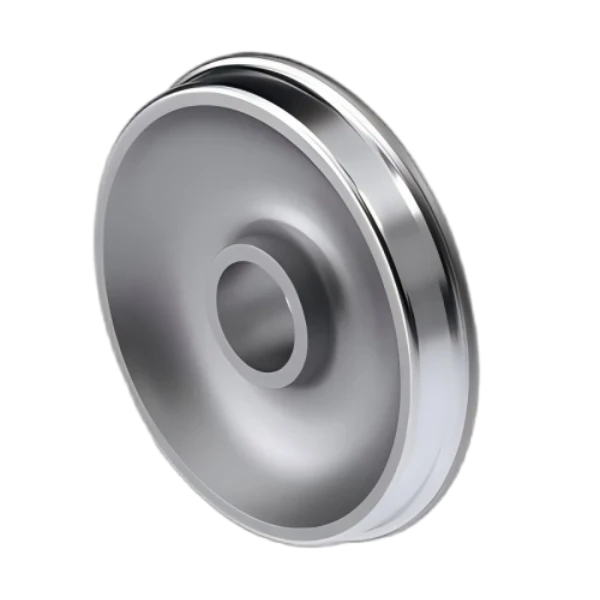
Reliable Tandem Drive Axles for Heavy-Duty Industrial Vehicles
Tandem Drive Axles: What I’ve Learned After Years in the Industrial Equipment Sector Ha
>
Reliable Semi Trailer Axles for Heavy-Duty Trailers | Expert Insight
Understanding semi trailer axles: The Backbone of Heavy Hauling Having spent more than a deca
>
RC Portal Axles: Industrial Strength and Custom Performance
RC Portal Axles: A Veteran’s Take on Industrial-Grade Performance Having spent over a d
>
Engineered for Excellence
Our forged solutions deliver reliability and performance, powering demanding industries to keep operations running smoothly.

Sign up
for Newsletter
Subscribe to the weekly newsletter for all the latest updates