- Tel: +86 311 82620404
- Cell: 86 -13739710551
- Email: sales@potentia.cn

Durable Minecart Wheels for Mining & Industry | Materials & Innovations
Understanding Minecart Wheels: Small Components, Big Impact
It might seem quaint to talk about minecart wheels in the 21st century — after all, who really thinks about tiny wheels rolling inside mining shafts or industrial plants? But, oddly enough, these components are quietly critical for everything from mining efficiency to humanitarian logistics. Globally, the mining industry alone supports roughly 70 million jobs and produces trillions in mineral wealth — and without reliable, efficient wheels on minecarts and conveyors, the whole chain can grind to a frustrating halt.
Whether shipping heavy ore or aiding disaster relief with mobile transport, understanding minecart wheels means getting the basics right: durability, adaptability, and safety. Let’s unravel why these rugged little wheels still matter today, across industries and continents.
Mining, Manufacturing & More: Why Minecart Wheels Matter Globally
The mining sector alone contributes around 10% of global GDP in mineral-rich countries, and transportation — especially underground — is a clear bottleneck. According to the United Nations Sustainable Development Goals, sustainable industrialization and infrastructure development hinge on efficient resource movement. Here’s where minecart wheels come into play, moving tons of goods through narrow tunnels and rugged terrains daily.
But it’s not just deep below the surface. From remote construction sites in the Arctic Circle to sprawling warehouses in Southeast Asia, minecart wheels find new roles on conveyor carts, automated guided vehicles, and material handling lines. The challenge? Wheels that can survive heavy wear, resist corrosion, and maintain smooth operation in places where repairing a flat tire is a major headache.
As the world pushes toward greener, smarter industries, the humble minecart wheel might seem like an afterthought. Still, their optimization means fewer delays, lower environmental footprints, and better worker safety.
What Are Minecart Wheels Anyway?
At its heart, a minecart wheel is a specialized wheel designed to run on rails or tracks used primarily for transporting materials within mines, factories, or warehouses. Traditionally made from cast iron or steel, these wheels must bear heavy loads, cope with irregular surfaces, and maintain traction under extreme conditions.
Today’s minecart wheels have evolved, combining traditional metal strength with modern manufacturing techniques — often incorporating polyurethane coatings or advanced alloys. This mild innovation addresses industry demands for quieter operation, reduced vibration, and longer lifespans.
Interestingly, their engineering underpins more than mining alone. Smooth-running, durable wheels are pivotal in humanitarian logistics, such as moving supplies in post-disaster zones where conventional vehicles struggle.
Core Components and Key Factors in Minecart Wheel Design
1. Durability and Load Capacity
Minecart wheels have to sustain enormous pressure. Depending on the load—which can be dozens of tons—wheels are designed to resist deformation, fatigue, and wear. Heavy-duty steel or ductile iron cores paired with hardened rims are common choices.
2. Resistance to Corrosion and Harsh Environments
Underground mines are damp, often acidic, and filled with gritty dust. Hence, wheels with corrosion-resistant coatings or those made from stainless alloys extend maintenance cycles and keep operations smooth.
3. Traction and Rolling Efficiency
Friction is a double-edged sword here. Too little, and the carts slip; too much, and energy consumption spikes. Designers sometimes use tread patterns or specialized polyurethane surfaces to balance grip against efficiency.
4. Noise and Vibration Dampening
Especially in automated warehouses or disaster relief staging zones, reducing noise pollution and vibration prolongs system life and improves operator comfort.
5. Scalability and Customization
Every operation’s needs differ. Custom wheel diameters, bore sizes, or mounting designs are a must for integration into unique track layouts or vehicle builds.
6. Cost Efficiency and Maintenance
Since wheels wear out, having affordable replacements and extending service life through smart materials and design keeps budgets intact.
Minecart Wheels in Action: Real-World Applications
- Mining Operations: Deep shaft mining in South Africa, Chile, and Australia uses custom wheels running on narrow-gauge tracks to shuttle ore quickly to processing stations.
- Warehouse & Distribution: Automated guided vehicles (AGVs) with robust minecart wheel tech ferry goods around factories in Germany and Japan.
- Post-Disaster Relief: NGOs deploy mobile track carts in earthquake-ravaged zones—where roads are blocked—to quickly move equipment and supplies.
- Industrial Sites: Steel mills or material recycling plants rely on these wheels to handle heavy scrap and semi-finished products across complex layouts.
- Urban Construction: Temporary rail systems for tunnel boring machines (TBMs) use heavy-duty wheels engineered for tight curves and heavy loads.
For mining and industrial solutions, exploring options like minecart wheels online can unlock tailored components suited for niche tasks.
Mini takeaway:
Minecart wheels may be small, but they’re everywhere—from subterranean mines to rooftop warehouses. Their design reflects a balance between toughness and smooth operation, which industries worldwide depend on daily.
Advantages & Long-Term Value of Quality Minecart Wheels
When properly specified, minecart wheels offer multiple benefits:
- Cost Reduction: Fewer replacements and maintenance needs reduce downtime and labor costs.
- Sustainability: Durable wheels mean less waste. Many manufacturers now offer recyclable materials or eco-friendly coatings.
- Safety & Reliability: Smooth transport lessens accident risk, protecting workers and equipment.
- Innovation & Trust: Suppliers who combine traditional craftsmanship with R&D help industries modernize without breaking the bank.
- Social Impact: Especially in disaster zones, these wheels enable fast support delivery, preserving dignity and lives.
In real terms, it feels like investing in smart minecart wheels is investing in the future-proof backbone of an operation—efficient, reliable, and silently performing.
Keeping Pace: Future Trends & Innovations
What’s next for the must-have mining component?
- Advanced Materials: Lightweight composites and ceramic coatings may soon reduce wear and noise even more.
- Smart Wheels: Sensors embedded in wheels will monitor load, temperature, and wear in real time, feeding into predictive maintenance AI.
- Green Manufacturing: Using recycled steel and solvent-free coatings aligns with global pushes for circular economy practices.
- Automation Compatibility: Wheels tailored for AGVs and autonomous trucks will become increasingly standardized.
- Global Standards: ISO is working on tighter specifications for rail transport components, raising quality across manufacturers.
Mini takeaway:
Minecart wheels aren’t standing still; technological leaps in materials and digital monitoring will redefine how maintenance and efficiency are handled in the near future.
Common Challenges and Expert Solutions
Challenges often crop up along the way:
- Wear and Tear: High load wheels may degrade quicker than expected—solution: proactive inspections using ultrasonic testing.
- Custom Compatibility: Some carts have unusual bore sizes. Vendors offering bespoke machining are critical here.
- Corrosion Risk: In wet or chemical-rich environments, corrosion weakens wheels—using zinc plating or polyurethane finishes helps.
- Cost vs Quality: Cheaper wheels sometimes lead to costly replacements. Choosing trusted suppliers balances price and performance.
Engineers I spoke with recently emphasized collaboration with experienced manufacturers to tailor wheels specifically to the environment—this approach saves headaches down the line.
Product Specification Table
| Specification | Typical Value | Notes |
|---|---|---|
| Wheel Diameter | 150-400 mm | Varies by load & rail gauge |
| Material | Cast Steel / Polyurethane Coated | Balancing durability & noise |
| Load Capacity | Up to 5,000 kg per wheel | Depends on wheel size & material |
| Operating Temp. | -20°C to +80°C | Standard industrial environments |
| Coating Options | Polyurethane, Zinc Plating | For corrosion & noise reduction |
Vendor Comparison: Popular Suppliers of Minecart Wheels
| Supplier | Product Range | Special Features | Lead Time | Pricing |
|---|---|---|---|---|
| Alpha Wheels Inc. | Standard & Custom Steel Wheels | Polyurethane coatings, in-house machining | 2-4 weeks | Mid-range |
| Beta Rail Products | Heavy-duty cast iron & specialty wheels | Corrosion-resistant alloys, quick ship options | 1-3 weeks | Premium |
| Gamma Components | Budget-friendly polyurethane wheels | Emphasis on noise reduction & light load capacity | 3-5 weeks | Low cost |
FAQ: Your Minecart Wheels Questions Answered
Q1. How do I choose the right minecart wheels for heavy loads?
Look for wheels made from hardened steel or ductile iron, with a load capacity exceeding your maximum expected weight. Also consider diameter and wheel profile, as larger wheels handle rough rails better. Manufacturers often provide specifications—you’ll want a safety margin of around 20% above your peak load to avoid premature wear.
Q2. Can polyurethane-coated minecart wheels be used in wet environments?
Yes, polyurethane coatings resist water and chemicals much better than plain steel, reducing corrosion and noise. However, verify the chemical compatibility with your specific environment, as some industrial fluids may degrade even polyurethane over time.
Q3. What maintenance do minecart wheels typically require?
Regular inspections for cracks, flat spots, or corrosion are key. Lubricate bearings if applicable, and keep tracks clean to avoid wheel damage. Advanced wheels might include sensor tech to alert operators before failure.
Q4. Are custom wheel sizes expensive compared to standard ones?
Custom wheels generally cost more due to bespoke tooling and smaller production runs. But, they ensure better fit and longevity, often reducing total cost of ownership by preventing system failures.
Q5. How long do minecart wheels usually last?
Under normal industrial use, well-maintained wheels last between 3 to 7 years, depending on load, material, and environmental exposure. Harsh conditions may reduce this span, while regular maintenance extends it.
Final Thoughts: Why Investing in Quality Minecart Wheels Pays Off
Reliability, safety, and efficiency—the trinity that any mining or industrial operation chases—are impossible without solid foundational components. Minecart wheels may seem modest, but as you’ve seen, their design matters deeply and their impact spreads far. From raw ore to humanitarian aid, quality wheels keep the wheels turning, literally and figuratively.
If you’re curious about sourcing or need tailored advice, I highly recommend visiting our resource hub to explore options and expert guidance.
Sometimes, putting care into even the smallest parts makes the biggest difference down the road. It’s not glamorous, but it’s essential.
References
-
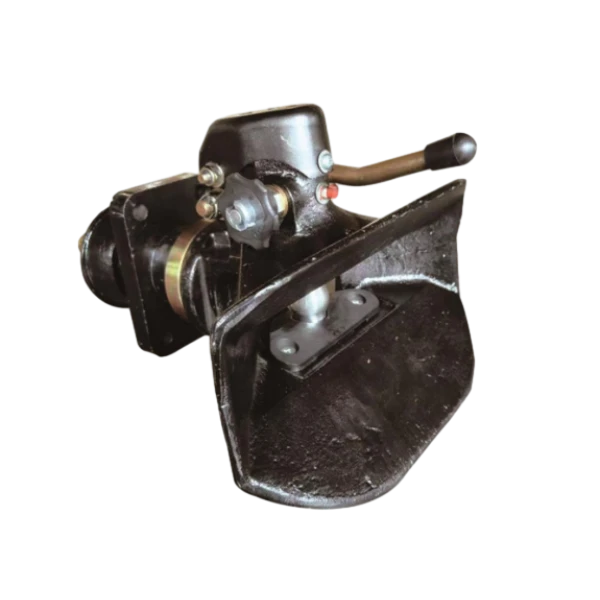 Trailer Coupling
The trailer coupling is a critical component in vehicle towing systems, designed to ensure a secure and efficient connection between a towing vehicle and a trailer. These couplings are manufactured using high-strength carbon steel, alloy steel, or stainless steel, ensuring durability and resistance to heavy loads and harsh environments.
-
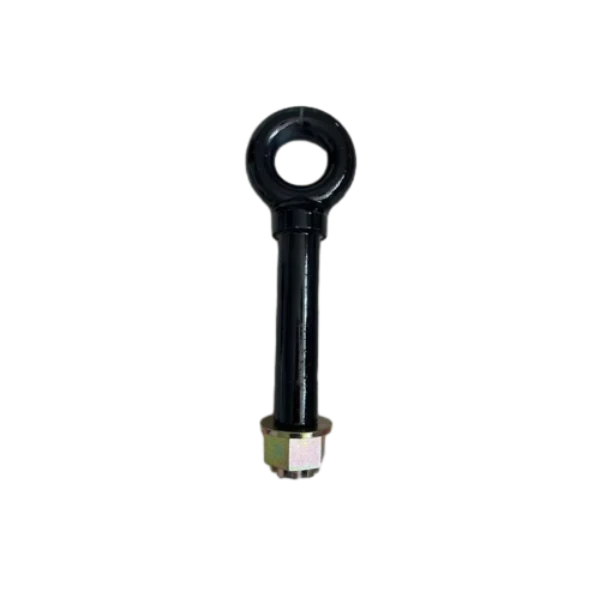
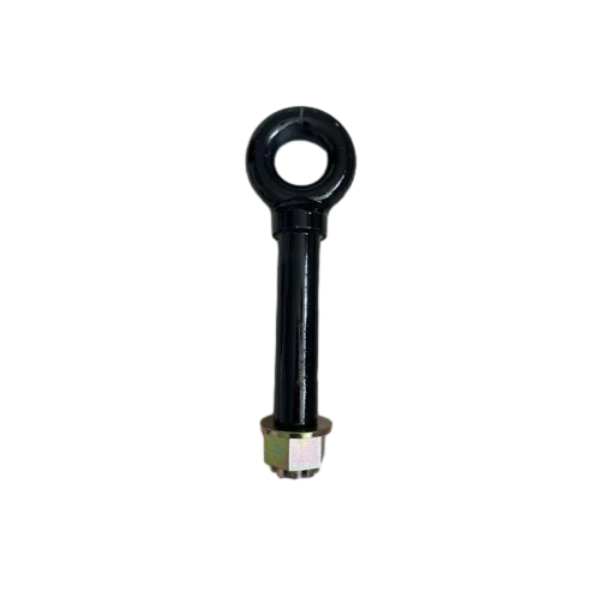 Drawbar Eyes
Drawbar eyes are essential components in towing and hauling applications, providing a strong and secure attachment point between the trailer and the towing vehicle. They are designed to endure extreme pulling forces, making them suitable for heavy-duty applications.
-
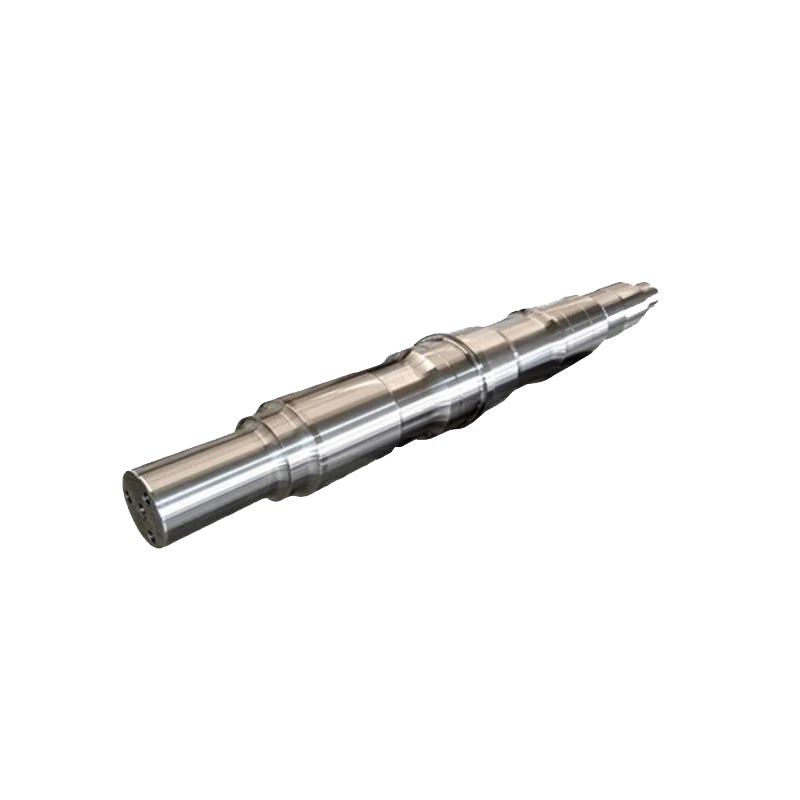
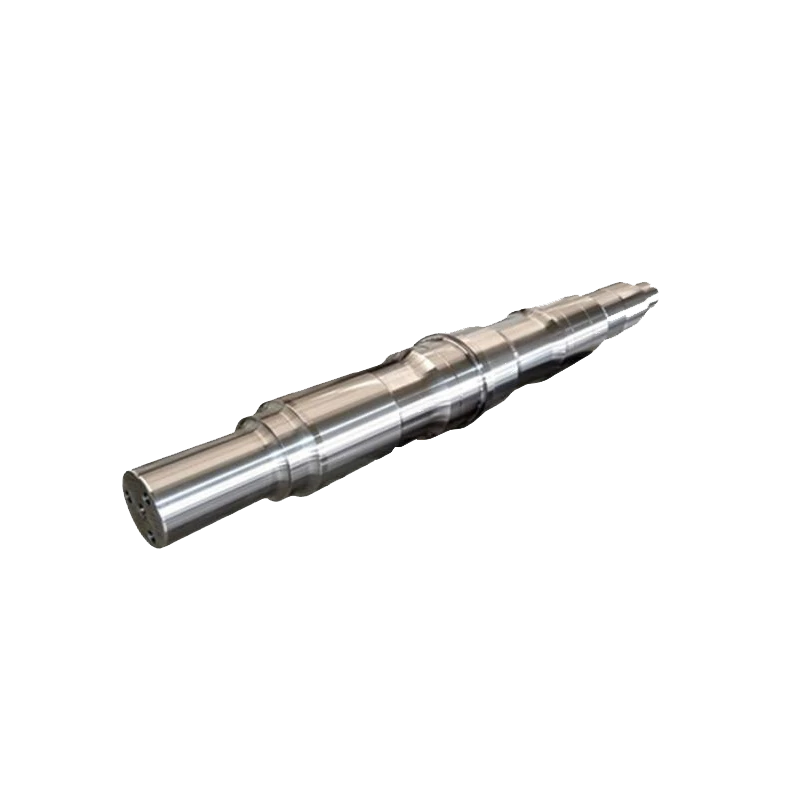 Axles
AxlesAxles are essential for vehicle load-bearing and power transmission, ensuring smooth movement and weight distribution. They must withstand high stress, torque, and impact, making material selection and precise manufacturing crucial.
-
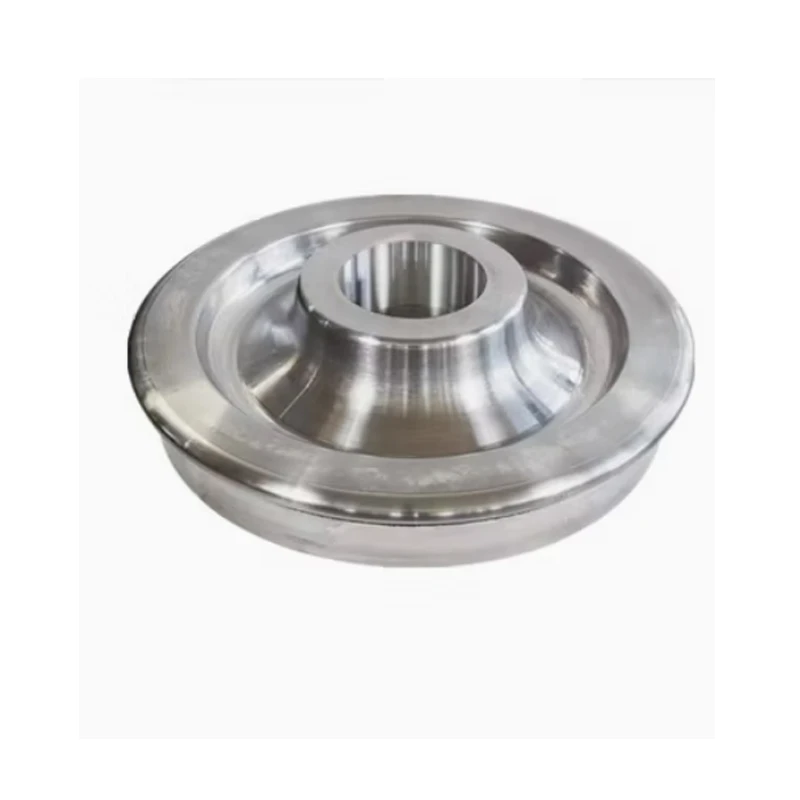 Profile S1002 Series Rail Wheels
The S1002 series rail wheels are designed for Rail-Road Vehicles (RRVs) that require seamless operation on both roads and railway tracks. Engineered with high precision and durability, these wheels conform to S1002 tread profiles, ensuring compatibility with standard railway systems.
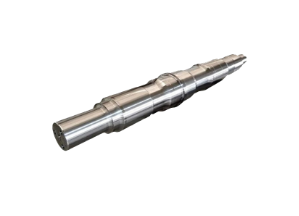
A Comprehensive Guide to Axles Types for Industry Decision Makers | Manufacturing Base
Axles Types is a key solution in the industry, specifically within heavy machinery and transportation sectors. This article explores how https://www.manufacturing-base.com supports professionals with durable, high-performance products
>
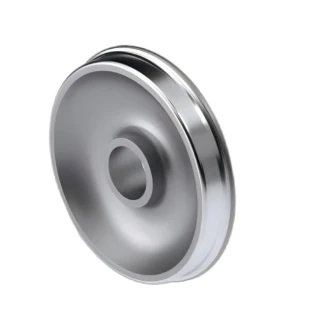
Reliable Rail Wheels: Optimize Your Rail Transport Solutions
For industries that rely on rail-based vehicles, choosing the right rail wheels is essential for smooth operations and safety.
>
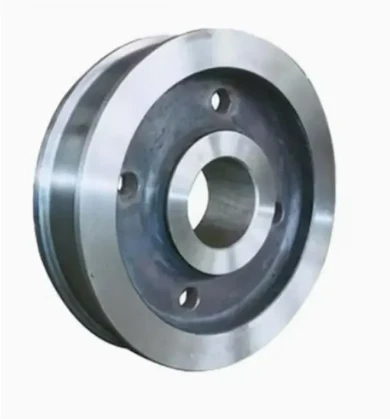
Premium Overhead Crane Wheels For Sale: Enhance Industrial Lifting Efficiency
In modern industrial operations, high-quality overhead crane wheels for sale are essential for safe, reliable, and efficient lifting.
>
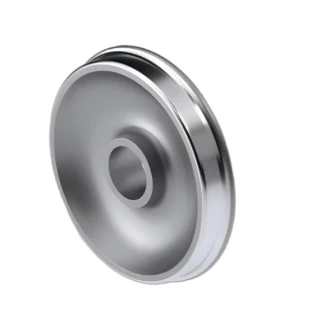
Premium Hi Rail Wheels For Sale: Boost Rail Vehicle Performance
In the modern industrial and railway sectors, having reliable hi rail wheels for sale is essential for operational efficiency and safety.
>
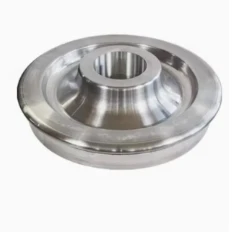
High-Quality Hi Rail Wheels For Sale: Enhance Your Rail Equipment Efficiency
When it comes to reliable rail maintenance and industrial operations, investing in hi rail wheels for sale is crucial.
>
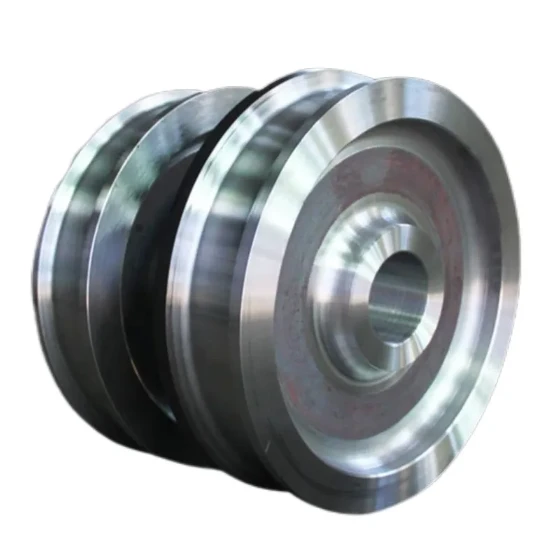
High-Quality Crane Wheels For Sale: Enhance Your Crane Operations
For industries relying on heavy lifting and material handling, investing in high-quality crane wheels for sale is crucial.
>
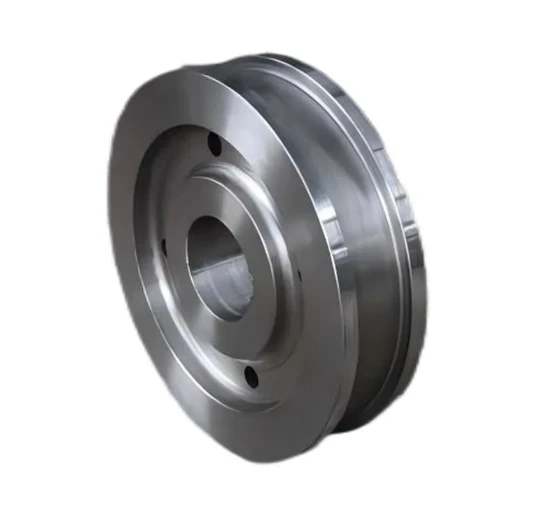
Durable Gantry Crane Wheels For Sale: Maximize Lifting Efficiency
For industries relying on heavy-duty lifting and material handling, selecting the right gantry crane wheels for sale is vital.
>
Reliable Tandem Drive Axles for Heavy-Duty Industrial Vehicles
Tandem Drive Axles: What I’ve Learned After Years in the Industrial Equipment Sector Ha
>
Reliable Semi Trailer Axles for Heavy-Duty Trailers | Expert Insight
Understanding semi trailer axles: The Backbone of Heavy Hauling Having spent more than a deca
>
RC Portal Axles: Industrial Strength and Custom Performance
RC Portal Axles: A Veteran’s Take on Industrial-Grade Performance Having spent over a d
>
Engineered for Excellence
Our forged solutions deliver reliability and performance, powering demanding industries to keep operations running smoothly.

Sign up
for Newsletter
Subscribe to the weekly newsletter for all the latest updates