- Tel: +86 311 82620404
- Cell: 86 -13739710551
- Email: sales@potentia.cn

Durable Mine Cart Wheels for Efficient and Safe Mining Operations in 2024
Understanding Mine Cart Wheels and Their Global Importance
You might not realize it, but mine cart wheels have quietly sustained some of the most critical operations in mining, construction, and even humanitarian efforts worldwide. These wheels — seemingly simple — carry the enormous load of raw materials, waste, and equipment across demand-heavy sites, often in challenging conditions. Understanding how they work, why they matter, and what innovations are shaping their future helps industries reduce costs and improve safety. Plus, in remote or disaster-stricken regions where mechanized transport options are limited, mine carts fitted with durable wheels become indispensable for mobility and logistics.
The Global Context: Why Mine Cart Wheels Still Matter in 2024
Mining remains a cornerstone industry on a global scale – contributing roughly 15% of the world’s industrial activity according to reports by the ISO. Yet, despite advances in automated vehicles and conveyor belts, mine carts equipped with specialized wheels are essential in many operations, especially underground or in small-scale mining sectors. For instance, the mine cart wheels used in remote mining outposts in Africa or South America often face extreme conditions, from rocky terrains to sudden weather changes, making their reliability and design crucial. Without robust wheels, a mine cart’s efficiency drops drastically — which means major bottlenecks for production and safety hazards for workers.
As the world moves towards more sustainable extraction and logistical solutions, the demand for mine cart wheels that are durable, cost-effective, and adaptable continues to rise. Oddly enough, this little component links global supply chains from start to finish.
What Exactly Are Mine Cart Wheels?
At its core, a mine cart wheel is a heavy-duty wheel designed specifically for mining carts. These wheels support the transportation of heavy loads, typically ore or minerals, along narrow gauge rails or rugged surfaces inside mines or industrial settings. Unlike regular wheels, mine cart wheels are built from tough materials (usually steel or steel alloys), optimized for load-bearing, resistance to abrasion, and stability on uneven tracks. They’re the unsung heroes of underground and surface material movement — quietly enduring grinding friction and jolts.
Modern industrial operations still rely on these wheels, whether on rail systems or tracked corridors, proving their enduring relevance despite the rise of conveyor belts or autonomous transport. They’re more than just wheels; they form the backbone of material logistics in many crucial sectors.
Core Aspects of Mine Cart Wheels
Durability and Wear Resistance
One of the primary features defining quality mine cart wheels is their ability to withstand wear and tear from abrasive materials and harsh environments. Engineers typically use hardened steel or cast alloys treated to minimize wear. This lifespan extension means fewer replacements and less downtime.
Load-Bearing Capacity
Mine cart wheels come in a range of sizes and designs to handle varying payloads. From small carts carrying a few hundred kilograms to massive industrial ones hauling multiple tons, the wheel’s structural integrity is critical for reliability and safety.
Track Compatibility and Stability
Since most mine carts run on narrow gauge rails, the wheel profile must match track specifications precisely. Stability helps prevent derailments, especially in steep, tight, or uneven mining tracks.
Corrosion and Environmental Resistance
Many mines deal with moisture, chemicals, or extreme temperatures that can corrode or weaken metal components. High-quality wheels often receive surface treatments or coatings to combat this.
Cost Efficiency and Maintenance
While steel wheels are initially more expensive, many professionals agree that their longevity and reliability translate to better lifecycle value. Maintenance and replacement cycles are equally important factors, as stopping operations to fix or switch out wheels is costly.
Mini takeaway: The right mine cart wheel blends toughness with precision engineering to strike the ideal balance of durability, capacity, and cost efficiency.
Global Applications: Where and How Mine Cart Wheels Are Used Today
In real terms, mine cart wheels are found across continents, from the coal mines of Appalachia and Australian iron ore fields to artisanal gold mining sites in South America and Africa. In countries operating harsh mining environments, like Canada’s Northwest Territories or parts of Russia, wheel design adapts to extreme cold and frozen rails, emphasizing corrosion protection.
Remarkably, these wheels are not limited to mining. They also find purpose in recycling centers, underground construction projects, and even in humanitarian contexts — such as relief operations in disaster zones where rough terrain limits truck access but mine carts fitted with rugged wheels can still move supplies efficiently.
For example, in remote industrial zones in Southeast Asia, mine carts navigated by local operators still transport timber, minerals, and cargo over terrain too steep or narrow for conventional vehicles.
Advantages and Long-Term Value of Quality Mine Cart Wheels
- Cost Savings: Durable wheels reduce replacement frequency, improving operational budgets.
- Environmental Impact: Longer-lasting wheels mean fewer materials consumed and less waste.
- Safety Enhanced: Stability and precision reduce derailments and accidents.
- Operational Reliability: Consistent performance under tough conditions supports steady production.
- Social Impact: Supporting mining economies in developing regions fosters community growth and jobs.
There’s a certain peace of mind in equipping your mine cart with wheels proven to last, giving teams confidence when daily work moves mountains — literally.
Specifications Table: Typical Mine Cart Wheel Features
| Feature | Detail |
|---|---|
| Material | Hardened Steel Alloy (AISI 1045 - 4140) |
| Diameter Options | 250mm - 600mm |
| Load Capacity | Up to 2 tons per wheel |
| Coating | Epoxy / Anti-Corrosion Zinc Plating |
| Track Compatibility | Narrow gauge rails (600mm - 900mm) |
| Warranty | 12–24 months depending on usage |
Vendor Comparison: Choosing the Right Supplier for Mine Cart Wheels
| Supplier | Material Quality | Customization Options | Lead Time | Price Range |
|---|---|---|---|---|
| SteelWheels Inc. | Premium heat-treated steels | Diameter and coatings | 4-6 weeks | $$$ |
| Global Mine Parts | Standard industrial steel | Basic sizes only | 2-3 weeks | $$ |
| RailGear Solutions | Alloy metals with coatings | Custom wheels & track fitting | 6-8 weeks | $$$$ |
What’s Next? Future Trends in Mine Cart Wheel Technology
Emerging innovations are making mine cart wheels smarter (yes, smart wheels!). Digital sensor integration for real-time wear monitoring is becoming a reality, helping operators predict maintenance before failure. Meanwhile, researchers are experimenting with ultra-lightweight alloys and composites to reduce wheel weight without compromising strength. This shift can reduce energy consumption and wear on rails.
On the sustainability front, eco-friendly manufacturing processes and recyclable materials are gaining traction — especially as mining operations aim for greener footprints. It’s a subtle revolution, but the wheels are turning.
Challenges and Ingenious Solutions
Of course, all is not smooth rails. Common issues include premature wear in corrosive environments, misalignment causing derailments, and cost pressures limiting material upgrades. But many engineers swear by tighter quality controls, improved lubrication systems, and modular wheel designs to minimize downtime and enhance service life.
FAQ: Your Top Questions About Mine Cart Wheels
- What materials are best for mine cart wheels to withstand heavy loads?
- Hardened steel alloys, such as AISI 4140, are favored for their durability and ability to bear heavy loads in harsh mining environments. Surface treatments further enhance resistance to corrosion and wear.
- How often should mine cart wheels be inspected or replaced?
- Inspection intervals vary by usage intensity but generally range from every 500 to 1000 operational hours. Replacement depends on measurable wear, cracks, or deformation, typically every 1-2 years in heavy-duty scenarios.
- Can mine cart wheels be customized for different track sizes?
- Absolutely. Many manufacturers offer customization for diameter, tread profile, and material to fit specific track gauges and load requirements, ensuring optimal performance and safety.
- Are mine cart wheels compatible with automated mining systems?
- Yes, modern mine cart wheels often integrate with automated guided vehicle (AGV) systems, benefiting from enhanced precision and remote monitoring.
- What’s the environmental impact of producing mine cart wheels?
- While steel production consumes energy and resources, longer lifespan wheels help reduce overall environmental footprint by minimizing replacements. Advances in manufacturing seek to further lessen impacts through recyclable materials and cleaner processes.
Wrapping It Up – Why Invest in Quality Mine Cart Wheels?
After all the facts, it feels clear: robust, well-designed mine cart wheels aren’t just mechanical parts; they’re keystones in efficient, safe mining and logistics operations worldwide. Their design, reliability, and adaptability impact production costs, worker safety, and even community livelihoods across continents.
If you’re keen on upgrading your fleet or just starting to explore mine cart wheels, it pays to choose quality, consider future-ready features, and partner with vendors that understand these demands.
Explore more, learn deeper, and keep your carts rolling smoothly!
References:
1. ISO Mining Standards, iso.org
2. World Mining Data 2023, bgr.bund.de
3. Material Science in Mining Equipment, Wikipedia
-
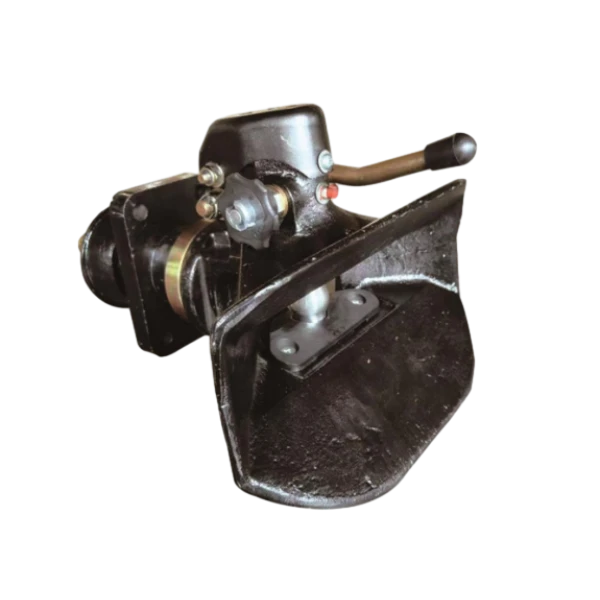 Trailer Coupling
The trailer coupling is a critical component in vehicle towing systems, designed to ensure a secure and efficient connection between a towing vehicle and a trailer. These couplings are manufactured using high-strength carbon steel, alloy steel, or stainless steel, ensuring durability and resistance to heavy loads and harsh environments.
-
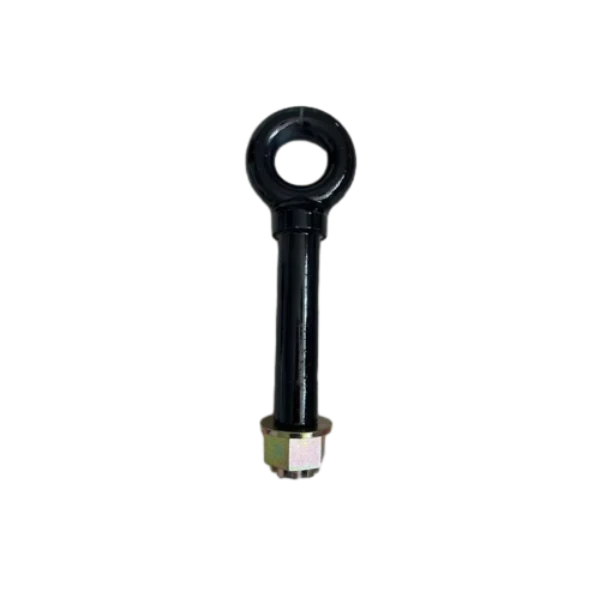
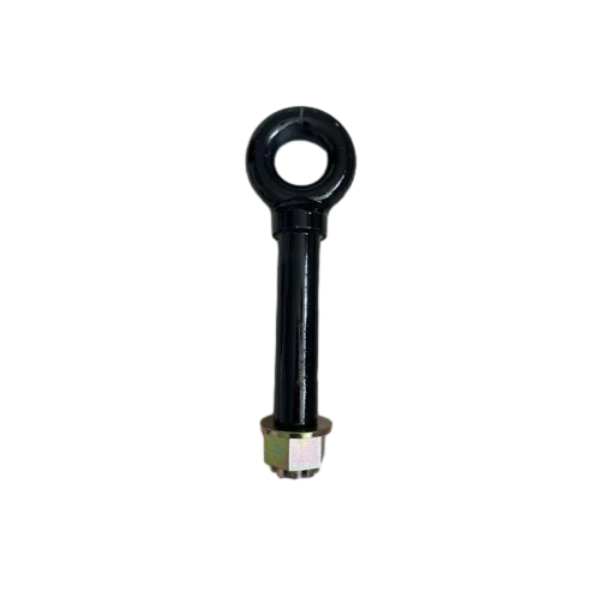 Drawbar Eyes
Drawbar eyes are essential components in towing and hauling applications, providing a strong and secure attachment point between the trailer and the towing vehicle. They are designed to endure extreme pulling forces, making them suitable for heavy-duty applications.
-
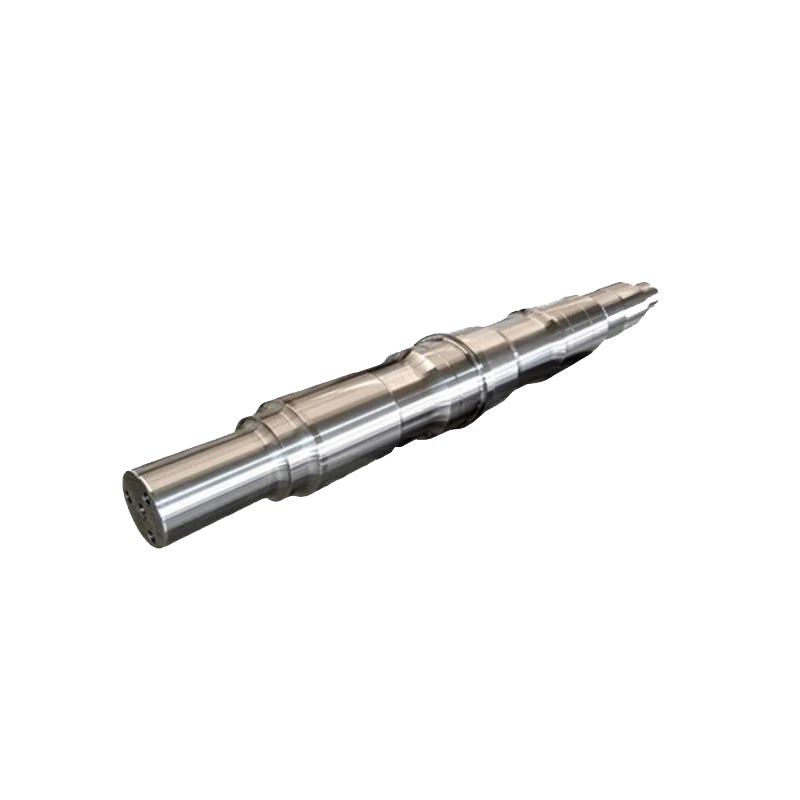
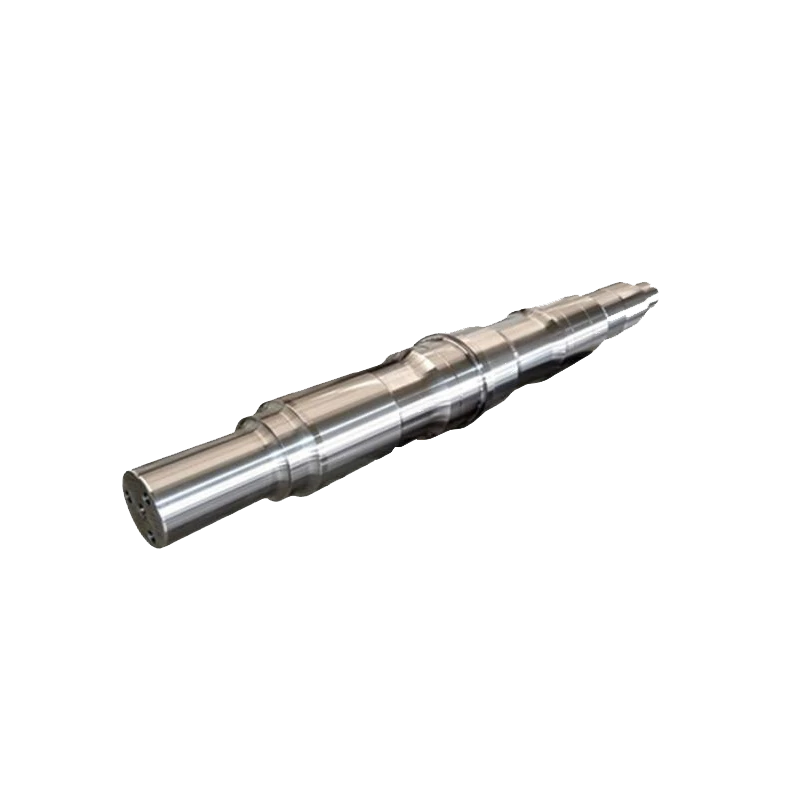 Axles
AxlesAxles are essential for vehicle load-bearing and power transmission, ensuring smooth movement and weight distribution. They must withstand high stress, torque, and impact, making material selection and precise manufacturing crucial.
-
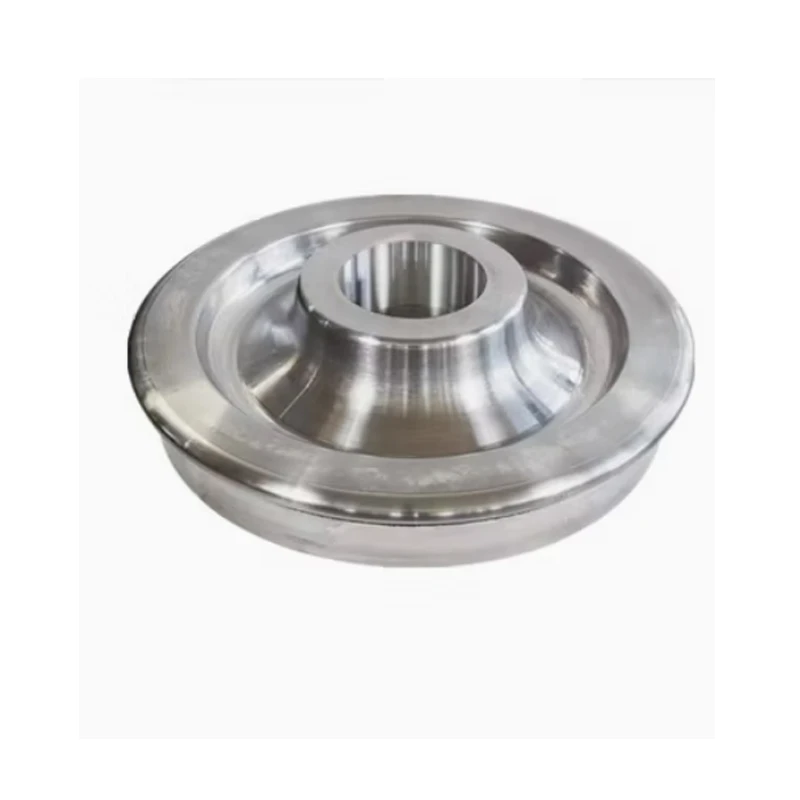 Profile S1002 Series Rail Wheels
The S1002 series rail wheels are designed for Rail-Road Vehicles (RRVs) that require seamless operation on both roads and railway tracks. Engineered with high precision and durability, these wheels conform to S1002 tread profiles, ensuring compatibility with standard railway systems.
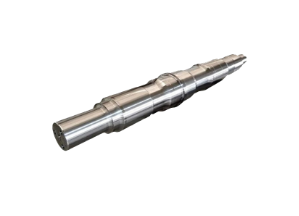
A Comprehensive Guide to Axles Types for Industry Decision Makers | Manufacturing Base
Axles Types is a key solution in the industry, specifically within heavy machinery and transportation sectors. This article explores how https://www.manufacturing-base.com supports professionals with durable, high-performance products
>
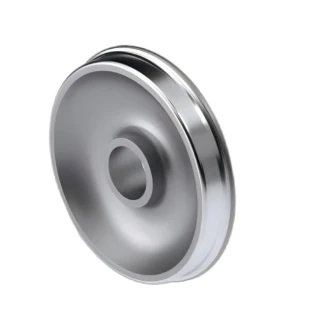
Reliable Rail Wheels: Optimize Your Rail Transport Solutions
For industries that rely on rail-based vehicles, choosing the right rail wheels is essential for smooth operations and safety.
>
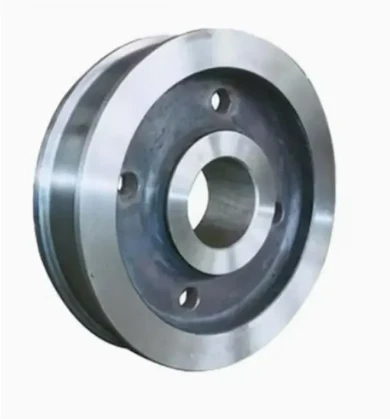
Premium Overhead Crane Wheels For Sale: Enhance Industrial Lifting Efficiency
In modern industrial operations, high-quality overhead crane wheels for sale are essential for safe, reliable, and efficient lifting.
>
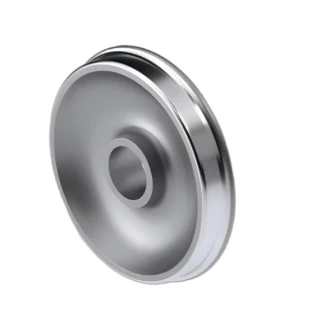
Premium Hi Rail Wheels For Sale: Boost Rail Vehicle Performance
In the modern industrial and railway sectors, having reliable hi rail wheels for sale is essential for operational efficiency and safety.
>
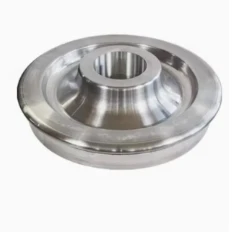
High-Quality Hi Rail Wheels For Sale: Enhance Your Rail Equipment Efficiency
When it comes to reliable rail maintenance and industrial operations, investing in hi rail wheels for sale is crucial.
>
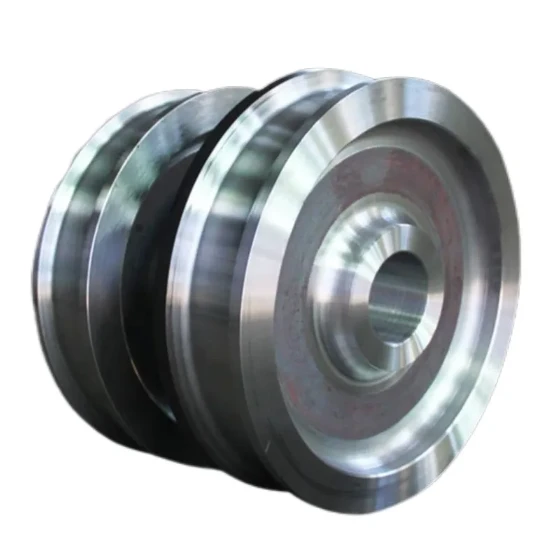
High-Quality Crane Wheels For Sale: Enhance Your Crane Operations
For industries relying on heavy lifting and material handling, investing in high-quality crane wheels for sale is crucial.
>
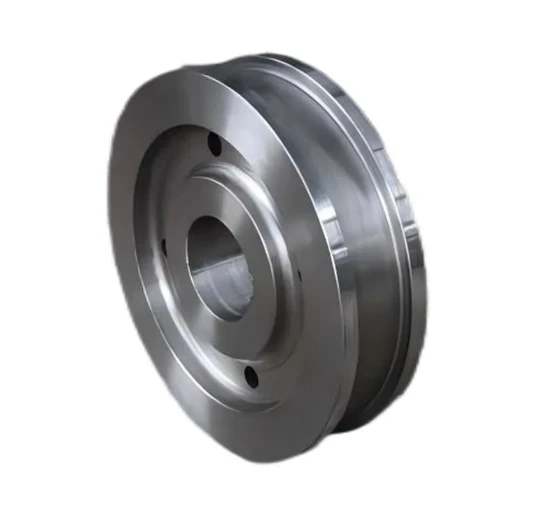
Durable Gantry Crane Wheels For Sale: Maximize Lifting Efficiency
For industries relying on heavy-duty lifting and material handling, selecting the right gantry crane wheels for sale is vital.
>
Reliable Tandem Drive Axles for Heavy-Duty Industrial Vehicles
Tandem Drive Axles: What I’ve Learned After Years in the Industrial Equipment Sector Ha
>
Reliable Semi Trailer Axles for Heavy-Duty Trailers | Expert Insight
Understanding semi trailer axles: The Backbone of Heavy Hauling Having spent more than a deca
>
RC Portal Axles: Industrial Strength and Custom Performance
RC Portal Axles: A Veteran’s Take on Industrial-Grade Performance Having spent over a d
>
Engineered for Excellence
Our forged solutions deliver reliability and performance, powering demanding industries to keep operations running smoothly.

Sign up
for Newsletter
Subscribe to the weekly newsletter for all the latest updates