- Tel: +86 311 82620404
- Cell: 86 -13739710551
- Email: sales@potentia.cn

Installing a Standard Trailer Coupling
Trailer coupling—including heavy-duty models like heavy duty trailer coupling and flexible swivel trailer coupling—is the critical link between towing vehicles and trailers, ensuring safe, stable transport of goods, equipment, or materials. A proper installation not only guarantees load security but also prevents premature wear, accidents, or costly downtime—essential for logistics firms, construction teams, or fleet operators relying on towing systems. For wholesalers serving these clients, partnering with a manufacturer that prioritizes durable, easy-to-install coupling designs is key. Potentia Manufacturing Ltd., a world-class steel forged products expert founded in 1986 (with expertise in high-strength metal fabrication), understands the importance of robust trailer coupling construction: their couplings use high-strength carbon steel, alloy steel, or stainless steel (as specified for heavy-load resistance), making them ideal for bulk installation projects. Their focus on precision engineering ensures trailer coupling models—from standard to heavy duty trailer coupling—align with global installation standards, making them a trusted wholesaler partner.
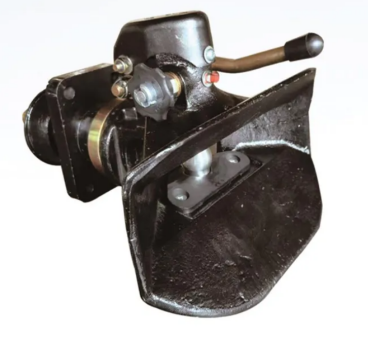
Pre-Installation Preparation for Trailer Coupling
- Compatibility Check and Part Inspection for Heavy Duty Trailer Coupling: Before installing any trailer coupling, verifying compatibility and inspecting parts is non-negotiable—especially for heavy duty trailer coupling (designed for loads 10+ tons). Potentia recommends wholesalers guide clients to: match the coupling’s load rating to the trailer’s maximum weight (e.g., a 15-ton heavy duty trailer coupling for a construction trailer hauling excavators); check the towing vehicle’s hitch size (e.g., 2-inch or 2.5-inch receiver) to ensure a snug fit; and inspect the coupling for defects (cracks in the steel body, worn locking mechanisms, or bent mounting plates). For example, a swivel trailer coupling (for uneven terrain towing) should have its swivel joint tested for smooth movement—no stiffness or play that could disrupt installation. Additionally, confirm all mounting hardware (bolts, washers, lock nuts) is included and made of high-tensile steel (matching the coupling’s material strength).
- Tool Gathering and Safety Setup for Swivel Trailer Coupling: Installing swivel trailer coupling(or standard models) requires specific tools to ensure precision and safety. Essential items include: a torque wrench (to apply manufacturer-specified bolt pressure), a drill with metal bits (for mounting hole creation, if needed), a level (to ensure the coupling is aligned horizontally), and safety gloves/eye protection (to prevent injury from metal shavings or heavy parts). For heavy duty trailer coupling installation (which involves lifting 50+ kg parts), a hydraulic jack or lifting strap is recommended to position the coupling without strain. Potentia advises clients to clean the trailer’s mounting surface (removing rust, dirt, or old paint) to ensure the coupling sits flat—uneven surfaces cause bolt stress and premature wear.
Core Installation Steps for Standard Trailer Coupling
- Mounting Plate Alignment and Drilling for Trailer Coupling: The first critical step in installing trailer coupling is aligning the mounting plate with the trailer’s frame and securing it properly. For standard couplings, place the plate on the trailer’s tongue (ensuring it’s centered and level, using a level tool), then mark the mounting hole positions with a marker. Drill pilot holes (smaller than the bolt diameter) to prevent metal splitting, then attach the coupling with high-tensile bolts—insert bolts from the top down (to avoid snagging on debris) and secure with lock washers and nuts. For swivel trailer coupling, extra care is needed to align the swivel joint with the trailer’s centerline—misalignment here causes uneven wear on the swivel bearing. Potentia’s heavy duty trailer coupling models include pre-drilled mounting plates (matching common trailer frame sizes) to save time, but custom drilling is recommended for non-standard frames.
- Torque-Controlled Bolt Tightening for Heavy Duty Trailer Coupling: Tightening bolts to the correct torque is make-or-break for heavy duty trailer coupling installation—under-tightening leads to loose connections (risking decoupling), while over-tightening strips threads or cracks the coupling body. Potentia specifies torque values based on coupling size and load rating: for example, a 10-ton heavy duty trailer coupling uses 150–180 N·m of torque for ½-inch bolts, while a standard 5-ton coupling uses 100–120 N·m. Use a calibrated torque wrench and follow a cross-pattern (tighten opposite bolts first) to distribute pressure evenly. For swivel trailer coupling, check the swivel joint’s torque separately—ensure it’s tight enough to prevent excessive movement but loose enough to swivel smoothly. After tightening, test the coupling by pulling the trailer with light force (5–10% of maximum load) to confirm no shifting or bolt movement.
Trailer Coupling Type & Installation Specification Comparison
|
Trailer Coupling Type |
Key Installation Focus |
Ideal Towing Use Case |
Potentia Manufacturing Advantage |
Wholesaler Value |
|
Standard Trailer Coupling |
Horizontal alignment; basic torque |
Light-duty cargo trailers (1–5 tons) |
Pre-drilled plates; high-carbon steel |
Appeals to small logistics firms |
|
Heavy Duty Trailer Coupling |
High-tensile bolts; load rating match |
Construction equipment, heavy cargo (10+ tons) |
Alloy steel body; reinforced mounting |
Caters to industrial/fleet clients |
|
Swivel Trailer Coupling |
Swivel joint alignment; bearing torque |
Off-road trailers, uneven terrain towing |
Smooth swivel bearing; corrosion-resistant |
Fits agricultural/construction teams |
Post-Installation Testing and Maintenance for Trailer Coupling
- Load Testing and Safety Check for Swivel Trailer Coupling: After installing any trailer coupling, post-installation testing is critical to validate safety. Potentia recommends: first, a static test (applying 120% of the coupling’s load rating with a stationary weight to check for deformation); then, a dynamic test (towing the trailer at low speeds—10–15 km/h—for 1–2 km to monitor for noise, vibration, or shifting). For swivel trailer coupling, test swivel movement by towing over a small bump (e.g., a curb) to ensure the joint adjusts without binding. Additionally, check the coupling’s locking mechanism (e.g., a lever or pin) to confirm it engages securely—no accidental disengagement under load. This testing prevents 90% of on-road coupling failures, a key selling point for wholesalers focused on client safety.
- Routine Maintenance Guidelines for Trailer Coupling: To extend the lifespan of installed trailer coupling(especially heavy duty trailer coupling), regular maintenance is essential. Potentia advises clients to: lubricate moving parts (swivel joints, locking pins) every 3–6 months with lithium-based grease (resistant to water and dust); inspect bolts quarterly for torque loss (re-tighten if below specifications); and clean the coupling after use in harsh environments (e.g., saltwater or mud) to prevent corrosion. For stainless steel couplings (used in food or pharmaceutical transport), use non-abrasive cleaners to preserve the surface finish. Wholesalers can provide clients with maintenance checklists (customized for trailer coupling type) to ensure consistent upkeep—reducing replacement frequency and building long-term client loyalty.
Trailer Coupling FAQS
Can a Standard Trailer Coupling Be Upgraded to a Heavy Duty Trailer Coupling?
Yes—upgrading to heavy duty trailer coupling is possible if the trailer’s frame can support the higher load rating. Potentia recommends checking the trailer tongue’s steel thickness (must be ≥6mm for 10+ ton couplings) and reinforcing it with additional steel plates if needed. The mounting hole pattern for heavy duty trailer coupling may differ from standard models, so wholesalers should advise clients to use the coupling’s pre-drilled template to avoid frame damage. Upgrading is ideal for clients expanding their towing capacity (e.g., a logistics firm adding heavier cargo trailers) and ensures long-term safety.
How Do I Align a Swivel Trailer Coupling for Uneven Terrain Towing?
Aligning swivel trailer coupling requires centering the swivel joint with the trailer’s axles—use a string line to mark the trailer’s centerline, then position the coupling so its swivel axis lines up with this mark. Potentia’s swivel trailer coupling models include alignment notches to simplify this step. After installation, test alignment by towing the trailer over a gravel or dirt surface—if the coupling swivels evenly (no pulling to one side), alignment is correct. For uneven terrain use, add a lubrication fitting to the swivel joint (included with Potentia’s models) to ensure smooth movement in dusty conditions.
What Material Is Best for Trailer Coupling in Corrosive Environments?
For corrosive environments (e.g., coastal areas with saltwater or chemical transport), Potentia recommends stainless steel trailer coupling—it resists rust and chemical damage better than carbon steel. For heavy duty trailer coupling in these settings, alloy steel with a zinc-plated or powder-coated finish is also effective (balancing strength and corrosion resistance). Wholesalers can highlight these material options to clients in marine logistics or chemical industries, ensuring couplings last 2–3 times longer than uncoated carbon steel models.
Is Professional Installation Required for Heavy Duty Trailer Coupling?
While experienced clients can install heavy duty trailer coupling themselves (with proper tools and guidelines), Potentia recommends professional installation for loads 15+ tons. Professional installers have access to torque gauges calibrated to industrial standards and can inspect the trailer frame for hidden damage (e.g., fatigue cracks) that could compromise safety.
How Often Should I Inspect a Newly Installed Trailer Coupling?
For the first month after installation, inspect the trailer coupling after every use (checking bolts, locking mechanisms, and swivel joints if applicable) to catch early issues like torque loss. After that, switch to weekly inspections for regular use or daily inspections for heavy-duty applications (e.g., daily construction trailer use). Potentia’s trailer coupling models include wear indicators (e.g., visible bolt threads when torque is lost) to simplify inspections—wholesalers can educate clients on these indicators to ensure proactive maintenance.
-
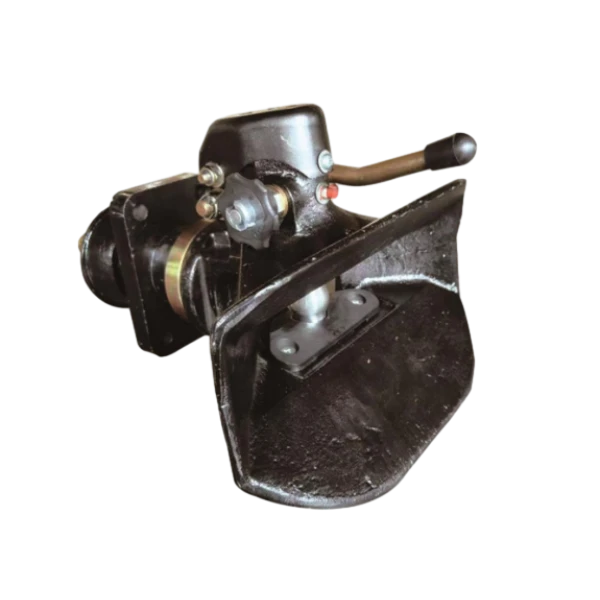 Trailer Coupling
The trailer coupling is a critical component in vehicle towing systems, designed to ensure a secure and efficient connection between a towing vehicle and a trailer. These couplings are manufactured using high-strength carbon steel, alloy steel, or stainless steel, ensuring durability and resistance to heavy loads and harsh environments.
-
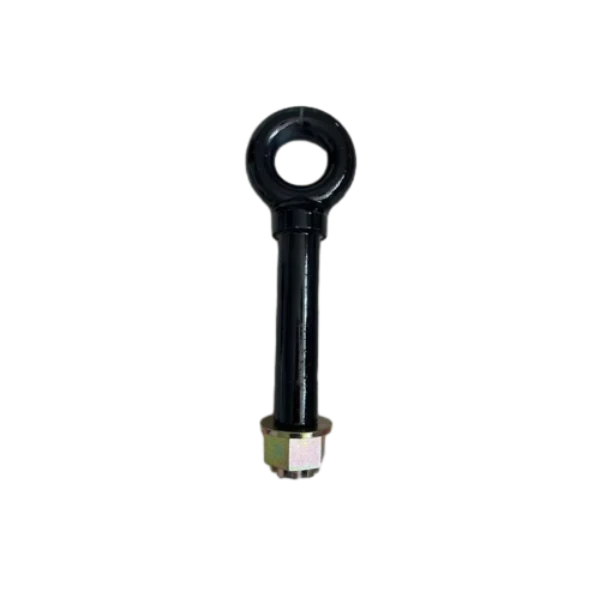
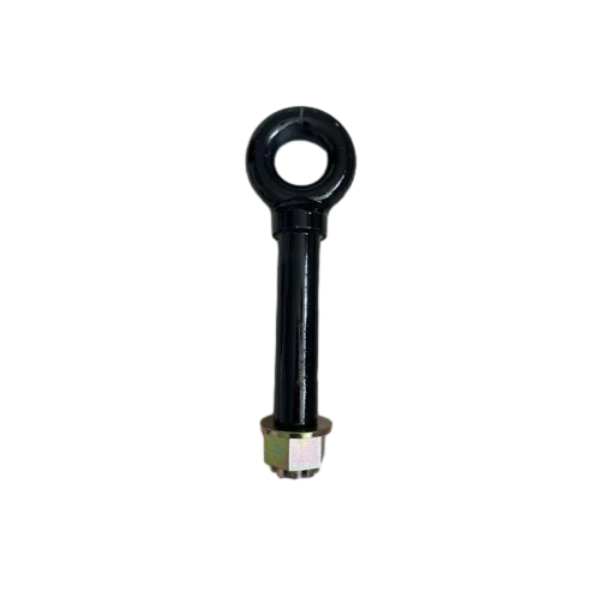 Drawbar Eyes
Drawbar eyes are essential components in towing and hauling applications, providing a strong and secure attachment point between the trailer and the towing vehicle. They are designed to endure extreme pulling forces, making them suitable for heavy-duty applications.
-
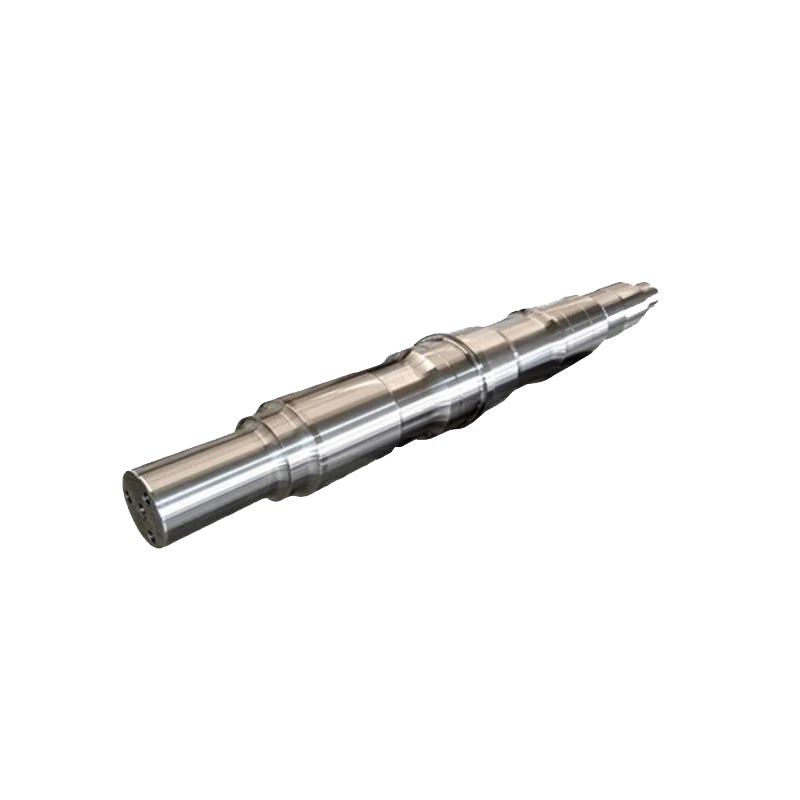
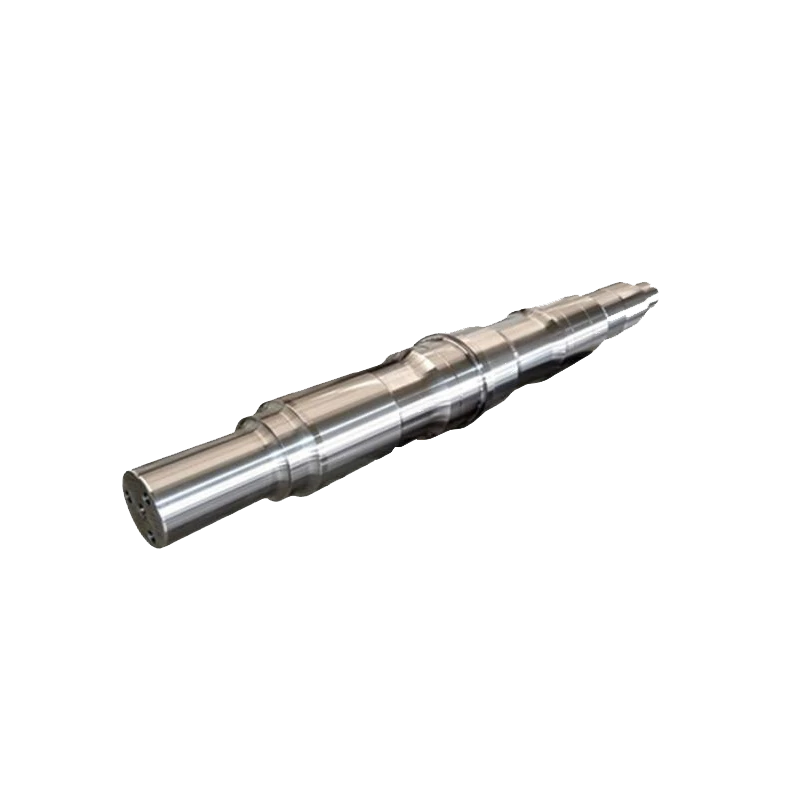 Axles
AxlesAxles are essential for vehicle load-bearing and power transmission, ensuring smooth movement and weight distribution. They must withstand high stress, torque, and impact, making material selection and precise manufacturing crucial.
-
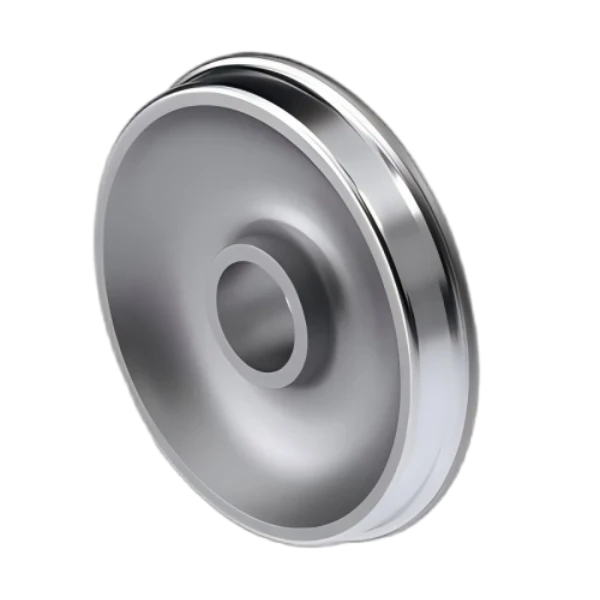
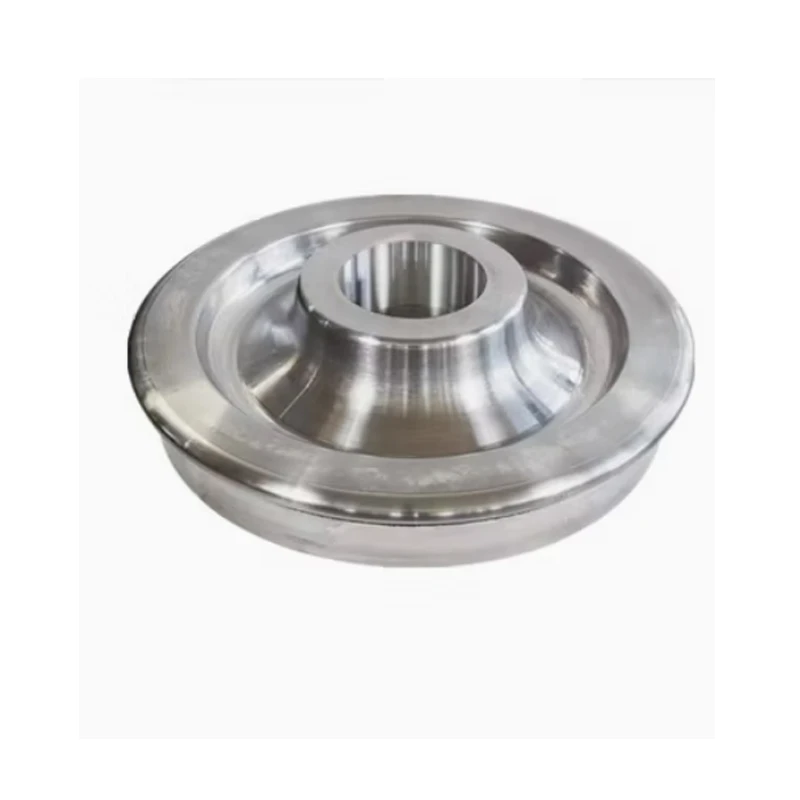 Profile S1002 Series Rail Wheels
The S1002 series rail wheels are designed for Rail-Road Vehicles (RRVs) that require seamless operation on both roads and railway tracks. Engineered with high precision and durability, these wheels conform to S1002 tread profiles, ensuring compatibility with standard railway systems.
A Comprehensive Guide to Axles Types for Industry Decision Makers | Manufacturing Base
Axles Types is a key solution in the industry, specifically within heavy machinery and transportation sectors. This article explores how https://www.manufacturing-base.com supports professionals with durable, high-performance products
>
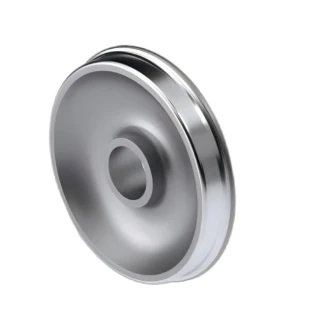
Reliable Rail Wheels: Optimize Your Rail Transport Solutions
For industries that rely on rail-based vehicles, choosing the right rail wheels is essential for smooth operations and safety.
>
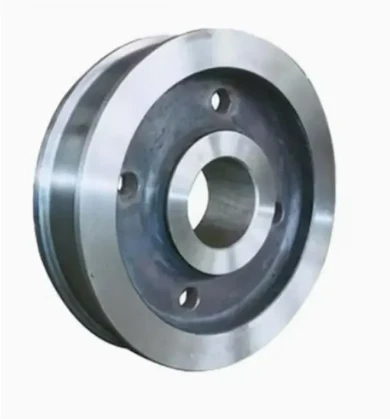
Premium Overhead Crane Wheels For Sale: Enhance Industrial Lifting Efficiency
In modern industrial operations, high-quality overhead crane wheels for sale are essential for safe, reliable, and efficient lifting.
>
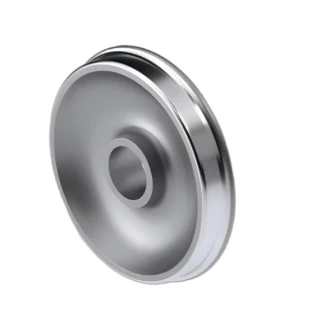
Premium Hi Rail Wheels For Sale: Boost Rail Vehicle Performance
In the modern industrial and railway sectors, having reliable hi rail wheels for sale is essential for operational efficiency and safety.
>
High-Quality Hi Rail Wheels For Sale: Enhance Your Rail Equipment Efficiency
When it comes to reliable rail maintenance and industrial operations, investing in hi rail wheels for sale is crucial.
>
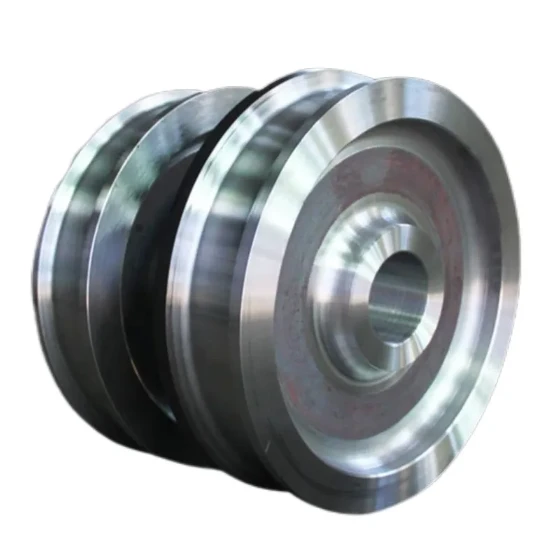
High-Quality Crane Wheels For Sale: Enhance Your Crane Operations
For industries relying on heavy lifting and material handling, investing in high-quality crane wheels for sale is crucial.
>
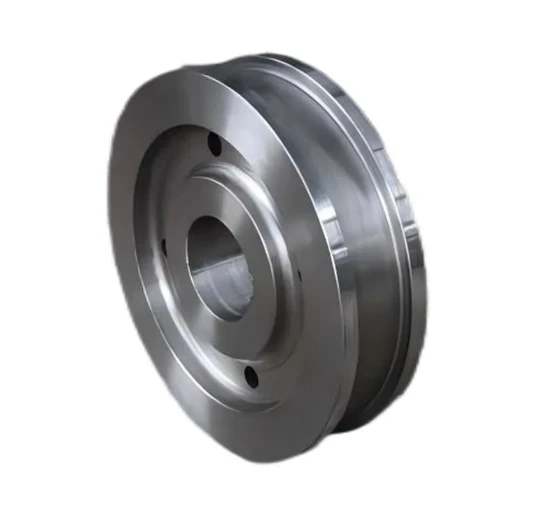
Durable Gantry Crane Wheels For Sale: Maximize Lifting Efficiency
For industries relying on heavy-duty lifting and material handling, selecting the right gantry crane wheels for sale is vital.
>
Reliable Tandem Drive Axles for Heavy-Duty Industrial Vehicles
Tandem Drive Axles: What I’ve Learned After Years in the Industrial Equipment Sector Ha
>
Reliable Semi Trailer Axles for Heavy-Duty Trailers | Expert Insight
Understanding semi trailer axles: The Backbone of Heavy Hauling Having spent more than a deca
>
RC Portal Axles: Industrial Strength and Custom Performance
RC Portal Axles: A Veteran’s Take on Industrial-Grade Performance Having spent over a d
>
Engineered for Excellence
Our forged solutions deliver reliability and performance, powering demanding industries to keep operations running smoothly.

Sign up
for Newsletter
Subscribe to the weekly newsletter for all the latest updates