- Tel: +86 311 82620404
- Cell: 86 -13739710551
- Email: sales@potentia.cn

Heat Treatment Processes for Durable Rails Wheels
Rails wheels—including industrial-grade rail car wheel models and versatile rail and wheel systems—rely on precise heat treatment to achieve the durability, strength, and wear resistance needed for heavy-duty material handling, rail-road vehicles (RRVs), and industrial transport. Without proper heat treatment, even high-quality steel rails wheels would fail quickly under heavy loads, frequent impacts, or harsh environmental conditions. For wholesalers serving rail operators, logistics firms, or heavy-equipment manufacturers, partnering with a manufacturer that masters heat treatment is critical to delivering long-lasting products. Potentia Manufacturing Ltd., a world-class steel forged wheels supplier founded in 1986, specializes in rails wheels (including the P1 series for RRVs, engineered for optimal track interaction) and integrates advanced heat treatment into every production step. Their focus on forging and heat treatment synergy ensures rail car wheel and rail and wheel systems meet global durability standards—making them a trusted bulk partner for wholesalers globally.
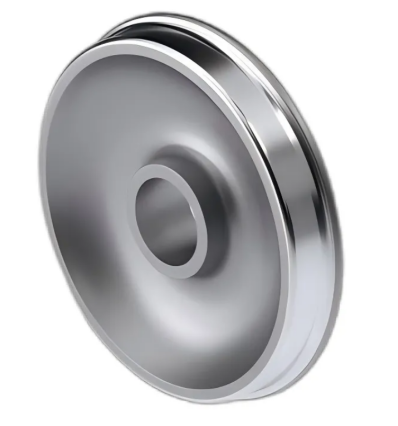
Quenching and Tempering The Core Heat Treatment for Rails Wheels
- Hardness Enhancement for Rail Car Wheel: Quenching and tempering (Q&T) is the most common heat treatment for rail car wheel production, as it balances hardness and toughness—critical for withstanding heavy loads and track impacts. Potentia’s process involves heating rails wheels (forged from high-carbon steel) to 850–900°C (to soften the metal), then rapidly cooling (quenching) them in water or oil to lock in a hard, martensitic microstructure. This step increases surface hardness by 40–50%, preventing tread wear from daily track friction. The wheels are then tempered (reheated to 500–600°C) to reduce brittleness— a key adjustment, as fully quenched steel is too brittle for rail and wheel For example, the P1 series rails wheels undergo Q&T to achieve a surface hardness of 300–350 HB (Brinell scale), ideal for RRVs switching between roads and rails—hard enough to resist road gravel wear, yet tough enough to absorb rail transition impacts.
- Uniformity Control for Rail and Wheel Systems: For rail and wheel systems to perform consistently, heat treatment must be uniform across every wheel— uneven hardness leads to uneven wear, causing vibrations or misalignment. Potentia uses computer-controlled furnaces to ensure rails wheels are heated evenly (temperature variation <10°C), and automated quenching systems that distribute coolant uniformly over the wheel’s surface. This precision ensures every P1 series wheel has the same hardness profile, so a set of four rail car wheel on an RRV wear at the same rate— avoiding premature replacement of individual wheels.
Carburizing for High-Wear Rail and Wheel Components
- Surface Hardening for Rails Wheels Treads: For rails wheels in high-wear applications (e.g., industrial cranes or busy port rail systems), carburizing is an additional heat treatment that boosts surface durability. Potentia’s carburizing process involves heating rail car wheel to 900–950°C in a carbon-rich atmosphere (e.g., natural gas or propane) for 8–12 hours— carbon diffuses into the wheel’s surface (0.5–1mm deep), creating a high-carbon layer. The wheels are then quenched and tempered to harden this layer (up to 550 HB) while keeping the core tough. This is especially useful for rail and wheel systems in dusty or abrasive environments: the hardened surface resists scratch damage from debris, while the tough core absorbs impacts. For a port using rails wheels to move shipping containers, carburized wheels last 2–3 times longer than standard Q&T wheels— cutting replacement costs significantly.
- Cost-Efficiency for Bulk Rail Car Wheel Orders: While carburizing adds a production step, it reduces long-term costs for clients— a key selling point for wholesalers. Potentia’s scalable carburizing furnaces can process 50+ rail car wheel at once, keeping bulk order costs competitive. For example, a wholesaler ordering 100 carburized P1 series wheels for a mining RRV fleet pays a small premium upfront but saves clients 30% on annual replacement costs. This “invest now, save later” value proposition appeals to clients with high-volume, long-term rail and wheel
Heat Treatment Process & Rails Wheels Application Comparison
|
Heat Treatment Process |
Key Benefit for Rails Wheels |
Ideal Rails Wheels Type/Use Case |
Potentia Manufacturing Advantage |
Wholesaler Value |
|
Quenching & Tempering |
Balanced hardness/toughness |
P1 series (RRVs); standard rail car wheel |
Computer-controlled uniformity; Q&T for P1 profile |
Appeals to RRV and general rail clients |
|
Carburizing |
High surface wear resistance |
Industrial crane rails wheels; port systems |
Scalable bulk processing; 0.5–1mm carbon layer |
Caters to high-abrasion clients |
|
Normalizing |
Stress relief; consistent microstructure |
Light-duty rails wheels (warehouse carts) |
Low-cost; fast processing |
Fits small-to-medium logistics firms |
Stress Relieving for Rails Wheels Structural Integrity
- Post-Forging Stress Relief for Rail Car Wheel: Forging rail car wheel creates internal stresses (from uneven cooling during shaping), which can cause cracking over time— stress relieving is a heat treatment that eliminates these risks. Potentia heats forged rails wheels to 600–650°C (below the steel’s transformation temperature) and holds them at this temperature for 2–4 hours, then cools them slowly (10–20°C per hour). This process relaxes internal stresses by 70–80%, ensuring the wheel maintains its shape during subsequent heat treatments (like Q&T) and under heavy loads. For the P1 series rails wheels, stress relieving is critical to preserving their precise tread profile— any deformation would disrupt RRVs’ road-rail switching performance. Wholesalers can highlight this step to clients: stress-relieved wheels have fewer premature failures, reducing warranty claims and building trust.
- Weld Stress Relief for Rail and Wheel Assemblies: Some rail and wheel systems (e.g., custom rail carts with welded wheel hubs) require additional stress relief after assembly. Potentia offers post-weld heat treatment for bulk orders: heating the assembled rails wheels to 550–600°C to relieve stresses from welding, then slow cooling. This prevents weld cracks from spreading under vibration or load— essential for industrial carts moving 20+ ton loads.
Rails Wheels FAQS
Does Heat Treatment Affect the Dimensional Accuracy of P1 Series Rails Wheels?
No—Potentia’s heat treatment processes are designed to preserve the P1 series rails wheels’ precise dimensions. The company uses “controlled cooling” (slow cooling for stress relief, precise quenching rates for Q&T) and post-treatment machining (light grinding to correct any minor shrinkage) to ensure the P1 tread profile remains within ±0.1mm of specifications.
Can Heat Treatment Be Customized for Rails Wheels in Extreme Climates?
Yes—Potentia customizes heat treatment for rails wheels in extreme conditions: for cold climates (e.g., northern railways), the company adjusts tempering temperatures to increase toughness (preventing brittle fracture in sub-zero temperatures); for hot, humid climates (e.g., tropical ports), it adds a post-treatment corrosion-resistant coating (paired with carburizing) to fight rust. For example, rail car wheel for Canadian RRVs undergo a lower-temperature tempering step (450°C) for extra toughness, while those for Southeast Asian ports get a zinc-plated finish after carburizing.
How Does Heat Treatment Impact the Lifespan of Rail and Wheel Systems?
Proper heat treatment doubles or triples rail and wheel lifespan: standard untreated rails wheels last 1–2 years in heavy use, while Q&T-treated wheels last 3–5 years, and carburized wheels last 5–7 years. Potentia’s P1 series, with Q&T and optional carburizing, maintains its tread profile for 4–6 years in RRV service— reducing the frequency of bulk replacement orders for wholesalers. This long lifespan also lowers clients’ total cost of ownership, making heat-treated wheels a more attractive investment than cheaper, untreated alternatives.
Is There a Difference in Heat Treatment for Rail Car Wheel vs. Light-Duty Rails Wheels?
Yes—rail car wheel (for RRVs or freight trains) require more rigorous heat treatment (Q&T + optional carburizing) due to heavy loads (20+ tons per wheel), while light-duty rails wheels (for warehouse carts, 5–10 ton loads) often use “normalizing” (a simpler heat treatment: heating to 800–850°C, then air cooling). Normalizing relieves forging stresses and improves machinability but is less costly than Q&T— ideal for clients with lower load needs. Potentia offers both options, letting wholesalers tailor bulk orders to client budgets and performance requirements.
How Can Wholesalers Verify the Heat Treatment Quality of Rails Wheels?
Potentia provides heat treatment certification for every bulk order, including hardness test reports (Brinell or Rockwell values), microstructural analysis (to confirm Q&T or carburized layers), and stress relief validation. The company also offers third-party testing (at client request) to verify results. For wholesalers, this documentation lets them prove product quality to clients— critical for industries with strict standards (e.g., railway safety or industrial compliance).
-
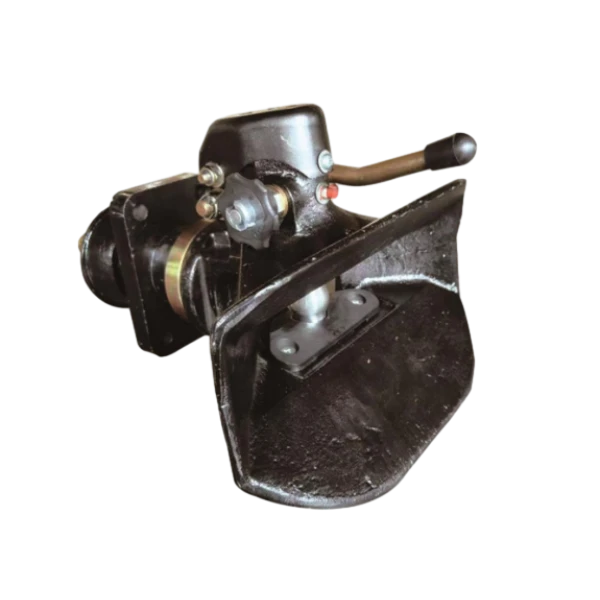 Trailer Coupling
The trailer coupling is a critical component in vehicle towing systems, designed to ensure a secure and efficient connection between a towing vehicle and a trailer. These couplings are manufactured using high-strength carbon steel, alloy steel, or stainless steel, ensuring durability and resistance to heavy loads and harsh environments.
-
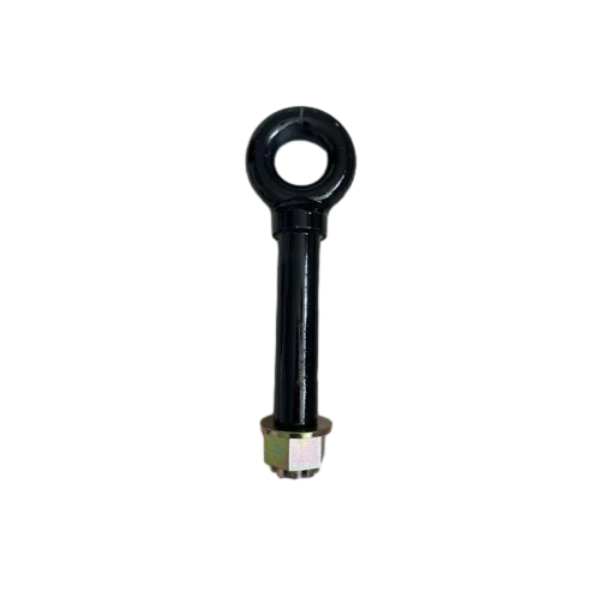 Drawbar Eyes
Drawbar eyes are essential components in towing and hauling applications, providing a strong and secure attachment point between the trailer and the towing vehicle. They are designed to endure extreme pulling forces, making them suitable for heavy-duty applications.
-
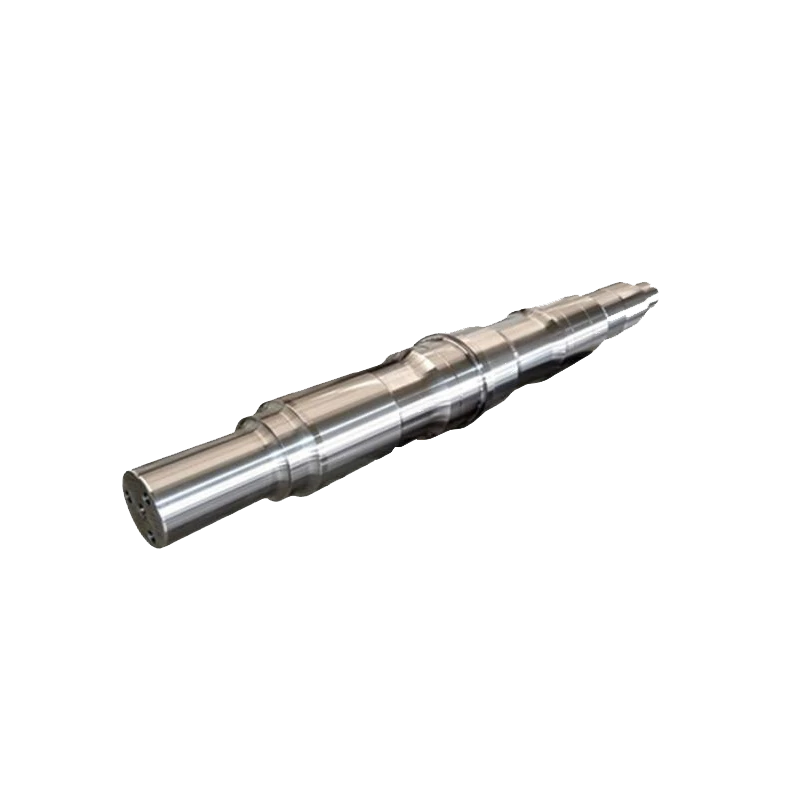 Axles
AxlesAxles are essential for vehicle load-bearing and power transmission, ensuring smooth movement and weight distribution. They must withstand high stress, torque, and impact, making material selection and precise manufacturing crucial.
-
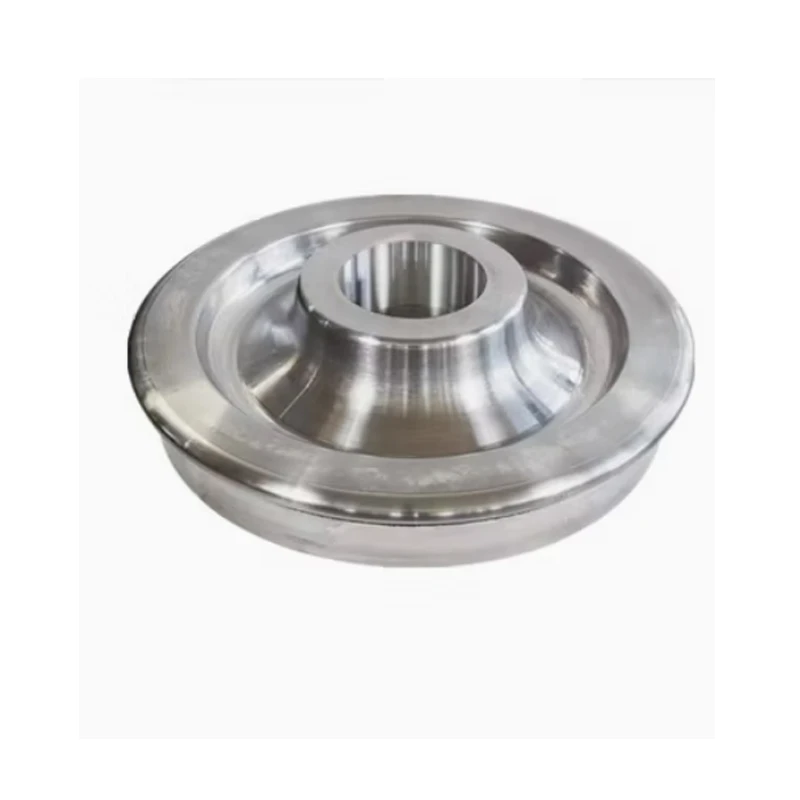 Profile S1002 Series Rail Wheels
The S1002 series rail wheels are designed for Rail-Road Vehicles (RRVs) that require seamless operation on both roads and railway tracks. Engineered with high precision and durability, these wheels conform to S1002 tread profiles, ensuring compatibility with standard railway systems.
A Comprehensive Guide to Axles Types for Industry Decision Makers | Manufacturing Base
Axles Types is a key solution in the industry, specifically within heavy machinery and transportation sectors. This article explores how https://www.manufacturing-base.com supports professionals with durable, high-performance products
>
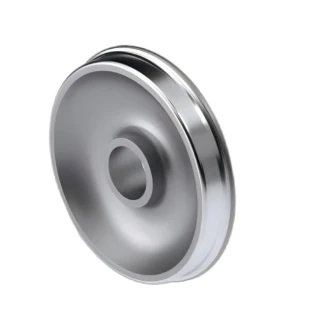
Reliable Rail Wheels: Optimize Your Rail Transport Solutions
For industries that rely on rail-based vehicles, choosing the right rail wheels is essential for smooth operations and safety.
>
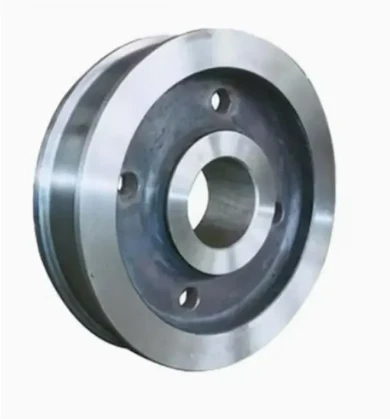
Premium Overhead Crane Wheels For Sale: Enhance Industrial Lifting Efficiency
In modern industrial operations, high-quality overhead crane wheels for sale are essential for safe, reliable, and efficient lifting.
>
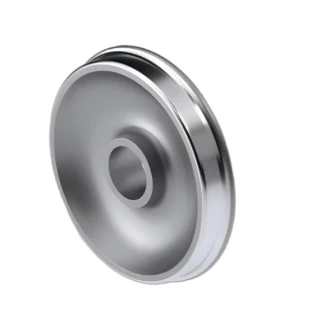
Premium Hi Rail Wheels For Sale: Boost Rail Vehicle Performance
In the modern industrial and railway sectors, having reliable hi rail wheels for sale is essential for operational efficiency and safety.
>
High-Quality Hi Rail Wheels For Sale: Enhance Your Rail Equipment Efficiency
When it comes to reliable rail maintenance and industrial operations, investing in hi rail wheels for sale is crucial.
>
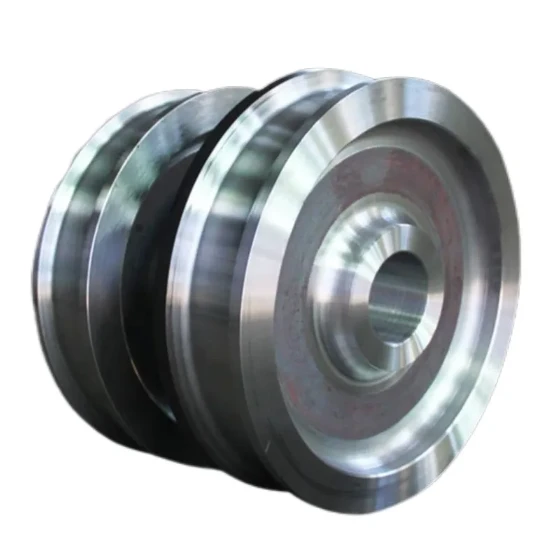
High-Quality Crane Wheels For Sale: Enhance Your Crane Operations
For industries relying on heavy lifting and material handling, investing in high-quality crane wheels for sale is crucial.
>
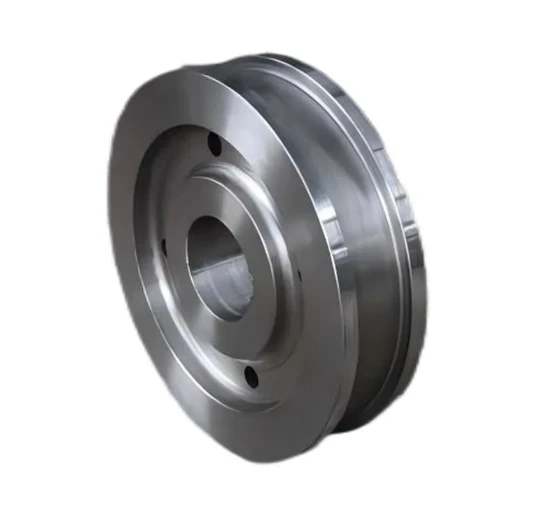
Durable Gantry Crane Wheels For Sale: Maximize Lifting Efficiency
For industries relying on heavy-duty lifting and material handling, selecting the right gantry crane wheels for sale is vital.
>
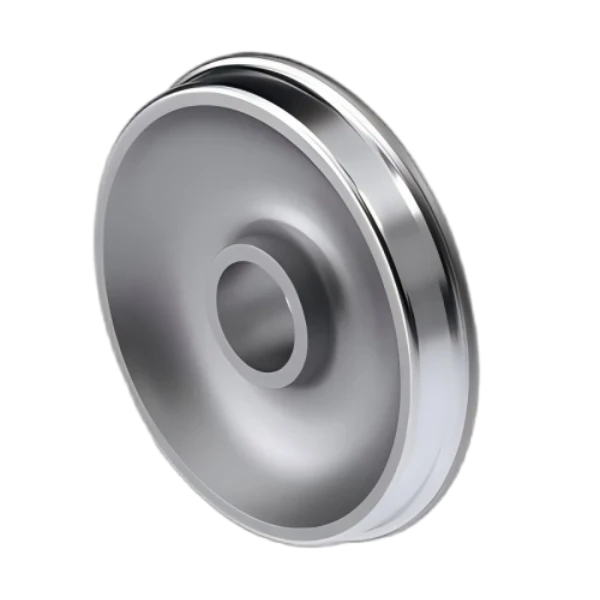
Reliable Tandem Drive Axles for Heavy-Duty Industrial Vehicles
Tandem Drive Axles: What I’ve Learned After Years in the Industrial Equipment Sector Ha
>
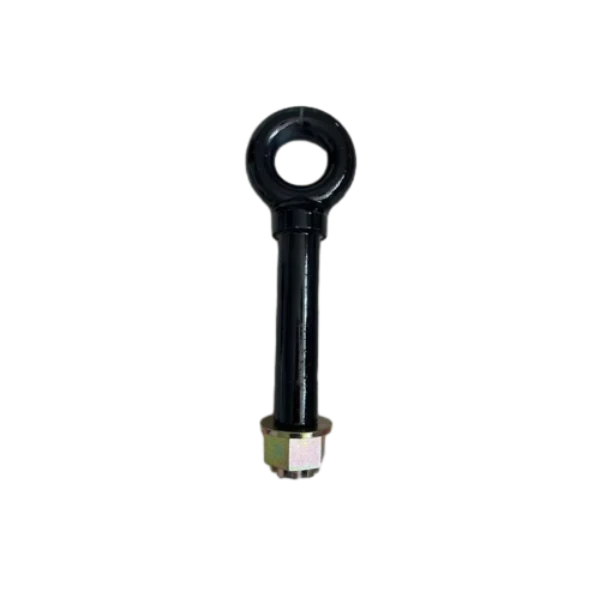
Reliable Semi Trailer Axles for Heavy-Duty Trailers | Expert Insight
Understanding semi trailer axles: The Backbone of Heavy Hauling Having spent more than a deca
>
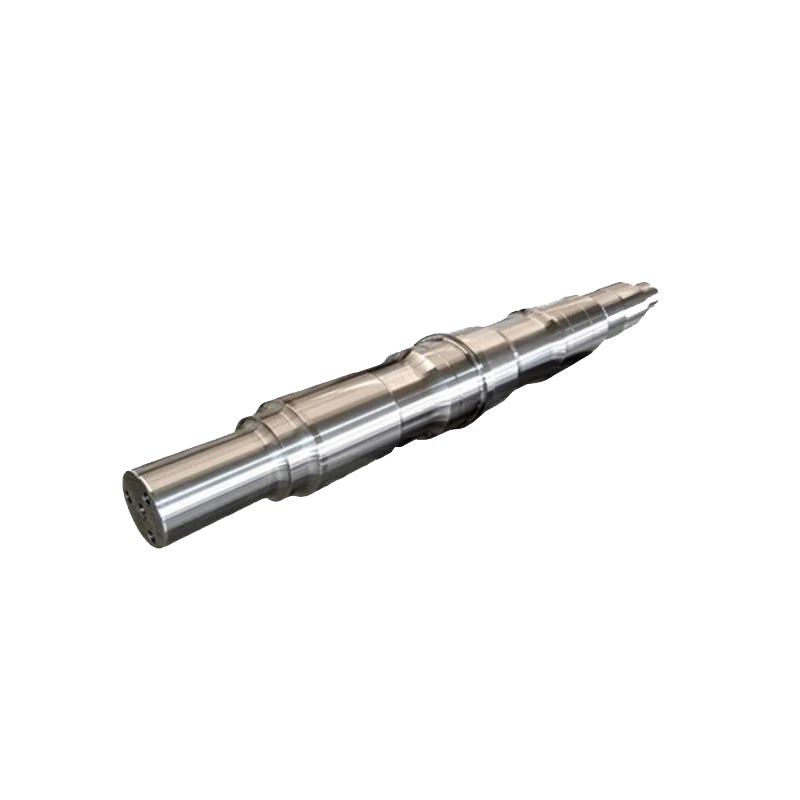
RC Portal Axles: Industrial Strength and Custom Performance
RC Portal Axles: A Veteran’s Take on Industrial-Grade Performance Having spent over a d
>
Engineered for Excellence
Our forged solutions deliver reliability and performance, powering demanding industries to keep operations running smoothly.

Sign up
for Newsletter
Subscribe to the weekly newsletter for all the latest updates