- Tel: +86 311 82620404
- Cell: 86 -13739710551
- Email: sales@potentia.cn

Load Capacity of Drawbar Eyes
Drawbar eyes—including flexible swivel drawbar eye models and heavy-duty premier pintle eye designs—are the backbone of towing systems, serving as the critical attachment point between trailers and towing vehicles. Their load capacity directly determines the safety and efficiency of hauling operations, from light cargo transport to heavy-duty construction equipment towing. For wholesalers serving logistics firms, fleet operators, or construction teams, understanding how load capacity is defined, tested, and optimized is key to delivering reliable products. Potentia Manufacturing Ltd., a world-class steel forged products expert founded in 1986 (with deep expertise in high-strength metal components), crafts drawbar eyes to endure extreme pulling forces—aligning with their commitment to durability and performance. Their focus on precision forging ensures swivel drawbar eye and premier pintle eye models meet global load standards, making them a trusted bulk partner for wholesalers.
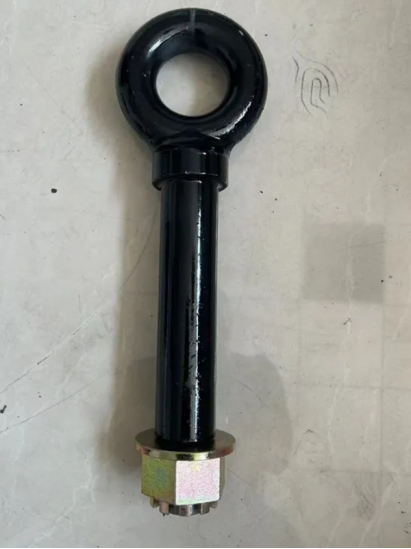
Key Factors Influencing Load Capacity of Drawbar Eyes
- Material Strength for Premier Pintle Eye: The load capacity of drawbar eyes starts with the material used—high-strength metals are non-negotiable for heavy-duty applications. Potentia’s premier pintle eye (designed for maximum load resistance) is forged from alloy steel or high-carbon steel (with a tensile strength of 800–1000 MPa), far stronger than mild steel alternatives. For example, a premier pintle eye made of 4140 alloy steel can handle static loads up to 20 tons, while mild steel models of the same size max out at 8–10 tons. Material selection also impacts fatigue resistance: alloy steel drawbar eyes withstand repeated loading/unloading cycles (common in fleet operations) without cracking, extending their service life by 3–5 years.
- Design and Forging Process for Swivel Drawbar Eye: The design and manufacturing process of drawbar eyes directly affects load distribution and capacity—especially for swivel drawbar eye models (which need to balance flexibility and strength). Potentia uses closed-die forging to shape swivel drawbar eye components, ensuring uniform metal grain structure (reducing weak points) and precise dimensional control. The swivel joint’s design includes reinforced shoulders (to distribute pulling forces evenly) and a hardened bearing surface (to resist wear without compromising load capacity). For instance, a swivel drawbar eye rated for 12 tons maintains its load capacity even when swiveling up to 30° (critical for uneven terrain towing), while poorly forged models may fail at 8–10 tons when swiveled. This attention to design ensures swivel drawbar eye models don’t sacrifice capacity for flexibility—a key selling point for wholesalers serving agricultural or off-road clients.
Load Capacity Ratings and Standards for Drawbar Eyes
- Static vs. Dynamic Load Ratings for Premier Pintle Eye: Drawbar eyes have two key load ratings—static (maximum weight when stationary) and dynamic (maximum weight during movement)—and understanding the difference is critical for safe use. Potentia’s premier pintle eye specifies both ratings clearly: a 15-ton static rating (for stationary loading, e.g., trailer storage) and a 12-ton dynamic rating (for towing, where movement adds stress). For example, a construction company using a premier pintle eye to tow a 12-ton excavator must not exceed the dynamic rating—even if the static rating is higher— to avoid sudden failure. Potentia also adheres to global standards (e.g., SAE J2480 for towing components) when assigning ratings, ensuring consistency across bulk orders.
- Environmental Factors and Load Capacity Reduction for Drawbar Eyes: Environmental conditions can reduce the effective load capacity of drawbar eyes—a factor often overlooked but critical for durability. Potentia advises wholesalers to inform clients that: corrosion (from saltwater or road deicing chemicals) weakens metal over time—stainless steel drawbar eyes(used in marine or coastal applications) maintain 90% of their load capacity after 5 years, while uncoated steel models drop to 60–70%; extreme temperatures (below -20°C or above 60°C) can make metal brittle or soft—alloy steel swivel drawbar eye models retain 85% of capacity in cold weather, vs. 50% for mild steel. For a fleet operating in northern climates, choosing cold-resistant drawbar eyes ensures they don’t have to downsize loads in winter—preserving operational efficiency.
Drawbar Eye Type & Load Capacity Comparison
|
Drawbar Eye Type |
Typical Load Capacity (Dynamic) |
Key Design Feature for Capacity |
Ideal Application |
Potentia Manufacturing Advantage |
Wholesaler Value |
|
Standard Drawbar Eye |
5–10 tons |
Forged steel body; single mounting point |
Light cargo trailers, small utility vehicles |
High-carbon steel; cost-effective |
Appeals to small logistics firms |
|
Swivel Drawbar Eye |
8–15 tons |
Reinforced swivel joint; even force distribution |
Off-road towing, agricultural trailers |
Hardened bearing; corrosion-resistant |
Fits farm/construction teams |
|
Premier Pintle Eye |
15–25 tons |
Alloy steel forging; dual mounting points |
Heavy construction equipment, industrial fleet |
Tensile strength 800–1000 MPa; SAE compliant |
Caters to heavy-duty industrial clients |
Selecting the Right Drawbar Eye for Load Requirements
- Matching Load Capacity to Application for Drawbar Eyes: Choosing the correct drawbar eyes starts with calculating the trailer’s maximum gross weight (including cargo) and adding a safety margin (typically 20–30%) to account for unexpected stress. Potentia recommends wholesalers guide clients through this process: for a trailer with a 10-ton maximum weight, select a drawbar eye with a 12–13-ton dynamic rating (e.g., a mid-range swivel drawbar eye) to avoid overloading. For specialized applications (e.g., towing heavy machinery with uneven weight distribution), a premier pintle eye with a higher capacity (15+ tons) is safer, as it can handle sudden weight shifts without failure. Additionally, consider the towing vehicle’s capacity—even a high-capacity drawbar eye won’t compensate for a vehicle with a lower tow rating. This guidance helps clients avoid costly mistakes and builds trust in the wholesaler’s expertise.
- Compatibility with Towing Systems for Swivel Drawbar Eye: Drawbar eyes must be compatible with the trailer’s hitch system to maintain their rated load capacity—especially for swivel drawbar eye models (which rely on proper hitch alignment). Potentia ensures swivel drawbar eye dimensions (e.g., pin hole diameter, mounting bolt spacing) match standard hitch receivers (2-inch, 2.5-inch) to avoid gaps or misalignment. For example, a swivel drawbar eye with a 12-ton rating paired with a compatible hitch maintains full capacity, while pairing it with an ill-fitting hitch reduces capacity by 30–40%. The company also offers adapter plates for non-standard hitches, ensuring clients can use high-capacity drawbar eyes without replacing their entire towing system.
Drawbar Eyes FAQS
Can a Swivel Drawbar Eye Be Used for Heavy-Duty Towing?
Yes—swivel drawbar eye models are available for heavy-duty applications, provided their load rating matches the towing needs. Potentia’s heavy-duty swivel drawbar eye (rated 15–20 tons) is designed for industrial or construction towing, with a reinforced swivel joint and alloy steel construction. It’s ideal for towing heavy trailers over uneven terrain (e.g., construction sites or farmland), where the swivel function prevents stress on the trailer frame.
How Often Should Drawbar Eyes Be Inspected to Ensure Load Capacity?
Potentia recommends inspecting drawbar eyes every 3 months (or 5,000 miles of towing) to check for signs of wear that reduce load capacity. Key inspection points include: cracks in the body or swivel joint (even small cracks can reduce capacity by 50%+), excessive wear on the pin hole (wear beyond 1mm reduces load distribution), and corrosion (especially on uncoated models). For premier pintle eye used in daily heavy-duty towing, monthly inspections are advised.
What Safety Margin Should Be Used When Selecting Drawbar Eyes?
A 20–30% safety margin is recommended—never select a drawbar eye with a dynamic rating equal to the trailer’s maximum weight. For example, if a trailer’s maximum loaded weight is 10 tons, choose a drawbar eye with a 12–13-ton dynamic rating. This margin accounts for unexpected stress (e.g., sudden stops, rough roads) that can temporarily exceed the trailer’s weight. Potentia’s premier pintle eye models are engineered to handle occasional 10–15% overloading (without permanent damage), but the safety margin ensures consistent, long-term performance.
Do Swivel Drawbar Eye Models Require Special Maintenance to Preserve Load Capacity?
Swivel drawbar eye models need minimal extra maintenance to preserve load capacity: lubricate the swivel joint every 2–3 months (using lithium-based grease to reduce friction and wear), and inspect the joint’s hardware (bolts, washers) for tightness quarterly (loose hardware can shift load distribution). Potentia’s swivel drawbar eye includes a sealed bearing (to prevent dirt and moisture from entering the joint), reducing maintenance frequency vs. open-joint models. For wholesalers, highlighting low maintenance needs makes swivel drawbar eye models more appealing to clients with large fleets (who can’t afford frequent downtime).
Are Premier Pintle Eye Models Compatible with All Trailer Hitch Types?
Potentia’s premier pintle eye models are compatible with most standard pintle hitches (common in heavy-duty towing), but it’s critical to match the hitch size to the premier pintle eye’s pin diameter. For example, a 1-inch pin premier pintle eye works with 1-inch pintle hitches, while a 1.25-inch pin model requires a matching hitch. The company also offers adapter sleeves (for wholesalers to bundle with orders) that let clients use a single premier pintle eye with multiple hitch sizes—reducing inventory costs. This compatibility ensures clients can upgrade to higher-capacity premier pintle eye without replacing their entire hitch system.
-
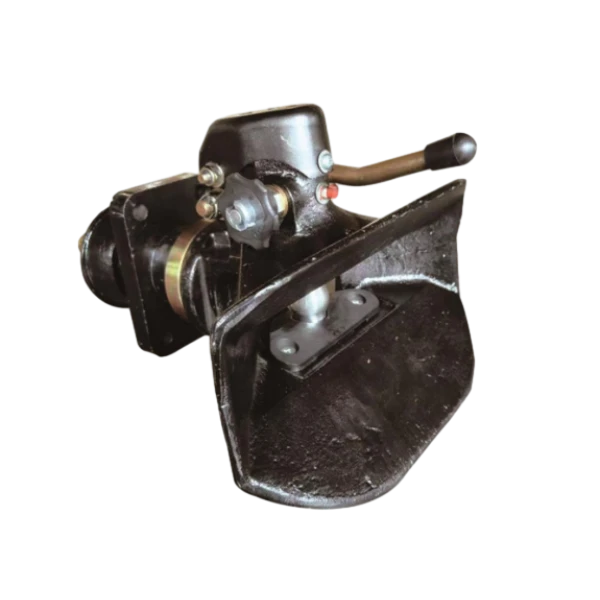 Trailer Coupling
The trailer coupling is a critical component in vehicle towing systems, designed to ensure a secure and efficient connection between a towing vehicle and a trailer. These couplings are manufactured using high-strength carbon steel, alloy steel, or stainless steel, ensuring durability and resistance to heavy loads and harsh environments.
-
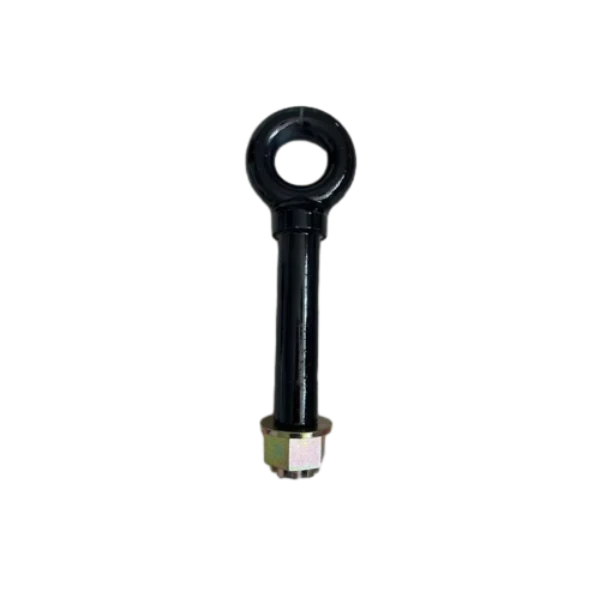
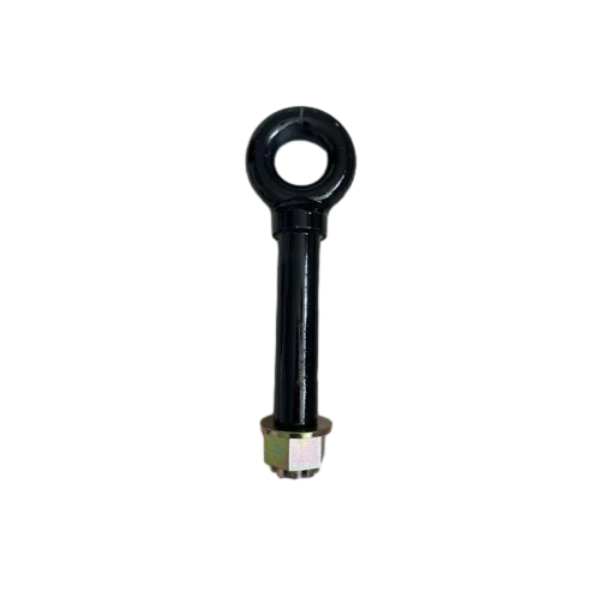 Drawbar Eyes
Drawbar eyes are essential components in towing and hauling applications, providing a strong and secure attachment point between the trailer and the towing vehicle. They are designed to endure extreme pulling forces, making them suitable for heavy-duty applications.
-
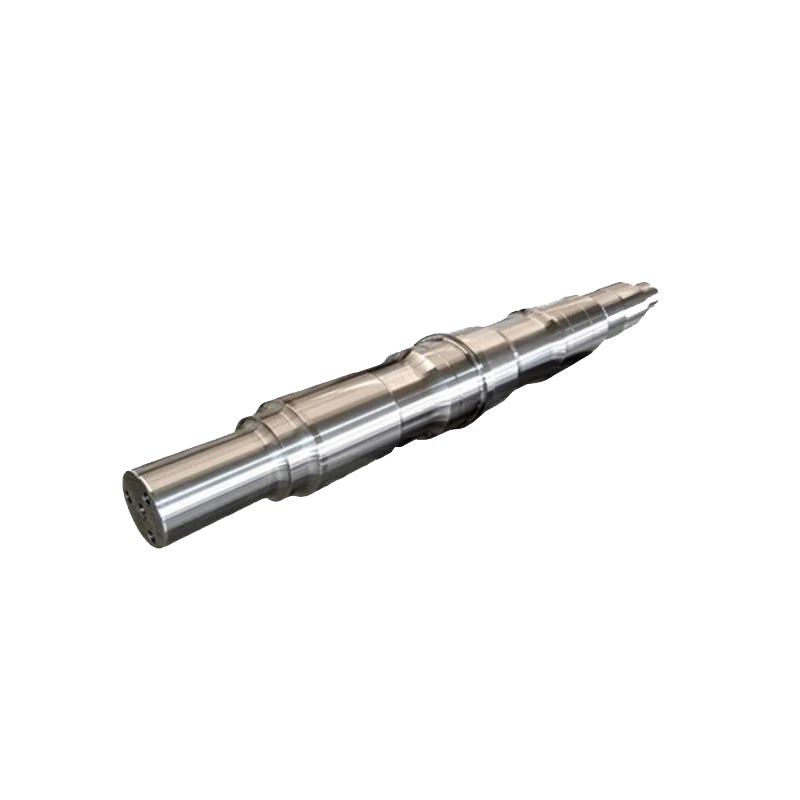
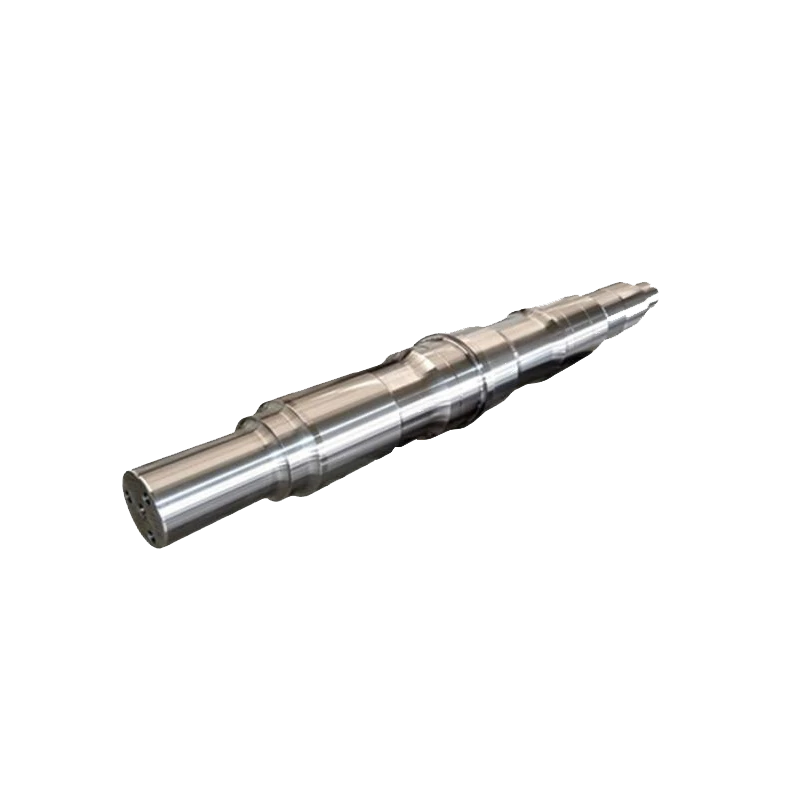 Axles
AxlesAxles are essential for vehicle load-bearing and power transmission, ensuring smooth movement and weight distribution. They must withstand high stress, torque, and impact, making material selection and precise manufacturing crucial.
-
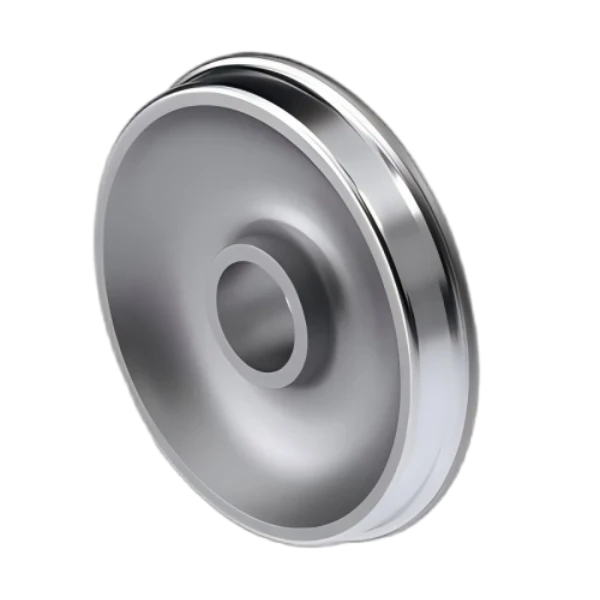
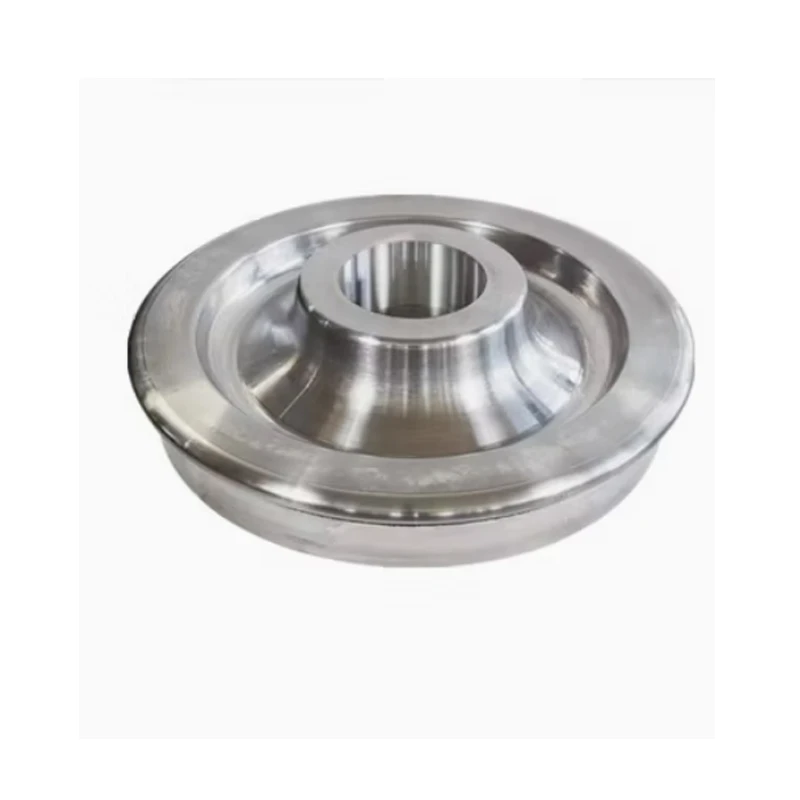 Profile S1002 Series Rail Wheels
The S1002 series rail wheels are designed for Rail-Road Vehicles (RRVs) that require seamless operation on both roads and railway tracks. Engineered with high precision and durability, these wheels conform to S1002 tread profiles, ensuring compatibility with standard railway systems.
A Comprehensive Guide to Axles Types for Industry Decision Makers | Manufacturing Base
Axles Types is a key solution in the industry, specifically within heavy machinery and transportation sectors. This article explores how https://www.manufacturing-base.com supports professionals with durable, high-performance products
>
Reliable Rail Wheels: Optimize Your Rail Transport Solutions
For industries that rely on rail-based vehicles, choosing the right rail wheels is essential for smooth operations and safety.
>
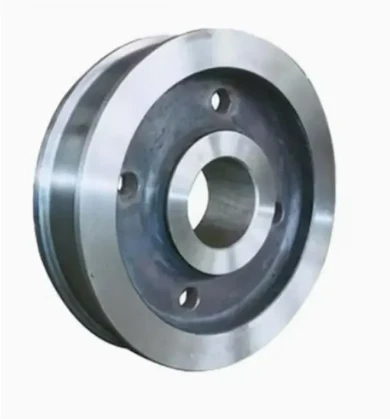
Premium Overhead Crane Wheels For Sale: Enhance Industrial Lifting Efficiency
In modern industrial operations, high-quality overhead crane wheels for sale are essential for safe, reliable, and efficient lifting.
>
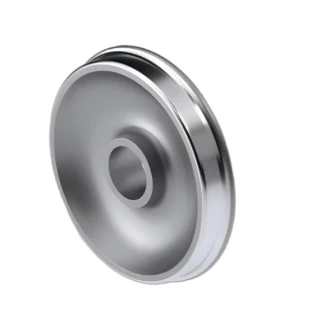
Premium Hi Rail Wheels For Sale: Boost Rail Vehicle Performance
In the modern industrial and railway sectors, having reliable hi rail wheels for sale is essential for operational efficiency and safety.
>
High-Quality Hi Rail Wheels For Sale: Enhance Your Rail Equipment Efficiency
When it comes to reliable rail maintenance and industrial operations, investing in hi rail wheels for sale is crucial.
>
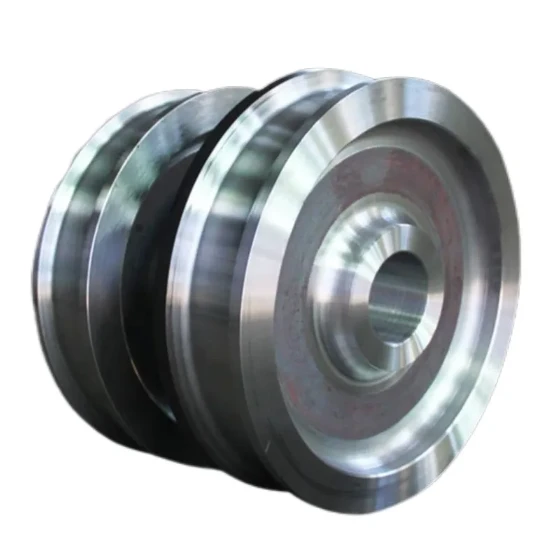
High-Quality Crane Wheels For Sale: Enhance Your Crane Operations
For industries relying on heavy lifting and material handling, investing in high-quality crane wheels for sale is crucial.
>
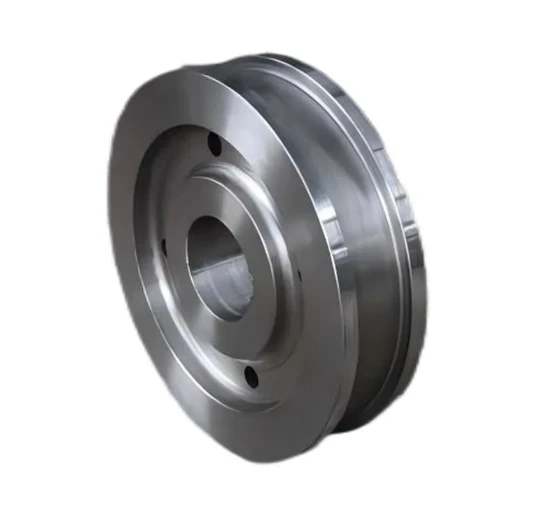
Durable Gantry Crane Wheels For Sale: Maximize Lifting Efficiency
For industries relying on heavy-duty lifting and material handling, selecting the right gantry crane wheels for sale is vital.
>
Reliable Tandem Drive Axles for Heavy-Duty Industrial Vehicles
Tandem Drive Axles: What I’ve Learned After Years in the Industrial Equipment Sector Ha
>
Reliable Semi Trailer Axles for Heavy-Duty Trailers | Expert Insight
Understanding semi trailer axles: The Backbone of Heavy Hauling Having spent more than a deca
>
RC Portal Axles: Industrial Strength and Custom Performance
RC Portal Axles: A Veteran’s Take on Industrial-Grade Performance Having spent over a d
>
Engineered for Excellence
Our forged solutions deliver reliability and performance, powering demanding industries to keep operations running smoothly.

Sign up
for Newsletter
Subscribe to the weekly newsletter for all the latest updates