- Tel: +86 311 82620404
- Cell: 86 -13739710551
- Email: sales@potentia.cn

High Angle CV Axles: Key Features, Global Applications, and Future Trends
Understanding High Angle CV Axles: The Backbone of Flexible Power Transmission
“High angle CV axles” may not sound familiar unless you’re knee-deep in automotive engineering or industrial drivetrain design. Yet, these components quietly play a mighty role globally—they enable flexible, reliable power transmission in machines and vehicles that must navigate tough angles or uneven terrains. Understanding their design and applications isn’t just academic; it’s key across sectors ranging from transportation to humanitarian logistics.
Global Context: Why High Angle CV Axles Matter Today
Globally, economies depend heavily on mobile machinery and off-road vehicles that can handle extreme operating conditions. According to ISO standards, reliable constant velocity (CV) joints and axles are crucial for performance and safety. The global CV joint market, worth billions, sees consistent growth driven by automotive demand and expanding industrial machinery sectors. The challenge is clear: how to transmit power efficiently where angles exceed conventional ranges—think rugged terrains or compact mechanical systems. That’s where high angle CV axles shine.
Consider disaster relief operations in mountainous or uneven regions—standard axles just won’t cut it. The ability to flex power through steep angles without losing torque or causing wear significantly improves the mobility and utility of rescue vehicles and machinery used there.
Mini takeaway: As global mobility demands escalate, high angle CV axles address vital challenges in durability and flexibility at extreme articulation angles.
What Exactly Are High Angle CV Axles?
In simple terms, high angle constant velocity axles are specialized drivetrain components designed to transmit torque efficiently at sharp shaft angles—often beyond 30 degrees—without the vibration, slip, or wear typical of regular axles. Think of them as a sophisticated “hinge” that keeps power flowing smoothly even when the shafts aren’t perfectly aligned.
These axles often use advanced CV joints like tripod or double-offset joints, engineered for high articulation. Their use is widespread—from all-wheel-drive vehicles to heavy industrial equipment—and increasingly critical in humanitarian tech where ruggedness and dependability mean life or death.
High angle CV axles connect powertrains flexibly, offering a reliable transfer of power between components that move in multiple planes.
Key Components & Design Factors
1. Durability under Stress
These axles endure aggressive torsion cycles and bending loads. Materials like heat-treated steel alloys and proprietary surface coatings ensure prolonged service life, even under harsh environmental exposure.
2. Angle Capacity
The defining feature: the ability to handle articulation angles from 30 degrees up to 45 degrees or more without compromising joint integrity.
3. Vibration Dampening
High angle CV axles incorporate precision-machined components with grease-packed joints to reduce vibration, noise, and wear—crucial in vehicles operating over rough terrain or carrying delicate payloads.
4. Compact Design & Weight
Especially for aerospace or military applications, engineers balance structural strength with the need for lightweight, compact profiles.
5. Cost Efficiency & Maintenance
While seemingly high-tech, many modern designs focus on modularity and ease of servicing to reduce downtime and cost of ownership.
| Specification | Typical Range / Value |
|---|---|
| Max Operating Angle | 30° - 45°+ |
| Material | Heat-treated alloy steel |
| Torque Capacity | Up to 1500 Nm |
| Lubrication | Greased, sealed joints |
| Typical Life Cycle | 100,000+ km (vehicular use) |
Mini takeaway: Material quality, joint design, and sealing technology are critical to ensure high performance and durability under demanding conditions.
Real-World Applications: Where High Angle CV Axles Come Alive
- Off-Road Vehicles and All-Wheel Drive (AWD): Axles must accommodate suspension articulation while transferring engine power efficiently.
- Heavy Industrial Equipment: Excavators, cranes, and loaders navigating uneven construction sites rely on high angle CV axles for smooth power flow.
- Humanitarian and Disaster Relief Vehicles: In rough terrains where rapid deployment and reliable mobility can literally save lives, these axles ensure performance.
- Military Applications: Designed for rugged environments, offering reliability under extreme angles and stresses.
- Robotics and Automated Guided Vehicles (AGVs): Where compactness and angular flexibility are necessary for navigation through constrained paths.
For example, post-earthquake recovery teams deploying equipment in mountainous areas often require vehicles equipped with advanced high angle cv axles to reach otherwise inaccessible zones.
Advantages and Long-Term Value
The benefits of investing in high angle CV axle technology go beyond immediate mechanical efficiency:
- Increased Safety: Reduced vibration and consistent power transfer lower mechanical failure risks.
- Cost Savings: Durable materials and serviceable joints cut down frequent replacements and downtime.
- Sustainability: Longer service life and fewer part replacements mean less waste and resource consumption.
- Operational Flexibility: Vehicles and machines can adapt to a wider variety of challenging terrains or confined mechanical arrangements.
- Trust and Innovation: Companies adopting the latest CV axle tech signal reliability and forward-thinking to clients and partners.
Future Trends and Innovations in High Angle CV Axle Technology
With sustainability steering most engineering efforts, there’s a push toward lighter, eco-friendlier materials—think advanced composites or recycled alloys. Simultaneously, digital monitoring sensors embedded within CV joints are gaining traction, enabling real-time condition monitoring and predictive maintenance, thus cutting emergency repairs.
Integrating these axles with electric drivetrains also presents exciting avenues. Electric vehicles often require compact, high flexibility drivetrain parts due to their layout, making high angle CV axles a natural fit for next-gen EV platforms.
Common Challenges and How Industry Experts Solve Them
Oddly enough, despite their advanced designs, high angle CV axles face issues like joint overheating, grease degradation, and contamination risks. Experts recommend:
- Improved sealing technologies to prevent dust and water ingress.
- Advanced heat-resistant lubricants.
- Modular designs for quick parts swap during servicing.
Workshops embracing diagnostic tools find these strategies effectively extend axle life and reduce field failures.
| Vendor | Max Angle | Material Quality | Warranty | Price Range |
|---|---|---|---|---|
| AxlePro Industrial | 45° | Heat-treated steel alloy | 5 years | $$$ |
| FlexDrive Solutions | 40° | Proprietary hybrid alloy | 3 years | $$ |
| TorqueMax Technologies | 38° | Standard steel, coated | 2 years | $ |
FAQ: Practical Questions About High Angle CV Axles
- What’s the difference between a standard CV axle and a high angle CV axle?
- Standard CV axles typically operate efficiently up to angles around 25°, mostly in front-wheel-drive cars with limited suspension articulation. High angle CV axles handle sharper angles (30° and above), essential for off-road vehicles and industrial machines with complex movement needs.
- How do I know if a high angle CV axle fits my vehicle's needs?
- Evaluate the maximum articulation angle your drivetrain requires and the expected torque loads. Consult manufacturers’ specs and consider future serviceability—sometimes slight angle flexibility increases operational reliability substantially.
- Are high angle CV axles more expensive to maintain?
- Initially, they may cost more due to advanced materials and design. However, their durability, ease of servicing modular parts, and performance under tough conditions often translate to lower lifetime costs and reduced downtime.
- Can these axles be customized for different industries?
- Absolutely, many vendors offer customization in terms of materials, joint types, sealing methods, and torque ratings depending on industry requirements—from agriculture to military use.
In Conclusion: Why Investing in High Angle CV Axles Makes Sense
It’s fair to say that as machinery, vehicles, and humanitarian operations push into more extreme environments, the humble CV axle has evolved into a technical marvel. High angle CV axles represent a confluence of material science, mechanical design, and practical innovation. They keep machines moving efficiently where “normal” axles just can’t.
If you’re involved in the design, procurement, or operation of off-road or complex machinery, understanding and selecting the right high angle cv axles is more than just technical detail—it’s about operational success and long-term sustainability. For detailed specs, vendor options, and more insights, visit our website: high angle cv axles.
Takeaway: Reliable power transfer at extreme angles is the unsung hero behind mobility in challenging environments.
-
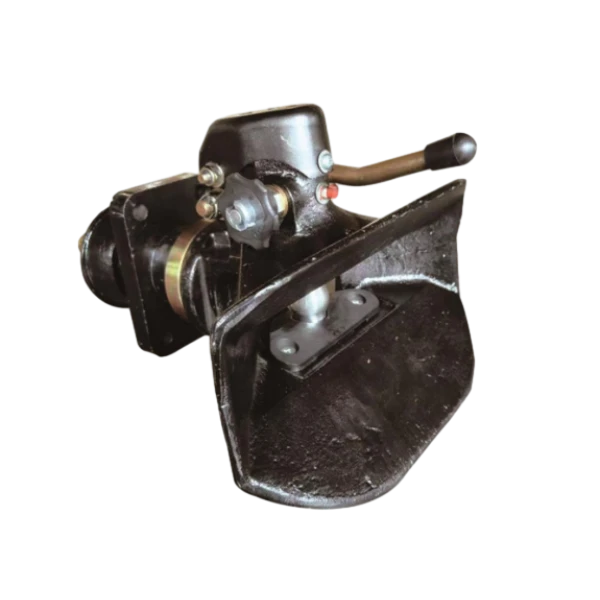 Trailer Coupling
The trailer coupling is a critical component in vehicle towing systems, designed to ensure a secure and efficient connection between a towing vehicle and a trailer. These couplings are manufactured using high-strength carbon steel, alloy steel, or stainless steel, ensuring durability and resistance to heavy loads and harsh environments.
-
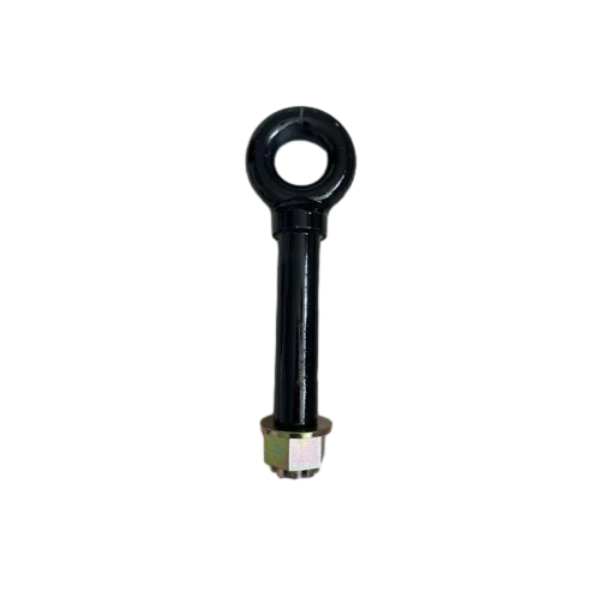 Drawbar Eyes
Drawbar eyes are essential components in towing and hauling applications, providing a strong and secure attachment point between the trailer and the towing vehicle. They are designed to endure extreme pulling forces, making them suitable for heavy-duty applications.
-
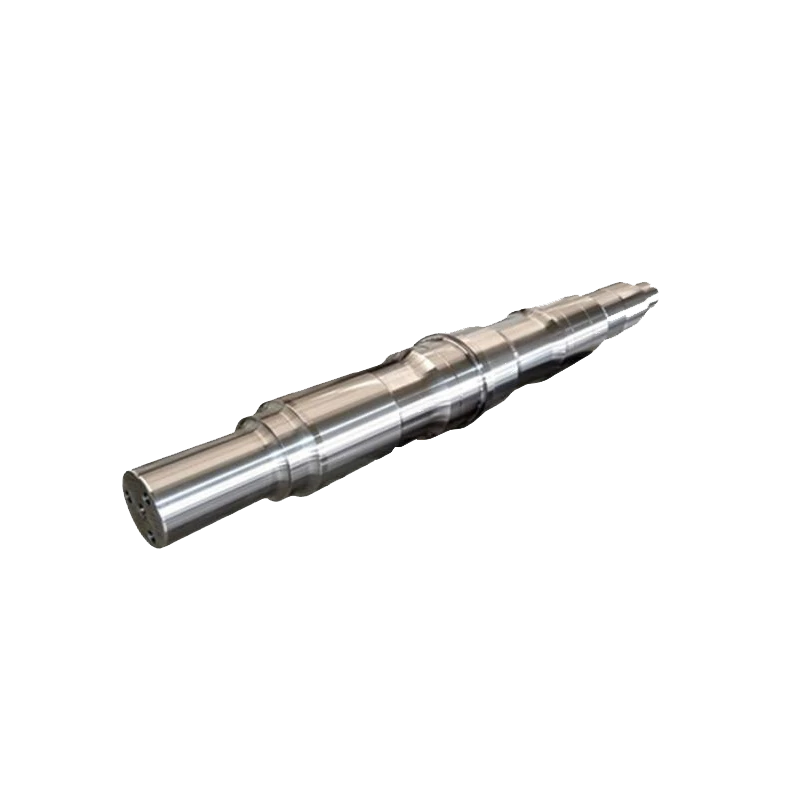 Axles
AxlesAxles are essential for vehicle load-bearing and power transmission, ensuring smooth movement and weight distribution. They must withstand high stress, torque, and impact, making material selection and precise manufacturing crucial.
-
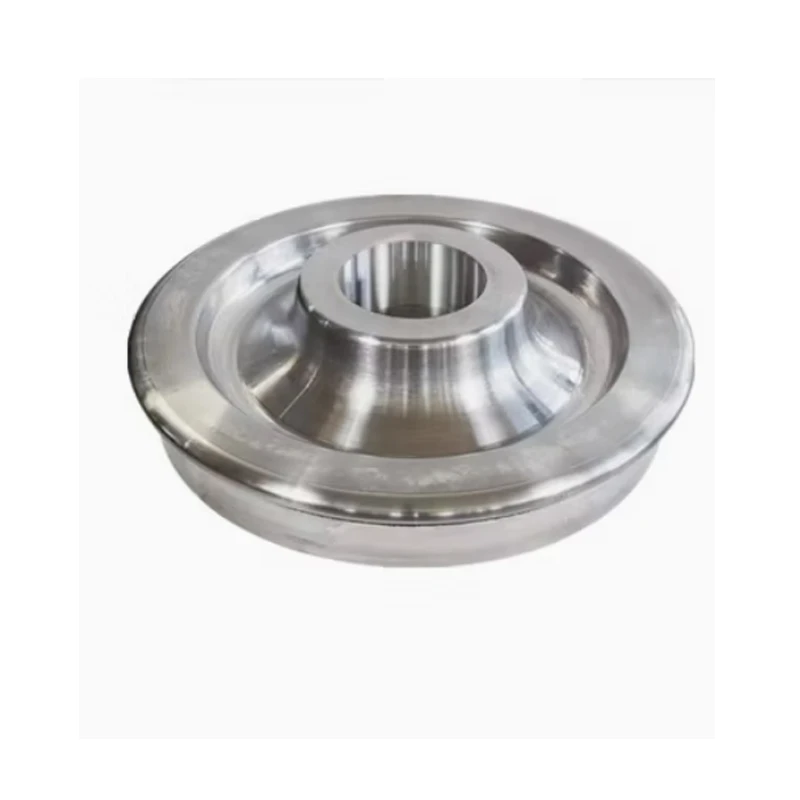 Profile S1002 Series Rail Wheels
The S1002 series rail wheels are designed for Rail-Road Vehicles (RRVs) that require seamless operation on both roads and railway tracks. Engineered with high precision and durability, these wheels conform to S1002 tread profiles, ensuring compatibility with standard railway systems.
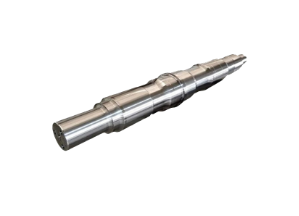
A Comprehensive Guide to Axles Types for Industry Decision Makers | Manufacturing Base
Axles Types is a key solution in the industry, specifically within heavy machinery and transportation sectors. This article explores how https://www.manufacturing-base.com supports professionals with durable, high-performance products
>
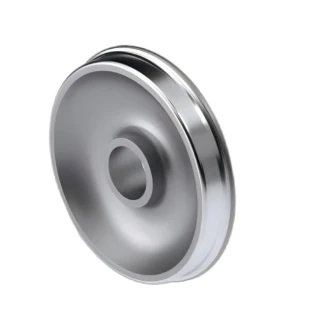
Reliable Rail Wheels: Optimize Your Rail Transport Solutions
For industries that rely on rail-based vehicles, choosing the right rail wheels is essential for smooth operations and safety.
>
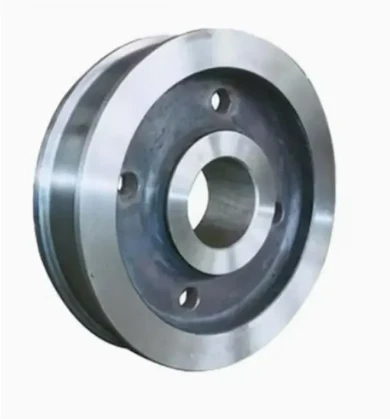
Premium Overhead Crane Wheels For Sale: Enhance Industrial Lifting Efficiency
In modern industrial operations, high-quality overhead crane wheels for sale are essential for safe, reliable, and efficient lifting.
>
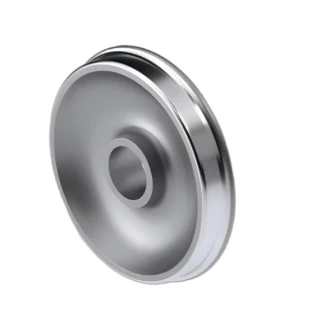
Premium Hi Rail Wheels For Sale: Boost Rail Vehicle Performance
In the modern industrial and railway sectors, having reliable hi rail wheels for sale is essential for operational efficiency and safety.
>
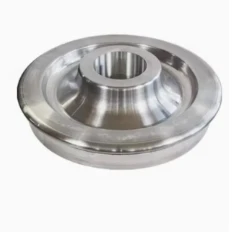
High-Quality Hi Rail Wheels For Sale: Enhance Your Rail Equipment Efficiency
When it comes to reliable rail maintenance and industrial operations, investing in hi rail wheels for sale is crucial.
>
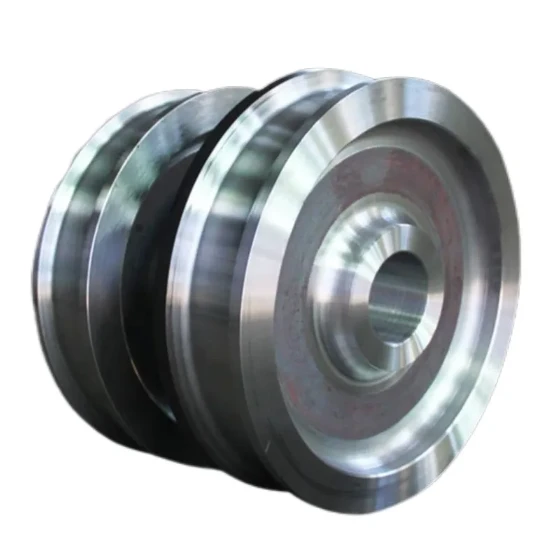
High-Quality Crane Wheels For Sale: Enhance Your Crane Operations
For industries relying on heavy lifting and material handling, investing in high-quality crane wheels for sale is crucial.
>
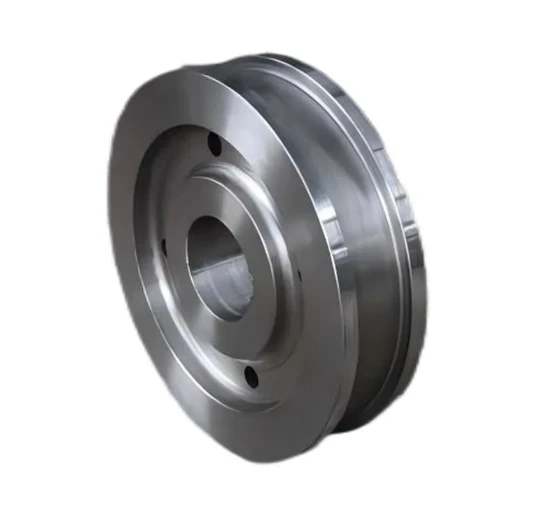
Durable Gantry Crane Wheels For Sale: Maximize Lifting Efficiency
For industries relying on heavy-duty lifting and material handling, selecting the right gantry crane wheels for sale is vital.
>
Reliable Tandem Drive Axles for Heavy-Duty Industrial Vehicles
Tandem Drive Axles: What I’ve Learned After Years in the Industrial Equipment Sector Ha
>
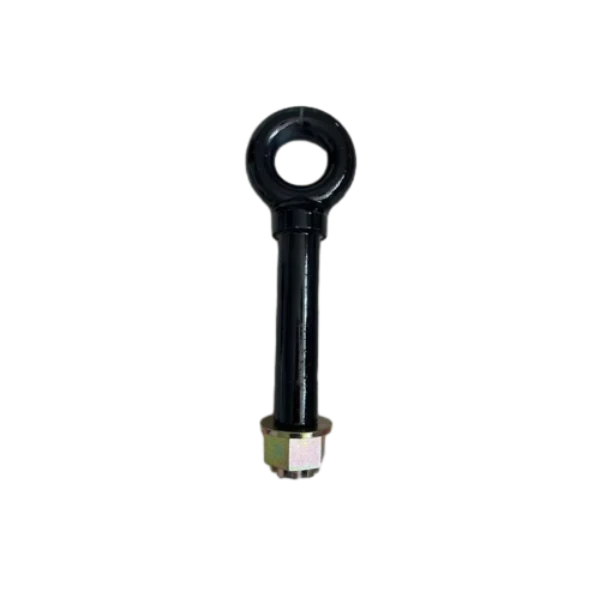
Reliable Semi Trailer Axles for Heavy-Duty Trailers | Expert Insight
Understanding semi trailer axles: The Backbone of Heavy Hauling Having spent more than a deca
>
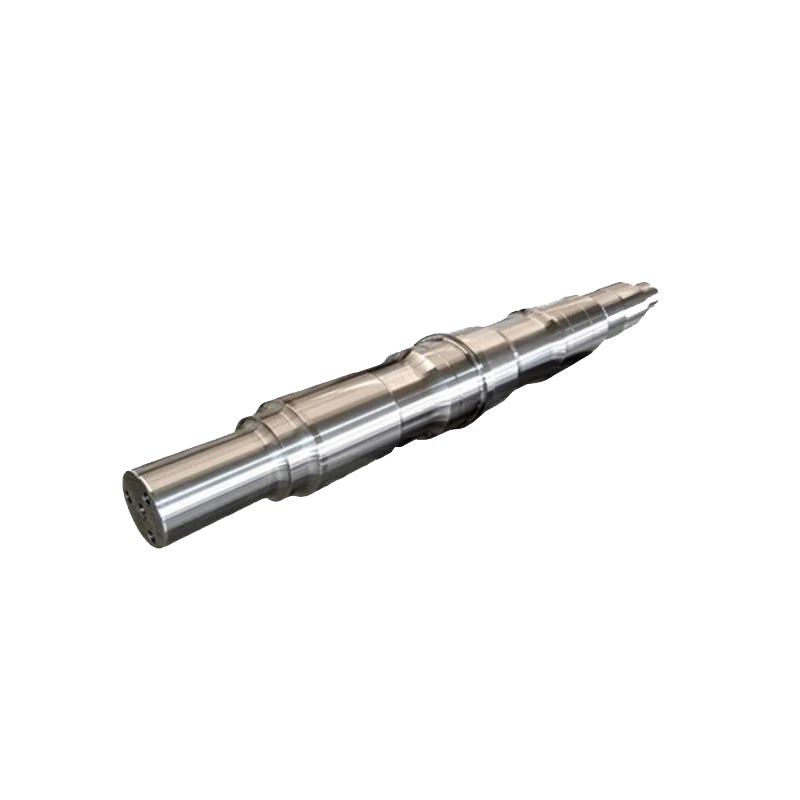
RC Portal Axles: Industrial Strength and Custom Performance
RC Portal Axles: A Veteran’s Take on Industrial-Grade Performance Having spent over a d
>
Engineered for Excellence
Our forged solutions deliver reliability and performance, powering demanding industries to keep operations running smoothly.

Sign up
for Newsletter
Subscribe to the weekly newsletter for all the latest updates