- Tel: +86 311 82620404
- Cell: 86 -13739710551
- Email: sales@potentia.cn

Heavy Duty Trailer Axles: Essential Components for Safe and Efficient Cargo Transport
Heavy Duty Trailer Axles: Backbone of Modern Transportation
When you think about moving heavy loads efficiently—whether it’s construction equipment, agricultural products, or even emergency supplies—there's a crucial, often unnoticed hero keeping it all rolling smoothly: heavy duty trailer axles. These components might not get the spotlight, but their global importance is massive. From the commercial trucking hubs in North America to the sprawling industrial zones of Asia, mastering the design and use of these axles can truly transform how goods get around the world. Understanding this can reveal benefits that range from economic efficiency to environmental sustainability.
Introduction: Why Heavy Duty Trailer Axles Matter Globally
Transportation is the lifeblood of commerce and development—without reliable trailer axles, supply chains falter. As per the World Bank’s transport sector reports, cargo transport has grown roughly 3% per year globally, signaling rising demand for robust trailers that can handle heavier and heavier loads. But beyond sheer volume, the challenge is making axles that deliver reliability across diverse terrains—from unforgiving deserts to icy highways.
Oddly enough, these components also play an indispensable role in humanitarian logistics. When disaster strikes, dependable heavy duty trailer axles ensure humanitarian aid reaches remote and damaged areas quickly. So, their role mixes infrastructure, technology, and human welfare.
What Are Heavy Duty Trailer Axles?
Simply put, heavy duty trailer axles are the structural shafts that connect the trailer wheels, supporting large weight loads while allowing wheels to rotate freely. Think of them as the spine of the trailer, built to withstand rigorous stress and wear. In modern industries, these axles must balance strength, durability, and precision engineering to handle payloads ranging from 7,000 lbs to over 30,000 lbs per axle.
Their importance isn’t just industrial. Humanitarian sectors rely on them to move essential resources where roads might be rough or barely existent. So, these axles are a bridge between heavy machinery and fragile ecosystems—technical yet profoundly practical.
Key Factors Defining Heavy Duty Trailer Axles
Durability
Durability is king here. These axles are typically made from high-grade steel alloys, like carbon or alloy steel, often heat-treated for extra resistance. Their design takes into account impact loads, fatigue from continuous vibration, and corrosion from weather exposure. Any failure can cause catastrophic loss, so they must last for years under severe conditions.
Load Capacity & Scalability
Companies need axles that match their payload needs. Whether it’s tandem axles or multi-axle configurations, scalability allows trailers to carry almost any load. This adaptability helps producers cater to diverse industries, from agriculture to mining.
Cost Efficiency
Though robust, these axles must also be affordable and offer low maintenance. Manufacturers focus on balancing materials costs with lifecycle performance, because odd repairs or frequent part replacements can wreck operating budgets.
Safety Features
Given the dangerous nature of heavy transport, safety is absolutely critical. Features like integrated braking systems, precision bearings, and shock absorbers help maintain stable control—reducing accidents on highways and off-road.
Customization & Compatibility
Trailers differ widely, meaning axles often need customization. Vendors provide a range of options for mounting styles, hub sizes, and suspension compatibility, which makes pairing the axle to the trailer design smoother.
Real-World Applications Around the Globe
Heavy duty trailer axles power industries worldwide. In North America, they haul timber and heavy machinery; in Europe, they’re integral to agricultural transport; in Asia, massive infrastructure projects lean heavily on their ability to carry construction materials safely.
In humanitarian contexts, organizations like the UN Office for the Coordination of Humanitarian Affairs use trailers with heavy duty axles to supply disaster relief in challenging environments—think jungle roads in Southeast Asia or earthquake zones in Central Asia. And in remote industrial zones in Africa, rugged axles help move mining equipment and ores safely over rough terrain.
A Closer Look: Product Specification Table
| Specification | Typical Value | Notes |
|---|---|---|
| Material | Heat-treated Alloy Steel | Offers high tensile strength & fatigue resistance |
| Load Capacity per Axle | 7,000 - 30,000 lbs | Varies by axle type and suspension system |
| Braking System | Air/Electric or Hydraulic Disc | Disc brakes increasingly preferred for safety |
| Corrosion Protection | Powder coating, galvanized | Essential for longevity in harsh climates |
| Axle Type | Tandem, Triple, Single | Chosen based on cargo and trailer configuration |
Advantages of Heavy Duty Trailer Axles
To really get why these axles matter, consider:
- Reliability: Reduce breakdowns and increase uptime. In real terms, that means goods reach markets or crisis zones on time.
- Economic Savings: Lower maintenance and increased lifespan balance out upfront material costs.
- Safety & Trust: Drivers and operators know a well-built axle maintains stability, reducing accidents.
- Environmental Impact: Less frequent replacements and optimized weight support contribute to lower carbon footprints.
Overall, they bring dignity and reliability into harsh operating conditions—you know, the kind that separates a successful logistics operation from a failed one.
Vendor Comparison: Popular Heavy Duty Trailer Axle Manufacturers
| Vendor | Axle Load Capacity | Customization Options | Warranty | Global Reach |
|---|---|---|---|---|
| HeavyAxle Inc. | Up to 30,000 lbs | High (custom lengths, brakes, coatings) | 5 years limited | North America, Europe |
| Global Axles Ltd. | Up to 25,000 lbs | Medium (standard configs) | 3 years | Worldwide |
| EcoDrive Components | Up to 20,000 lbs | Low (focus on standard parts for green tech) | 4 years | Asia, Europe |
Future Trends & Innovations in Heavy Duty Trailer Axles
It feels like the future of heavy duty trailer axles is interlinked with sustainability and smart tech. Lightweight composite materials, such as carbon fiber hybrids, are starting to replace steel in niche applications to reduce axle weight and improve fuel economy. Automation, including condition-monitoring sensors embedded in the axle assembly, is becoming a practical reality—allowing fleet operators to detect wear early and schedule maintenance proactively. Meanwhile, regulatory push for greener logistics globally pushes manufacturers to make axles both tougher and lighter.
Challenges and Solutions
Despite advances, challenges remain. Harsh operating environments accelerate corrosion and wear; budget constraints limit deployment of state-of-the-art axles; and the variety of trailer designs complicates standardization. Industry leaders suggest modular axle platforms as a promising solution, enabling easy replacement and upgrade of components while keeping costs manageable. Moreover, partnerships between manufacturers and NGOs are helping to field-test rugged axles in harsh humanitarian scenarios, refining designs with real-world feedback.
FAQ: Frequently Asked Questions About Heavy Duty Trailer Axles
- What load capacities should I consider for heavy duty trailer axles?
- Load capacity depends on your trailer’s typical payloads. Common heavy duty axles support between 7,000 to 30,000 lbs per axle. Assess your max cargo weight, including regulations, to pick an appropriate axle.
- Are custom axles necessary for specialized trailers?
- Often yes. Customization ensures axle alignment, braking system compatibility, and suspension integration. Many manufacturers provide modular options to balance customization with affordability.
- How do heavy duty axles impact fuel efficiency?
- Heavier axles add to overall trailer weight, reducing fuel efficiency. However, innovations using lightweight alloys or composites can lower this impact, offering savings in fuel consumption over a vehicle’s lifetime.
- What maintenance is required for these axles?
- Routine inspections focusing on bearings, seals, and brake components help catch wear early. Corrosion protection via coatings should be monitored, especially in harsh environments.
- Can these axles be used in off-road or extreme climates?
- Absolutely. Robust axles with proper suspension and corrosion resistance are designed for challenging climates from Arctic cold to desert heat. Choosing the correct specifications is crucial.
Conclusion: The Last Word on Heavy Duty Trailer Axles
The bottom line? Heavy duty trailer axles aren’t just mechanical parts; they’re enablers of economic growth and humanitarian outreach. Their design intricacies, applications, and evolving technologies all reflect a deep connection between industry needs and human progress. Frankly, understanding them empowers better decisions—whether you’re in logistics, emergency response, or manufacturing.
To explore a wide range of high-quality axles, don’t miss visiting heavy duty trailer axles for trusted vendor options and detailed specs.
Mini takeaway: Durable, adaptable, and increasingly smart, heavy duty trailer axles are quietly transforming how the world moves heavy loads—efficiently, safely, and sustainably.
References:
1. Wikipedia: Trailer (vehicle)
2. World Bank: Transport Overview
3. United Nations Office for the Coordination of Humanitarian Affairs
-
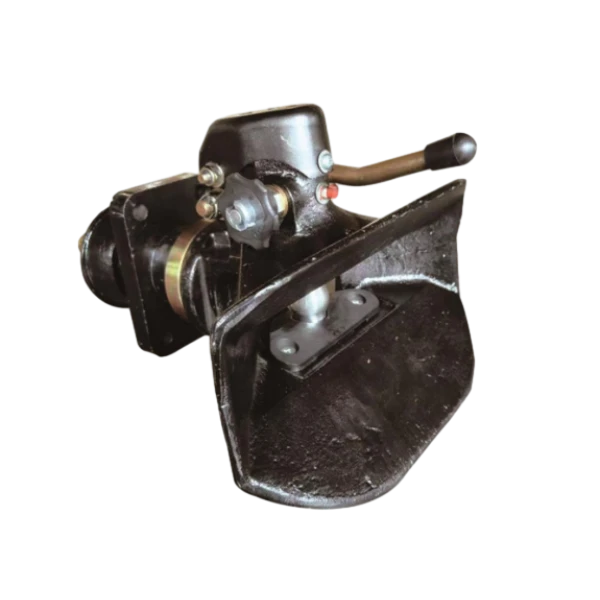 Trailer Coupling
The trailer coupling is a critical component in vehicle towing systems, designed to ensure a secure and efficient connection between a towing vehicle and a trailer. These couplings are manufactured using high-strength carbon steel, alloy steel, or stainless steel, ensuring durability and resistance to heavy loads and harsh environments.
-
 Drawbar Eyes
Drawbar eyes are essential components in towing and hauling applications, providing a strong and secure attachment point between the trailer and the towing vehicle. They are designed to endure extreme pulling forces, making them suitable for heavy-duty applications.
-
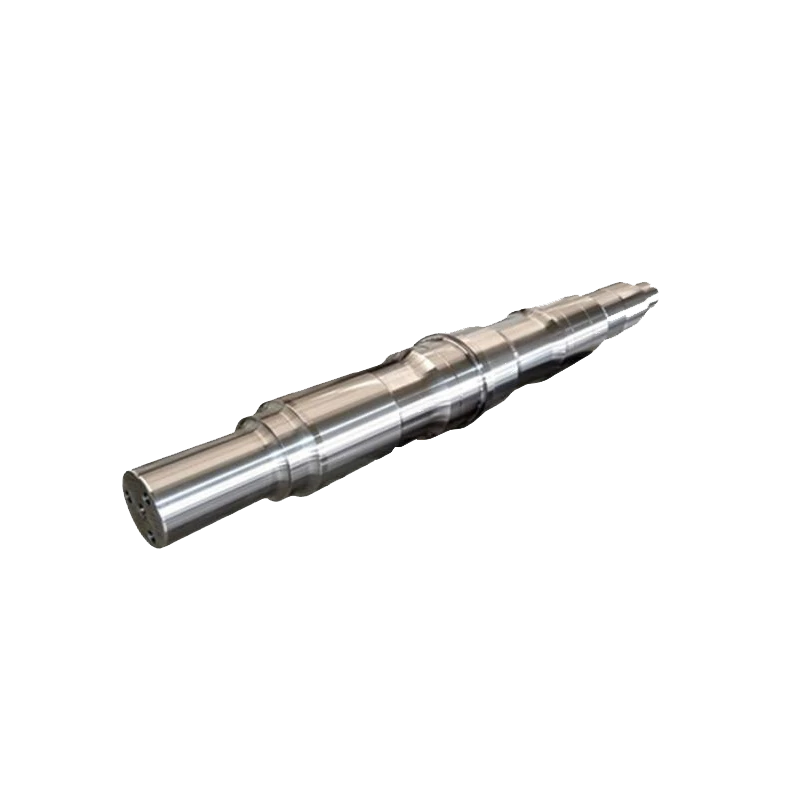 Axles
AxlesAxles are essential for vehicle load-bearing and power transmission, ensuring smooth movement and weight distribution. They must withstand high stress, torque, and impact, making material selection and precise manufacturing crucial.
-
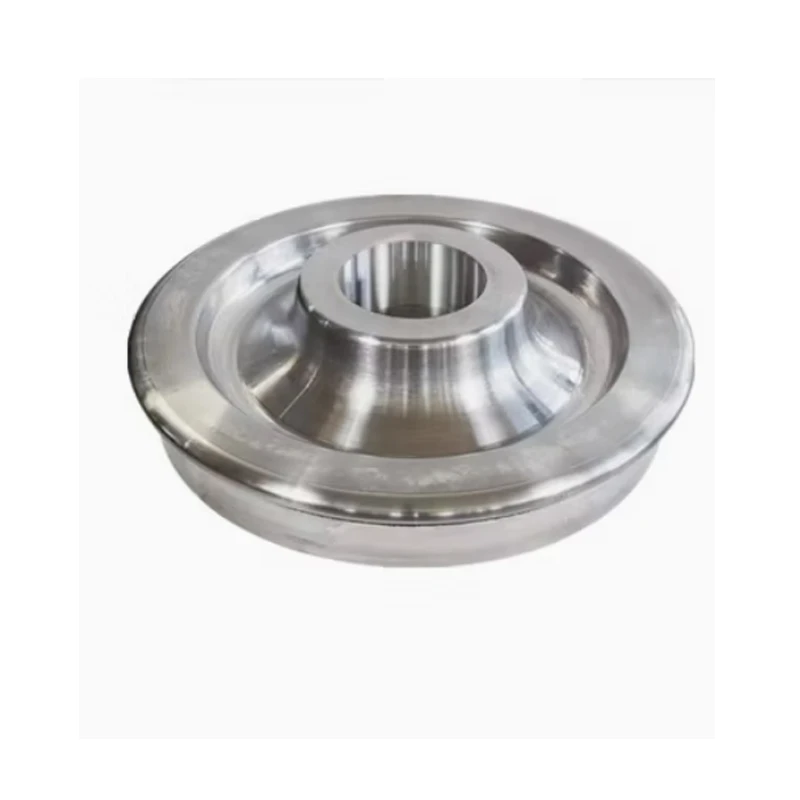 Profile S1002 Series Rail Wheels
The S1002 series rail wheels are designed for Rail-Road Vehicles (RRVs) that require seamless operation on both roads and railway tracks. Engineered with high precision and durability, these wheels conform to S1002 tread profiles, ensuring compatibility with standard railway systems.
A Comprehensive Guide to Axles Types for Industry Decision Makers | Manufacturing Base
Axles Types is a key solution in the industry, specifically within heavy machinery and transportation sectors. This article explores how https://www.manufacturing-base.com supports professionals with durable, high-performance products
>
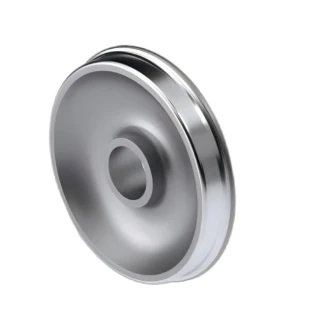
Reliable Rail Wheels: Optimize Your Rail Transport Solutions
For industries that rely on rail-based vehicles, choosing the right rail wheels is essential for smooth operations and safety.
>
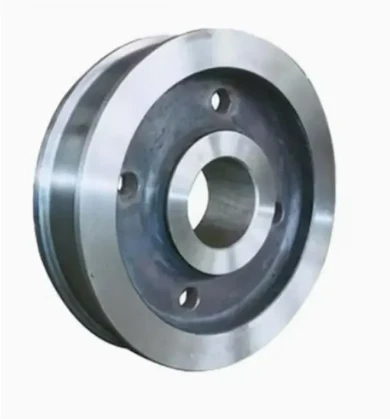
Premium Overhead Crane Wheels For Sale: Enhance Industrial Lifting Efficiency
In modern industrial operations, high-quality overhead crane wheels for sale are essential for safe, reliable, and efficient lifting.
>
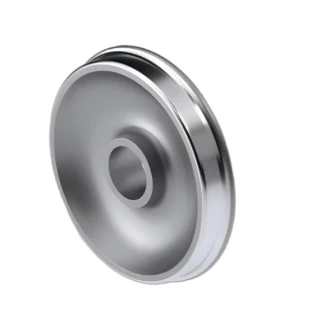
Premium Hi Rail Wheels For Sale: Boost Rail Vehicle Performance
In the modern industrial and railway sectors, having reliable hi rail wheels for sale is essential for operational efficiency and safety.
>
High-Quality Hi Rail Wheels For Sale: Enhance Your Rail Equipment Efficiency
When it comes to reliable rail maintenance and industrial operations, investing in hi rail wheels for sale is crucial.
>
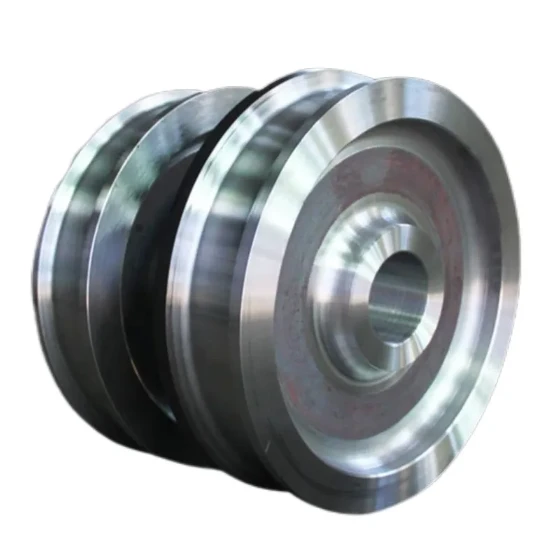
High-Quality Crane Wheels For Sale: Enhance Your Crane Operations
For industries relying on heavy lifting and material handling, investing in high-quality crane wheels for sale is crucial.
>
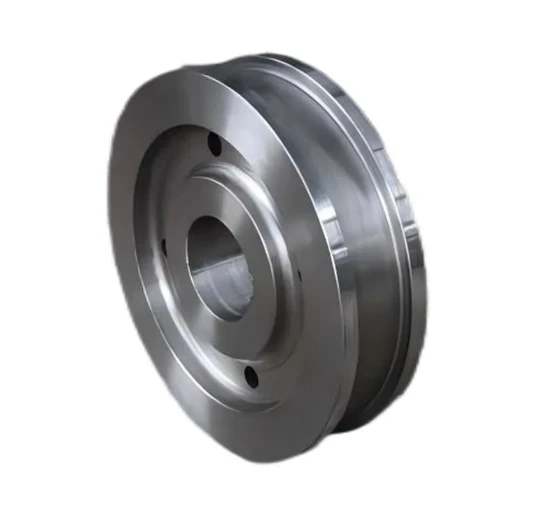
Durable Gantry Crane Wheels For Sale: Maximize Lifting Efficiency
For industries relying on heavy-duty lifting and material handling, selecting the right gantry crane wheels for sale is vital.
>
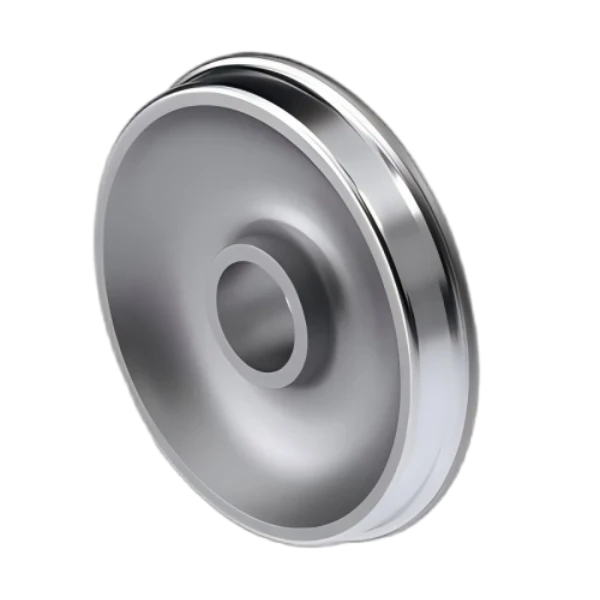
Reliable Tandem Drive Axles for Heavy-Duty Industrial Vehicles
Tandem Drive Axles: What I’ve Learned After Years in the Industrial Equipment Sector Ha
>

Reliable Semi Trailer Axles for Heavy-Duty Trailers | Expert Insight
Understanding semi trailer axles: The Backbone of Heavy Hauling Having spent more than a deca
>
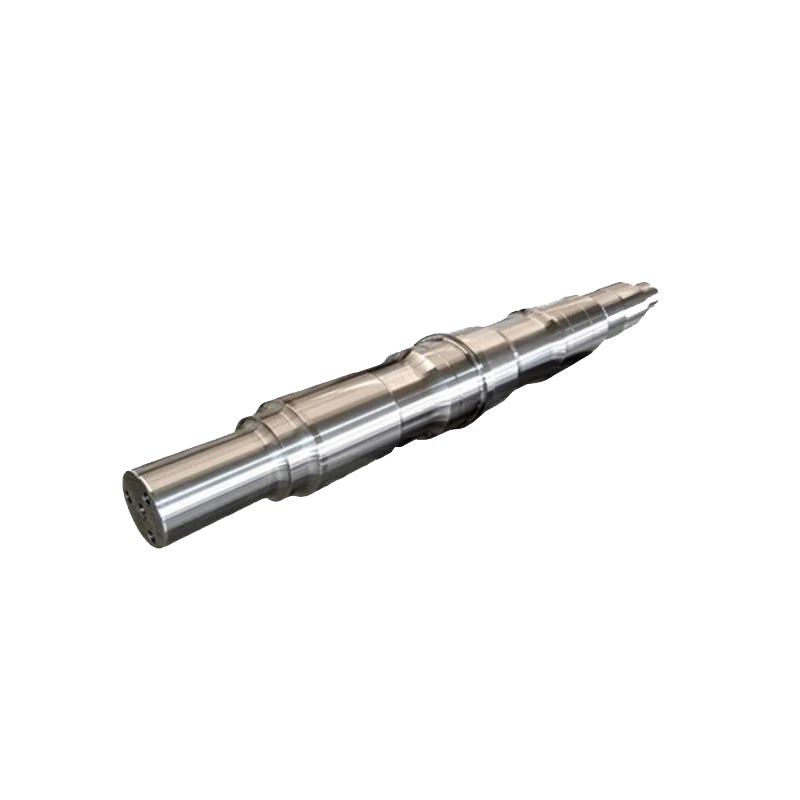
RC Portal Axles: Industrial Strength and Custom Performance
RC Portal Axles: A Veteran’s Take on Industrial-Grade Performance Having spent over a d
>
Engineered for Excellence
Our forged solutions deliver reliability and performance, powering demanding industries to keep operations running smoothly.

Sign up
for Newsletter
Subscribe to the weekly newsletter for all the latest updates