- Tel: +86 311 82620404
- Cell: 86 -13739710551
- Email: sales@potentia.cn

Heavy Duty Cart Wheels and Axles: A Comprehensive Guide to Industrial Mobility Solutions
Understanding Heavy Duty Cart Wheels and Axles: The Backbone of Industrial Mobility
Heavy duty cart wheels and axles might sound like simple hardware components, yet they’re pivotal in industries worldwide. Whether it’s moving goods across a sprawling warehouse or aiding emergency relief operations after natural disasters, these seemingly modest pieces enable critical load transportations. Given the increasing globalization of supply chains and the growth of humanitarian logistics, knowing how these parts work and why they matter is more relevant than ever.
Introduction: The Global Significance of Heavy Duty Cart Wheels and Axles
According to data from organizations like the International Organization for Standardization (ISO) and the World Bank, logistics and material handling efficiency directly influence global economic outputs. In practical terms, that efficiency often boils down to equipment like heavy duty carts designed with robust wheels and axles. When transporting heavy loads, safety and reliability become global priorities. Faulty or low-quality components risk product damage, worker injury, and costly downtime — challenges that ripple across industries from manufacturing hubs in Asia to distribution centers in Europe and Africa alike.
Interestingly, humanitarian efforts in disaster-prone regions often rely on rugged, heavy duty carts to ferry supplies where vehicles cannot reach. The challenge? Designing wheels and axles that withstand harsh environmental conditions yet remain affordable and scalable.
What Are Heavy Duty Cart Wheels and Axles?
Simply put, heavy duty cart wheels are specialized wheels made to carry substantial weight, often ranging from hundreds to thousands of kilograms, attached to a sturdy axle that allows for smooth rotation and movement. These components serve as the foundation for carts used in various industries including warehousing, manufacturing, agriculture, healthcare, and emergency relief.
They ensure mobility, reduce friction on heavy loads, and contribute to safer and more efficient material handling. The connection of the wheels to the axles is critical; if either fails under load, the entire moving system is compromised.
Key Components and Factors Influencing Performance
Durability
Heavy duty wheels must resist wear and tear from continuous rolling, impact shocks, and exposure to chemicals or extreme temperatures. Materials like polyurethane, steel, and thermoplastics are common due to their toughness.
Load Capacity
The ability to carry weight without deformation is non-negotiable. The axle’s design, diameter, and material strength critically determine this capacity.
Traction and Maneuverability
The tread design affects grip on different surfaces – from slick warehouse floors to uneven outdoor terrain. Some wheels have specialized tread for better traction in mud or gravel.
Corrosion Resistance
Especially important for outdoor or chemical-exposed environments. Stainless steel axles or treated coatings prolong lifespan.
Maintenance and Replaceability
Designs that allow quick wheel removal and axle lubrication save downtime and operational costs.
Heavy Duty Cart Wheels and Axles Specifications
| Specification | Description |
|---|---|
| Wheel Diameter | 100 mm – 300 mm |
| Load Capacity | Up to 1,200 kg per wheel |
| Material | Polyurethane, Steel, Rubber, Nylon |
| Axle Material | Stainless Steel, Alloy Steel |
| Tread Type | Flat, Grooved, Pneumatic |
| Mount Types | Fixed, Swivel, Brake-equipped |
Global Applications of Heavy Duty Cart Wheels and Axles
Applications vary widely, but you’ll see heavy duty wheels and axles in:
- Manufacturing plants: For moving raw materials and finished products across shop floors.
- Warehouses and distribution centers: Facilitating fast order picking and efficient stock movement.
- Agricultural settings: Carts transporting harvests on rugged terrain.
- Disaster relief and humanitarian aid: In places like sub-Saharan Africa and parts of Southeast Asia, these carts help move medical supplies and food when motor vehicles can’t access crushed roads.
- Construction sites: Heavy loads like bricks and tools moved seamlessly across temporary roads.
Oddly enough, there’s a growing push in urban farming and small-scale manufacturing in Latin America to customize these carts with locally sourced materials—a neat fusion of innovation and sustainability.
Mini Takeaway:
Heavy duty cart wheels and axles don’t just move goods; they connect economies and support life-saving work globally.
Advantages and Long-Term Value
First, cost efficiency: high-quality wheels reduce maintenance and replacements, lowering total ownership costs. Secondly, environmental sustainability gets a boost as durable components mean fewer wasteful disposals. In humanitarian terms, reliable wheels equate to safety and dignity—no one wants vital supplies delayed or people carrying heavy loads manually.
Then, there’s innovation trust. When companies invest in precision-engineered wheels and axles, they spark confidence in their supply chains. Socially, these tools support jobs and productivity—plus they often outperform cheaper, poorly made alternatives, reducing injury risks.
Future Trends and Innovations
I suppose every sector is nudging toward smarter, greener mobility solutions, and heavy duty cart wheels and axles aren’t exempt. Some emerging trends include:
- Use of composite materials for lighter weight with equal strength.
- Integration of IoT sensors on axles/wheels to monitor wear in real-time for proactive maintenance.
- Eco-friendly manufacturing, such as recycling polyurethane components or using bio-based polymers.
- Enhanced corrosion-resistant coatings to further extend outdoor service life.
- Automation compatibility—designs tuned for robotic guided vehicles and automated warehouse systems.
Key Challenges and How Experts Solve Them
Major challenges include balancing durability with cost, managing maintenance in remote locations, and selecting materials that suit diverse climates. For example, in extreme cold environments, some wheel materials become brittle.
Experts recommend modular designs allowing wheels or axles to be swapped quickly onsite. Also, investing in preventive maintenance training for operators ensures longer equipment life — which frankly pays off more than reactive repairs.
| Vendor | Material Options | Load Capacity (kg) | Customization | Global Shipping |
|---|---|---|---|---|
| Global Wheels Inc. | Polyurethane, Steel, Nylon | Up to 1200 | Full Custom Specs | Yes |
| HeavyAxles Ltd. | Steel (alloys), Rubber | Up to 900 | Limited | Selective regions |
| EcoMotion Components | Bio-polymers, Steel | Up to 800 | Moderate | Yes |
Frequently Asked Questions about Heavy Duty Cart Wheels and Axles
- What materials offer the best balance of durability and cost for heavy duty cart wheels?
- Polyurethane wheels often strike a good balance; they’re durable, resist chemicals, and handle loads well without breaking the bank. Steel wheels can bear heavier loads but may damage sensitive floors and cost more.
- How important is axle maintenance for heavy duty carts?
- Regular axle maintenance, including lubrication and inspection for wear, is crucial to prevent failures that could lead to accidents or operational delays. Neglecting maintenance shortens lifespan and raises costs.
- Can heavy duty cart wheels be customized for special environments?
- Yes, many manufacturers offer customization such as corrosion-resistant coatings for marine use or pneumatic treads for uneven outdoor terrain, adapting carts to specific industrial or humanitarian needs.
- What weight capacity should I consider for industrial heavy duty cart wheels?
- Always factor in the maximum anticipated load plus a safety margin — usually 1.5 to 2 times the standard operating weight. For typical warehouse uses, capacities around 800 to 1200 kg per wheel suffice, but heavier industrial applications may require more.
- Are there eco-friendly options for heavy duty cart wheels?
- Emerging eco-friendly options include wheels made from recycled materials or bio-polymers. These solutions reduce environmental footprints without compromising performance, aligning with global sustainability goals.
Conclusion: Why Investing in Quality Heavy Duty Cart Wheels and Axles Pays Off
Ultimately, these wheels and axles are more than components—they underpin the smooth flow of goods, preserve worker safety, and support critical humanitarian missions. With ever-evolving technologies and materials, today’s heavy duty wheels offer unprecedented durability and versatility. Curious to find the perfect fit for your needs? Visit our website: https://www.manufacturing-base.com to explore the latest in heavy duty cart wheels and axles.
Quick Thought: Sometimes, the smallest parts carry the biggest load — quite literally!
References:
-
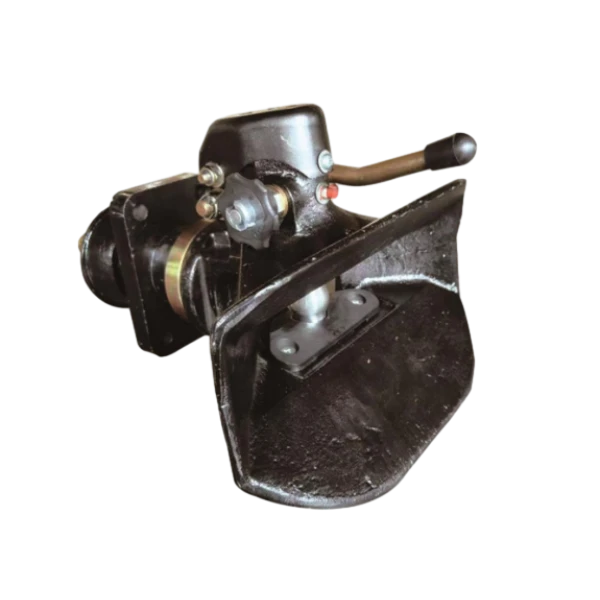 Trailer Coupling
The trailer coupling is a critical component in vehicle towing systems, designed to ensure a secure and efficient connection between a towing vehicle and a trailer. These couplings are manufactured using high-strength carbon steel, alloy steel, or stainless steel, ensuring durability and resistance to heavy loads and harsh environments.
-
 Drawbar Eyes
Drawbar eyes are essential components in towing and hauling applications, providing a strong and secure attachment point between the trailer and the towing vehicle. They are designed to endure extreme pulling forces, making them suitable for heavy-duty applications.
-
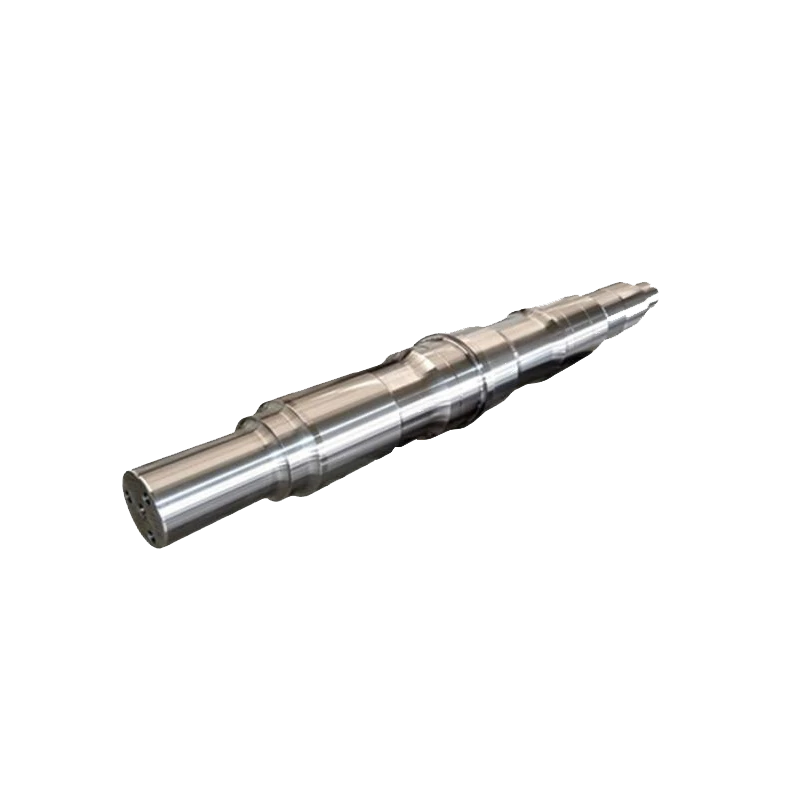 Axles
AxlesAxles are essential for vehicle load-bearing and power transmission, ensuring smooth movement and weight distribution. They must withstand high stress, torque, and impact, making material selection and precise manufacturing crucial.
-
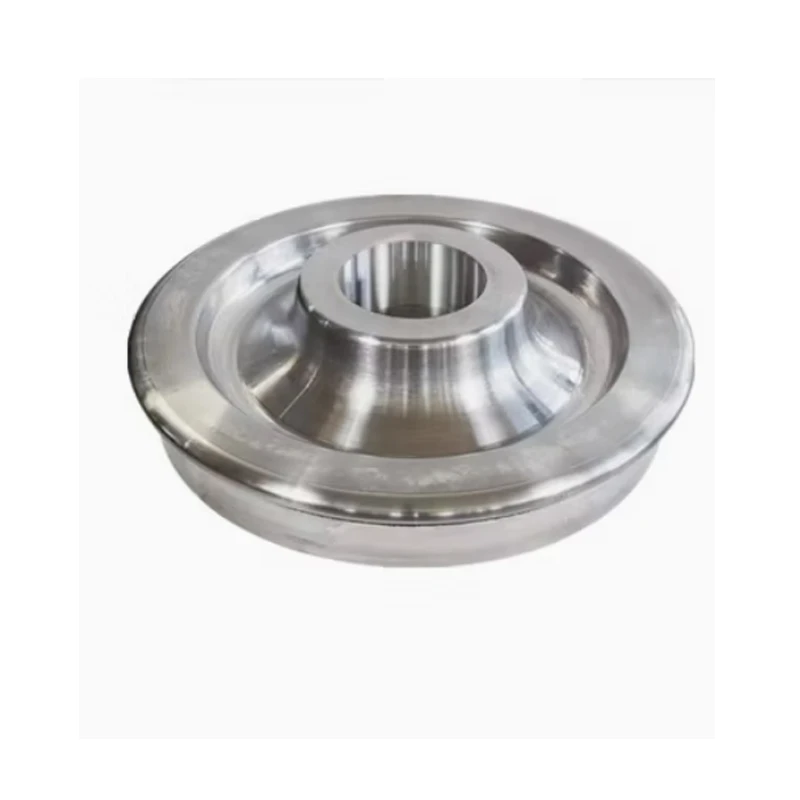 Profile S1002 Series Rail Wheels
The S1002 series rail wheels are designed for Rail-Road Vehicles (RRVs) that require seamless operation on both roads and railway tracks. Engineered with high precision and durability, these wheels conform to S1002 tread profiles, ensuring compatibility with standard railway systems.
A Comprehensive Guide to Axles Types for Industry Decision Makers | Manufacturing Base
Axles Types is a key solution in the industry, specifically within heavy machinery and transportation sectors. This article explores how https://www.manufacturing-base.com supports professionals with durable, high-performance products
>
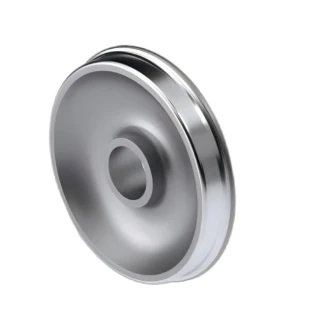
Reliable Rail Wheels: Optimize Your Rail Transport Solutions
For industries that rely on rail-based vehicles, choosing the right rail wheels is essential for smooth operations and safety.
>
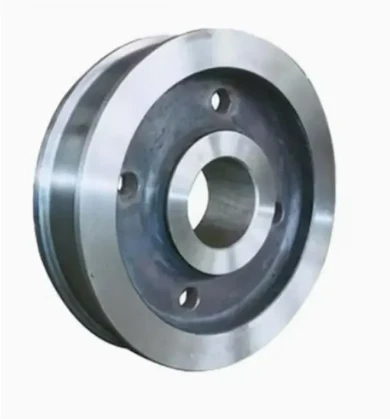
Premium Overhead Crane Wheels For Sale: Enhance Industrial Lifting Efficiency
In modern industrial operations, high-quality overhead crane wheels for sale are essential for safe, reliable, and efficient lifting.
>
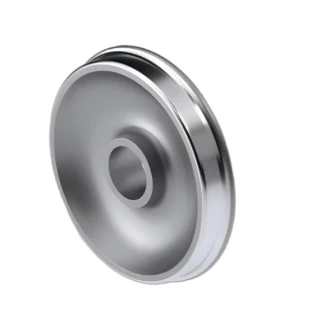
Premium Hi Rail Wheels For Sale: Boost Rail Vehicle Performance
In the modern industrial and railway sectors, having reliable hi rail wheels for sale is essential for operational efficiency and safety.
>
High-Quality Hi Rail Wheels For Sale: Enhance Your Rail Equipment Efficiency
When it comes to reliable rail maintenance and industrial operations, investing in hi rail wheels for sale is crucial.
>
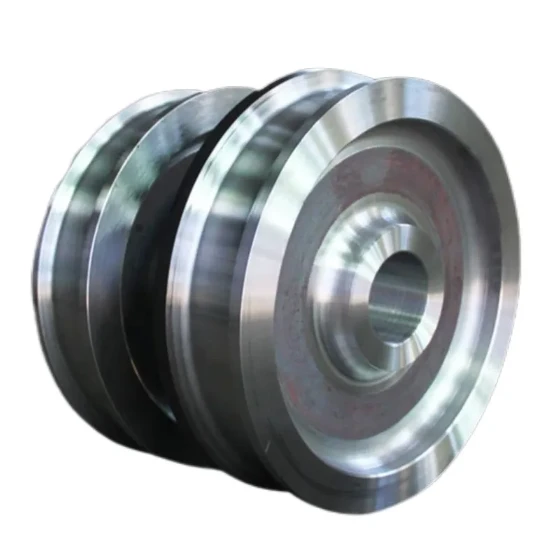
High-Quality Crane Wheels For Sale: Enhance Your Crane Operations
For industries relying on heavy lifting and material handling, investing in high-quality crane wheels for sale is crucial.
>
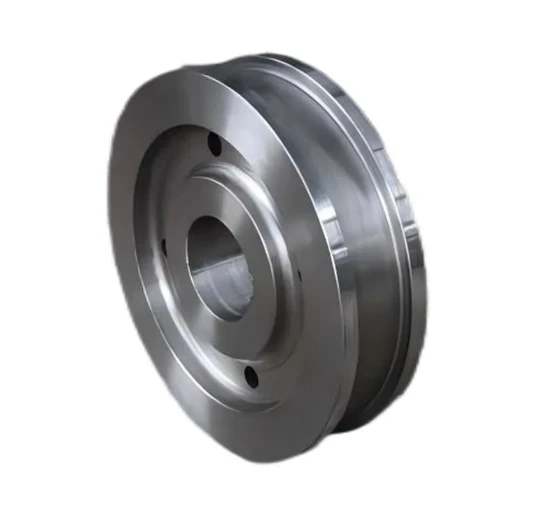
Durable Gantry Crane Wheels For Sale: Maximize Lifting Efficiency
For industries relying on heavy-duty lifting and material handling, selecting the right gantry crane wheels for sale is vital.
>
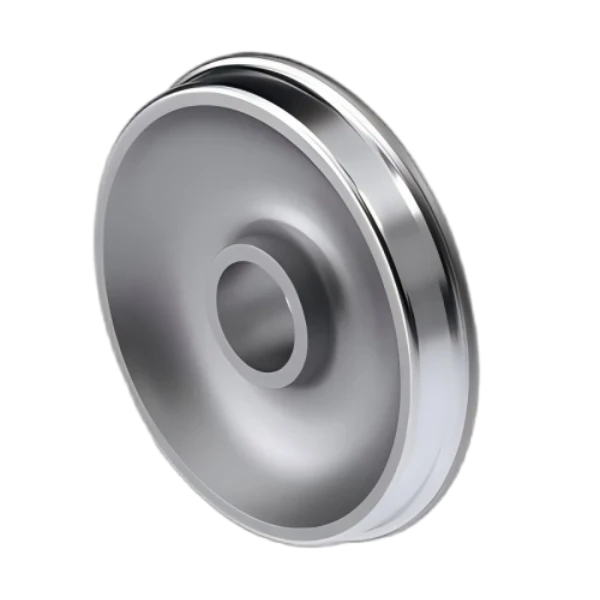
Reliable Tandem Drive Axles for Heavy-Duty Industrial Vehicles
Tandem Drive Axles: What I’ve Learned After Years in the Industrial Equipment Sector Ha
>
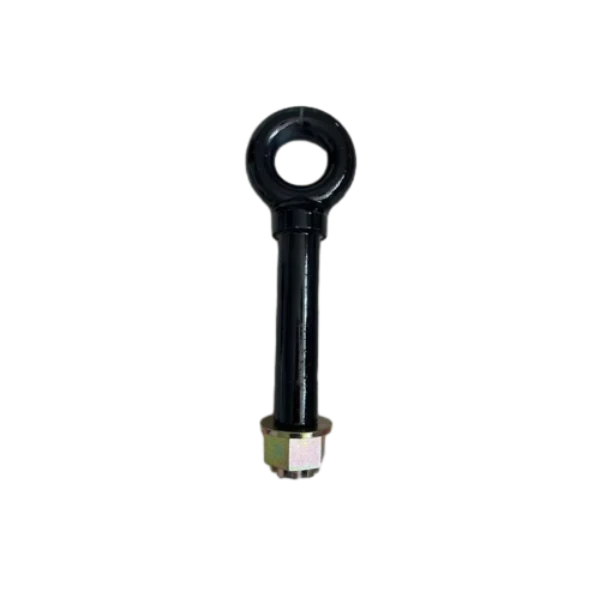
Reliable Semi Trailer Axles for Heavy-Duty Trailers | Expert Insight
Understanding semi trailer axles: The Backbone of Heavy Hauling Having spent more than a deca
>
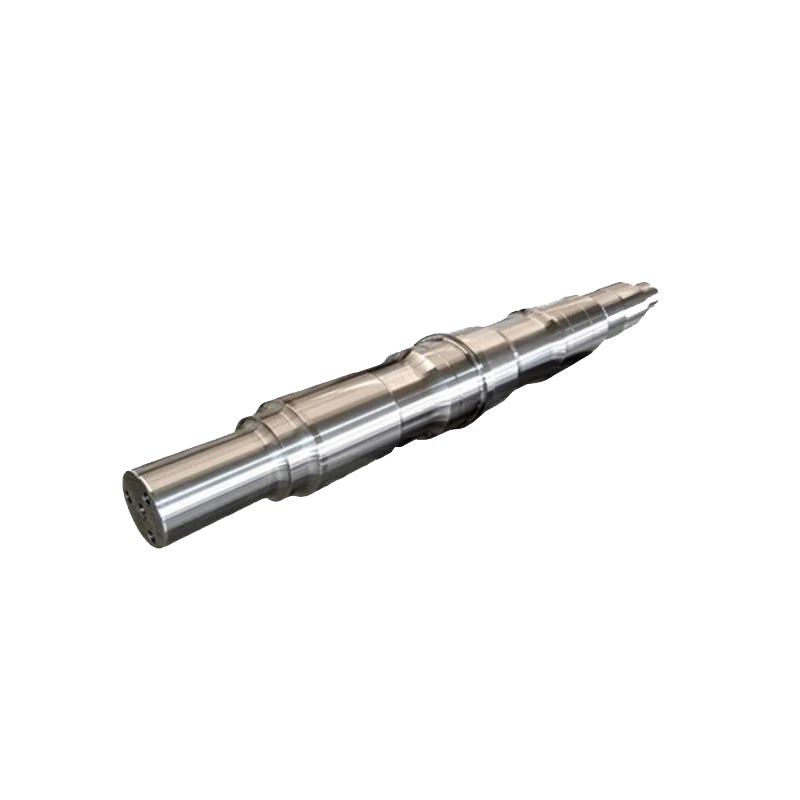
RC Portal Axles: Industrial Strength and Custom Performance
RC Portal Axles: A Veteran’s Take on Industrial-Grade Performance Having spent over a d
>
Engineered for Excellence
Our forged solutions deliver reliability and performance, powering demanding industries to keep operations running smoothly.

Sign up
for Newsletter
Subscribe to the weekly newsletter for all the latest updates