- Tel: +86 311 82620404
- Cell: 86 -13739710551
- Email: sales@potentia.cn

Heavy Duty Axles: Essential Components for Global Transportation and Industrial Strength
Heavy Duty Axles: The Backbone of Modern Industry and Transportation
Heavy duty axles might sound like a niche component — and frankly, they're often overlooked — but they are absolutely vital in various sectors worldwide. From freight transport rolling across continents to construction equipment digging deep in remote locations, these axles are the unsung heroes supporting immense loads day after day. Understanding heavy duty axles is crucial not only for manufacturers and engineers but also for anyone interested in how goods and services effectively move across the globe. They impact safety, durability, and efficiency on a vast scale, which ultimately benefits economies and communities alike.
Introduction: The Global Relevance of Heavy Duty Axles
According to recent data from the United Nations and the World Bank, the global freight transport market is expected to surpass $15 trillion by 2030 — a number that frankly boggles the mind. To handle such demand, transportation and heavy machinery require robust, reliable components. Heavy duty axles provide this reliability by bearing crushing loads, enabling the safe transit of essential goods. However, challenges such as rising materials costs and stricter environmental regulations have put pressure on manufacturers to innovate. Heavy duty axles must evolve to meet these new demands with better materials and smarter designs.
What Exactly Are Heavy Duty Axles?
In simple terms, a heavy duty axle is a solid shaft or assembly used in vehicles and industrial machines to transmit driving torque and carry weight. Unlike lighter axles found in passenger cars, these axles are specifically engineered to endure intense stresses and heavy payloads. They form the connection between wheels or tracks and the main frame of trucks, trailers, and heavy equipment. Without them, modern logistics and construction would come to a grinding halt.
Moreover, their role extends beyond industry — in humanitarian relief, rugged vehicles equipped with heavy duty axles deliver aid in disaster zones where terrain is harsh and infrastructure damaged.
Key Factors in Heavy Duty Axle Design
Durability
These axles must resist wear from continuous friction and immense weight. Typically made from heat-treated forged steel or specialized alloys, their endurance directly affects vehicle uptime and safety.
Load Capacity
Load ratings for heavy duty axles often exceed tens of thousands of pounds. The exact capacity depends on the application, from logging trucks to mining dumpers—each demanding specific engineering considerations.
Corrosion Resistance
Many heavy duty axles operate in harsh environments — think salt-treated roads, acidic soils, or deep mud. Protective coatings and advanced surface treatments guard against early rust and damage.
Maintenance & Serviceability
Designing axles to allow easy inspection, lubrication, and repair minimizes downtime. Modular designs or integrateable sensor technology help predict failures before they happen.
Cost Efficiency
Balancing performance with affordability is no small feat. Efficient manufacturing and materials choice keep prices competitive without sacrificing reliability.
Global Applications & Use Cases of Heavy Duty Axles
- Logistics and Freight Transport: Trucks hauling goods across continents depend on heavy duty axles that can handle varying road conditions and loads.
- Construction and Mining: In places like Australia’s mining belt or Canada’s tar sands, heavy machinery moves earth where robust axles are indispensable.
- Agricultural Equipment: Tractors and harvesters navigating uneven farmland need axles designed to survive jolts and stress.
- Post-Disaster Relief: Vehicles equipped with rugged axles deliver aid in quake or flood zones, where typical transport breaks down.
Regions with frequent infrastructure challenges — like parts of Sub-Saharan Africa — especially benefit from these durable components, helping economic activity continue seamlessly.
Advantages and Long-Term Value of Heavy Duty Axles
Heavy duty axles provide tangible benefits:
- Reliability: They reduce the risk of mechanical failure, which can be costly and dangerous.
- Cost Savings: Greater durability means fewer replacements and repairs.
- Sustainability: Longer-lasting parts create less industrial waste and decrease manufacturing demand.
- Safety and Trust: Durable axles enhance driver confidence and cargo security.
On an emotional level, they symbolize the resilience behind our supply chains, the unseen trust that goods will arrive where needed, intact and on time.
Future Trends & Innovations in Heavy Duty Axle Technology
We are beginning to see integration of smart sensors that monitor axle temperature, stress, and wear in real time — part of the broader digital transformation in heavy equipment. Manufacturers are experimenting with novel lightweight alloys and composites to improve fuel efficiency without sacrificing strength. There's also a push towards sustainability, with recycling of old axle components and exploring electric vehicle-compatible designs that reduce carbon footprints.
Challenges & Practical Solutions
Of course, the manufacturing of heavy duty axles isn't without hurdles. Raw material price volatility can disrupt supply chains. Additionally, the high cost of innovation limits quick adoption in some regions. To tackle this, some producers adopt heavy duty axles modularity as a design principle — allowing parts to be replaced or upgraded rather than entire units.
Another approach gaining traction: collaborating with universities and research institutions to test new alloys and coatings rigorously before market release.
Frequently Asked Questions About Heavy Duty Axles
1. How do heavy duty axles differ from regular axles?
Heavy duty axles are made to endure much higher loads and harsher conditions than standard axles in passenger vehicles. They use tougher materials and thicker components to carry tens of thousands of pounds.
2. What types of vehicles most commonly use heavy duty axles?
They are found mainly in trucks, trailers, construction equipment, agricultural machines, and military vehicles — essentially anywhere robust load-bearing is crucial.
3. Can heavy duty axles be customized for specific applications?
Absolutely. Manufacturers often tailor axle dimensions, load capacity, coatings, and integration with sensors depending on the industry requirements and terrain challenges.
4. How important is maintenance on heavy duty axles?
Regular maintenance—lubrication and inspection—is critical to extend axle life and prevent sudden failures, especially in harsh working environments.
5. Are there environmental considerations linked to heavy duty axles?
Yes, newer designs focus on using recyclable materials and reducing energy consumption during production and in operation, especially important as industries strive for greener footprints.
Product Specification Table
| Specification | Typical Range | Example Values |
|---|---|---|
| Maximum Load Capacity | 10,000 - 50,000+ lbs | 35,000 lbs (logistics truck) |
| Material | Forged steel, alloy steel | Heat-treated 4140 steel |
| Corrosion Protection | Galvanized, powder coating | Thermal spray coating |
| Diameter | 4" to 8" | 6" diameter |
| Service Life | 5 - 15 years (depending on usage) | 10 years (typical service) |
Vendor Comparison Table
| Vendor | Specialization | Global Reach | Sustainability Focus | Price Range (USD) |
|---|---|---|---|---|
| AxlePro Manufacturing | Heavy truck axles, modular design | North America, Europe | Medium (recycled steel parts) | $2,000 - $10,000 |
| Global Axles Ltd. | Mining, agriculture sectors | Asia, Africa, South America | High (eco-friendly coatings) | $3,500 - $15,000 |
| SteelCore Axles | Heavy equipment, sensors integration | Global | Growing focus (smart tech enabled) | $4,000 - $18,000 |
Conclusion: Why Heavy Duty Axles Matter Long-Term
Heavy duty axles may not be glamorous, but their importance is undeniable. They are vital cogs in the machinery of global commerce, infrastructure development, and emergency relief. Investing in high-quality axles means investing in safety, sustainability, and operational efficiency that pays off over time. Whether you're in logistics, construction, or agriculture, understanding what makes a heavy duty axle “heavy duty” can transform your project's reliability.
If you're looking for industry-leading heavy duty axles, explore our selection and expert resources at https://www.manufacturing-base.com. Because after all, the road to progress is supported by strength beneath the wheels.
Interestingly, many engineers say it’s the small details like axle coatings and smart maintenance features that really make the difference — not just brute strength. It feels like a subtle art behind all that raw power.
-
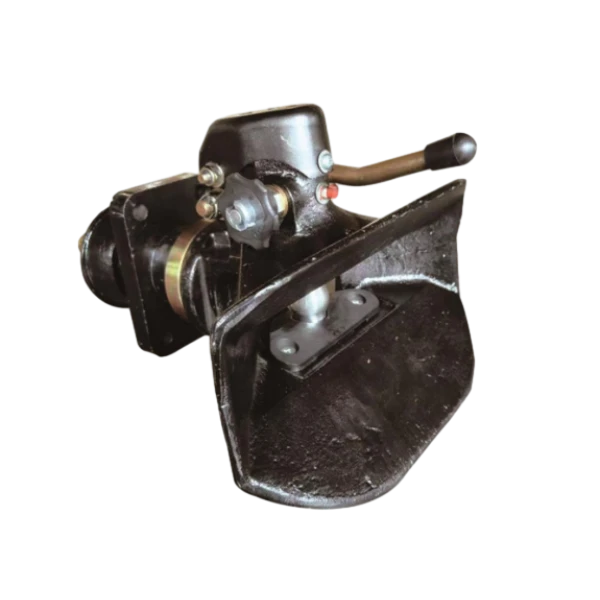 Trailer Coupling
The trailer coupling is a critical component in vehicle towing systems, designed to ensure a secure and efficient connection between a towing vehicle and a trailer. These couplings are manufactured using high-strength carbon steel, alloy steel, or stainless steel, ensuring durability and resistance to heavy loads and harsh environments.
-
 Drawbar Eyes
Drawbar eyes are essential components in towing and hauling applications, providing a strong and secure attachment point between the trailer and the towing vehicle. They are designed to endure extreme pulling forces, making them suitable for heavy-duty applications.
-
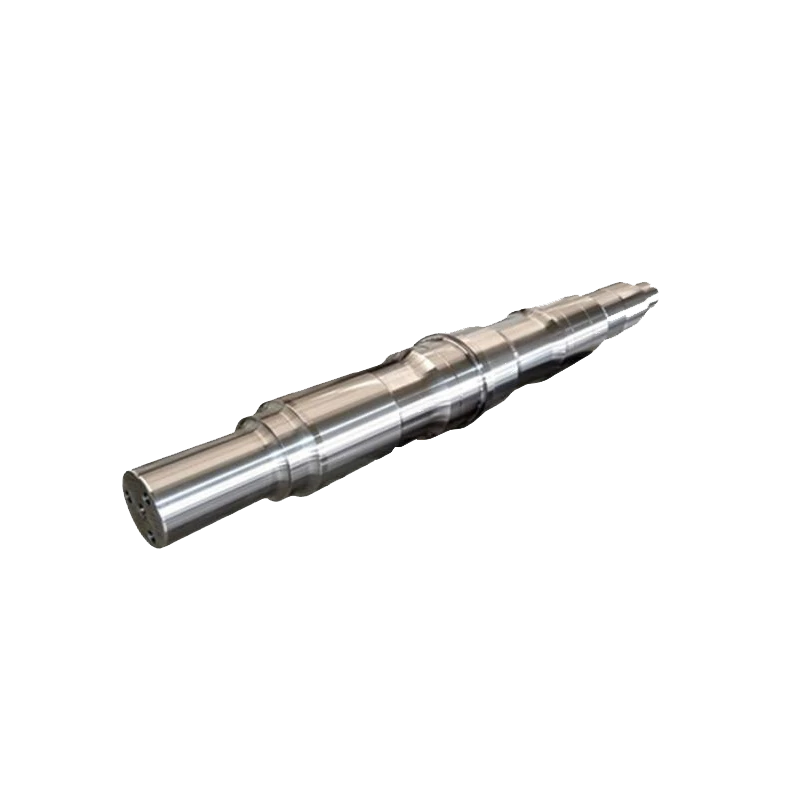 Axles
AxlesAxles are essential for vehicle load-bearing and power transmission, ensuring smooth movement and weight distribution. They must withstand high stress, torque, and impact, making material selection and precise manufacturing crucial.
-
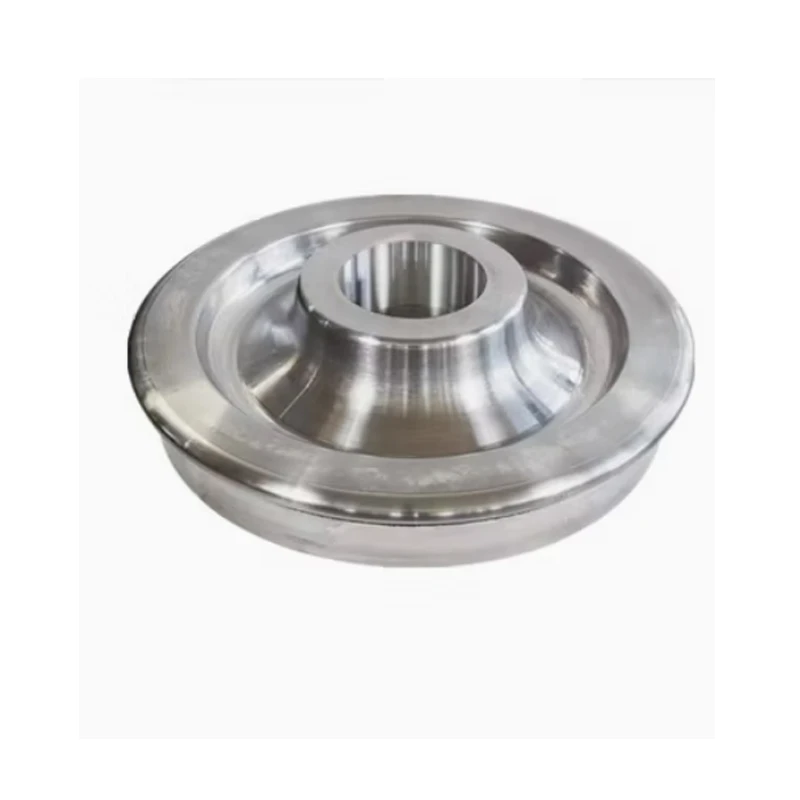 Profile S1002 Series Rail Wheels
The S1002 series rail wheels are designed for Rail-Road Vehicles (RRVs) that require seamless operation on both roads and railway tracks. Engineered with high precision and durability, these wheels conform to S1002 tread profiles, ensuring compatibility with standard railway systems.
A Comprehensive Guide to Axles Types for Industry Decision Makers | Manufacturing Base
Axles Types is a key solution in the industry, specifically within heavy machinery and transportation sectors. This article explores how https://www.manufacturing-base.com supports professionals with durable, high-performance products
>
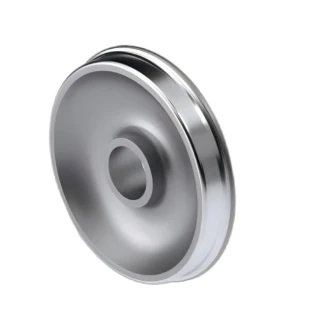
Reliable Rail Wheels: Optimize Your Rail Transport Solutions
For industries that rely on rail-based vehicles, choosing the right rail wheels is essential for smooth operations and safety.
>
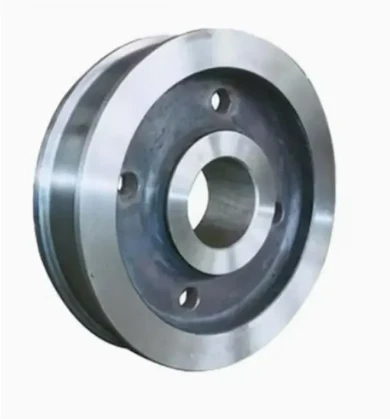
Premium Overhead Crane Wheels For Sale: Enhance Industrial Lifting Efficiency
In modern industrial operations, high-quality overhead crane wheels for sale are essential for safe, reliable, and efficient lifting.
>
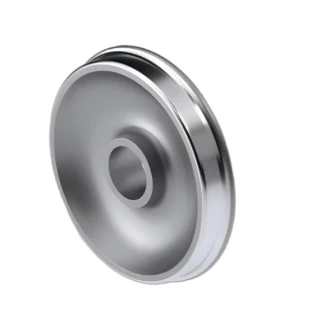
Premium Hi Rail Wheels For Sale: Boost Rail Vehicle Performance
In the modern industrial and railway sectors, having reliable hi rail wheels for sale is essential for operational efficiency and safety.
>
High-Quality Hi Rail Wheels For Sale: Enhance Your Rail Equipment Efficiency
When it comes to reliable rail maintenance and industrial operations, investing in hi rail wheels for sale is crucial.
>
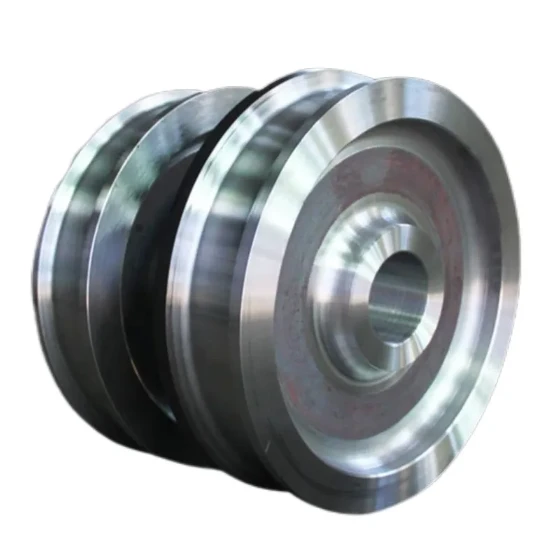
High-Quality Crane Wheels For Sale: Enhance Your Crane Operations
For industries relying on heavy lifting and material handling, investing in high-quality crane wheels for sale is crucial.
>
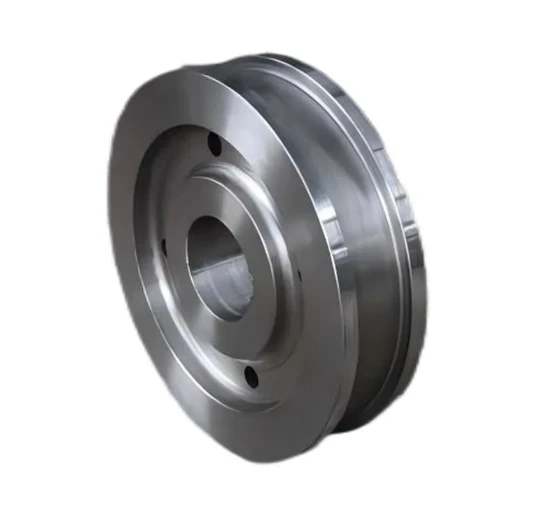
Durable Gantry Crane Wheels For Sale: Maximize Lifting Efficiency
For industries relying on heavy-duty lifting and material handling, selecting the right gantry crane wheels for sale is vital.
>
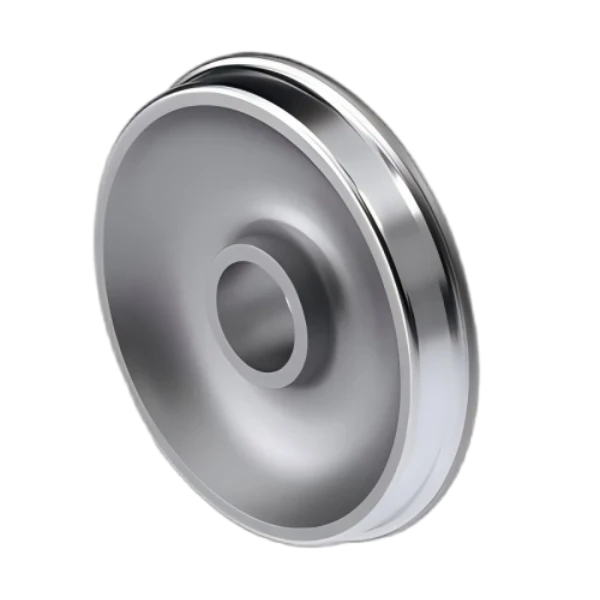
Reliable Tandem Drive Axles for Heavy-Duty Industrial Vehicles
Tandem Drive Axles: What I’ve Learned After Years in the Industrial Equipment Sector Ha
>

Reliable Semi Trailer Axles for Heavy-Duty Trailers | Expert Insight
Understanding semi trailer axles: The Backbone of Heavy Hauling Having spent more than a deca
>
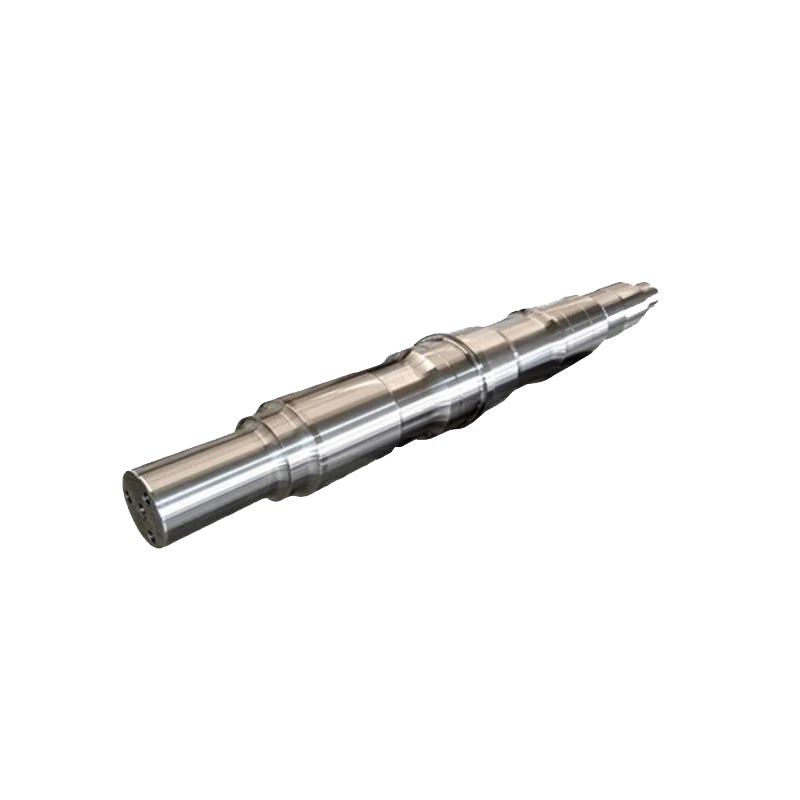
RC Portal Axles: Industrial Strength and Custom Performance
RC Portal Axles: A Veteran’s Take on Industrial-Grade Performance Having spent over a d
>
Engineered for Excellence
Our forged solutions deliver reliability and performance, powering demanding industries to keep operations running smoothly.

Sign up
for Newsletter
Subscribe to the weekly newsletter for all the latest updates