- Tel: +86 311 82620404
- Cell: 86 -13739710551
- Email: sales@potentia.cn

Comprehensive Guide to Horse Trailer Axles: Safety, Specifications & Future Trends
Understanding Horse Trailer Axles: The Backbone of Equine Transport
Horse trailer axles might not be the flashiest topic for most people, but for anyone involved in transporting these magnificent animals, they’re absolutely crucial. Globally, the equine industry is massive—from competitive sports and leisure riding to agricultural and therapeutic programs. If you care about safely moving horses across vast distances, understanding the components that keep their trailers rolling smoothly is not just practical—it’s essential.
Frankly, with the rise of equestrian sports worldwide and horse movements spanning continents, reliable trailer axles have become a critical piece of engineering. Knowing the ins and outs of horse trailer axles offers benefits like enhanced safety, reduced downtime, and cost savings for owners, breeders, or horse transport companies.
Mini takeaway: Horse trailer axles are fundamental to safe and efficient equine transport globally, impacting animal welfare and transport logistics alike.
Global Significance and Industry Context
The worldwide horse industry is diverse and valuable, with estimates suggesting over 60 million horses globally (source: Wikipedia). Many countries see horses as cultural assets, work partners, or sports competitors, making transportation infrastructure vital. Trailer axles bear the heavy load of these movements—both literally and figuratively.
According to recent data from the International Organization for Standardization (ISO), quality and safety standards in trailer manufacturing are stricter than ever. The challenge is that horse trailers often face tough terrain, long journeys, and heavy loads, which demands axles that are not only strong but also durable and well-maintained.
In real terms, when a trailer axle fails mid-route, the consequences can be dire: risk to the horses, costly delays, and logistic nightmares. This global context frames why manufacturers and users alike place great emphasis on choosing the right axles.
Mini takeaway: Horse trailer axles are a keystone in international equine logistics, requiring precision and robust standards due to their load and safety-critical nature.
What Exactly Are Horse Trailer Axles?
Simply put, a horse trailer axle is the shaft or assembly that connects the trailer’s wheels, supports its weight, and enables smooth turning and movement. These axles can be leaf-spring-based or torsion type, each offering specific performance traits.
Horse trailer axles tie into the broader fields of mechanical engineering and transportation, playing a quiet yet vital role alongside braking systems and suspension setups. They're designed not only to carry the trailer’s chassis and horses but also to absorb shocks from bumps or uneven roads, protecting both cargo and hitch.
Mini takeaway: Horse trailer axles are specialized mechanical elements that facilitate movement and load-bearing in trailers—essentially the “spine” of safe horse transport.
Core Aspects of Horse Trailer Axles
Durability
These axles must withstand heavy loads repeatedly. Typically, they feature steel alloys treated for corrosion resistance since they’re exposed to weather and road salt. A good axle lasts thousands of miles without significant wear or failure.
Load Capacity
Depending on trailer size—two-horse, four-horse, or larger setups—axle weight ratings range from about 3,500 to 7,000+ pounds. Overspecifying axle capacity prevents overloading and enhances safety.
Suspension Compatibility
Axles often come paired with specific suspension systems: leaf springs and torsion axles are the most common. Leaf springs are traditional and rugged, but torsion axles offer smoother rides by using rubber components to absorb shocks.
Maintenance and Serviceability
Axles with easily accessible bearings and grease fittings save time and money in maintenance cycles. Neglecting lubrication, for instance, is a leading cause of failures.
Cost Efficiencies
Finding the balance between upfront price and longer-term reliability is key. Cutting corners risks expensive breakdowns, but some proprietary designs and lightweight alloys might justify higher costs for specialized needs.
Customization
Some manufacturers provide custom axle lengths or widths to accommodate unique trailer builds or improved ride characteristics. This flexibility can make a big difference if you’re tailoring trailers for specific terrains or horse types.
Mini takeaway: From durability to customization, the right axle choice hinges on balancing load demands, ride comfort, maintenance ease, and budget.
Global Applications & Use Cases
Horse trailer axles aren't just about recreational trailering; their role spans various sectors worldwide.
- Competitive & Recreational Equestrian: In countries with vibrant equestrian sports like the United States, Germany, or Australia, reliable axles ensure horses arrive ready to perform.
- Agricultural & Ranch Operations: In rural regions of South America and Africa, trailers equipped with sturdy axles navigate rough terrain to transport workhorses or cattle horses.
- Disaster Relief and Animal Welfare: Organizations involved in evacuating animals during floods or fires rely on dependable trailer components to move large groups swiftly and safely.
- Industrial and Remote Zones: In oil fields or mining areas where horses still play roles or support staff recreationally, rugged axles endure on unpaved roads and challenging conditions.
Mini takeaway: Whether sport, work, or emergency response, horse trailer axles enable vital, safe movement of equines across diverse global contexts.
Advantages & Long-Term Value of Quality Axles
Investing in premium horse trailer axles pays dividends. Here’s why:
- Safety: Reliable axles minimize the risk of accidents, protecting valuable animals and humans.
- Durability & Reduced Repairs: Quality materials last longer—cutting downtime and costly fixes.
- Sustainability: Longer-lasting axles reduce material waste and the environmental toll of repeated replacements.
- Cost Performance: Though pricier upfront, good axles generally cost less over the trailer’s lifetime.
- Peace of Mind: For many, knowing their horses travel comfortably and safely is priceless.
Oddly enough, emotional factors often sway buying decisions just as much as technical specs—after all, recipients of horse transport services want to trust the equipment completely. It’s a relationship of safety and dignity.
Mini takeaway: High-quality horse trailer axles combine financial, environmental, and emotional benefits, making them smart long-term investments.
Product Specification Table: Typical Horse Trailer Axle Models
| Model | Load Capacity (lbs) | Axle Type | Suspension | Weight (lbs) |
|---|---|---|---|---|
| HTA-3500 | 3,500 | Leaf Spring | Standard | 70 |
| HTA-6000 | 6,000 | Torsion | Rubber Absorbers | 85 |
| HTA-7000X | 7,000+ | Leaf Spring | Heavy-Duty | 95 |
Vendor Comparison: Leading Suppliers of Horse Trailer Axles
| Vendor | Price | Warranty | Customization Options | Global Shipping |
|---|---|---|---|---|
| EquiAxle Co. | $$$ | 5 years | Wide (custom lengths) | Yes |
| TrailerTech | $$ | 3 years | Limited | Regional |
| StrongAxle Ltd. | $$$$ | 7 years | Extensive (high custom) | Yes |
Future Trends & Innovations
Looking ahead, horse trailer axles are evolving. Lightweight alloys and composites are gradually entering the space, aiming to reduce trailer weight without sacrificing strength. This shift could improve fuel economy—good news for long-distance haulers concerned about emissions.
Automation and smart sensors might also soon find their way into axles. Imagine an axle that monitors bearing temperature or load stress in real time, alerting drivers before a breakdown occurs. Green energy initiatives push manufacturers to integrate more sustainable production methods, too.
Horse trailer axles are increasingly a focus for digital transformation, blending traditional mechanical robustness with 21st-century tech.
Mini takeaway: Innovations like lightweight materials and smart monitoring systems will define the next generation of horse trailer axles, improving efficiency and safety.
Challenges & How to Overcome Them
Common hurdles include corrosion, uneven load distribution, and maintenance lapses. Corrosion especially is a silent enemy in wet or salty environments. Experts recommend regular inspections, high-quality protective coatings, and investing in torsion axles which better resist rust.
Ensuring axles are not overloaded depends on accurate weight assessments and user training. Some operators overlook simple upkeep steps like greasing bearings, which seriously shortens axle life.
Innovative coatings, modular axle designs for easier repairs, and industry-wide education programs provide promising solutions to these challenges.
Mini takeaway: Overcoming corrosion, overload, and maintenance issues requires a mix of better tech, education, and proactive care.
FAQ: Frequently Asked Questions About Horse Trailer Axles
- What is the best axle type for rough terrain horse trailers?
- Torsion axles are often recommended for rough terrain because their rubber-based suspension absorbs shocks better than traditional leaf springs, resulting in a smoother ride for horses and less stress on trailer components.
- How often should I service the axles on my horse trailer?
- Regular maintenance is key: axle bearings generally need greasing every 12 months or 12,000 miles, whichever comes first. Check for rust and damaged seals quarterly, especially if the trailer is used in wet environments.
- Can horse trailer axles be customized for unusual trailer sizes?
- Yes, many manufacturers offer custom axle lengths and suspension adjustments to fit unique trailer designs, allowing for better ride quality and load distribution.
- Is it worth investing in heavier-duty axles if I transport horses occasionally?
- If your transportation is infrequent and light, a standard-rated axle is usually sufficient. But for safety and future-proofing, slightly over-specifying axle capacity is wise—especially if you might upgrade your trailer later.
- Where can I find reliable horse trailer axles manufacturers with global shipping?
- Manufacturers like EquiAxle Co. and StrongAxle Ltd. provide global shipping options and customizable products. It’s advisable to confirm warranty and support availability in your region before purchase.
Conclusion: Why Paying Attention to Horse Trailer Axles Matters
At the end of the day, horse trailer axles are more than just mechanical parts—they’re safety guardians, comfort enablers, and long-term investments in your horses’ welfare. Whether you’re a professional transporter, a hobby rider, or an animal welfare advocate, understanding these components pays off in peace of mind, economic savings, and responsible stewardship.
If you want to explore quality options or learn more about how to optimize your trailers, visit our website: https://www.manufacturing-base.com. They provide a wide range of horse trailer axles designed for varied needs and budgets.
Safe travels and smooth rides start with the right axle—your horses deserve nothing less.
References:
1. Wikipedia: Horse Industry
2. ISO Standards: Trailer Manufacturing ISO Standards
3. ASTM International: Trailer Axle Testing Specifications (general industry documentation)
-
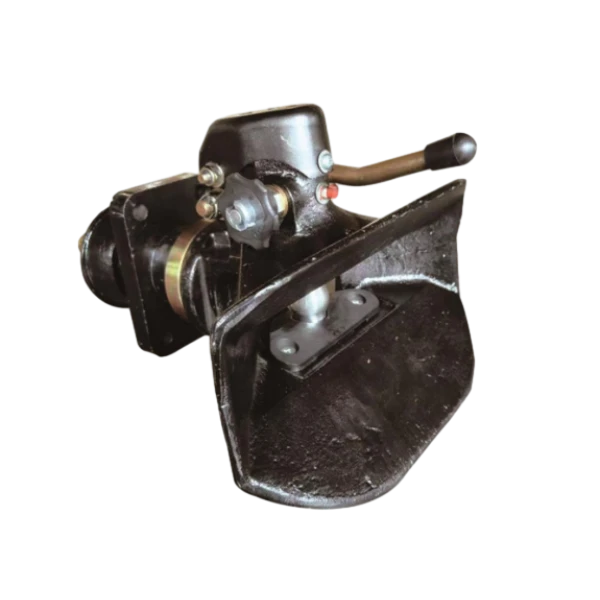 Trailer Coupling
The trailer coupling is a critical component in vehicle towing systems, designed to ensure a secure and efficient connection between a towing vehicle and a trailer. These couplings are manufactured using high-strength carbon steel, alloy steel, or stainless steel, ensuring durability and resistance to heavy loads and harsh environments.
-
 Drawbar Eyes
Drawbar eyes are essential components in towing and hauling applications, providing a strong and secure attachment point between the trailer and the towing vehicle. They are designed to endure extreme pulling forces, making them suitable for heavy-duty applications.
-
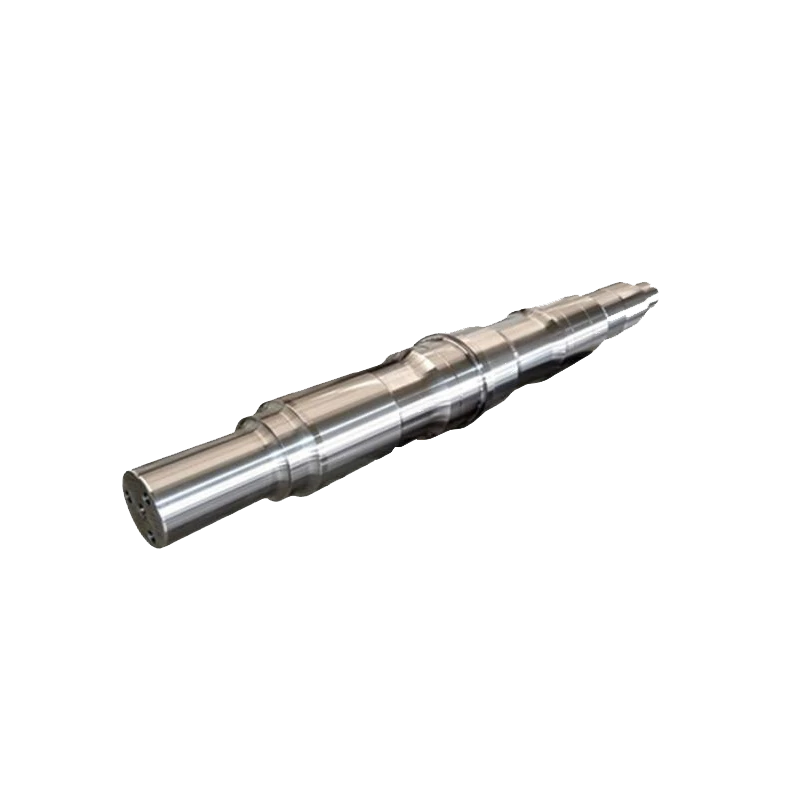 Axles
AxlesAxles are essential for vehicle load-bearing and power transmission, ensuring smooth movement and weight distribution. They must withstand high stress, torque, and impact, making material selection and precise manufacturing crucial.
-
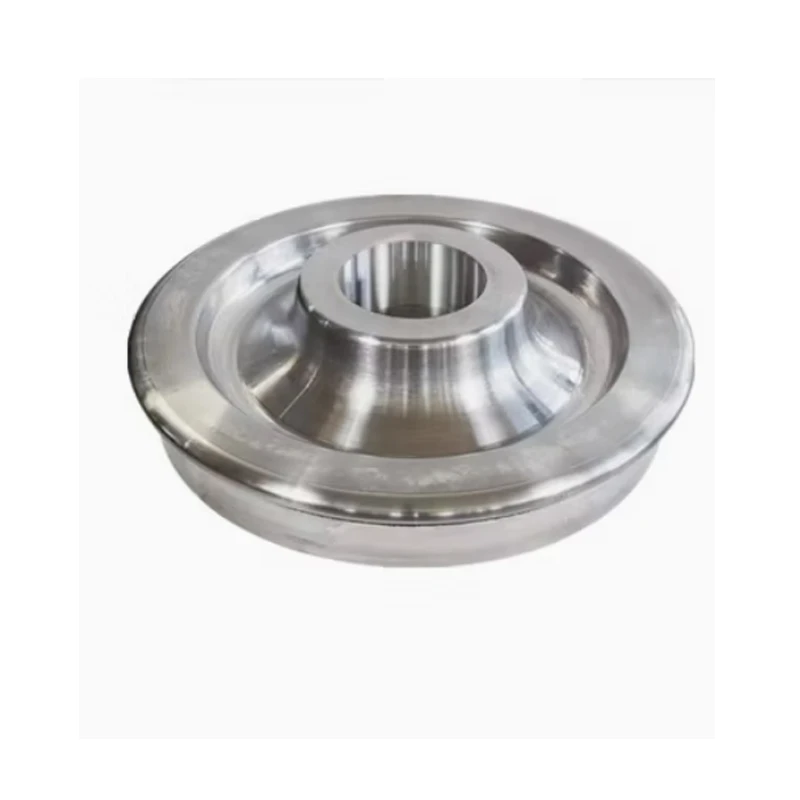 Profile S1002 Series Rail Wheels
The S1002 series rail wheels are designed for Rail-Road Vehicles (RRVs) that require seamless operation on both roads and railway tracks. Engineered with high precision and durability, these wheels conform to S1002 tread profiles, ensuring compatibility with standard railway systems.
A Comprehensive Guide to Axles Types for Industry Decision Makers | Manufacturing Base
Axles Types is a key solution in the industry, specifically within heavy machinery and transportation sectors. This article explores how https://www.manufacturing-base.com supports professionals with durable, high-performance products
>
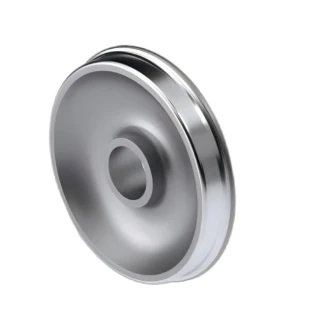
Reliable Rail Wheels: Optimize Your Rail Transport Solutions
For industries that rely on rail-based vehicles, choosing the right rail wheels is essential for smooth operations and safety.
>
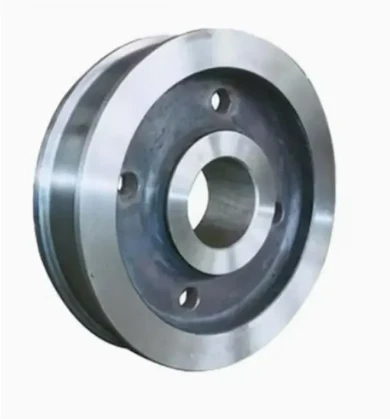
Premium Overhead Crane Wheels For Sale: Enhance Industrial Lifting Efficiency
In modern industrial operations, high-quality overhead crane wheels for sale are essential for safe, reliable, and efficient lifting.
>
Premium Hi Rail Wheels For Sale: Boost Rail Vehicle Performance
In the modern industrial and railway sectors, having reliable hi rail wheels for sale is essential for operational efficiency and safety.
>
High-Quality Hi Rail Wheels For Sale: Enhance Your Rail Equipment Efficiency
When it comes to reliable rail maintenance and industrial operations, investing in hi rail wheels for sale is crucial.
>
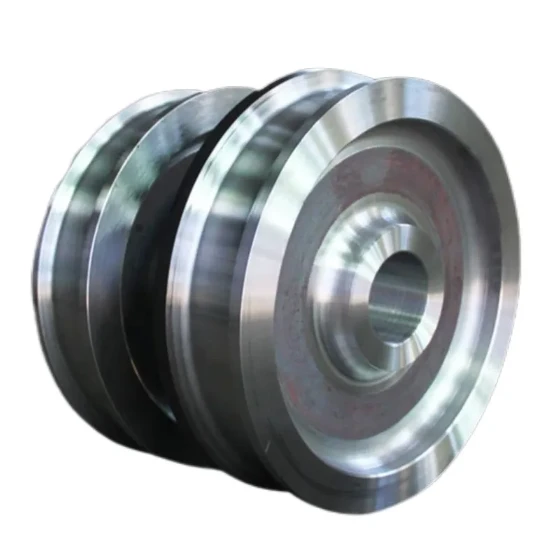
High-Quality Crane Wheels For Sale: Enhance Your Crane Operations
For industries relying on heavy lifting and material handling, investing in high-quality crane wheels for sale is crucial.
>
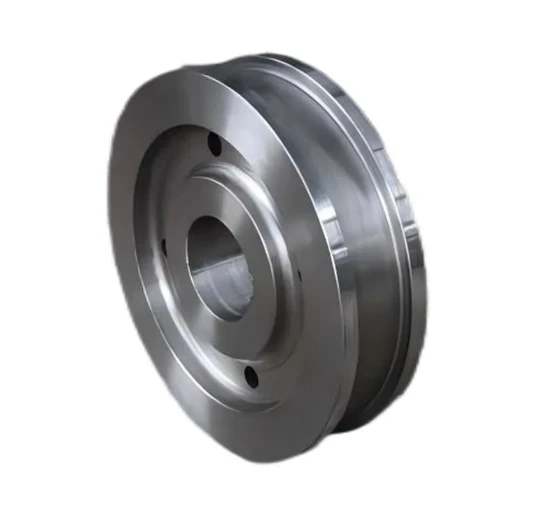
Durable Gantry Crane Wheels For Sale: Maximize Lifting Efficiency
For industries relying on heavy-duty lifting and material handling, selecting the right gantry crane wheels for sale is vital.
>
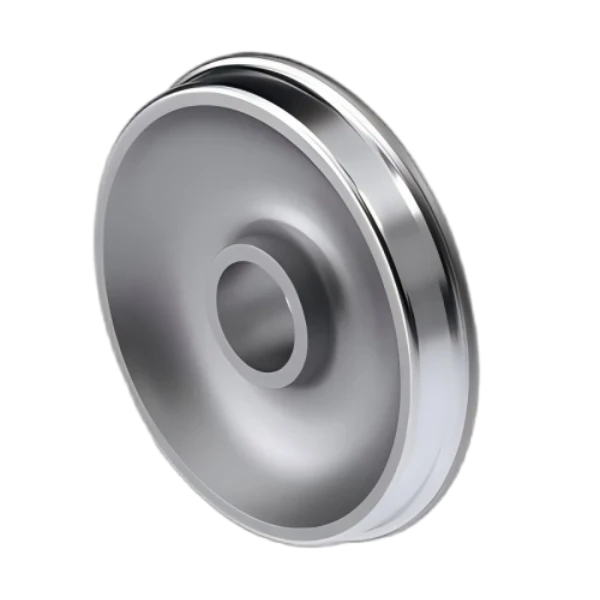
Reliable Tandem Drive Axles for Heavy-Duty Industrial Vehicles
Tandem Drive Axles: What I’ve Learned After Years in the Industrial Equipment Sector Ha
>
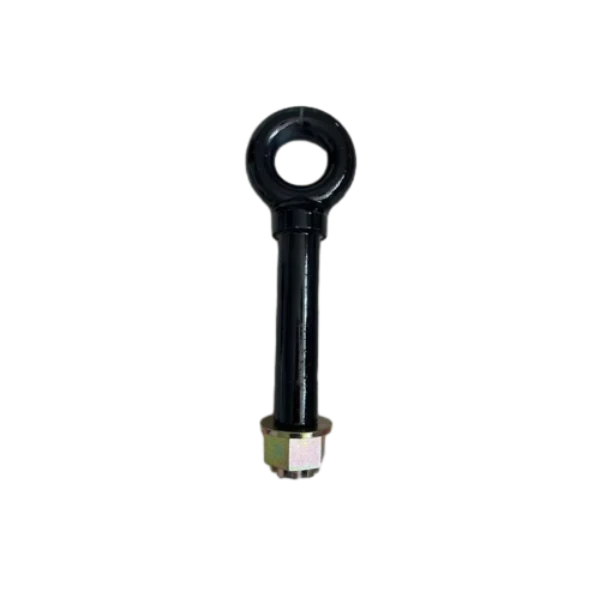
Reliable Semi Trailer Axles for Heavy-Duty Trailers | Expert Insight
Understanding semi trailer axles: The Backbone of Heavy Hauling Having spent more than a deca
>
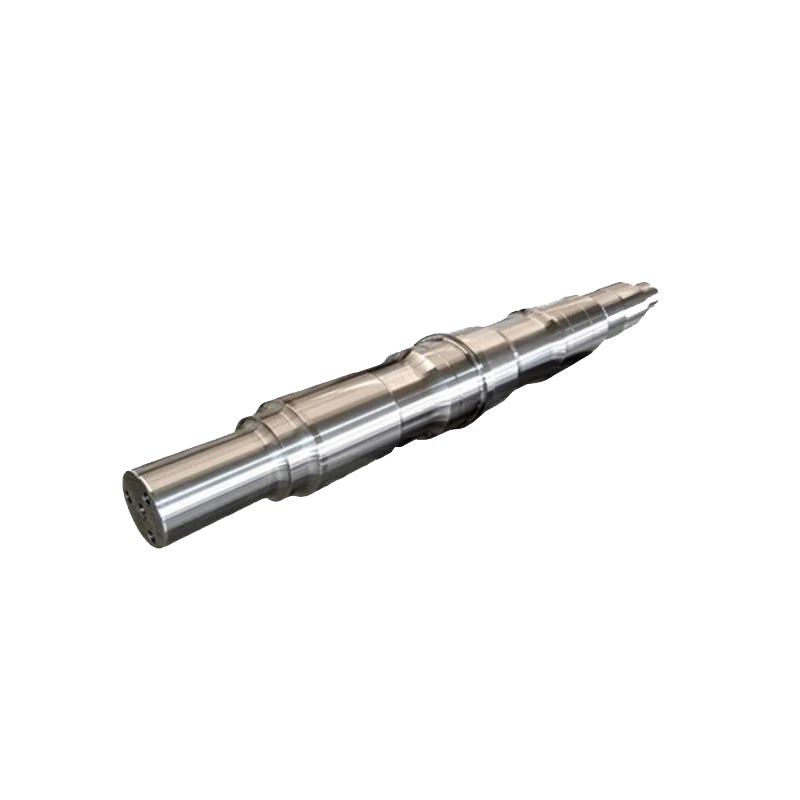
RC Portal Axles: Industrial Strength and Custom Performance
RC Portal Axles: A Veteran’s Take on Industrial-Grade Performance Having spent over a d
>
Engineered for Excellence
Our forged solutions deliver reliability and performance, powering demanding industries to keep operations running smoothly.

Sign up
for Newsletter
Subscribe to the weekly newsletter for all the latest updates