- Tel: +86 311 82620404
- Cell: 86 -13739710551
- Email: sales@potentia.cn

Gantry Crane Wheels: Essential Durability and Efficiency for Heavy Lifting
Why Gantry Crane Wheels Matter — A Brief Overview
If you’ve ever watched massive cargo containers move effortlessly at a shipyard or a sprawling industrial plant, “gantry crane wheels” are often the unsung heroes doing the heavy lifting — literally. These wheels support and move the giant frames that hoist incredibly heavy loads across yards, docks, and factories worldwide.
Their importance isn’t just about moving stuff around. In a globalized economy with construction booms, expanding ports, and humanitarian disaster relief efforts, reliable and efficient gantry crane wheels keep the wheels of industry turning — and sometimes, life-saving relief supplies rolling in. Understanding these wheels means understanding more than just a piece of metal; it’s about efficiency, safety, and global logistics.
Mini takeaway: Gantry crane wheels may seem obscure, but they’re pivotal in worldwide logistics, heavy industry, and even emergency response frameworks.
The Global Stage for Gantry Crane Wheels
World trade volume grows year after year, with the United Nations Conference on Trade and Development (UNCTAD) estimating over 11 billion tons of goods moved yearly by sea. And most of that movement relies on cranes sliding on large, robust wheels to manage containers and heavy cargo. Ports in Asia, Europe, and North America spend millions upgrading their gantry cranes to improve uptime and efficiency — all hinging on the quality of their wheels.
But here’s a challenge: poorly designed or worn wheels cause downtime, increase maintenance, and risk accidents. For humanitarian efforts, that delay could mean life or death during disaster relief. Cranes equipped with reliable wheels navigate uneven surfaces, carry heavier loads, and last longer — a real-world fix for a very tangible risk.
What Are Gantry Crane Wheels?
Simply put, gantry crane wheels are the large, durable wheels positioned at the base of the gantry crane, allowing it to roll smoothly along tracks or concrete surfaces. Think of them as the giant sneakers on an industrial giant’s feet. Made mainly from hardened steel, these wheels carry massive weights while minimizing friction and wear on both the wheels and the rails.
Within the modern industrial ecosystem — from shipyards to factories — gantry crane wheels ensure loads ranging from tiny parts to enormous shipping containers can be safely and efficiently moved. In post-disaster scenarios, movable cranes with high-performance wheels enable rapid setup of infrastructure, proving their humanitarian as well as industrial importance.
Core Components That Define Gantry Crane Wheels
Durability and Material Quality
Most engineers I’ve talked with stress the importance of wheel materials. High-carbon steel or alloy steel is typically heat-treated to resist cracking and wear. After all, these wheels bear thousands of kilograms repeatedly every day — they have to hold up.
Load Capacity
The maximum load a wheel can support without deforming or breaking is key. Loads vary drastically from small indoor cranes to massive port gantry cranes handling 40-foot containers weighing over 30 tons. Selecting the right wheel size and material ensures longevity and safety.
Design and Dimensions
Wheel diameter, tread profile, and flange thickness all matter. The wheels must fit precisely on the crane’s track system, avoid derailments, and reduce track wear. Depending on terrain and use, some wheels feature rubber or polyurethane treads for quieter operation, while others rely exclusively on steel for rugged conditions.
Maintenance and Testing Standards
Regular inspections and testing are essential. ISO 12482 sets standards focused on crane wheel quality, stressing nondestructive testing to catch early cracks. Maintenance can include lubrication, alignment checks, and monitoring wear rates.
Mini takeaway: Choosing the right gantry crane wheels means balancing durability, load demands, and daily maintenance — a trifecta that keeps cranes rolling smoothly.
Global Applications & Real-World Use Cases
From sprawling container terminals in italy, gantry crane wheels see action everywhere. They are also crucial in:
- Port operations: Loading and unloading mega container ships cost-effectively.
- Industrial manufacturing: Moving heavy equipment and raw materials across factory floors.
- Disaster relief: Deploying mobile cranes quickly to set up shelters or clear debris after events like hurricanes or earthquakes.
- Rail yards: Facilitating maintenance and assembly of rail cars with heavy structural frames.
Oddly enough, these wheels also affect social outcomes indirectly by enabling infrastructure projects that improve markets, jobs, and accessibility in developing regions.
Typical Specifications of Gantry Crane Wheels
| Specification | Typical Range |
|---|---|
| Diameter | 250mm – 650mm |
| Material | High-carbon alloy steel, heat-treated |
| Bearing Type | Tapered roller or ball bearings |
| Load Capacity per Wheel | 5 – 35 tons |
| Tread Type | Steel (most common), Rubber (special applications) |
Comparing Top Gantry Crane Wheel Vendors
| Vendor | Material Quality | Load Capacity | Customization | Delivery Time |
|---|---|---|---|---|
| SteelWheel Pro | High-carbon alloy, heat-treated | 20–35 tons | Full OEM specs | 3-4 weeks |
| Global Crane Wheels | Standard alloy steel | 10-25 tons | Limited customization | 5-7 weeks |
| RailWay Wheel Co. | Heat treated carbon steel | 15-30 tons | Moderate customization | 4-5 weeks |
Advantages and Long-Term Value of Using Quality Gantry Crane Wheels
At the heart of it, reliable gantry crane wheels help eliminate costly downtime, improve safety standards, and extend the life span of cranes. For financial planners, this means fewer emergency repairs and replacements. For operators, it translates to trust — knowing their equipment won’t suddenly fail when lifting tons of steel and concrete.
There’s also a sustainability angle: well-made wheels reduce friction and wear, cutting energy consumption and material waste in the long run. This fits neatly into global ISO sustainability missions and corporate social responsibility efforts.
What’s Next? Future Trends Shaping Gantry Crane Wheels
Looking ahead, several trends are reshaping gantry crane wheel technology:
- Smart wheels: Sensors detecting wear, temperature, and alignment issues are becoming more common, allowing predictive maintenance.
- Composite materials: Engineers experiment with advanced alloys and composites to cut weight without sacrificing strength.
- Green manufacturing: More vendors are adopting cleaner steel production, reducing carbon footprints.
- Automation integration: Wheels designed to withstand higher speeds and loads as automated cranes become mainstream.
Challenges Facing Gantry Crane Wheels and How to Overcome Them
Despite all advances, common problems linger. Wheel cracking during heavy loads is the most dreaded issue. Experts say thorough nondestructive testing (NDT) is the best defense — catching even microscopic flaws before disaster happens.
Wheels also need routine alignment and lubrication to prevent uneven wear. Industry consultants recommend detailed maintenance schedules and real-time monitoring via IoT devices.
When wheels wear out, replacing them quickly without crane downtime can be tricky. Modular wheel designs that allow for faster on-site swaps are proving a game changer.
FAQs About Gantry Crane Wheels
- What materials are gantry crane wheels typically made from?
- Most gantry crane wheels are crafted from high-carbon or alloy steel, often heat-treated for added durability and resistance to wear and cracking. Some specialized wheels may feature rubber or polyurethane treads for noise reduction or specific surface compatibility.
- How often should gantry crane wheels be inspected?
- Industry standards recommend visual inspections monthly and detailed nondestructive testing annually, or more frequently if operating conditions are harsh. Early detection of wear or cracks can prevent costly failures and downtime.
- Can gantry crane wheels be customized for specific crane models?
- Absolutely. Most reputable manufacturers offer full OEM customization for wheel diameter, tread type, bearing configurations, and load capacity to match specific gantry crane requirements.
- What are the signs of gantry crane wheel failure?
- Unusual noises during crane movement, uneven track wear, wheel cracks, or visible deformation are classic warning signs. Immediate inspection and replacement are advised to avoid accidents.
In Closing: Why Invest in Quality Gantry Crane Wheels?
In real terms, investing in high-quality gantry crane wheels is about investing in reliability, safety, and long-term efficiency. Whether it’s a container port in Rotterdam or emergency cranes rebuilding a town after a hurricane, these wheels are quietly holding up the weight of the world.
Curious to learn more or ready to upgrade your crane wheels? Visit our website: gantry crane wheels — your trusted source for top-tier industrial mobility solutions.
Summary: Gaining a deeper understanding of gantry crane wheels reveals their vital role across global infrastructure, industry, and emergency response. The right wheel choice brings stability, safety, and savings that echo through every cargo movement and construction project.
References
-
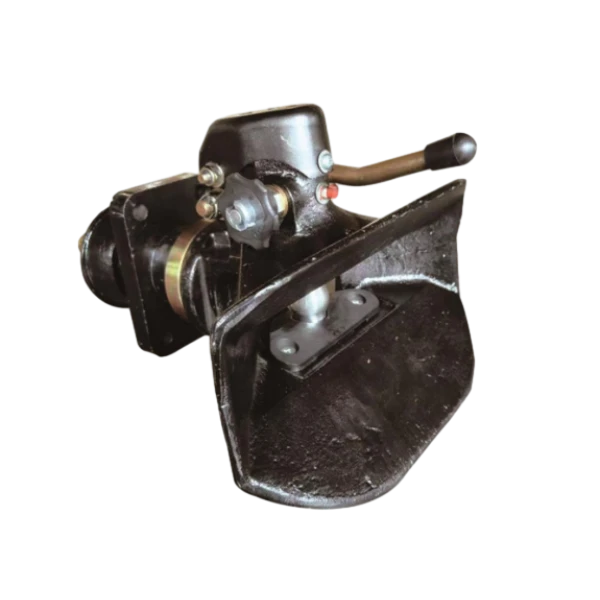 Trailer Coupling
The trailer coupling is a critical component in vehicle towing systems, designed to ensure a secure and efficient connection between a towing vehicle and a trailer. These couplings are manufactured using high-strength carbon steel, alloy steel, or stainless steel, ensuring durability and resistance to heavy loads and harsh environments.
-
 Drawbar Eyes
Drawbar eyes are essential components in towing and hauling applications, providing a strong and secure attachment point between the trailer and the towing vehicle. They are designed to endure extreme pulling forces, making them suitable for heavy-duty applications.
-
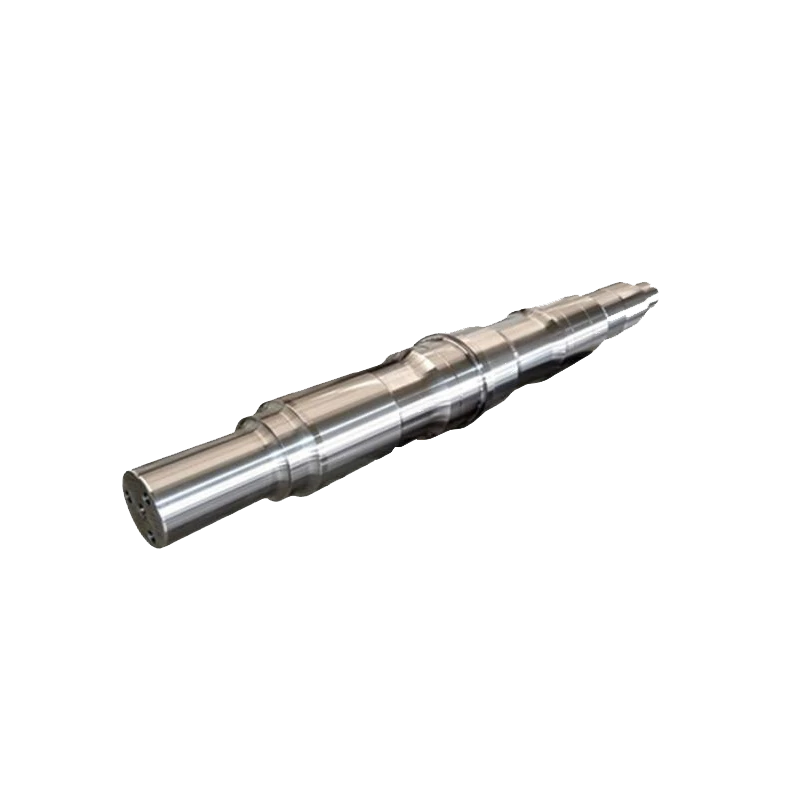 Axles
AxlesAxles are essential for vehicle load-bearing and power transmission, ensuring smooth movement and weight distribution. They must withstand high stress, torque, and impact, making material selection and precise manufacturing crucial.
-
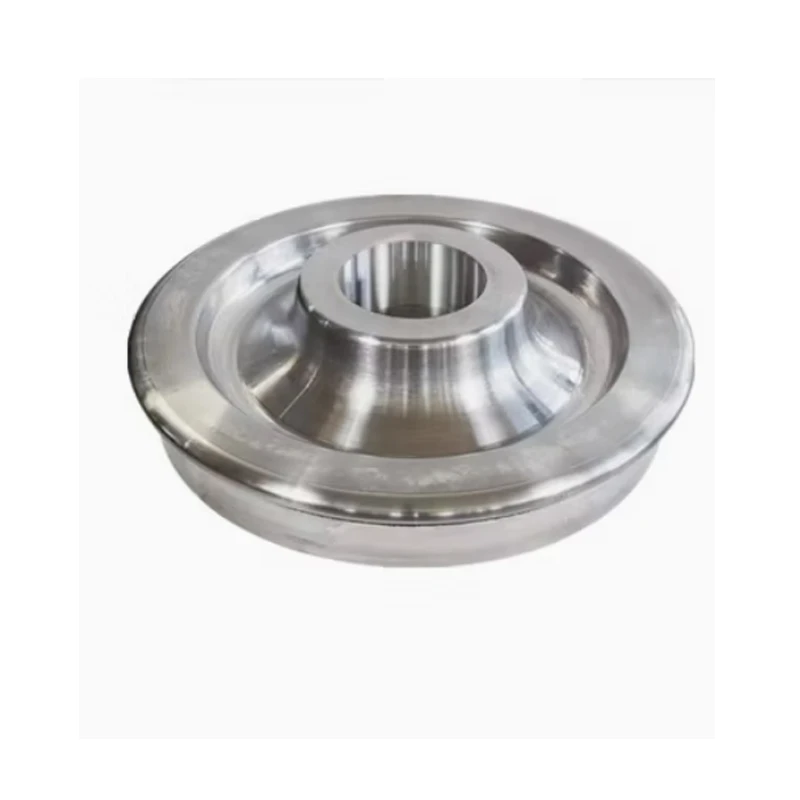 Profile S1002 Series Rail Wheels
The S1002 series rail wheels are designed for Rail-Road Vehicles (RRVs) that require seamless operation on both roads and railway tracks. Engineered with high precision and durability, these wheels conform to S1002 tread profiles, ensuring compatibility with standard railway systems.
A Comprehensive Guide to Axles Types for Industry Decision Makers | Manufacturing Base
Axles Types is a key solution in the industry, specifically within heavy machinery and transportation sectors. This article explores how https://www.manufacturing-base.com supports professionals with durable, high-performance products
>
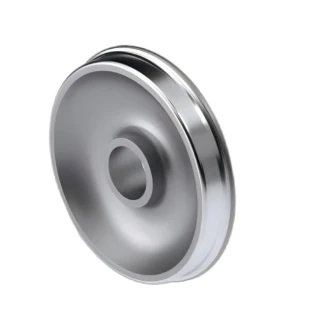
Reliable Rail Wheels: Optimize Your Rail Transport Solutions
For industries that rely on rail-based vehicles, choosing the right rail wheels is essential for smooth operations and safety.
>
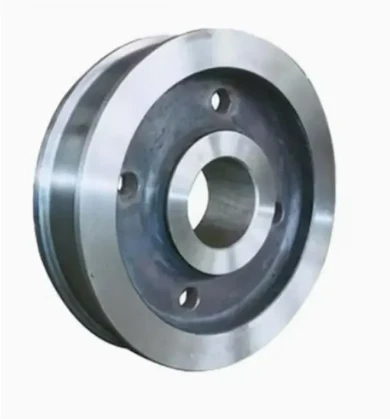
Premium Overhead Crane Wheels For Sale: Enhance Industrial Lifting Efficiency
In modern industrial operations, high-quality overhead crane wheels for sale are essential for safe, reliable, and efficient lifting.
>
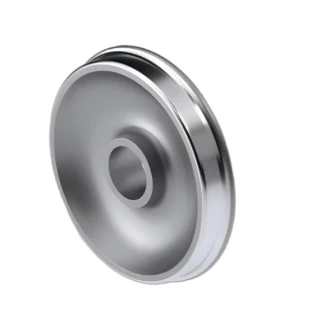
Premium Hi Rail Wheels For Sale: Boost Rail Vehicle Performance
In the modern industrial and railway sectors, having reliable hi rail wheels for sale is essential for operational efficiency and safety.
>
High-Quality Hi Rail Wheels For Sale: Enhance Your Rail Equipment Efficiency
When it comes to reliable rail maintenance and industrial operations, investing in hi rail wheels for sale is crucial.
>
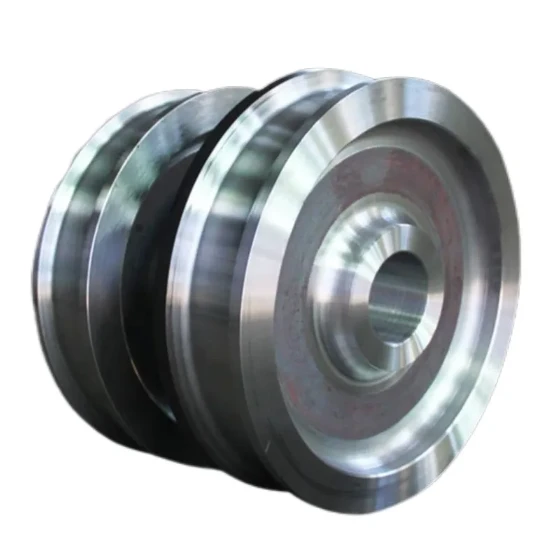
High-Quality Crane Wheels For Sale: Enhance Your Crane Operations
For industries relying on heavy lifting and material handling, investing in high-quality crane wheels for sale is crucial.
>
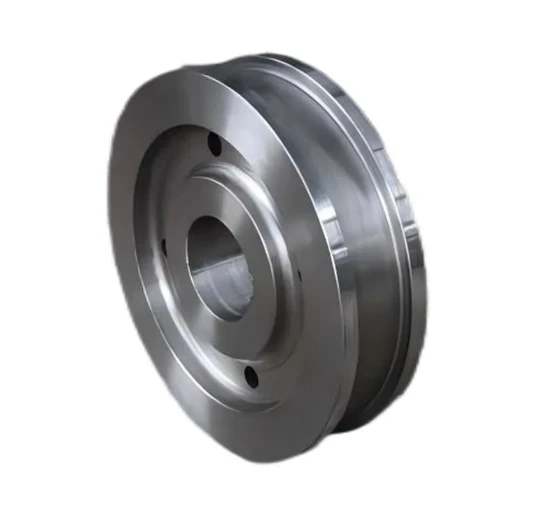
Durable Gantry Crane Wheels For Sale: Maximize Lifting Efficiency
For industries relying on heavy-duty lifting and material handling, selecting the right gantry crane wheels for sale is vital.
>
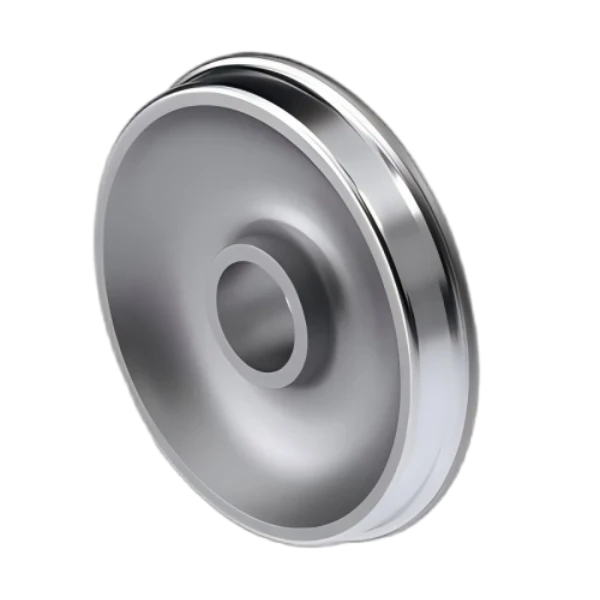
Reliable Tandem Drive Axles for Heavy-Duty Industrial Vehicles
Tandem Drive Axles: What I’ve Learned After Years in the Industrial Equipment Sector Ha
>

Reliable Semi Trailer Axles for Heavy-Duty Trailers | Expert Insight
Understanding semi trailer axles: The Backbone of Heavy Hauling Having spent more than a deca
>
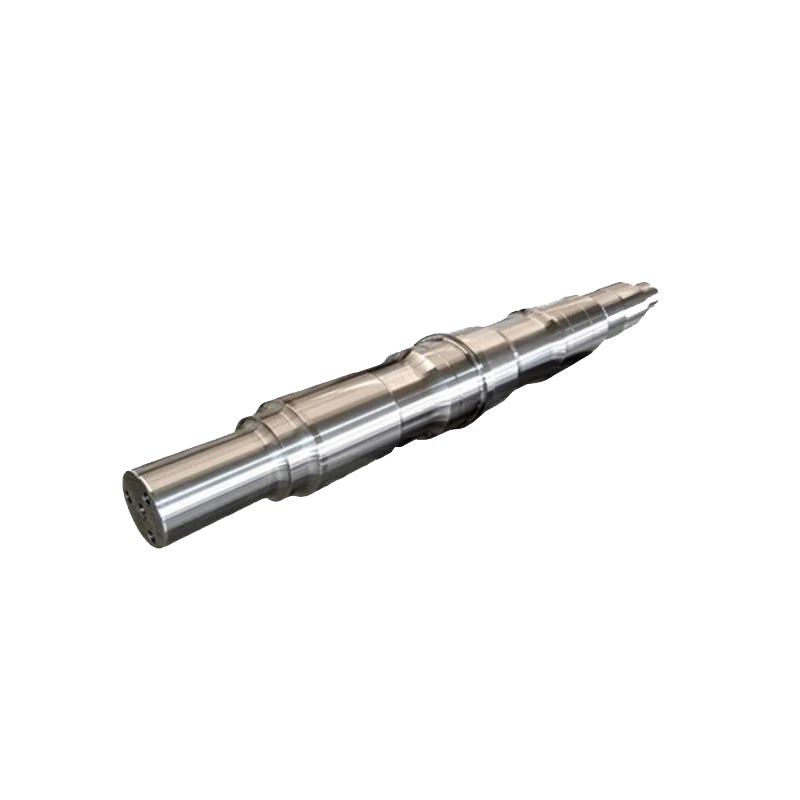
RC Portal Axles: Industrial Strength and Custom Performance
RC Portal Axles: A Veteran’s Take on Industrial-Grade Performance Having spent over a d
>
Engineered for Excellence
Our forged solutions deliver reliability and performance, powering demanding industries to keep operations running smoothly.

Sign up
for Newsletter
Subscribe to the weekly newsletter for all the latest updates